

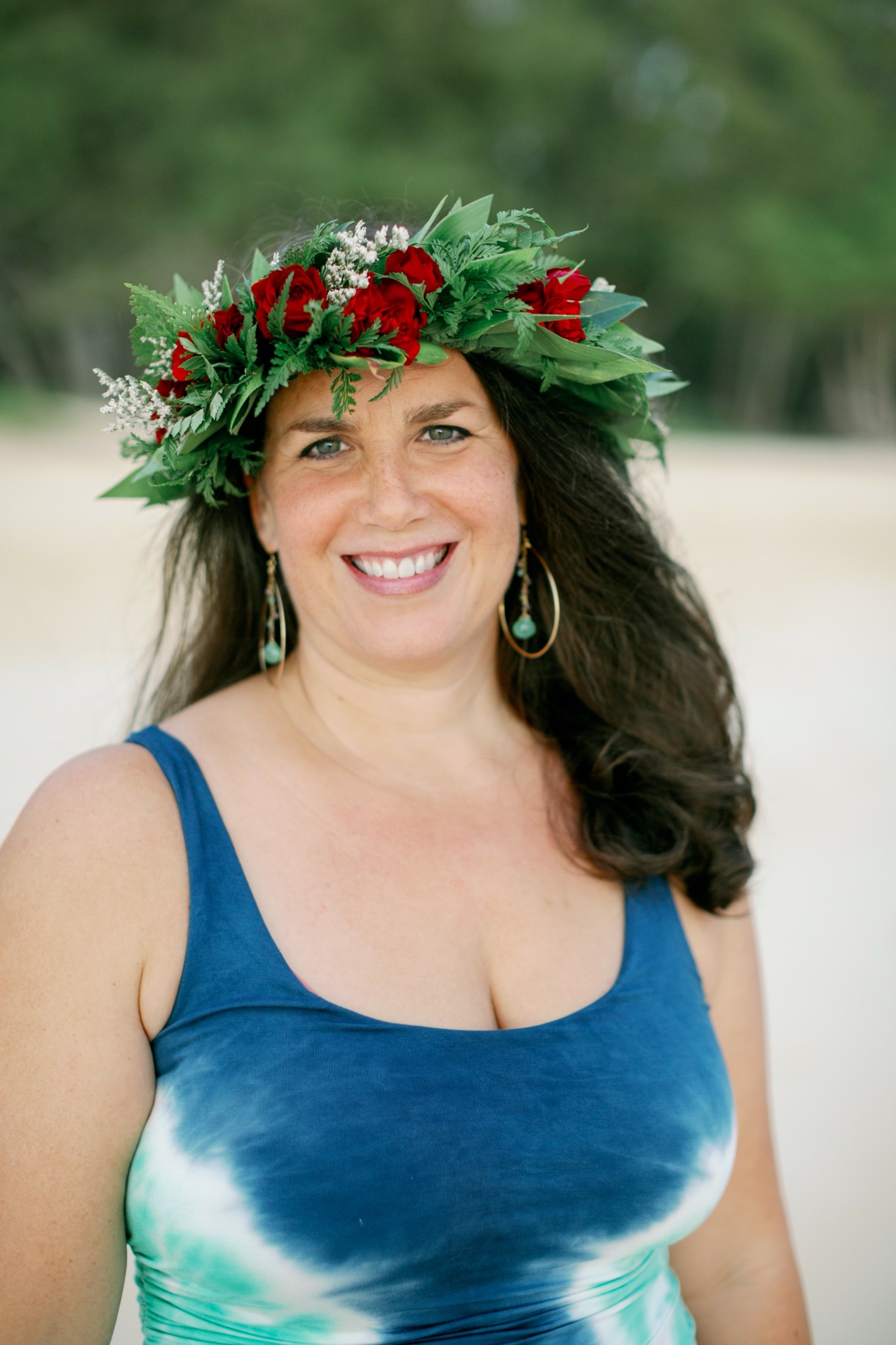

We were lucky to catch up with Sarah Snyder recently and have shared our conversation below.
Hi Sarah, thanks for joining us today. When you’ve been a professional in an industry for long enough, you’ll experience moments when the entire field takes a U-Turn, an instance where the consensus completely flips upside down or where the “best practices” completely change. If you’ve experienced such a U-Turn over the course of your professional career, we’d love to hear about it.
As an LCSW in Hawaii, I was taught that “best practices” in counseling include treating every client from a strengths-based, person-centered approach. This essentially means that it’s our kuleana (responsibility) to highlight our clients’ internal resilience rather than focus on their deficits and meet our clients where they are rather than from where we want them to be. While I still believe this to be true, I also now recognize the one thing that was never taught to me in graduate school – the practices of self-attunement and self-soothing. Self-attunement is awareness of your internal world, including your inner thoughts, feelings, needs, and sensory experiences. Self-soothing is the ability to calm and ground your body when stressed. In my professional opinion, these two skills should be considered “best practice” as core curriculum for not just every graduate student in the fields of social work, counseling, and psychology, but also for every child starting in kindergarten.
Not only have the somatic skills of self-attunement and self-soothing become essential to my well-being as a clinician, but they are the number one tool that I teach every client regardless of age in my private therapy and coaching practices before we dive into any cognitive reframing work. Because learning to attune inwards to create physiological safety in the body is as essential to emotional health as taking the first two steps in Abraham Maslow’s Hierarchy of Needs – meeting your physiological needs (for food, water, shelter, clothing, etc.) and your safety needs (for physical, mental, and emotional predictability, structure, and safety). If we cannot fulfill these basic needs for somatic safety, our nervous system cannot heal its patterns of stress and trauma when the brain is in a dysregulated state of survival.
Unfortunately, somatic safety is often overlooked in traditional clinical training. I came to understand its importance through my 200-hour yoga teacher training in 2012 and later through my advanced brainspotting trainings in 2024. While my graduate education provided me with a strong clinical foundation, it did not address how to cultivate a felt sense of safety in the body. Through my own continued professional development in somatic and trauma-informed practices, I began weaving together the missing parts. This organically led to the development of the Mālama Method – my own innovative approach rooted in self-attunement, self-regulation, and embodied healing with my clients.
In Hawaiian culture, mālama means “to nurture, care for, and protect.” My holistic approach integrates tools that mālama (nurture) body, mind, and soul following these three pillars:
PILLAR 1: Create Your Own Personal Paradise – You learn nervous system regulation tools that help you shift out of stress and reactivity into grounded clarity, emotional balance, and sustained energy – so your everyday life as a parent, partner, and professional feels like your own personal paradise within.
PILLAR 2: Conscious Reframing – You learn my science-backed system, rooted in cognitive behavioral therapy (CBT) and dialectical behavior therapy (DBT), to shift out of anxious overthinking, people-pleasing, and perfectionism into self-trust and emotional clarity – so you can set and hold healthy boundaries without guilt and move through life with greater ease and freedom.
PILLAR 3: Embody the Elite Within – You learn embodiment practices that reconnect you to your body’s wisdom and inner intelligence – so you can cultivate deeper presence, joy, and purpose while living in alignment with your most authentic self.
My vision is to teach more people on a global scale how they can mālama body, mind, and soul in more holistic ways to reduce our current mental health crisis and improve our collective emotional health and wellness.
As always, we appreciate you sharing your insights and we’ve got a few more questions for you, but before we get to all of that can you take a minute to introduce yourself and give our readers some of your background and context?
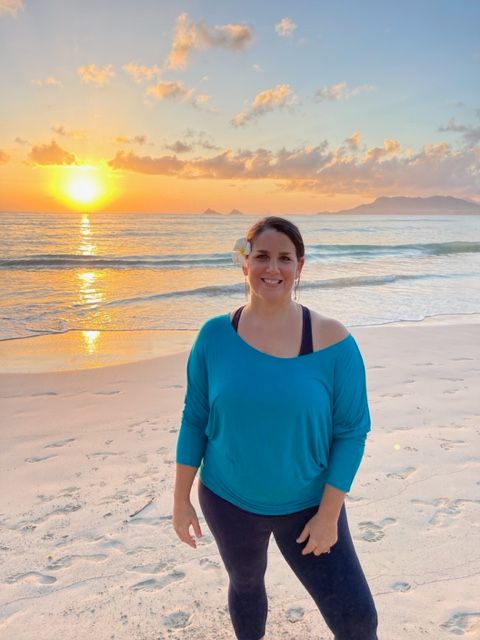
Aloha! I am a Licensed Therapist (LCSW), Embodiment Coach, Certified Brainspotting Practitioner, Yoga Teacher, and SEL (social emotional learning) Consultant in Hawaii with over twenty years of experience supporting adolescents, adults, families, and educational communities through integrative, trauma-informed care. I am also the founder of the Mālama Method, an innovative approach to holistic healing, blending neuroscience, psychology, yoga, and embodiment practices to support girls and women in reconnecting with themselves.
My work is shaped by decades of professional training and personal understanding. With a background in counseling, education, neuroscience, and mind-body work, I integrate strong clinical cognitive-behavioral foundations with more holistic and somatic approaches that help clients heal from both the top down (brain to body) and bottom up (body to brain) to create meaningful, sustainable change in everyday life.
My approach is holistic, grounded, and integrative – supporting body, mind, and spirit through evidence-based therapy, brainspotting, mindfulness, neuroeducation, and elements of yoga. This work is designed to help clients move beyond insight alone so emotional healing and expansion are not just cognitively understood, but they are felt, lived, and embodied.
With over a decade of experience as a school counselor and administrator, I also provide mental health consulting and social-emotional trainings for school communities. Additionally, I offer embodiment coaching through my Mālama Circle (a group coaching program), yoga workshops, and girls and women’s circles designed to support deeper healing, emotional regulation, and reconnection to conscious community.
Across every offering, my goal is the same – to create safe, sacred spaces and abounding circles of support where healing feels accessible and real change can begin.
Can you share a story from your journey that illustrates your resilience?
I have learned firsthand what happens to a brain on fire. In September 2024, while fighting an awful virus, I woke up to paralysis in half of my face. After being diagnosed and treated for Bells Palsy in the ER, I was forced to take a hard look at myself and my lifestyle. I had been seeing around 30 clients/week in my private therapy practice, pushing myself and my body too hard without proper rest and self-care. The reality of an overworked, overstressed body is that it eventually becomes so exhausted and depleted, it fails.
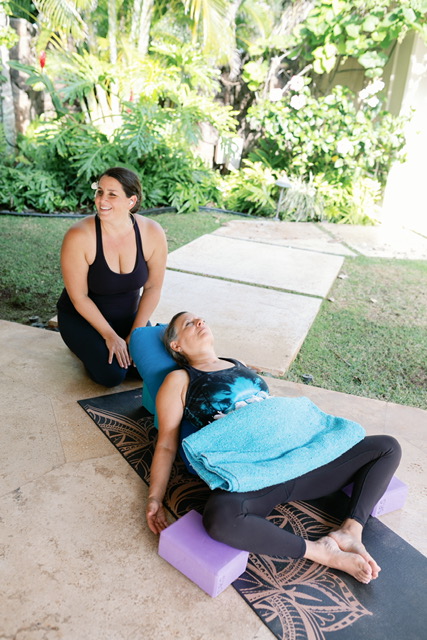
I feel blessed that my body woke me up through this experience and forced me to slow down and embody the tools I teach to others. Knowing my body was deeply craving rest, I cancelled all of my client sessions, stopped working, took my antiviral and steroid medication daily, changed my diet by eliminating sources of inflammation like gluten, dairy, and sugar, pumped myself full of turmeric to reduce inflammation, and used my own Mālama Method to heal my nervous system within 3 weeks. With only half of my face working, I actively and intentionally rested through daily yoga, meditation, visualization, breathwork, gentle exercise, 8+ hours of sleep, and shaking for trauma release. I remember lying in viparita karani (legs up the wall pose) feeling the right side of my face twitching, which meant my facial nerves were healing. There is something magical about nerve regeneration – it felt like a spiritual reminder from God to trust my body’s infinite wisdom to heal itself – I just had to get out of my own way and allow (rather than force) it to heal.
I made a full recovery from Bells Palsy in just 21 days, something that typically takes most people months or even years – if they’re lucky. I healed my nervous system using my holistic framework of creating internal somatic safety, consciously reframing my thoughts to live from trust rather than fear, and embodiment practices that brought me back home to myself. I strengthened my boundaries so I now only see around 20-25 clients per week and I now carve out pukas (pockets) of time in my weekly schedule for exercise, yoga, sleep, meditation, and time to connect with friends. These practices help me maintain a sense of balance, attunement, and connection to myself so I can show up as the elite version of me as a mother, wife, daughter, sister, clinician, teacher, coach, and human.
We often hear about learning lessons – but just as important is unlearning lessons. Have you ever had to unlearn a lesson?
A lesson I had to unlearn in my personal and professional journey is the belief that I am responsible for others’ emotions, reactions, and happiness. As a long time people pleaser and codependent in relationships, I grew up believing that if you just loved and cared for someone enough, you could help, fix, or save them. Fast forward to several unhealthy relationships, a lot of heartbreak, and a decade of therapy later, I eventually learned that the only person I am responsible for is me. Through years of therapy, meditation, and educating myself about healing codependency, I no longer take on others’ emotional states as my own. And this has become a foundational principle that I teach my clients, most of whom are female and come to me without even realizing they are codependent.
I define codependency as loving or giving too much of yourself to others without boundaries. It often looks like people pleasing, putting others needs before your own, saying “yes” when you really want to say “no,” lack of boundaries, believing it is your role to keep the peace or fix others problems, perfectionism (seeing things in polarized all or nothing terms), and difficulty with self-attunement and self-soothing due to being overly focused on others thoughts, feelings, behaviors, and needs rather than your own. And this is where the Mālama Method begins.
I start by teaching my clients how to attune inwards rather than outwards to listen to and care for their body. This self-attunement and self-soothing looks different for everyone since what soothes me may not necessarily soothe you, but I teach a menu of somatic tools to shift the body from a sympathetic fight-flight-freeze-fawn (survival mode) state into a parasympathetic rest and digest state (calm, soothing mode). These tools can include activating tools, like cooking, gardening, exercise, going for a walk outdoors, etc., and soothing tools, like breathwork, meditation, restorative yoga, reading, etc. What matters is not the activity, but that it allows your body to feel safe, calm, and at ease so you can down regulate into your parasympathetic nervous system.
Once you learn how to create your own internal paradise so the body feels a sense of somatic safety, I teach cognitive behavioral and dialectical behavioral tools for consciously reframing your unhealthy thought patterns. This works because when the body feels safe, it shifts out of the fear based part of the brain and is able to access the higher level thinking part of the brain that is more rational. This allows clients to practice metacognition – thinking about their thinking – which builds consciousness and awareness of patterns. This is the first step toward behavioral change.
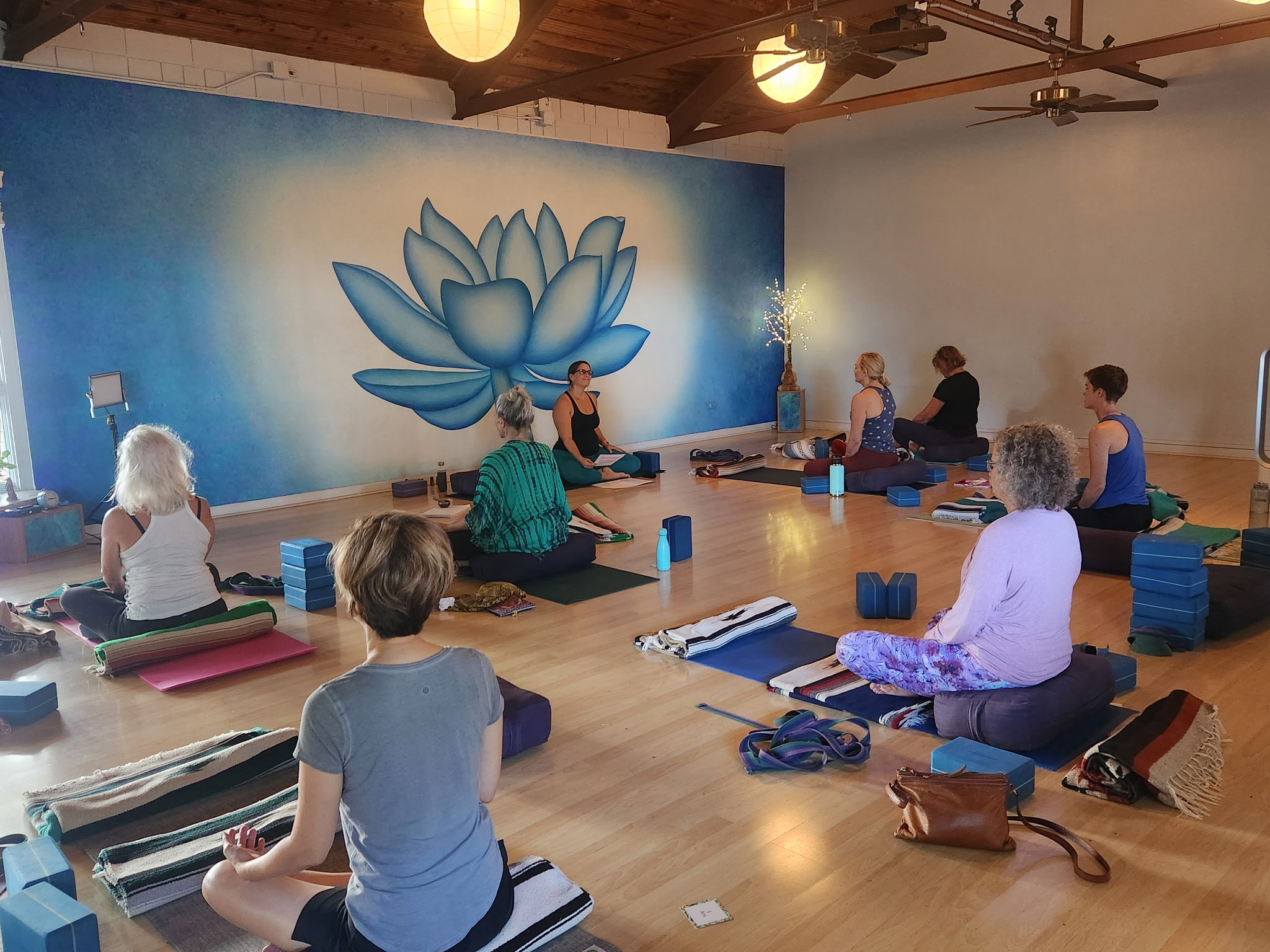
When the body and mind are finally operating from a place of internal safety and calm, I teach embodiment practices using focused mindfulness (also known as brainspotting), restorative yoga, yoga nidra (yogic sleep), meditation, visualization, san kalpa (heartfelt intention), gratitude, and more to help my clients come back home to their most authentic, joy-filled selves. I call this “elite embodiment” because my clients learn how to embody the elite (most self-actualized) versions of themselves through the one thing most people avoid – their own sacred stillness.
Learning how to tap into my own inner wisdom and stillness is truly the greatest lesson I have learned in my 44 years on this earth. And this is a skill I believe every human needs to learn to improve their emotional health and balance. If this approach resonates, I invite you to check out my website: www.sarahslatersnyder.com or email me [email protected] to connect and learn more about my Mālama Circle, Brainspotting Intensives, Yoga workshops, and other offerings. You can also purchase my Radical Self Love Affirmation Cards for Girls and Women or my digital workbook breaking down the Mālama Method tools for healing body, mind, and soul on my coaching website, www.aboundingcircles.com.
Contact Info:
- Website: https://www.sarahslatersnyder.com
- Instagram: https://www.instagram.com/aboundingcircleshawaii/
- Facebook: https://www.facebook.com/SarahRebeccaSlater/
- Linkedin: https://www.linkedin.com/in/sarahslatersnyder/
- Youtube: https://www.youtube.com/@SarahSlaterSnyder/videos
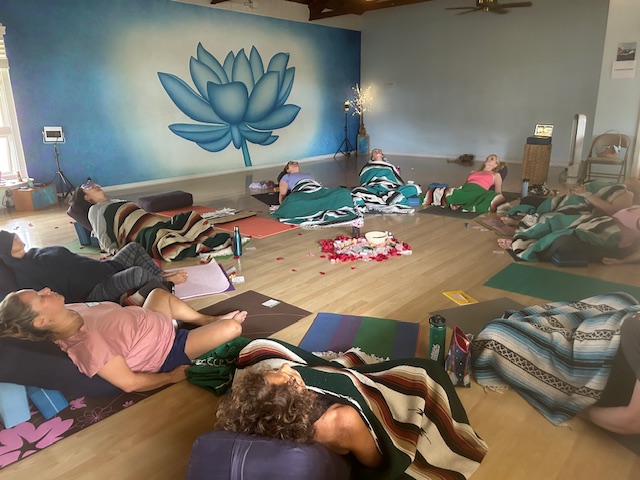
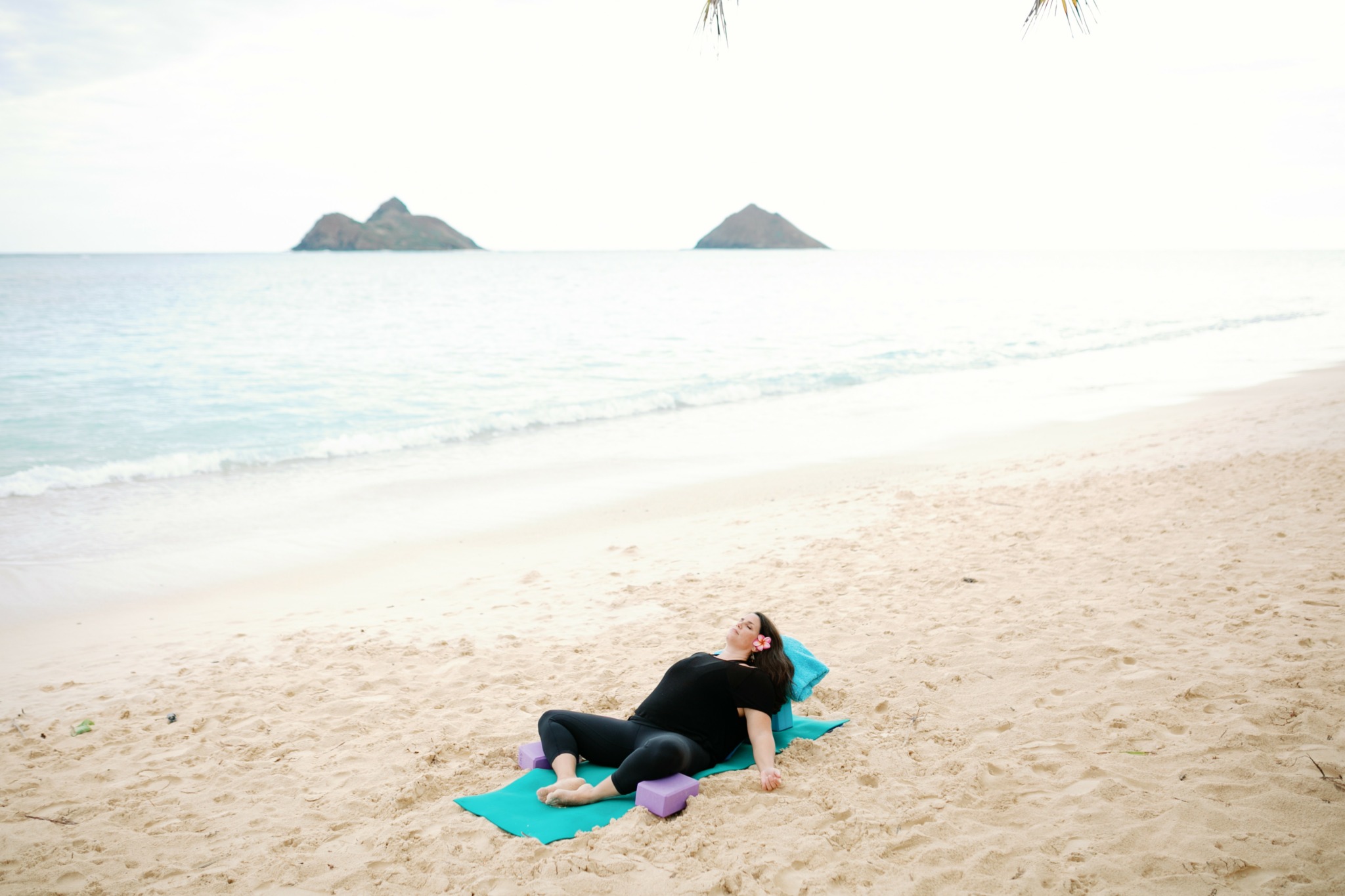
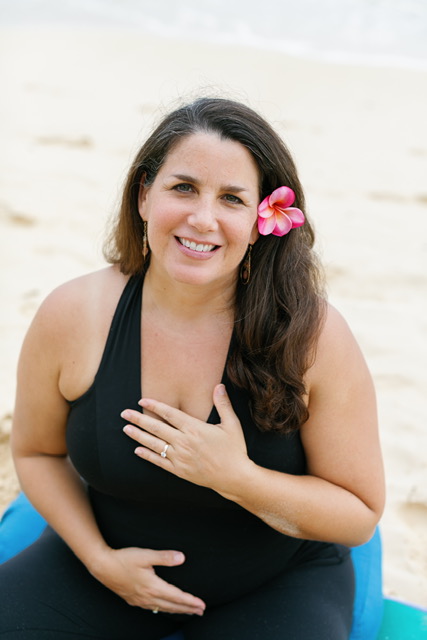
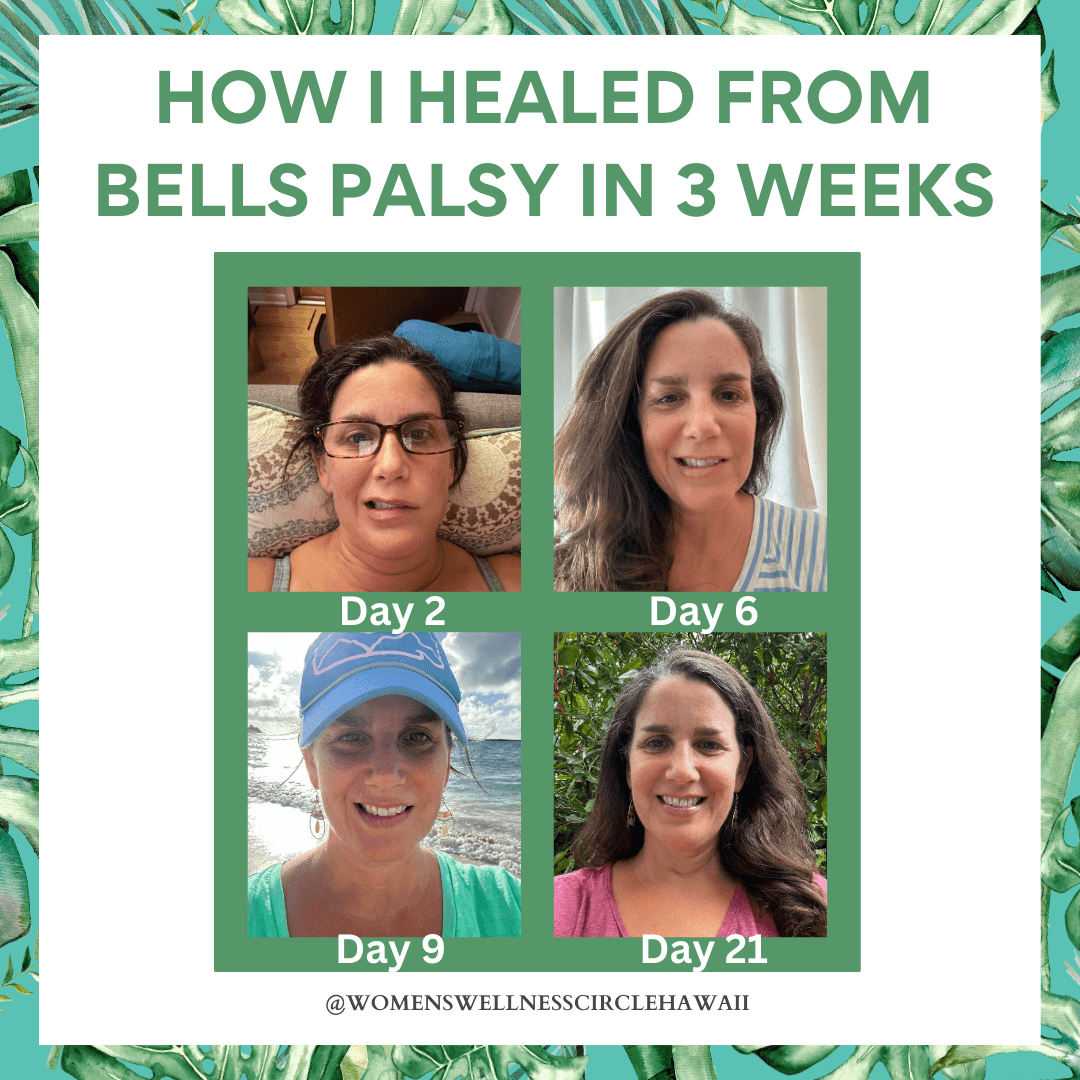
Image Credits
Mia Yoshioka