
We were lucky to catch up with Sarah Parker recently and have shared our conversation below.
Hi Sarah, thanks for joining us today. Learning the craft is often a unique journey from every creative – we’d love to hear about your journey and if knowing what you know now, you would have done anything differently to speed up the learning process.
I first took metalsmithing classes when I was in college. I was a painting major at the time and after taking an initial metals class was seduced by what metal fabrication afforded me within my 2dimensional practice. All of a sudden I was able to create an infrastructure to collage various components on the surface of my paintings. Eventually the paintings became secondary to the wall based metal sculptures–my jewelry practice was born out of those early investigations. I am a firm beleiver that we learn at the pace and in the time that it takes for us to achieve a skill and so, to your question of whether there is anything I could have done to speed up my learning process, I would have to say no. I am a stubborn student in the sense that my curiosity is what has to drive my impulses to acquire a new skill or technique. It just takes the time for that curiosity to grow, that said, once the ball was rolling, I was very thirsty to express myself through this craft practice and made sacrifices to support those creative needs.
One of the skills I have considered my essential in metalsmithing is the fundamentals of soldering which can be challenging at times. I see myself still getting better at this skill all the time; the rigor of teaching others how to solder has gotten me to a place with soldering that I am proud of. There’s something to be said about mastering fundamentals!
The obstacles that have stood in the way of my learning are not uncommon for many of us in the creative disciplines. Funding and financial resources to access continuing education are barriers that I come against often. That said, I try not to think to much about what I cannot access at this time, and instead, I focus on the bliss that I am afforded through my studio practice. I will be a life long student of the craft of metalsmithing and trust in that process unfolding the way it’s supposed to.
Great, appreciate you sharing that with us. Before we ask you to share more of your insights, can you take a moment to introduce yourself and how you got to where you are today to our readers.
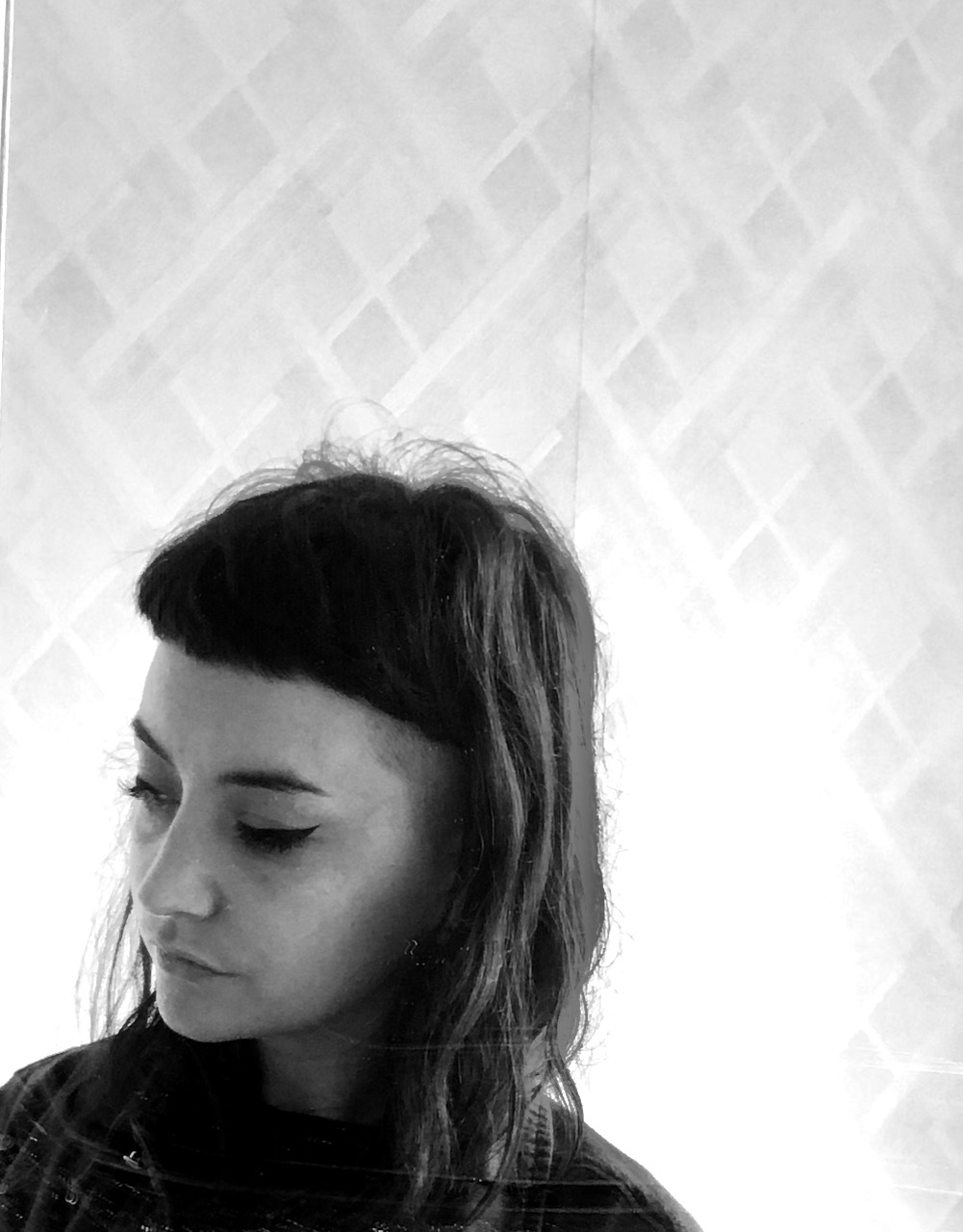
My name is Sarah. My nickname is “Spee”. I am a Richmond-based sculptor and jeweler. I received my MFA from the Department of Craft/Material Studies at Virginia Commonwealth University and my BFA at Appalachian State University.
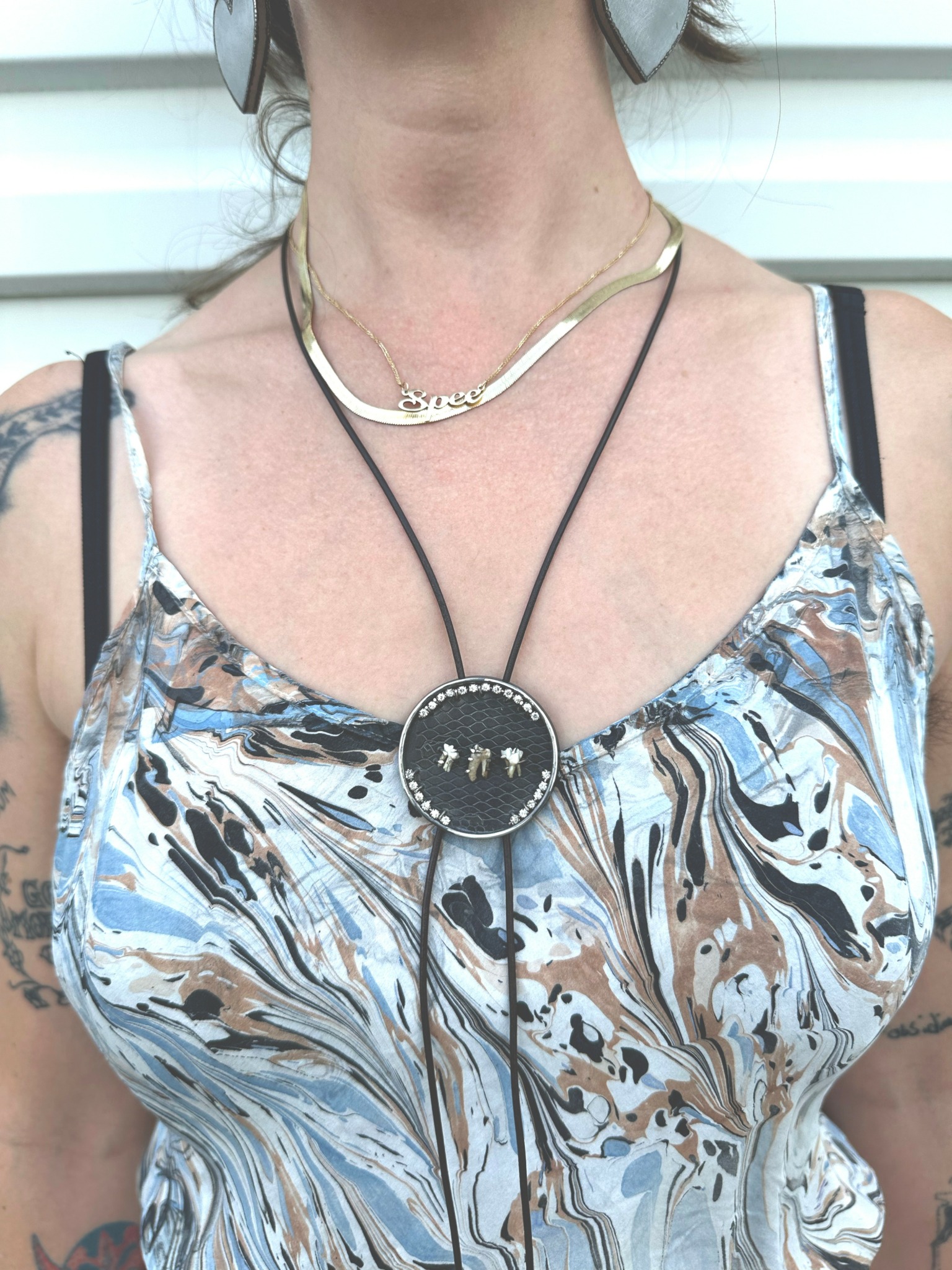
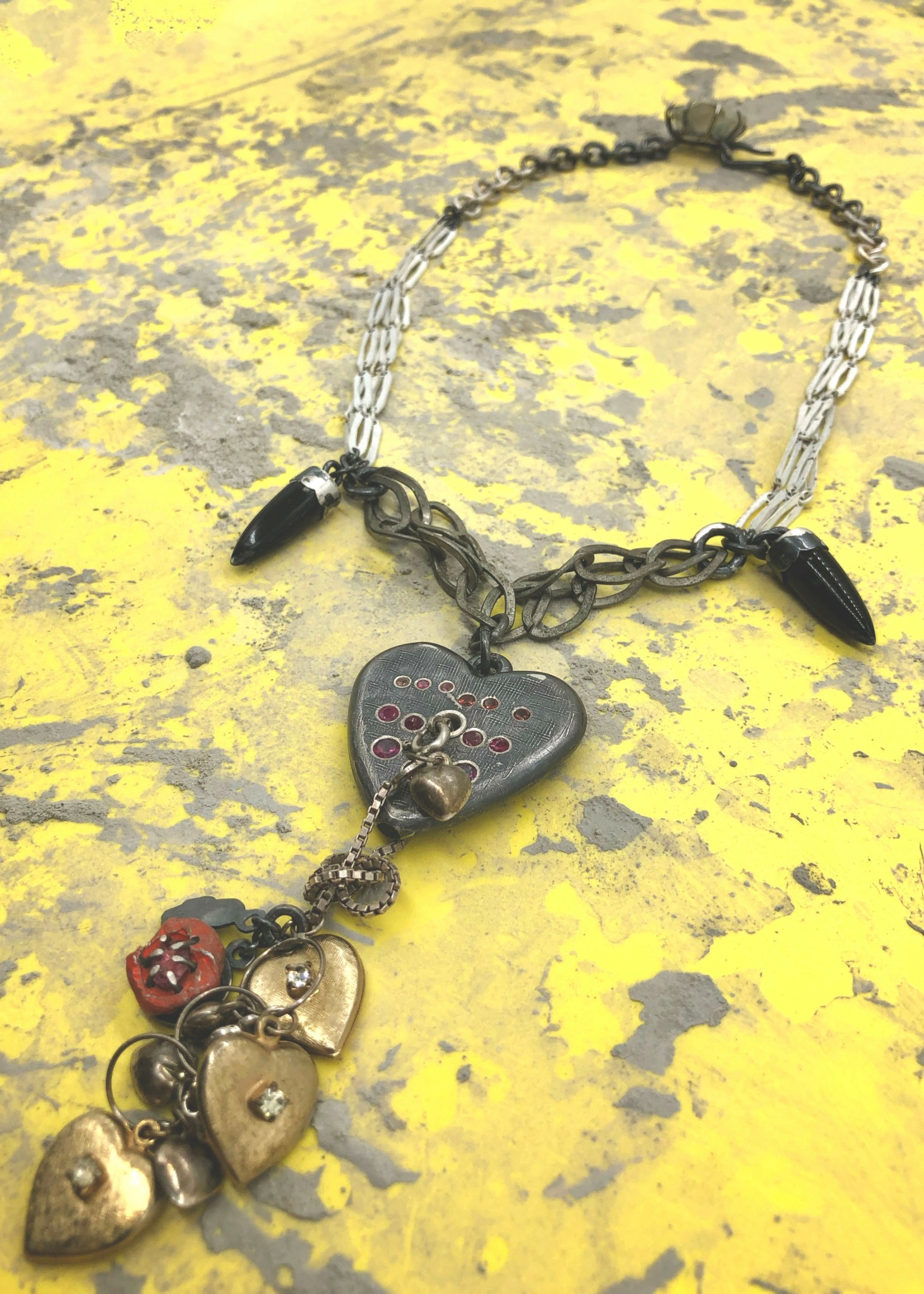
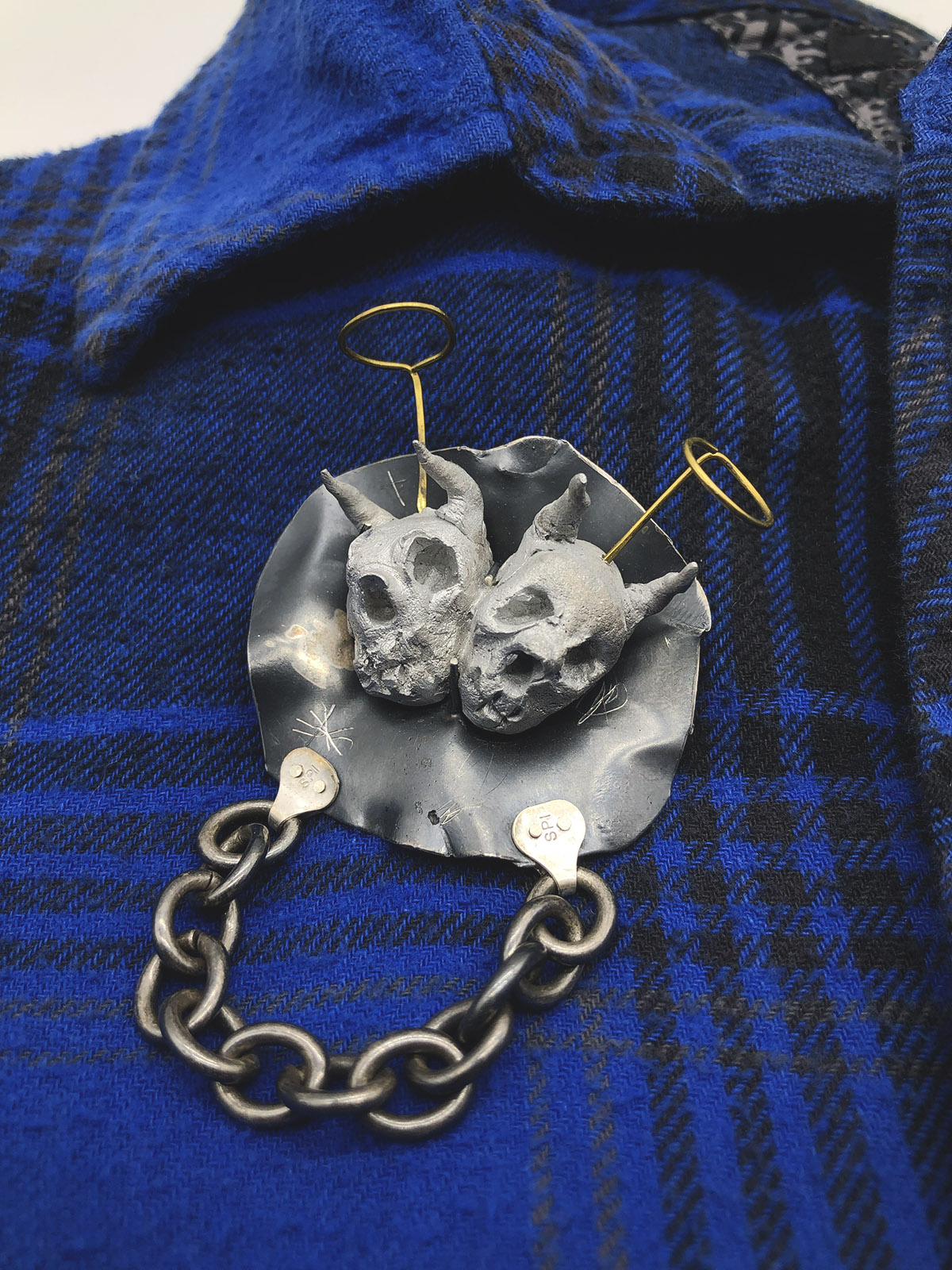
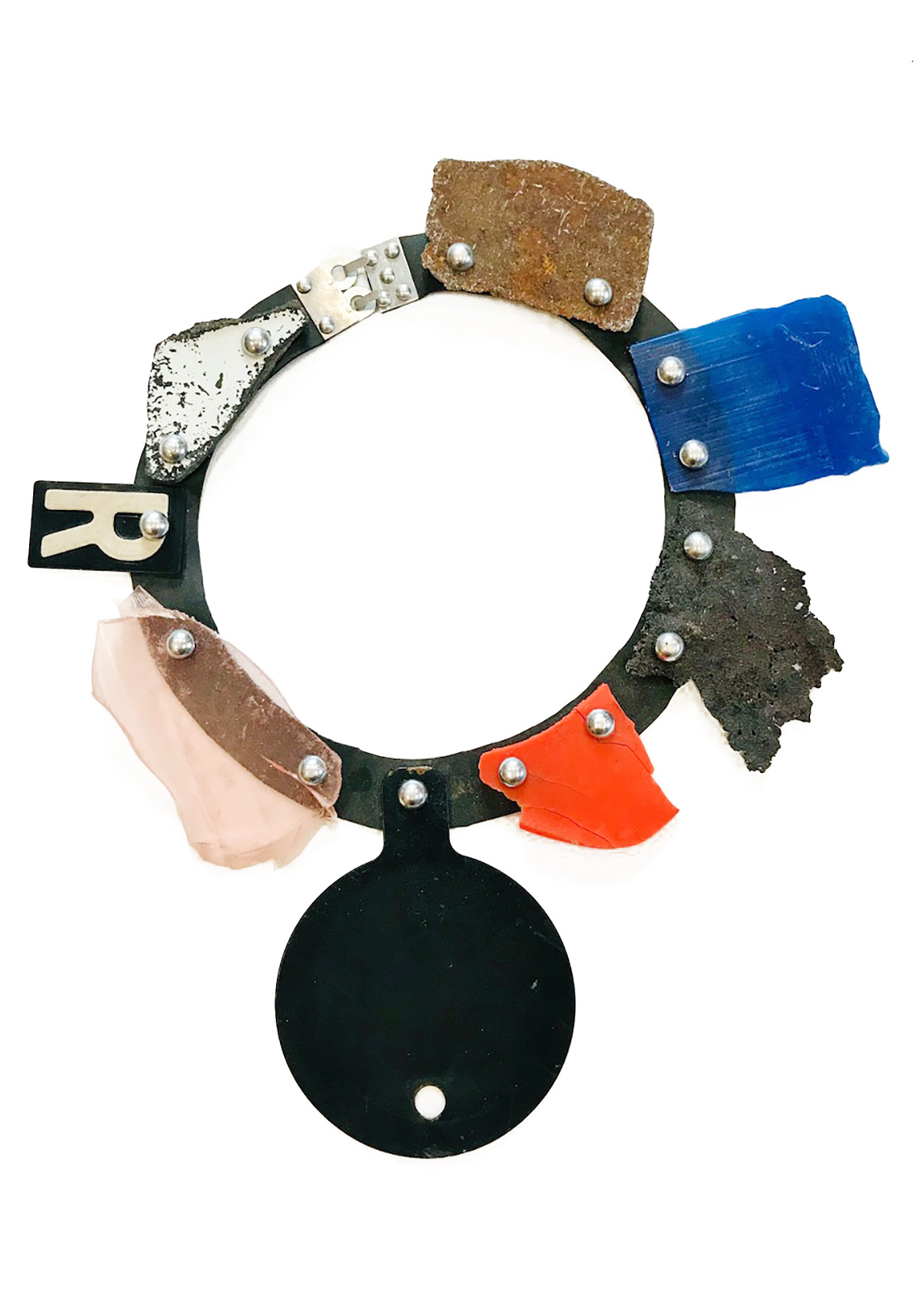
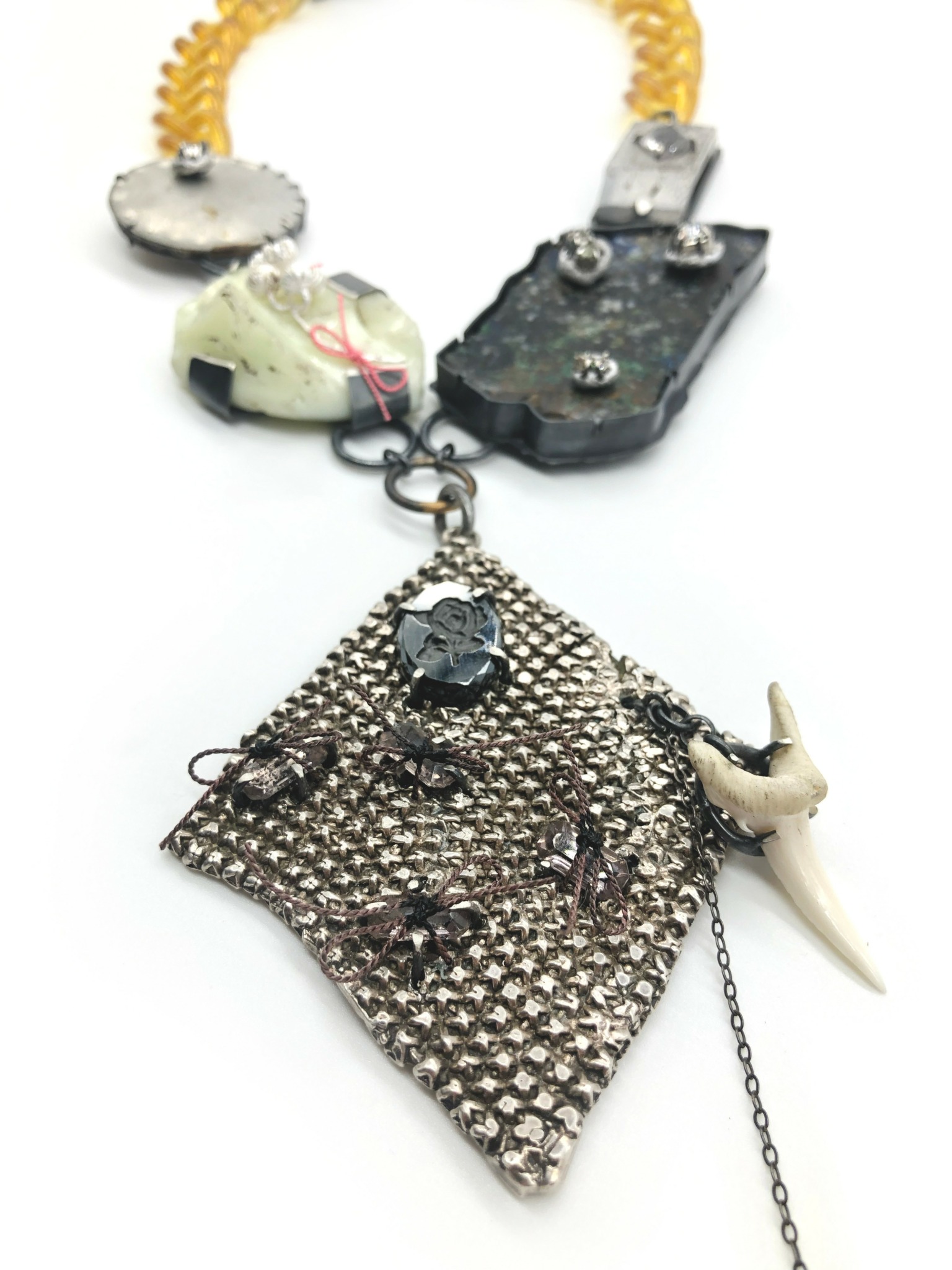
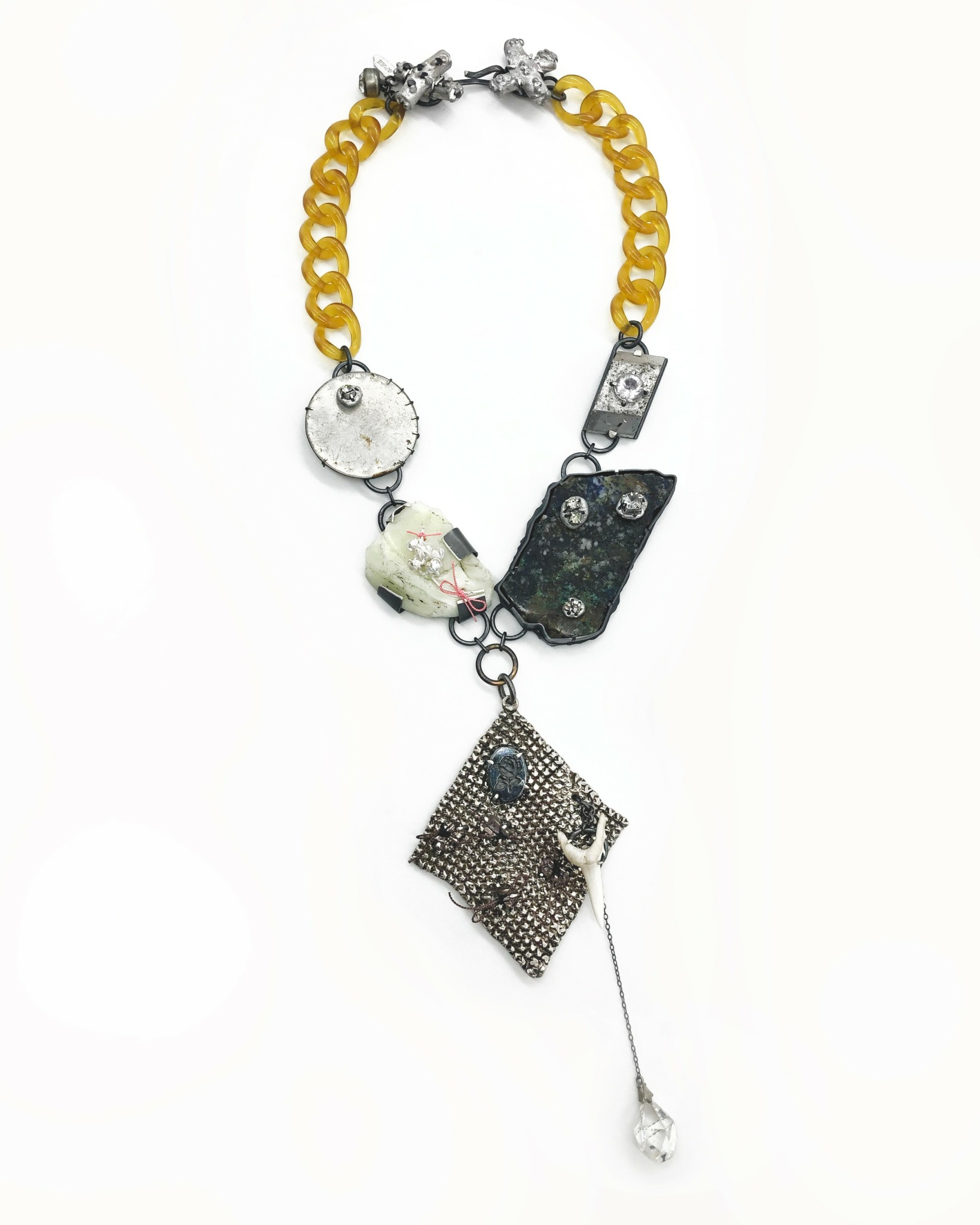
My sculptures, installations and jewelry focus heavily on americana, punk, DIY, anti-containment, and questioning authorship through the lens of craft. Both jewelry and sculpture are installed in the same space allowing viewers to draw relationships between the wearable and the static. The jewelry can perform on it’s subjects outside of the gallery space making it accessible to more viewers which is an intriguing concept to me. While the work I create is often narrative, it is also materially driven. The materials range from gold and silver, to plastics often found and scarred, to wood, rubber, or other found materials. I love to elevate what one might call a pathetic or forelorn material so that a viewer can find beauty in it. You’ll see that across my jewelry and sculptures. Not only do I find the poetic reflection of the human experience embedded on the surface of various materials but the material hierarchy created by our culture intrigues me especially as we contemplate the apocalyptic realities of the climate crisis and late stage capitalism. The leveling of this material hierarchy speaks of resilience, ingenuity– it queers and creates hopeful the trajectory of an industry fraught by humanitarian and environmental devastation.
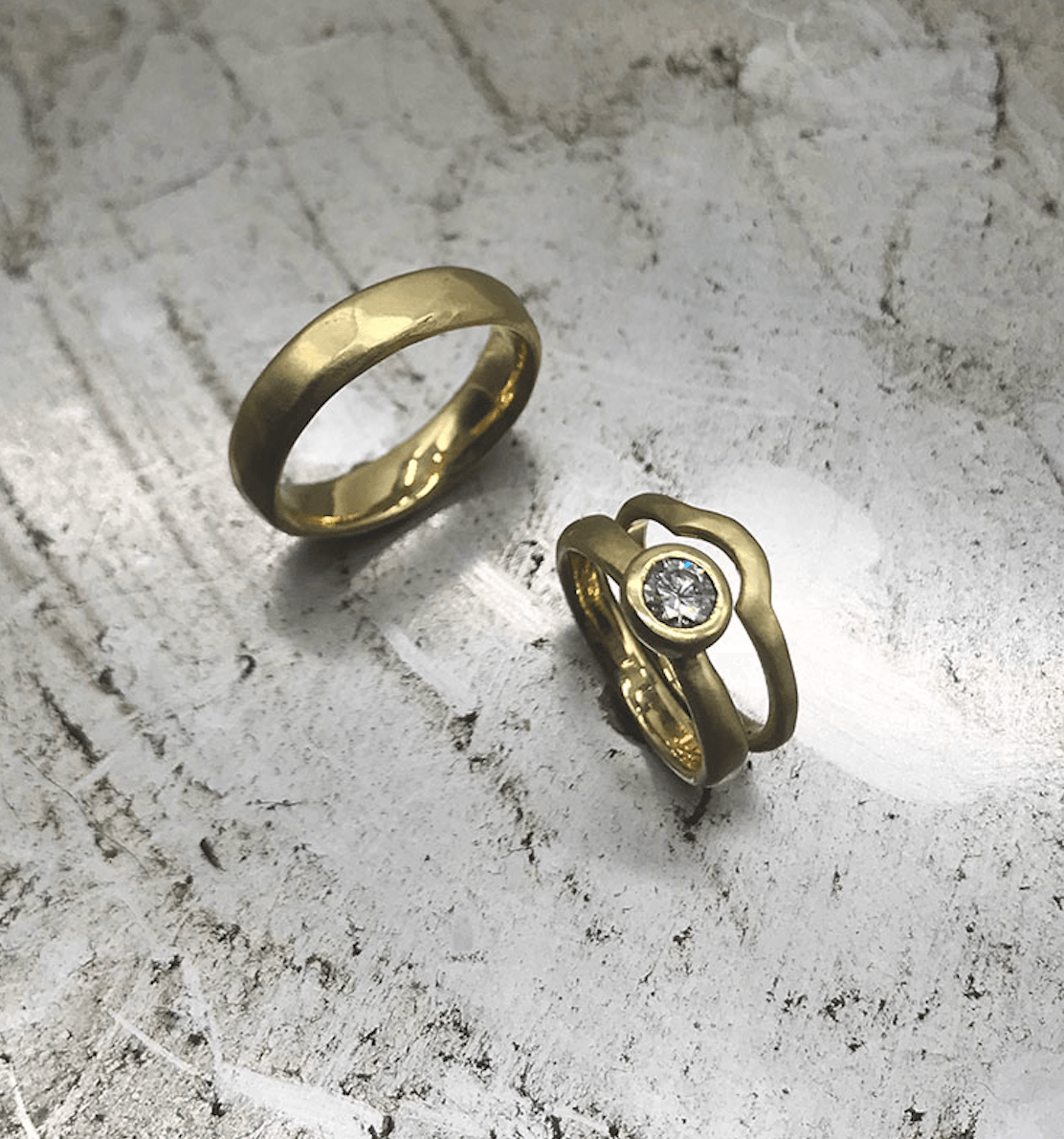
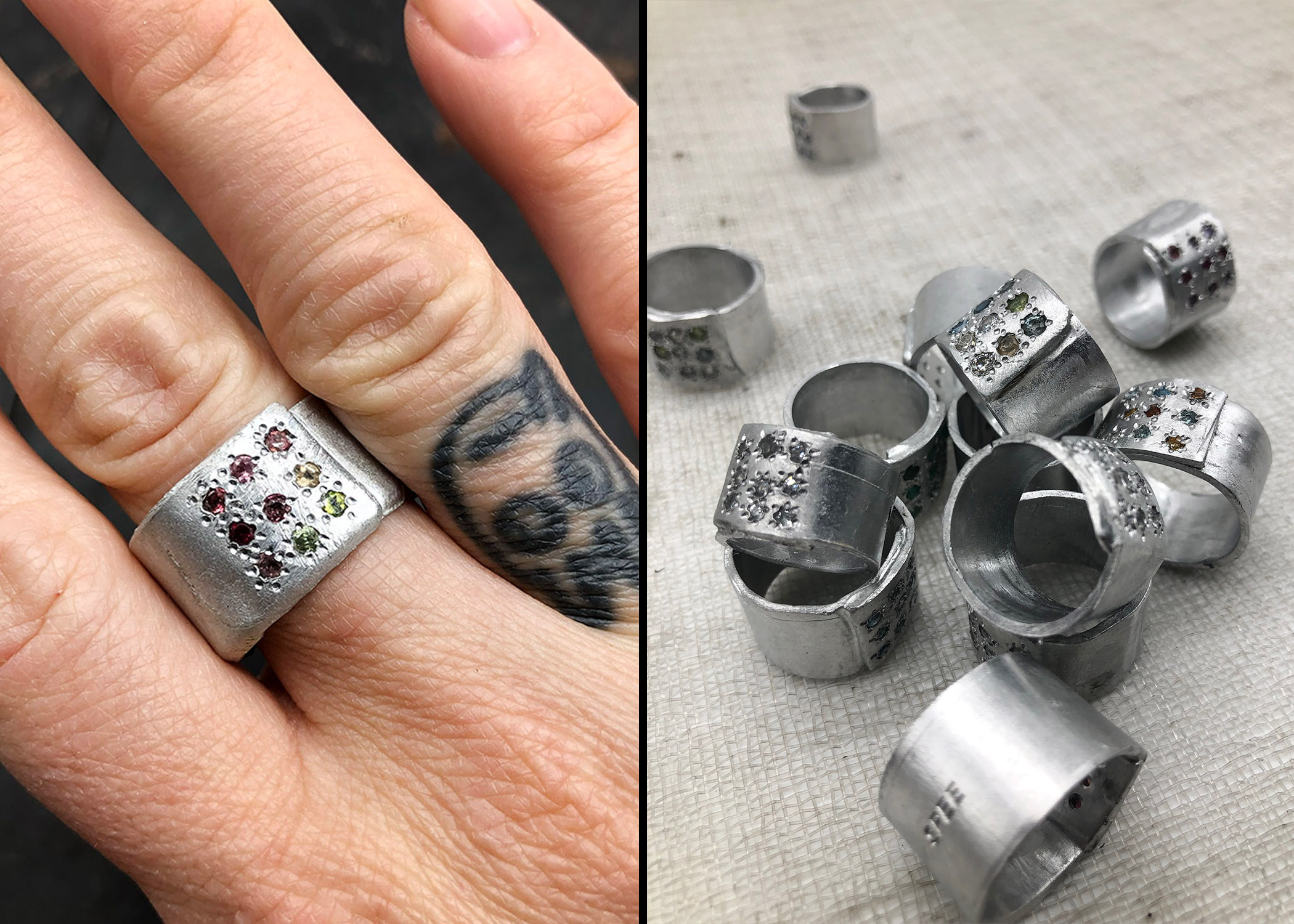
I am a represented artist of the Radical Jewelry Makeover Artist Project. In addition to my work as a studio artist, my practice expands to encompass my work as an educator in the arts, as a curator to an international jewelry competition and exhibition called the Rejewelry Competition. I also sell production jewelry through several craft galleries regionally and take custom commissions ranging anywhere from one of a kind engagement rings to jewelry highlighting unusual materials like dog teeth.
Let’s talk about resilience next – do you have a story you can share with us?
Everyone has a story to tell. You can truly never know what is happening in someone’s head or heart from the outside looking in– just to say, this is one thing I love about jewelry and adornment– it’s a way we can project our insides outwardly without having to say a word. One of the challenges I have had to overcome and still work on negotiating daily is my mom’s mental illness and addition challenges. Without revealing my sob story in detail, there have been times in my life that really felt so very hopeless, out of control, like a victim to a crappy world, resentful, full of despair. Resilience is a term I would use to describe myself all these years after a tumultuous childhood and early adulthood. I think of myself like a desert flower, I can make due with very little resources and still find ways to bloom and find happiness. Further, my creative practice is the force that compels me to show up day after day despite what’s going on for me personally. Using my hands in the studio helps me digest the emotional turbulence that comes to us all in it’s various expressions.
What’s the most rewarding aspect of being a creative in your experience?
Community is hands down the most rewarding part of being a creative. Most artists and craftspeople spend a fair amount of time alone working in the studio. The sacred space in the studio is powerful but when I emerge from that dedicated focus, community engagement offers something that one can’t get alone. That support has come in a variety of ways that I don’t think I would have anticipated until experiencing it. From getting emails containing open calls for exhibitions from friends, to supporting the buildout of installs that I just couldn’t do alone and couldn’t afford to pay for, to surprising ways my community has shown up like attending my father’s funeral to share their love with me. The closeness within the community, in my experience, has proven to span the distances between purely professional to friendship to chosen family. And because being an artist requires tough skin and a certain resilience in the face of tight budgets, fewer funding streams, and competitive opportunities having a flourishing community in the arts is not only a survival technique, it’s an investment in your longevity within the larger system. You show up for your people and they will show up for you— even if you don’t know if they will be your people. I learned this early on when I was living in the mountains in North Carolina in a small mountain town where there was a very small arts community, that every voice matters, every person in the room is valuable to the whole.
Contact Info:
- Website: https://www.spee23.com
- Instagram: @s.pee.23