

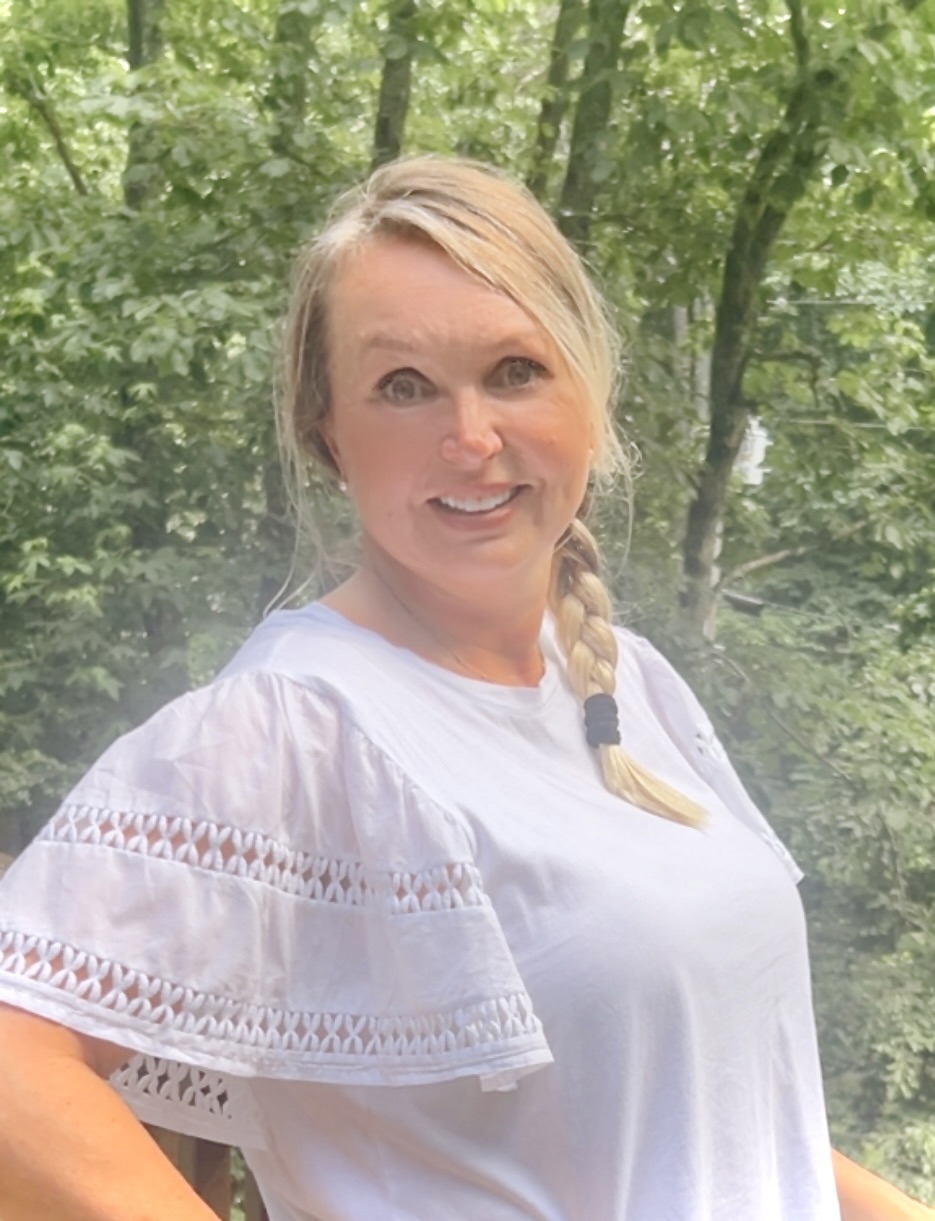

Alright – so today we’ve got the honor of introducing you to Sarah Mills-Bailey. We think you’ll enjoy our conversation, we’ve shared it below.
Hi Sarah, thanks for joining us today. We’d love to hear about a project that you’ve worked on that’s meant a lot to you.
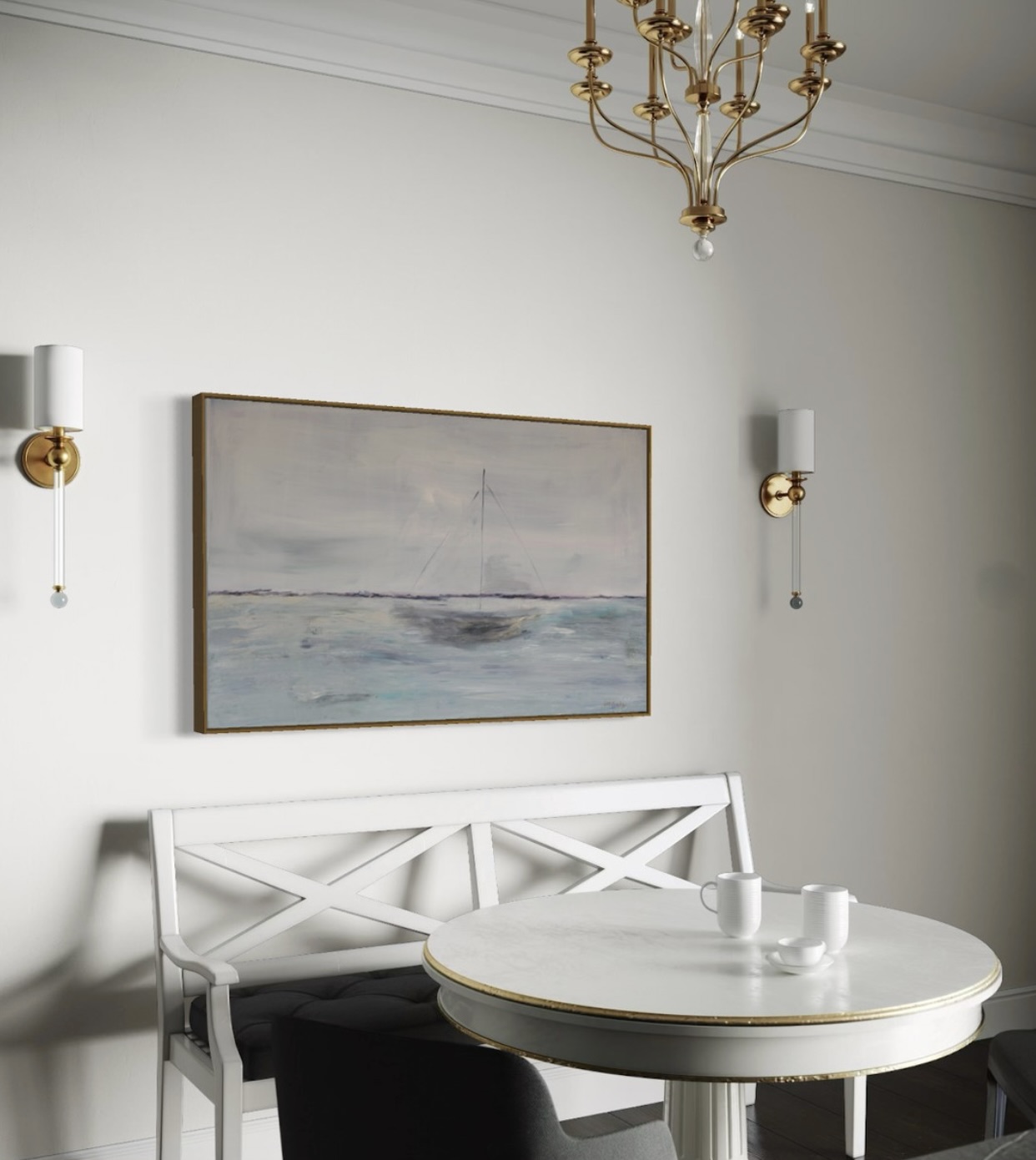
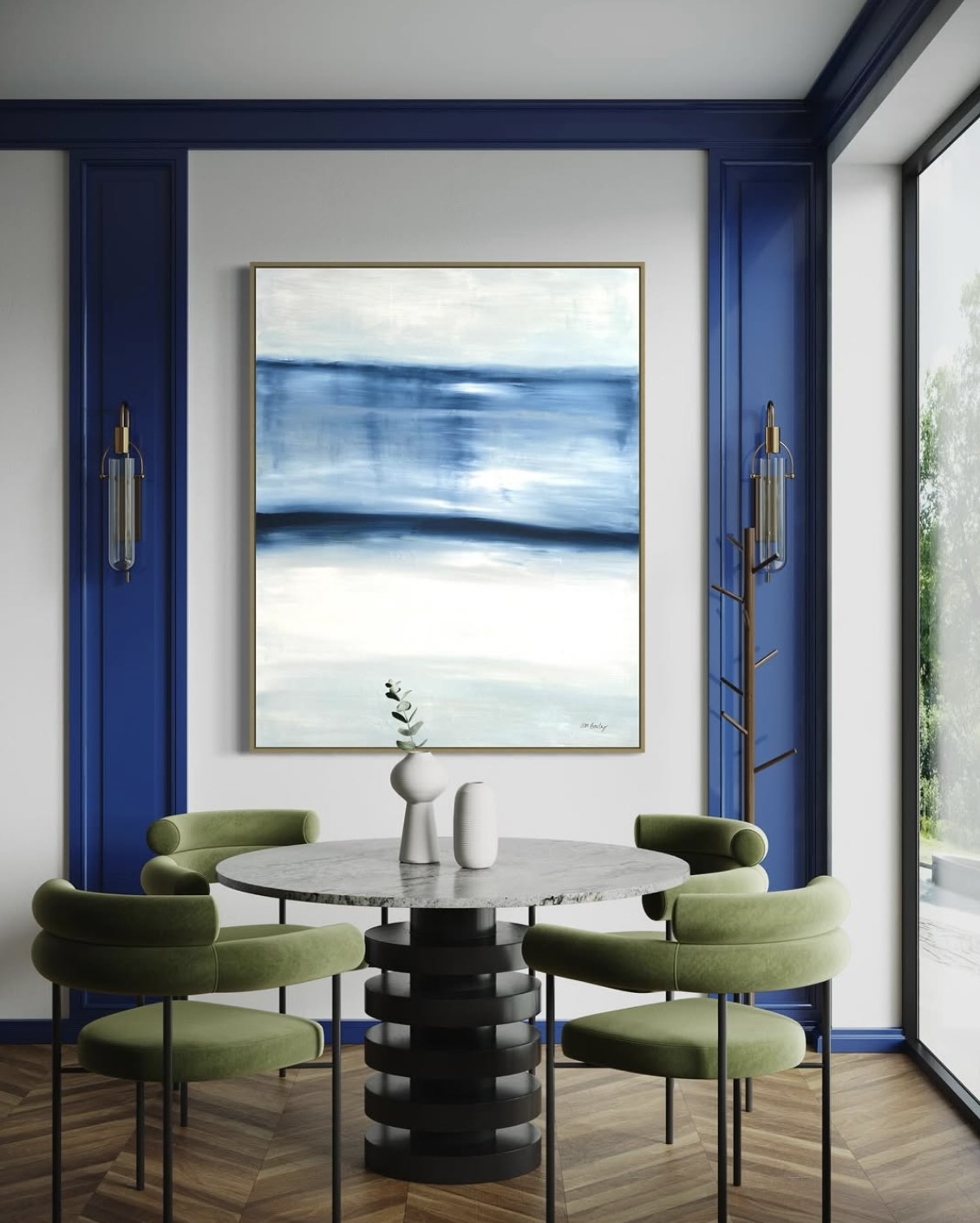
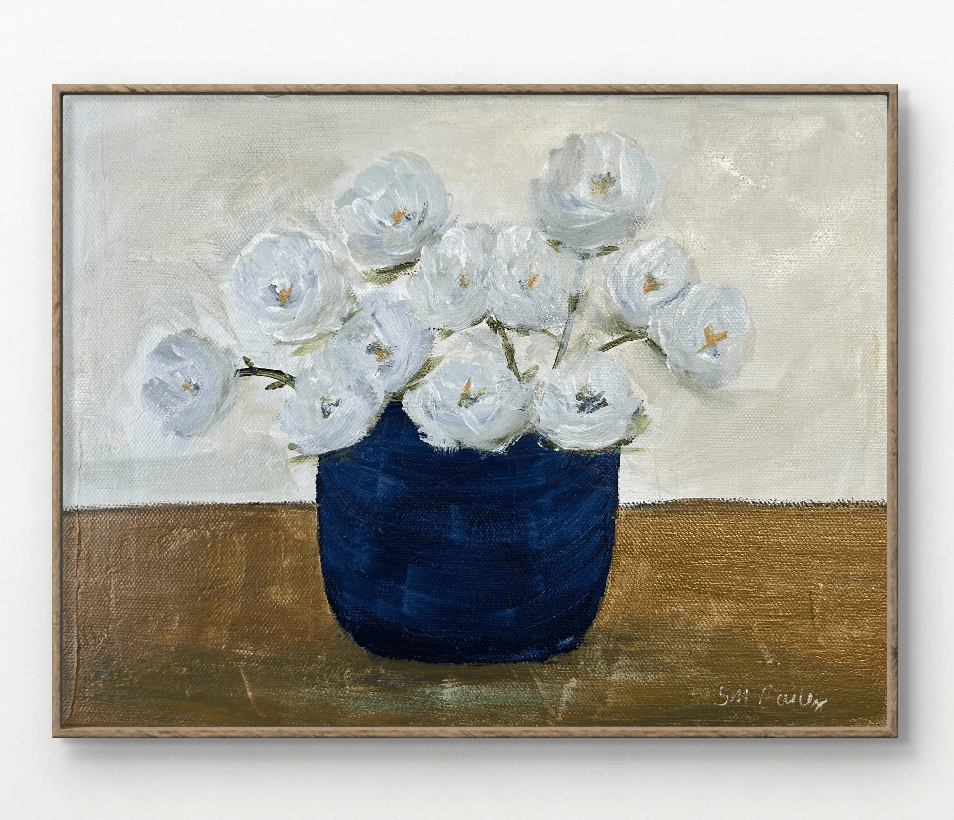
One of the most meaningful projects I work on is creating commissioned artwork for a client’s home. What makes it meaningful isn’t a single painting, but the process itself. When someone commissions a piece, they’re inviting me into a very personal space and trusting me to create something that will become part of their daily life. That level of trust is something I never take for granted.
I often collaborate closely with interior designers, and together with the homeowner we discuss the color palette, the mood they want the space to convey, and the scale of the piece. Sometimes clients have a very clear vision, while other times they simply know how they want the room to feel. My role is to listen carefully, and translate those ideas and emotions into artwork.
What makes these projects especially rewarding is seeing the finished piece in its intended space and knowing it reflects the homeowner’s personality and story. The artwork becomes more than decoration—it becomes part of a home. Being trusted to create something so personal, and delivering a piece that resonates with the people who live with it every day, is both a responsibility and a privilege.
Sarah, love having you share your insights with us. Before we ask you more questions, maybe you can take a moment to introduce yourself to our readers who might have missed our earlier conversations?
I am a microbiologist turned artist, married to my favorite person, and mother to two daughters and two stepsons. When I’m not painting, you’ll likely find me sewing, baking, reading, or rescuing an old chair that deserves a second life. I currently live on Lookout Mountain in Mentone, Alabama, but as a New Orleans native, I will always consider New Orleans home.
My twenties were devoted to science. I earned a Bachelor of Science in Microbiology, with minors in Chemistry and French, from Louisiana State University. I then continued my studies at Tulane University, completing the coursework for a Ph.D. in Microbiology before ultimately earning a Master’s degree in Microbiology and Immunology. For years, I assumed science would be my life’s work. I occasionally considered returning to finish my doctorate, but life had other plans.
My thirties were shaped by advocacy. Much of that decade was spent fighting for appropriate medical care and educational support for my oldest daughter. I became an expert at navigating systems, asking difficult questions, and refusing to accept “no” when I knew my child needed better. It was a season that demanded resilience, determination, and more courage than I knew I possessed.
My forties were about growth, healing, and finding a new perspective. During this season, I married my favorite person, welcomed a second daughter, became a stepmother to two wonderful boys, and discovered a second career as an abstract artist.
In my fifties, I am intentionally shifting my focus away from the chaos and constant demands of the modern world and toward a simpler, more grounded way of life on Lookout Mountain. This season is less about striving and more about savoring—creating a home centered on faith, family, creativity, and community. I am learning to embrace slower rhythms, find joy in everyday routines, and invest my time in the things that matter most. Living in Mentone has given me the space to reconnect with what has always brought me peace: making art, caring for my family, and finding beauty in ordinary moments.
I never expected to become a painter. Art began as a creative outlet and slowly evolved into a calling. Through painting, I found a voice that feels more authentic than any I had known before. It is not a loud voice. It is quiet, steady, and resolute.
In a world that often feels chaotic and overwhelming, my goal is not to add more noise. Whether through my paintings, my home, or the life I am building with my family, I hope to create spaces where people can pause, breathe deeply, and exhale.
My work is rooted in a desire for peace—not perfection, but peace. Peace in my home, peace in my heart, and peace that extends outward to those around me. Whether I am creating a painting, baking bread, sewing something by hand, or gathering around the table with my family, I am always looking for ways to bring a little more beauty, calm, and peace into the world around me.
How can we best help foster a strong, supportive environment for artists and creatives?
I believe one of the best ways society can support artists and a thriving creative ecosystem is to place greater value on original creative work and the people who make it. Over the past several decades, we’ve become accustomed to fast fashion, mass-produced décor, and the expectation that our homes should constantly change with trends and seasons. While these products are often affordable and accessible, they can also make it difficult to appreciate the time, skill, and creativity that go into original artwork.
As an artist, I’ve seen that many people genuinely love the idea of having original art in their homes, but they often compare the price of a one-of-a-kind piece to the cost of mass-produced items from big-box retailers or online marketplaces. It’s understandable—those products have shaped our expectations about what home décor should cost. However, original art is different. You’re not simply purchasing an object; you’re investing in an artist’s years of practice, perspective, and creative vision.
Supporting artists doesn’t have to mean purchasing expensive, large-scale works. It can be as simple as buying a print, attending local art shows, following and sharing artists’ work, or choosing to purchase directly from artists whenever possible. These actions help creative professionals sustain their careers and continue producing meaningful work.
A thriving creative ecosystem depends on people valuing creativity not just in theory, but in practice. When individuals, businesses, and communities intentionally support artists, they help preserve the diversity, originality, and human connection that art brings to our lives.
Is there something you think non-creatives will struggle to understand about your journey as a creative? Maybe you can provide some insight – you never know who might benefit from the enlightenment.
I think one thing non-creatives sometimes struggle to understand is that creativity doesn’t always operate on a predictable schedule. We live in a culture that celebrates hustle, productivity, and visible results. If you’re not producing something tangible, it can appear as though you’re not working. But creativity often happens long before a paintbrush ever touches a canvas.
For me, inspiration can’t be forced through longer hours or greater effort. Some of my best ideas come while I’m walking, reading, traveling, spending time in nature, or simply paying attention to the world around me. Creativity requires space—space to observe, to reflect, to process emotions, and to connect seemingly unrelated experiences.
As an artist, I’ve learned that creating art is only one part of the process. Living life is the other. The conversations I have, the places I visit, the books I read, the joys and disappointments I experience—all of these shape the work I eventually create. What may look like downtime from the outside is often an essential part of the creative process.
That doesn’t mean creativity is without discipline. There are deadlines to meet, commissions to complete, and plenty of days when I show up to work regardless of how inspired I feel. But meaningful creative work requires both discipline and space. It requires time to listen, to notice, and to allow ideas to develop naturally.
My journey as an artist has taught me that not everything valuable can be measured by productivity alone. Sometimes the most important work happens quietly, beneath the surface, long before anyone sees the finished piece.
Contact Info:
- Website: https://www.sarahmillsbailey.com
- Instagram: @smbaileyart
- Facebook: Art of Sarah Mills Bailey
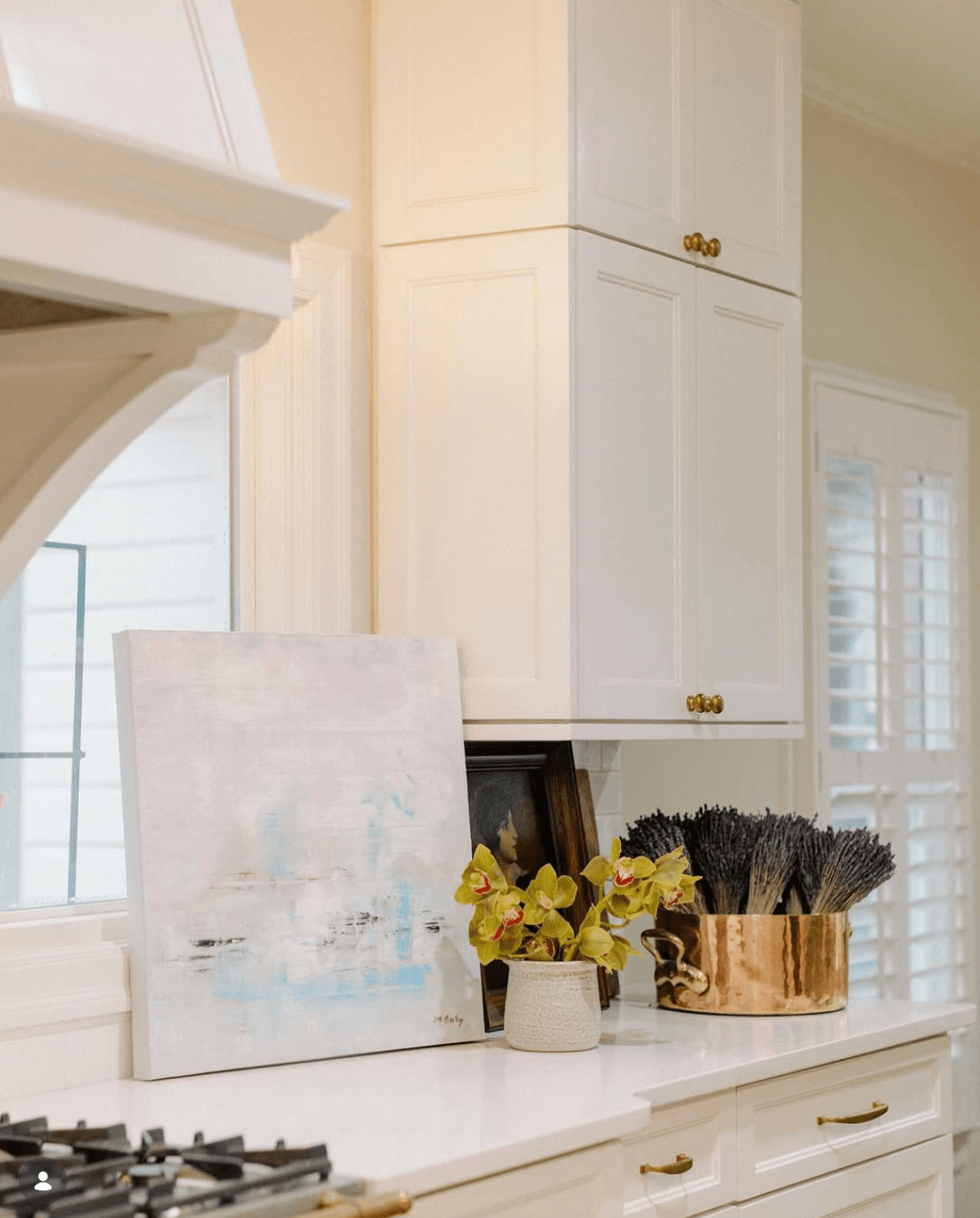
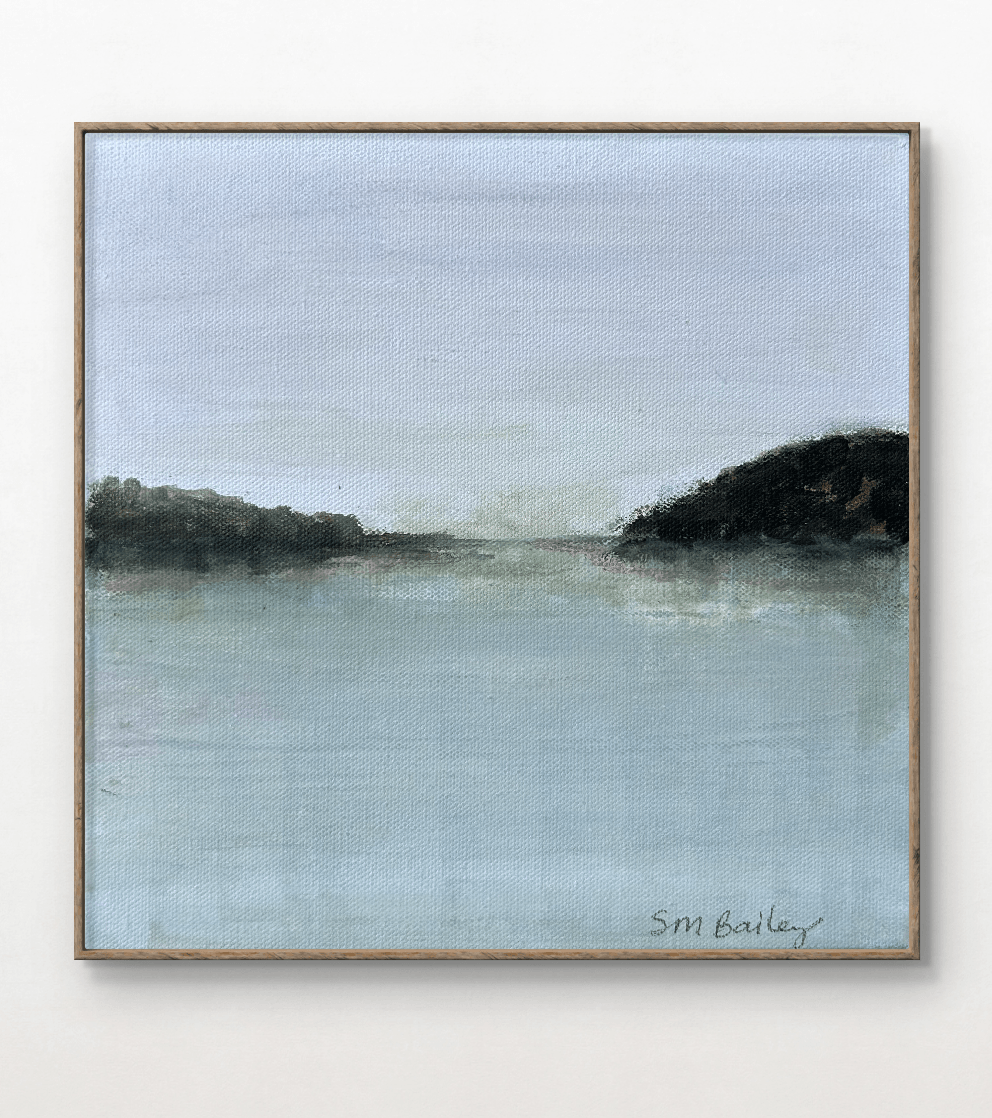
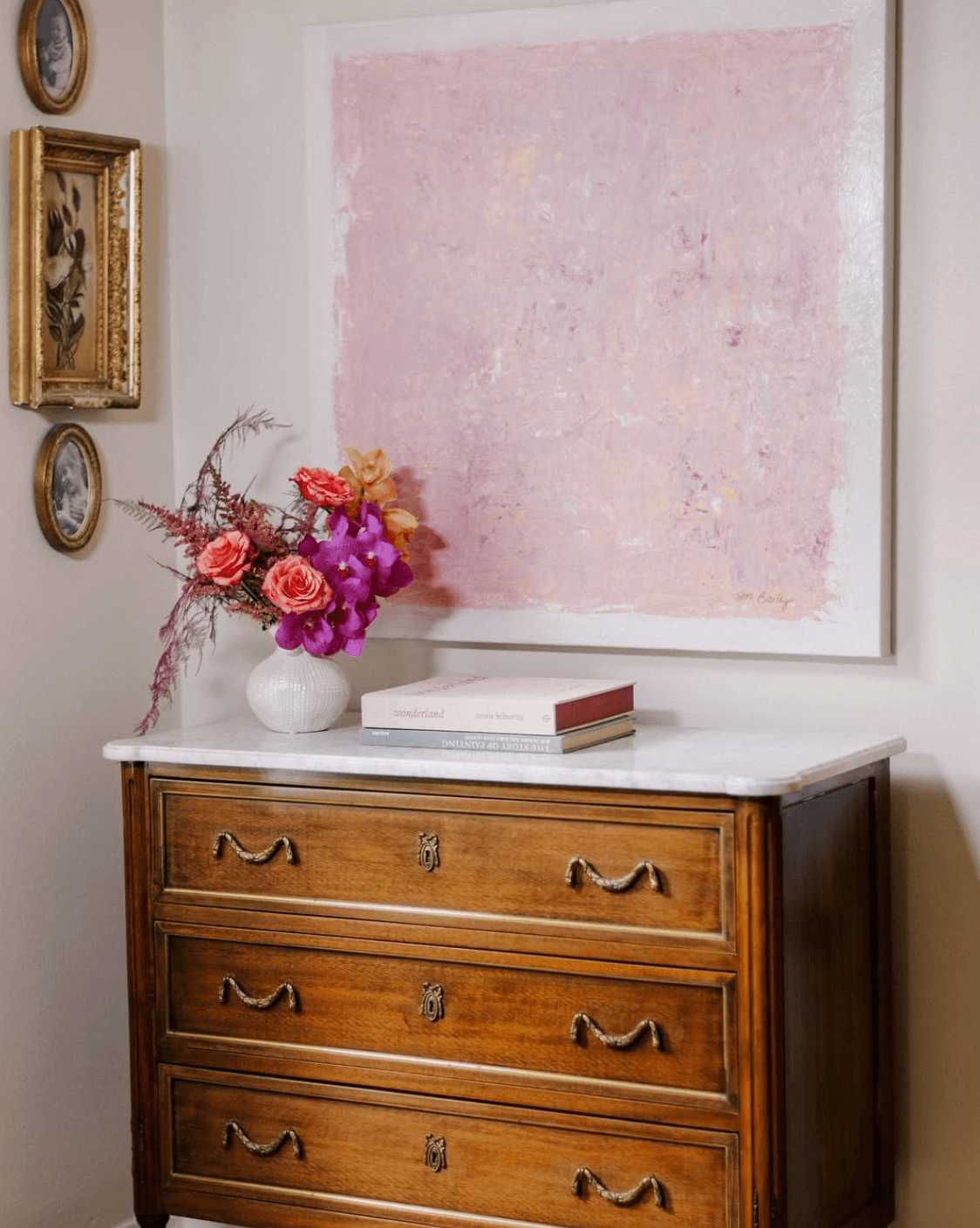
Image Credits
Photography by @elizabethreyphoto