

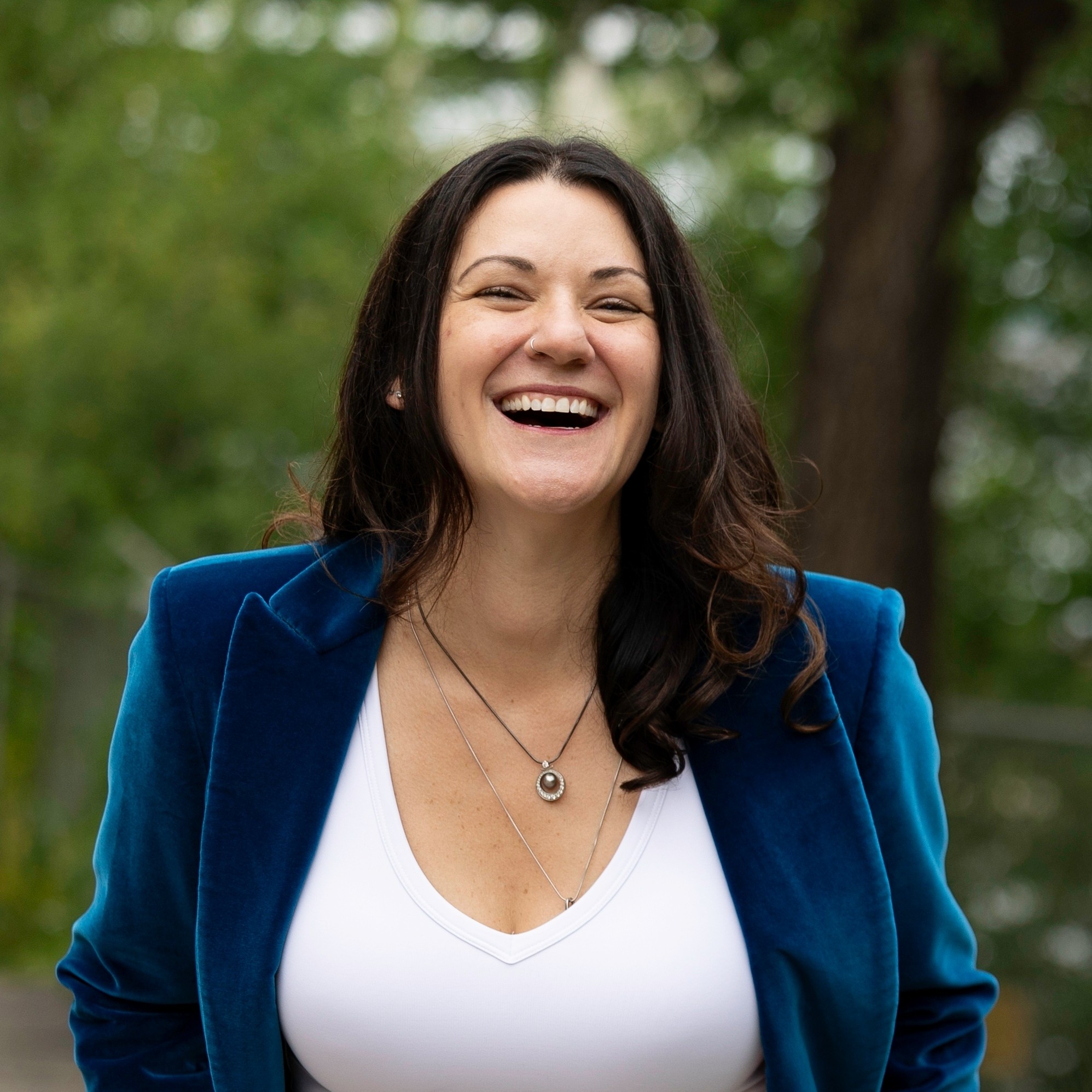

We caught up with the brilliant and insightful Sarah Hanson a few weeks ago and have shared our conversation below.
Sarah, thanks for joining us, excited to have you contributing your stories and insights. It’s always helpful to hear about times when someone’s had to take a risk – how did they think through the decision, why did they take the risk, and what ended up happening. We’d love to hear about a risk you’ve taken.
The biggest risk I’ve taken was buying a plane ticket to Fiji to attend a writing retreat with Elizabeth Gilbert, carrying a messy, unfinished manuscript and no clear plan beyond hope. I made the decision the morning after officiating a wedding for close friends and learning that another dear friend had passed away. I was emotionally exhausted, but also unusually clear. Life felt short in a way I couldn’t ignore, and waiting until I felt “ready” no longer felt like a responsible plan.
At the retreat, we were guided through an exercise to imagine our future selves. When I asked mine what I needed to do to become her, the answer was immediate: ask Liz. That answer came with real risk. It meant approaching a literary icon and asking her to read work that was unfinished and unproven. It would have been much safer to leave with inspiration and protect myself from rejection.
I almost talked myself out of it. Instead, I asked.
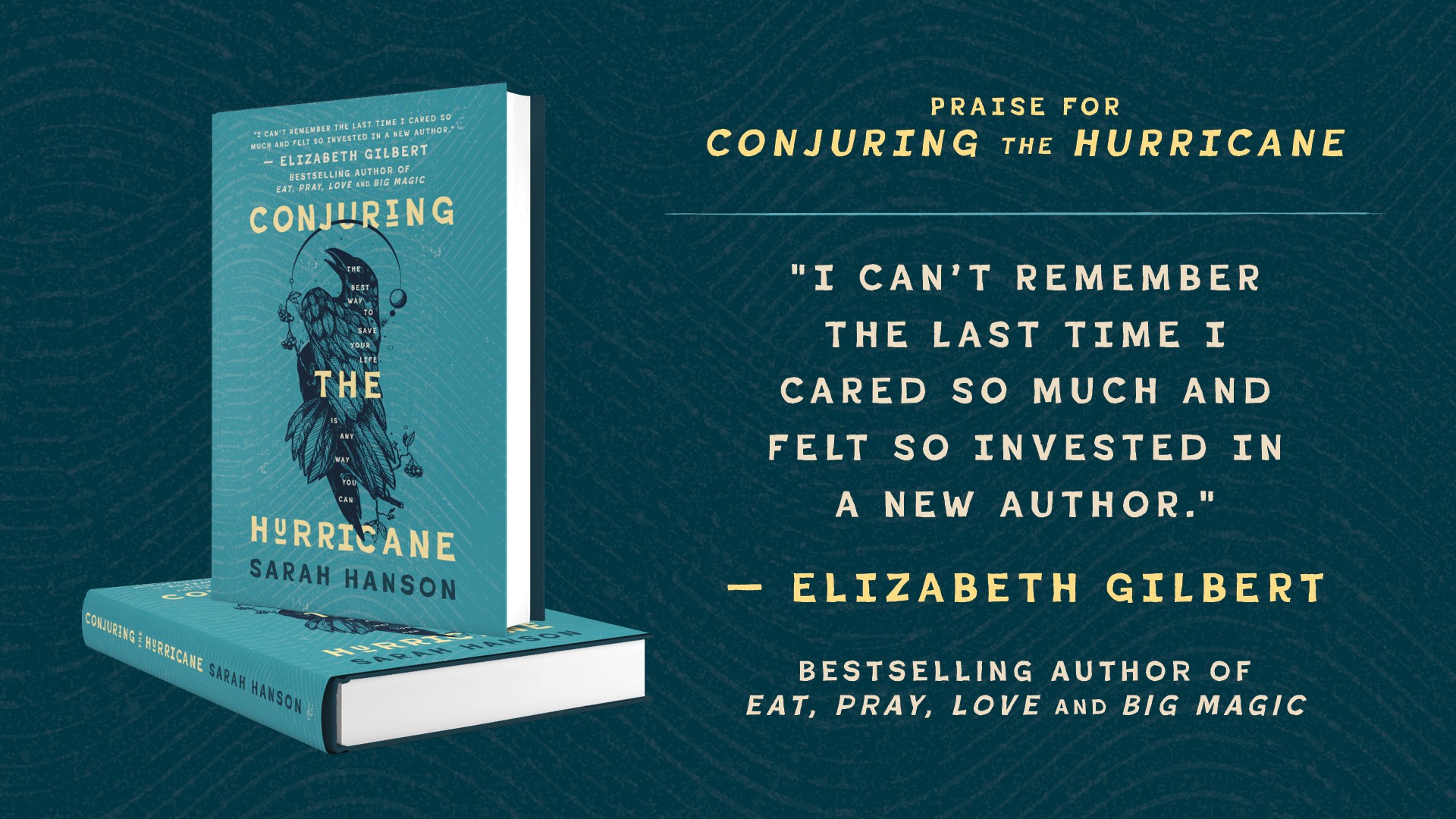
She said yes, with a request to be discreet. She kept the manuscript for several days and returned it with thoughtful, specific feedback, even quoting lines from the middle back to me. That moment led to an ongoing connection, and eventually to her offering a blurb that meaningfully changed the trajectory of my publishing path.
But the bigger shift was internal. The flight to Fiji was not the real risk. The real risk was allowing myself to be seen before I felt ready. That experience changed how I think about opportunity. The moments that feel the most uncomfortable are often the ones that matter most. Sometimes the only thing standing between you and a different future is your willingness to ask.
Sarah, love having you share your insights with us. Before we ask you more questions, maybe you can take a moment to introduce yourself to our readers who might have missed our earlier conversations?
I’m a writer, speaker, and what I often call an Architect of Self-Permission. My work lives at the intersection of storytelling, survival, and rebuilding a life that actually fits.
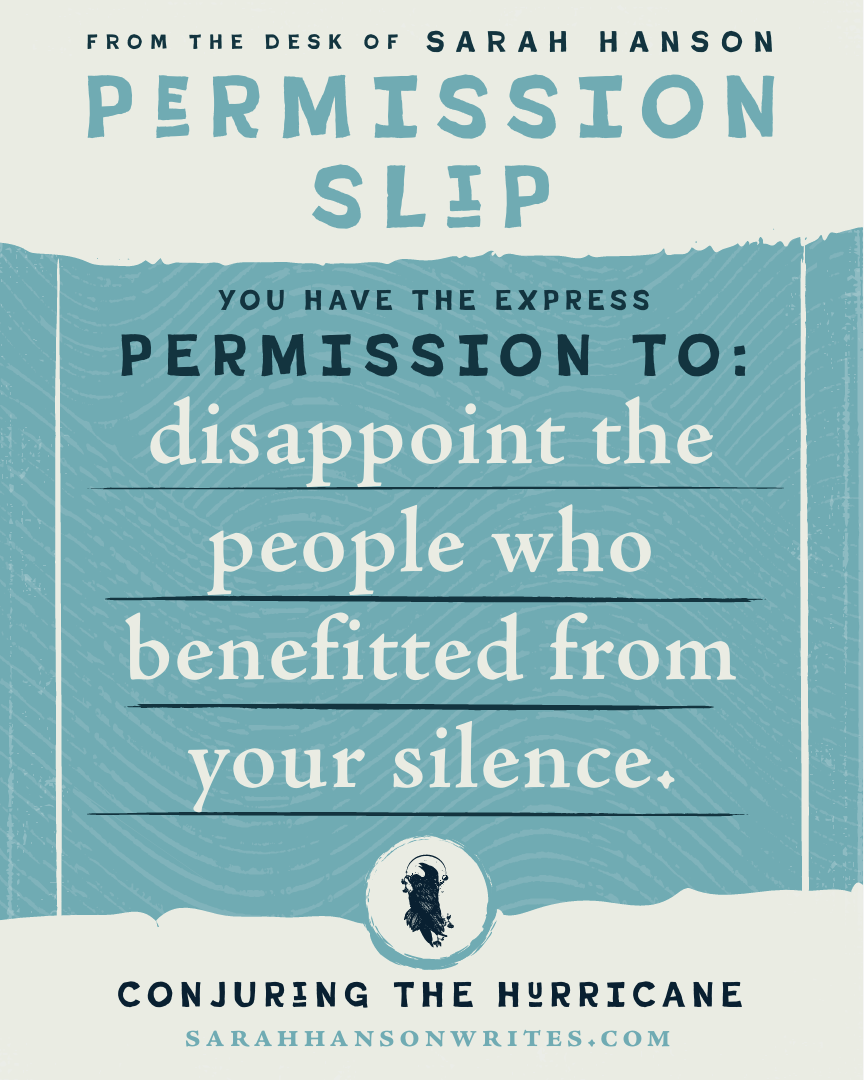
My debut book, Conjuring the Hurricane: The Best Way to Save Your Life Is Any Way You Can, is a memoir in verse about leaving an abusive marriage, losing community and identity in the process, and learning how to rebuild from the ground up. I wrote it intentionally to be both honest and bearable. I wanted readers to feel the weight of what happened, but also to trust that they would make it through to the other side.
Across my writing and platforms, I focus on the moments where people quietly realize something in their life is no longer working. Not the dramatic breaking point, but the quieter knowing that comes before it. That space can feel isolating and disorienting, and much of my work is about offering language, permission, and companionship there.
What sets my work apart is that I’m not interested in inspiration without structure. I don’t just tell people to be brave or start over. I show what it actually looks like to leave, to grieve, to rebuild identity, and to slowly create a life that feels like your own again. There’s humor in it, too, because even in the hardest seasons, there are moments that are unexpectedly human and even funny.
I’m most proud of the way readers respond to the work. I hear often that it makes them feel less alone, but also more capable. Not just seen, but steady enough to take their next step.
At its core, my work is about this: your life is allowed to change. Even if it’s inconvenient. Even if it’s hard. Even if it costs you something. And sometimes the most important thing you can do is give yourself permission to begin.
Any insights you can share with us about how you built up your social media presence?
I didn’t build my audience on one platform. I built an ecosystem where each platform serves a different purpose, and together they reinforce each other.
Substack is where I go deep. That’s where I write longer, more reflective pieces and build trust with readers who want to sit with the work. Instagram is my conversion platform. It’s where people most often discover me and decide whether to follow, subscribe, find my website, or eventually buy the book. Threads is where I stay conversational. It’s more immediate, more playful, and allows me to engage in real time without the pressure of polish.
For a long time, trying to do all of that myself created a lot of friction. I found myself caught in cycles of overthinking, hesitation, and the constant pressure to produce. Hiring a social media manager for Instagram was a turning point for me.
They handle the structure so I can focus on the substance. I batch film content for reels in a single day each month, write my captions in a focused block, and they take care of editing, scheduling, and posting. That shift pulled me out of the day-to-day dopamine loop of constant posting and gave me back creative energy. It also allows me to use social media the way I actually want to: I can show up organically when I have something to say, without feeling like I’m falling behind or disappearing.
My advice for anyone starting out is to think less about “growing a following” and more about building a system you can sustain layer-by-layer. Each platform doesn’t have to do everything. Let them do one thing well, and let them work together. Consistency matters, but sustainability matters more. If your process burns you out, it’s not a strategy you can keep.
How’d you build such a strong reputation within your market?
I think my reputation has been built less on promotion and more on participation. Before I had a book to sell, I focused on being a good literary citizen. I showed up in workshops, retreats, and online spaces with a genuine interest in other people’s work. I offered feedback, shared resources, and looked for ways to support others without an immediate expectation of return.
That approach shaped everything that followed: I met my publisher on a writing retreat. I met my editor in a workshop. My social media support team came through referral. The entire team behind my book exists because of relationships that were built and sustained long before there was anything to promote.
I also believe in treating peers as collaborators rather than competition. Especially in creative work, there’s a tendency to feel like there’s limited space at the table. My experience has been the opposite. When people feel respected, supported, and seen, they tend to bring others along with them.
That doesn’t mean it’s transactional. In fact, it works best when it isn’t. The focus is on building real connection and contributing to a shared ecosystem. Over time, that kind of participation builds trust. And trust is what turns into opportunity, referrals, and reputation.
If I had to distill it, I’d say this: build community before you need something from it. The relationships you invest in early will shape everything that comes later.
Contact Info:
- Website: https://www.sarahhansonwrites.com/
- Instagram: https://instagram.com/sarahhansonwrites
- Linkedin: https://www.linkedin.com/in/sarahhanson6
- Other: https://substack.com/@sarahhansonwrites
https://www.threads.com/@sarahhansonwrites

Image Credits
Alison Lea Photography. Neon Pig Creative.