



We recently connected with Sarah Gise and have shared our conversation below.
Sarah, thanks for taking the time to share your stories with us today We’d love to hear the story behind how you got your first job in field that you currently practice in.
In 2020, as the world and all my jobs (performing, bartending, teaching, etc) got shut down, I started the 12-week The Artist’s Way program with a group of fellow artists. During that reflective time, I decided to create The ADHD Artist Podcast, a space to explore the struggles and strengths of being a creative artist with ADHD.
In the process of creating the podcast, I realized I needed to dive deep into research. I reached out to a playwright friend, Brandon Tessers, who also happened to be a mental health therapist that specialized in working with neurodivergent people. Through many insightful conversations, I discovered Brandon was starting his own therapy practice and looking to hire executive functioning coaches. At the time, I honestly didn’t even know what executive functioning was! But the more we talked, the more I realized this could be the perfect next step in my career, especially given the pandemic’s uncertainty. Brandon believed in me and mentored me through this transition.
After a 3-month training period, I started working with my first client in October 2020. Over the next few years, my confidence, skills, and client load grew significantly. It’s been an amazing journey, and I love my job—even though I didn’t even know this job existed before. The biggest lesson I’ve learned is to take a risk, put yourself out there, and do something you believe in—you never know what surprising opportunities might come from it!

Awesome – so before we get into the rest of our questions, can you briefly introduce yourself to our readers.
These days I wear many hats! I am an executive functioning coach, educator, podcaster, candle company owner, voiceover artist, and Chicago award-nominated actor/performer. To me, each of these vocations starts from the same place: a fascination with the human mind, how it influences our behaviors, and how those behaviors help us adapt to the world around us.
As an executive functioning coach, I help neurodivergent clients develop a personalized roadmap for their brains, addressing challenges like procrastination, emotional regulation, time management, and organization. My journey to this profession was shaped by my own experiences as a neurodivergent person—diagnosed with ADHD at 8, I’ve navigated the highs and lows of living with a brain that operates outside the norm. Over the last 4 years, I’ve had the pleasure of working with a wide range of individuals, including artists, musicians, writers, and performers who often face the challenge of balancing their craft with managing ADHD symptoms.
I’ve always been obsessed with understanding the minds of others, and prior to coaching, I’d spent nearly two decades building a career as an actor- performing on stage as well as in film, TV, and voiceover. I received my training in the University of Southern California (USC) BFA Acting program and moved to Chicago in 2013. One of my proudest acting accomplishments was performing in a one-person show called The Amish Project, which I brought to San Antonio, Chicago, and even Rome, Italy in 2016. Being the only person on stage for 80 minutes while playing 7 vastly different characters teaches you a lot about yourself and the world, as you can probably imagine- it was the scariest and most exciting thing I’ve ever done.
This same curiosity about the human mind led me to launch The ADHD Artist Podcast in 2020, where I explore and celebrate the lives of artists with ADHD! As I mentioned before, my work on the podcast, which is available on Apple Podcasts and Spotify, actually led me to my coaching career. As someone deeply connected to the creative world, I understand artists’ unique struggles—whether it’s staying organized, meeting deadlines, or avoiding burnout. I also coach clients who are not necessarily in artistic fields—doctors, teachers, therapists, entrepreneurs, etc—who are seeking to enhance their executive functioning skills while embracing more creativity in their work and lives.
As of this writing, I’m taking on new clients for 1:1 executive functioning coaching! If this article resonates with you and you think we’d be a good fit, contact me at sgise@effectiveartistry to schedule a free consultation.
When I’m not coaching or performing, you can usually find me selling my snarky soy candles at markets (www.backupplancandles.com), reading fantasy novels, doing mindfulness meditations on Headspace, lifting weights in Les Mills Bodypump classes, exploring the world with my amazing husband Joe, or animatedly chatting with friends over food and drinks in Chicago’s vibrant food scene. Oh and I am also 1000% obsessed with my weird, loud, sweet, snuggly cats Persephone and Han Solo, so you can often find me playing with or snuggling with those two.


We’d love to hear a story of resilience from your journey.
So the obvious, and also the most vulnerable answer for me, is my experience taking care of my chronically ill mom. My mom has been sick for over half my life now—more than 20 years of managing an illness that has baffled doctors and forced us into a constant state of problem-solving. Before her stage 4 Hodgkin’s lymphoma diagnosis at age 40, she was this vibrant, spiritual, adventurous person who lived for hiking and loved tackling problems head-on. That part of her hasn’t changed, but her health has been so unpredictable, and every single day presents a new challenge.
I’ve had to step into a caregiver role over the past few years, and the truth is, caregiving isn’t straightforward when you’re dealing with something like my mom’s illness. She has conditions that doctors can’t always explain, and many treatments designed to help have just made things worse. So we’ve had to live in the gray area—relying on creativity, trial and error, and sometimes pure instinct to manage her health. There was no handbook for this, no “black and white” answers.
That’s how I discovered my talent for thinking creatively: we tried all the conventional approaches, and when those didn’t work, I had to fashion new ways to help her. Whether it was helping her through bouts of intense pain, organizing her meds, coordinating with doctors, or just figuring out how to keep her spirits up, every day was a new project. Over time, I realized that this problem-solving skill translated to more than just my mom’s care—it’s what I do now as a coach. I work with people to find the unconventional solutions they need, just like I’ve been doing for my mom.
Humor has been another essential part of our journey. Even when things are at their darkest, we find ways to laugh—and, oh boy, have we both developed a DARK sense of humor! Sometimes, it’s the only way to stay sane: laughing at the absurdity of it all.
My mom used to be a Project Manager, and now, in many ways, she’s still project managing—her illness has become her biggest and most challenging project. She’s brilliant at it, even though it’s exhausting and demoralizing. She’s always been the kind of person who, when you bring a problem to her, will make it her own and help you tackle it. It’s how I learned to jump into people’s lives and offer my help, whether it’s friends, family, or my coaching clients. My mom is an absolute force, and she’s taught me everything I know about resilience, creativity, and finding hope even when it seems impossible. Caring for her has shown me how to tackle impossible problems, and though I wouldn’t wish such a lesson on anyone, it’s made me resourceful in ways I couldn’t have imagined and given me skills I carry into everything I do.
Other than training/knowledge, what do you think is most helpful for succeeding in your field?
Empathy! Empathy is crucial for success in any field that involves working with people—it allows us to step out of our own experience and truly listen to the needs, struggles, joys, and emotions of others and helps build genuine connections. This is especially valuable in fields like executive functioning coaching, where clients may have faced frustration and setbacks from hearing repetitive advice or feeling misunderstood.
I view empathy as a tool to create a space where people feel seen and heard, which can foster trust and open the door to real change. This isn’t about knowing all the answers, but about being curious. In my work as an actor, curiosity is just as important as empathy—it drives me to explore the ‘why’ behind a character’s actions and emotions. That same curiosity translates to coaching. Asking thoughtful questions and being genuinely interested in what makes each person unique leads to more personalized and effective solutions.
Creativity, of course, also plays a big role in my vocations. It’s not enough to rely on set methods or techniques; success often comes from being willing to try new approaches, experiment, and adjust as needed. Just as actors refine their performances over time, coaching strategies must evolve based on the client’s needs and progress. Being flexible, authentic, and willing to admit you don’t have all the answers helps build trust and fosters collaboration.
Contact Info:
- Website: https://centerforeffectiveartistry.com/sarah-gise/
- Instagram: https://instagram.com/theadhdartistpod
- Linkedin: https://www.linkedin.com/in/sarah-gise-8529a549/
- Youtube: https://youtube.com/theadhdartistpodcast
- Other: sarahgise.com (please use the effective artistry page as my main website though, this one isn’t fully updated!)
https://linktr.ee/Theadhdartistpod
https://www.inclusivetherapists.com/illinois/chicago/sarah-gise
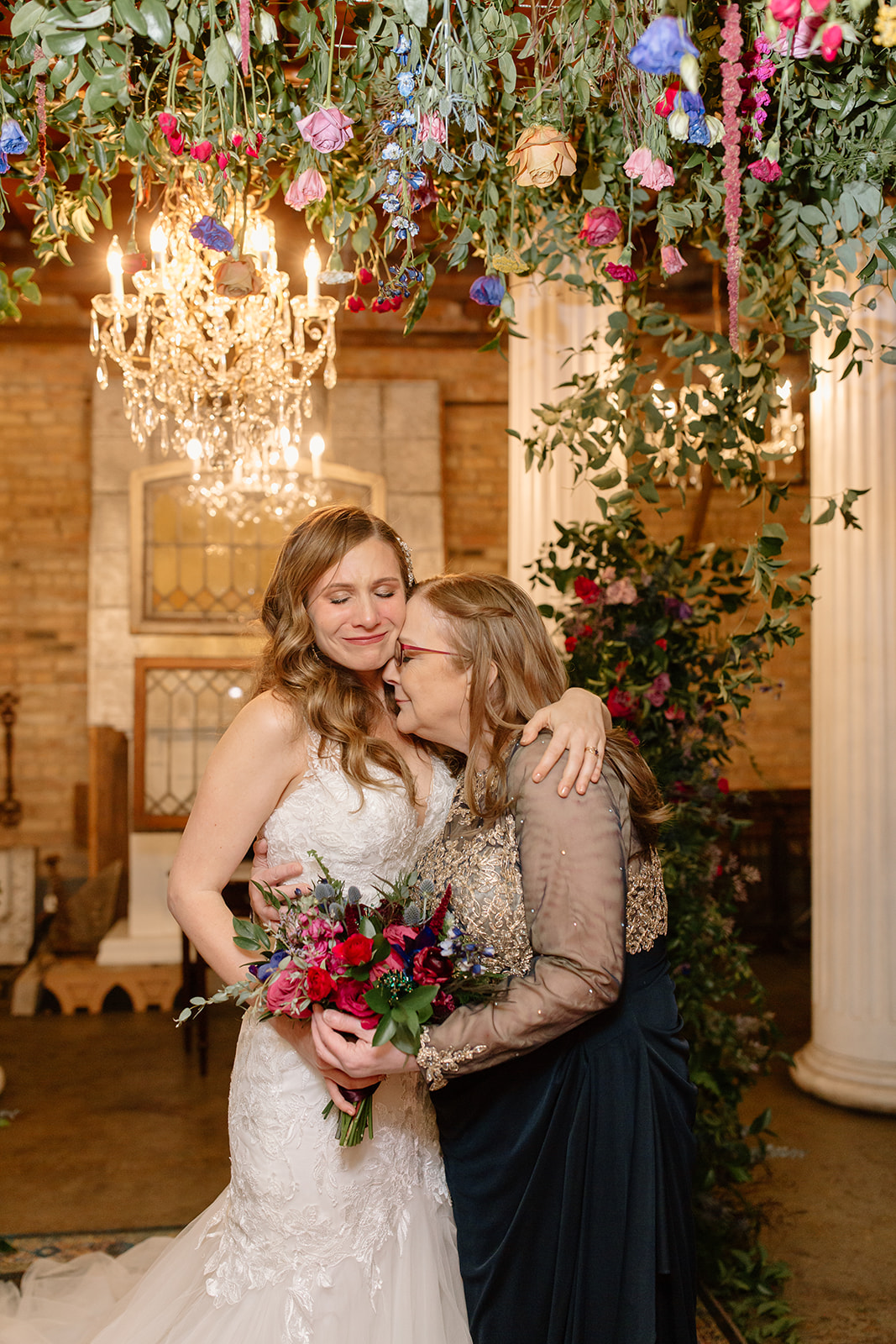

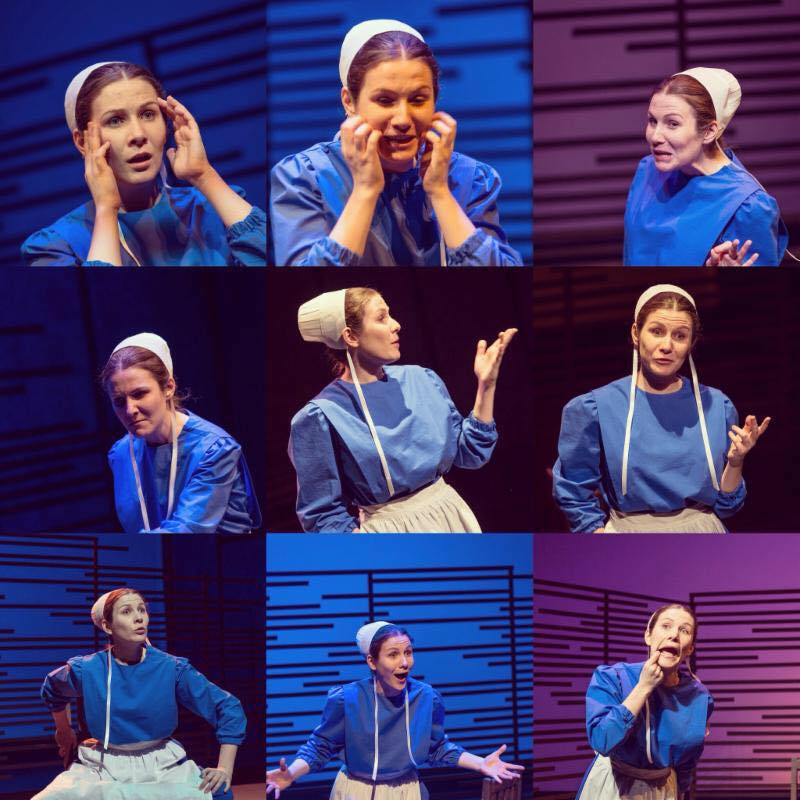
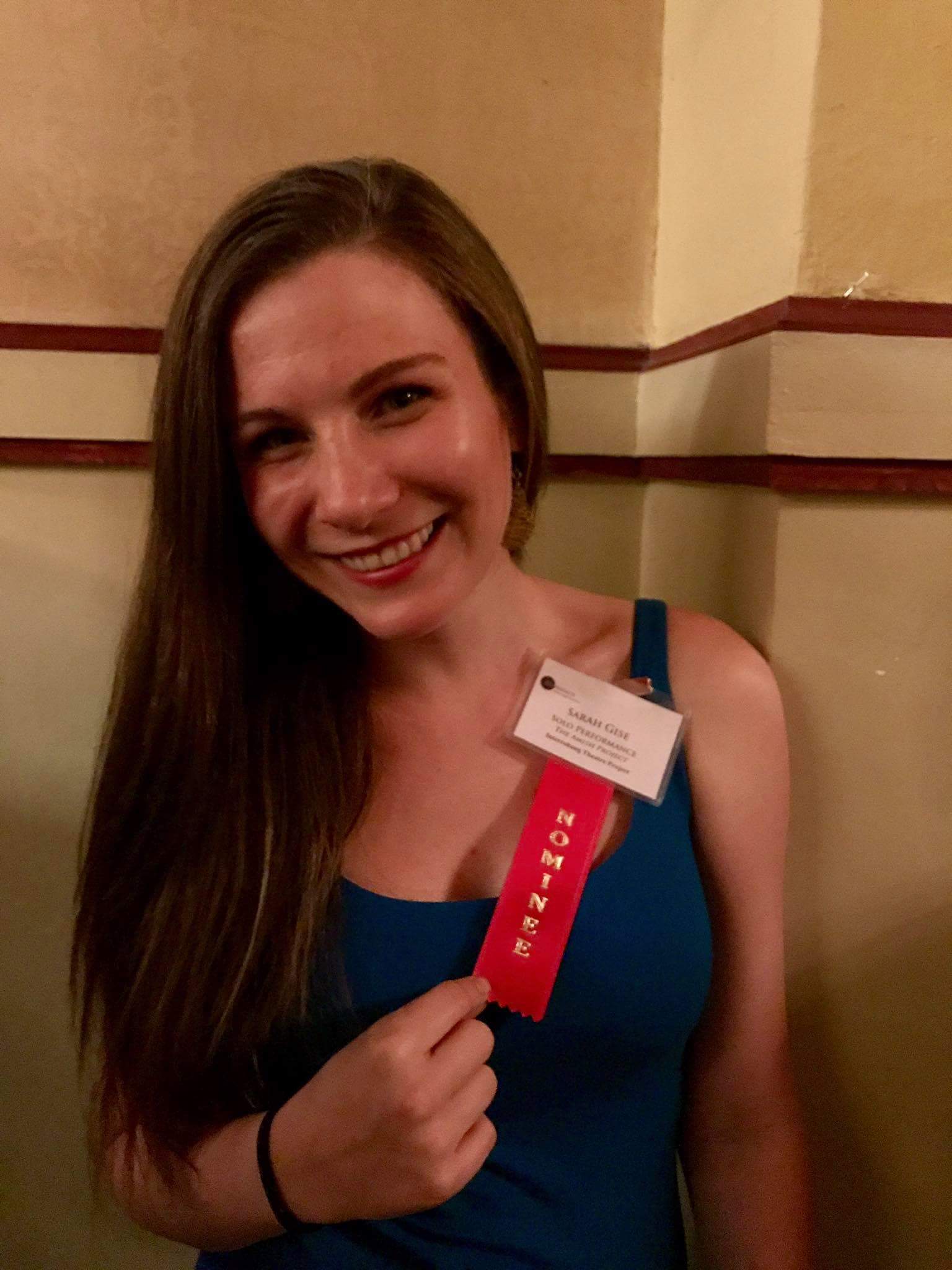

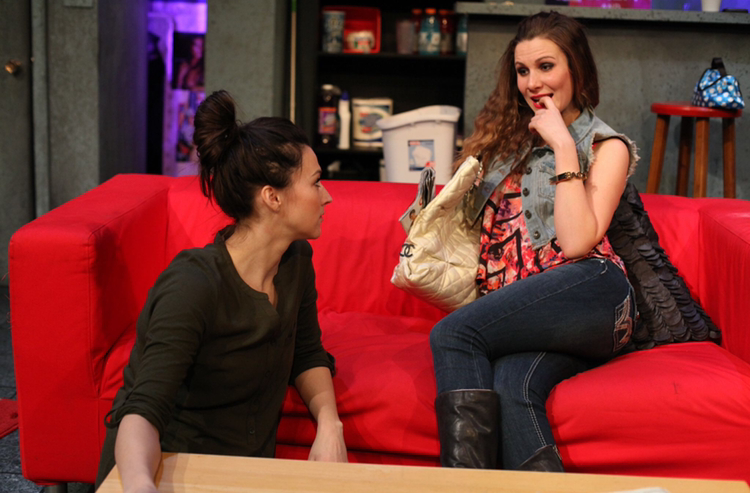
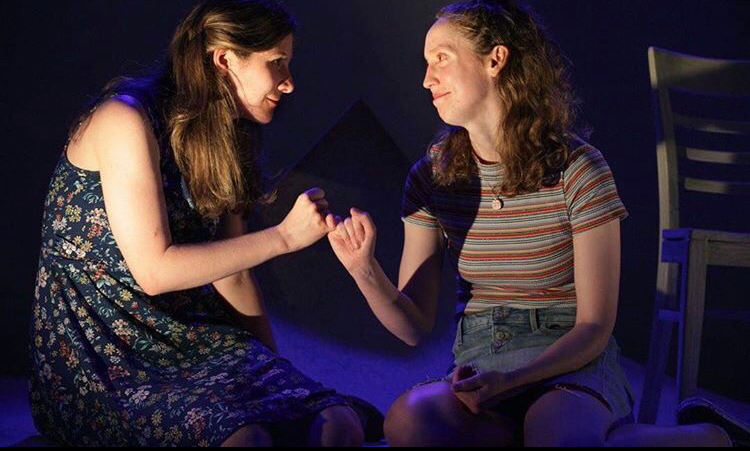


Image Credits
Golden Hours Photography