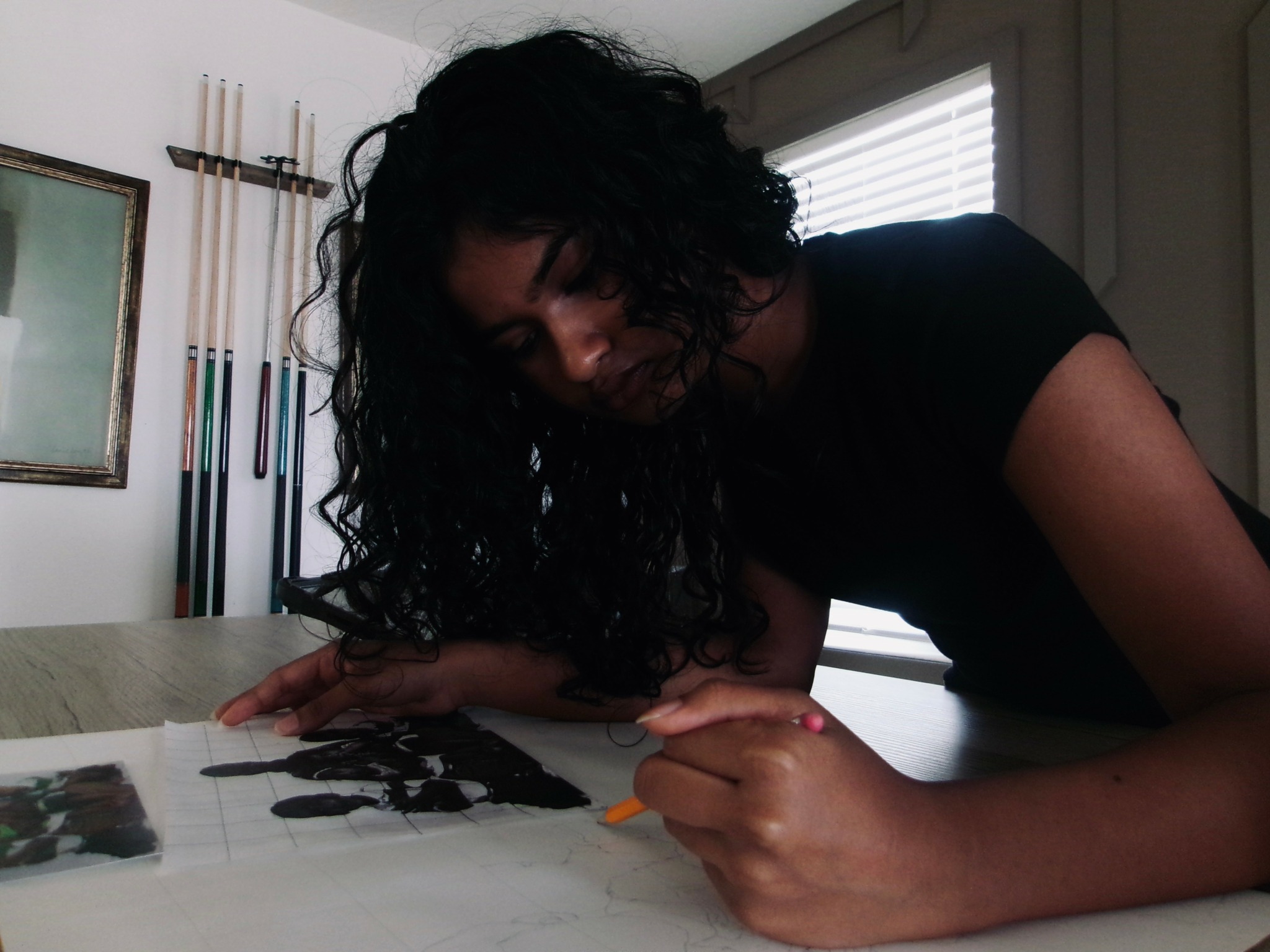

Alright – so today we’ve got the honor of introducing you to Sanvhi Gandhi. We think you’ll enjoy our conversation, we’ve shared it below.
Sanvhi, thanks for joining us, excited to have you contributing your stories and insights. Learning the craft is often a unique journey from every creative – we’d love to hear about your journey and if knowing what you know now, you would have done anything differently to speed up the learning process.
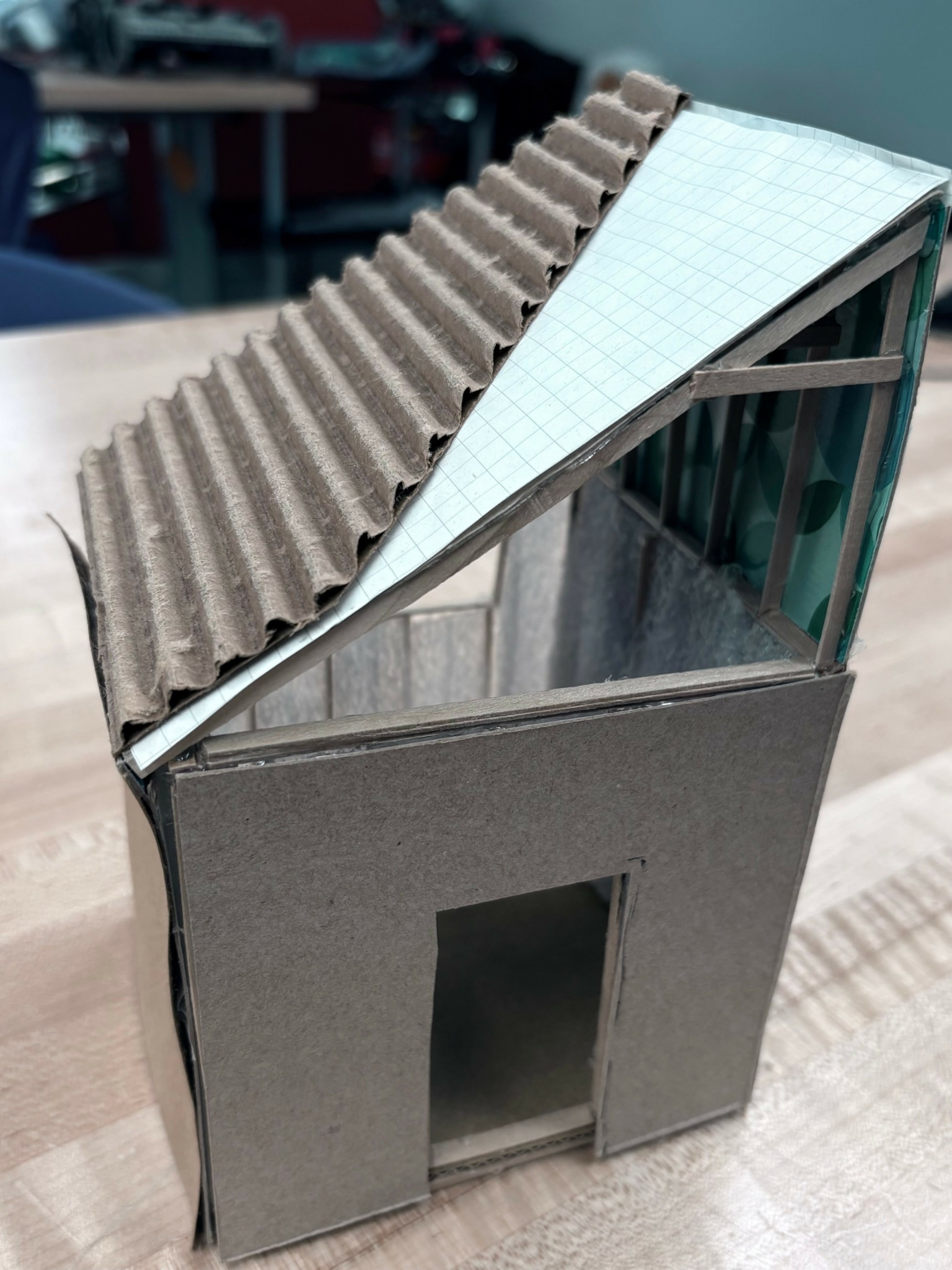
I first began learning about architecture through my school’s engineering and architectural engineering courses. As someone who has always loved art and design, I knew after taking those courses that I wanted to continue pursuing this passion both inside and outside of the classroom. I have taken – and am currently taking, free online courses such as Harvard’s The Architectural Imagination, and I have been teaching myself to use software programs such as Blender, SketchUp, Revit, and others. Since I was young, I have loved building models and creating all types of two dimensional art, so taking ceramics and art classes at my school has significantly strengthened my modeling skills.
When I look back, I have no regrets about how I spent my childhood. My love for art has been one of the main forces driving me forward. Even when making models and sketches feels stressful, I think back to the younger version of myself who would spend hours drawing and sculpting with clay, and how much joy it brought me – even during difficult times. I don’t believe there is anything in particular that could have speed up my learning process. I am still young, and I believe that preserving my sense of joy and curiosity has been the most valuable thing I could have done at that age.
The most important skill I have developed is time management. Architecture is both time consuming and detail oriented, so learning when to take breaks and when to dedicate time to my other extracurricular activities has been key to maintaining balance. For me, the only real obstacle to learning more is time itself. Being a student requires significant time spent on homework, studying, and other commitments, but I don’t dislike those responsibilities as they are all part of who I am becoming!

Sanvhi, love having you share your insights with us. Before we ask you more questions, maybe you can take a moment to introduce yourself to our readers who might have missed our earlier conversations?
My name is Sanvhi Gandhi, and I am a high school student whose passion for architecture shapes much of what I do—from hands-on modeling to independent coursework and creative projects. When I was younger, art was all I really knew how to do. Even when I struggled in math, I would excel in geometry because of its visual and spatial connections seeing equations through the design lens.
In my middle school years, I never really thought about what I wanted to be in the future- I simply did what I liked. From student government to starting my own club and taking on leadership opportunities, I always participated because I wanted to, not because I felt like I needed to. So when people would ask me, “Sanvhi, why are you doing all this?” I felt confused, because I never saw it as anything extraordinary. Looking back at my time in middle school, I sometimes wonder how I balanced it all, but it gave me the opportunity to explore my options and discover something I truly love.
In every single one of those activities, no matter how big or small, the art of building was always present. Even without realizing it, I would incorporate design, creativity, and something extra wherever I could- not just to make things look nice, but because I wanted people to feel happier, more excited, and more engaged when they experienced it.
Now in high school, I have narrowed my scope of activities to better support my interest in architecture, including student government association, leadership within our schools engineering clubs SWE program (Society of Woman’s Engineers), research, art classes, competitions, and more. At the same time, I make sure to pursue interests that may not fit the traditional lens of architecture, like weightlifting. As someone who constantly wants to learn and has many hobbies, choosing just one label to define myself feels nearly impossible. But when I think about architecture, it fulfills so much of what I love to do. Different aspects of my other interests can be brought into my work, and that is one of the reasons I am drawn to it.
While I do not provide any services yet, I have created models and plans for both in and out of school projects. I believe architecture is more than just design. It is an expression of the artist’s experiences and their care for the people they are creating for. I have seen that many people think the spaces they are in- from their homes to schools- are there purely for function. They stay in those spaces, just living until the next day, rather than being alive in the moment. I want to change this by making spaces that provide excitement and a sense of purpose to my clients, while also giving them comfort.
Is there mission driving your creative journey?
A saying that I have been telling myself recently is “to live with embarrassment, not regret”, and I would say this defines my end goal in both my student, professional, and personal life perfectly. As I continue my education, I don’t want to be afraid to voice my questions, concerns, or confusion if I have any. Learning is something I always plan on continuing, and in architecture- especially with new technology constantly being developed- it is something I will need to be prepared for. As I said before, I hope to create spaces where people can thrive, and that can only be done if I don’t restrict myself!
Are there any books, videos or other content that you feel have meaningfully impacted your thinking?
While there is not one specific piece of literature that has shifted my understanding and philosophy of architecture, an accumulation of papers I have read for my research on the combined topics of self-deceit, domestic violence, and architecture has given me a deeper understanding of the effects architecture has on people. Although I have not yet finished my research and am not fully educated on the topic yet, I have learned more about the difference between spaces that harm and spaces that help, as well as examples of architecture in the past that have produced different effects on individuals.
The other resource that has truly helped me understand architecture is the lectures from Harvard’s The Architectural Imagination as major part of the course involves dissecting remarkable buildings from the past, examining how they have influenced and revolutionized architecture today!
Contact Info:
- Instagram: @sanvhigandhi
- Other: email – @gandhisanvhi@gmail.com