Alright – so today we’ve got the honor of introducing you to Sanat Charankar. We think you’ll enjoy our conversation, we’ve shared it below.
Alright, Sanat thanks for taking the time to share your stories and insights with us today. Earning a full time living from one’s creative career can be incredibly difficult. Have you been able to do so and if so, can you share some of the key parts of your journey and any important advice or lessons that might help creatives who haven’t been able to yet?
The first time I earned revenue from my creative work was at a school fun fair, where I sold my sketches for 50 INR (about 0.59 USD). One of the most memorable moments was when the school principal purchased one of my pieces. While it was thrilling, however I quickly realized that the effort of creating numerous sketches far outweighed the financial return.
This sparked a key insight: I needed to find a more refined, versatile way to use my skills that better matched the rewards for the time and creativity I invested.
Fast forward to after graduating from the Savannah College of Art & Design, I was eager to dive into the world of visual effects for films. I joined a visual effects studio, and to my surprise, on my very first day, our client was Marvel. We were working on Werewolf by Night, and I got to contribute by showcasing the Man-Thing’s immense power, bursting through concrete walls. It was a thrill to see my work in a Marvel film, especially as I’d always dreamed of earning a Marvel credit.
My excitement only grew when I worked on A Man Named Otto with Sony Pictures. These experiences not only felt rewarding but also gave me a sense of calm. It felt like the opening moves in a game of chess had been played. The board is now set, and the groundwork is in place for the next exciting possibilities I knew it could be done, and it has now happened, grounded by this experience (earning full time as a creative).

Sanat, love having you share your insights with us. Before we ask you more questions, maybe you can take a moment to introduce yourself to our readers who might have missed our earlier conversations?
Since childhood, I used to arrange my toys until they looked ‘right’ in their positioning. Slowly, I began to realize that the placement of the toys made them appear different. It made them lose or gain character and personality in their physical structure. Once you change the way you see things, the things you see start to change. This was quite a revelation to me. So I wanted everything around me in its best placement. But in a constantly active world, I could not maintain it. So I wanted to capture this moment, where the protagonist object stands in its grandiose. Now, with an urge to share this newly discovered ‘perception’, I started arming myself with various mediums.
My pursuit of artistic passion has been a roller coaster, leading me to unique individuals and unconventional places. I initially enrolled in a design coaching program, which inspired me to pursue an undergraduate degree in creative arts. There, the blend of art and technology captivated me. My desire to study emerging technologies and discover extraordinary expressions through them took me to the Savannah College of Art and Design.
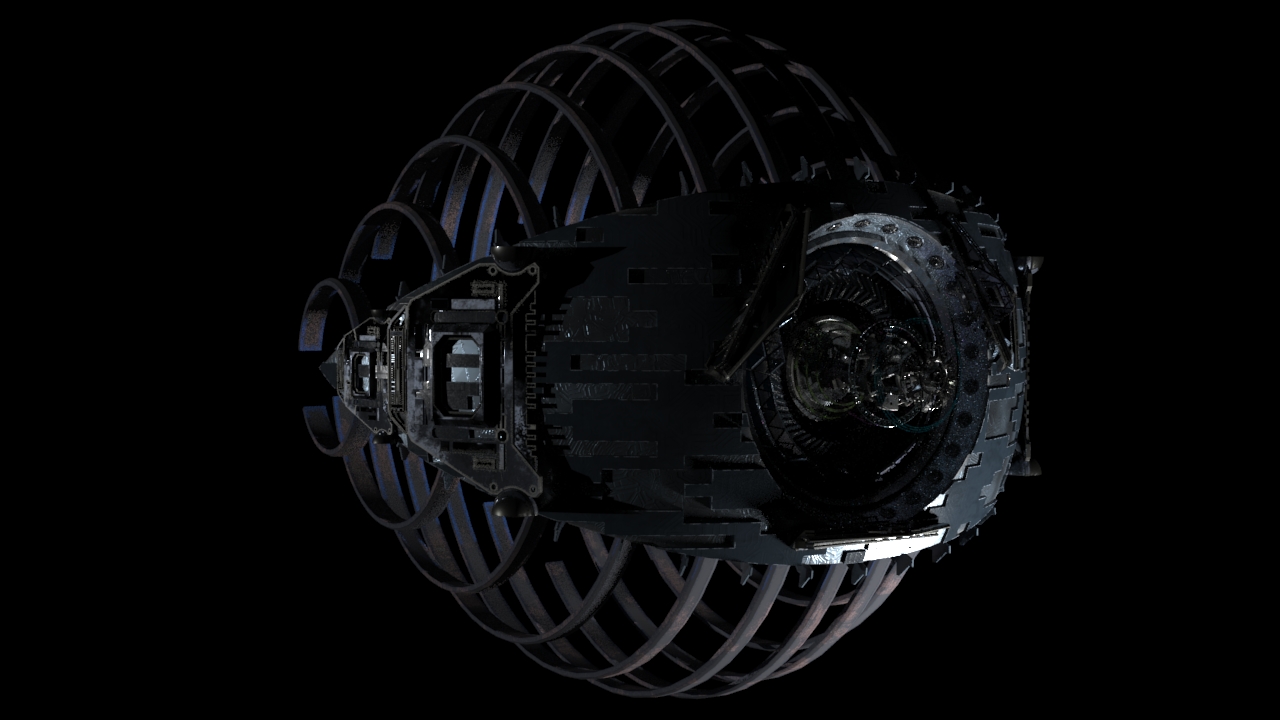
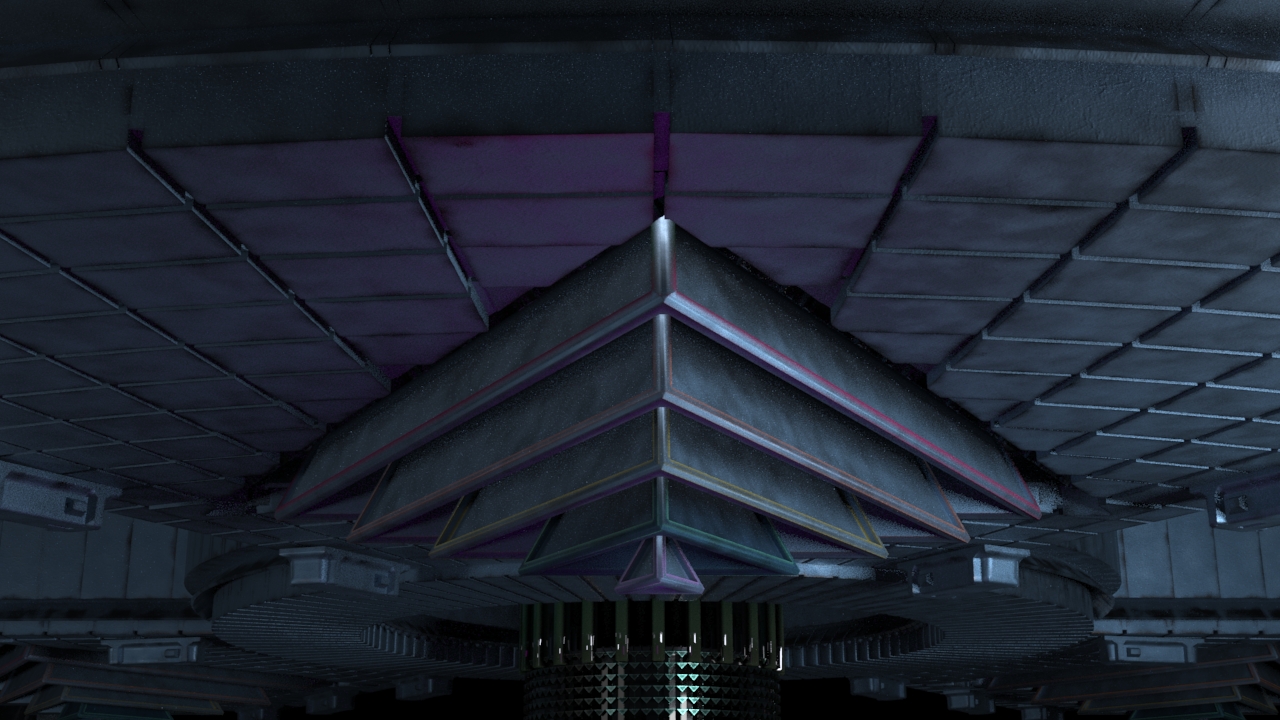
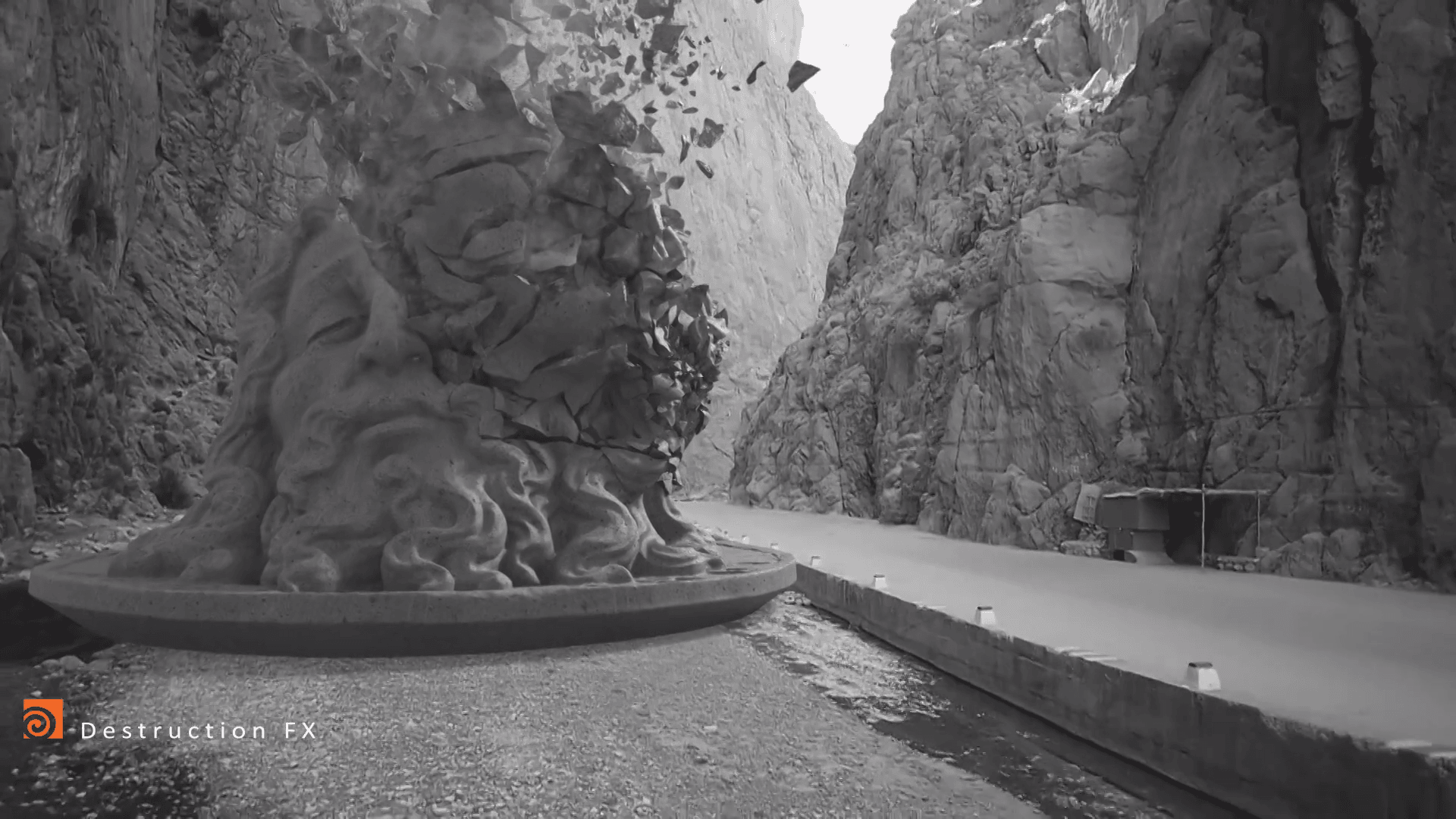
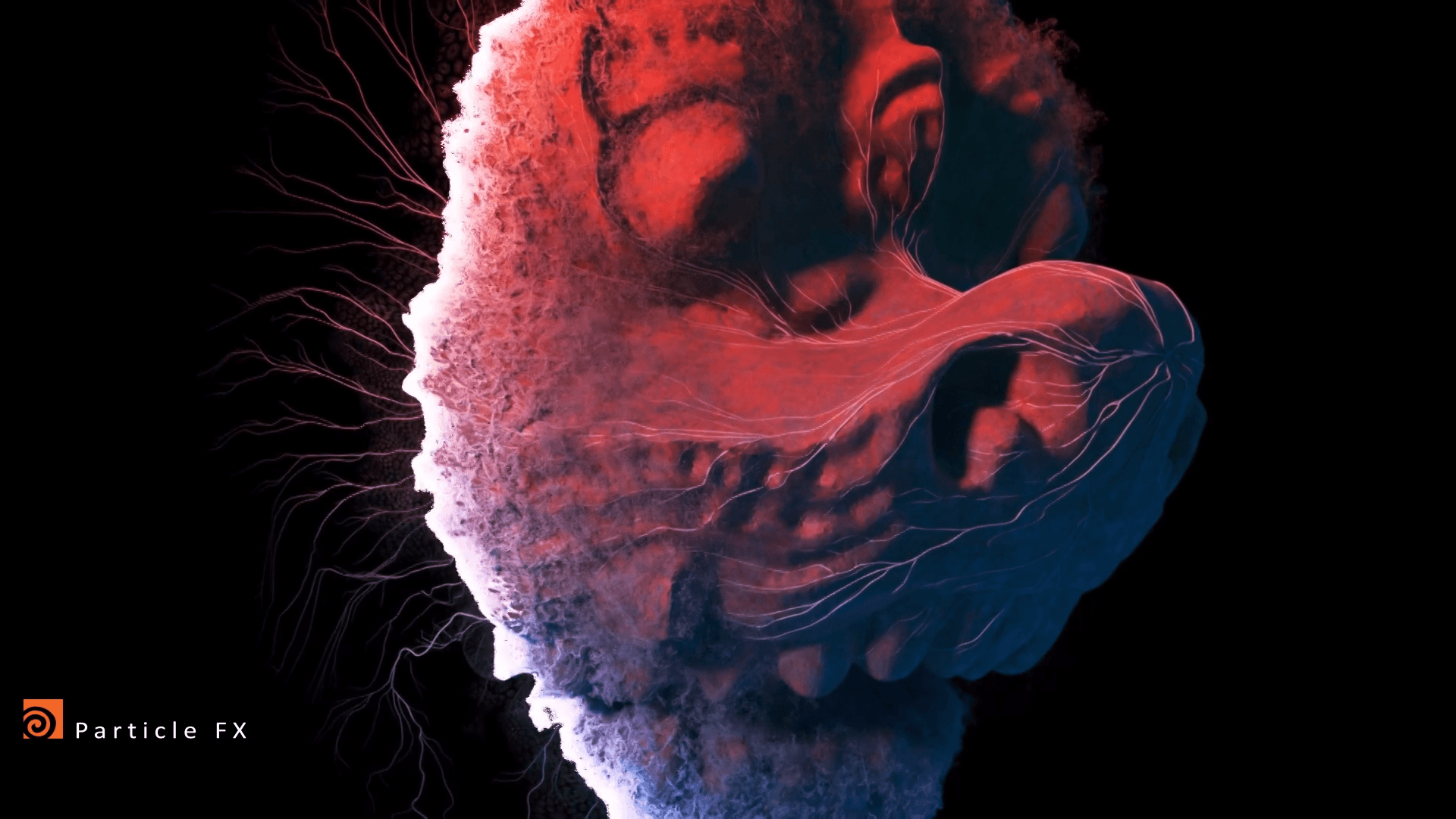
Today I work as a Visual Effects Artist in the fields of commercials, films, and games. My passion is to explore, express, and construct visual marvels. I specialize in creating various special effects and dynamic visuals using CGI(Computer Generated Imagery).
I am proud to successfully utilize my creative and artistic skills in a young industry that, just 30-40 years ago, offered limited opportunities. Without this career, these talents might have remained mere side hobbies. I truly cherish the moments when my work appears on the big screen—there’s a unique kind of magic in that experience. My constant passion for discovery and refinement, coupled with patience and resilience, has brought me to where I am today. This is where my originality lies.
What’s the most rewarding aspect of being a creative in your experience?
One of the most beautiful objects formed by nature is a snowflake. It would take us a long time to “design” a shape as beautiful as a single snowflake. Yet in an ordinary snowstorm, trillions if not quadrillions of snowflakes fall to the earth, and no two are exactly alike.
The beauty of life is so overwhelming, that in order to process it logically, we need to dumb it down. The mountains are so detailed that we may never do justice to its beauty and detailed intricacy in the time we have, so we draw a triangle. An artist is a person who has been deeply touched by this beauty.
One of the rewarding aspects to an artist or creative is getting to be a creator in their own small way, be it visually or via other means. It’s an opportunity and context to deep dive into our own curiosities by increasing the radius of our observation and connecting dots. A creative act allows you to witness and be a part of something emerging out of seemingly nothing.
I was reminded of this during an art trip to Himachal Pradesh, India, where I encountered the artists of Kangra Miniature paintings. Their deep connection to nature is reflected in their craft, as they hand-select pigments from crushed vegetables, tempered minerals, boiled flowers, and even burning wicks. Their paintings are so detail-oriented that only a squirrel hairbrush could work. Their stories germinate in the folktales yet encompass global wisdom. I was deeply impressed by the way they handled their art materials. While painting, their faces looked like the Buddha; very meditative.
Being an artist is more than just creating. It’s about giving your curiosity the space to grow, discovering joy in ways others might overlook, and developing your own techniques and systems around it. In doing so, you get to tell a story—whether it’s grand in scope or quietly intimate.
How can we best help foster a strong, supportive environment for artists and creatives?
As information becomes increasingly abundant, the ability to connect the dots and make meaningful connections is more crucial than ever. A creative spirit thrives in environments that encourage multidisciplinary collaboration, diverse exploration, and offer the necessary guidance and support.
In our schools and colleges, we should contribute in cultivating these environments. We should have alternate forums where activities are designed not just for creativity, but to sharpen critical and strategic thinking as well.
Our dinner tables should accompany meaningful debates and discussions take place—on topics like world history, current events, or insights from a recently read book. Engaging in these kinds of conversations stimulates the mind and opens it up to an encyclopedia of knowledge to find patterns and connect the dots from.
There are many ways to foster creativity, but I believe focusing on these elements will create the ideal atmosphere for individuals to tap and dabble effortlessly into their creative potential.
Contact Info:
- Website: https://www.sanatcharankar.com/
- Instagram: https://www.instagram.com/sanat_charankar/
- Linkedin: https://www.linkedin.com/in/sanat-charankar/