



We recently connected with Rylie Manross and have shared our conversation below.
Alright, Rylie thanks for taking the time to share your stories and insights with us today. Let’s start on the operational side – do you spend more of your time/focus/energy on growing revenue or cutting costs?
I definitely spend more time focused on growing revenue rather than cutting costs. The main result you are looking for from Marketing is growing revenue. To drive more leads, more sales, and expand the opportunity within your customer base. I think that growing revenue is more important than cutting costs, but It’s also important to be frugal in that. Your marketing teams shouldn’t just be throwing money out the window all willy-nilly without an actual plan and a strong understanding of what the costs will be and the results expected to come out of each dollar spent. If a channel that you are pumping money into is not giving you the results you’re looking for then, you should cut spend on that channel and either re-invest that budget into a channel that is working or test out something new. But I don’t believe you can grow if you’re not willing to invest. Additional revenue allows you to give more to your employees, hire more talent, provide additional resources, improve the product/service, and create a better customer experience…. which all also contribute to revenue growth as a by-product. Where if you’re cutting costs your employees will start to feel unsupported and overworked, customers will notice the shortcuts, and the company will become stagnant or begin to decline if costs are cut too far.
The key to efficient revenue growth is really knowing your numbers and how your money is being spent for Marketing and other areas of your business. Something that has become really beneficial for me is doing a quarterly audit of our key marketing metrics. I map out each of our different marketing lead sources and sub-lead sources. From there I write out each of the conversion metrics throughout the funnel (Leads, MQL, SAL, SQL, Closed) and how they are pacing to our goals, the customer acquisition cost, and how our spend is pacing to our set budget. This allows me to see what campaigns are not running efficiently so that I can either optimize those channels or pivot. When calculating the customer acquisition costs I always like to think of 3:1. The value of that customer should be three times the cost of acquiring them. So if you’re customer has a value of $300 it should only take about $100 to acquire them.
I recently moved into a new role. I spent the last 2 years in customer marketing, which doesn’t have as many budgeting/revenue responsibilities, before moving back into demand gen marketing. The person previously in the demand gen role left at the beginning of the year and I just helped keep the current strategies afloat until we backfilled the position. I didn’t dive into any of the performance numbers at that time. While I was working on supporting some of those projects I remembered how much I loved the demand gen side of marketing. I decided to apply for the open position, and I got it! So in July when I fully transitioned into that position I began to dive into each of our performance metrics. How our channels were pacing to our conversion goals, what the customer acquisition costs were per channel and source, and how much revenue we were driving from each. I was absolutely shocked by what I found with my deep dive. While the overall numbers all looked good, some of the source-by-source numbers were outrageous. One of our paid media lead sources we were pumping a lot of money into, but getting little results. Our customer acquisition costs were $40,000 for a much smaller ticketed item. We likely won’t get that back over the lifetime of the customer. This shows that we need to re-distribute that budget to a channel that is performing well or test out a new channel.
It is important to try new channels and strategies. Part of marketing is strategically trying new things and seeing if it works. Each company is going to experience success in different ways, there really isn’t a one size fits all marketing approach. But being willing to have additional budget to try new channels is critical to growth. Just make sure to keep an eye on the results and pivot if needed.
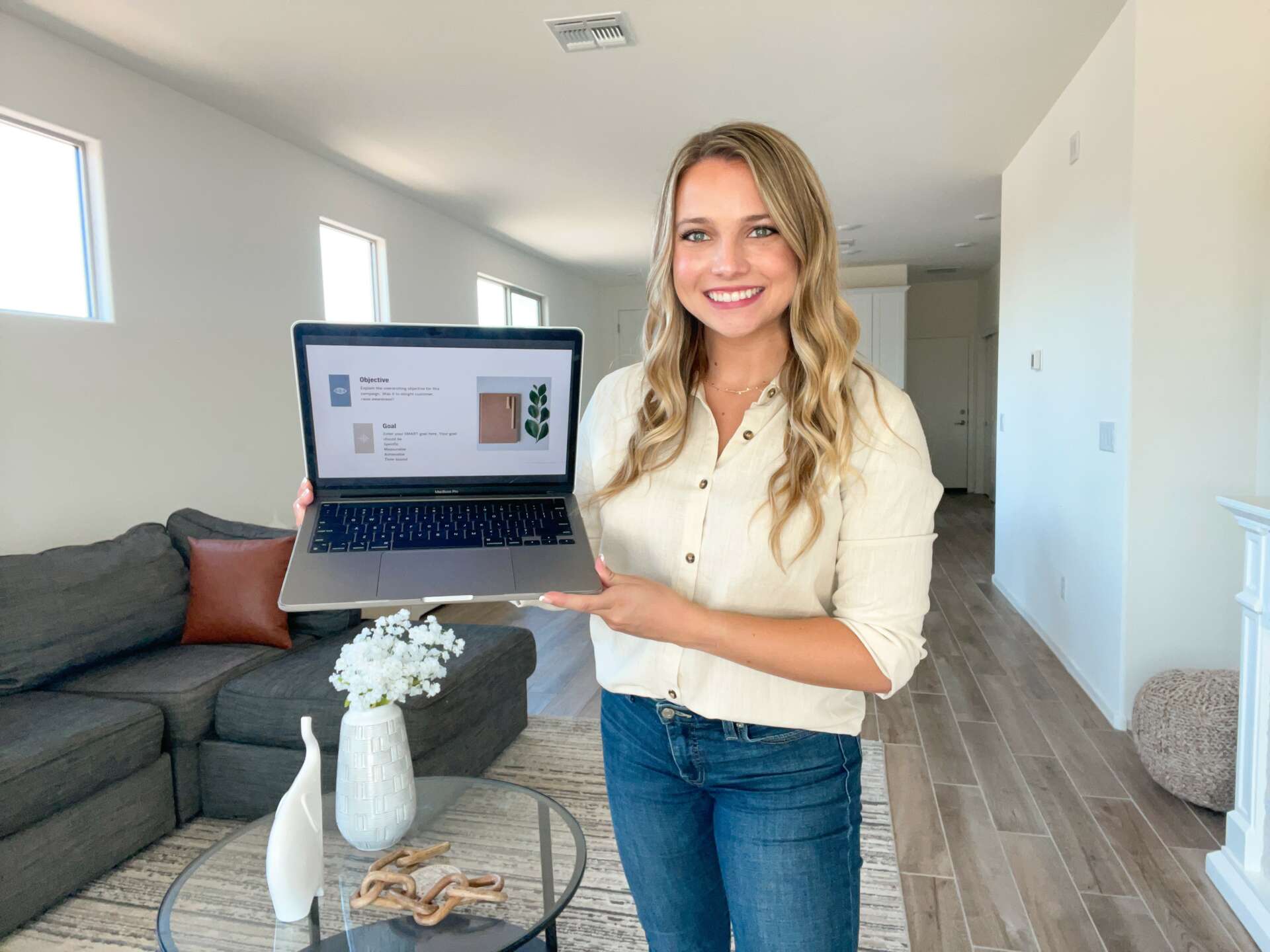
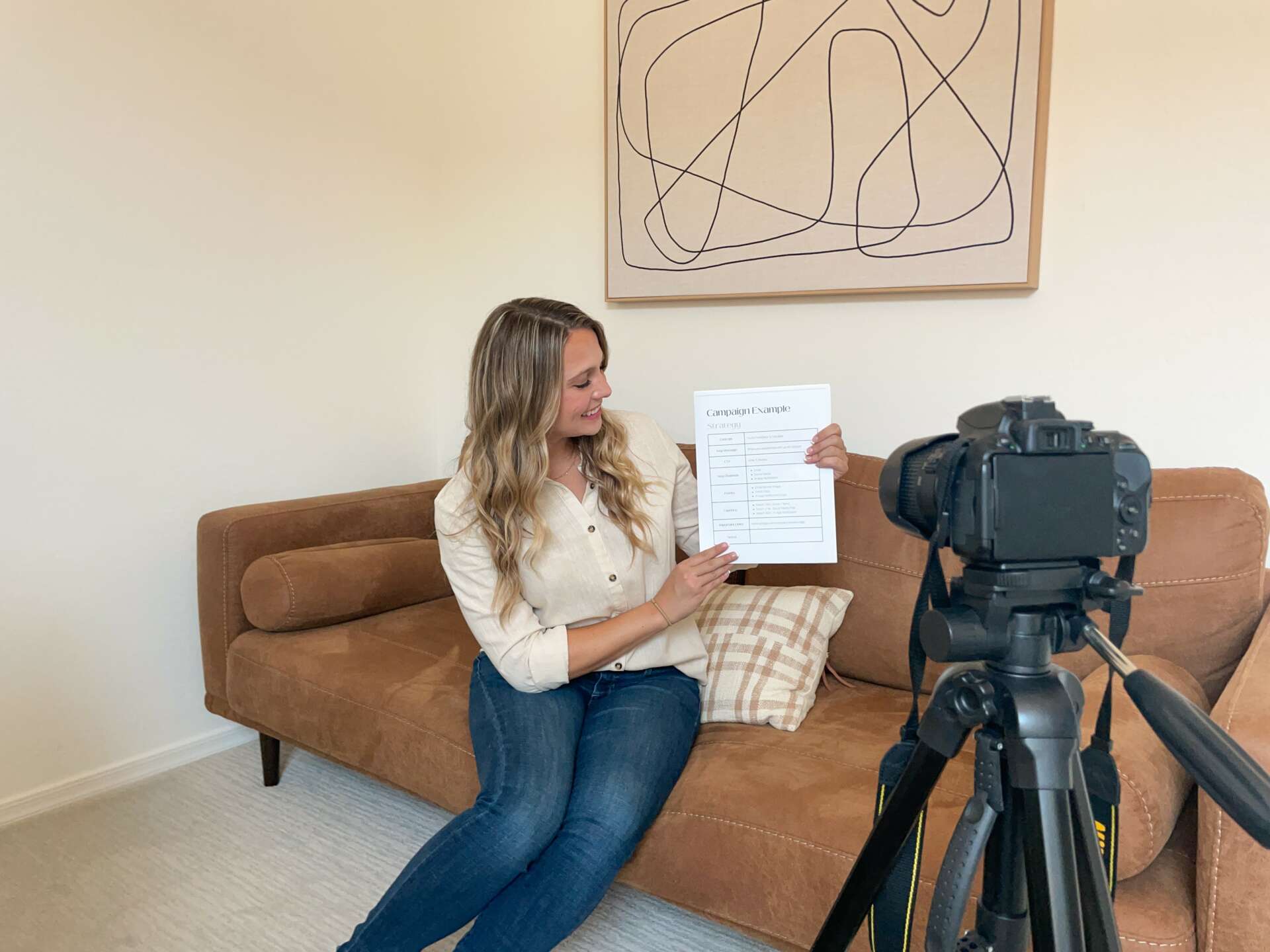
Rylie, before we move on to more of these sorts of questions, can you take some time to bring our readers up to speed on you and what you do?
I’ve been in Marketing for the last 7 years, and it’s been a wild ride. To think when I started I didn’t even want to be in marketing… I thought I wanted to be in Human Resources so I could help connect people and support their life goals. With that in mind, I graduated with a degree in Business Management with an emphasis in HR and got a job with a small start-up where I helped with recruiting. To my surprise…I hated it. I thought, “What do I do now? I really want to help people create lives they love.”
So here’s what happened. The business I was working for needed someone in marketing… so I tried it with little experience. I taught myself everything through trial and error and ended up scaling 13 clients over 3 years creating and implementing their inbound marketing strategies. I learned that marketing DOES in fact connect people and support their life goals. Not to mention I love it. However, I wanted to learn a different aspect of marketing. So I got a job as a customer marketing manager where I learned all about retaining, delighting, and growing the customer base. SO COOL! Something that companies don’t focus on enough. After 2 years in customer marketing, I was eager to get back into demand gen where my true passion lies. Now I’m lucky enough to wake up every day loving my job and career path. Thank goodness, it didn’t start off promising.
There’s just one thing I would’ve changed… Doing it alone. I wish I would have joined a marketing community that could have given me some guidance and was there to bounce ideas off of. I wish I would have had a marketing-specific mentor to efficiently teach me everything they knew so I could’ve grown faster. And I wish I would have created templates for different campaigns, strategies, and projects earlier to help be a launching point. So that’s what I’m on a mission to create with my new brand, SAASSI.
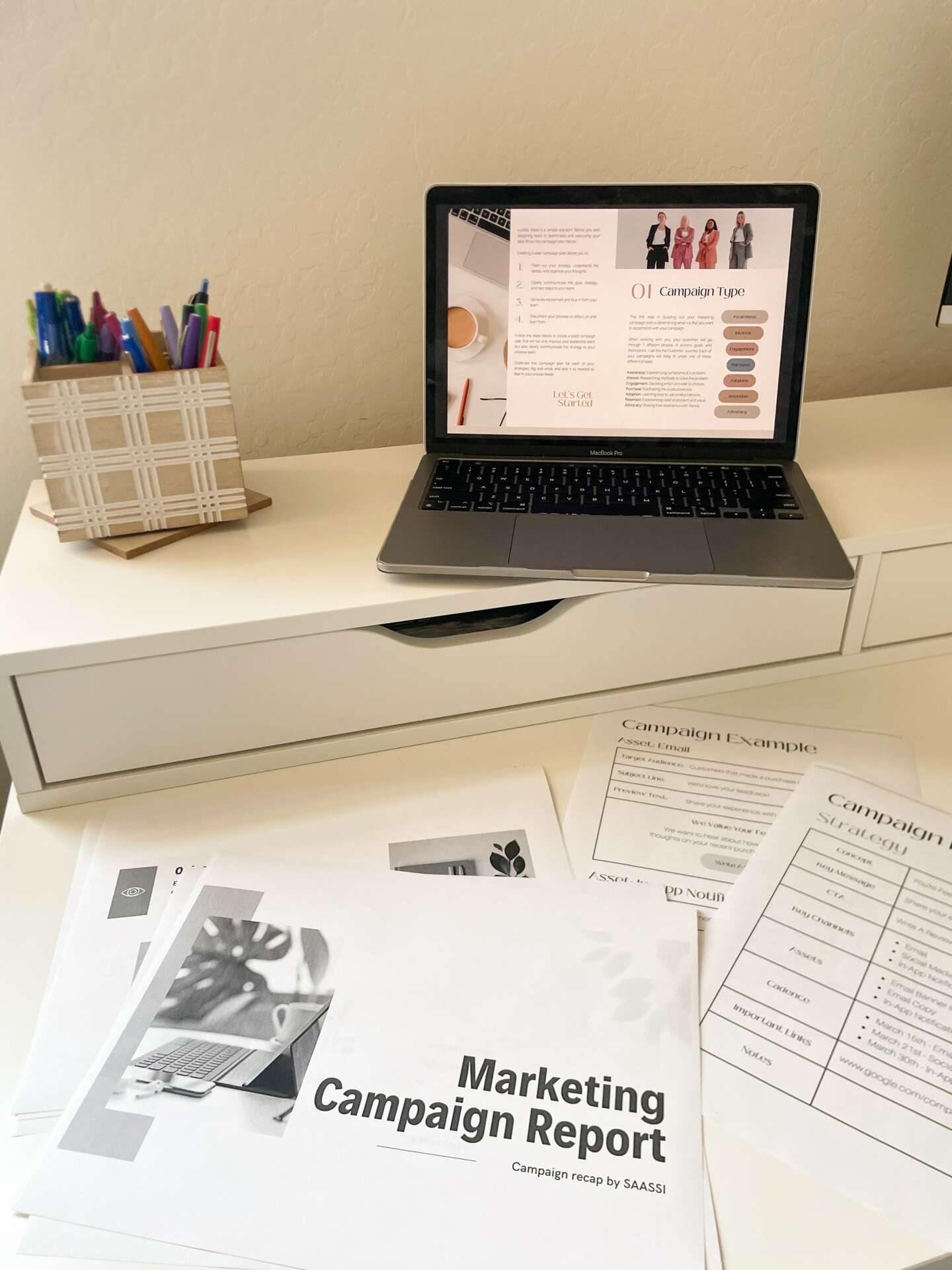
SAASSI is your dedicated ally on the path to crafting the career of your dreams. We’re a dynamic resource hub, inspiring and empowering girls in marketing with the knowledge and tools they need to thrive in the fast-paced world of marketing. Our engaging blog and social media channels are treasure troves of free educational content, providing valuable insights, industry trends, and cutting-edge strategies to keep you ahead in the marketing game. SAASSI also offers time-saving templates that serve as launching points for your marketing endeavors. From campaign planning to post-campaign reports, our templates streamline your work, so you can launch successful campaigns quicker and easier.
Are there any books, videos, essays or other resources that have significantly impacted your management and entrepreneurial thinking and philosophy?
I’m currently reading The Greatness Mindset by Lewis Howes and it has completely inspired me to actually pull the trigger on launching SAASSI, my brand to empower women to exceed their marketing career goals. I’ve always had high expectations for myself and each year I create a vision board with all of the things I want to accomplish. Year by year I’ve done a good job of completing at least 80% of what’s on my board. In the back of my head, I always thought that when I reach these goals I will feel more fulfilled. However, that feeling is still lost. I get this rush of dopamine each time I reach a goal, and it lasts a week or a month before I need something else to strive for. Because yet again I feel unfulfilled and I ask myself “What is this all for?”
Over the past 6 months, I’ve been obsessed with figuring out the key to fulfillment. I think I finally figured out what I was doing wrong, and wow do I feel more inspired and empowered than I ever have been before. In The Greatness Mindset, Lewis Howes walks you through multiple exercises to help find your “Meaningful Mission” He believes that the key to living a fulfilling life is serving others and focusing on three main pillars; business, relationships, and wellness. This really clicked for me, everything on my vision boards only benefited me. I wanted to make a certain amount of money, travel to a city, and buy a car. I was missing out on serving others. I’ve always known I wanted to be an entrepreneur but was always too scared to take the risk and I didn’t know what I wanted my business to be about.
When you shift to serving others, those fears disappear and you’re so inspired you can’t help but take action. I started thinking about what the biggest problem and gap was in my life. It truly was the lack of education and community around marketing, especially in the B2B tech SaaS space. If I can just help make one girl’s job in marketing be a little easier each day and provide her with the tools she needs to grow, that would be enough. I mean obviously, I’m setting out in hopes to help thousands. But my heart flutters at the thought of supporting even just one.
So if you’re also struggling to find fulfillment in your career, I challenge you to dive into how you are serving others with your efforts every day. If you don’t have your own business, do you work for a company that solves a problem you stand behind and are passionate about? Are your customers’ lives better because of the work you’re doing? There is a good chance that the answer to at least one of those questions is yes. Setting the mindset each day of serving others and making at least one person’s day better really helps to find joy and fulfillment.

Can you tell us about what’s worked well for you in terms of growing your clientele?
There are so many different channels you can use to grow your clientele and each company is going to find success in different ones. Some businesses might find success in social media, while others do better with directories. The key to building an effective inbound marketing strategy is:
- Identifying your ICP (Ideal Customer Profile) – Who is your target audience and where do they go to find a product/service like yours? How do they talk? What matters most to them? If your target audience is girls in their 20s and you’re a clothing brand, social media will be an effective channel. However, if you’re a wholesale sink manufacturer, social media will likely not generate the results you’re looking for.
- Only focus on 1-3 channels at a time that your audience is most likely to use to find your product/service and get really good at them. If you try to do it all, the quality will go down and your results are going to suffer. This is where a lot of marketing teams and small business owners go wrong. They spread themselves thin across too many channels before they have the proper resources to do so. Focus on only 1-3 channels (Social Media, SEO, Paid Search, Partnership, Events, etc.) and optimize them until they are well-running machines. Then, you can start adding additional channels.
- Test, test, test! Try multiple different messages, strategies, and tactics within those channels to see what is landing with your audience best. Testing helps you identify what works and what doesn’t quicker so your strategies can be more effective. Your audience will tell you what they want, you just have to listen.
To grow SAASSI I’m focused on social media and SEO. Social media is an excellent way for me to reach my audience and grow awareness around my brand. At the same time, SEO is a great channel for engagement and conversions when marketers are looking for a solution to the specific problem that I solve. What I love about SEO is that it is low cost and the lifespan of the content lasts a very long time. Each social media post has an average lifespan of a day to a few weeks. In comparison, a blog post can still drive traffic and results for years to come. Plus, I can easily repurpose my blog content and turn it into social media posts.
Contact Info:
- Website: www.Saassimarketing.com
- Instagram: https://www.instagram.com/rylie_manross/
- Linkedin: https://www.linkedin.com/in/rylie-manross/
- Youtube: https://www.youtube.com/@rylie_manross
- Other: TikTok: https://www.tiktok.com/@rylie_manross
Image Credits
The first image Credits go to Dry Creek Photography instagram @dry_creek_photography