

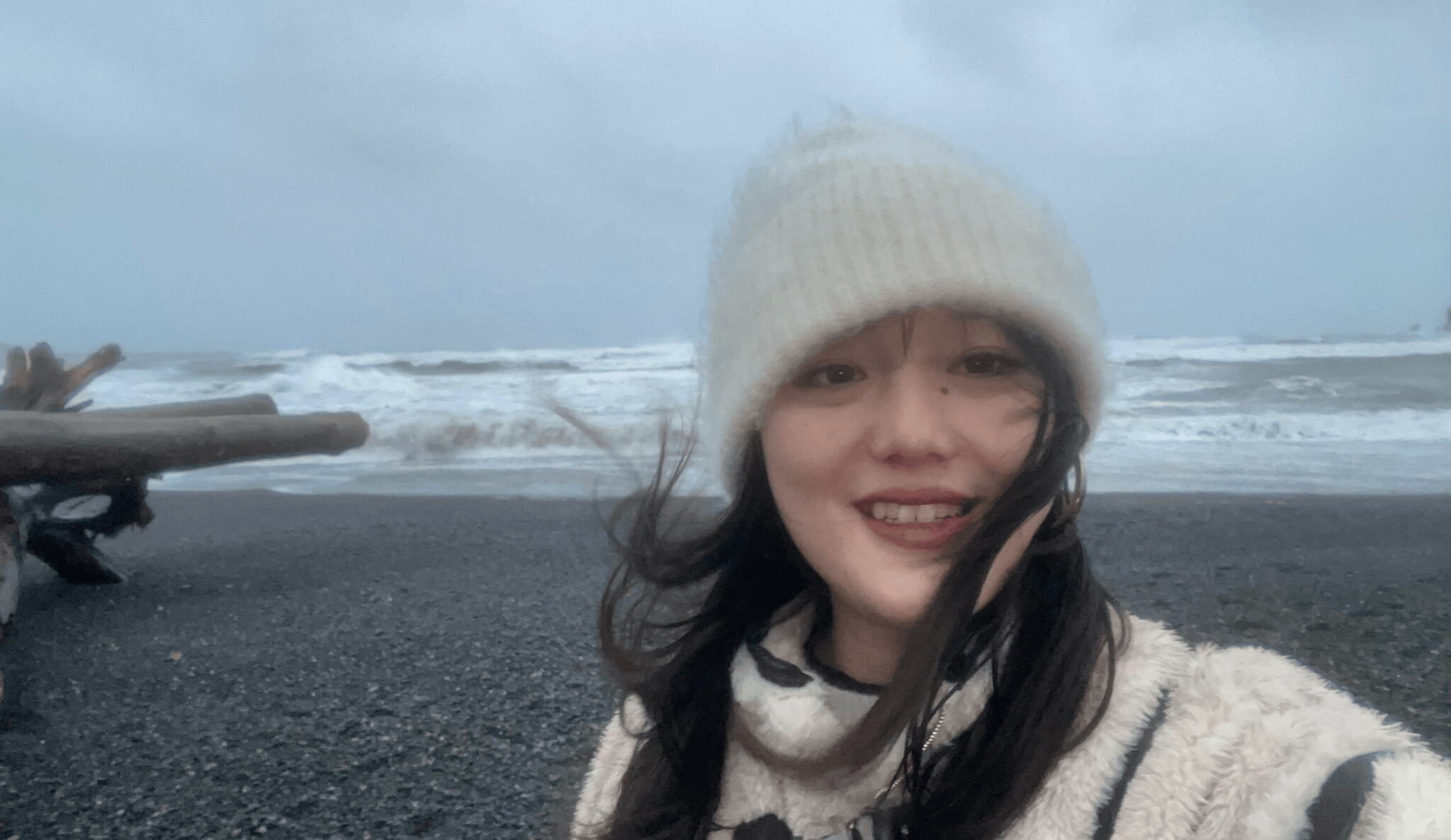

Alright – so today we’ve got the honor of introducing you to Ryckie Bian. We think you’ll enjoy our conversation, we’ve shared it below.
Ryckie, appreciate you joining us today. I’m sure there have been days where the challenges of being an artist or creative force you to think about what it would be like to just have a regular job. When’s the last time you felt that way? Did you have any insights from the experience?
As an art student, I find immense satisfaction in what I do. I’m truly passionate about using art as a medium to tell stories and create immersive worlds. It’s incredibly fulfilling to bring my ideas to life through my work.
That said, like many students, I do have some concerns about transitioning into the professional world. As a fresh graduate entering the workforce, I understand that I’ll need to follow the guidance of senior team members, such as the lead artist or higher-level management. This makes choosing the right company crucial for my growth. I’m particularly eager to work under leaders with extensive industry experience, as I believe learning from them will be invaluable for my development.
However, I’m also aware that this is a challenging time for art students and recent graduates. The industry is facing significant layoffs of experienced professionals, and job opportunities are scarce. It’s a tough market to navigate, and I’m unsure how long this situation will persist. My hope is that the industry stabilizes soon and that my peers and I can secure roles that align with our skills and passions right after graduation.
Overall, while I’m excited about the possibilities, I’m also mindful of the current challenges and remain optimistic about finding the right opportunity to grow and contribute as an artist.
As always, we appreciate you sharing your insights and we’ve got a few more questions for you, but before we get to all of that can you take a minute to introduce yourself and give our readers some of your back background and context?
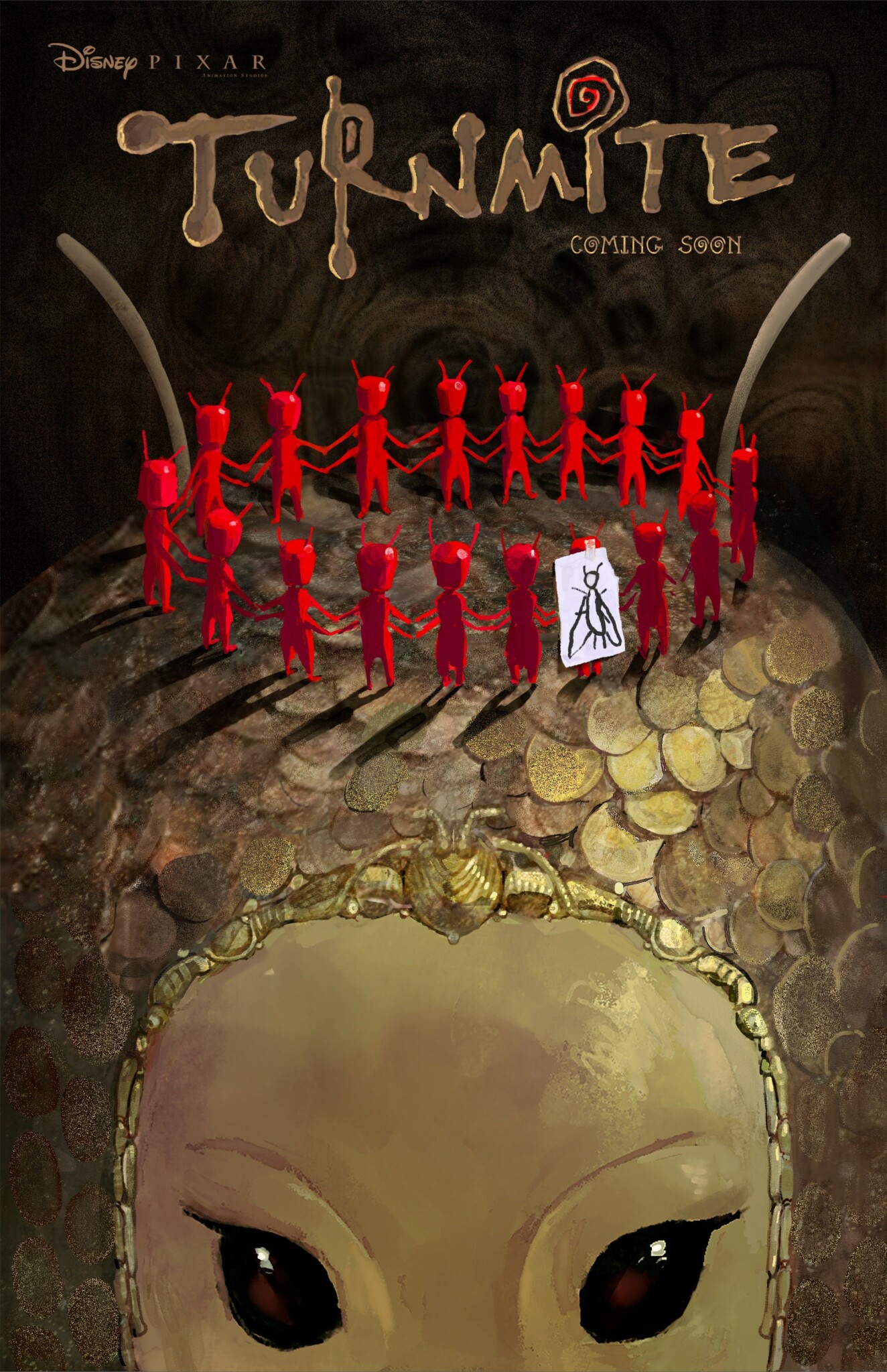
I’m currently a student at ArtCenter College of Design (ACCD), majoring in Concept Art. My journey into this field began as a fine arts student. I’ve always been deeply passionate about drawing and found that, compared to other subjects, I could focus more naturally and intensely on creating art. However, it wasn’t until I discovered the field of concept art that I truly found my calling.
The first artist who caught my attention was Alan Lee, the renowned illustrator for The Lord of the Rings novels and the art designer for the film adaptations. His timeless and groundbreaking designs were incredibly inspiring to me. It was through his work that I first learned about concept art as a profession. As I delved deeper into the field, I discovered ArtCenter, a school widely recognized for its excellence in this discipline. After a year of dedicated preparation, I was fortunate enough to be accepted and moved to the U.S. to begin my studies.
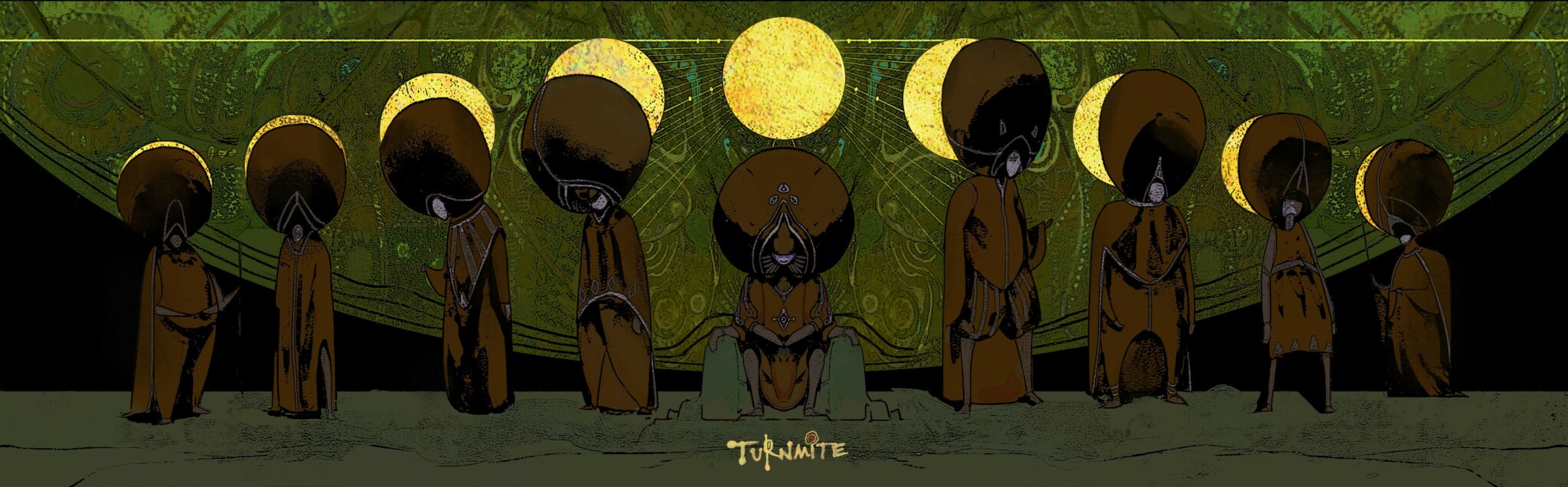
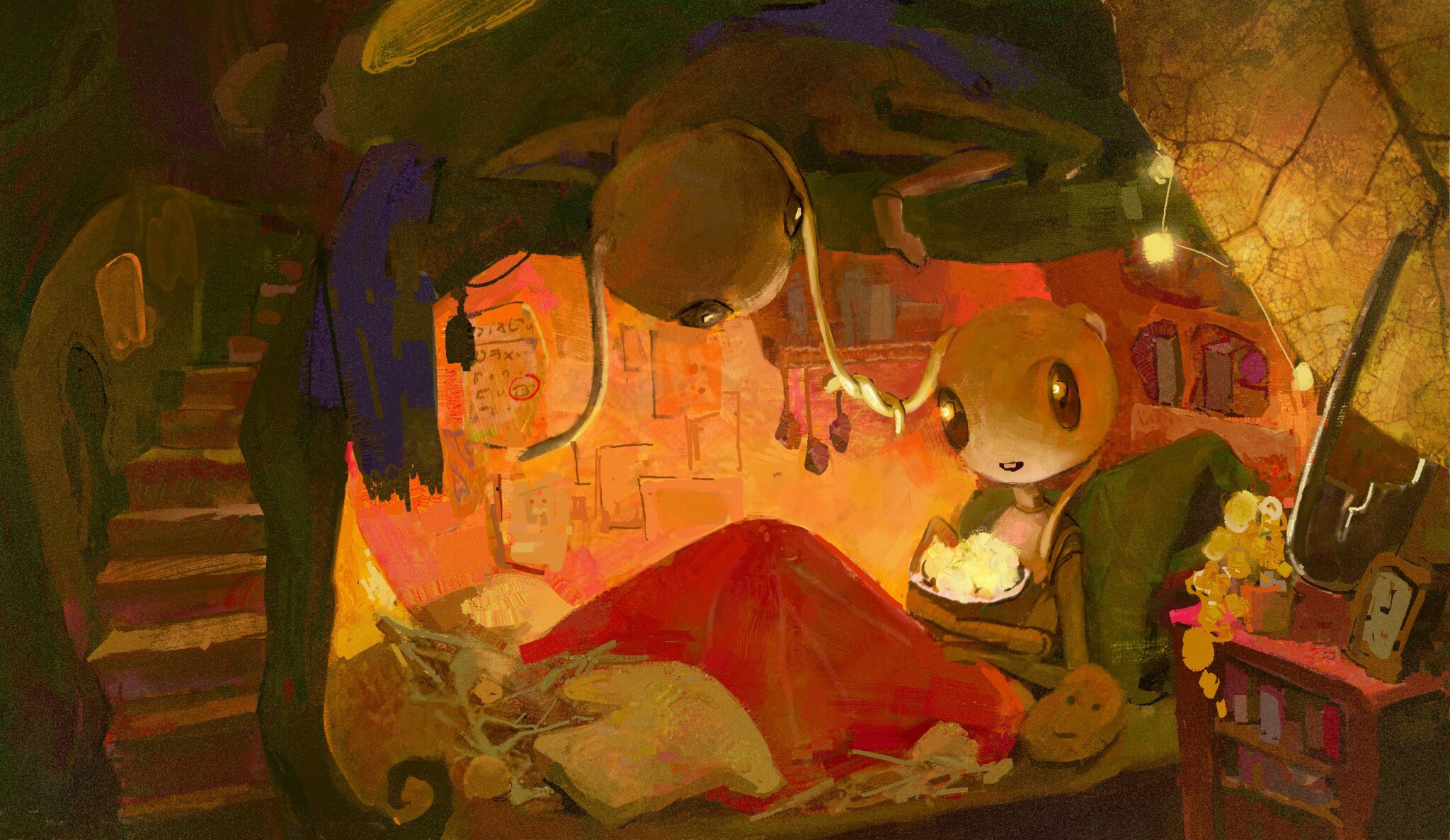
Looking ahead, my goal after graduation is to work on scene design for animated films and contribute to visual development. This is an area I feel particularly strong in—using color and composition to tell stories and create immersive worlds. I’m excited to continue honing my skills and eventually bring my vision to life in the animation industry.
How can we best help foster a strong, supportive environment for artists and creatives?
In my view, one of the most important ways society can support artists right now is by improving laws and regulations surrounding AI. The impact of AI on the art industry has been significant, and not always in a positive way. While I acknowledge that AI can be a useful tool for handling repetitive tasks, I strongly believe that the current misuse of AI in art is unethical. Many people are using AI to replicate or blend the work of existing artists without their consent, which essentially amounts to plagiarism.
What’s particularly concerning is that even when artists explicitly oppose their work being used to train AI models, there’s often no way to prevent it. Platforms like ArtStation, which are meant to foster artistic exchange, have not taken a strong stance against AI-generated content. This lack of regulation creates an environment where artists’ rights are overlooked, and their work is exploited without proper credit or compensation.
If possible, I hope to see stricter laws and guidelines established to govern the use of AI in the creative industry. This could include requiring consent from artists before their work is used to train AI systems, ensuring proper attribution, and setting boundaries for how AI-generated content is shared and monetized. By addressing these issues, we can create a more ethical and supportive environment for artists to thrive in the age of AI.
Is there a particular goal or mission driving your creative journey?
Right now, my biggest goal is to become part of a talented team working on animated films. Ever since I was a child, I’ve been deeply inspired by animated movies with imaginative storytelling and captivating visuals. Studios like Pixar, DreamWorks, and Studio Ghibli, as well as the works of directors like Hayao Miyazaki, have had a profound impact on me. Their films are not only visually stunning but also carry meaningful messages that resonate with audiences of all ages.
This is why I’m so passionate about joining a team that creates impactful animated movies—films that can inspire and influence both children and adults. I believe being part of such a creative environment would allow me to grow as an artist and contribute to projects that leave a lasting impression on people’s lives. I’m confident that working alongside talented professionals in this field would teach me a great deal and help me achieve my dream of making meaningful, memorable art.
Contact Info:
- Website: https://rbian.myportfolio.com
- Instagram: https://www.instagram.com/ryckie_bian/
- Linkedin: https://www.linkedin.com/in/ryckie-bian-ba6817244/
- Other: https://www.artstation.com/twentylll
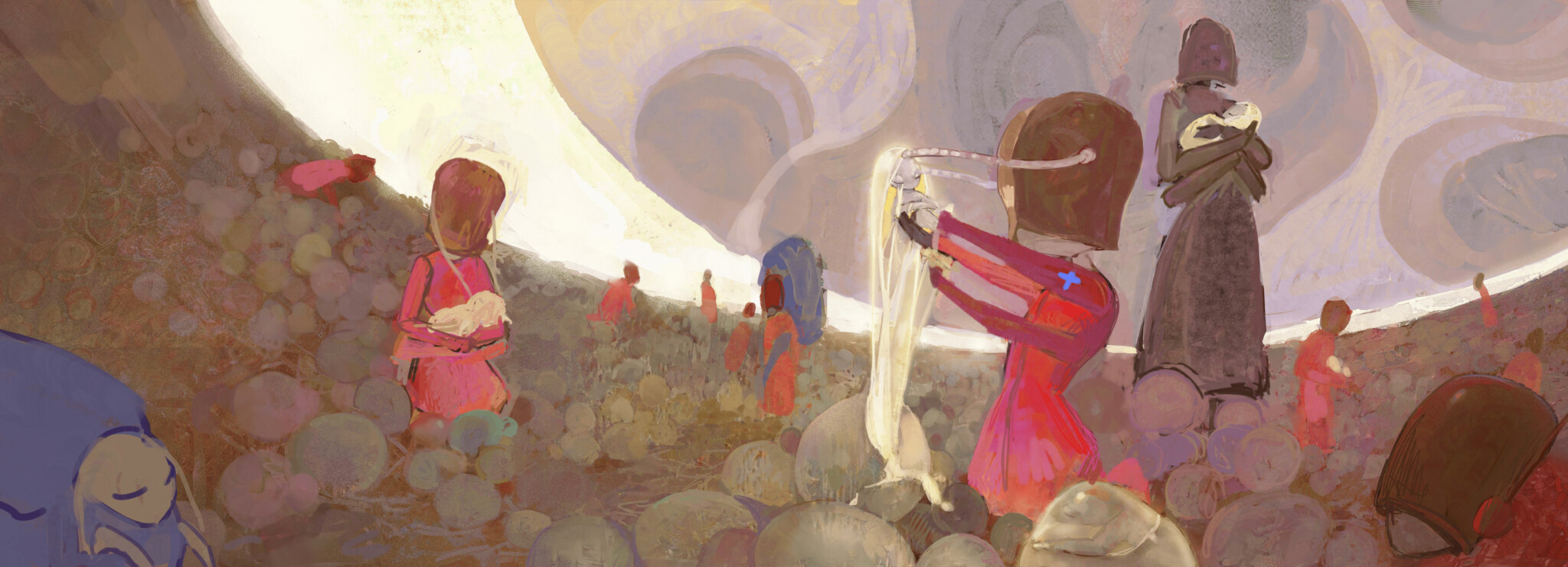
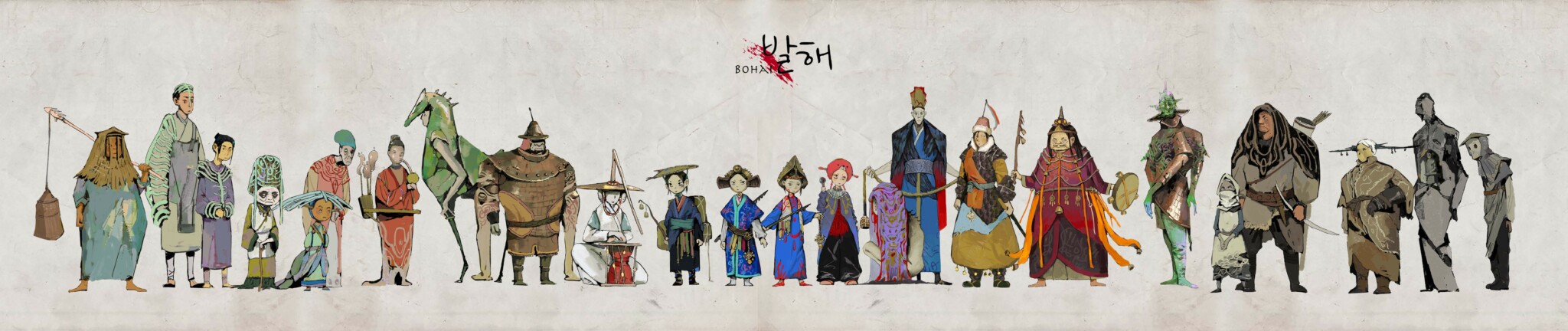
Image Credits
made by Ryckie Bian