
We recently connected with Ryan Wright and have shared our conversation below.
Ryan, thanks for joining us, excited to have you contributing your stories and insights. We’d love to hear the backstory of how you established your own practice.
When I started my first blockchain company in 2021, I thought things would move much faster than they did. I had just become an Ambassador for *Blockchain in Healthcare Today* and had developed a process for tokenizing radiology and diagnostic imaging. The core idea was simple: patients should be able to control their own health data—keeping it private while still allowing it to contribute to research if they choose.
At the time, it felt like the technology was ready to take off overnight. What I learned instead is that innovation often moves at the speed of institutions, not code. Healthcare, finance, and regulation all intersect in this space, and each of those systems evolves carefully. Five years later, I’m finally working on implementations of the ideas I started with—now alongside organizations that are actively building the market around them.
My firm, Nvlope, began as a product venture but gradually evolved into more of a blockchain advisory and ecosystem-building practice. In Kansas City there were very few companies working seriously in Web3 when we started, so part of the job became education—helping businesses and public institutions understand what blockchain could actually do beyond the hype. Over time, simply staying in the space and continuing the work became a competitive advantage.
The biggest challenge wasn’t technology—it was operating across multiple domains at once. Building in blockchain means understanding not only software architecture and mathematics, but also regulation, economics, and public policy. You have to be comfortable presenting ideas, building systems, and adapting as the legal and technical landscape changes.
If I could do one thing differently, I would adjust my expectations about timing. Breakthrough ideas often arrive before the surrounding market is ready for them. Persistence matters more than early momentum.
For young professionals thinking about starting their own practice, my advice is to be sure you care deeply about the problem you’re solving. Web3 may look like a fast path to success from the outside, but in reality it requires constant learning, resilience, and patience. If you truly believe in the work, however, there’s enormous opportunity to help shape how the next generation of digital infrastructure will function.
Great, appreciate you sharing that with us. Before we ask you to share more of your insights, can you take a moment to introduce yourself and how you got to where you are today to our readers.
My work sits at the intersection of blockchain, healthcare, and civic infrastructure. I’m the founder of Nvlope and currently serve as Vice President of Medical Asset Tokenization at AI MINDSystems. Broadly speaking, my focus is on helping institutions and individuals move into the next generation of digital infrastructure—where data ownership, identity, and financial systems are more transparent, interoperable, and user-controlled.
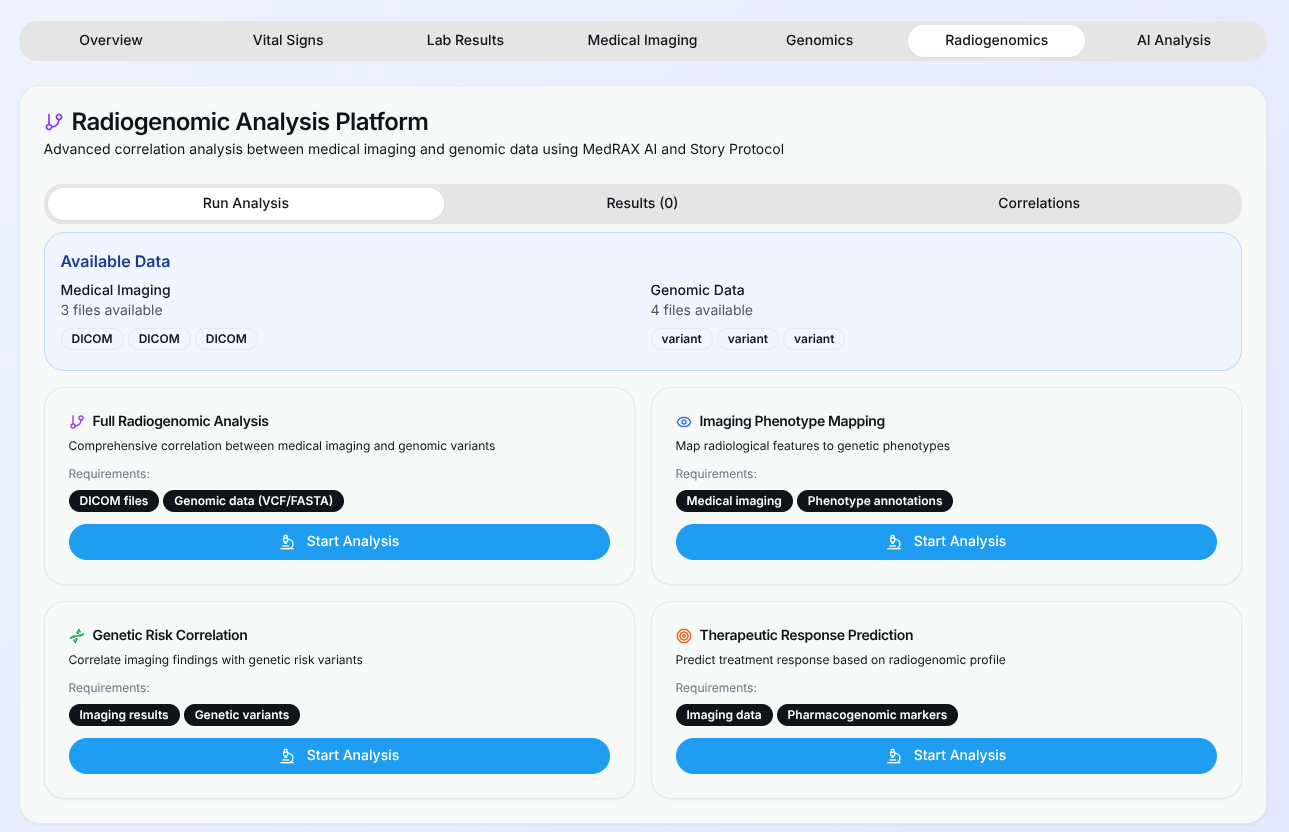
I originally entered the blockchain space because of a healthcare problem. Several years ago I developed a concept for tokenizing radiology and diagnostic imaging records. The idea was that a patient’s imaging history—things like CT scans, MRIs, and radiation treatment plans—could be represented as secure digital assets that remain private but portable. Instead of medical data being trapped inside hospital systems, patients could control access to it while still allowing researchers or physicians to work with it when appropriate. That concept eventually evolved into broader work around medical identity, data integrity, and decentralized health infrastructure.
From there, the work expanded. Nvlope started as a venture aimed at building blockchain applications, but it gradually became an advisory and ecosystem development firm. We help organizations understand how emerging technologies like decentralized identity, tokenization, and programmable finance can be applied to real-world systems. Sometimes that means helping startups design architecture. Other times it involves working with policymakers, universities, or businesses that are trying to understand how these technologies will affect their industries.
A big part of what sets my work apart is that I tend to approach blockchain as infrastructure rather than speculation. A lot of the public narrative around Web3 has focused on trading or short-term financial opportunities. The work I’m interested in is more foundational: identity systems, health data portability, civic credentials, and payment infrastructure that can operate securely over long periods of time. These systems require interdisciplinary thinking—they touch technology, economics, regulation, and human behavior all at once.
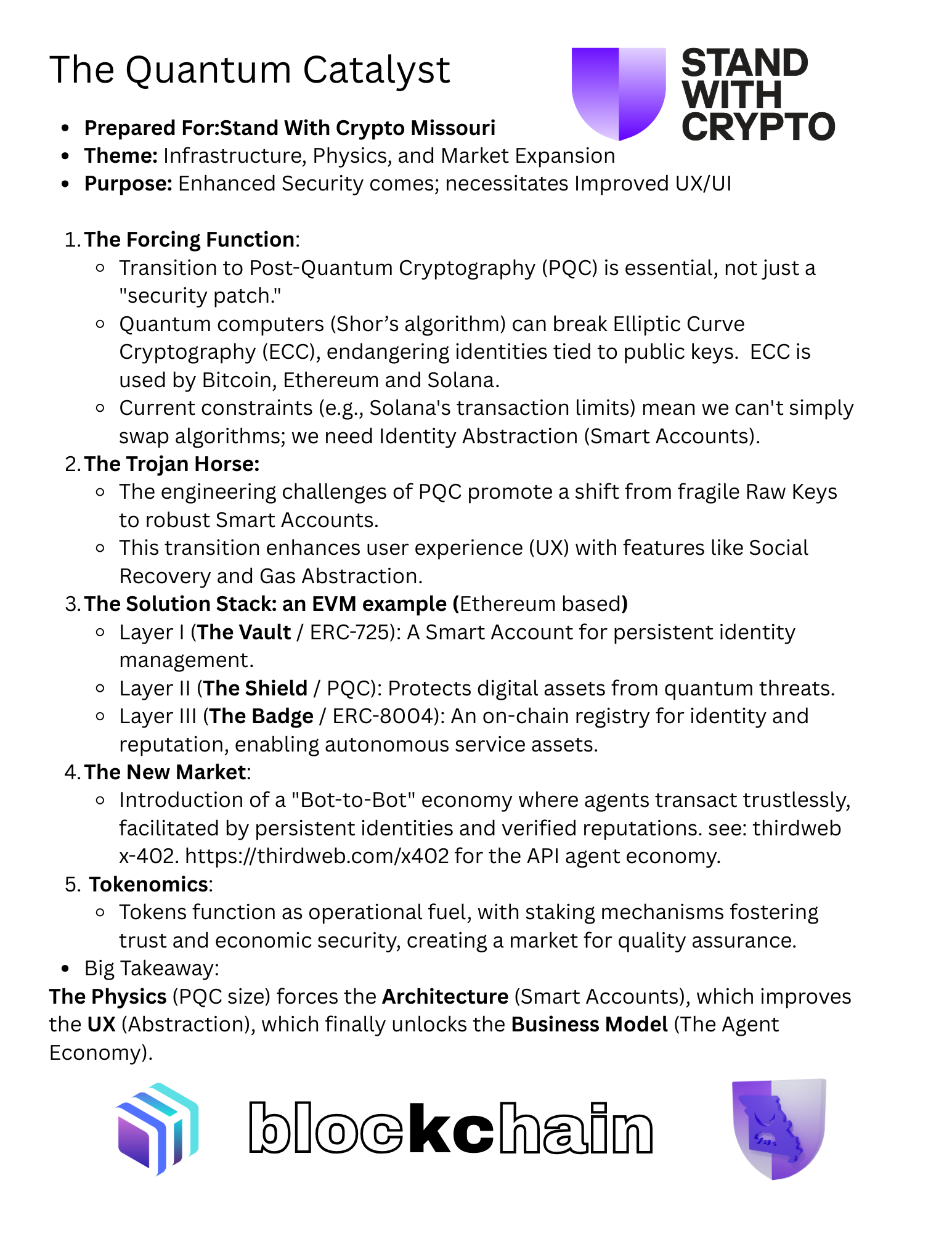
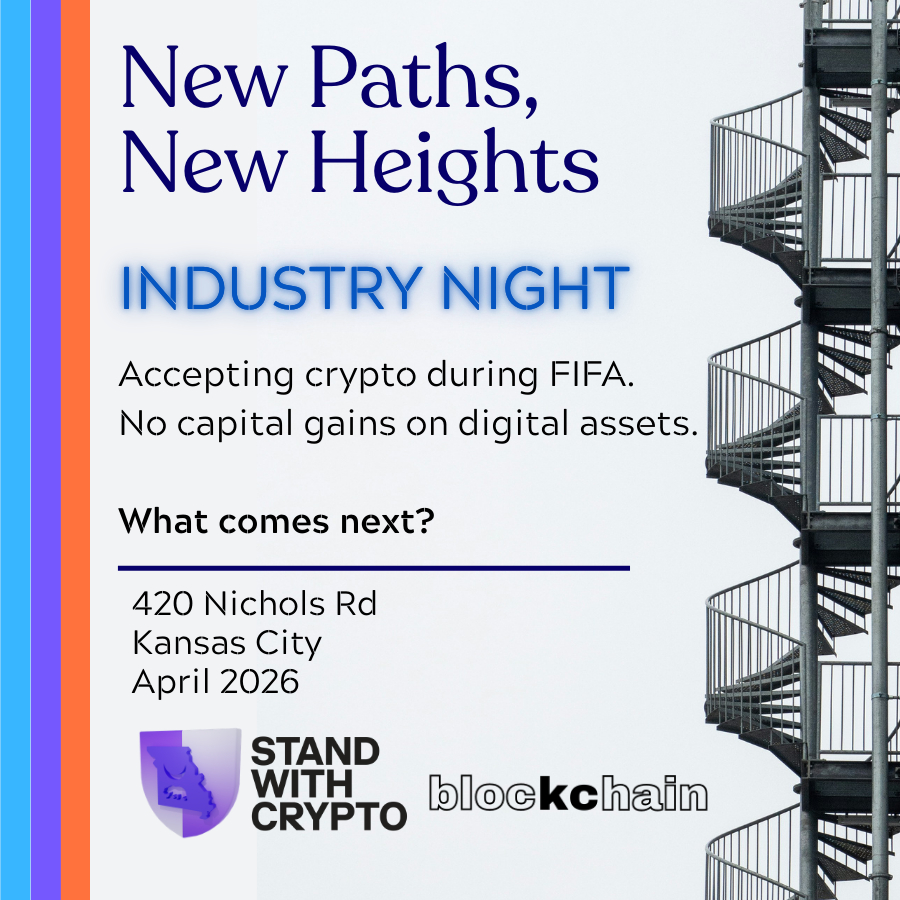
In Kansas City, that has meant helping build a regional ecosystem around blockchain and digital assets. I’m currently the Missouri President for Stand With Crypto, where we work to promote responsible policy and public education around digital assets. I’ve also helped organize meetups, hackathons, and educational programs that connect students, entrepreneurs, and policymakers. For me, the technology only becomes meaningful when it’s connected to real communities and real institutions.
The work I’m most proud of is not just a single product or invention, but the persistence of the ideas themselves. When I first started talking about tokenizing diagnostic assets or decentralized health identity, many people thought the concepts were too early or too experimental. Today those conversations are happening across healthcare, research institutions, and government agencies. Seeing those ideas move from theory toward real pilots and implementations has been incredibly rewarding.
For potential clients or collaborators, the most important thing to know about my work is that it’s focused on long-term systems. Blockchain is still an emerging field, and many organizations are trying to understand how to navigate it responsibly. My goal is to help them build architectures that remain interoperable and adaptable as technology and regulation evolve.
Ultimately, I see blockchain not just as a technology, but as a coordination layer for the digital world. When designed carefully, it can allow individuals to maintain sovereignty over their data while still participating in larger economic and research ecosystems. That balance between privacy, ownership, and collaboration is what continues to drive my work.

What do you think helped you build your reputation within your market?
What helped me build a reputation in this field was staying true to the vision while remaining open to listening and learning. Early on, there were many moments where I realized I might actually know more about a specific topic than others in the room. That realization changes you. It’s liberating, but it also comes with a responsibility to be thoughtful and grounded. When you’re working on infrastructure for healthcare—systems that could last decades or even centuries—there really isn’t room for ego. The work has to be bigger than the individual.
In the early days, reputation was built through consistency and presence. I spent a lot of time reaching out on LinkedIn, speaking with local businesses, and helping to start a small community group called KCweb3. At that stage, the ecosystem barely existed locally, so part of the effort was simply bringing people together who believed the technology could solve real problems.
My colleagues and I shared a conviction that if you have a genuine use case, you can eventually build the business you envision around it. In my case, the idea—tokenizing and securing medical imaging and health data—was simply ahead of its time. It took longer for the market to develop real utility around those concepts, but persistence paid off.
Over time, people begin to recognize who consistently shows up, continues the work, and focuses on solving meaningful problems rather than chasing trends. That consistency is ultimately what builds credibility in a field that is still evolving
If you could go back, would you choose the same profession, specialty, etc.?
I actually began with a very liberal education focused on ancient literature and architecture. In many ways, that background reflects how I’ve always approached the world—I’ve been interested in understanding the bigger picture and how systems fit together, whether they are cultural, structural, or technological.
Looking back, I probably would have taken more computer science courses earlier in my career. The world is very different now, and having that technical foundation from the beginning can be incredibly valuable. That said, it’s still possible to enter the field later in life, though the learning curve can be steep if the subject doesn’t naturally interest you. On the other hand, learning technical concepts later can also be illuminating, because you’re approaching them with a clearer sense of why they matter.
In some ways, it’s similar to how many great scientists worked historically. Newton and others often began with careful observation—simply watching how the world behaved—and then developed the mathematical frameworks to explain those patterns. That process of curiosity leading to structured understanding is something I’ve always found inspiring.
So while I might have added more formal technical training earlier on, I wouldn’t change the broader path. Studying the humanities and design taught me to think about systems, history, and human behavior. Those perspectives are surprisingly valuable when working on technologies that will shape how societies organize information, identity, and infrastructure in the future.
Contact Info:
- Website: https://ai-mindsystems.org/, www.nvlope.app,
- Linkedin: /ryansblock
- Twitter: /rmdubb