

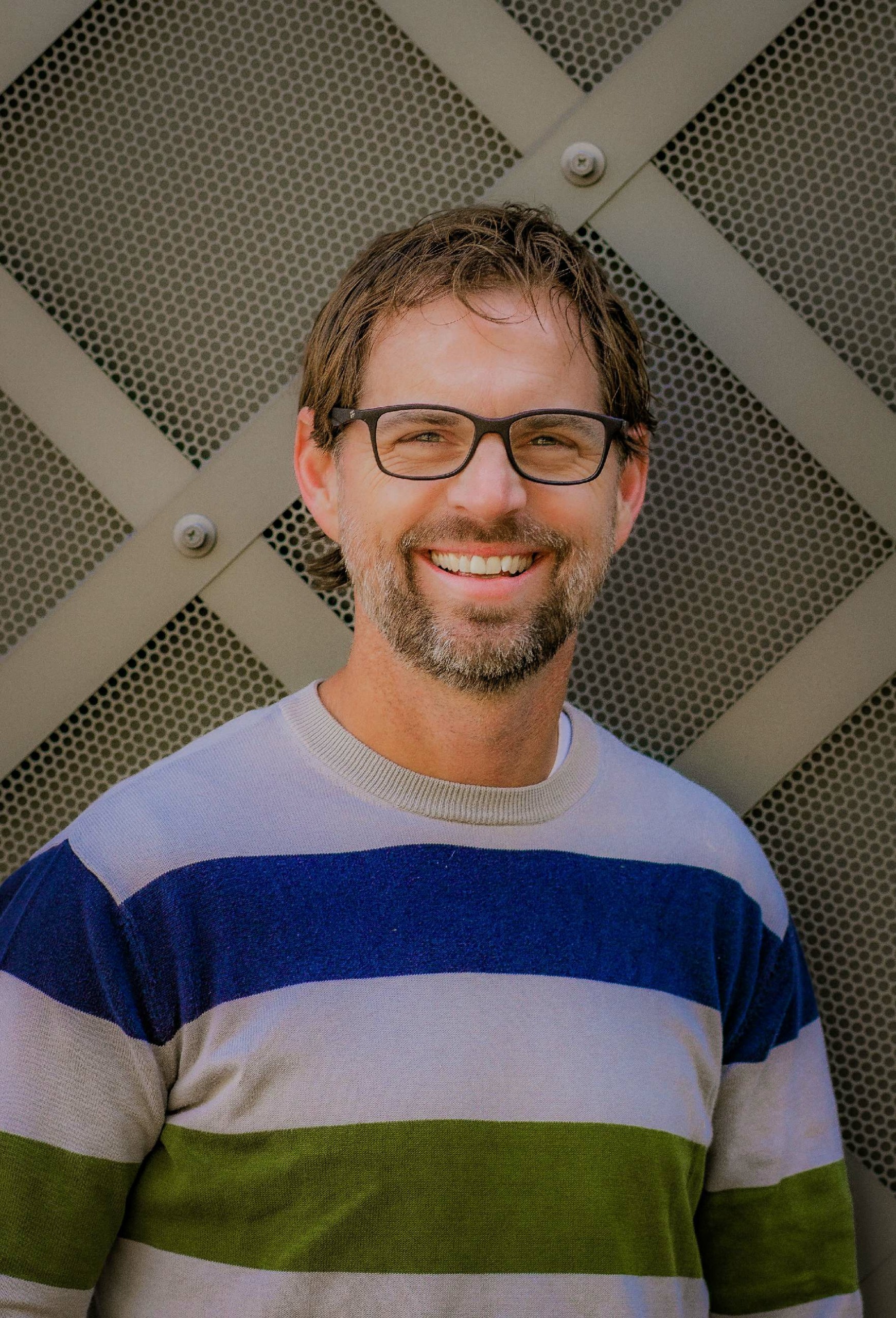

Alright – so today we’ve got the honor of introducing you to Ryan Williams. We think you’ll enjoy our conversation, we’ve shared it below.
Ryan, appreciate you joining us today. Can you talk to us about a project that’s meant a lot to you?
One of the most meaningful projects I have worked on was serving as the original designer for the Visual Arts Academy floorplan at The Hilltop School for the Arts.
The project began in a way that I did not expect. About two years ago, I was invited into a meeting and handed a large piece of drafting paper. The prompt was simple but overwhelming: design your dream art classroom or studio. There was no preparation and no prior context. I remember sitting there for a moment, staring at the blank page, thinking about the potential in front of me.
As I reflected, I drew on my experiences as a teaching artist and the many studio spaces I had worked in over the years, including those at the college level. I started to think less about limitations and more about possibility. With no restrictions in place, the task felt both risky and exciting. At some point, I stopped overthinking and simply put pencil to paper.
I began with the student experience. I thought about what students and families would feel the moment they entered the space. From that, I designed a dedicated gallery at the entrance of the academy, not only to showcase student work but also to serve as a space for critique and reflection. I imagined future open studio nights where families would walk through that gallery as their first interaction with the learning environment.
From there, I addressed one of the most consistent challenges I have experienced throughout my career: space. Art classrooms are often limited in ways that restrict creativity and workflow. In my design, I intentionally created large, multifunctional areas for both storage and work, ensuring that students would have room to create, collaborate, and manage materials effectively.
I then developed three dedicated studio spaces of approximately 1,600 square feet each, focused on Sculpture and Ceramics, Mixed Media, and Drawing and Painting. Each space was designed with its specific artistic processes in mind while still allowing for flexibility and student movement.
What makes this experience especially meaningful is what happened next. My initial design was shared with the architectural team, and elements of it were used as a foundation and source of inspiration for the final Visual Arts Academy plan. Seeing my ideas influence a professional design process reinforced the importance of practitioner voice in shaping learning environments.
This project is meaningful to me not only because of the opportunity itself, but because it represents something much larger. When I began teaching in 2007, I had a long-term goal of helping design a school that fosters creativity, collaboration, and connection. It took nearly two decades to reach a moment like this, but it affirmed that those long-term goals are worth pursuing.
More importantly, the impact of this work extends beyond a single classroom or school year. The space will serve students for years to come. Knowing that students will learn, create, and grow in an environment that I helped envision gives this project lasting significance. It represents a shift in my role from shaping what happens inside the classroom to helping design the conditions that make that learning possible.
Great, appreciate you sharing that with us. Before we ask you to share more of your insights, can you take a moment to introduce yourself and how you got to where you are today to our readers.
I am an artist and educator dedicated to designing authentic learning environments that ignite creativity, foster connection, and support collaborative communities. I hold advanced degrees in Psychology, Curriculum Design, Studio Art, and Educational Leadership, and bring over a decade of experience in visual arts education.
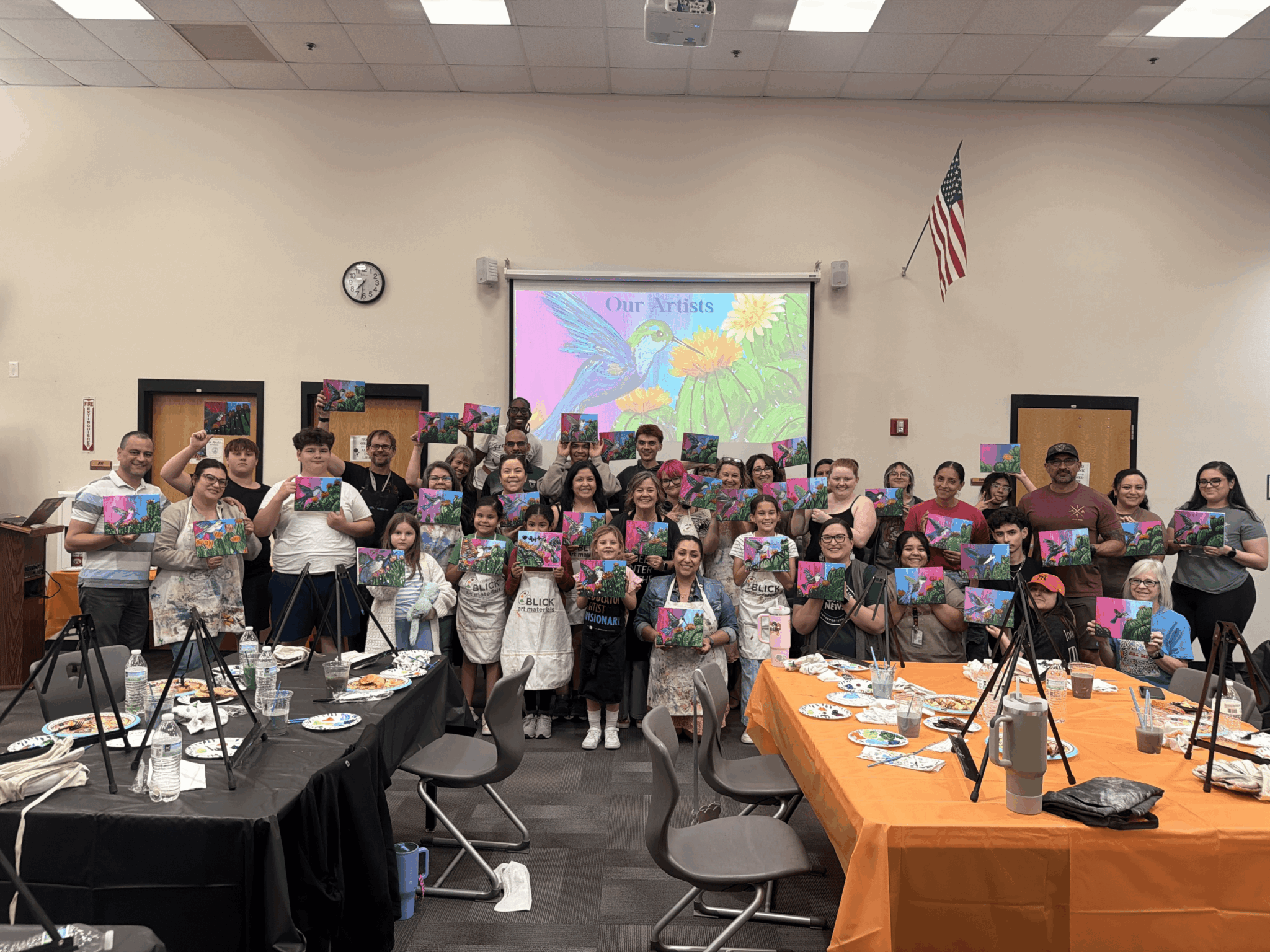
I began my career as a teaching artist in 2007 and have since expanded my work into curriculum design, program development, and educational planning. I have presented research for the Arizona Department of Education and facilitated workshops for the National Art Education Association, the Arizona Art Education Association, and my school district.
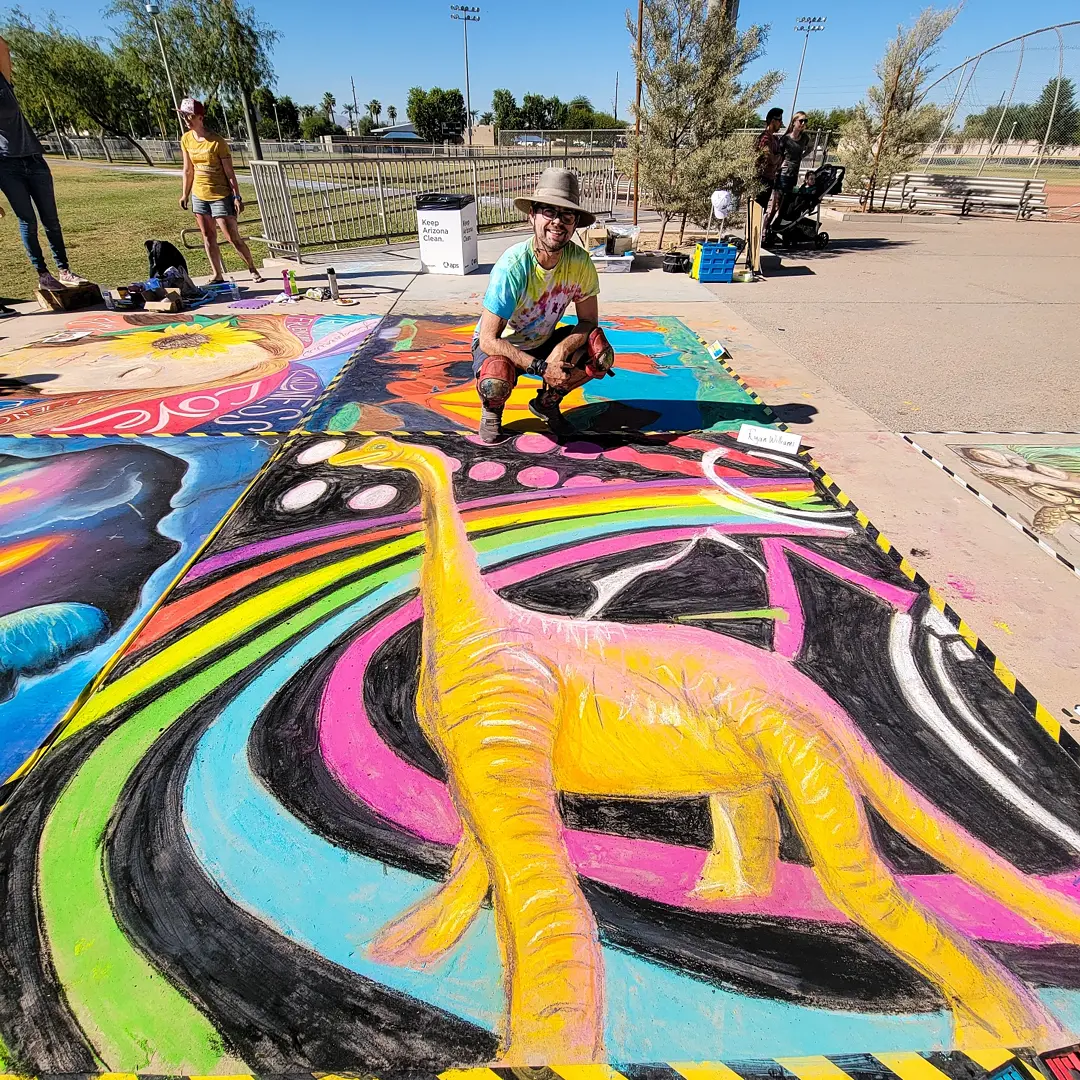
As a community artist, my work has been featured in local chalk art festivals and gallery exhibitions, and I have served as lead artist for the West Valley Arts Council Gallery 37 program. My work bridges art, education, and community engagement. My students are actively engaged in their communities, with many earning acceptance into juried art shows and receiving scholarships for their work.
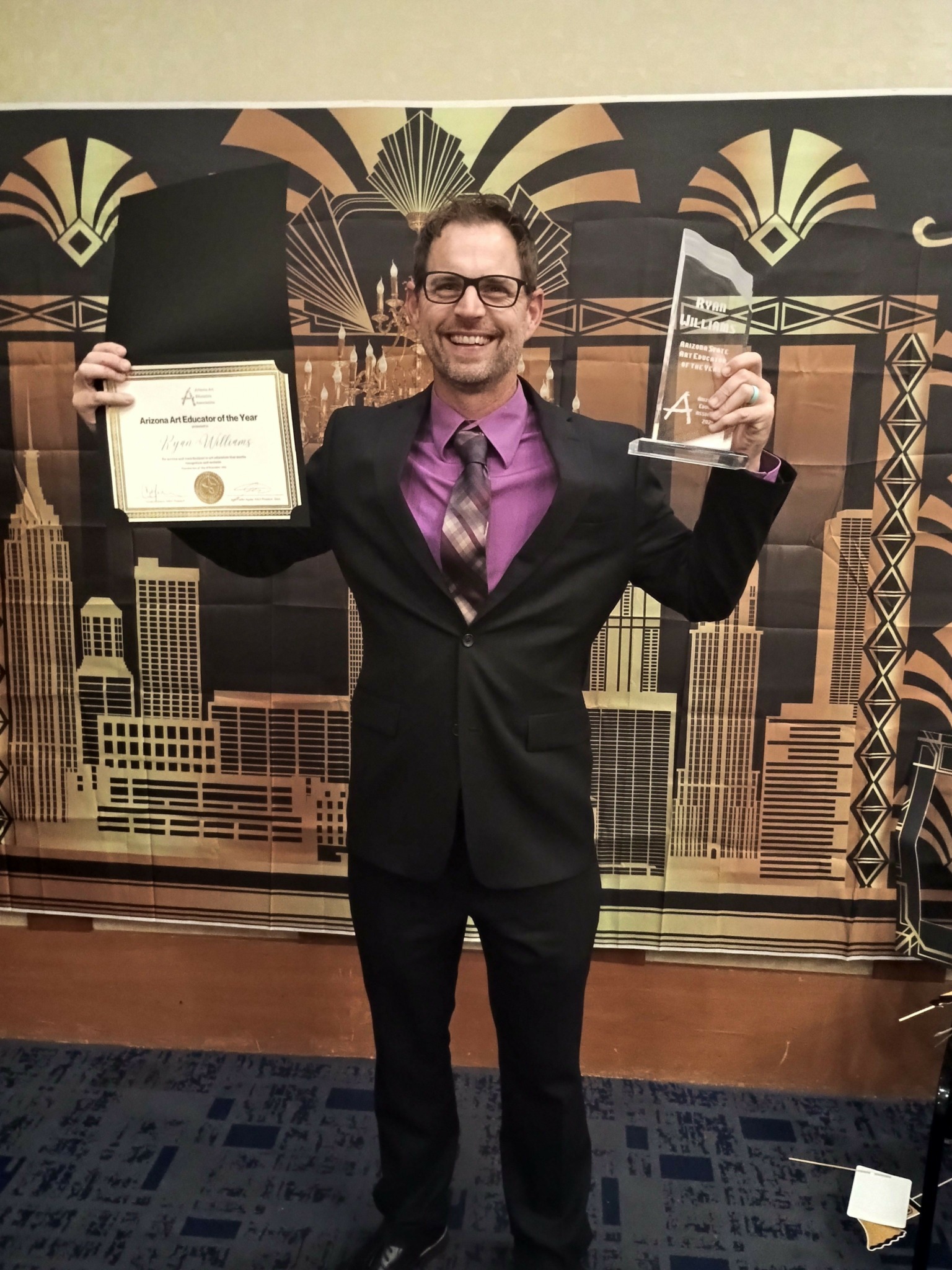
I have been recognized as Arizona Art Educator of the Year in both 2021 and 2025, along with receiving multiple innovation awards. I am known for my ability to connect classroom practice with larger systems, designing spaces and experiences that support meaningful learning.
Through my work, I continue to impact students, educators, and the broader community by creating environments where creativity and learning thrive together.
Is there a particular goal or mission driving your creative journey?
My mission is to design authentic learning environments that support creativity, collaboration, and connection. That idea drives everything I do, whether I am creating art, teaching, or working within my community.
Over time, I have come to believe that the environment matters just as much as the content. When people feel connected to the space they are in and the people around them, they are more willing to take risks, think creatively, and fully engage in the process.
That belief shapes how I approach my work. I am always thinking about how to create experiences that feel meaningful and real, not just structured. Whether it is a classroom, a studio, or a larger program, my goal is to design spaces where people feel supported, challenged, and inspired to grow.
We often hear about learning lessons – but just as important is unlearning lessons. Have you ever had to unlearn a lesson?
A lesson I continually revisit is my mindset toward how I approach challenges. For most of my life, I have been ambitious and committed to whatever goal is in front of me. There is not much quit in me. But over the past few years, I have learned the importance of slowing down, pausing, and being present in the process.
That shift has been influenced a lot by being a father. It has made me pay closer attention to the small, everyday moments that can easily be overlooked. I have started to approach life with more humility and gratitude, recognizing where I came from, the people who sacrificed for me, and the reality that what is in front of me is something I get to experience, not something I have to endure.
One mindset I have had to relearn is the difference between saying “I have to” and “I get to.” That simple shift has changed how I show up each day. Teaching is a challenging profession, and when I think “I have to teach,” it feels like a job. But when I remind myself that “I get to teach,” it reconnects me to purpose. I get to work with students. I get to teach something I care about. I get to create in a studio environment. That shift changes my energy completely.
I even apply that thinking to small, everyday tasks. Something as simple as unloading the dishwasher can feel like a chore if I think “I have to do this.” But when I shift to “I get to,” it becomes a reminder that I had food to eat, a home, and even a machine that saved me time. It creates a different level of awareness and appreciation.
Another lesson I had to unlearn was focusing on things outside of my control. Earlier in my career, I found myself frustrated by factors like school procedures, interruptions, or decisions beyond my classroom. A former principal introduced the idea of “ruling your domain,” which stayed with me. Once I shifted my focus to what I could control—my time, my resources, and the environment I create for students—everything improved. My classroom became stronger, and that focus started to influence others around me.
Finally, I had to rethink what it means to be an art teacher. During a professional training, a speaker asked a question that stuck with me: are you an art teacher or a teaching artist? That question challenged how I saw myself. Being an art teacher often focuses on curriculum, vocabulary, and skill development. But identifying as a teaching artist opened the door to something more authentic. It allowed me to model the creative process in real time, connect learning to real-world application, and bring a deeper level of purpose into the classroom.
Overall, I have had to relearn several mindset shifts over time. More than anything, I have learned that how I think shapes how I experience my work, my relationships, and my life. That is something I continue to work on every day.
Image Credits
Ryan Williams