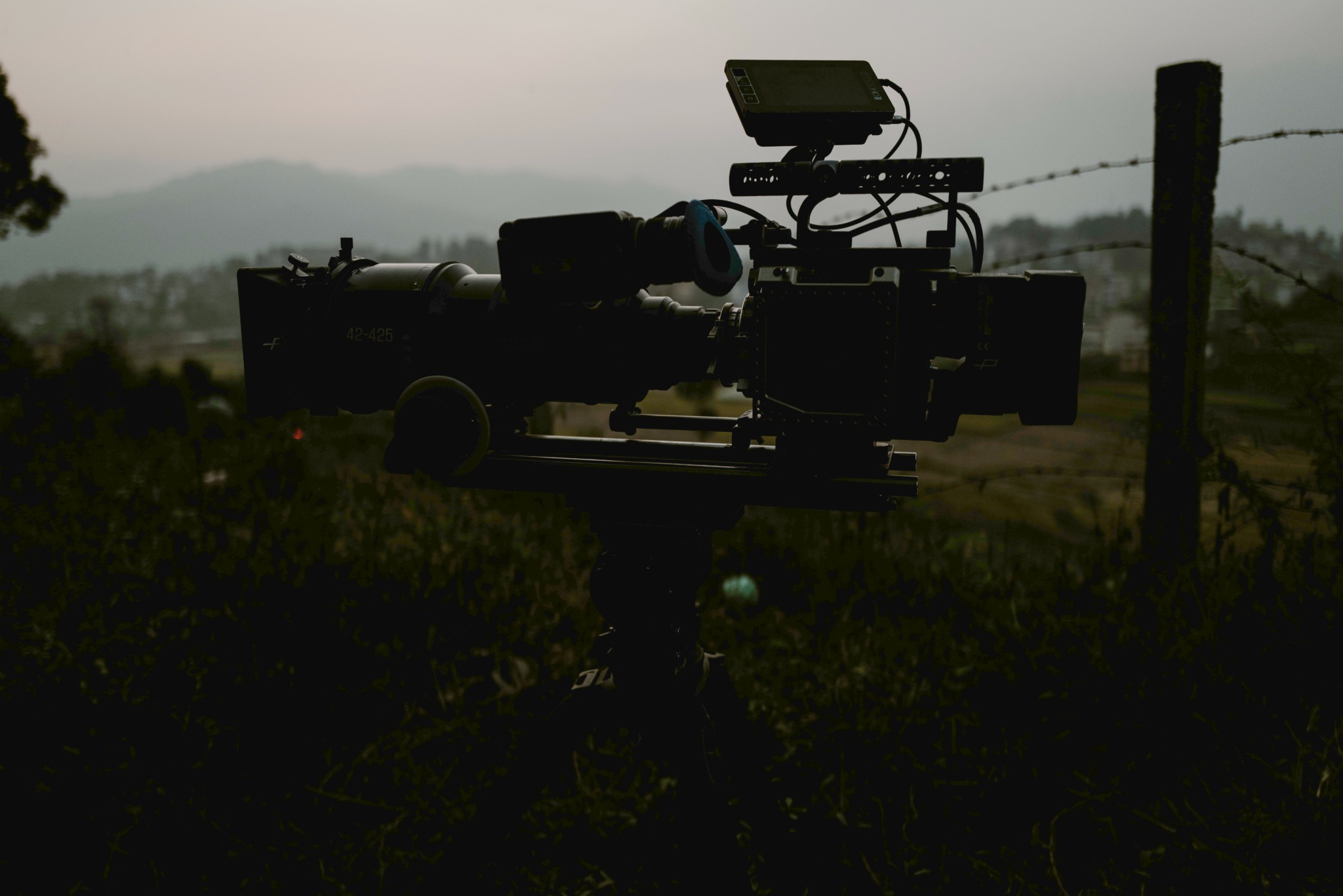
We caught up with the brilliant and insightful Ryan Travis a few weeks ago and have shared our conversation below.
Alright, Ryan thanks for taking the time to share your stories and insights with us today. Can you recount a story of an unexpected problem you’ve faced along the way?
Filmmaking is a deeply creative endeavor on one hand, and a highly logistical, business-driven process on the other. The real work happens where those two worlds meet. Where you’re constantly problem-solving to protect the creative vision while navigating constraints, limitations, and issues outside of your control. Most of the time, it’s about finding ways around unexpected problems that inevitably arise.
I remember shooting a film in Morocco where we had built a large set and spent weeks rehearsing stunt sequences. On the first day of shooting, I arrived on set with the crew, extras, and stunt team all ready to go, only to find out our lead actor had woken up sick and couldn’t get out of bed. At that point, I had to quickly rethink the day and figure out what we could shoot without him. Otherwise, we’d lose the day, fall behind schedule, and absorb significant costs that would impact other parts of the production. It wasn’t ideal, but the priority was to salvage what we could and keep the production moving.
Every shoot day comes with challenges like this, and solving them requires the entire team working together producers, first ADs, DPs, production designers, and department heads. Ultimately, hiring the right people who can anticipate issues and help navigate them is essential to getting through those moments and still achieving the creative goal.

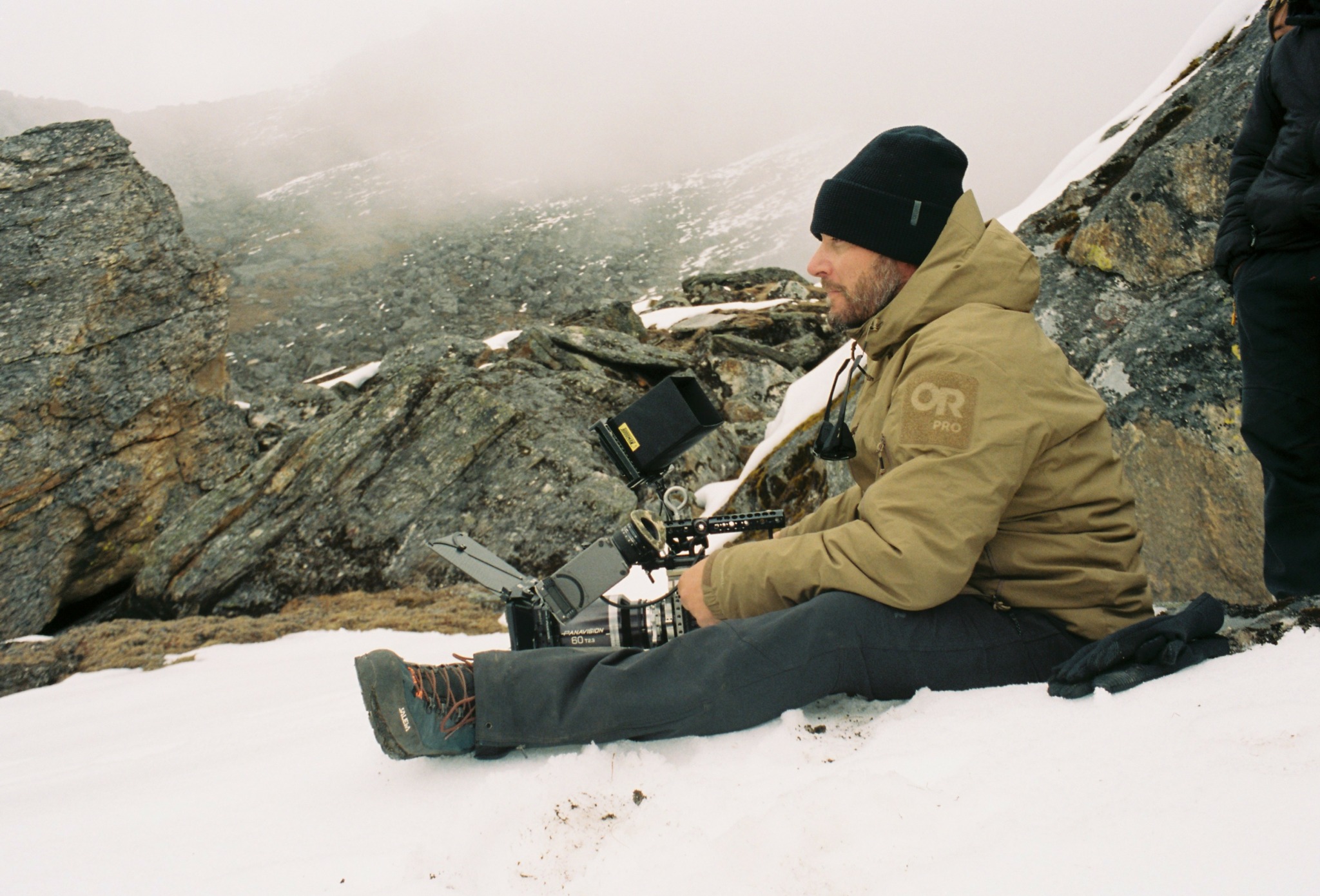
Ryan, love having you share your insights with us. Before we ask you more questions, maybe you can take a moment to introduce yourself to our readers who might have missed our earlier conversations?
Ryan Travis is an Emmy-winning filmmaker and a rising voice in international cinema, known for his powerful visual storytelling and deep connection to place. His latest film, Fracture, marks his second feature and showcases his continued evolution as a director unafraid to take creative and physical risks. The film follows his debut, Game Therapy, an Italian production that premiered at the Rome International Film Festival, introducing his work to a European audience.
With Fracture, Travis returns to the kind of ambitious, global storytelling that defines his style—leading a small, international crew across the extreme landscapes of the Himalayas in Nepal and the frozen backcountry of Montana. Shot under intense conditions at high altitudes and sub-zero temperatures, the production itself echoes the film’s themes of endurance, isolation, and transformation. His ability to work intimately within vast, often unforgiving environments is a hallmark of his cinematic approach.
Ryan is perhaps best known for his award-winning documentary work, including Searching for the Summit, which chronicles an ascent of Mt. Everest, and Gone, a crime documentary that delves into grief, loss, and healing. Both projects have been praised for their emotional depth, lyrical style, and the way they bridge physical landscapes with internal journeys.
Travis also helped oversee the visual look, produce, and direct the long-running sports documentary series NFL 360, which ran for eight seasons and showcased powerful off-the-field stories across the National Football League, earning multiple awards. Across his career, he has delivered numerous films and television projects from concept through final delivery.
A California native and graduate of the University of Colorado Boulder’s film program, Ryan has spent the last decade working across six continents, directing a wide range of documentaries, commercials, and narrative projects. His films reflect a deep respect for the people and cultures he works with, often blending raw realism with a poetic visual language that lingers with viewers long after the credits roll.
Whether filming in remote mountain villages, bustling cities, or frozen wilderness, Ryan’s work continues to explore the universal human experience through a distinctly cinematic lens—rooted in authenticity, empathy, and a pursuit of truth in extreme environments. Authenticity in storytelling and the ability to translate dramatic narratives into visual form sit at the core of his approach. Whether collaborating with brands such as Audi, a hotel brand or the U.S. Space Force, or developing films that depict a person’s life, the focus remains the same: honest, character-driven storytelling that connects emotionally and visually with audiences.
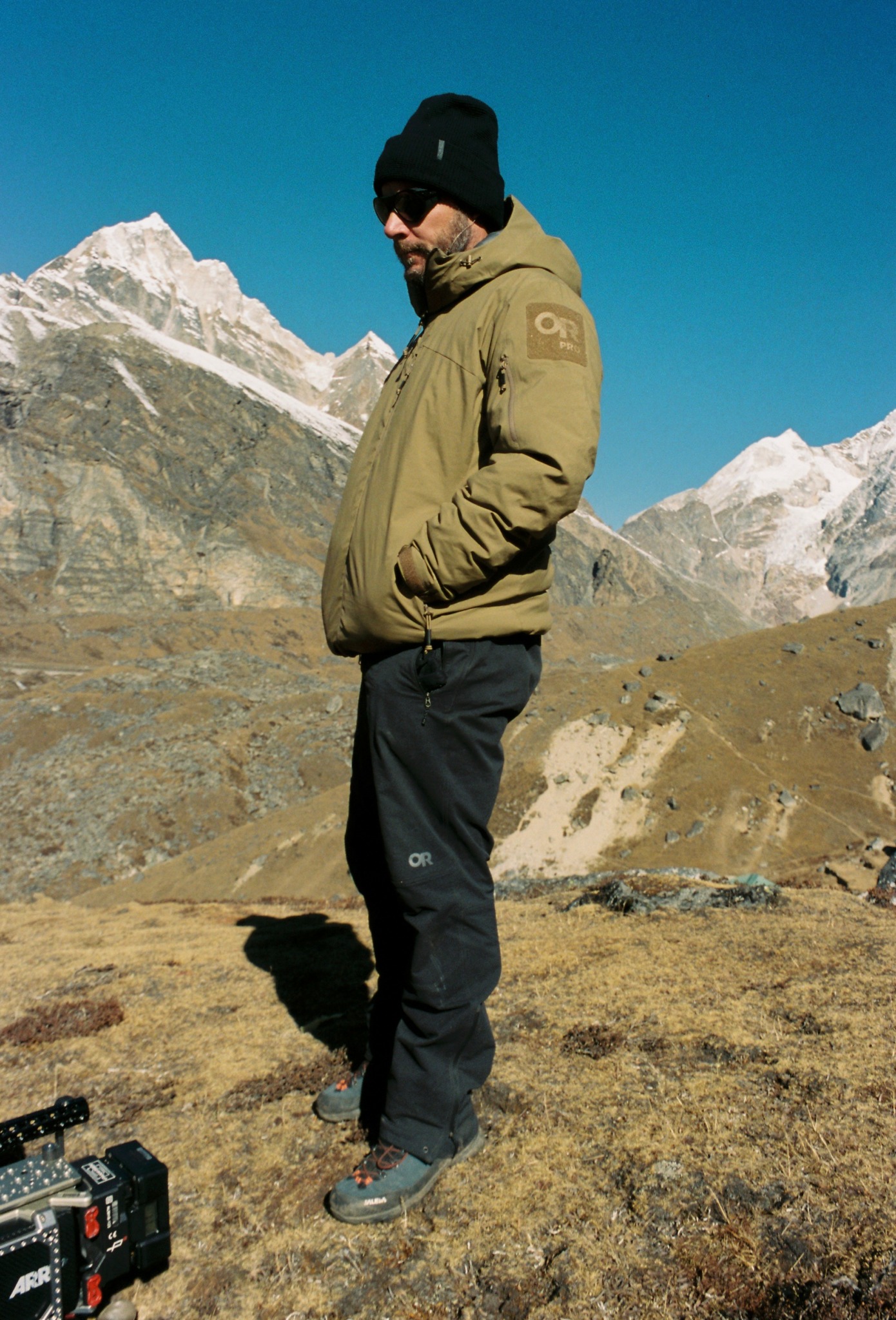

Do you have any insights you can share related to maintaining high team morale?
Managing a group of individuals that changes on every project—each bringing a different background, skill set, and working style is one of the most challenging parts of filmmaking. I can’t say I’ve always been successful at it, but what I try to bring into those situations is a broad, practical understanding of the different roles on set. Having worked across the camera department as an operator and DP, and now stepping further into directing, I feel I have a working sense of what each position requires and how each department functions day to day.
However, moving into directing, producing, or even DP roles introduces a completely different layer of responsibility—one where creative intent, logistics, time constraints, and resource limitations are constantly intersecting. Decisions often have to be made quickly, and sometimes those choices can feel like they contradict the priorities of individual departments. In those moments, I try to communicate clearly that I understand those perspectives, but that we have to make decisions in service of the larger creative goal and the overall health of the production.
A big part of that is communication not just giving instructions, but explaining the “why” behind them. When people understand the reasoning behind a decision, even if they don’t fully agree with it, it creates alignment rather than resistance. It also helps shift the dynamic from simply executing tasks to being part of a shared problem-solving process.
The more effectively you can communicate the vision and genuinely get the team excited and aligned around it, the more each person is able to take ownership of their contribution. That ownership matters. When people feel trusted and included, they don’t just “do their job” they start thinking creatively within their role, which often leads to better solutions than any one person could have designed alone.
Providing clear information about scheduling, expectations, and time constraints also plays a huge role in building trust. A crew can handle pressure and long hours if they feel the structure is honest and well thought out. What breaks down morale isn’t usually difficulty it’s uncertainty, shifting priorities without explanation, or feeling like time is being wasted. Clarity reduces that friction and allows everyone to focus on execution.
At the end of the day, morale and team management can make or break a film. A production is essentially a temporary community built under pressure, and how that community functions directly affects what ends up on screen. It’s a deeply collaborative process where every department is interdependent, and no one no matter their role can make a film alone.


For you, what’s the most rewarding aspect of being a creative?
The most rewarding part of being a creative is the ability to bring an idea to life from paper to screen and to achieve that vision alongside a group of individuals working toward a shared goal. On set, sometimes in remote or challenging locations, you come together under pressure, problem-solve in real time, and push through obstacles to create something that didn’t exist before.
There’s something uniquely powerful about that process: a temporary community forming around a story, each person contributing their skill to something larger than themselves. When it works, it feels like a kind of collective focus where everyone is aligned toward the same outcome, even in difficult conditions.
And then, after all of that effort, being able to share the finished work with an audience is its own reward. You’re no longer just solving production challenges you’re offering a story out into the world and hoping it resonates in some way. Even if it affects just one or two people in a meaningful or positive way, that connection is often what makes the entire process worth it
Contact Info:
- Website: https://www.ryanftravis.com
- Instagram: @ryan.f.travis
- Linkedin: www.linkedin.com/in/ ryan-travis-a596988