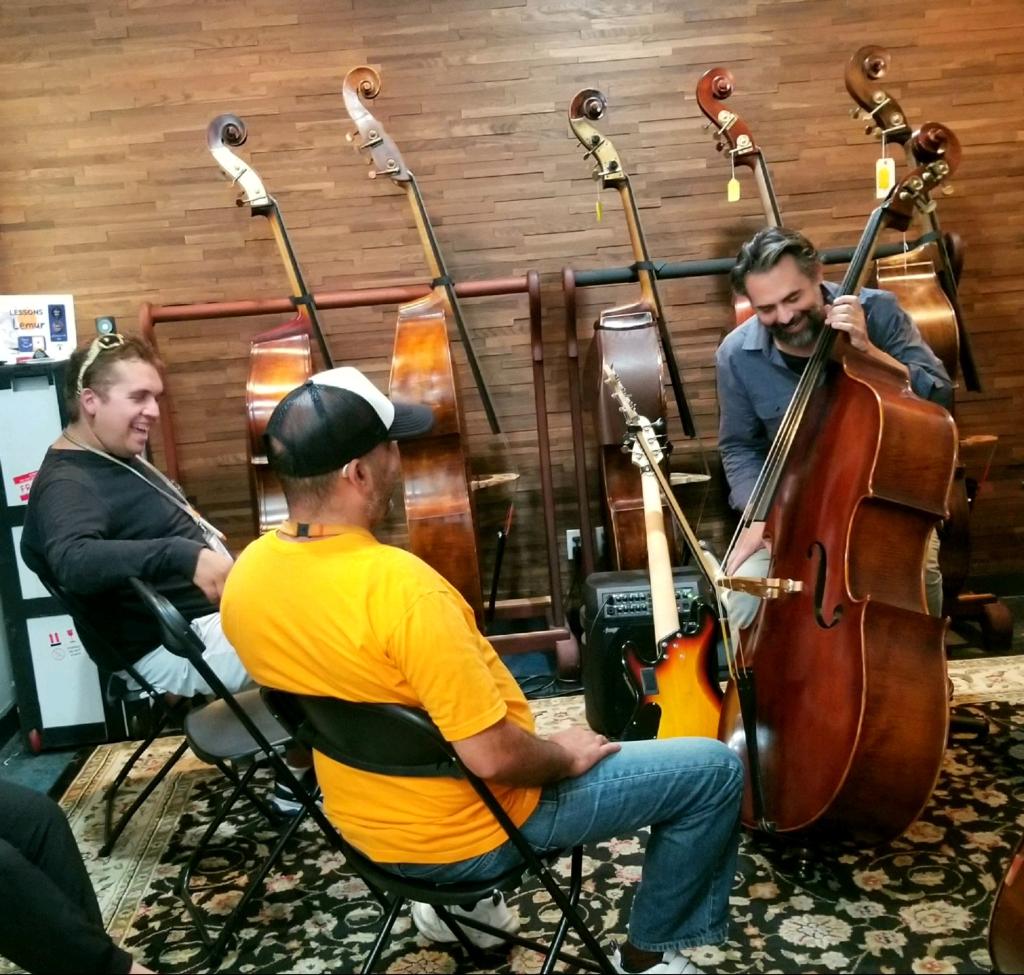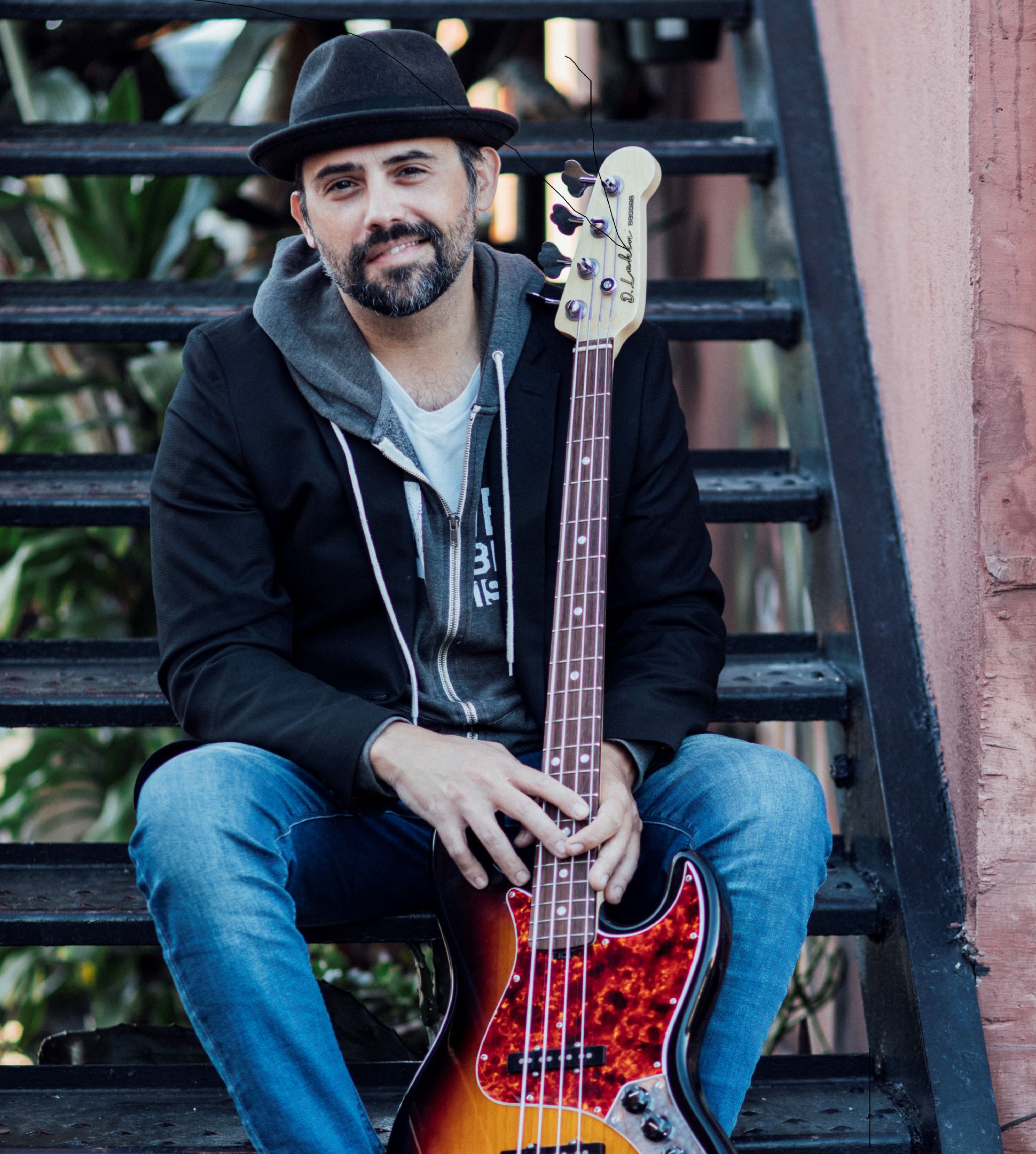

We were lucky to catch up with Ryan Roberts recently and have shared our conversation below.
Ryan, thanks for taking the time to share your stories with us today What was it like going from idea to execution? Can you share some of the backstory and some of the major steps or milestones?
I was fortunate to get my 1st opportunity as a music teacher (private bass lessons) when I was 17 years old at a local music store. I had convinced my parents to enroll be in private lessons after being a self-taught bass player. A few months in to taking lessons, my bass teacher decided to give me all of his students and take over his position as the bass instructor. After a few years of teaching, I was teaching at a total of 5 music stores (and a High School magnet program) throughout Phoenix, Arizona and had just graduated High School myself.
Years later, after moving to Los Angeles, California, I wanted to pursue teaching more and a family friend (and fellow bassist who i admired) recommended I start teaching online lessons. I wasn’t familiar with how that worked AT ALL but I was really excited about the idea. I decided to take a drive up Pacific Coast Highway one evening to think about about pursuing online lessons and how I’d approach it to offer “something different” to the online bass community. During that drive, it all came to mind really quickly… to start an online resource for bassists that was focused on “Learning from the legends”. I would transcribe the work of legendary bassists and teach what is was that made these basslines and bass solos so prolific. The was the birth of THE BASS SHED. It was going to be a website focused music, culture and “higher education” centered around the craft and artistry of playing the bass guitar and double bass.
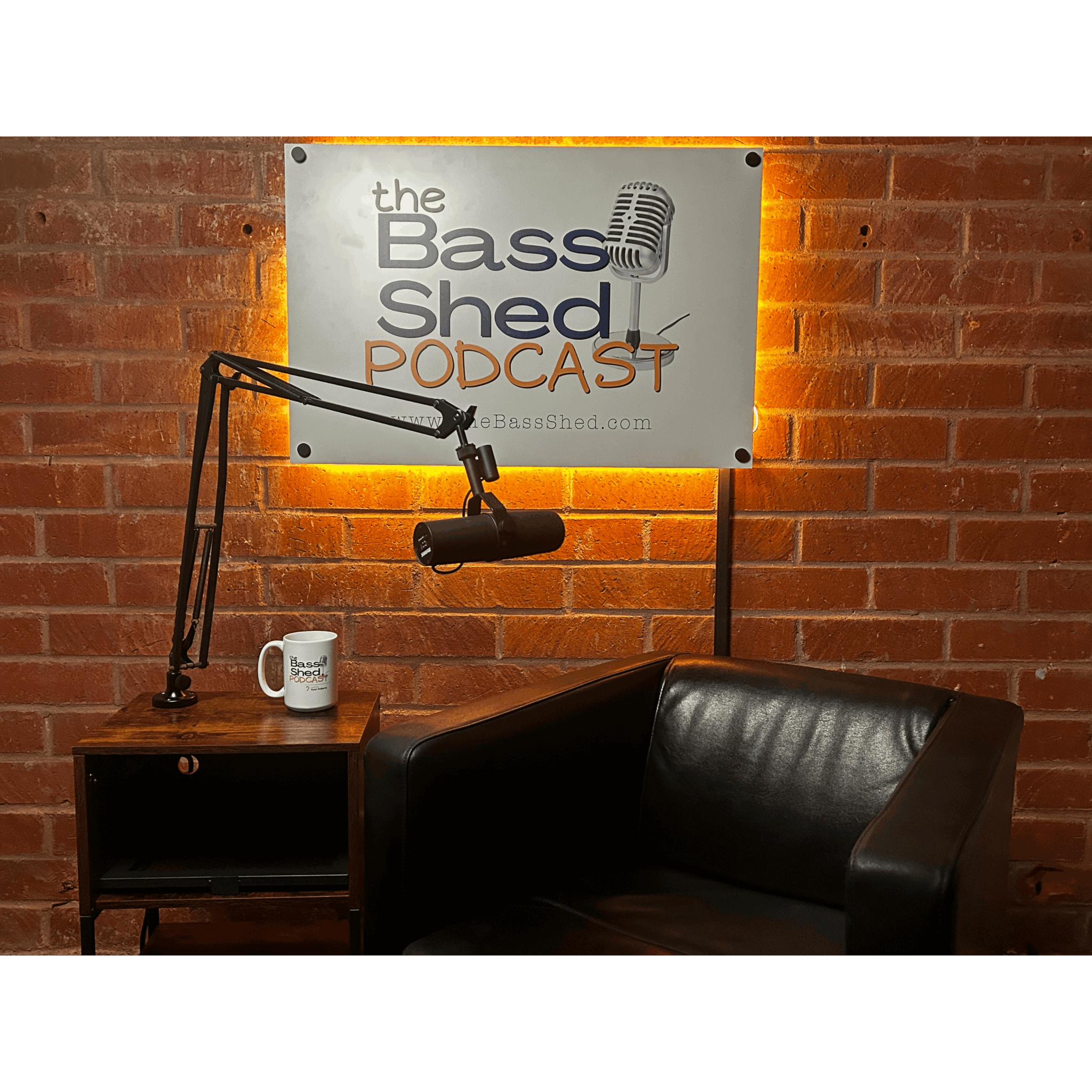
Shortly after, it was recommended to start a podcast with the same brand. Again, I knew nothing about podcasts or podcasting so I asked my brother, who was the best podcaster so i could listen to their show and learn how to do it from them. My brother then let me know that there isn’t a BEST .. but recommended a few to me. I quickly latched on to Marc Maron’s WTF Podcast and decided to get into podcasting. This was the beginning of THE BASS SHED PODCAST. later in the week, I was carpooling to a gig in Hollywood with friend./guitarist Nadav Peled. I was telling Nadav about the podcast idea. He was supportive and asked me when i was going to start and who my first guest was going to be. my reply was “What are you doing Thursday, wanna start it with me?” Nadav agreed. Thursday morning a few hours before we were about to start the interview. I went to SamAsh Music in Hollywood, CA and spent my last $100 on the equipment I would need to host episode one.
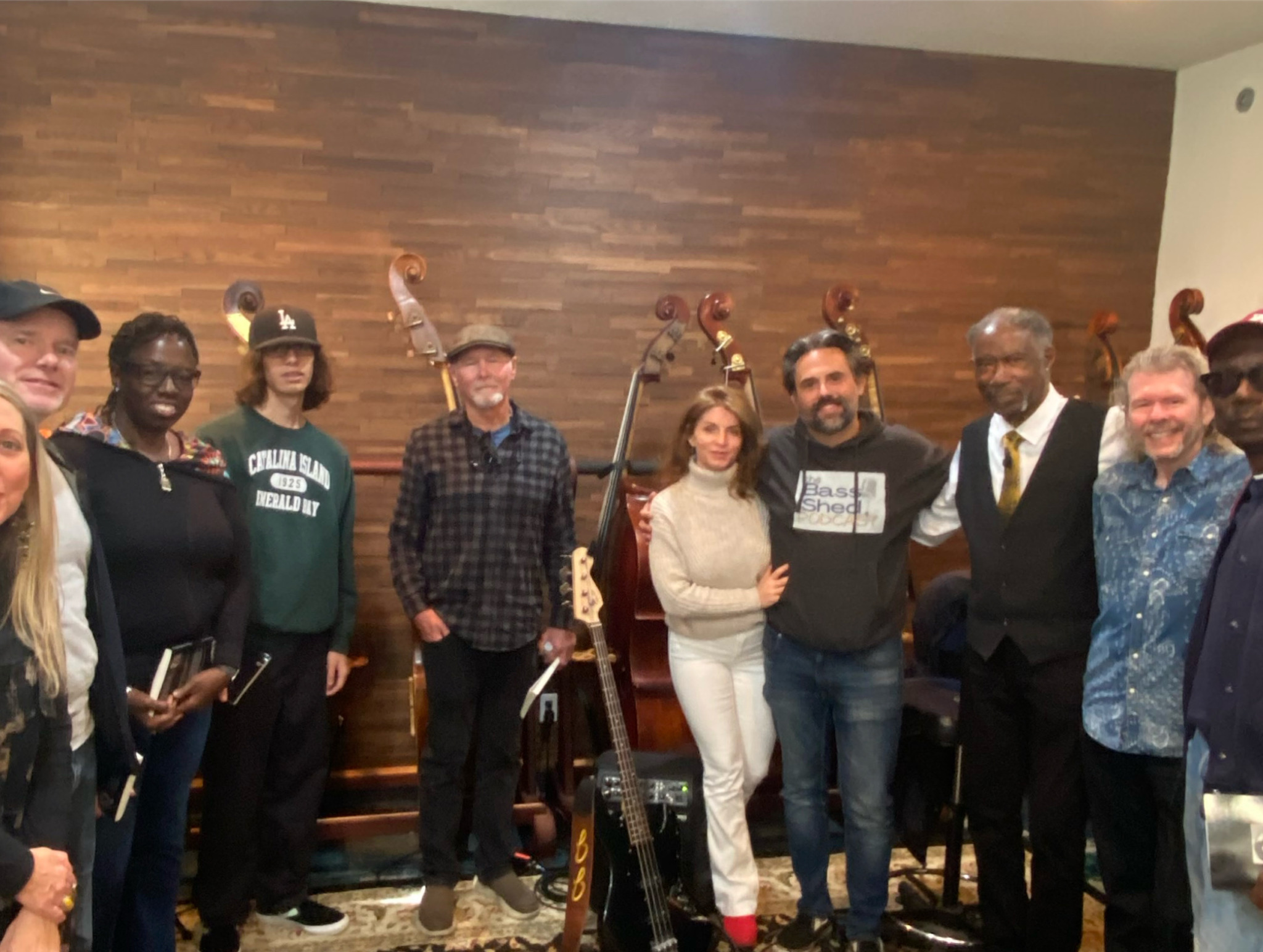
The Bass Shed Podcast is now in the top 5% of all podcasts in the world, and THE BASS SHED educational platform has morphed into a nonprofit organization – The Bass Shed Academy – that host masterclasses, concerts with legendary bassist throughout Southern California and online. For the past 6-8 months, The Bass Shed Academy has worked with bass legend Jerry Jemmott to publish a book of Jerry’s basslines. “Jerry Jemmott: 15 Timeless Basslines (Vol. 1)” The transcription book is accompanied by short documentary style videos where students,, fans, enthusiasts learn what the recoding sessions were like and antidotes from Jerry Jemmott himself.
Great, appreciate you sharing that with us. Before we ask you to share more of your insights, can you take a moment to introduce yourself and how you got to where you are today to our readers.
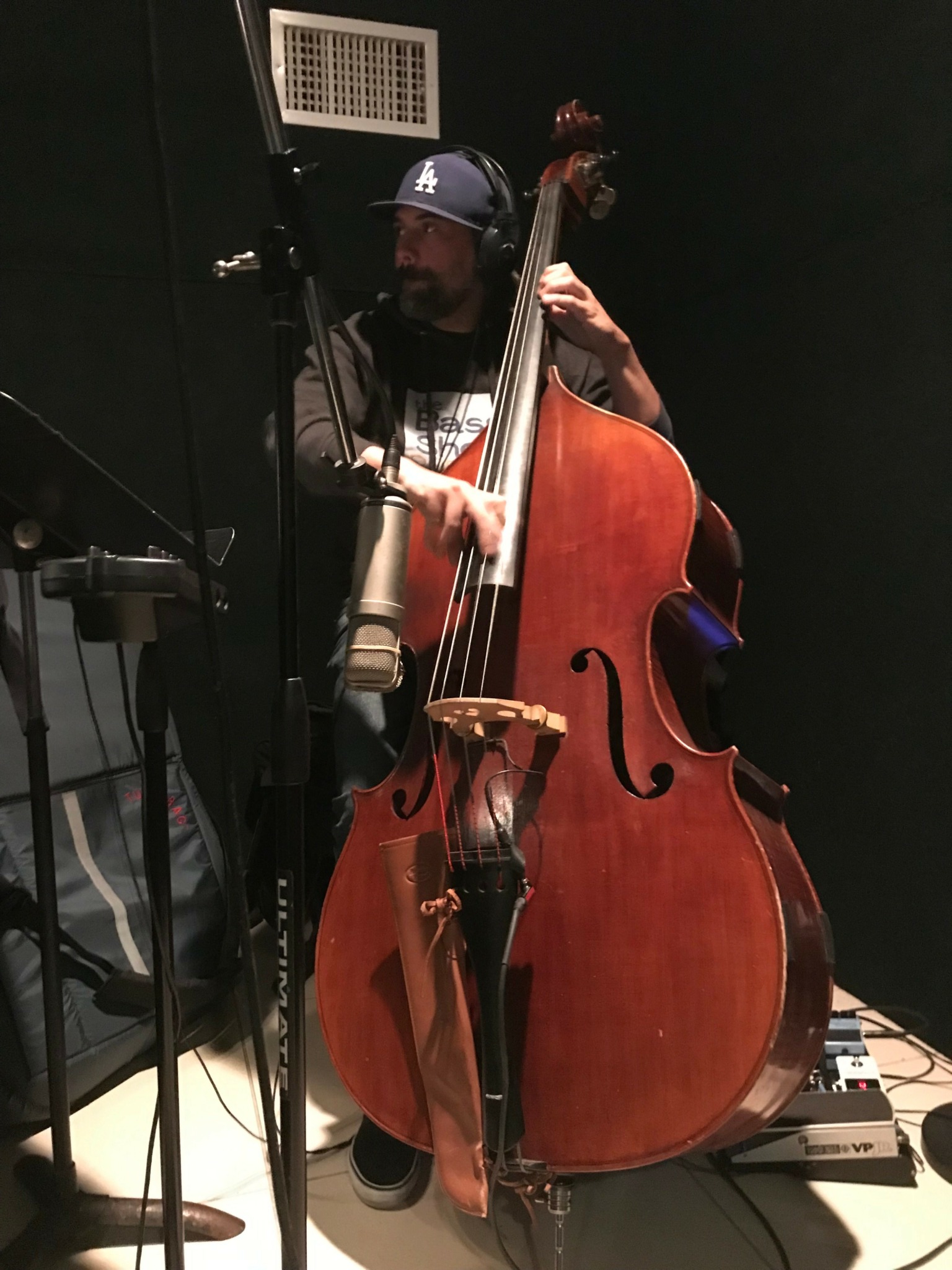
For folks that might not have heard about me, I got into music at a young age a s a trumpet player in the school music program. According to the band director Mr. Kirkpatrick, I showed promise as a musician, but the trumpet wasn’t for me. Years later I was with my dad at a home recording studio of family friend and heard the family friend play bass on an original song my dad had written. The song seems to come alive to be and hearing the addition of the bass on the song added a new life into the music and i was hooked and completely captivated by the power of a bassline. I immediately wanted to get a bass and learn how to elevate the music like that. A months later, my parents got my first bass from a local pawn shop. It was a red Peavy Fury. I had that bass and a homemade amp, and i was set. I’d hold up in my room for HOURS practicing and learning as much as i could about how to be a bass player.
I then started working professionally as a freelance bassist around 18 years old in Phoenix, Arizona. I’d be playing as much as i could in any musical situation to hone the craft. I was obsessed with jazz musicians (even though i barely understood the music). My idea was that you’d have to be a great musician to play jazz and i wanted to be great, so i should learn jazz..
I didn’t realize until years later, that my allure to jazz (and the freedom in that music) was connected to my personal/internal pursuit of looking to discover myself, and my individual artistry.
Something that’s important to me when i teach now, through The Bass Shed Academy, or with students at Los Angeles College of Music, is to inspire students through understanding the bass legends (well known and less well known) that have made significant contributions to the art of bass playing and the cultural context for those advancements .
Throughout my career, I’ve had SO many highlights that i reflect on regularly. In my office/studio I have movie posters on the wall of a feature length film I composed the soundtrack for (and performed) on solo Double (upright) Bass. That was an amazing experience in addition to working with major figures in the music industry including Geoff Emrick (recording engineer for the Beatles). I’d like to believe my passion for music and being diligent to continue to grow as a musician, and bring strength to the music I’m a part of creating, has continued to open opportunities. Those opportunities, challenge me on a new level and i get to always refine my bass playing and artistry.
Can you tell us about a time you’ve had to pivot?
A big pivot in my career was creating the brand THE BASS SHED. My career up until then was exclusively freelance based. Taking the steps to be purposeful about my music career and what i wanted from it, was new (kind of exciting… mostly terrifying) but a phase i would repeat to myself a lot was “If you want something nobody else has, do something that nobody else will do”. I didn’t know how it was going to pan-out, but i decided early on when creating the brand, It might not be “the best”, but i was going to be the hardest working. I couldn’t control how it would be perceived, but i could control how dedicated i was to building/growing it.
We’d really appreciate if you could talk to us about how you figured out the manufacturing process.
Manufacturing products wasn’t the main goal for The Bass Shed, but recently we have started to investigate this. Obviously a niche market, but I was personally looking for a stand for my Double Bass to have at my studio. I looked online and I thought they were either way to expensive or a product i wouldn’t trust. After talking with several luthier friends, i designed a product i would want to purchase and went home to Arizona so my dd an i could make them by hand.
As I’m sure anyone who has created a product knows, the first one(s) are great. I got back to Los Angeles and continued streamlining the design (keeping in mind the price point i hoped to sell them at). After countless hours, the design has refined and materials and material sourcing has been addressed.
I look forward to releasing our product in the fall of 2024 if all goes as planned, and I hope this addresses a “hole” in the marketplace for bassist. That they will enjoy a sturdy/attractive stand to showcase and protect their instrument.
Contact Info:
- Website: https://www.thebassshedacademy.org
- Instagram: https://www.instagram.com/the_bass_shed/
- Twitter: @bassshed
- Youtube: https://www.youtube.com/@TheBassShed
- Other: https://thebassshedpodcast.buzzsprout.com/share