
We recently connected with Roxanne Liang and have shared our conversation below.
Hi Roxanne, thanks for joining us today. What’s the backstory behind how you came up with the idea for your business?
The idea didn’t begin as a business—it began as a very specific, almost sensory memory that stayed with me.
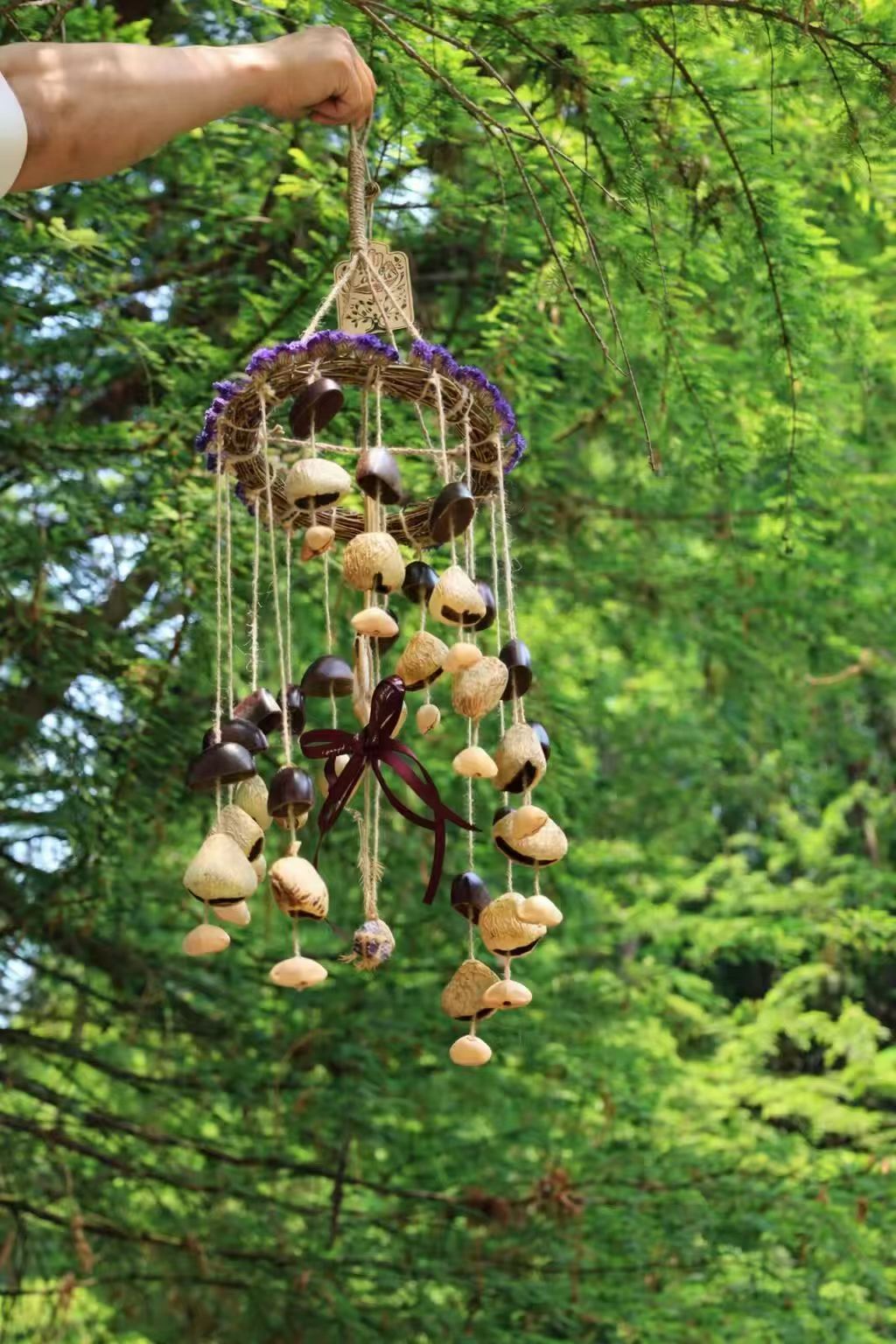
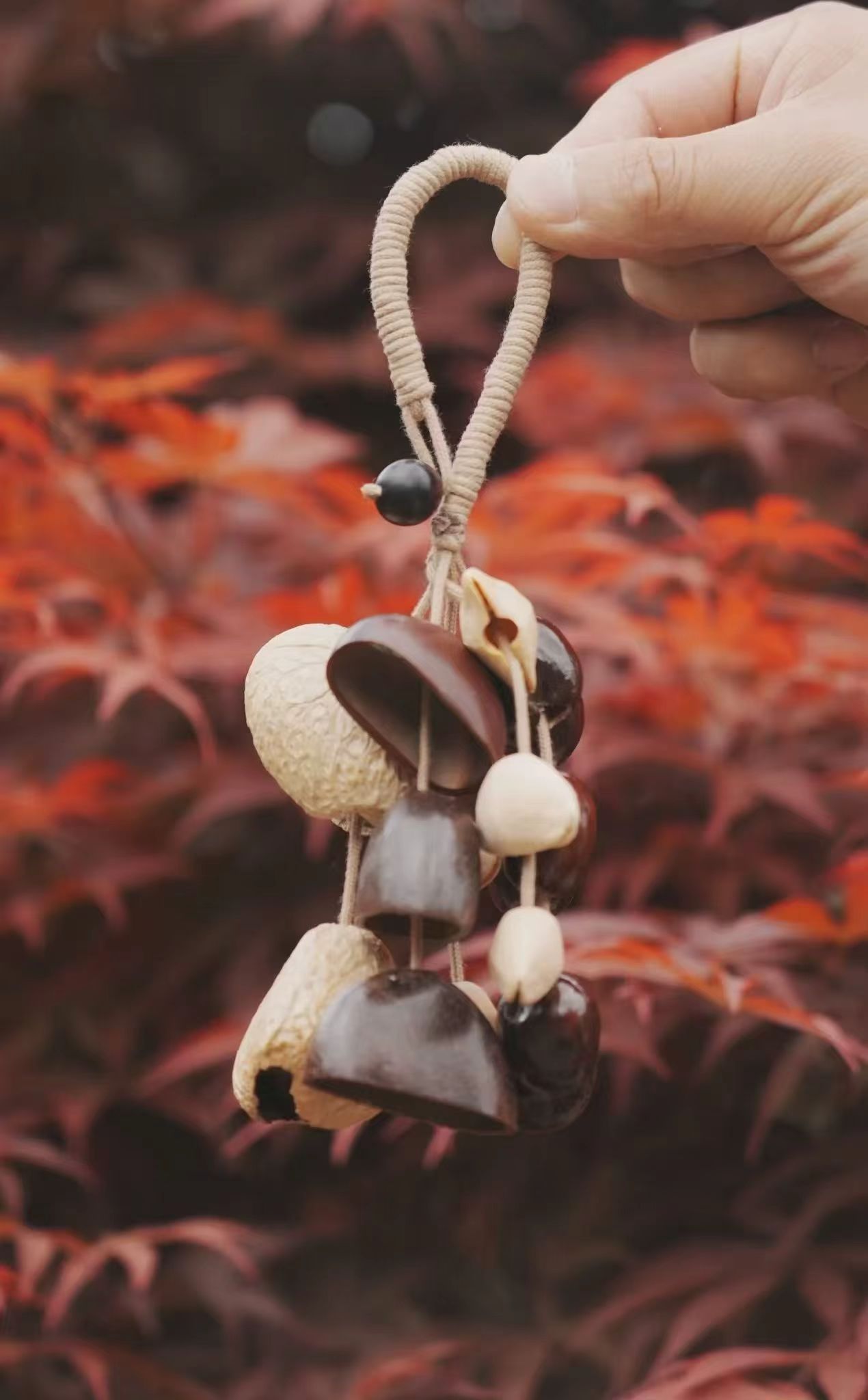
A few years ago, while traveling across parts of Asia with my husband, we came across these simple wind chimes made from naturally grown seed pods. I remember picking one up and noticing the texture first—slightly rough, lightweight, not polished in any way. And then the sound. It was incredibly soft, irregular, almost like water moving gently. Not something designed to impress, but something that quietly settled your mind.
What stayed with me wasn’t just how it looked or sounded, but how it made me feel. There was a kind of calm that felt very different from anything structured or manufactured. Each piece was slightly different—the shape, the tone, the rhythm—and that imperfection felt honest, almost alive.
When I came back to my daily life, I realized how little space there was for that kind of experience. Most objects around us are optimized for efficiency or visual appeal, but very few engage you in a slower, more sensory way. That contrast kept coming back to me, and I started thinking about how to bring that feeling into everyday environments.
From there, the idea began to take shape—not as a product to sell, but as an experience to translate. I became interested in working with natural materials, in preserving the tactile qualities, the organic sound, and the sense of handcraft that made those pieces so special in the first place.
What made me feel this was worth pursuing was how consistently people responded to it. Even without explanation, they would pause, listen, and feel something shift, however subtly. That told me there was something universal in it.
So the idea really came from wanting to hold onto that texture, that sound, that feeling—and find a way to share it, without losing what made it so quietly powerful in the first place.
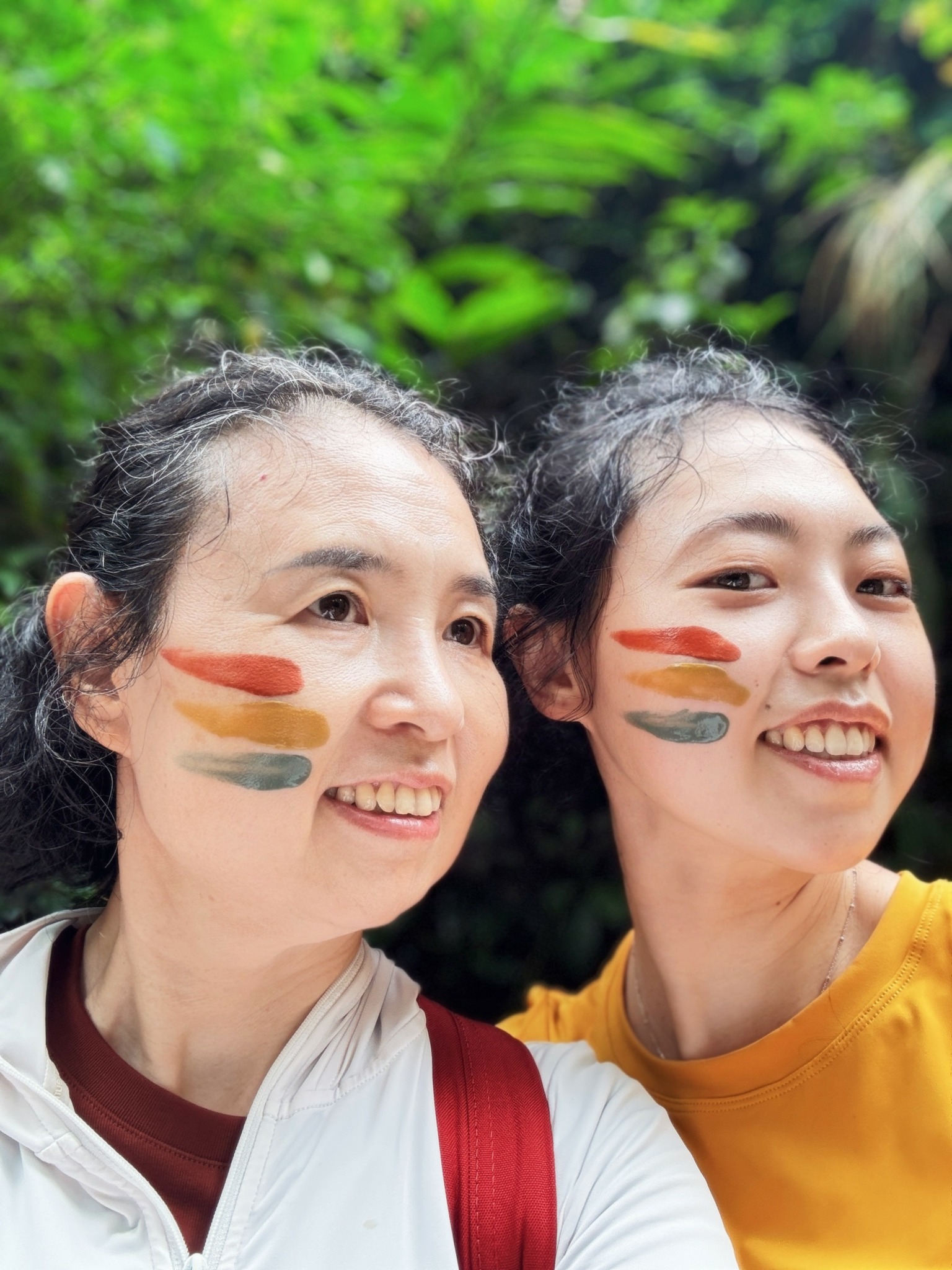
Awesome – so before we get into the rest of our questions, can you briefly introduce yourself to our readers.
I didn’t originally set out to build a brand in this space. The beginning was much more personal and emotional than that.
A few years ago, while traveling through parts of Asia with my husband, I came across handmade pieces created from naturally fallen seed pods and other organic materials. I still remember the feeling of holding them in my hands—the uneven textures, the lightness, the subtle imperfections that made each piece feel completely alive. And then there was the sound: soft, irregular, almost like rainwater or wind moving through trees. It wasn’t loud or performative; it was calming in a very instinctive way.
That experience stayed with me because it felt increasingly rare. So much of modern life is polished, optimized, and overstimulating. These objects felt the opposite—grounded, tactile, quiet. They invited you to slow down and actually notice things: texture, movement, sound, air.
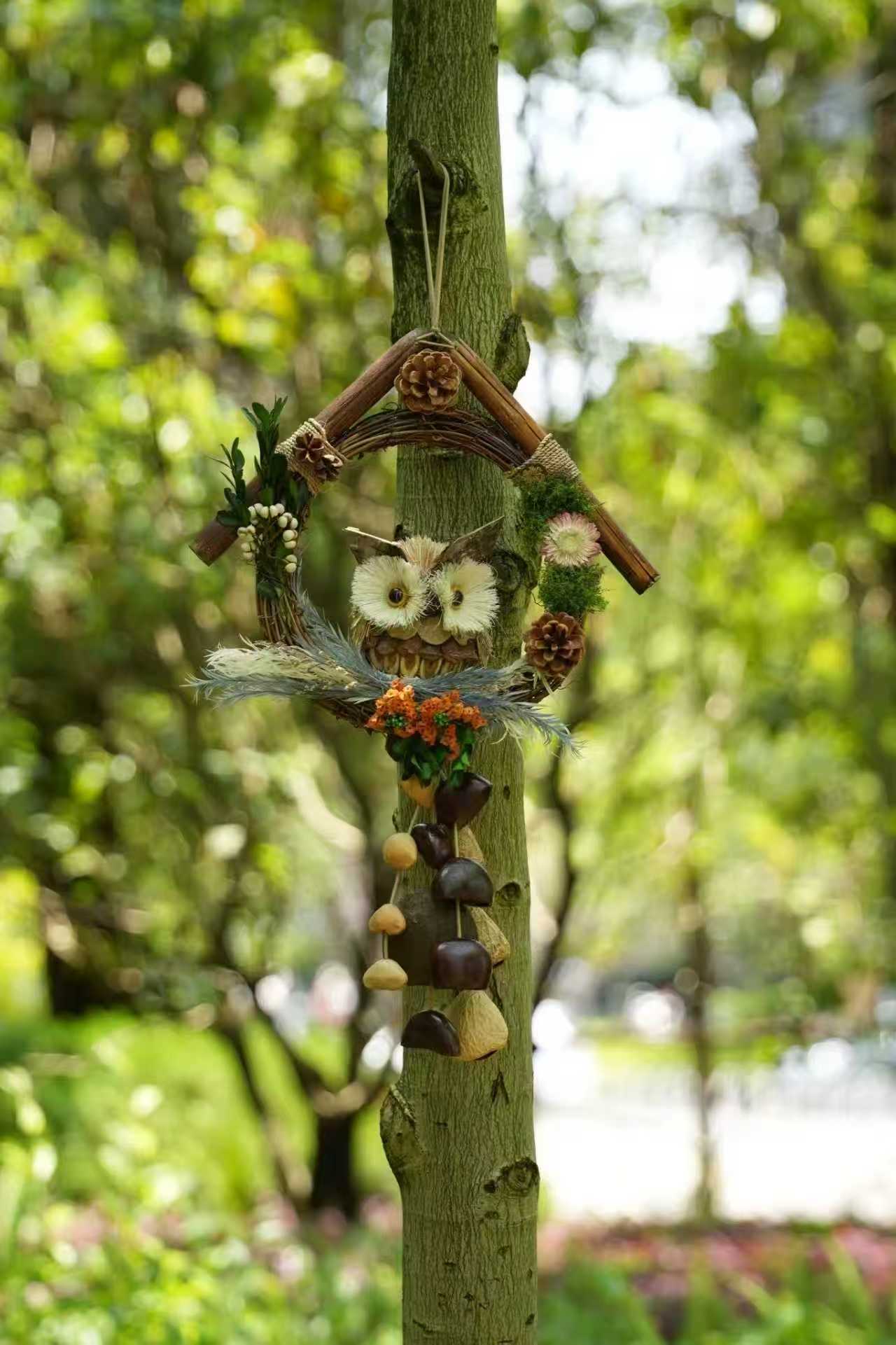
That’s really the spirit behind Yunicrafts today. I work with artisans to create handmade pieces that preserve that connection to nature and to the senses. We’re interested in materials that still carry their original character, sounds that feel organic rather than engineered, and objects that bring warmth and softness into a space. No two pieces are exactly alike, and that individuality is something I deeply value.
I think what sets us apart is that we’re not approaching these objects purely as decor. For me, they sit somewhere between craft, sensory experience, and art. They’re meant to change the atmosphere of a space in a subtle way—to make people feel a little more grounded, a little more present, a little more connected to the natural world.
What I’m most proud of is that we’ve stayed close to that original feeling that inspired everything in the first place. Even as the brand grows, I still want every piece to feel personal, imperfect, and quietly alive.

Do you sell on your site, or do you use a platform like Amazon, Etsy, Cratejoy, etc?
We chose to build and sell through our own website, yunicrafts.com, because for us, the experience surrounding the product matters just as much as the product itself.
Many of the ideas behind Yunicrafts came from moments we experienced while traveling—quiet landscapes, humid air moving through tropical trees, handmade objects hanging outside small wooden homes, the soft sound of wind moving through naturally dried seeds. Those environments had a very particular feeling: calm, tactile, unhurried, deeply connected to nature. When we designed our website, we wanted to recreate a little of that atmosphere digitally.
The colors, photography, pacing, and overall visual language of the site are all intentional. We wanted visitors to feel like they were stepping into a softer, quieter space—not a crowded marketplace environment filled with urgency and comparison. Large ecommerce platforms are efficient, but they often reduce products to pricing, rankings, and fast consumption. What we create is much more sensory and emotional than that, so having our own platform allows us to tell the story with the right texture and rhythm.
For us, the website is almost an extension of the brand’s artistic world. We want people not only to see the products, but to feel something through the experience itself—a sense of stillness, warmth, and connection between nature, objects, and inner space.
Of course, independent ecommerce is more challenging. We don’t get the automatic traffic or convenience of platforms like Amazon or Etsy, and building trust takes more time. But creatively, it gives us the freedom to preserve the feeling that inspired Yunicrafts in the first place, and that has always felt more important to us.
We often hear about learning lessons – but just as important is unlearning lessons. Have you ever had to unlearn a lesson?
One of the biggest lessons I had to unlearn was the idea that I always needed a clear, fixed plan before moving forward.
I grew up being a very typical “good student” — someone who worked hard, followed structure, and felt comfortable when there was a correct answer or a defined path. But building Yunicrafts taught me that creativity and entrepreneurship rarely work that way. In the beginning, we started with just one thing: seed wind chimes. I thought the business had to stay very focused and controlled in order to make sense.
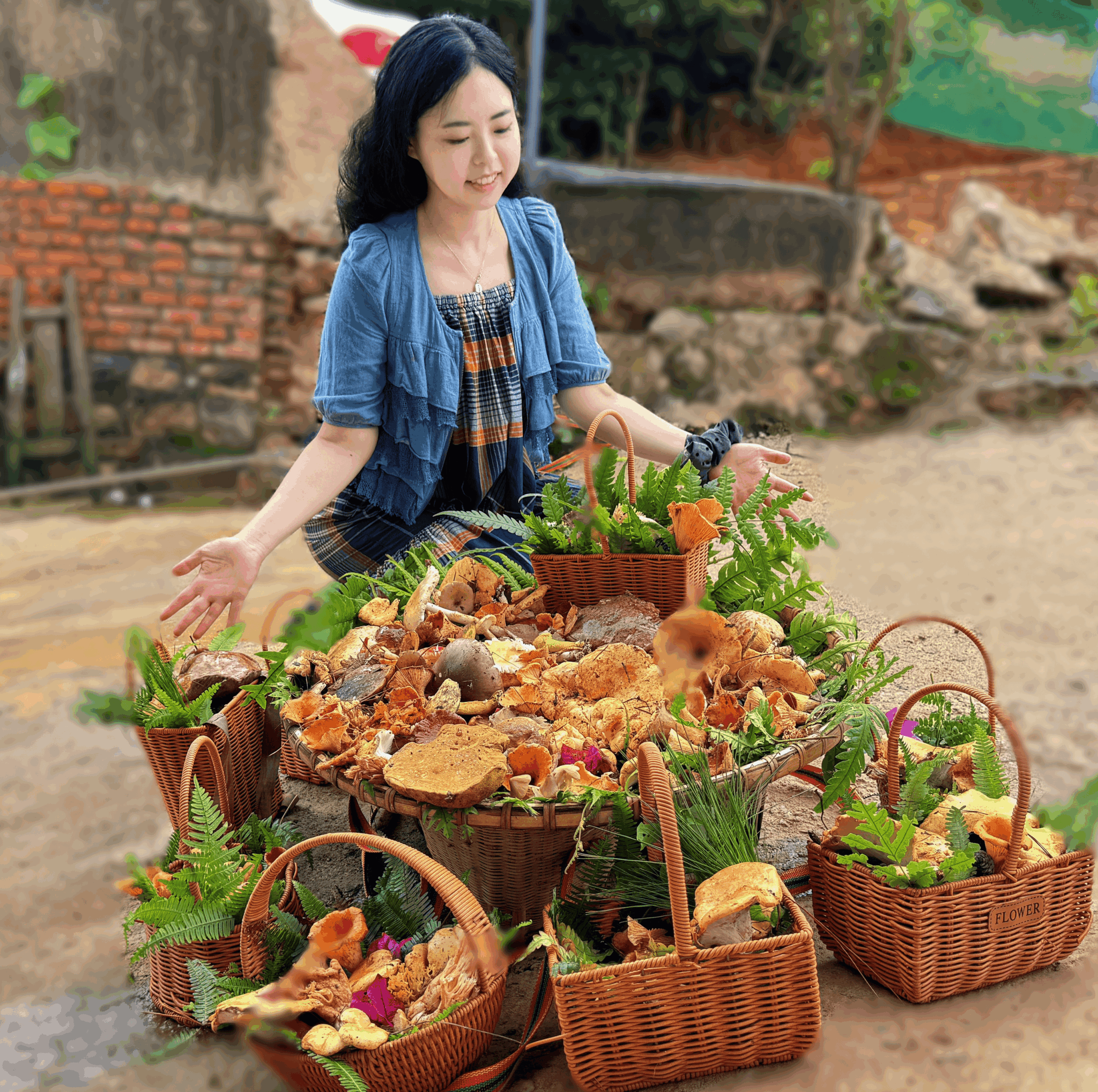
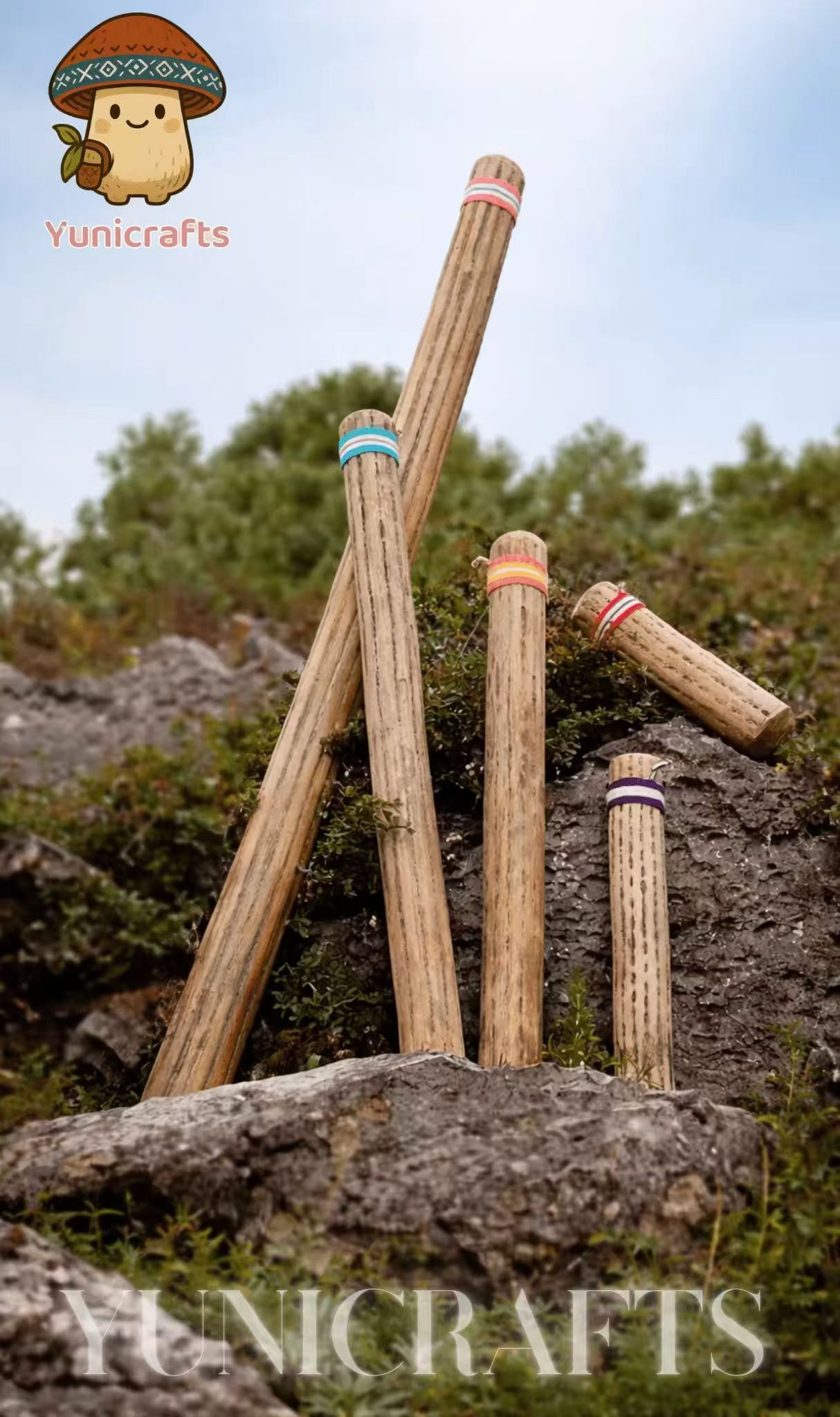
But over time, I realized the most meaningful ideas were coming from curiosity, experimentation, and staying open. As we continued traveling and working with local artisans and growers, we naturally became drawn to other sound-based and sensory objects — ocean drums, rain sticks, and other handmade instruments connected to nature and rhythm. Many of these ideas weren’t part of some original business strategy; they came from conversations, textures, sounds, and moments that inspired us emotionally.
I had to unlearn the need to always know exactly where things were leading. Instead, I learned to trust the creative process more — to allow the brand to evolve organically through exploration and collaboration.
Even now, we’re continuing to develop new pieces together with local farmers, craftsmen, and artists. That sense of ongoing creativity is honestly one of the things that keeps us most excited. It reminds me that this work is not just about building products, but about staying connected to discovery, nature, and imagination.
And I think that’s also something we hope to pass on to our customers: the idea that life doesn’t always need to be fully planned or perfected to be meaningful. Sometimes the most beautiful things come from remaining open, curious, and willing to evolve.
Contact Info:
- Website: https://yunicrafts.com
- Instagram: https://www.instagram.com/yunicrafts_store/
- Facebook: https://facebook.com/yunicrafts.store
- Youtube: http://www.youtube.com/@Yunicrafts
- Other: Pinterest:https://www.pinterest.com/yunicrafts_store