

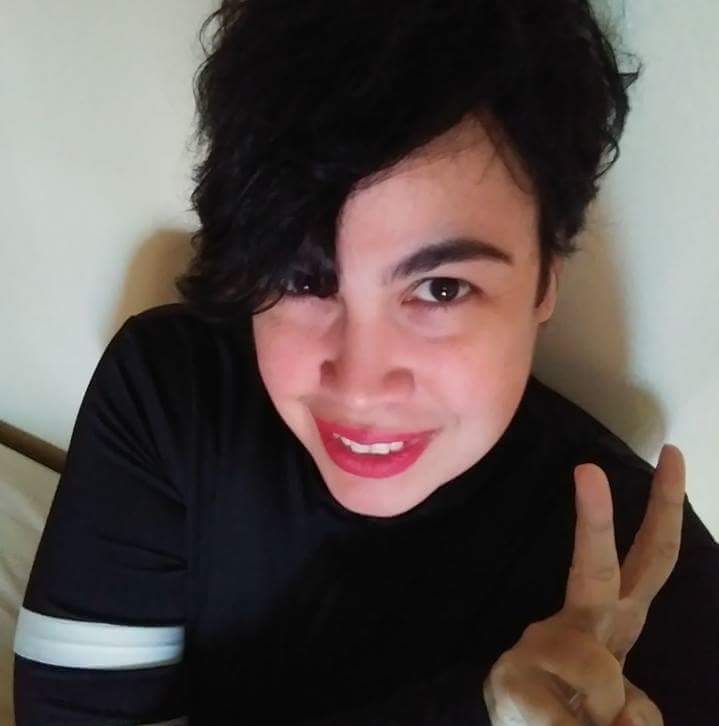

Alright – so today we’ve got the honor of introducing you to Rouge Rose. We think you’ll enjoy our conversation, we’ve shared it below.
Rouge, looking forward to hearing all of your stories today. Can you open up about a risk you’ve taken – what it was like taking that risk, why you took the risk and how it turned out?
While developing my first psychological thriller short, ‘The Visuals’, I was working with a very limited budget and a small crew, and there was pressure to make something more unique rather than conventional and safe.
Instead of following a traditional narrative, I chose to center the film around abstract visual storytelling—and outspoken dialogue, unsettling imagery, and symbolism that could be interpreted in multiple ways.
I knew this could alienate audiences or make the story harder to follow, and there was a real chance the film wouldn’t connect at all.
I leaned into the discomfort and committed fully—adjusting the cinematography, sound design, and pacing to create an immersive psychological experience instead of a a typical plot-driven one.
The result was a film that stood out for its originality. It produced strong reactions—some people loved it, others were challenged by it—but it started conversations, which is exactly what I wanted.
That experience reinforced my belief that taking creative risks is essential to developing a distinct voice. It pushed me to trust my instincts and prioritize storytelling that feels authentic rather than safe.
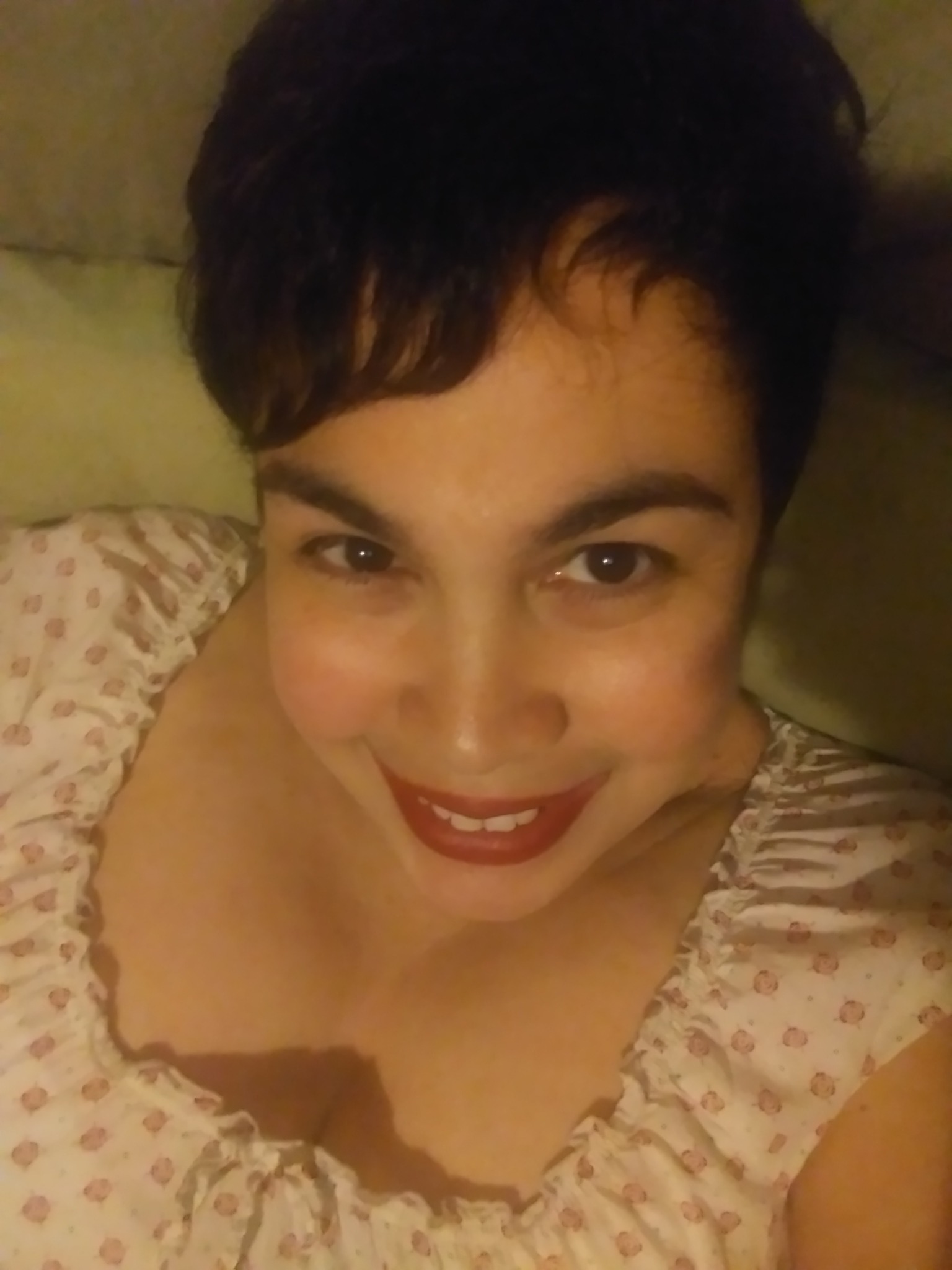
Rouge, before we move on to more of these sorts of questions, can you take some time to bring our readers up to speed on you and what you do?
I’m a first-time filmmaker driven by the idea that visuals should make you feel something before you even understand it.
My journey into filmmaking didn’t start in a traditional way—it came from a deep fascination with storytelling, emotion, and the power of imagery to say what words sometimes can’t.
I started by experimenting—learning how to build mood, tension, and meaning through visuals, often working with limited resources. That process forced me to become creative, to trust my instincts, and to develop a style that leans heavily into atmosphere, symbolism, and emotional impact.
My range of creative services include directing, visual storytelling, concept development, etc. I’m passionate about crafting projects that are visually striking and engaging—whether that’s film, branded content, or experimental pieces. For me, any project is an opportunity to create something immersive and memorable.
What sets me apart is my willingness to take risks and lean into the unconventional. I’m not interested in making something that simply looks good—I want it to linger. I focus on creating visuals that stay with you, that challenge you, and sometimes even unsettle you. I pay close attention to tone, detail, and emotion, and I’m intentional about every frame.
One of the things I’m most proud of is staying true to my creative voice, even when it meant going against the safer or more expected route. Building something from the ground up—especially in a space that values originality—has been both challenging and rewarding. Seeing people connect with the work, interpret it in their own ways, and feel something real from it is what makes it all worth it.
For those discovering my work, I want them to know that everything I create comes from a genuine place. I’m constantly evolving, pushing boundaries, and exploring new ways to tell stories visually. If you follow my work, expect intensity, emotion, and a perspective that doesn’t play it safe. I’m here to create experiences—not just content.

For you, what’s the most rewarding aspect of being a creative?
The most rewarding aspect of being a filmmaker is seeing something that once existed only as a thought become a real, living experience that affects other people.
At the start, it’s just an idea—a feeling, an image, a moment that can’t quite be explained. Through the process of writing, rewrites, directing, and shaping every detail, I slowly bring that vision to life. But the real reward comes when it leaves my hands and reaches an audience.
It’s in the moment someone watches my work and feels something—tension, fear, empathy, curiosity—even if they interpret it differently than I’ve intended. That connection is powerful. It means the story is no longer just mine; it belongs to everyone who experiences it.
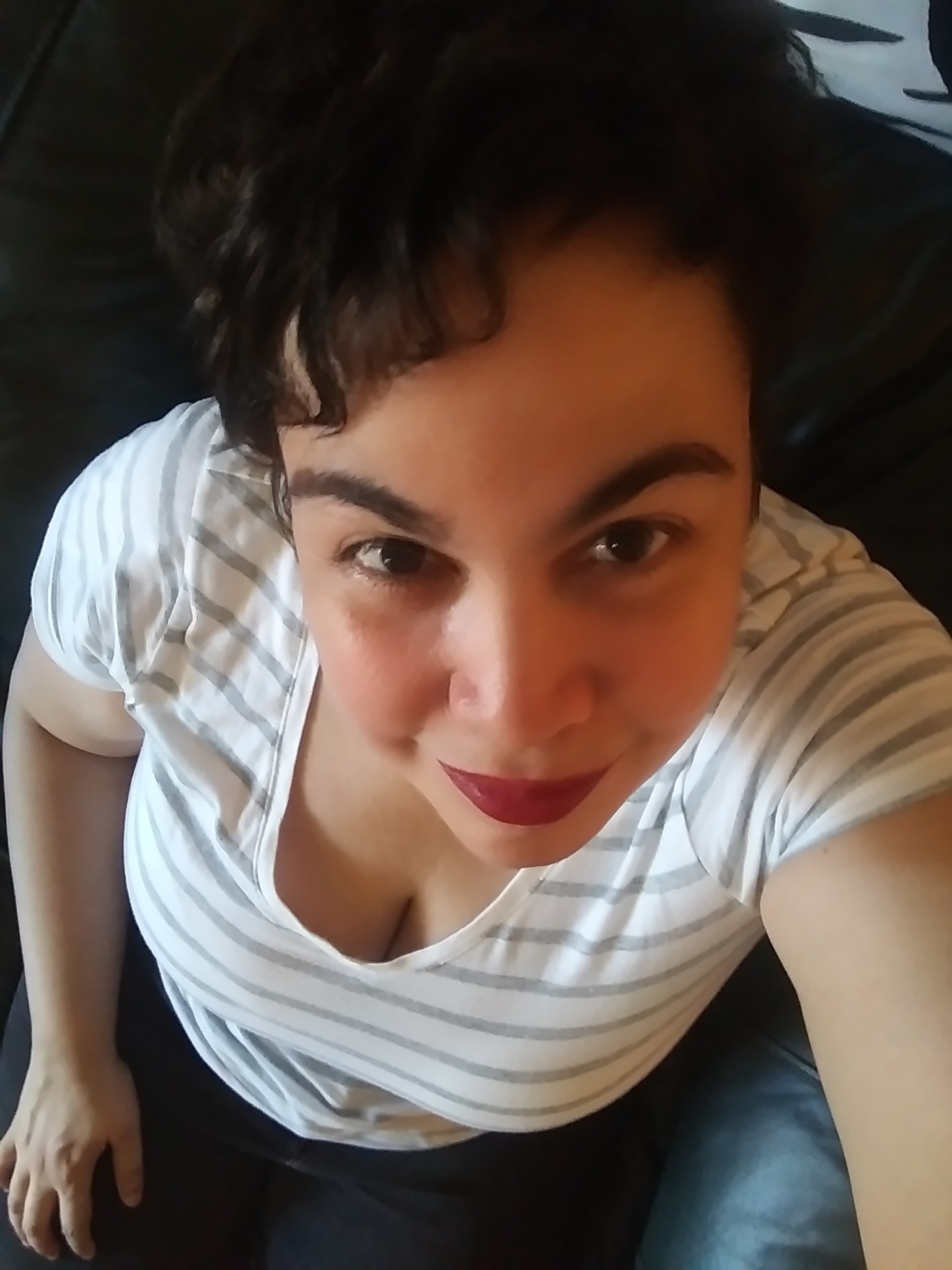
Let’s talk about resilience next – do you have a story you can share with us?
Early in my filmmaking journey, I often found myself as the only woman in the room, having to prove my voice before it was heard. Instead of shrinking, I chose to stand firm in my vision—leading with preparation, clarity, and confidence.
There was that first encounter on set when everything was on the line, and I had to decide whether to step back or step up. I stepped up—and that shift changed everything. The trust followed, and so did the results.
That experience taught me that resilience isn’t about being the loudest—it’s about being grounded in who you are. Now, I don’t wait for permission to lead. I own my voice, and I create unapologetically.
Contact Info:
- Website: https://iamrougerose.wixsite.com/webpage
- Youtube: https://YouTube.com/@rougerose
- Other: https://m.imdb.com/name/nm9325048/
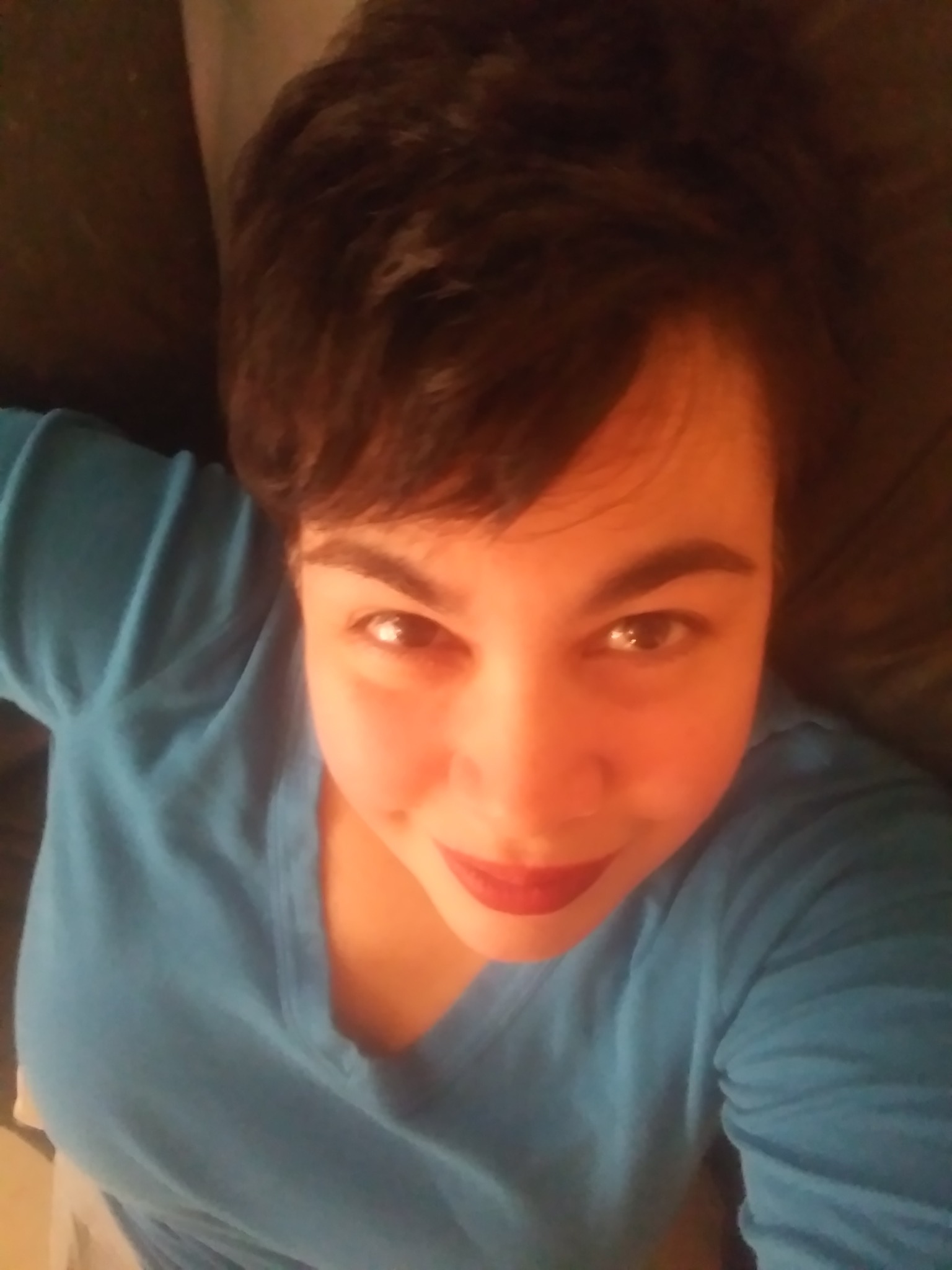
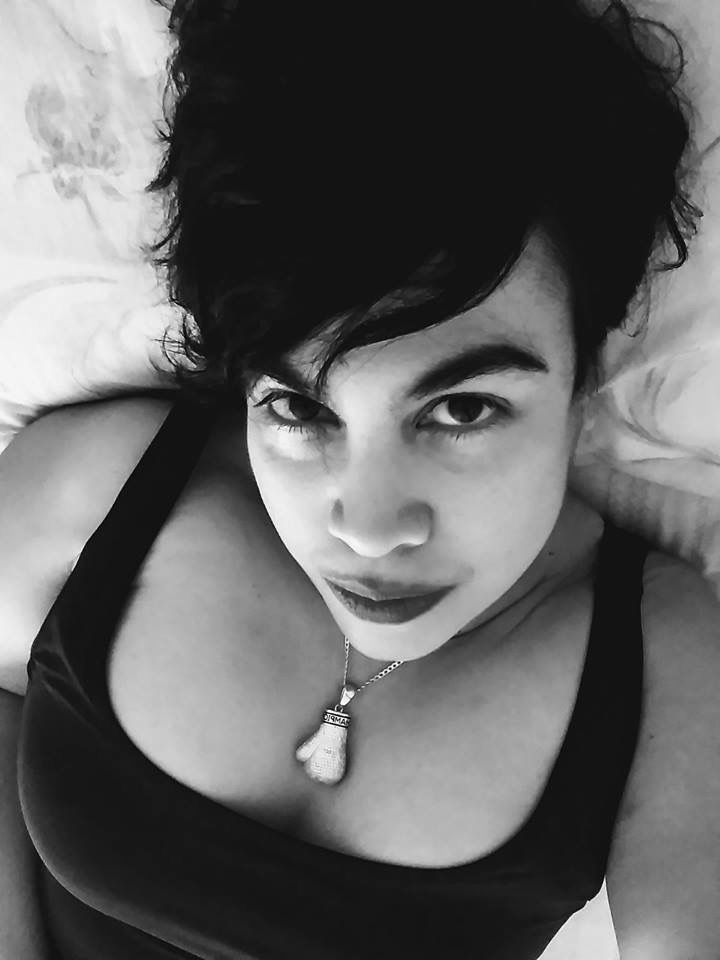
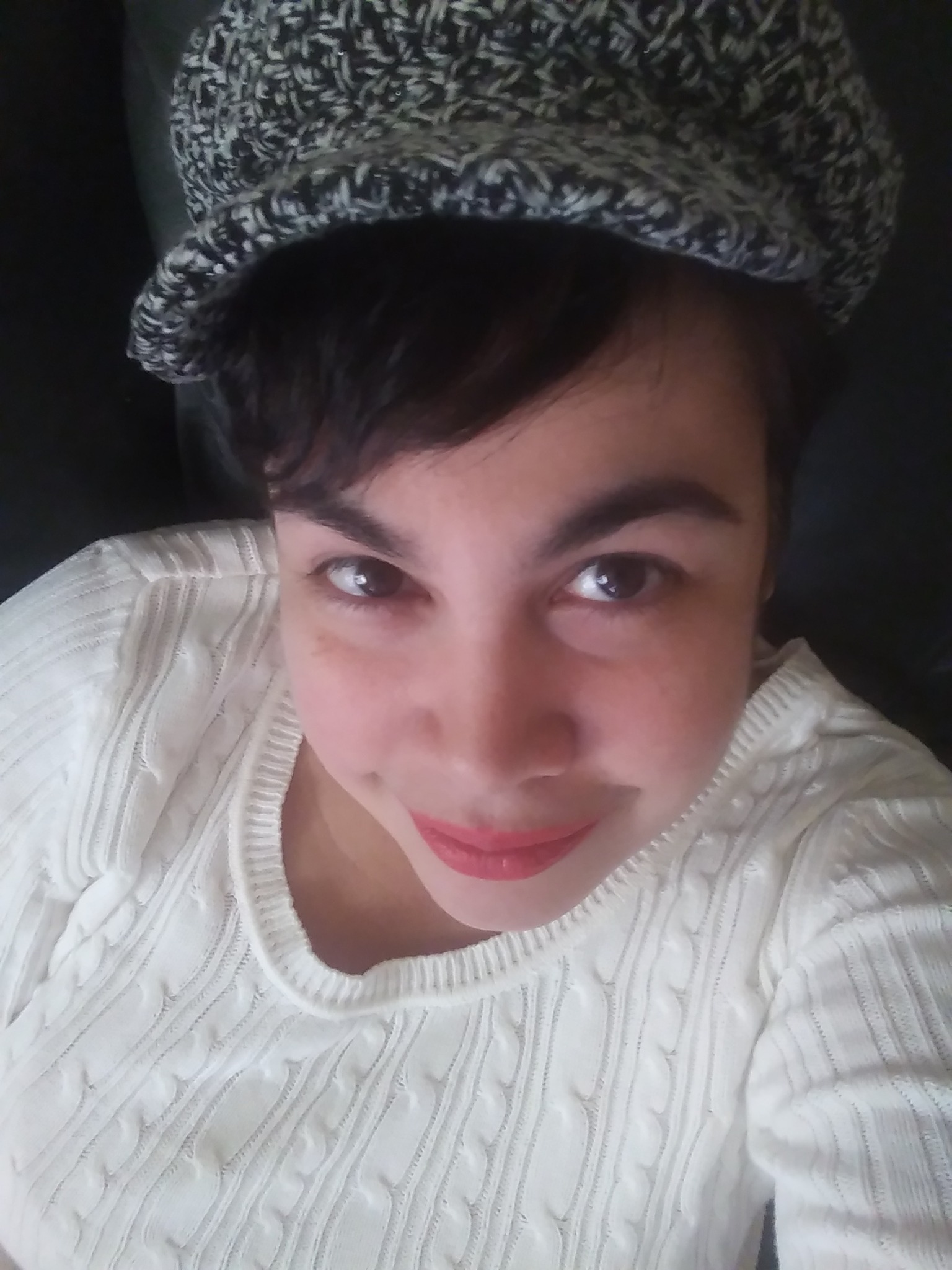
Image Credits
Photos by Rouge Rose