

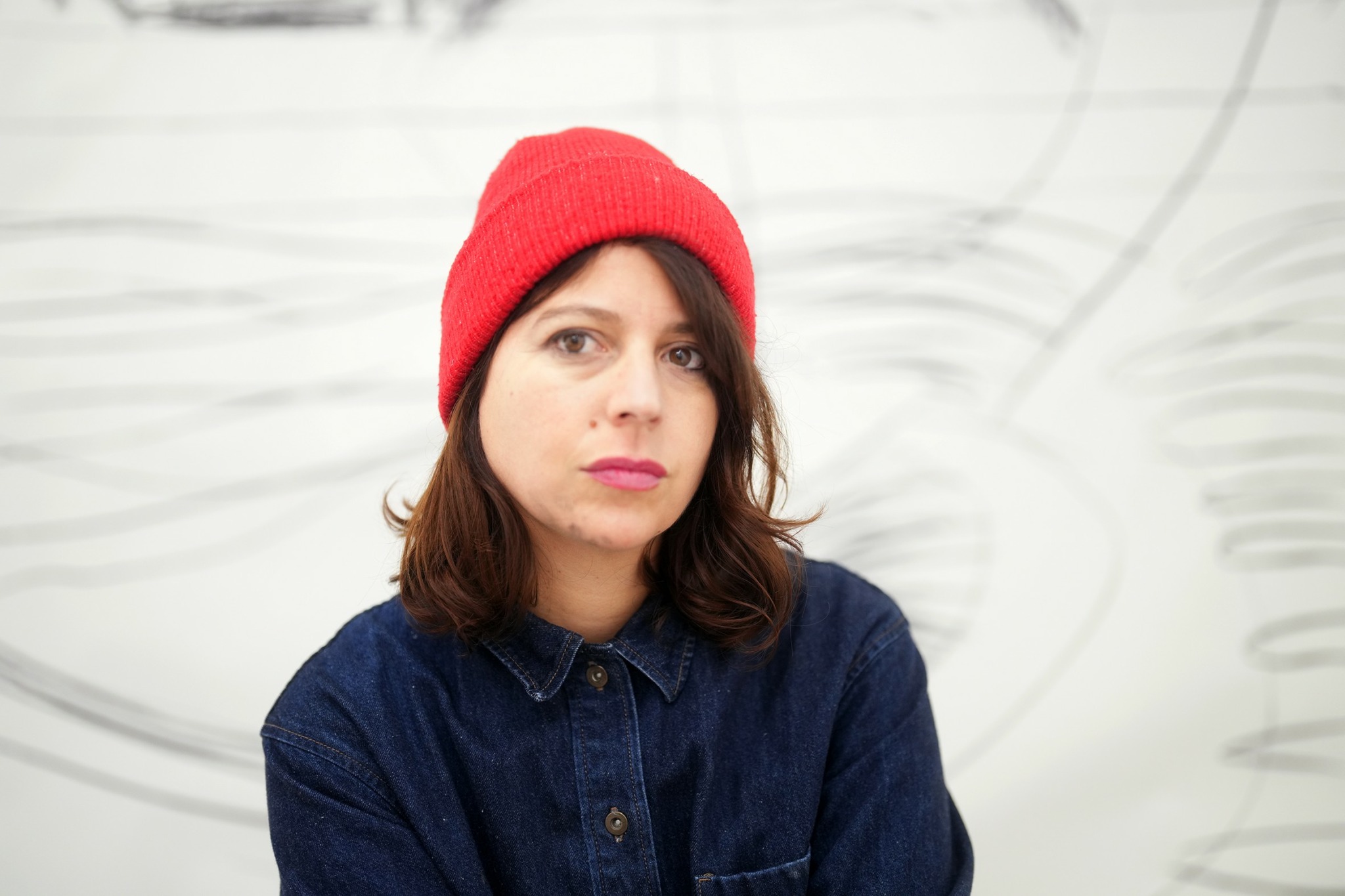

We were lucky to catch up with Rosana Antoli recently and have shared our conversation below.
Alright, Rosana thanks for taking the time to share your stories and insights with us today. It’s always helpful to hear about times when someone’s had to take a risk – how did they think through the decision, why did they take the risk, and what ended up happening. We’d love to hear about a risk you’ve taken.
One of the biggest risks I’ve taken happened during my solo exhibition at Fundació Joan Miró. Until then, my work was strongly associated with drawing — line on paper, choreography translated into two dimensions. It was recognizable. It worked.
For that show, I decided to change everything.
The risk wasn’t conceptual. I knew what I wanted to investigate. The risk was material. I moved into large-scale sculptural and spatial works, using industrial materials, tension, weight, gravity. I was working with systems I hadn’t fully mastered, on an institutional timeline, with very little room for error. I didn’t know how the pieces would behave once installed.
At the same time, I was completing my MA in Performance at the Royal College of Art. That experience pushed me to think of the exhibition as a living structure rather than a static display. Once a week, I invited the audience to intervene and enter into dialogue with the work. It became unstable, porous, open.
It would have been safer to deliver what people expected. But that felt like stagnation. Staying legible felt more dangerous than failing.
That was the moment I chose instability over safety — and discovered that intuition can be stronger than fear.
Rosana, love having you share your insights with us. Before we ask you more questions, maybe you can take a moment to introduce yourself to our readers who might have missed our earlier conversations?
I’m an artist because I never really found another way of thinking. For me, making work is how I process the world.
I started with drawing. Line was movement. I was trained very academically during my BA — strong figurative painting, discipline, structure. That training gave me tools, but at some point it began to feel too tight. I needed to open it. Over the years, that line left the paper and entered space. What began as drawing became sculpture, installation, sound, performance. But the core has remained the same: movement.
I work across painting, sculpture, and immersive environments, but everything comes from one question — how do bodies exist inside systems? Gravity, architecture, repetition, water, migration. I’m interested in how bodies navigate forces — and how those forces shape perception.
What sets my work apart is that I don’t treat mediums as separate territories. Painting feeds sculpture. Sculpture feeds performance. Sound feeds space. It’s one continuous investigation.
I’m proud that my practice has never stayed comfortable. Each exhibition has forced me to change something — scale, material, structure. I’ve learned that growth doesn’t come from perfecting a formula. It comes from risking coherence and rebuilding it again.
If there’s something I’d want people to know, it’s that my work isn’t about decoration or spectacle. It’s about experience. It’s about creating situations where perception shifts — even slightly — and where the body becomes aware of itself in space
We often hear about learning lessons – but just as important is unlearning lessons. Have you ever had to unlearn a lesson?
One lesson I had to unlearn was the belief that being technically good was enough.
During my BA, I was trained in a very academic, figurative tradition. Discipline, precision, control. I became skilled — and that skill gave me confidence. But at some point I realized I was becoming fluent in a language that didn’t fully belong to me.
There’s an idea often linked to Nietzsche about “killing the father” — meaning that you have to detach from the authority that formed you in order to develop your own voice. For me, that meant letting go of academic correctness and allowing uncertainty into the work.
Unlearning that need for control changed everything. It allowed space for experimentation, for scale, for failure. It shifted my focus from proving competence to building inquiry.
I’ve learned that growth doesn’t come from mastering a system and staying inside it. It comes from questioning it — even when that means destabilizing what you’re good at.
What do you think is the goal or mission that drives your creative journey?
I’m interested in creating experiences that feel like a trip — spaces where perception shifts and new narratives take form. I see the canvas and the gallery as platforms for speculation, places where imagination becomes active and embodied.
Collaboration is central to my practice. Working with musicians, scientists, and performers expands the work while I remain its author. These encounters introduce new layers, new rhythms, new forms of knowledge. The work grows through exchange, but it maintains a clear direction.
If there is a mission driving my creative journey, it’s this: to build environments where imagination stretches beyond the familiar, and where we can rehearse other ways of sensing, thinking, and relating.
Contact Info:
- Website: https://WWW.ROSANAANTOLI.COM
- Instagram: https://WWW.INSTAGRAM.COM/ROSANAANTOLI
- Youtube: https://WWW.YOUTUBE.COM/ROSANAANTOLI
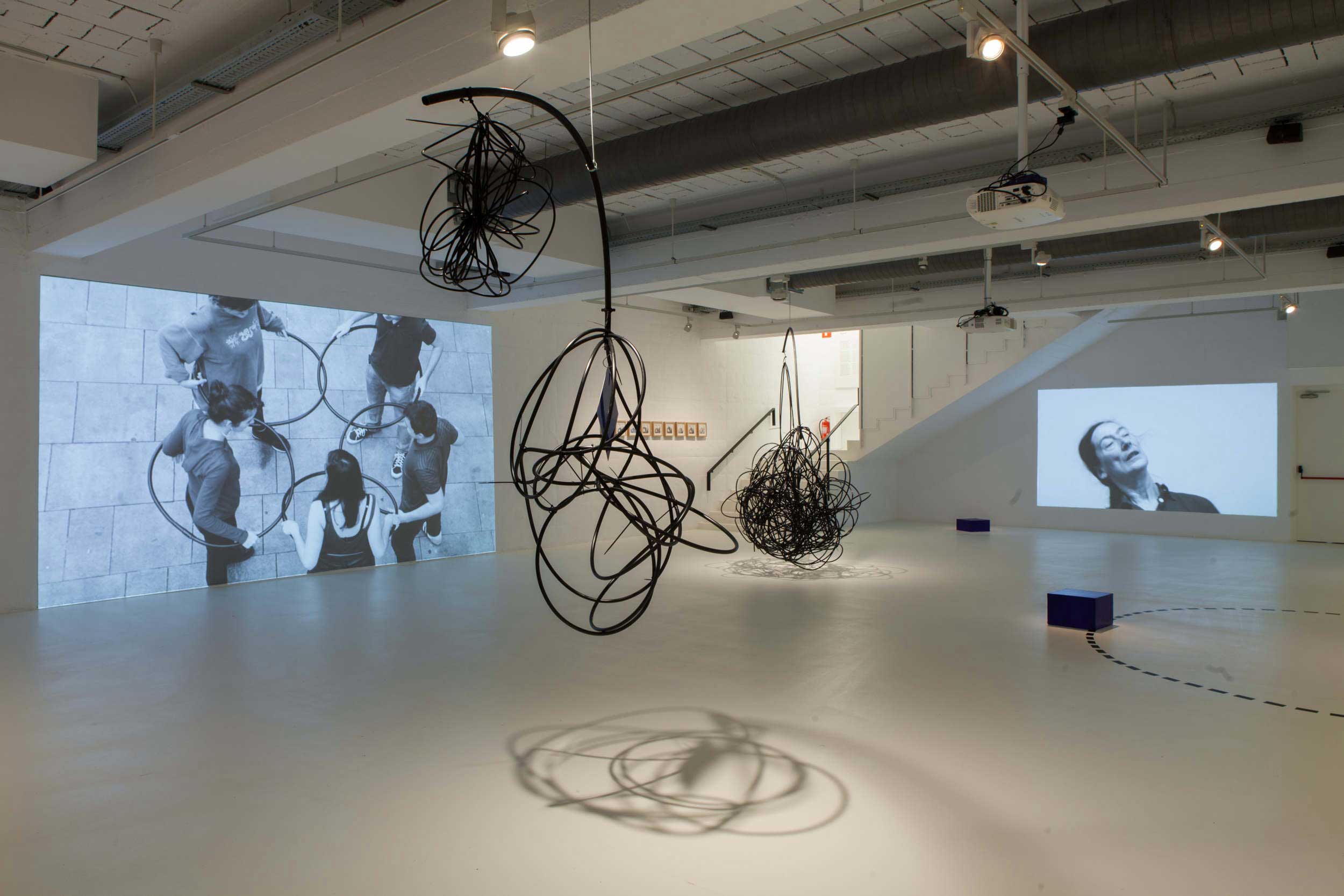
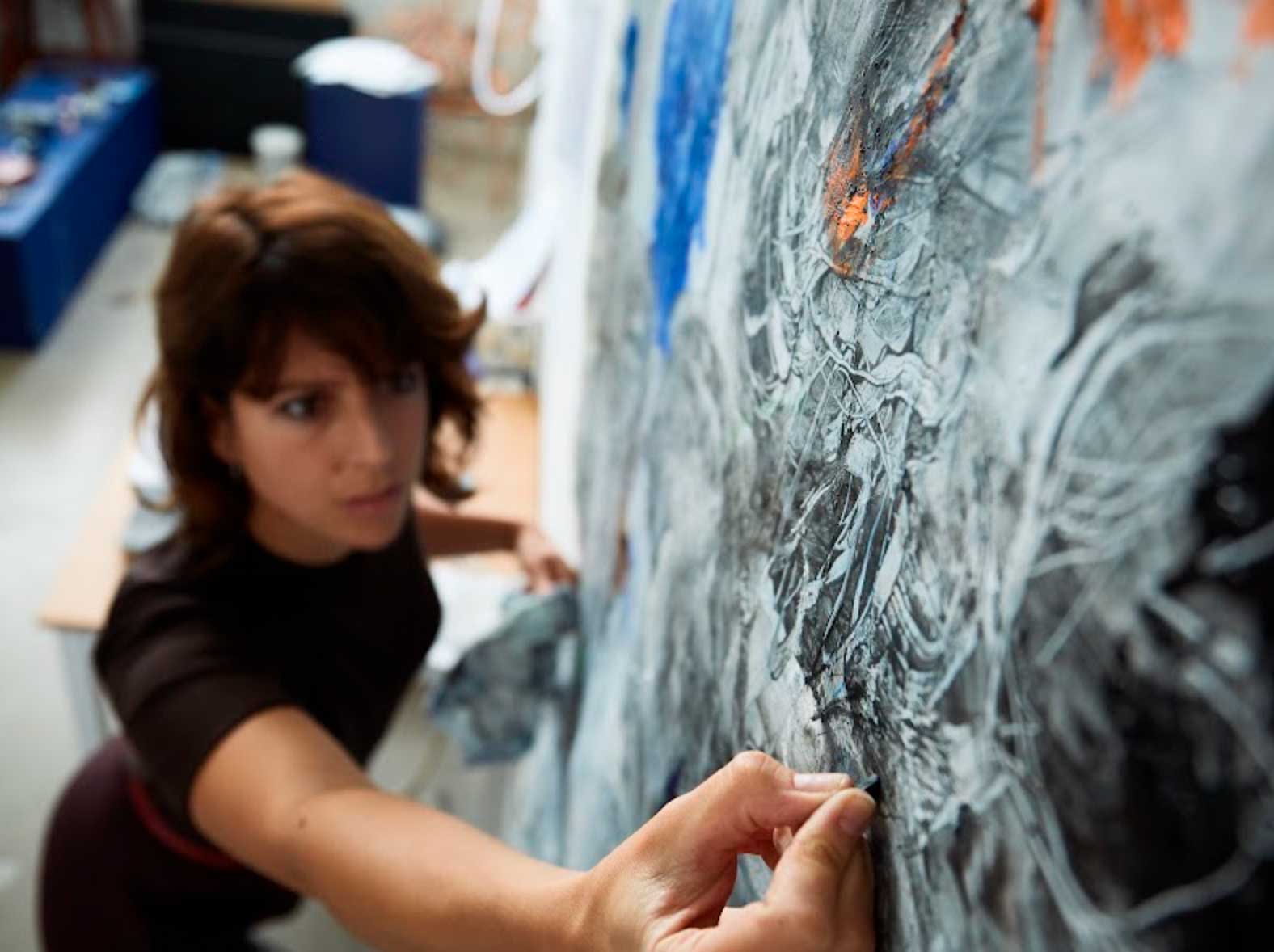
Image Credits
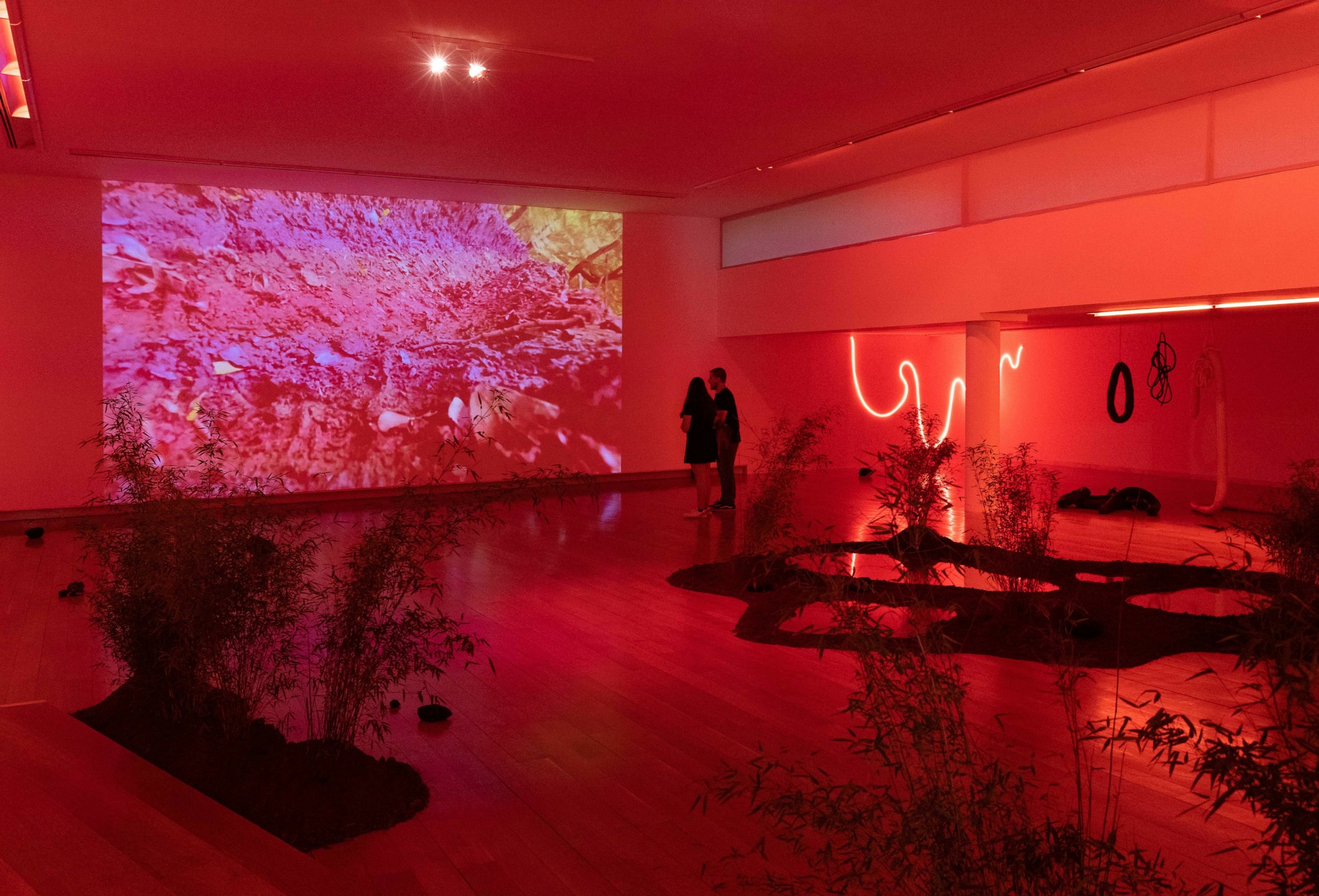
IMAGE 1. Rosana Antoli. The Pond. Solo Show at CGAC Museum. 2022. Credits Cooperativa Performa
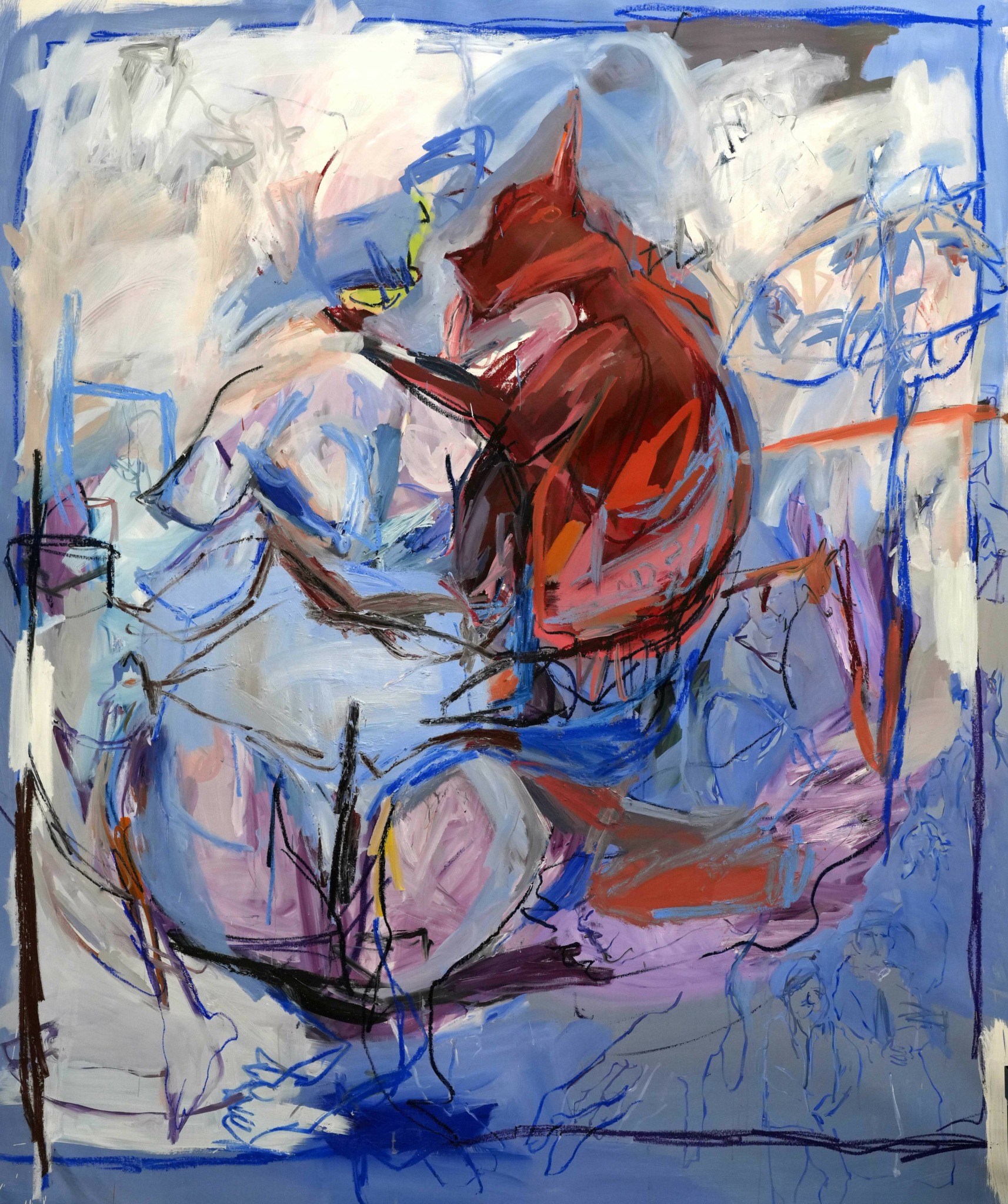
IMAGE 2. Rosana Antoli. The Queen of Chaos and Salty Waters. Oil on linen. 188 x 160 cm. 2025
IMAGE 3. Rosana Antoli. A Golden Age. Solo Show at Centro Centro Cibeles Palace. 2020. Credits Dominik Schulthess
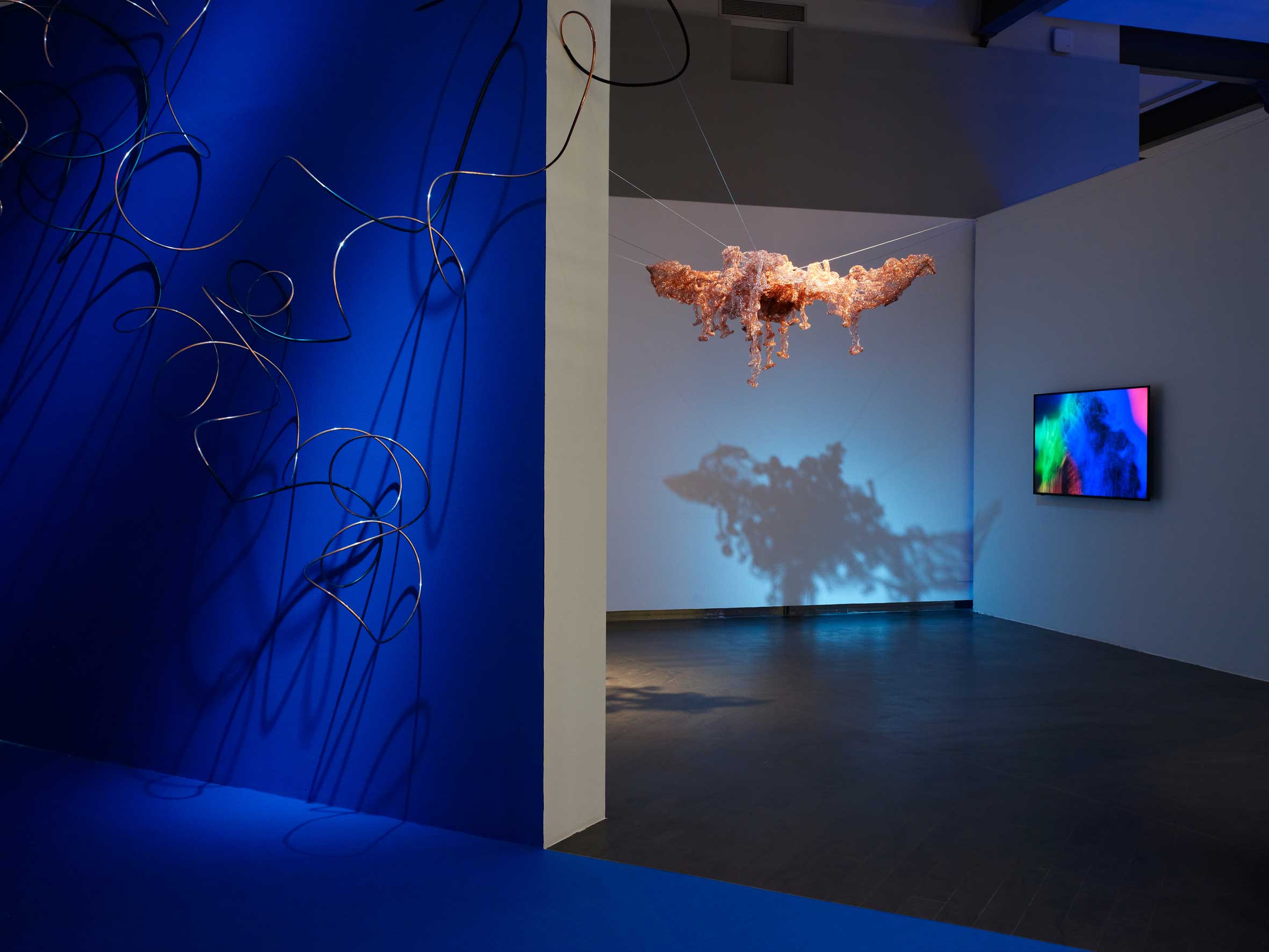
IMAGE 4. Rosana Antoli. When Lines Are Time. Solo Show at Joan Miro Foundation. 2016. Credits Pere Pratsdesaba
IMAGE 5. Rosana Antoli. The Kick Inside, The Loop Outside. Solo Show at Tate Modern. 2019. Credits Guillaume Vaulli
IMAGE 6. Rosana Antoli. Painting. Credits Robert Watson