

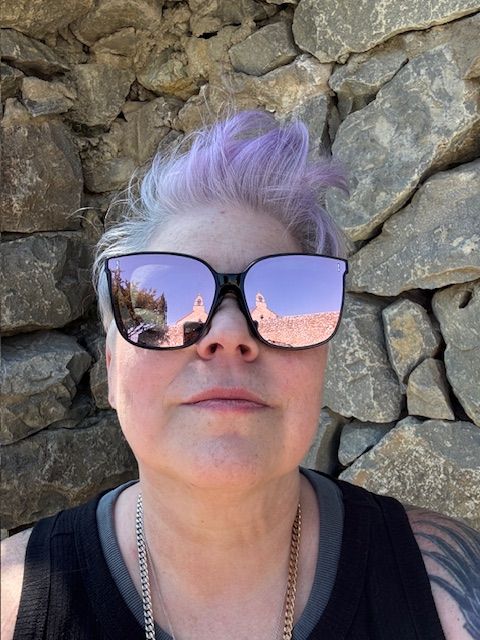

We’re excited to introduce you to the always interesting and insightful Rook Riley. We hope you’ll enjoy our conversation with Rook below.
Rook, looking forward to hearing all of your stories today. It’s always helpful to hear about times when someone’s had to take a risk – how did they think through the decision, why did they take the risk, and what ended up happening. We’d love to hear about a risk you’ve taken.
One of the biggest risks I ever took was moving across the country with my friend to start a Krav Maga studio together. At the time, it felt equal parts reckless and exhilarating. Leaving behind everything familiar to chase an idea that was built on trust, adrenaline, and a shared vision felt so right.
I quit my teaching job, threw myself a going-away party, and created a business plan.
We packed up our lives and headed somewhere new with the kind of optimism that only comes from believing you can build something from scratch. The plan was to open a studio, teach self-defense, and create a place where people could feel stronger and more capable.
In the end, the studio never opened. The logistics, timing, and realities of starting a business shifted the path we thought we were on. But the risk wasn’t wasted. That move changed my life in a different way: along the way, my friend became my spouse. What started as a leap toward a business turned into a marriage and a shared life. It reminded me that even when a plan doesn’t unfold exactly the way you expect, taking the risk can still lead to something worth everything.
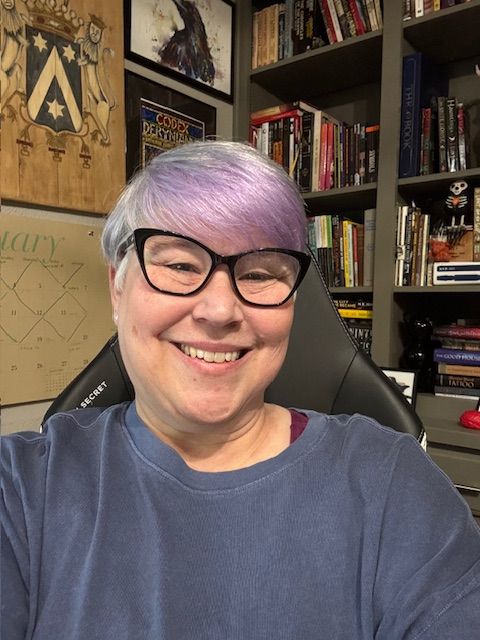
Rook, before we move on to more of these sorts of questions, can you take some time to bring our readers up to speed on you and what you do?
I’m a horror author, game writer, educator, and former Army linguist based in North Texas. My work lives where folklore, true crime, and the supernatural collide, often rooted in Texas landscapes and the strange histories that linger there. I’m proud of building a body of work that centers unsettling stories, complicated characters, and the idea that horror can reveal deeper truths about the world we live in.
At the heart of my brand is the belief that good horror disturbs with purpose. Whether I’m writing fiction, developing games, or sharing research, I aim to create stories that feel immersive, eerie, and a little dangerous. I want readers and collaborators to know that my work values authenticity, atmosphere, and bold storytelling—and that I’m always interested in exploring the strange corners of history, folklore, and the human psyche.
What can society do to ensure an environment that’s helpful to artists and creatives?
Creative work thrives when society treats it as real labor instead of an endless free resource. One of the most important ways people can support creatives is by paying for the work they enjoy: buying books, attending readings, supporting independent games, subscribing to newsletters, and recommending artists to others.
Communities, schools, and organizations can also make a huge difference by creating opportunities for artists to teach, collaborate, and share their skills. When people invest in creative work, financially and culturally, it allows artists to keep producing the stories, music, art, and ideas that shape how we understand the world.
Another critical step is protecting human creativity at a time when automated systems are routinely trained on artists’ work without permission or compensation. Supporting creatives means actively choosing human-made work and pushing back against technologies that replicate, replace, or profit from artists without their consent. Audiences, institutions, and companies all play a role by refusing to normalize systems that treat creative labor as raw material to be harvested.
Respecting copyright, crediting creators, and demanding fair pay are not small gestures. It is the foundation that allows creative industries to exist at all. When society prioritizes ethical standards and supports the people behind the work, creativity remains a sustainable profession rather than something quietly mined, repackaged, and sold without the artist who made it possible.
Learning and unlearning are both critical parts of growth – can you share a story of a time when you had to unlearn a lesson?
One of the biggest lessons I had to unlearn about writing horror was the idea that the genre only works if it constantly shocks the reader. Early on, I believed every scene needed to escalate: more blood, bigger monsters, louder moments of dread. Over time, I realized that the most powerful horror often comes from restraint. Fear builds in the quiet spaces: a strange detail that doesn’t belong, a character noticing something slightly wrong, the slow realization that the world has shifted. Learning to trust atmosphere, pacing, and implication made my writing far more unsettling than any attempt to overwhelm the reader.
I also had to unlearn the belief that horror needed to follow a rigid formula to be effective. The genre is far more flexible than that. Horror can be intimate, poetic, darkly funny, or deeply personal. Once I let go of the pressure to write horror “the right way,” I started focusing on the kinds of stories that fascinated me. I love folklore, strange histories, complicated people, and the uneasy places where the supernatural brushes up against everyday life. That shift allowed me to write horror that feels more honest and more unsettling because it’s rooted in curiosity rather than rules.
Contact Info:
- Website: https://www.authorrookriley.com/
- Instagram: @rookriley
- Facebook: @rookriley
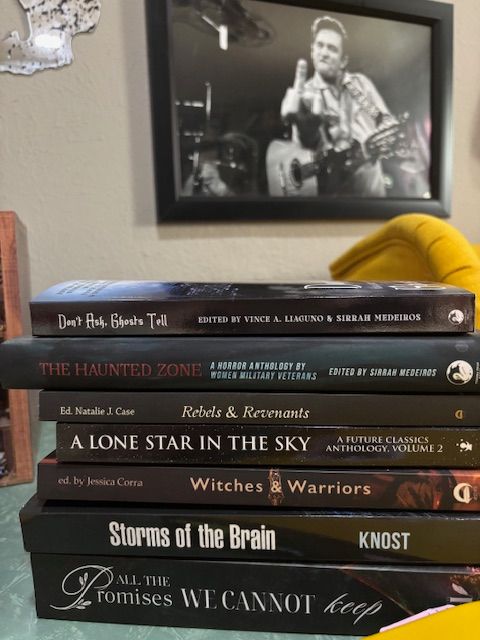
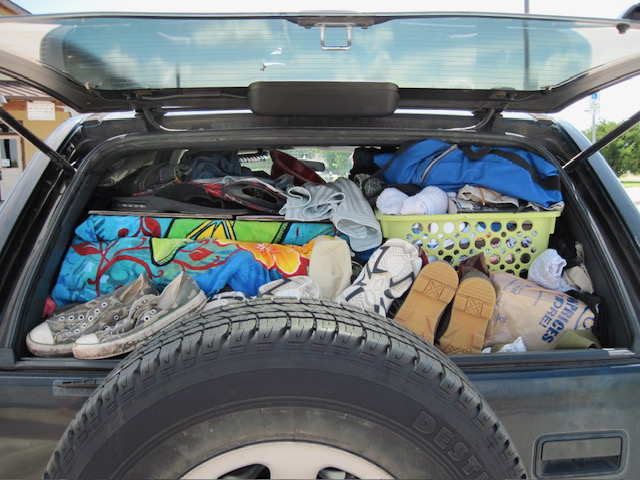
Image Credits
Lori Bonilla