

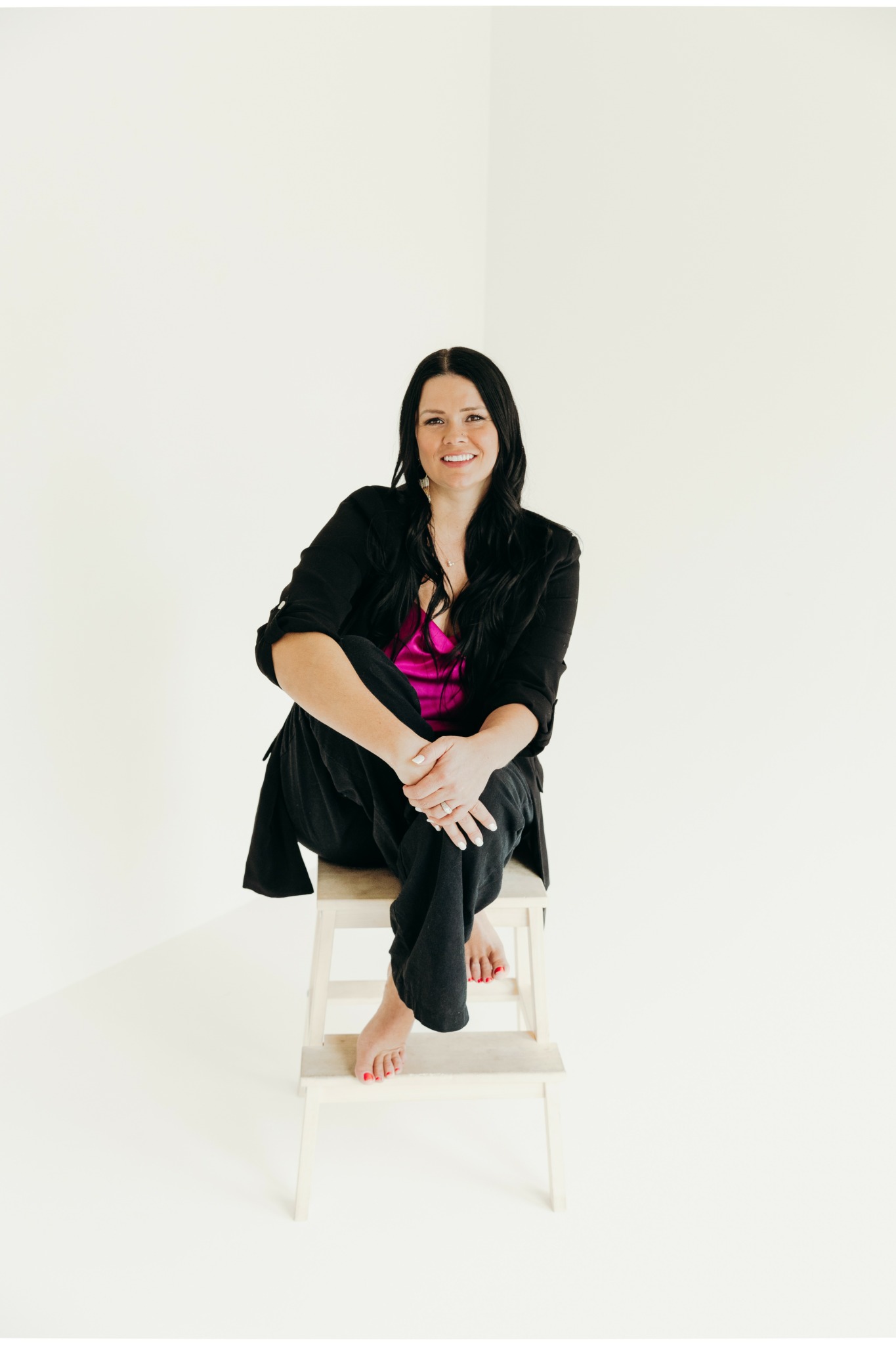

Alright – so today we’ve got the honor of introducing you to Ronda Davis. We think you’ll enjoy our conversation, we’ve shared it below.
Hi Ronda, thanks for joining us today. Was there a moment in your career that meaningfully altered your trajectory? If so, we’d love to hear the backstory.
This moment for me wasn’t something professional at all. It started with loss.
When my dad passed away, everything in my world shifted. I had spent so much of my life being “the strong one” – the one people relied on, the one who held it all together. And in the middle of that loss, I realized something I couldn’t ignore anymore… I didn’t actually know how to fall apart. I didn’t know how to grieve in a way that felt honest or safe. I only knew how to keep going.
That experience became a turning point for me. It forced me to look at my own patterns, my own survival strategies, and the way I had learned to move through pain by pushing it down instead of processing it. And in that space, I began to understand something I now teach every day: people aren’t broken, they learn how to survive what they’ve been through.
That realization didn’t just change me personally, it changed the direction of my career.
It became the foundation for opening my practice. I didn’t want to create a space that felt clinical, cold, or disconnected. I wanted to build something that felt human. A place where people – especially those who are used to being strong for everyone else – could finally exhale, feel seen, and learn how to come back to themselves.
Opening my practice wasn’t just a business decision. It was a deeply personal commitment to doing this work differently. To creating a space where grief, trauma, and healing could be approached with honesty, compassion, and a little more permission to not have it all together.
If there’s any wisdom I’ve taken from that experience, it’s this: the moments that break us open are often the same moments that show us what we’re meant to build.
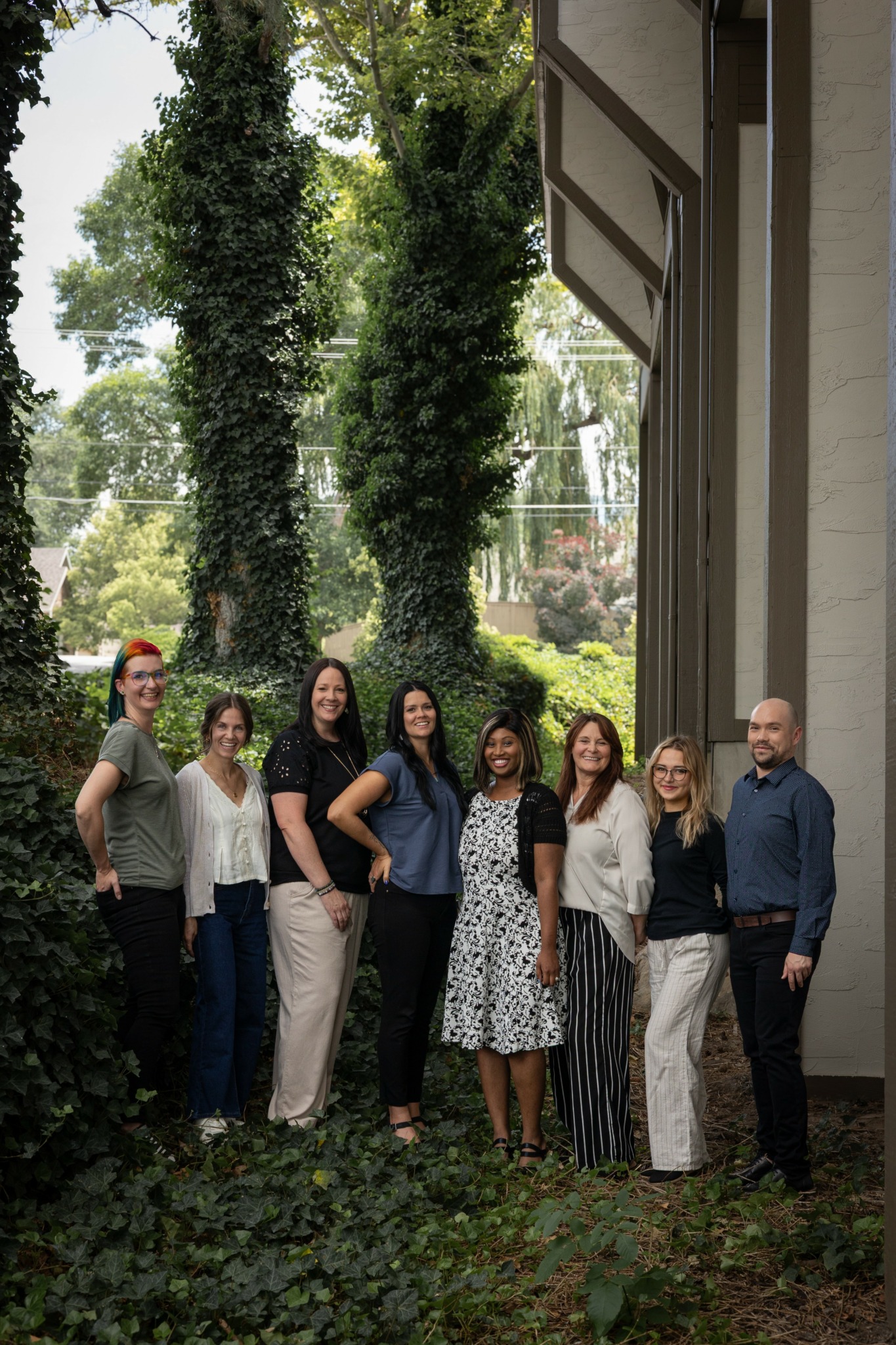
Great, appreciate you sharing that with us. Before we ask you to share more of your insights, can you take a moment to introduce yourself and how you got to where you are today to our readers.
My name is Ronda Davis, a therapist, speaker, and the owner of Healing Feathers—a mental health group, practice located in Millcreek, Utah, built from both professional training and deeply personal experience.
My path into this work wasn’t just something I chose, it’s something I lived. Growing up, I learned early on how to be the “strong one”—the person others depend on, the one who holds everything together, even when it’s heavy. After experiencing significant loss, including the death of my dad, I began to understand how much of my life had been shaped by survival patterns like over-functioning, people-pleasing, and carrying things alone.
That realization changed everything for me. It led me deeper into this field, not just to help others—but to genuinely understand how people heal.
Today, through Healing Feathers, I work primarily with high-functioning individuals who look like they have it all together on the outside but are quietly carrying stress, trauma, grief, or emotional weight underneath. My work focuses on helping people understand that they are not broken—they adapted. And once you understand your patterns, you can begin to change your relationship with them.
At Healing Feathers, we offer individual therapy, trauma-focused work, and ketamine-assisted psychotherapy, along with workshops, speaking engagements, and retreats centered around nervous system regulation, grief, boundaries, and what it really means to “come home to yourself.” My approach integrates both clinical modalities—like EMDR, IFS, and trauma-focused CBT—with somatic work, breathwork, and a strong belief that healing isn’t just mental, it’s also physical, emotional, and often spiritual.
What sets my work apart is that I don’t believe healing has to feel clinical or disconnected. I believe it should feel human. Safe. Real. I meet people where they are, while also gently challenging the patterns that are keeping them stuck. My goal isn’t just to help people cope—it’s to help them understand themselves in a way that creates lasting change.
What I’m most proud of is the space I’ve built. Not just the practice itself, but the environment—where people feel seen, not judged. Where they can be strong and struggling at the same time. Where they don’t have to perform or have it all figured out to belong.
If there’s one thing I want people to know about me and my work, it’s this: you don’t have to keep living in survival mode. There is another way—and you don’t have to find it alone.
What do you think helped you build your reputation within your market?
I believe what has helped me build my reputation more than anything is my commitment to being authentic and genuine in how I show up, both in my work and in my community.
I’m not trying to be the “perfect” therapist or present a polished version of healing. I speak openly about real experiences, real emotions, and the reality that healing is not always linear or pretty. People can feel when something is real, and I think that’s what they connect to.
From the beginning, my intention has never just been to build a business, it’s been to build a community. A space where people feel safe enough to be honest about what they’re carrying, without fear of judgment. That shows up in how I talk, how I teach, how I connect, and even in the spaces I create through my practice, workshops, and content.
I also stay very rooted in the belief that people aren’t broken, they’ve learned how to survive. That perspective shifts how I work with clients and how they experience being in relationship with me. It creates trust, because they don’t feel pathologized, they feel understood.
I think people come for the work, but they stay because they feel seen.
At the end of the day, I’m not trying to be everything to everyone. I’m focused on being real, being consistent, and creating spaces where people can finally exhale and I think that’s what has naturally built my reputation over time.

Putting training and knowledge aside, what else do you think really matters in terms of succeeding in your field?
I believe one of the most important factors for succeeding in this field is a willingness to do your own work and to stay accountable to it.
As therapists, healers, and helpers, people are trusting us with some of the most vulnerable parts of their lives. They are sharing their pain, their trauma, their fears, and the parts of themselves they don’t show anyone else. That’s not something I take lightly.
Because of that, I strongly believe that we have a responsibility to continuously look in the mirror ourselves. To be aware of our own patterns, triggers, and blind spots. To do the inner work, not just talk about it.
If we’re not willing to sit with our own discomfort, process our own experiences, and stay honest about where we still have work to do, it becomes very difficult to truly hold space for someone else. At some point, our unprocessed experiences can show up in the room, whether we realize it or not.
Accountability is a big part of that. Not just to our clients, but to ourselves, our growth, and the integrity of the work we’re doing. That can look like ongoing supervision, personal therapy, consultation, and being open to feedback even when it’s uncomfortable.
I don’t believe we need to be perfect to do this work but I do believe we need to be committed to our own healing.
Because when we are willing to do that, we don’t just guide people from theory we meet them from a place of understanding. And that’s where real trust, safety, and meaningful change begin.
Contact Info:
- Website: https://www.healingfeatherstherapy.com
- Instagram: @ronda_roo
- Linkedin: https://www.linkedin.com/in/ronda-davis
Image Credits
Robyn Woolley Photography