

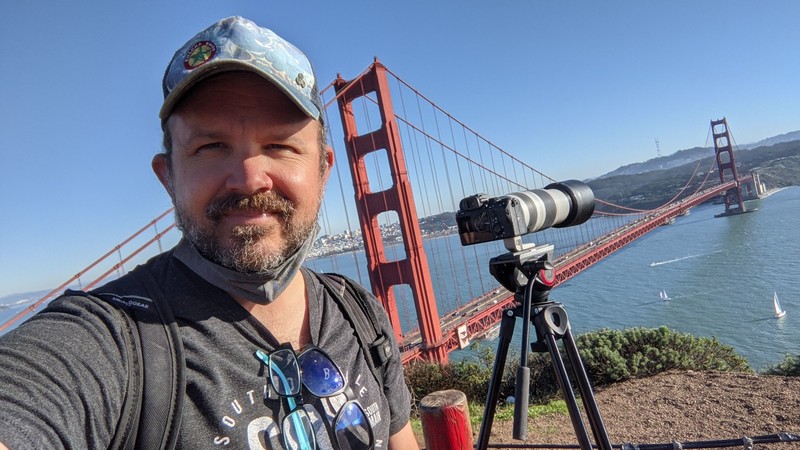

We recently connected with Robert Lyon and have shared our conversation below.
Hi Robert, thanks for joining us today. Have you been able to earn a full-time living from your creative work? If so, can you walk us through your journey and how you made it happen? Was it like that from day one? If not, what were some of the major steps and milestones and do you think you could have sped up the process somehow knowing what you know now?
When I went to college, I decided to major in broadcast communications—even though I wasn’t entirely sure what I wanted to do with my career. I just knew I liked video editing and working with cameras. It was actually my mom who suggested the broadcast path, and that turned out to be great advice.
I enrolled at Florida International University and landed an internship at CBS Channel 4 in Miami. After a few months there, I quickly learned the ropes of the TV news business as a video editor, which helped me land a job at WSVN Channel 7. After about a year, I returned to Channel 4 for a full-time position, and that role turned into a 10-year career where I earned seven Emmy Awards for my work in video production, editing, and producing.
Despite the success, I reached a point where I was burned out. The constant cycle of bad news—fires, robberies, tragedies—took a toll on my mental health. The phrase “if it bleeds, it leads” is unfortunately very real in the industry. I realized I no longer felt fulfilled, even though I had opportunities to move further up, potentially to New York and network-level positions. I was working in investigative journalism, entertainment, and sports—but I decided to walk away.
So, I left my job at CBS and launched my freelance videography and production business in Miami, with no clients lined up and a newborn at home. It was a huge leap of faith.
Drawing on my passion for surfing, I co-created a TV show called Island Hoppers with Miami DJ Lance-O (from Kulchashok Muzik). We spontaneously put it together and spent a year traveling the Caribbean filming the show. To our surprise, it was picked up by SunSports, a Fox-affiliated network, and aired in over 8 million homes across Florida via cable and DirecTV. That success gave me a foothold in the freelance world and helped launch my career.
Toward the end of the Island Hoppers run, we landed a sponsor that helped us break even, and I began picking up other freelance work. One of those gigs—found through word of mouth—was with Tequila Patrón’s professional motorsports team in the American Le Mans Series. I wasn’t even a racing fan at the time, but I turned out to be pretty good at filming fast cars and, thanks to my journalism background, producing stories and interviews for social media and YouTube, which was just taking off.
That one gig led to more and more work with racing teams. I became friends with drivers, and as they moved on to new teams, they brought me with them. Eventually, in 2015, team owner Scott Sharp brought me along when Patrón entered the global World Endurance Championship. For two years, I traveled the world filming races in Shanghai, Japan’s Fuji Speedway, Bahrain, Europe, and across North America. It was an incredible experience—what Scott called a once-in-a-lifetime opportunity—and I agree.
Interestingly, all of this was built on trust and word of mouth. I never had a formal contract with Patrón. It was always a handshake deal—do the job well, get paid fairly, and keep showing up. Because of the relationships I built and the quality of my work, I was able to turn that opportunity into a decade-long career.
Today, I continue working in the automotive and motorsports industry, doing both photography and video production. I shoot, edit, and deliver content that’s used for marketing, advertising, and social media. I may not have started out as a racing fan, but I’ve grown to love the sport—and I’m grateful that my creative work has given me the freedom to build a life doing what I love.
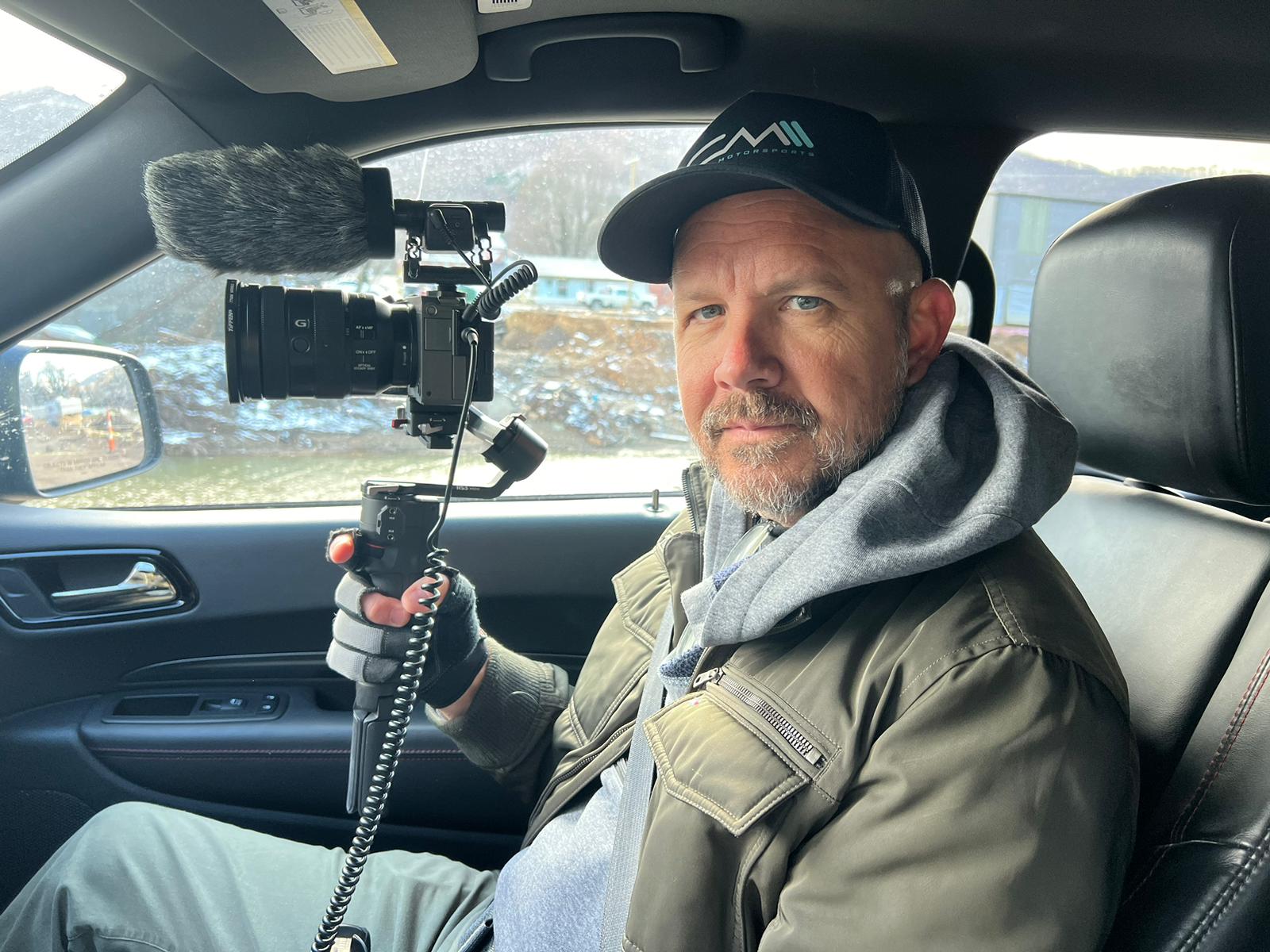
As always, we appreciate you sharing your insights and we’ve got a few more questions for you, but before we get to all of that can you take a minute to introduce yourself and give our readers some of your back background and context?
I provide video production and editing services, but what really sets me apart from most production companies is that I work solo. That allows me to keep costs down for my clients without compromising quality.
I handle everything myself—videography, editing, storyboarding, branding, and even marketing strategy. What might take a crew of three or four people at a traditional production company, I can deliver on my own. This not only streamlines the process, but also reduces expenses for the client.
It’s a unique business model, because many video producers don’t do their own editing or marketing. In most cases, those responsibilities are split between multiple specialists. With me, it’s all under one roof—one person, one vision, and one seamless workflow.
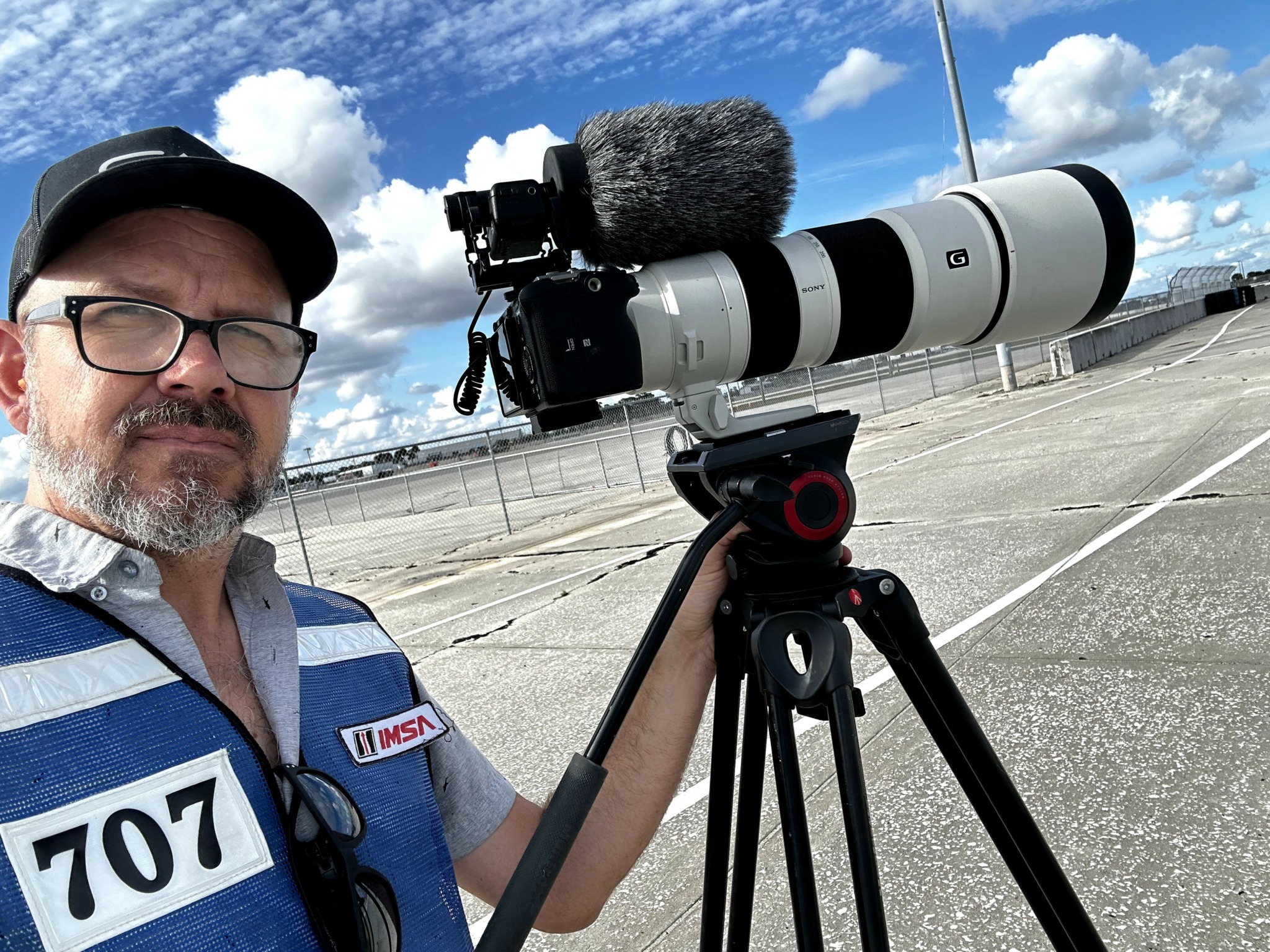
Can you tell us about a time you’ve had to pivot?
After 10 years at CBS producing in-depth, long-format investigative journalism—truly Emmy Award–winning work—the business model of TV news began to shift. With that change, my enthusiasm for the work started to fade. The stories we were producing toward the end of my time there just weren’t as fulfilling.
What once felt like meaningful journalism gradually turned into the classic “if it bleeds, it leads” style of reporting. Day after day, we covered tragedy, crime, and negativity. The psychological toll of constantly reporting bad news began to wear on me, and I knew I needed a change. What had started as a dream job—one that took me around the world and allowed me to tell impactful stories—had become something that no longer aligned with who I was or what I wanted to contribute.
So, I made the decision to pivot. I left my staff job and launched a freelance video production business, where I could choose projects that were more positive, creative, and personally fulfilling. That shift allowed me to regain my passion for storytelling while also building a business that aligned with my values and interests.
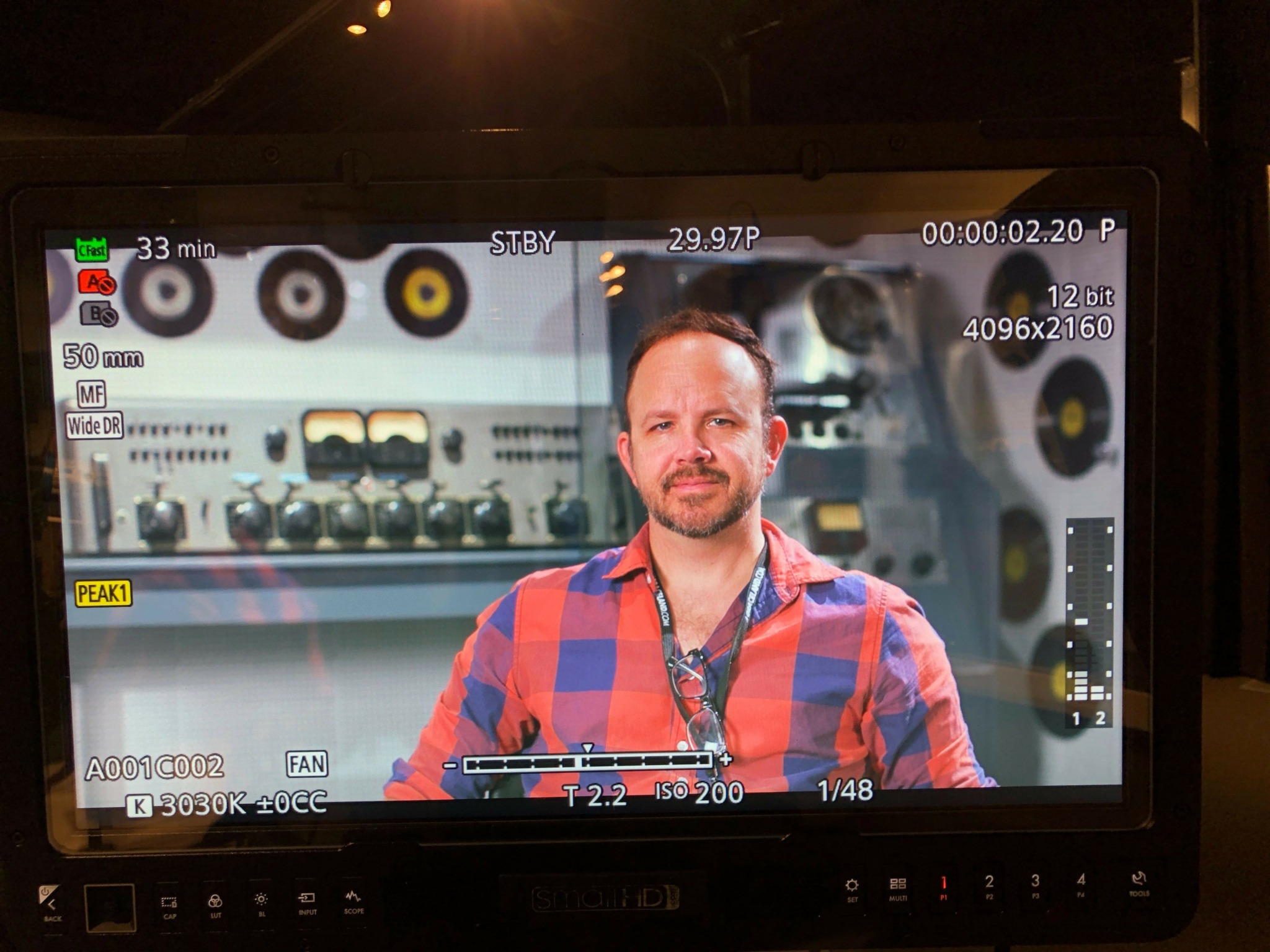
Where do you think you get most of your clients from?
The best source of new clients for me has always been word of mouth. I don’t do any advertising, and to be honest, I don’t even keep up with my website as much as I should.
What I focus on is delivering high-quality video work and editing, and taking great care of my clients. That approach has paid off—clients return, they refer me to others, and those referrals keep the momentum going.
At the end of the day, if you do good work and treat people right, the business comes to you.
Contact Info:
- Website: https://www.lyoneliteauto.com
- Instagram: https://www.instagram.com/lyoneliteautomotive/
- Facebook: https://www.facebook.com/DASSPORTCLASSICS
- Youtube: https://www.youtube.com/@DASSPORTCLASSICS
- Other: https://www.youtube.com/@TheClassicCarFilmFestival
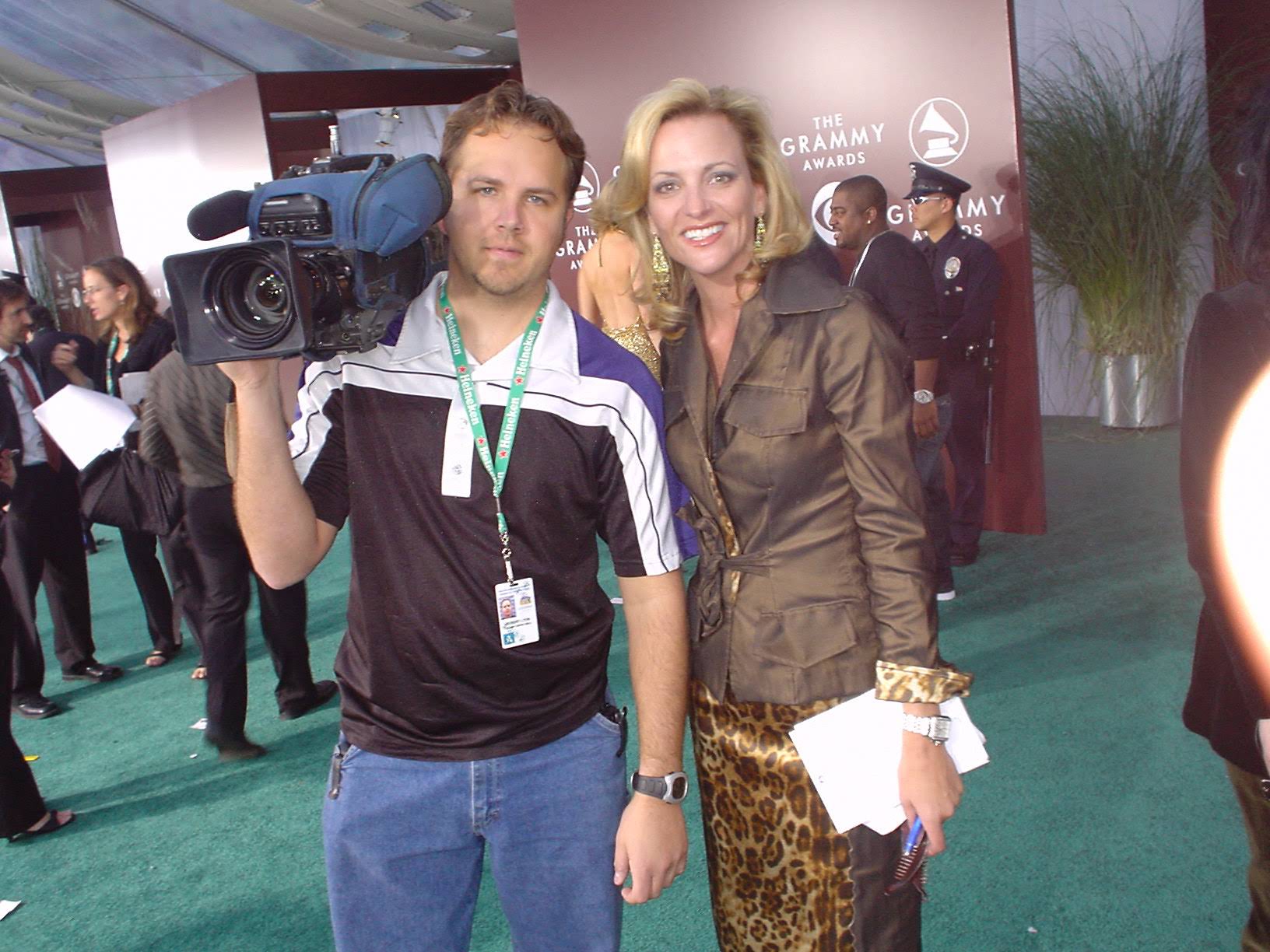
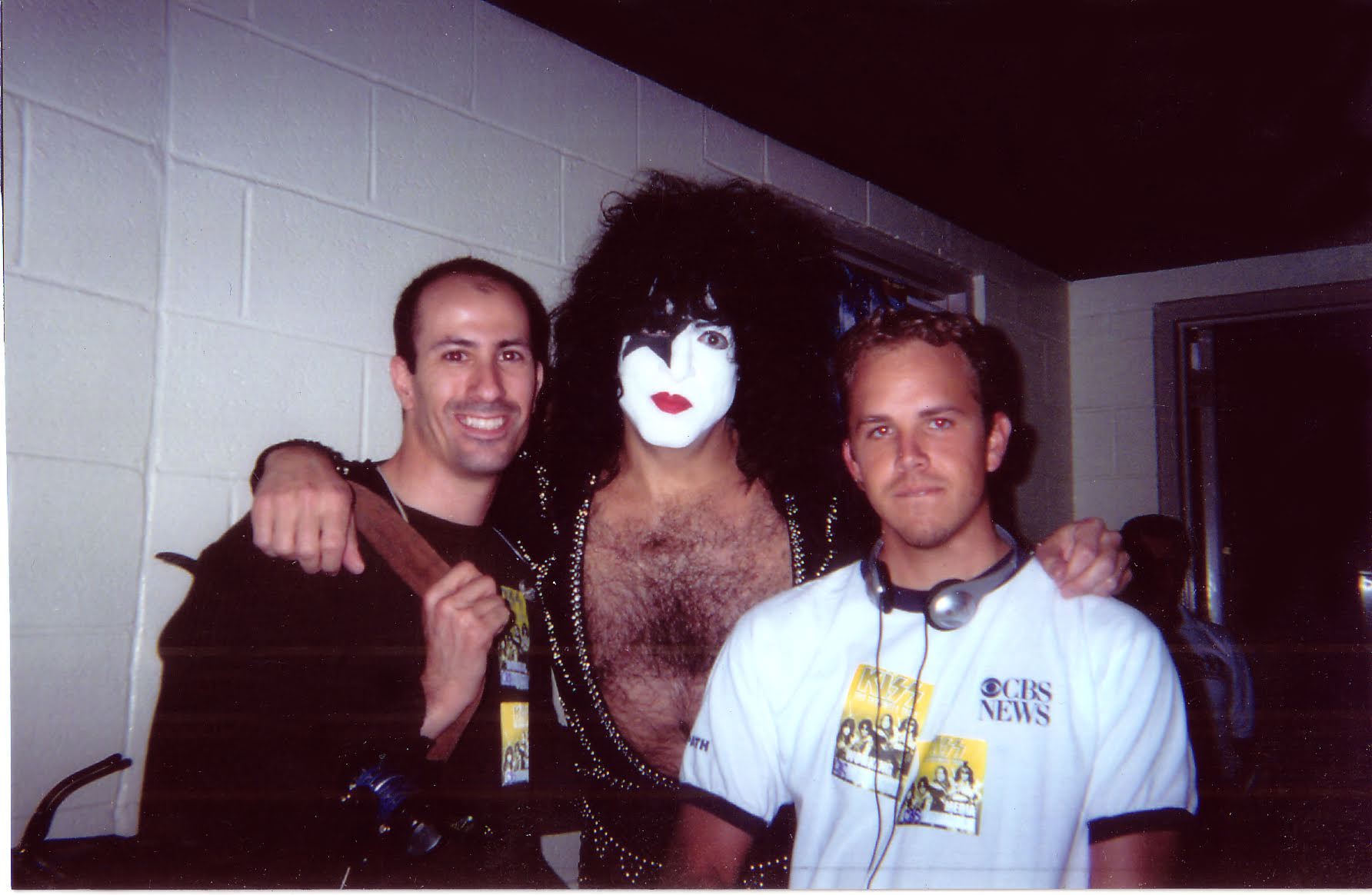
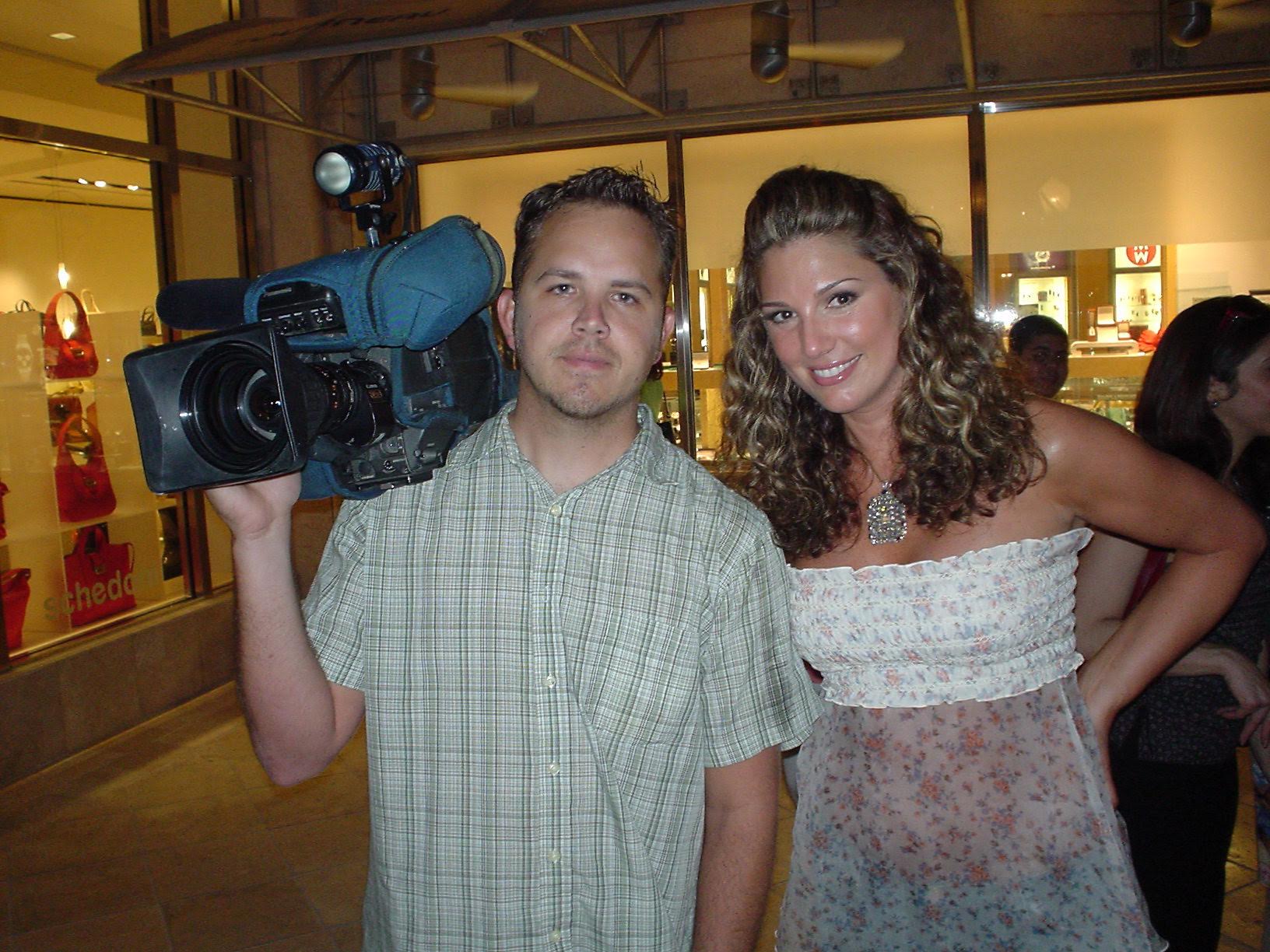
Image Credits
Robert Lyon