

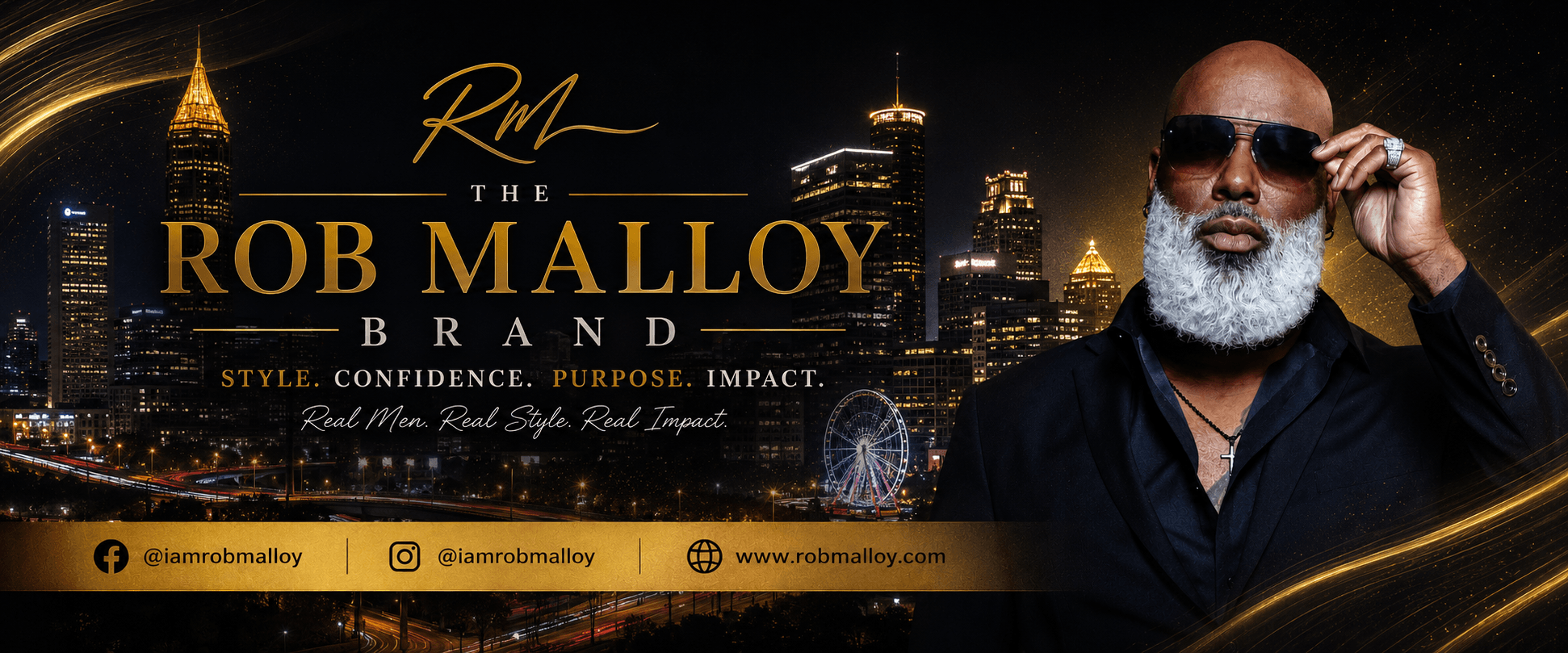

We caught up with the brilliant and insightful Rob Malloy a few weeks ago and have shared our conversation below.
Rob, thanks for joining us, excited to have you contributing your stories and insights. What’s been the most meaningful project you’ve worked on?
When I created Fashion Is Therapy™ (F.I.T.), it was born out of a profound personal realization: healing from deep-seated trauma should never be hidden away in the shadows—it deserves to be visible, accessible, and loudly celebrated. As a United States Air Force Veteran, I intimately understand the invisible wounds, post-traumatic stress, and severe loss of identity that so many of us carry after facing intense adversity or military service. I realized that traditional recovery methods often overlook a critical element of healing: a person’s physical, visible self-concept. Trauma doesn’t just live in our minds; it manifests outwardly, causing survivors to hide away, withdraw from society, and carry physical tension and anxiety in their bodies.
To break this cycle, I built Fashion Is Therapy™ to merge creative self-expression, wardrobe curation, and confidence building into a structured tool for true emotional restoration. By changing how we present ourselves to the world, this program gives survivors a tangible way to physically release stored anxiety, rediscover their authentic identity, and reoccupy their personal space with absolute power. Why I Partnered with Keeping Veterans Fit, Inc.
To turn this vision into a rigorous, reproducible reality that could change lives on a broader scale, I partnered with Keeping Veterans Fit, Inc. (KVF). This partnership was forged out of our shared values and an unshakeable commitment to social good and community resilience. Translating My Vision into a Clinical Curriculum: Keeping Veterans Fit, Inc. provided the operational expertise needed to formalize Fashion Is Therapy™ into a rigorous, 8-module trauma-informed curriculum. KVF’s framework beautifully weaves mental wellness, somatic trauma-discharge, and leadership development directly into our program. Building Bridges to Long-Term Independence:
By partnering with KVF, we ensure the program goes far beyond a temporary makeover or a superficial fashion show. We structurally engineered the curriculum to transition participants from emotional healing into practical financial literacy, career mapping, and entrepreneurship, establishing permanent pathways to self-sufficiency. A Scalable Model for Institutional Change: KVF’s unique capacity-building model allows us to expand responsibly. Rather than hosting a single, fleeting event, we utilize intensive “Train-the-Trainer” certifications to equip local non-profits and community advocates with the exact tools they need to run the program independently and sustainably for years to come. By unifying my public platform and advocacy with Keeping Veterans Fit, Inc.’s operational execution, we ensure that veterans and crisis survivors are never alone in their journeys. Together, we have built a powerful vehicle for social good that empowers entire communities to stop merely surviving, step into the light, and wear their transformation proudly.
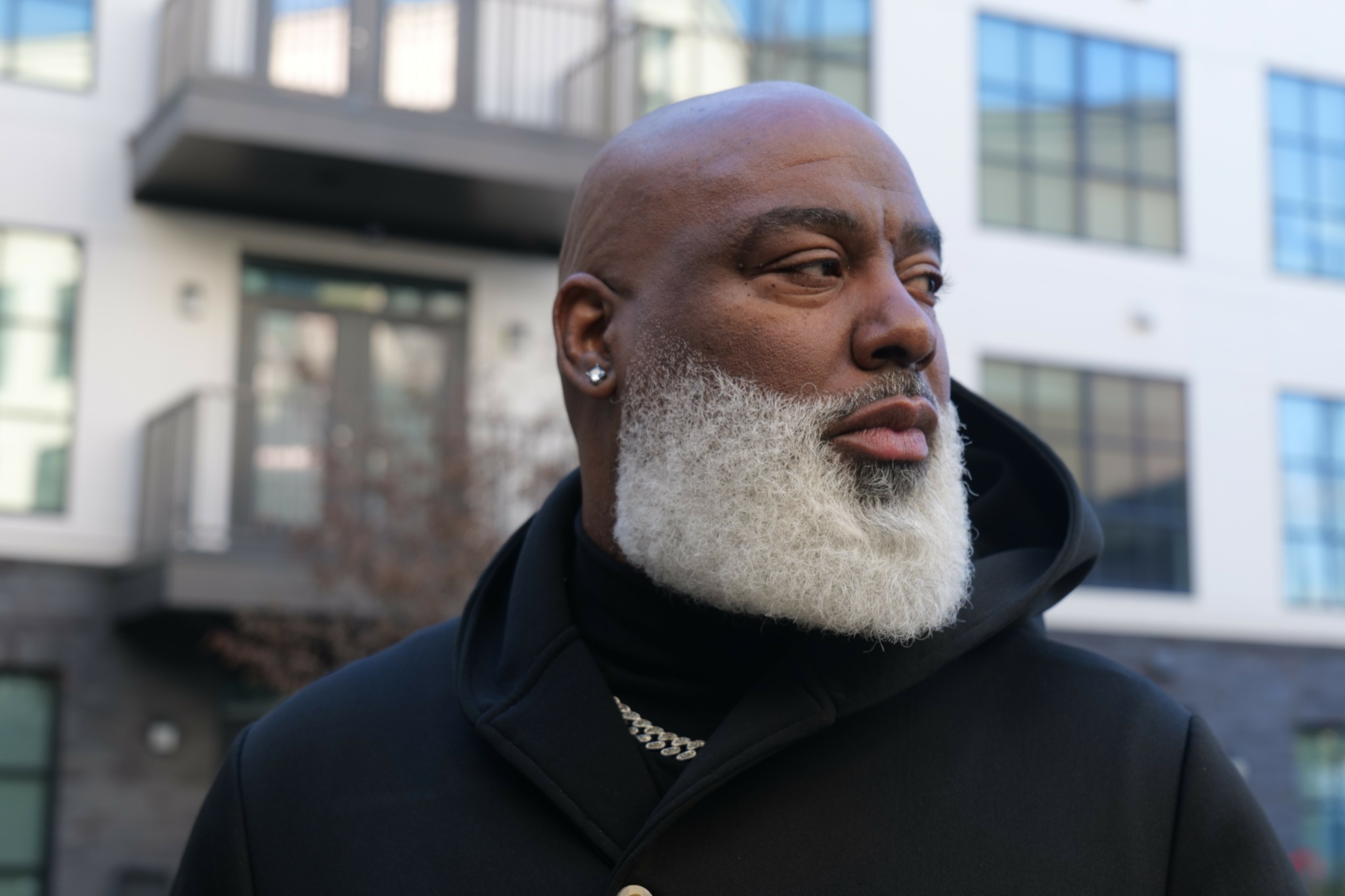
Great, appreciate you sharing that with us. Before we ask you to share more of your insights, can you take a moment to introduce yourself and how you got to where you are today to our readers.
For readers who may be meeting me for the first time, my name is Robert D. Malloy—though many in the digital world know me as “Rob Malloy – Your Favorite Silverfox.” My life’s work is driven by a deep conviction that service doesn’t end when you take off a uniform, and that true, deep-seated healing from trauma should never be hidden away in the shadows—it deserves to be visible, accessible, and loudly celebrated.
My Journey: From the Air Force to Visible AdvocacyMy discipline and craft were forged in two very different worlds: military service and multimedia brand management. As a proud United States Air Force Veteran, I intimately understand the invisible wounds, post-traumatic stress, and profound loss of identity that so many of our heroes carry. When I transitioned out of active duty, my commitment to service didn’t end; it simply evolved into a lifelong mission to help others discover strength, confidence, and purpose after adversity.
As I built my public platform and personal brand, I realized I had been given a unique gift: visibility. I saw a glaring gap in traditional recovery spaces. While clinical therapy is vital, traditional methods often overlook a person’s physical, visible self-concept. Trauma doesn’t just live in our minds; it manifests outwardly. It causes survivors to hide under oversized clothing, carry severe physical tension, protect their personal space, and withdraw from society. I entered this space because I knew we had to start treating the whole person, using creative expression to bridge the gap between internal healing and external confidence.
What We Provide & The Problems We Solve
Through my partnership as Board Chair of the nonprofit organization Keeping Veterans Fit, Inc. (KVF), we have developed a groundbreaking vehicle for social good: Fashion Is Therapy™ (F.I.T.). This is not a superficial makeover or a standard clothing drive. It is a rigorous, 8-module trauma-informed curriculum that uses wardrobe curation, style, color psychology, and specialized posture and runway coaching as structured, clinical tools for emotional healing and self-regulation.
We solve several critical problems for our participants and communities:
Releasing Somatic Trauma: We teach participants how to physically release stored anxiety and trauma through somatic movement, allowing them to reoccupy their personal space with absolute power.
Bridges to Economic Independence: We transition participants directly from emotional restoration into practical financial literacy, career mapping, resume building, and entrepreneurship so they can secure long-term financial self-sufficiency.
Combating Isolation and Preventing Suicide: For our veterans, a primary focus of our plan is suicide prevention. By stepping into high-need areas—like our current regional expansion in St. Croix, U.S. Virgin Islands—we deploy structured peer support networks (our P.A.L.S. framework) to alleviate the heavy isolation of PTSD and catch those falling through the cracks.
What completely sets my brand and organization apart is our institutional capacity-building model. We don’t just parachute into a community, host a fleeting event, and leave. Keeping Veterans Fit, Inc. acts strictly as an operational resource facilitator. We deploy intensive “Train-the-Trainer” certification summits to hand over our copywritten curriculum to local 501(c)(3) organizations, leaving a permanent local vanguard of trained advocates who can run the program sustainably for years. Furthermore, we bring massive national visibility to these local efforts through a high-impact, dual-format media pipeline, including our long-form verité documentary Stronger Than Trauma and our vertical companion docuseries Mission St. Croix.
I am most proud of our expansion beyond veteran care to support survivors of Domestic Violence, Sexual Assault, and Human Trafficking. Headquartered in Atlanta, Georgia—a metropolitan area that heartbreakingly ranks number 2 in the United States for Human Trafficking—I have seen the devastating intersection of exploitation and trauma firsthand. Being able to take the infrastructure blueprints we built, secure land, and design an off-grid, climate-resilient 5-acre pilot community in St. Croix that features strict spatial cohort boundaries so veterans and crisis survivors can heal safely and harmoniously side-by-side is the honor of my life.
If there is one thing I want potential clients, followers, and sponsors to know about the Rob Malloy brand and Keeping Veterans Fit, Inc., it is that Stronger Than Trauma™ is not simply a program. It is a promise. It is a promise rooted in the values I carried in the military: Integrity First, Service Before Self.
No veteran, survivor, or community member should ever have to walk their healing journey alone. Whether you are looking to sponsor an event like our upcoming Purple Carpet Bash, partner with us to bring our institutional licensing to your local civic agency, or follow our docuseries journey, you are joining a movement. We are proving to the world that you are not defined by the trauma you have experienced; you are defined by the unshakeable strength you discover while healing from it, re Self, and Excellence in All We Do.
Together, we are stronger than trauma. One mission, one movement, one community at a time.

Is there something you think non-creatives will struggle to understand about your journey as a creative?
When people see my platform, the “Your Favorite Silverfox” brand, or a high-energy runway showcase, it’s easy for a non-creative to dismiss it as superficial glitter, clothing curation, or just “looking good.” What they miss is the profound psychological and physical engineering happening beneath the surface.
As a veteran, I know firsthand that trauma isn’t just a set of thoughts you talk about in a sterile room; it is an invisible wound that physically traps itself inside your body. It warps your posture, causes you to physically shrink to protect yourself, and triggers intense social anxiety. For a non-creative, a suit is just fabric. For me, a structured silhouette is physical armor that alters how a survivor stands, breathes, and reoccupies their space.
Non-creatives often think linearly: if you have a problem, take a pill or talk it out. But when you are dealing with deep trauma—whether it’s a veteran battling severe PTSD or a survivor of human trafficking—the logical mind is often locked down. Creative expression bypasses that blockade. We are using color psychology, wardrobe curation, and specialized runway coaching to physically pull people out of the dark, release somatic anxiety, and rebuild a shattered self-concept from the outside in.
The enlightenment I want to offer is this: creativity isn’t a luxury or a hobby; it is a gateway to human restoration. It takes a creative eye to look at a survivor who has been completely broken by the world, see a powerful leader standing inside them, and use a runway to show that transformation to the entire community.
What’s a lesson you had to unlearn and what’s the backstory?
The biggest lesson I had to completely unlearn on this journey is the military mindset that “true service requires you to be an invisible savior who suffers in silence.”
As a proud United States Air Force Veteran, I was deeply trained in the core value of Service Before Self. In the military, you learn to complete the mission at all costs, bury your personal vulnerabilities, and execute your duties without seeking visibility or praise. For a long time, I carried that exact same mentality into my civilian advocacy and nonprofit work. I believed that to truly serve veterans and trauma survivors, I had to stay entirely behind the scenes, absorb everyone else’s secondary trauma, and keep my own story locked away. I thought putting myself or my brand out there would distract from the mission.
The backstory of how I broke that mindset comes down to watching too many veterans fall through the cracks and realizing that our quiet, traditional approaches weren’t doing enough to stop the heavy isolation of PTSD and prevent suicide. I looked at the devastating realities of trauma—including the horrifying prevalence of human trafficking in metropolitan areas like Atlanta, right where Keeping Veterans Fit, Inc. is headquartered—and realized that hiding the work was a disservice to the people who needed it most.
I had to learn that visibility isn’t vanity; visibility is leverage.
When I stopped hiding behind the scenes and intentionally aligned my public platform, “Rob Malloy – Your Favorite Silverfox,” with our Stronger Than Trauma™ movement, everything shifted. By stepping into the light and using my personal brand, I realized I could shine a massive spotlight on hidden issues like post-traumatic stress and human trafficking recovery. My visibility became the ultimate tool to drive corporate sponsorships, secure large-scale funding, and establish crucial B2B institutional partnerships.
More importantly, I unlearned the “silent savior” narrative when we built our operational framework for Mission St. Croix. In our dual-format media pipeline—including our Stronger Than Trauma verité documentary and Mission St. Croix docuseries—our cameras intentionally de-center the traditional “savior” narrative. We don’t pretend an outside organization is swooping in to save the day; instead, we film the raw, collaborative planning roundtables to show that we are facilitating tools to build up the long-term capacity of local Caribbean advocates.
Unlearning the need to be invisible allowed me to see that healing should be visible, accessible, and loudly celebrated. I had to realize that my voice, my platform, and my brand weren’t a distraction—they were a promise that no veteran or survivor would ever have to walk their journey alone.
Contact Info:
- Website: https://www.robmalloy.com
- Instagram: https://www.instagram.com/iamrobmalloy
- Facebook: https://www.facebook.com/iamrobmalloy
- Other: TikTok – @iamrobmalloy
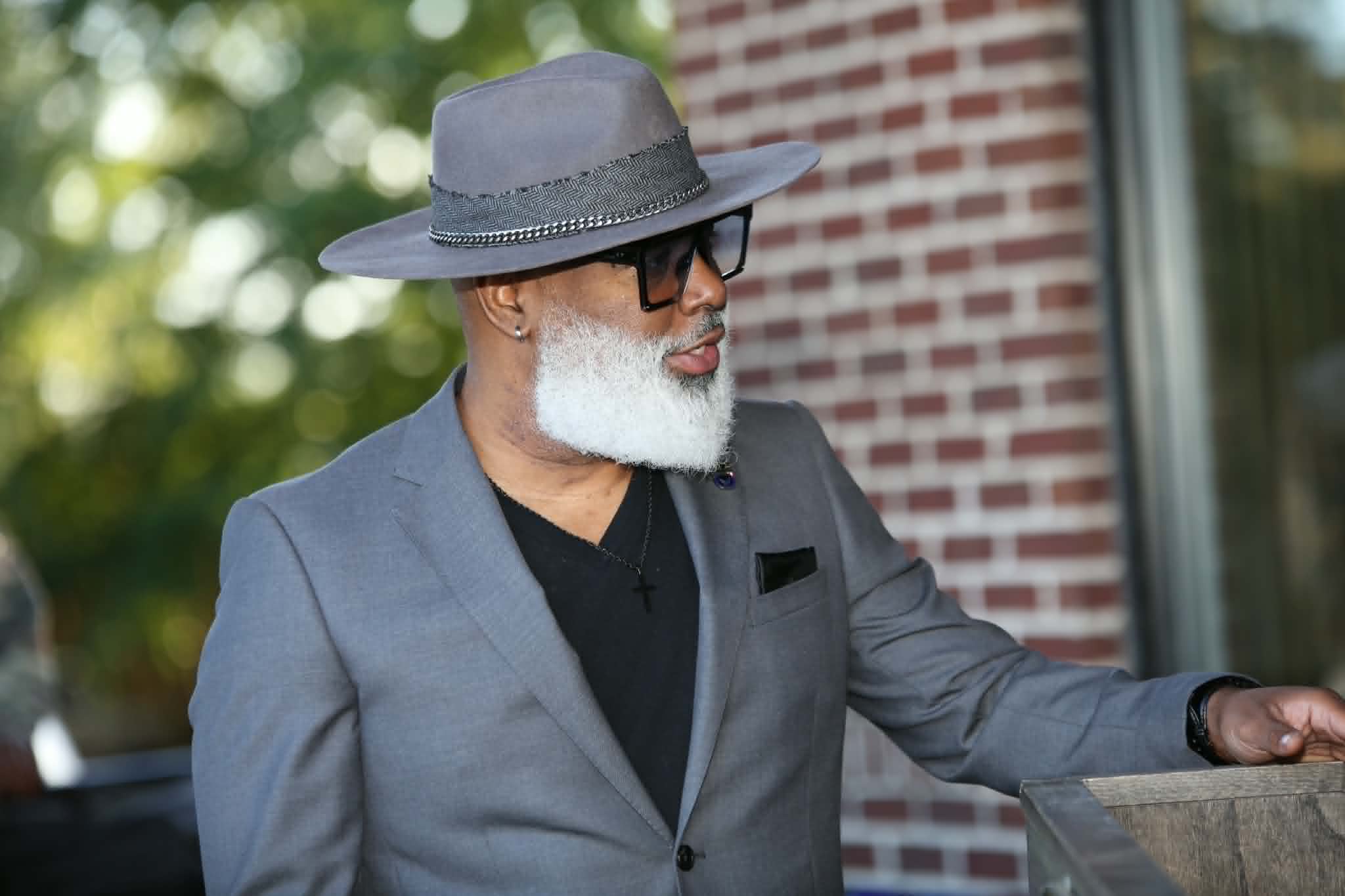
Image Credits
Major Mindz Media , Asante ” Cloud” Watkins, AVF Photographers