
Alright – so today we’ve got the honor of introducing you to Ricardo Leveron. We think you’ll enjoy our conversation, we’ve shared it below.
Ricardo, appreciate you joining us today. Can you tell us about a time that your work has been misunderstood? Why do you think it happened and did any interesting insights emerge from the experience?
Absolutely!
I think a lot of my life has been about being misunderstood in different ways depending on the room I’m in.
In more traditional spaces, people sometimes see the DJing, the clothes, the queer expression, or the nightlife world and assume it’s all surface-level or chaotic, when in reality a lot of my work comes from a very emotional and intentional place. Music honestly became one of the first ways I learned how to process emotion and create connection.
But interestingly, in creative spaces, I’ve also felt misunderstood for having a background in real estate, business, and structure. There’s this weird pressure for artists to look like they’re struggling or disorganized in order to feel “authentic.” I never fully fit into either world.
Over time though, I started realizing there are actually a lot more people like me than I originally thought. Through music and festivals, I’ve met incredibly successful professionals, married couples, people with very established lives, who still deeply crave joy, freedom, connection, and spaces where they can just let go and feel alive again. Some of them don’t come out often, but when they do, they fully light up.
I think that really shifted my perspective. It made me realize nightlife and dance culture aren’t just about partying, they’re about release, community, and temporarily stepping outside of the roles people carry every day. I’ve been lucky in this stage of my life to have the freedom to immerse myself in those environments more fully and even help create them for other people.
For a while, I felt like I had to compartmentalize myself depending on who I was around. Now I think the tension between all those identities is actually where my work comes from. A lot of the sets I play and communities I gravitate toward are really about giving people permission to exist more fully without feeling boxed into one version of themselves.
I think the biggest lesson was learning that being misunderstood is sometimes the cost of becoming more honest about who you are. And honestly, the more comfortable I’ve become with that, the more meaningful my work has started to feel.

Ricardo, before we move on to more of these sorts of questions, can you take some time to bring our readers up to speed on you and what you do?
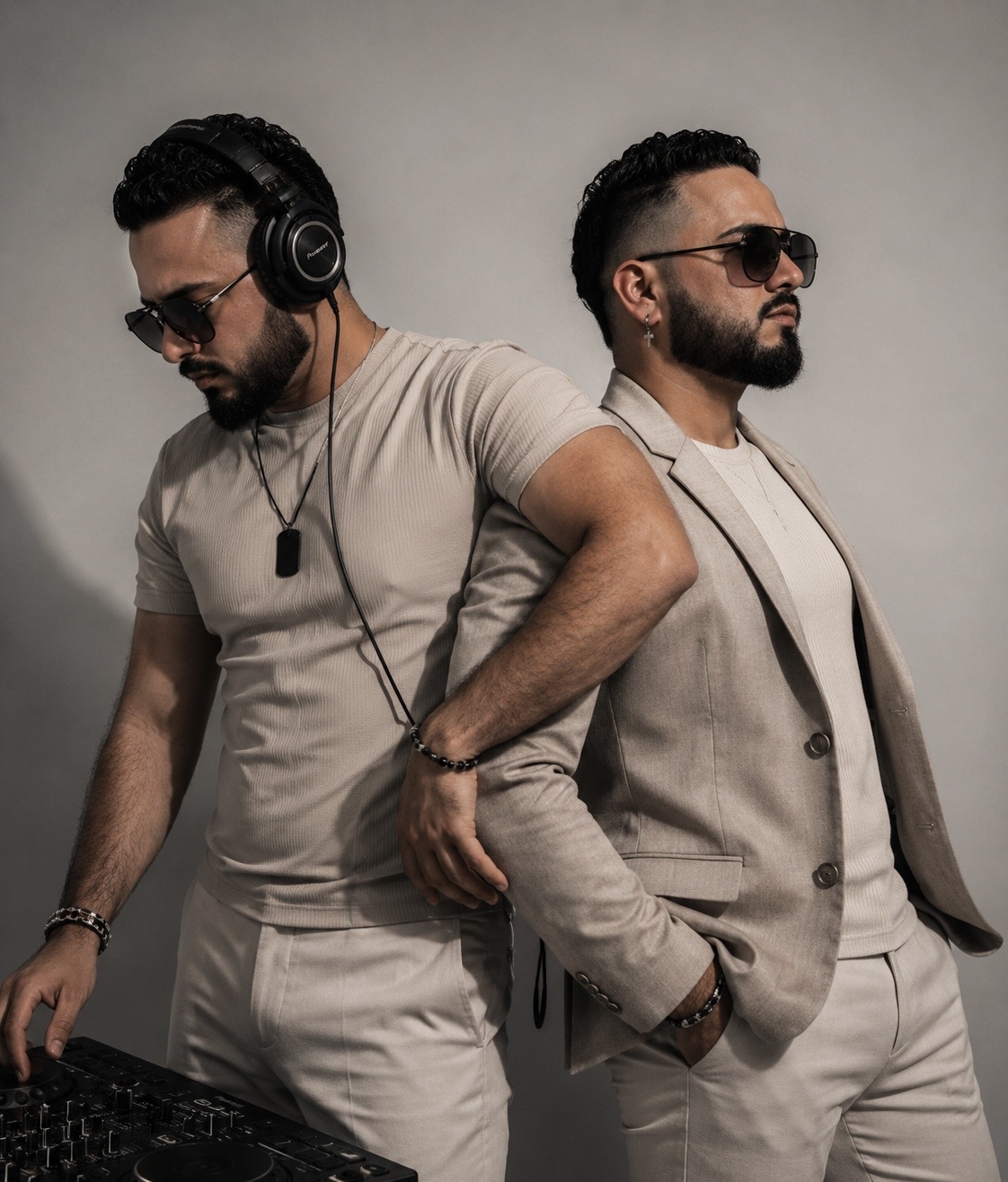
I’m Ricky Leverón, a Honduran-born DJ and creative based in Chattanooga, Tennessee. My work sits somewhere between music, movement, emotion, and community.
I grew up in Siguatepeque, Honduras, and rhythm has honestly been part of my life for as long as I can remember. Before I ever had DJ equipment as an adult, I was making homemade drums out of random objects around the house as a kid. I think I was always chasing feeling before I even understood what music production or DJing really was.
A huge part of my musical foundation comes from being Honduran and from the Afro-Latino influence of the Garifuna community there. Percussion-heavy music always felt familiar to me on a deeper level. Over time, that evolved into a love for Afro house, melodic house, progressive house, liquid techno and more immersive electronic music. Lately, I’ve been especially inspired by Middle Eastern percussion, atmospheric sounds, and European bass-driven dance music that feels emotional, hypnotic, and sensual at the same time.
I’m very intentional with the emotional arc of my sets. Of course I want people to dance, but I’m more interested in creating an experience where people feel transported. I want people to feel sexy, free, flirty, emotionally open, connected to their bodies, connected to each other, maybe even emotionally confronted in a beautiful way. The best dance floors, to me, almost feel spiritual without taking themselves too seriously.
What makes my path a little unconventional is that I didn’t come into this world from only a music background. I also built a career in real estate and business, and honestly that taught me a lot about human behavior, communication, energy, branding, and how people experience spaces. I think those experiences shaped me just as much as music did.
Beyond DJing, I’m also deeply interested in building community-centered experiences. A lot of the events and concepts I’m drawn to involve inclusivity, movement, visual atmosphere, wellness, queer expression, and creating environments where people can feel fully present without judgment. I’m interested in what happens when nightlife becomes intentional rather than escapist.
What I’m most proud of right now is that I’ve allowed myself to become more honest in my work. Earlier on, I worried a lot about fitting into a category or being taken seriously in certain spaces. Now I’m much more interested in creating from a real place rather than trying to perform an identity.
More than anything, I want people to feel something when they experience my sets. Even if it’s subtle. I want the music, the atmosphere, and the energy to stay with people long after the night ends.

Is there something you think non-creatives will struggle to understand about your journey as a creative? Maybe you can provide some insight – you never know who might benefit from the enlightenment.
I think one thing non-creatives sometimes struggle to understand is how emotionally intertwined creativity can become with your identity and your sense of self-worth.
A lot of creative work doesn’t come with immediate validation, structure, or certainty. You can spend months building something deeply personal, emotionally honest, and technically difficult, and still wonder if anyone truly sees the vision yet. From the outside, people often only see the fun parts — the music, the nightlife, the visuals, the events — but they don’t always see the emotional labor, self-doubt, discipline, and vulnerability behind creating something meaningful.
Especially in music, I think people underestimate how much energy goes into crafting feeling. A set isn’t just a playlist to me. It’s emotional storytelling, tension and release, reading human energy in real time, creating atmosphere, and trying to guide people into a shared emotional experience without using words. There’s something very intimate about that.
I also think non-creatives sometimes assume creativity is purely spontaneous or chaotic, when in reality a lot of it requires structure, consistency, and obsession. Inspiration matters, but discipline is what allows ideas to become real.
At the same time, I’ve learned that being a creative is less about constantly proving yourself and more about staying connected to curiosity and honesty. Early on, I put a lot of pressure on myself to fit into certain scenes or be perceived a certain way. As I’ve grown, I’ve realized people connect most deeply when your work actually reflects who you are.
I think the biggest lesson for me has been understanding that creativity isn’t separate from life — it’s a way of processing life. A lot of the music I’m drawn to, especially percussion-heavy and emotionally immersive sounds, comes from identity, memory, movement, culture, heartbreak, joy, desire, and human connection. The art is just the visible result of all those invisible experiences colliding together.

How can we best help foster a strong, supportive environment for artists and creatives?
I think one of the biggest ways society can better support artists and creatives is by learning how to engage with art more intentionally and more presently. Especially in music and nightlife culture, we’ve entered an era where a lot of experiences are filtered through validation, social media, status, and visibility instead of genuine connection.
Sometimes it feels like people are more focused on capturing the perfect video or proving they were somewhere than actually experiencing the moment. Some of the most powerful musical experiences I’ve ever had happened at small underground events with minimal production and no pressure to perform for social media — just people fully present, open, dancing, connecting, and letting go.
I think we need more of that. Less obsession with being seen, more willingness to actually feel something. The attention we constantly give to phones and validation could instead go toward the music, the people we came with, the strangers around us, and the experience itself.
One thing I love about dance music culture at its best is that it temporarily dissolves social hierarchy. On a dance floor, it doesn’t matter what your job title is, how much money you make, or where you come from. Everyone becomes equal through shared energy and emotion.
I also think supporting creatives means respecting creative labor. Most artists do this because they love it, but passion doesn’t pay bills on its own. Supporting local artists, paying creatives fairly, showing up consistently, and valuing art as real work are all essential to keeping creative communities alive and healthy.
Contact Info:
- Instagram: https://www.instagram.com/rickyleveron
- Facebook: https://www.facebook.com/TheRickyLeveron
- Youtube: https://www.youtube.com/@RickyLeveron
- Soundcloud: https://soundcloud.com/ricardo-leveron