

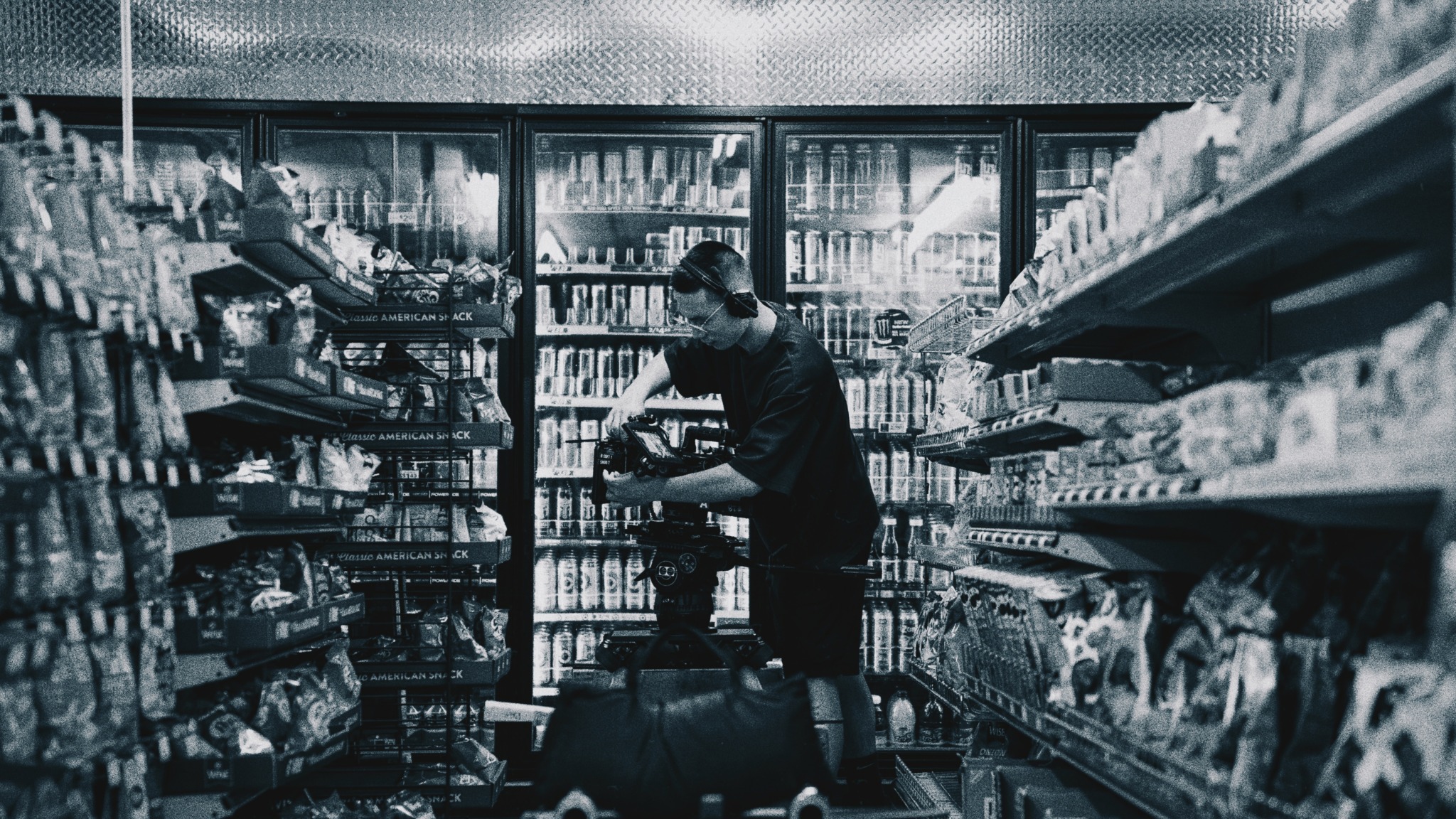

We were lucky to catch up with Rex Wong recently and have shared our conversation below.
Rex, looking forward to hearing all of your stories today. Learning the craft is often a unique journey from every creative – we’d love to hear about your journey and if knowing what you know now, you would have done anything differently to speed up the learning process.
I learned to do what I do largely by making a lot of work and paying attention to what came out of it. Photography and cinematography developed alongside each other in a very informal way, through constant shooting, experimenting with friends, traveling, and responding instinctively to different environments. There was no fixed structure early on. I simply kept making images and, over time, began to notice patterns going through my own work. Those patterns helped me understand how I respond to the world. Formal education later gave me the tools and language to articulate those instincts, but most of the learning came from hands on experiences.<font></font> <font></font>
Looking back, what slowed my learning was not being in the right environment. I learn best when surrounded by people who are equally motivated or more skilled—situations where everyone pushes each other to improve and where progress feels collective. I have never been comfortable being the best person in the room. The thing I fear most is stagnating, or standing still. Some circumstances are simply part of life but over time I learned that growth still depends on personal accountability: pushing yourself, recognizing when you are not working hard enough and reminding yourself that there is always room to improve.<font></font>
<font></font>
Technical skills can always be learned but qualities like kindness, humility, and a willingness to keep learning shape how that knowledge is applied. These are the essentials in the professional setting and in life.<font></font>
<font></font>
The main obstacle has never been learning itself, but time. Balancing professional responsibilities with personal projects is an ongoing challenge. Professional work naturally demands focus and consistency and that is something I take pride in. At the same time, personal projects, whether photographic or fil require time and space to develop. Since graduating, that imbalance has often made progress feel slower, even while working hard every day. Learning to accept that pace, while continuing to show up for both practices, has become an important part of sustaining my work.
Rex, love having you share your insights with us. Before we ask you more questions, maybe you can take a moment to introduce yourself to our readers who might have missed our earlier conversations?
I am a cinematographer and fine art photographer, whose work spans a range of visual approaches across different projects. Born and raised in Hong Kong, I began making images through travel and daily life, learning informally by shooting, experimenting, and responding to environment. I earned a BFA in Film and Photography from the Savannah College of Art and Design (SCAD). Alongside my professional work as a cinematographer, I am continuing to build my footing within the fine art photography world, a space that has always been central to my interests. I am developing that practice through the MFA Photography program at SCAD, using the structure and mentorship of the program to navigate the fine art landscape more intentionally.
I work primarily as a cinematographer, alongside an ongoing fine art photography practice. Much of my professional experience has involved working through projects from early planning to final delivery, where communication and preparation play a significant role in keeping expectations aligned. I am used to adapting to different working conditions, whether on structured productions or more fluid, fast-paced shoots and adjusting my approach based on the needs of each project.
I tend to approach my work by paying equal attention to creative intent and practical realities. Rather than relying on a fixed aesthetic, I respond to what the project calls for and work within its constraints. I value collaboration, problem solving and maintaining strong working relationships.
For you, what’s the most rewarding aspect of being a creative?
For me, the most rewarding aspect of being an artist is the act of creating itself, especially through photography. I rarely feel fully satisfied with finished images because there is always something that could be changed. What keeps me engaged is the process, seeing an image slowly come together and watching a body of work or series take shape over time.
Photography gives me a kind of freedom and calm that is difficult to find elsewhere. It allows me to work at my own pace, make decisions independently and spend time with ideas as they develop. Being able to return to photography now, alongside professional film work, has given me more space to create consistently and with better resources. Working on personal projects, often on a smaller scale, and pulling everything together on my own is deeply rewarding.
I see photography as a storytelling device, one that opens up conversations and connections with others. Sharing images and talking about how they were made, or what led to them, has become one of the most meaningful parts of the process. Ultimately, what I find most rewarding is simply being able to create, revisit the work, and let it grow over time.
We’d love to hear the story of how you built up your social media audience?
I have not been very active on social media in recent years, largely because I have spent more time focusing on the work itself than on sharing it. At the same time, watching friends and peers post consistently and gain visibility made me realize that many people simply do not know I exist because they have not seen my work before. This feels like the first real attempt for me to show up more intentionally. I have talked about doing this for a long time and that is partly why I am saying yes to things like this interview, it feels like a natural step toward being more present and visible with my work.<font></font> <font></font>
Moving forward, I am interested in sharing not only finished images but also the process behind them. I think people are often curious about how work is made, the decisions, revisions, and effort that go into all my works. Showing that side of the work feels honest to me.<font></font>
<font></font>
I am approaching social media less as a marketing tool and more as a space to document, connect, and stay in motion. I am still figuring it out, but I believe consistency and effort matter more than perfection. Much of my work has developed independently, without access to a clearly defined creative community, and sharing more intentionally now feels like a natural way to open that work up and see where new connections may form.
Contact Info:
- Website: www.rexwch.com
- Instagram: https://www.instagram.com/rex_wch
- Linkedin: https://www.linkedin.com/in/rex-wch/
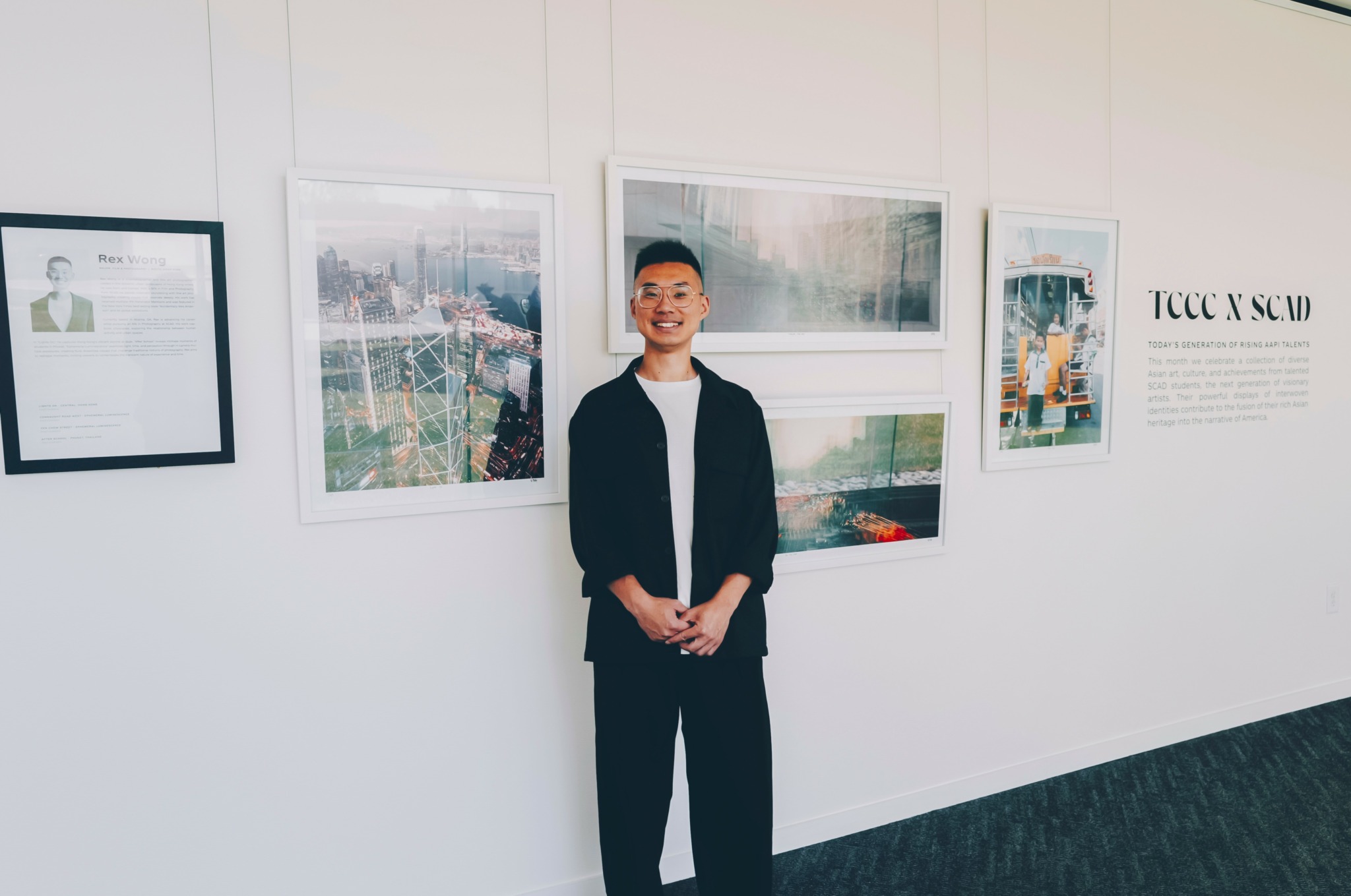
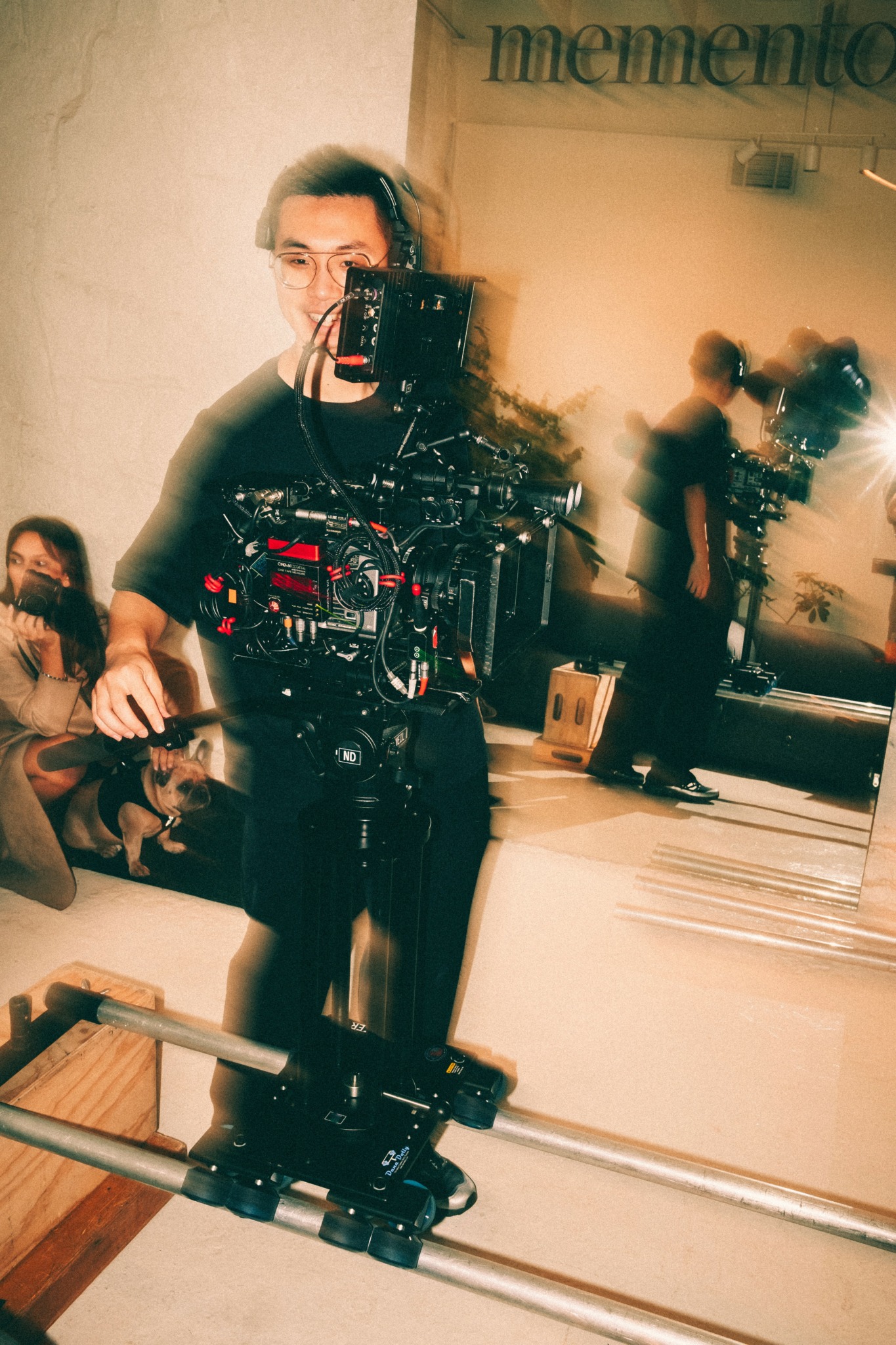
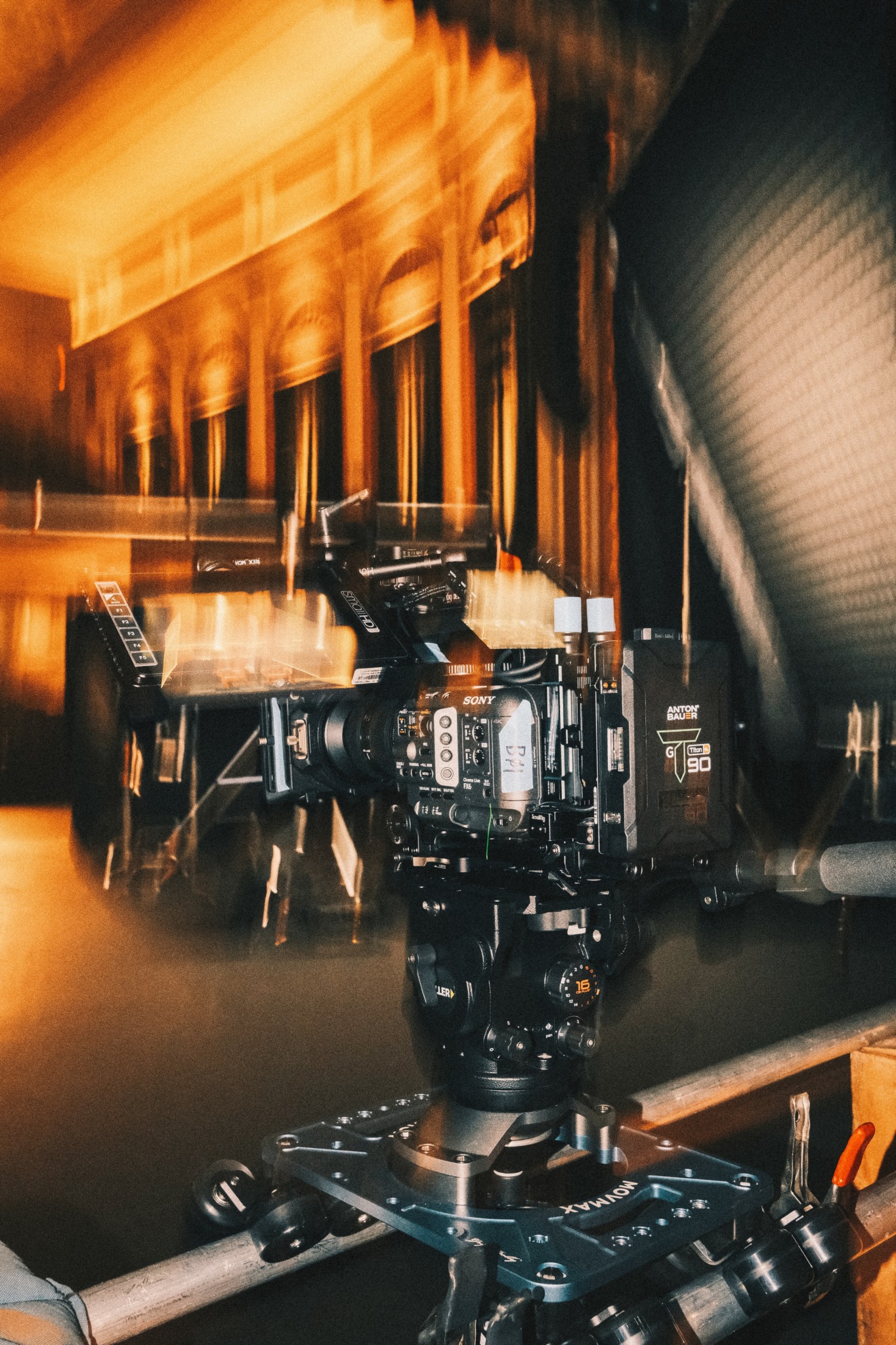
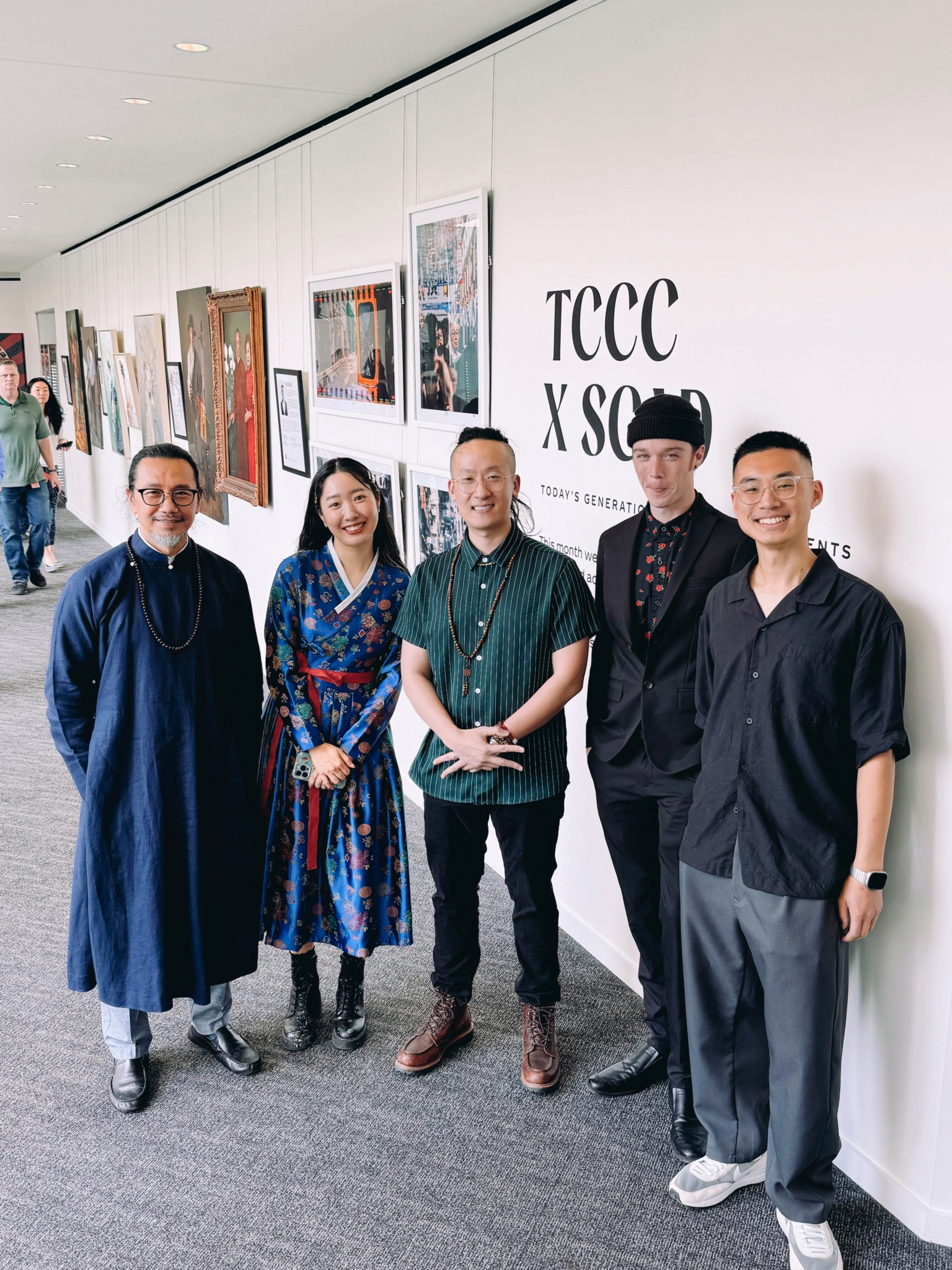
Image Credits
Rex Wong, Wesley Collins, Jacob Ho, Yusi Li, JingJing Lyu, Walton Ng, Drew Brown, Janne Monard, Accidentally Wes Anderson