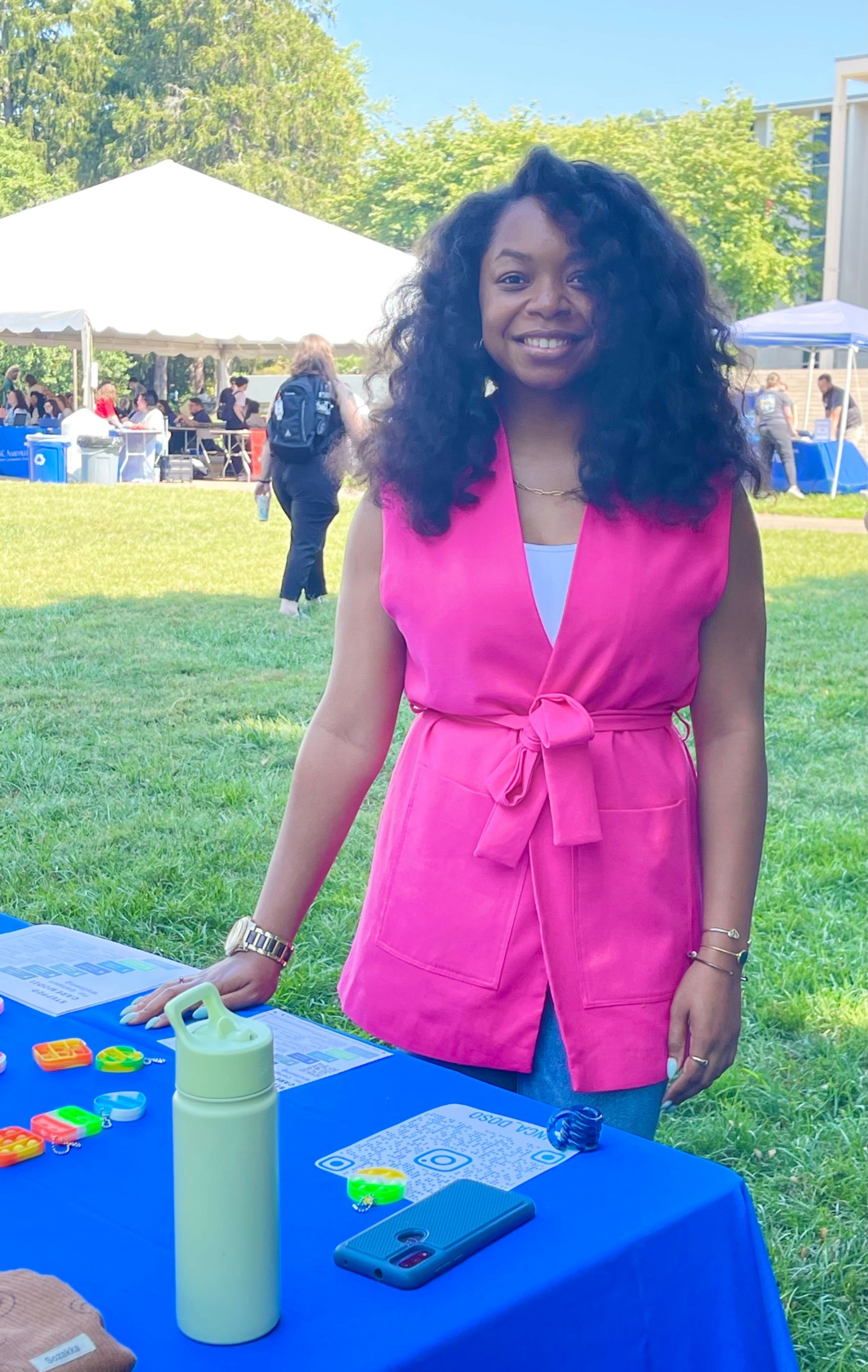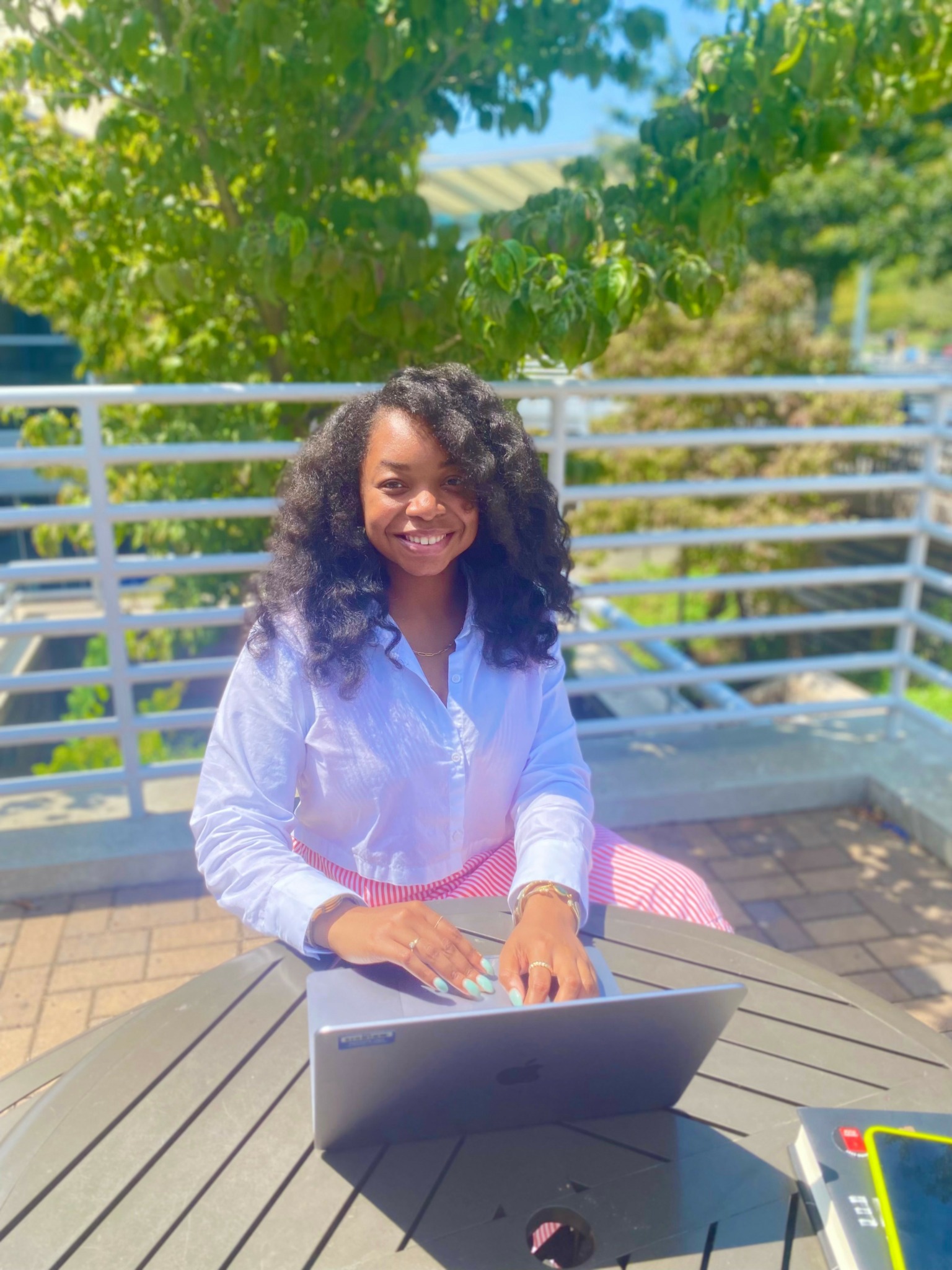

We were lucky to catch up with Resharia Keller recently and have shared our conversation below.
Resharia, looking forward to hearing all of your stories today. Do you have any thoughts about how to create a more inclusive workplace?
I think that as we continue to have conversations around diversity, inclusion and equity, it is imperative that our organizations take the necessary steps to see their stated missions, visions and values through in the manner intended. We place so much emphasis on promoting inclusivity and including it, no pun intended, in our advertising and marketing, that we can sometimes forget how to operationalize it in practice.
My advice for creating more inclusive workplaces is two-fold. First, I would advise not underestimating the importance of personal accountability and self-reflection. Trying to implement strategies and concepts that we do not fully understand is a sure way to cause harm and to puncture the fabric of the workplace culture. I think being committed to learning is the first step. We should all be making an effort to learn and understand what it means to be inclusive and equitable. That requires going beyond the definitions of the terms. How do we make meaning of the experiences of others? Is our current culture prepared for the implementation of new practices/expectations? How will we prepare for, and have, the difficult conversations that come along with challenging and disrupting long standing behaviors or traditions? Creating inclusive spaces is so much more than changing mission statements and asking people if they feel welcomed. To have inclusivity and equity be a part of the very fabric that makes up an organization, it has to show up in every aspect of every decision and behavior.
That leads me into my next suggestion: listening. An integral part of learning for many people is listening and taking note of the experiences of others. I think that is another critical component of creating an inclusive workplace environment. Independent reflection and learning, coupled with listening to other people, establishes the opportunity for mutual trust and a relationship that is mutually beneficial for both the organization and those who play a part in making it run. I am a huge advocate of listening tours, or spending time cultivating intentional relationships with members of my team and the larger organizational community. As I learn more about who people are and the experiences which have shaped them, both within our organization and outside of it, my perceptions around inclusion and the equitable treatment of others continue to expand. I gain more insight into what being valued and included looks like on an individual basis, which helps me picture what those things can look like on a larger, more systemic level.
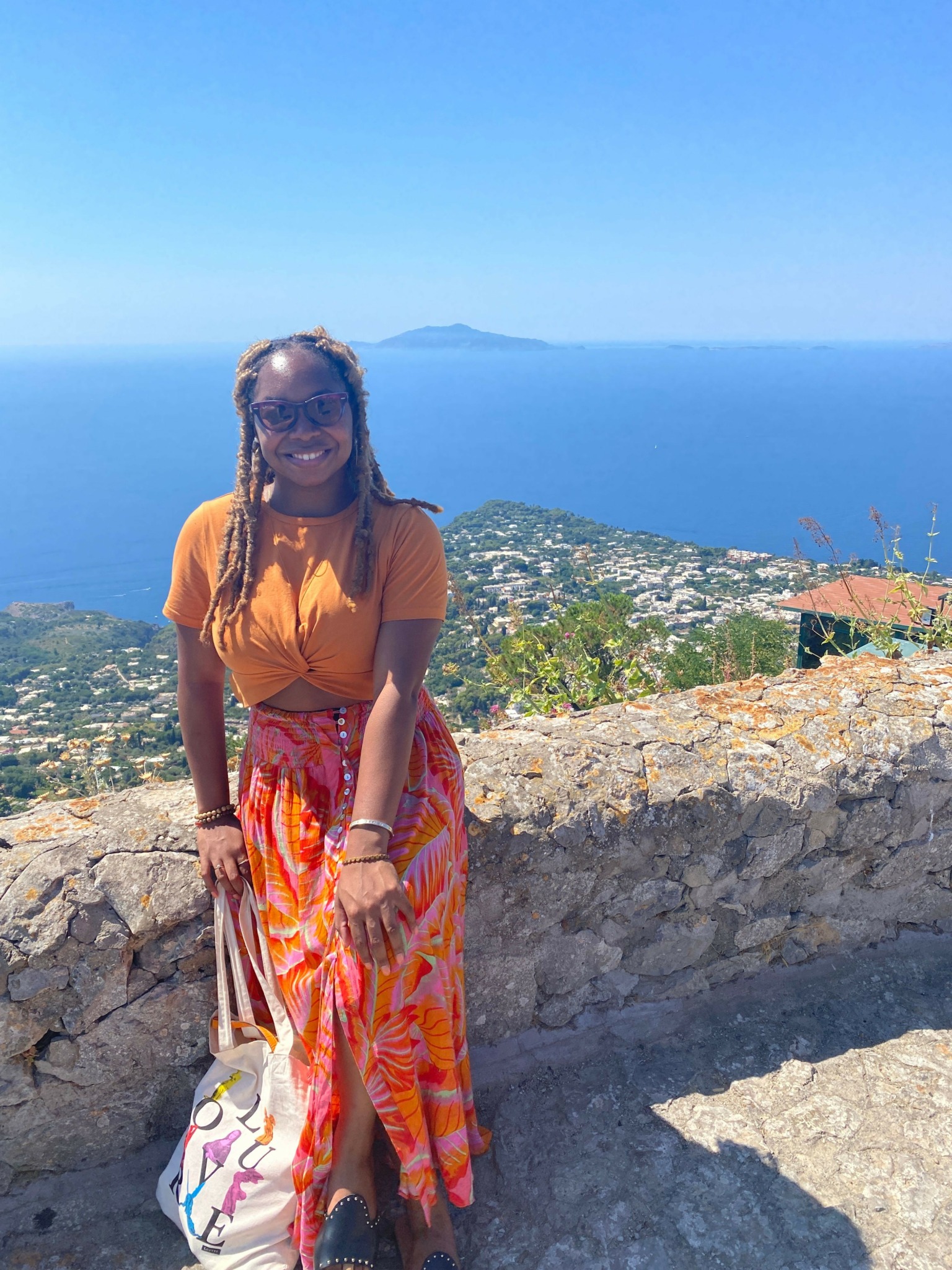
Resharia, before we move on to more of these sorts of questions, can you take some time to bring our readers up to speed on you and what you do?
I currently work full time as a higher education professional serving college students at a liberal arts university in North Carolina. My work is centered in student conduct; however, I welcome any and all opportunities to engage with students! I formerly worked in housing, so the transition to student conduct has been wonderful, yet eye-opening because of one specific reason: the stigma. I realize that the idea of navigating the student conduct process can be daunting, so a huge part of my personal mission is to continue breaking down some of the existing stigmas around the conduct process by modeling a restorative and educational approach to my campus community.
Although I have held different roles in higher education, my personal mission around service to students has remained the same. I always aim to provide equitable care to students and to show up as an advocate and support person for them. I think I am most proud of that fact as well. I really make it a point to be a consistent presence for my students, and I take pride in going above and beyond for them. Part of that comes from knowing just how much of a difference it can make. I was really fortunate as a student in that I always had administrators, faculty, staff members and mentors who cared for me, believed in me and saw my greatness even when I was unable to see it for myself. I will never forget or not acknowledge their impact, so I work to model how I approach student care around what I know got me to where I am and what will continue to provide me with the fuel needed for where I am going.
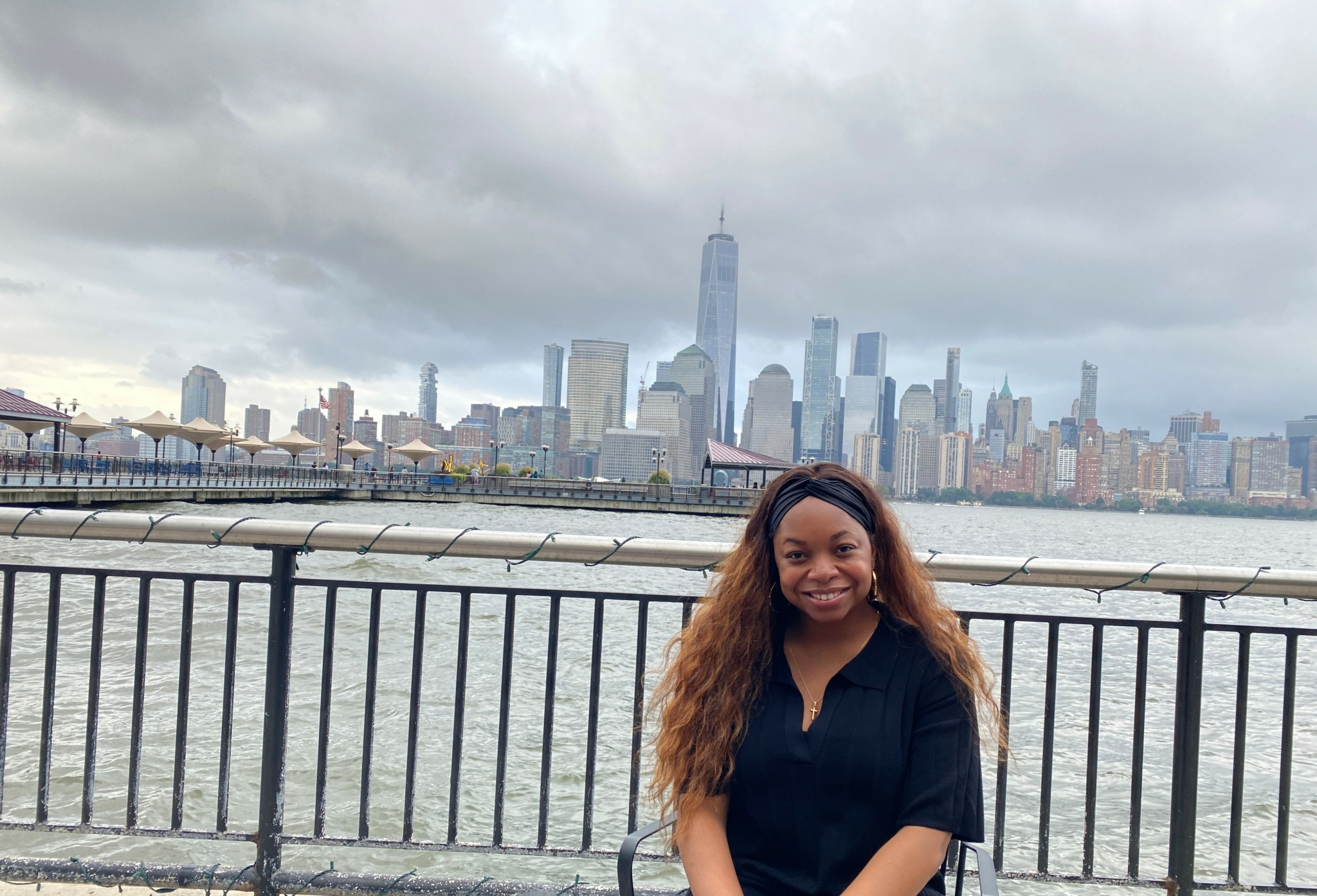
Any advice for managing a team?
I am a person that thrives in environments that promote and acknowledge individual strengths and the ability to work cohesively to create and sustain healthy and collaborative teams. I think my biggest piece of advice would be to practice seeing and investing in individual team members one-on-one. I think we can all sometimes struggle when we don’t feel acknowledged, valued or supported, and on a team it can become all too easy to focus on the impact of the entire group and not the individual contributions that make up that group’s outcomes or results. There is a way to do both! I have also had success when stating my intentions and expectations specifically with my teams. I feel like that has allowed me, as a team leader/supervisor, to gain an understanding of what the needs of each of my team members are and to cultivate my intentions with them around what I know that they need from me. This keeps me accountable to transparency. With that said, I make it a point to speak with my team members before I share my own intentions and expectations. Honestly, the more that I lead teams, the more that I observe the benefits of allowing my team’s personal needs and expectations to shape my intentions for our work together. That keeps me rooted in the fact that all team members have something of value to contribute and that their individual offerings have to mean just as much as the collective contributions.
When we look at our teams, the question may not need to immediately be framed around how that team is going to accomplish a specific goal FOR our organization (How are we going to reach this goal or make this deadline?), but maybe we start to consider how we, as leaders and supervisors, can develop and foster trust within our teams. (How can I see the team as collectively valuable while highlighting each person’s individual strengths, perspectives and ideas?) I think we have to prioritize creating that space on teams, and we have to make it a constant effort.
Can you tell us about a time you’ve had to pivot?
The most impactful pivot for me thus far has been my career shift! Prior to completing my undergraduate degree, I spent my last two years preparing to be an educator in a K12 setting. I researched extensively and found a great program that would allow me to work as a teacher while simultaneously preparing for licensure. I thought it was the perfect scenario for me, given that I had developed this strong passion for education and providing equitable care and access for students. I took all of the steps, got accepted to the program, took and passed my subject matter examination AND got a job offer!
When I graduated and moved to the location of my program, I completely shut down in mind, body and spirit. I had this overwhelming realization that I was not making the right decision. Not only that, but I was faced with the fact that I had no other plan. I knew that leaving the program meant starting over from square one AND going back home while I worked to figure things out.
Ultimately, I did leave the program. I was incredibly privileged in the fact that I had a safe space that I could return to and a network of family and friends that did not hesitate to support me and encourage me throughout one of the most challenging periods of my life. It was really during that time, as a result of pure happenstance, that I discovered how I could truly and effectively nurture my passion for education.
This journey was as much about NOT knowing all of the ways that I could create a career for myself as it was about knowing that what I thought was the perfect path forward for me needed a bit of modification. I thought that the only way that I could explore a passion for education was to teach in a classroom. Never had I considered, or even realized the possibility, that I could work with students pursuing education at the collegiate level. I had spent four years in college, heavily involved in co-curricular activities and experiences, and I had never realized that a career in higher education, more specifically student affairs, was a possibility OR that it could be something that would give me so much purpose.
That period of uncertainty became a huge part of my professional mission almost immediately after I began my career in higher education. I have had so many conversations with students sharing openly about my career shift and the fear and uncertainty that came along with redeveloping my path. I was unable to see it then, but that experience became a part of the way that I would ultimately connect with, care for and support others. I can identify with what so many students and young people go through as they try to figure out how to navigate life and career, etc. When I was in the thick of my professional shift, I wished that someone had been able to fully understand what I was feeling. I knew that I was cared for, and I knew that I had support, but I felt so isolated because it seemed as though nobody else could identify with what I was going through. The uncertainty, the embarrassment, the guilt, the shame and definitely not the panic. This is why I make it a point to share my story with my students, even today. Knowing that even one person can fully understand their experiences can mean the world to students, and that constantly reminds me that my own struggles were that much more worth it.
Contact Info:
- Other: Reach me via email at resharia4@gmail.com