

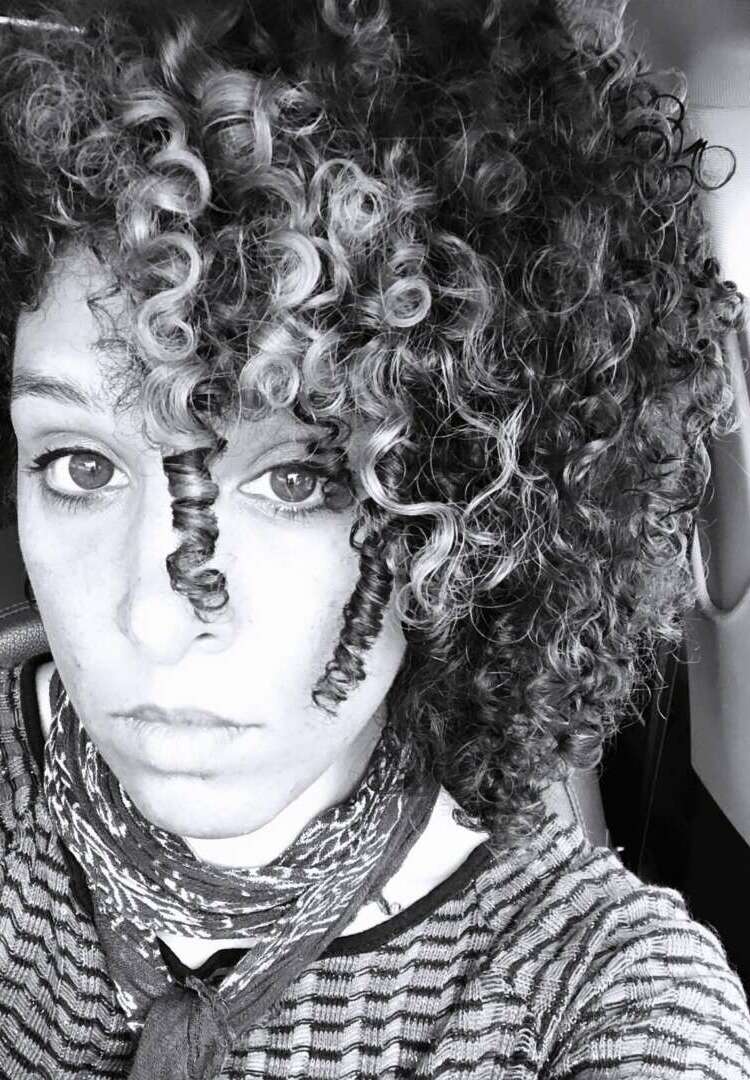

We recently connected with Raya Yarbrough and have shared our conversation below.
Raya, thanks for taking the time to share your stories with us today We’d love to hear about the things you feel your parents did right and how those things have impacted your career and life.
My father is open, and bright-faced, like the ocean.
My mother is deep, and fathomed in secret, like the ocean.
I was at the beach recently, settled on a dune. I looked out at the water. The ocean has always reminded me of my father, but that day my mind flashed on a painting by my mother: Acrylic and charcoal on canvas, duo chromatic, split into three levels of waves crashing on a shore. On that day, life was imitating art. Although the Venice Beach community was my father’s community, and I had always associated the sea with him, this painting of my mother’s had now become part of my understanding of “ocean.”
At that moment I realized that both of my parents had given me the ocean – and by extension, my understanding of perception, and communication of meaning. But they both did it differently.
I’ll back up a little.
Both of my parents are creatives. My father, Martin Yarbrough, is a singer/songwriter, and my mother is Pam Douglas, a painter/sculptor and a writer. I watched them succeed and I watched them struggle, and they did not hide the joys or the low points. They had many opportunities to steer me away from an artistic life but they let me follow my inspiration, as long as I worked on it. It would not have been enough to simply give me the “follow your bliss” directive, because even the most natural talent can only blossom when rooted in skill.
I watched my mother at the typewriter, days into days of screenplay edits, version after version, deadlines scalding the heels of her palms. I heard her on the phone with producers, fighting for her version of the story, her reality, her emotional understanding of the characters and circumstances. She didn’t have to fight that hard for it, but she had standards. She had a vision, not purely born of daydream, but drudged up from the trained examination of her own life. I got to witness her process, from inspiration, through construction, through deconstruction and refinement, through dead ends, and finally, to conclusion – the answer to the original emotional question. Yes, the work came from her body and soul, but the methodology and the focus yielded the birth.
My mother had set aside her painting while I was younger to pursue writing, but got back to art when I was around 12, and I witnessed the same focus. She is wildly creative, but also disciplined.
My father was never without his guitar. Dad was the stay-at-home parent while I was little, and it was an all-day concert. When he performed, he usually performed solo, so he made it his business to have countless songs alive in his fingers, at all times. For me it was beautiful and fun, but looking back, dad was practicing. All the time. As a singer/songwriter, he never knew when opportunity would arise, so he had to stay ready. I could always tell where dad was in the house, because his voice rang through all the walls. He wasn’t practicing the music, he was living the performance, every time.
They both told me that practice was important, but really, they lead by example. I saw the joy of building, and completing, and perfecting.
The interesting thing is the way in which they differed. My father was all about presence, and full abandon to the moment. For him the greatest truth is what you live. “Don’t think about it too hard. Let it out!” Is something he’d always say. My dad, to this day, lives in a direct channel from his heart to the world.
My mother is all about getting into the machinery. What are the layers which make up the whole? What my father might see as over-complication, my mother sees as the path.
My mother thrives in her painting sanctum, by herself, mixing and layering her discoveries. My father electrifies in front of a crowd, making his soul discoveries in real time, as he sings.
I embrace both. I write, and I compose, and I practice, and I perform.
Art is open and bright-faced, like my father.
Art is deep, and fathomed in secret, like my mother.
Awesome – so before we get into the rest of our questions, can you briefly introduce yourself to our readers.
I was 7 when my parents got divorced, so my father, who had been the stay-at-home parent, had to go back to work. Going back to work meant singing in nightclubs. Most of his steady jobs happened to be on weekends, when he had me, so every Friday, Saturday, and Sunday night became “bring your daughter to work” time.
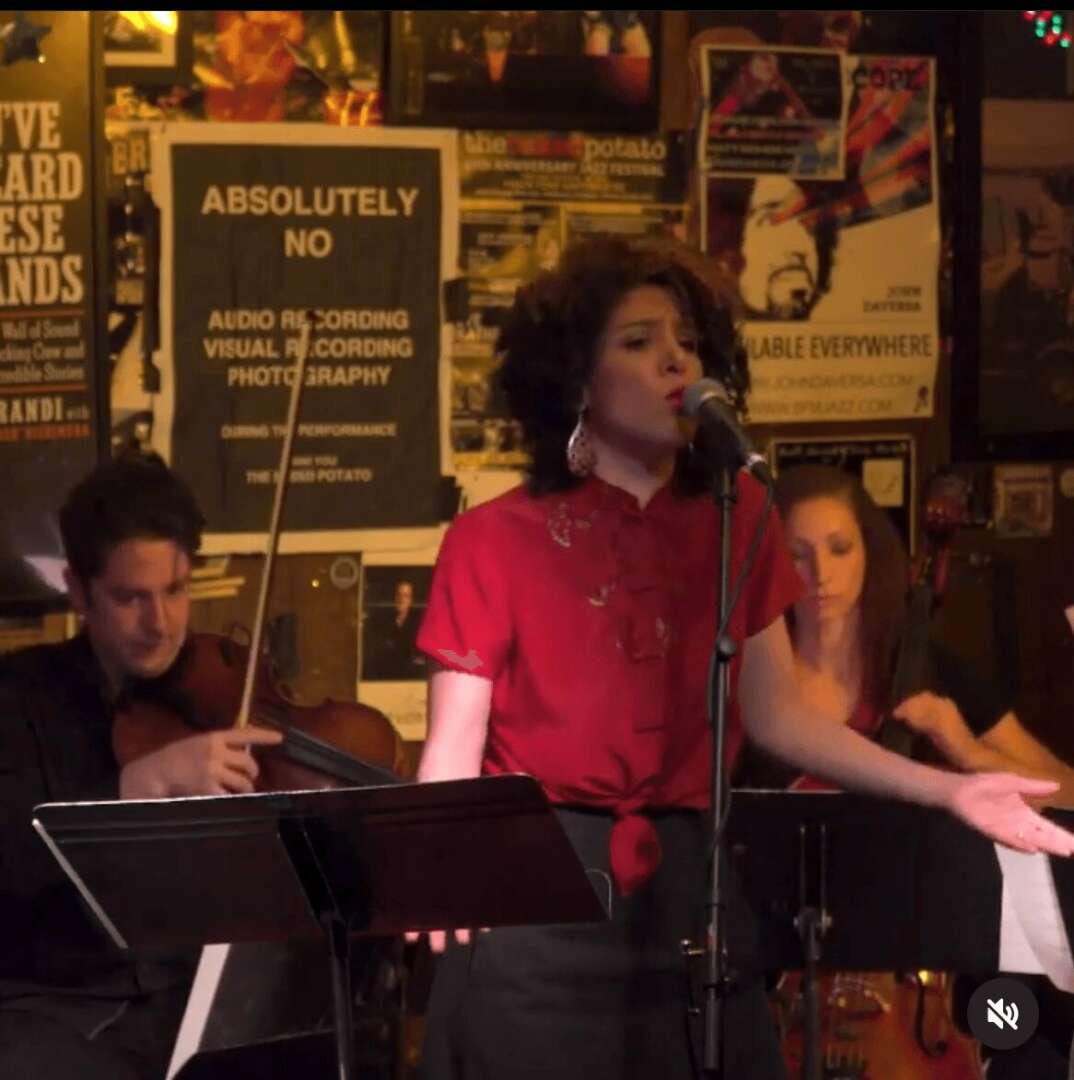
This was my first performance experience: singing at a nightclub called Thai Ice Cuisine, on Hollywood Boulevard, near LA Brea avenue. Every Friday and Saturday night, you could come hear a 7-year-old singing Duke Ellington tunes, accompanied by her dad, on guitar.
Although I got my start in jazz, I loved pop music, and folk, and musical theatre as well. By the time I turned 10, I had written a handful of my own songs. My dad and I made a demo tape (an actual cassette tape!) and got the attention of a manager/record label owner. He was small-time but had big dreams to bring me to Japan to sing his pop songs. I was into it until I realized that he wasn’t going to let me sing any songs I’d written, so I passed on it. I already knew that making my own music was core to who I was.
By my teens I’d fallen in love with The Beatles, and Joni Mitchell, and Frank Zappa, Steely Dan and I was still in to jazz as well. I wasn’t much into the pop music of the 1990’s. I was, however, deeply into acting and musical theatre, and I adored the storytelling possibilities through music.
I formed my first band my freshman year of college at the USC Thornton School Of Music. The music was a mesh of influences drawing on The Beatles, Jon Brion, Fiona Apple, Allen Toussaint classic jazz, blues, Brazilian music, and a general artsy-pop sensibility. I felt like the music was always *almost* what I wanted to communicate. When you make it your business to blur the boundaries between genres, it’s hard to get it right, because every member of the band has a different impression of what a particular groove or mood should sound like. Sometimes this is a beautiful synthesis, other times it’s a conflict.
We played all over Los Angeles, and surrounding counties, and even went to Europe. I wrestled with overwriting my music and constricting the instincts of the players – and then underwriting, and not getting what I wanted. And I won’t lie, as a female band leader I was often criticized for “not knowing what I wanted” when actually I was exploring musical options. There can be a “Shut up and sing” energy directed at women, which can make it daunting to try new things. Where men are seen as open minded and experimental, women are often seen as indecisive. Creativity takes trial and error, but unless you risk failing in front of people, and making weird choices, you never find what you’re looking for.
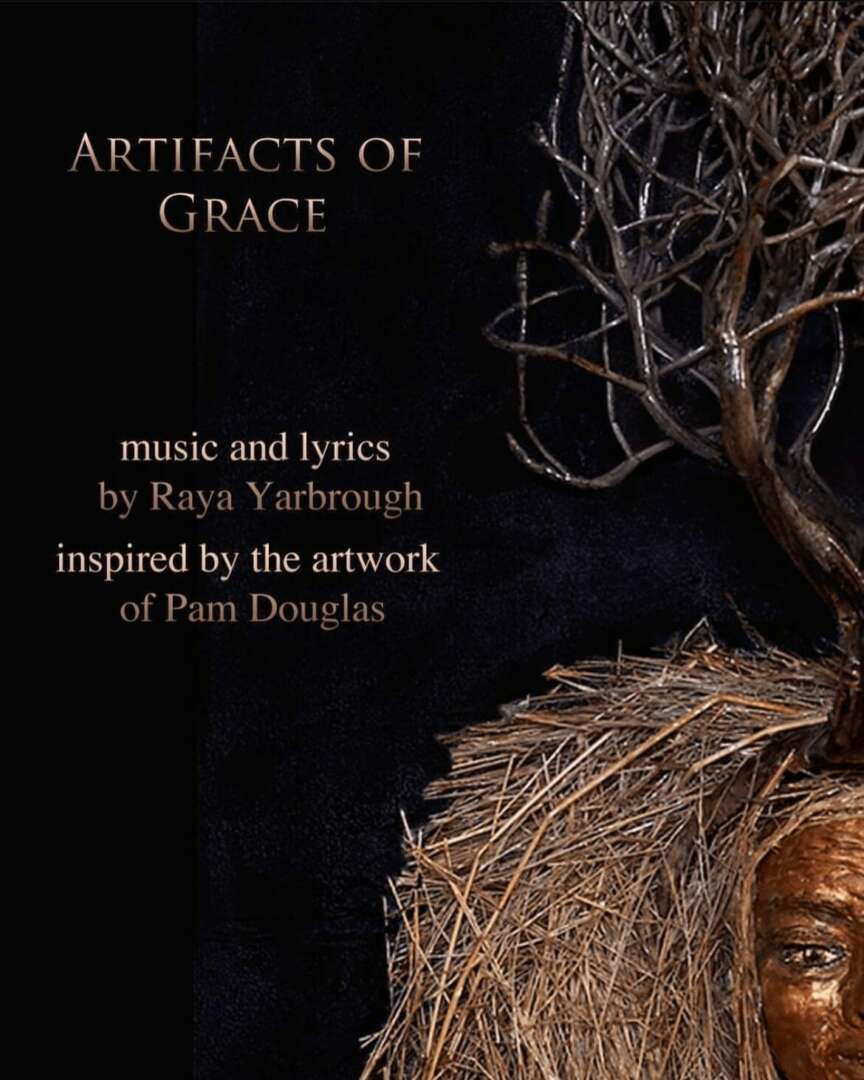
During this time of exploration, I released 4 albums: Waking at Twilight (1999), Raya’s Mood (2003), Raya Yarbrough (2008, Telarc Records), North Of Sunset West Of Vine (2018), Artifacts of Grace (EP, 2020) and a single, Holler Down To Your Girl (2021). These are all available on Apple Music, itunes, spotify etc., except for the very first one from 1999, which is like a musical unicorn, floating around in the mists of Amazon and eBay. In 2013, I also wrote a starred in a musical about growing up on Hollywood Blvd with my dad, called “North Of Sunset, West of Vine,” which was the origin of the 2018 album.
I also began my studio singing career, notably featured on Battlestar Galactica (2004-2009), the Rings Of Power (2022 -present), and as the singer of the opening title for the first many seasons of the show, Outlander (2014-present).
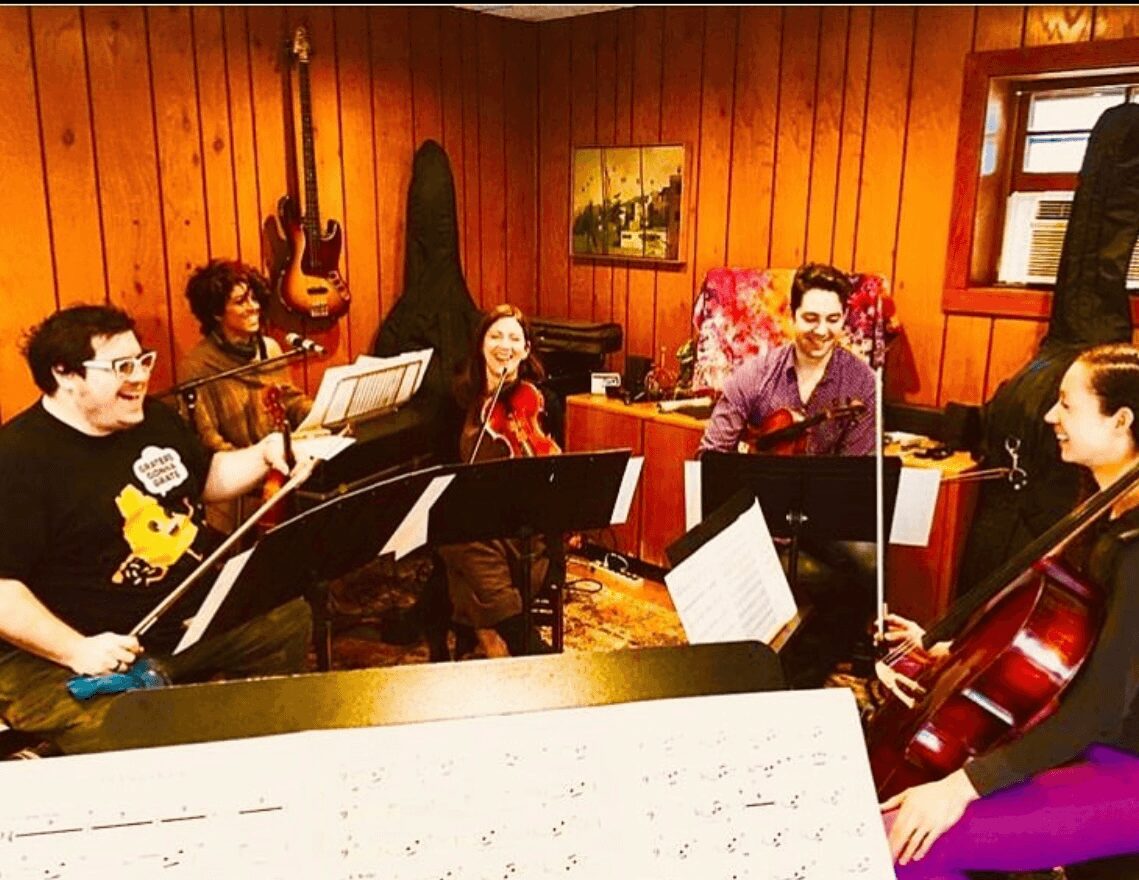
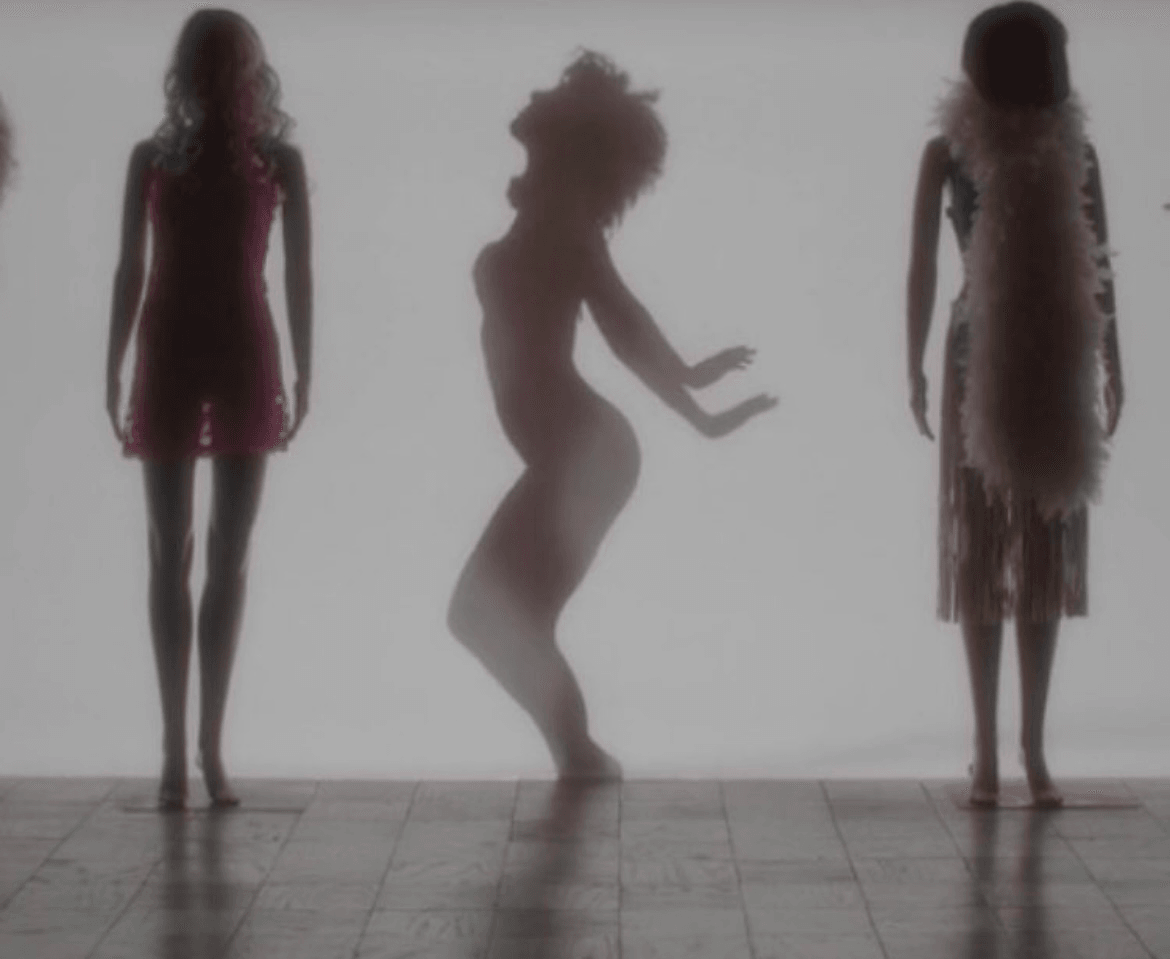
Starting in 2019 I began to use a different ensemble for my own music. I’d always been interested in writing for strings, and I wanted explore electronic loops and sampled sounds, so I formed a group around exactly that. At the same time my mother, artist, Pam Douglas, was beginning a series of works exploring the female form, and issues of gender and equality. The pieces were fascinating, and natural inspirations as character profiles and stories. So I got a bassist, a cellist, a violist, and two violinists, and started work on various loops and sounds inspired by the paintings. The ensemble and the art installation debuted together as “Artifacts Of Grace” at the TAG gallery – the basis of my EP from 2020.
During this time, I also began directing my own music videos, and I’ve begun another collaboration with Pam Douglas, based on her paintings of my poetry, some of which will be converted to another album of songs.
It’s been a journey to get to a place where I feel real expressive freedom. Sometimes, the hardest thing isn’t completing a task, but deciding on where to put my energy. For me, poetry and storytelling are equally as important as music. If I write a song, the lyrics should also stand alone as a valid piece of writing.
I think the most important thing to remember – as an artist of any kind – is that there is always another avenue to try. There is always an alteration to the way you’ve been doing things, which can utterly reform your path.
Never stop trying new things.
What’s a lesson you had to unlearn and what’s the backstory?
You do not have to “try” to be yourself, whatever you do, you are you. Your artistic identity is not fixed. Early on, especially if you excel at something at a young age, people like to tell you who you are.
I began singing jazz at age 7, and I was good at it. It was unusual for a child to dig the murky pallet of Ellington and Billy Strayhorn, the dusky interpretation of Peggy Lee, the acrobatics of Ella Fitzgerald, and the old school jump of Cab Calloway – but I adored it all. However, I was also a kid of my generation, and I loved what was going on in pop music too – but I was told that that kind of music “wasn’t me.”
I accepted that identity up through college, but I started to notice that my other friends, who were in rock bands, were taking interesting chances, and making some great music. Although I didn’t want to be a rock singer, I heard the raw freedom in the music, the power, and I envied it. Of course, I could’ve been in any kind of band I wanted, but I had been told that I was a jazz singer, and I could only stray so far away from that source.
This also had racial identity origins. My father is Black, and jazz/blues are America’s original Black music. Yes, all kinds of people are fantastic jazz artists, but historically, it originated in Black culture, so there is a cultural connection there. As a mixed-race person, I felt beholden to jazz, as a way to represent my heritage. It was more than just an art form, I felt like it was my responsibility to represent my people, and if I was to walk away from that form, I was walking away from my family and my identity.
It was a lot to carry, while I watched my friends going nuts with lesbian, alternative-punk music, and electronic devices which made even the most intense drum kit, feel tiny. I already adored Bjork, and the way she blended organic sounds and string music with electronics, and I wanted to try something like that – but that “wasn’t me,” so I’d been told.
Finally, I started dating a fellow musician, who saw me struggling to find my original sound within these constraints, and he simply said, “You know, you don’t have to do jazz.” Nobody had ever said this to me. At first I rejected it. of course I had to include jazz, because I loved jazz – and because the rules are different for me. Other people can do what they want, but I can’t. Then slowly I allowed the thought experiment to expand in my mind. The thought experiment became musical experiments, which became some of my favorite music I’ve ever written.
Funny thing, I still hear jazz in my music, but I’m not trying for it. It comes out where it will. I’d been concerned that freeing up my musical approach would empty out my sense of self, but it’s been the opposite. When you let other people tell you who you are, you never get to explore it for yourself, or find out how much you are capable of.
Is there a particular goal or mission driving your creative journey?
Our world is in need of deep listening.
We live in a time of shouting, and uninformed assertions about things we don’t know. We’re doing this because we feel unheard, and uncared for. We are finding out that consumption and greed do not make us better, or happier – and in response to this, the economy and the media tell us to double down on our consumption and greed – to factionalize in order to hoard the goods of the world with those who are “like us.”
But there is only one, great, “us.” Yes, we come from an immense array of cultures, and ethnicities, and religions, and complexions, and body types, and we should not ignore these differences – they are beautiful – but none are better than others. The only road is through radical compassion, in the forms of truthfulness, vulnerability, and clarity.
My artistic goal is to have a very close conversation.
My intention is to speak directly to the listener or the reader, by removing all walls between my insights, and the way I communicate them. I seek the unruly bursts of beauty in day-to-day, mundane life. I want to dig up what is messy and rename it “fierce, “ rename it “intentional.” I challenge myself to get to the root, because I believe that we all share the essential pains and joys.
* * *
My work has expanded out from simply making albums which are collections of songs, into poetry, prose, essays, and flash fiction. I’ve also gotten into collaborative projects.
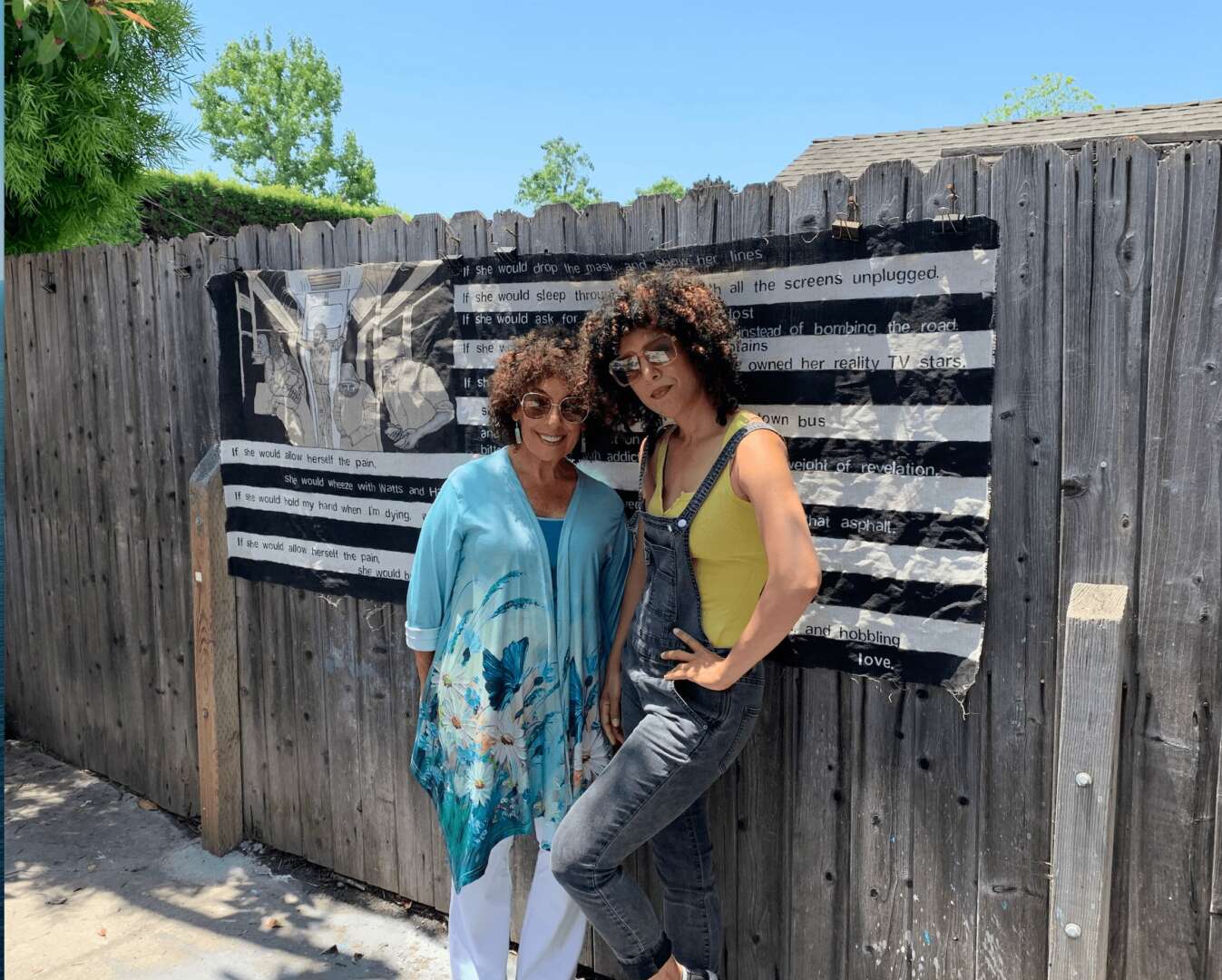
I’m currently re-uniting with my mother, artist/sculptor, Pam Douglas, on a multimedia installation. We’ve collected a large selection of my poetry, both published and unpublished pieces, to be painted onto large raw linen canvases. The paintings depict the literal narratives of the works, or sometimes just the spirit – the indescribable impressions which can only come through color and form.
The emotional heart of the show is the intersection of spirituality and identity, and the hidden revelation in everyday, urban life. As a woman of mixed-heritage, exploration of identity naturally reaches into social issues. We expose the textures of racial inequity, as well as universal meditations on the small moments of beauty which connect us all as human. I’ll be releasing some of the poetry as music as well and performing the music on several nights. It’s an ambitious show and we’re very excited about it!
Contact Info:
- Website: https://www.rayayarbrough.com/
- Instagram: https://www.instagram.com/rayazyarbrough/
- Facebook: https://www.facebook.com/raya.yarbrough/
- Youtube: https://www.youtube.com/@rayayarbrough663
- Other: Music:Spotify
apple music
https://music.apple.com/us/artist/raya-yarbrough/204011858Writing:
Poetry of the sacred:
“Maybe This Is It”
https://www.centerforinterfaithrelations.org/…/maybe…/One Page Poetry:
“This is Not America”Writer’s Resist:
“The Streets”Frazzled:
“Bug Day”
https://medium.com/frazzled/lessons-youll-learn-when-taking-your-two-year-old-to-bug-day-at-the-museum-74084c9f3c28Mutha Magazine:
“A Great Parenting Day”
https://www.muthamagazine.com/2024/03/a-great-parenting-day/
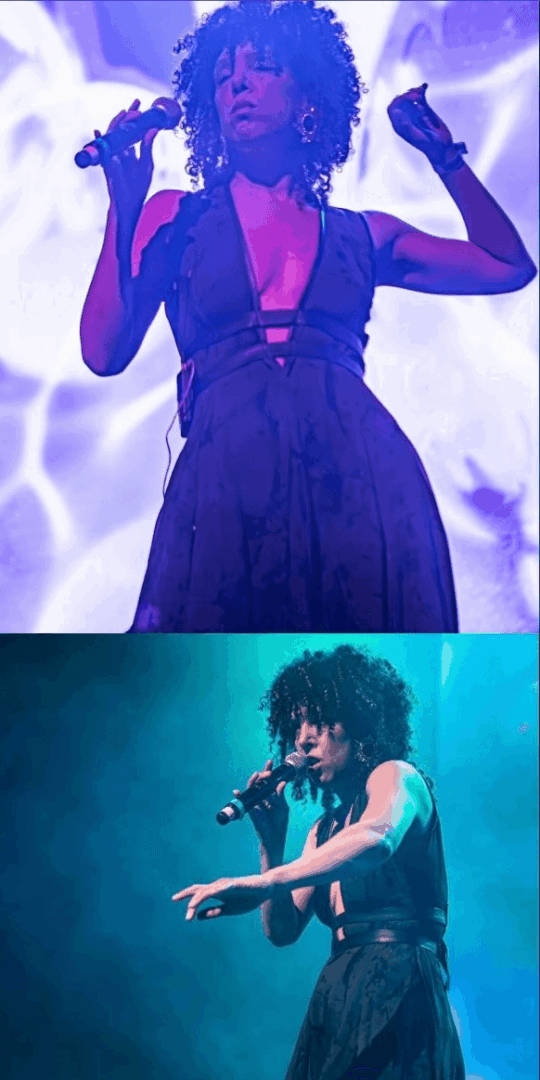
Image Credits
images owned by Raya Yarbrough