We were lucky to catch up with Ray Pfeiffer recently and have shared our conversation below.
Ray, thanks for taking the time to share your stories with us today Earning a full time living from one’s creative career can be incredibly difficult. Have you been able to do so and if so, can you share some of the key parts of your journey and any important advice or lessons that might help creatives who haven’t been able to yet?
Even knowing what I know now, I’m not sure I could have sped up the process or altered it by much as it took a while to find the path I would take. In some ways, I often wonder if I chose the path or if the path chose me.
Some artists know from a very young age that their life would be spent in pursuit of a creative life. Some do not. I was certainly never conscious of it. Only looking back do I see how the dots actually connect.
I never intended to be a photographer. I began photographing in high school as a member of the yearbook staff, which I only joined because if you were on staff, you got to cut class. I liked that kind of freedom. What I liked even better was telling stories with my images.
In those days I carried a camera with me everywhere. (Well, I still do, I suppose. I have a cell phone…) Knowing this, a co-worker asked if I would photograph her wedding. The couple didn’t have the money to hire a professional but offered to cover the cost for the film and processing. My reward would be the largest bottle of Jack Daniels they could find.
Done deal.
I knew nothing about how a “professional” should photograph a wedding; I had no training. I had never taken a photography class. I didn’t even own a flash, but I knew how to do what I needed to do to tell the story. I lesson I would forget but come back to later. Some of the images from that day are among my favorites.
As sometimes happens, word of your ability spreads (not to mention that you don’t charge very much) and before too long, you have a business. And when fate offered me the opportunity to leave my day job, I took it.
Being on your own in a profession that you have no formal training in can be daunting. A typical strategy is to look at what some of the more successful photographers are doing and try and copy them. On the surface, that would seem to be a good strategy, and it might get you started, but it won’t get you very far. What that does is nothing more than making you a clone of someone else and so then, who are you anyway?
I had that epiphany heading into my third year in business. By all appearances I was doing very well. I was working all the time. I could hardly keep up. But busy doesn’t mean successful. It only means you’re busy.
Among the many downsides of being a clone is the only thing differentiating you from someone else is price. And worse for me, while the work I was creating satisfied my clients, I wasn’t creating work that reflected my vision. I wasn’t doing the kind of work that satisfied me as when I started in the first place. And being so busy making work for clients left no time for personal work.
Something had to give.
It was at that point I decided if I was going to always be broke it should be because I’m NOT working, not because I’m working all the time with so little to show for it. And that I should be the one to decide the value of my work, not another photographer that I’ve never even met.
I also occurred to me that if I wanted to create work that felt more satisfying to me, I needed to start making that work and find the audience for it.
The transition wasn’t easy. It’s hard to explain to people why the work you’re showing now is so different from work they’ve seen before. It’s even harder to explain why it costs so much more.
It took some time, but eventually I found my niche and the audience that came with it. Some lessons that took time to learn but I’m not sure if I had been told in advance, I would have understood. Sometimes you need to live the experience in order to grasp the meaning of it.
Great, appreciate you sharing that with us. Before we ask you to share more of your insights, can you take a moment to introduce yourself and how you got to where you are today to our readers.
As I mentioned, coming out of high school I had never thought about photography as a career path, and certainly my guidance counselor would never have encouraged it. My original plan was to attend law school. As I was preparing for the LSAT’s I had the epiphany that while I loved the scholarship I didn’t find much to love about what a career as an attorney might look like. I had thought the legal profession would be a noble one. How naïve.
While pondering what to do next, fate stepped in and offered an alternative. I had been working as a cook in a family restaurant when it closed suddenly, leaving me with a semester left in my senior year of college and no idea how I would finance it. Fortunately, within a couple of months, I was able to find work at a national chain restaurant and a short time later was offered a job in management. Restaurant management was not on my short list of careers, but I thought it would suffice while I contemplated what I might do next.
Never one to make a hasty decision, about seven years later fate stepped in again when the chain, which had been sold about 2 years prior, began selling off properties and closing others. My location was slated to be closed. Now what?
During that period, I kept photographing, personal work as well as client work. I had set up a DBA and the business was gaining some traction. I was offered a job in another division, and was inclined to accept, but chose to look at the closing as an opportunity to move on rather than move over.
It’s often difficult to see the big picture (no pun intended) when you’re immersed in the day-to-day of living a creative life and running a business that reflects it. Perspective is something we usually only gain looking back, and how I arrived at the place in my career I am now can only be understood in the way I have always believed in embracing serendipity.
I wish I could say that I have a grand plan that I have spent a lifetime working to perfection, but I do not. That’s not to mean that I move without direction, but to leave myself open to possibilities. To being curious. To find a way to say, yes. I believe that if you do good work and act in a way that represents your best authentic self, at the end of the day, you’ll be living a meaningful life.
The road from where I began my career in Buffalo, NY to Raleigh, NC is long and circuitous and involved volunteer work, a stolen car, eating desert first and reconnecting with my high school sweetheart. Once here, the journey from wedding and portrait photography to founding a photography gallery and maker space was full of equally as many twists and turns.
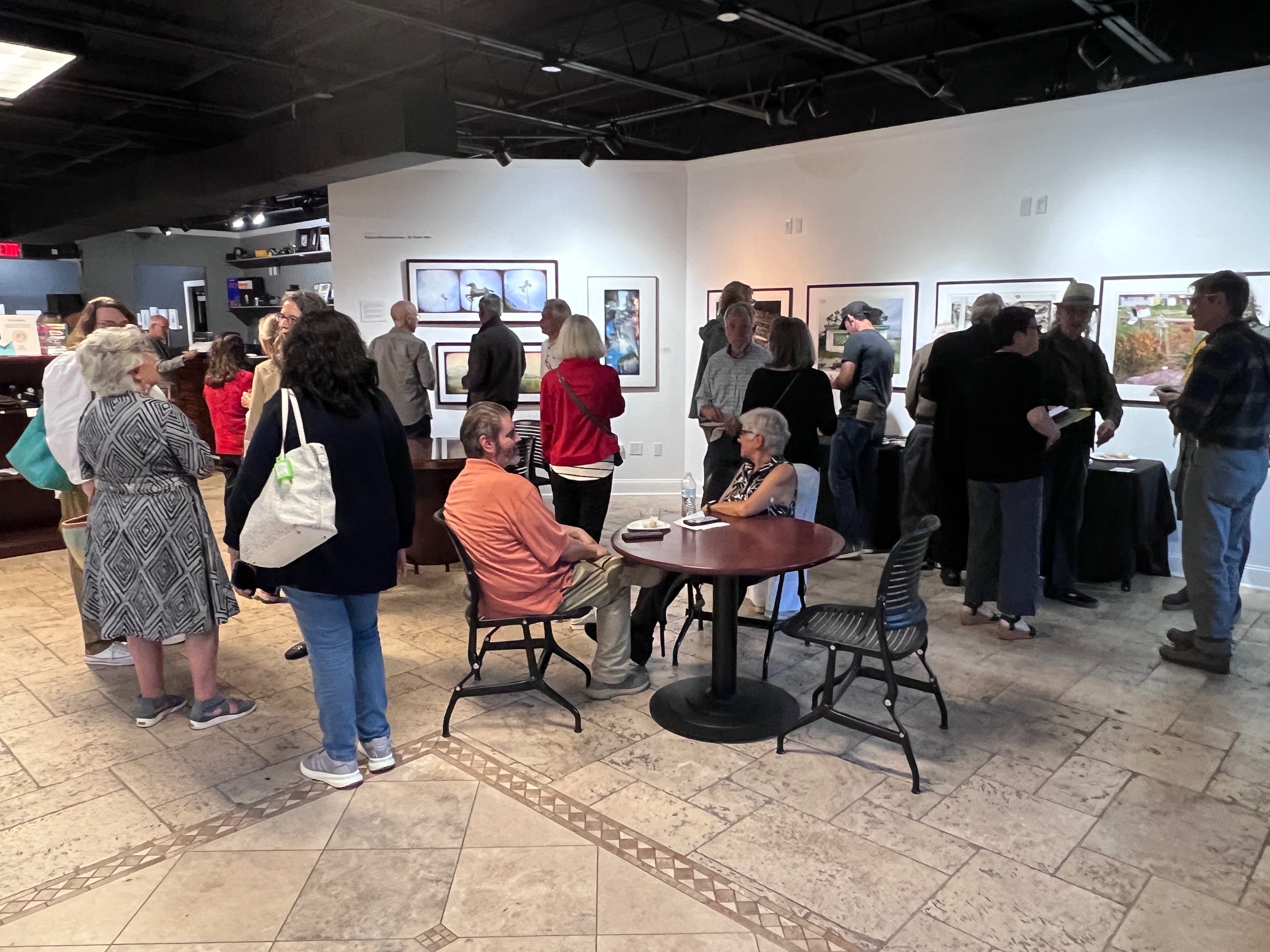
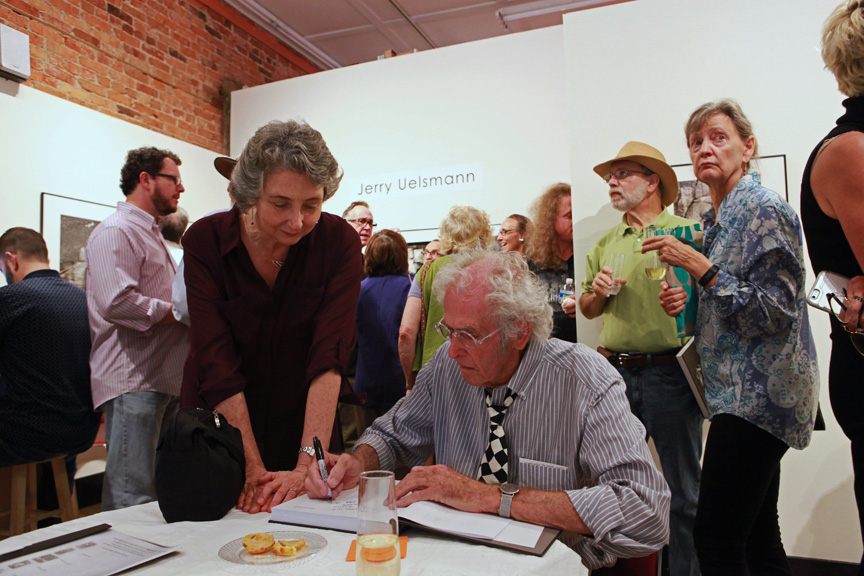
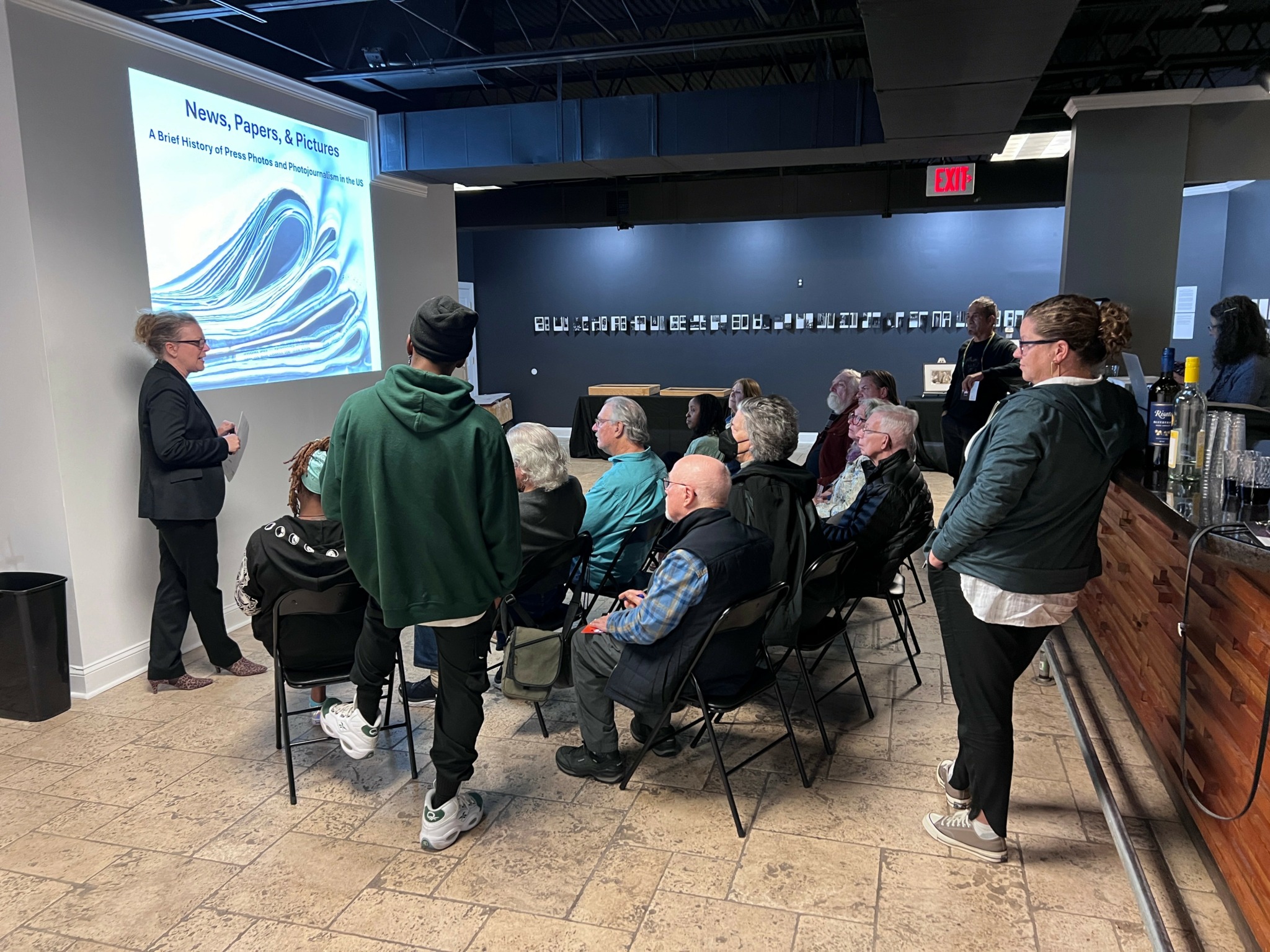
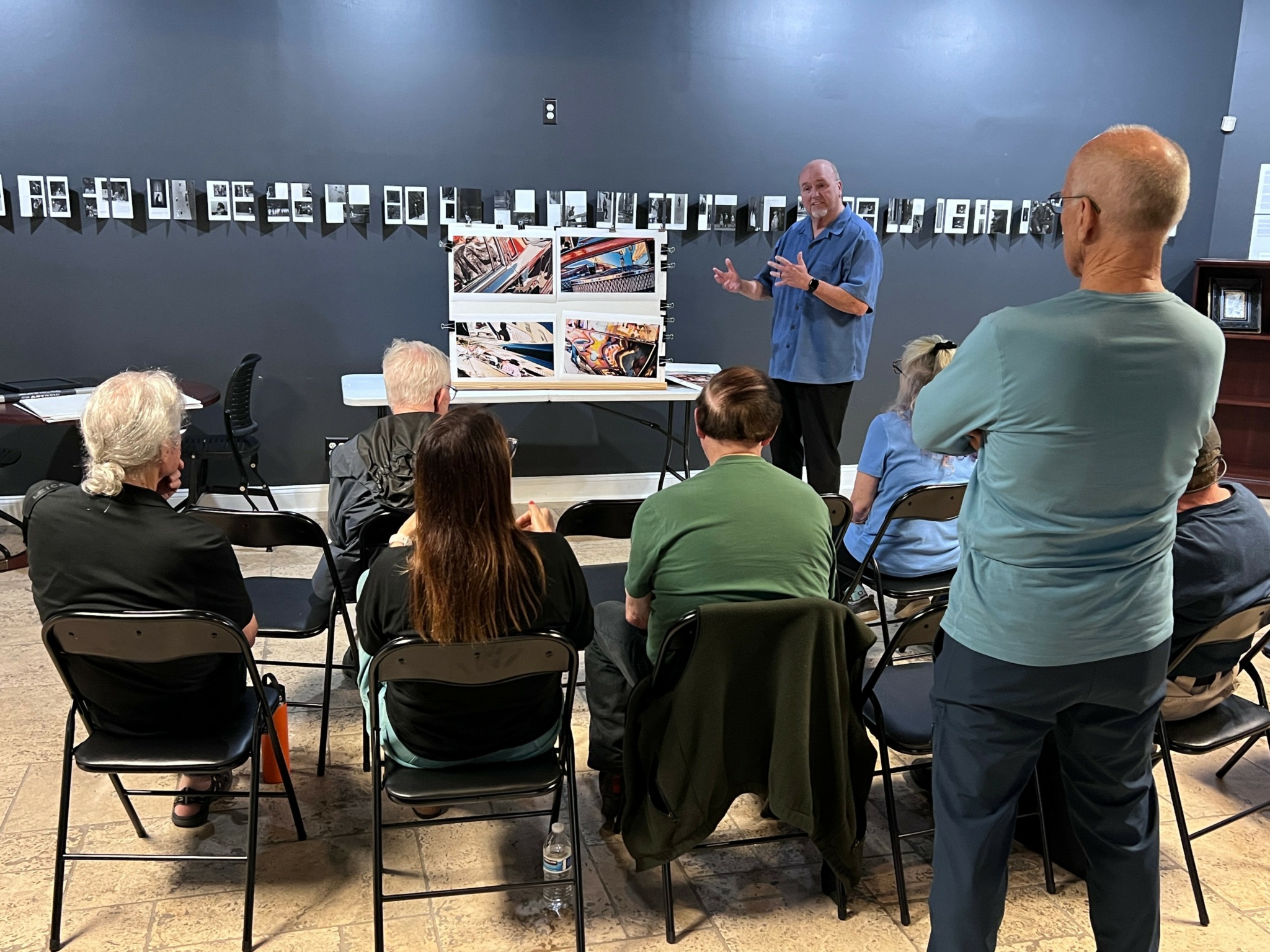
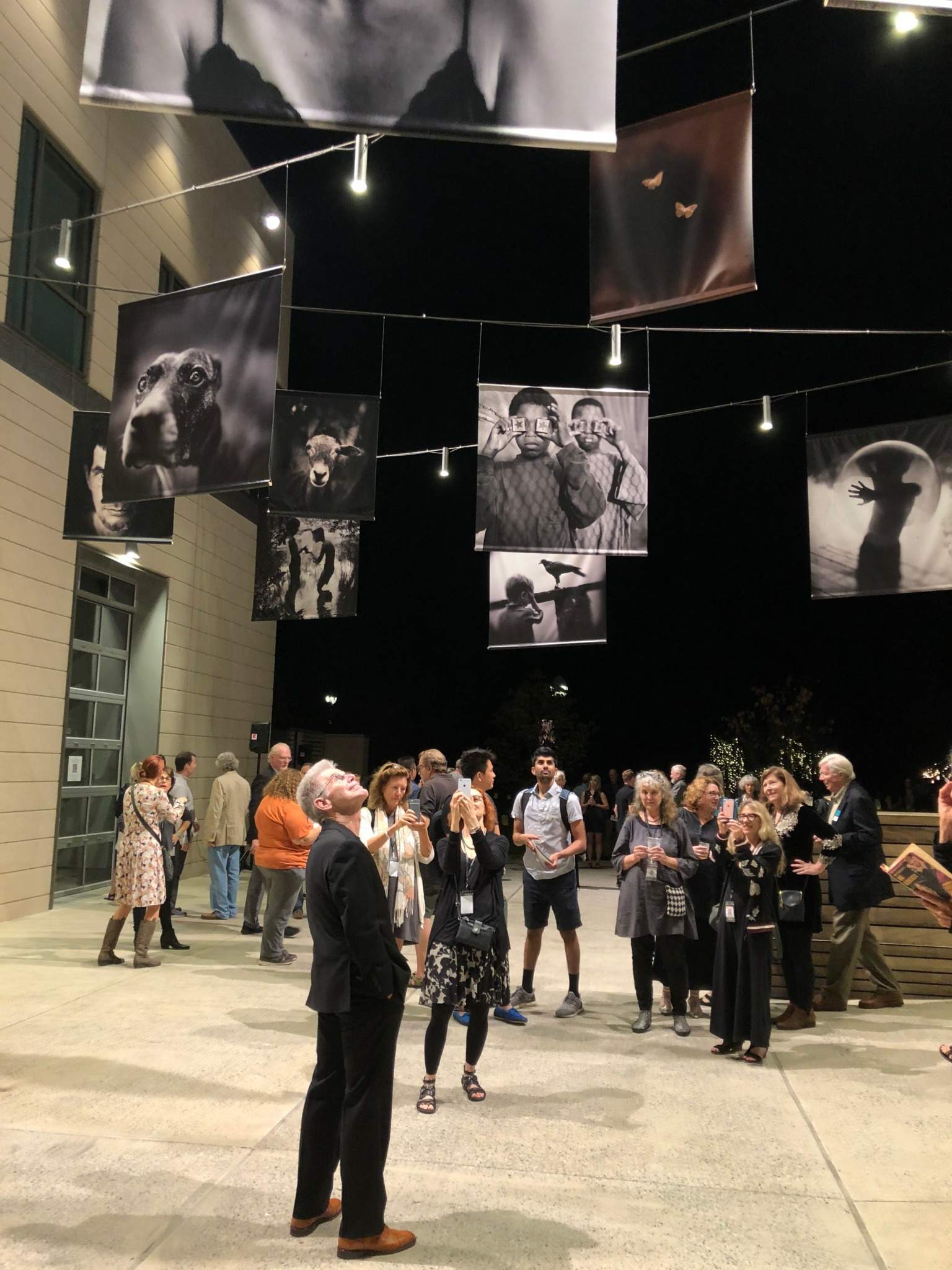
The creation of A Photographers Place came from my experiences being on the executive planning team for the Click! Photography Festival. What became so obvious to us was just how many incredibly talented image makers there are in the Triangle and yet how few centrally located resources there were to be found.
Like many artists, photographers spend a great deal of time working on and developing their craft by themselves. This alone time is sometimes beneficial but not always helpful. Sometimes it’s reassuring to talk to or spend time with someone that understands what you’re going through, what you’re trying to accomplish and most importantly, why.
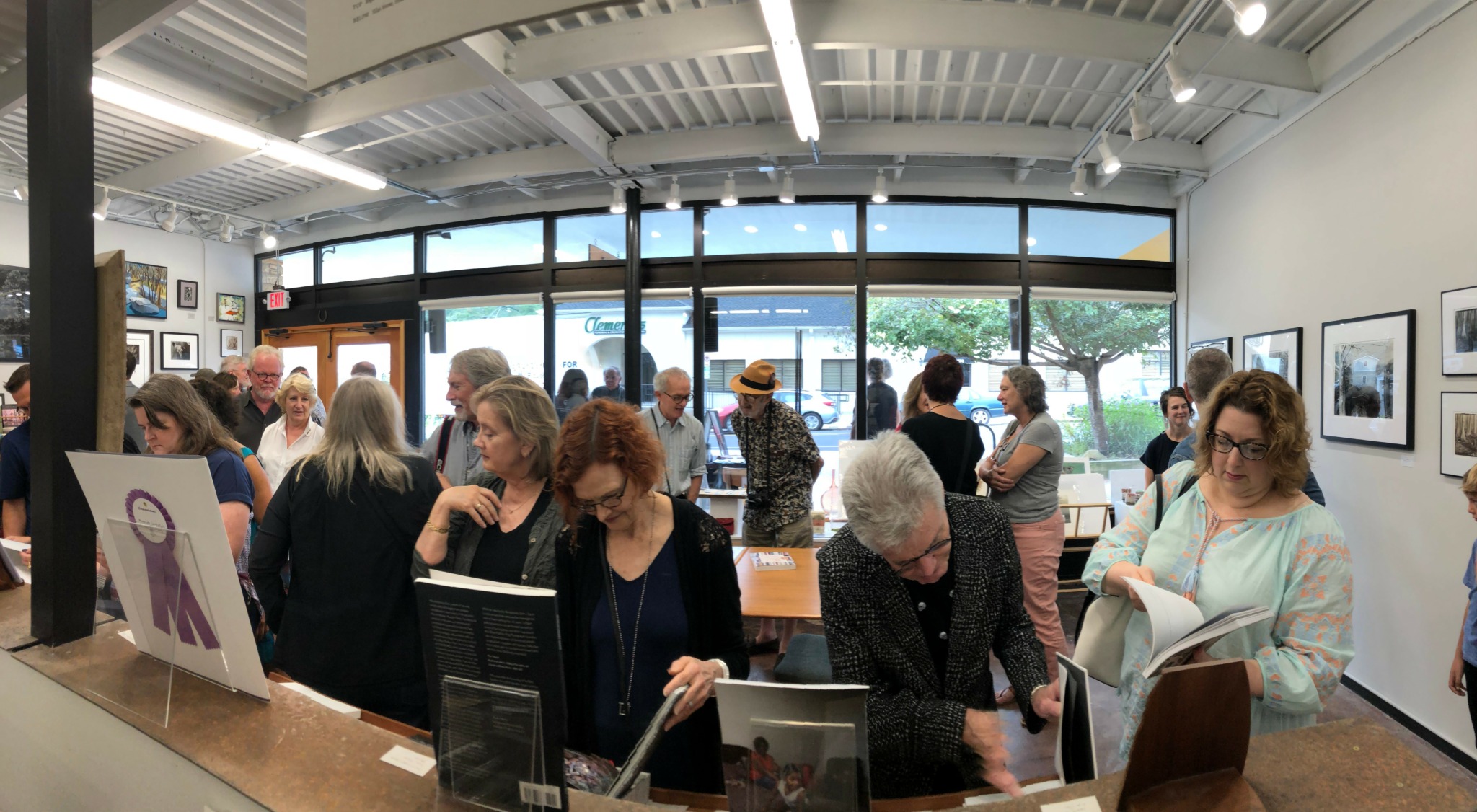
So, the challenge then became what else can we do to help foster a better sense of community and support for photographers? After seven years of ups and downs, false starts and setbacks, with the kick-off of the Click! Photography Festival in 2024, A Photographers Place was born.
When I arrived here almost 25 years ago, how could I have known, or planned any of that?
Is there something you think non-creatives will struggle to understand about your journey as a creative? Maybe you can provide some insight – you never know who might benefit from the enlightenment.
This is a great question. I think being a creative manifests itself in a number of ways, but as an artist it’s difficult to explain to someone that doesn’t make art why we NEED to make art.
To non-creatives what we do is an incredibly expensive and time-consuming hobby. But it’s not. It’s what makes us alive. We can’t NOT make art. We must. It’s who we are and what we do. And to non-artists and the rest of the world that judge the value of what we do based on the money we generate, that we keep going, as difficult and frustrating as it sometimes is, it’s impossible for them to grasp.
It’s also important to understand that on any meaningful journey there are choices and sacrifices that will always need to be made. Plans that don’t quite work out. Expectations of friends and family that don’t align. It’s never as easy as it appears to the casual observer. Unless you’ve been on the path, you have no idea what it’s like or what it means to be on the path.
What do you find most rewarding about being a creative?
The joy in the act itself.
I’ve always thought that a bad day in the darkroom, photographing on location or in the studio is better than a great day almost any place else. Even on a day where it’s a struggle to make something work, the reward is being in the position to create the work in the first place.
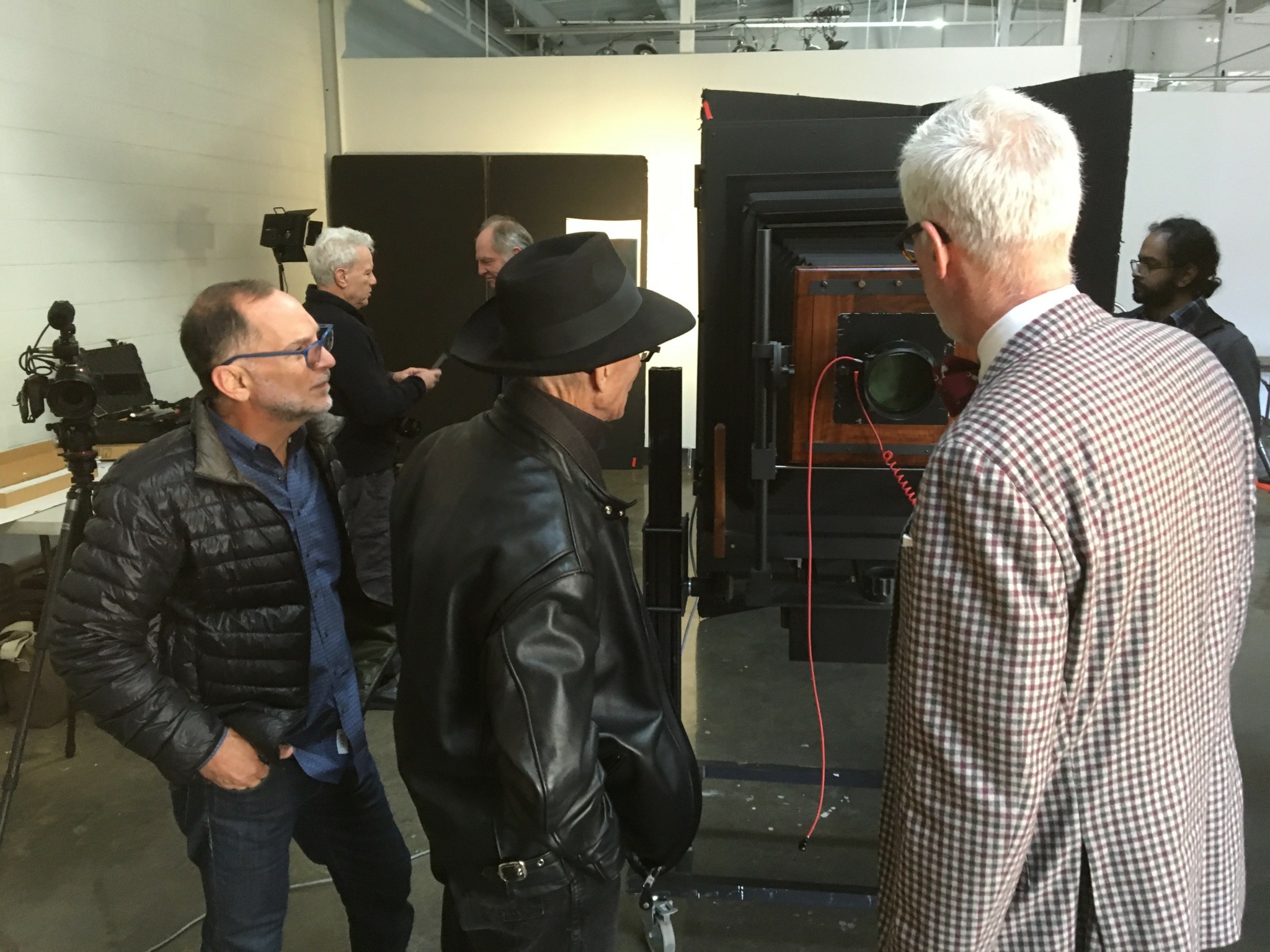
Photography has been my passport to the world. I’ve been places, seen things, met people and experienced things that I never would have been able to in almost any other profession. I’ve been fortunate to have met and worked with some incredible artists.
I can’t imagine I would have done anything else.
Contact Info:
- Website: https://www.aphotographersplace.photo/
- Instagram: https://www.instagram.com/aphotographersplace/
- Facebook: https://www.facebook.com/APhotographersPlace/
- Other: The Click! Photography Festival website is: https://www.clickphotofest.org/
and also has social media pages:
https://www.facebook.com/clickphotofest
https://www.instagram.com/clickphotofest/