

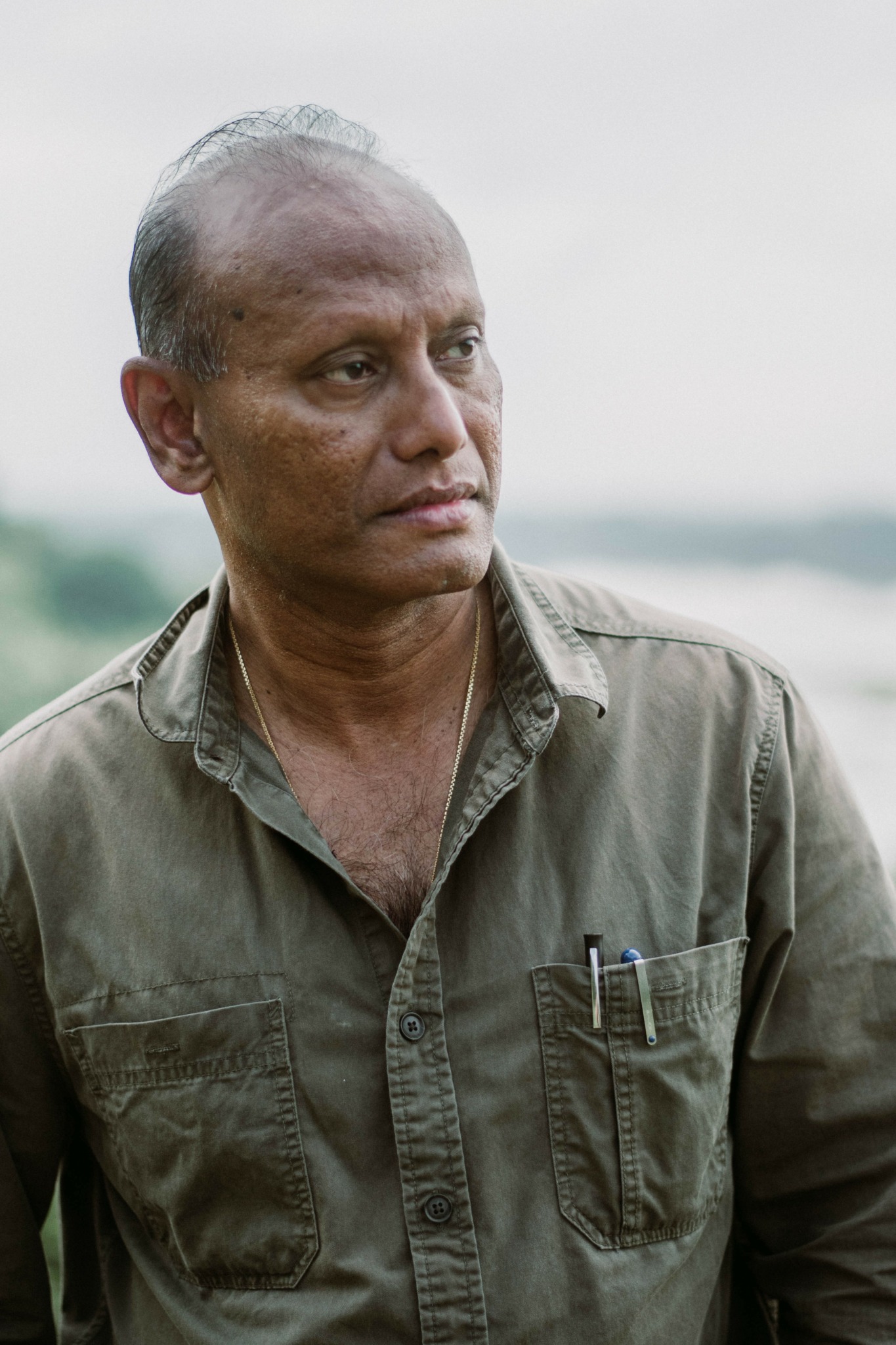

We’re excited to introduce you to the always interesting and insightful Ravi Corea. We hope you’ll enjoy our conversation with Ravi below.
Hi Ravi, thanks for joining us today. What was it like going from idea to execution? Can you share some of the backstory and some of the major steps or milestones?
Since my childhood, I have always loved animals and been fascinated by nature. I loved roaming the wetlands in the town where I grew up, in Sri Lanka. It was in these marshes that I learned to watch birds, catch snakes and turtles, and teach myself to observe wild animals patiently. The day I helplessly watched the marsh being landfilled for development, I realized how powerless and incapable I was in stopping the destruction that was occurring in a place I cherished. Although I was just 14 years old at the time, I vowed to be in a position one day in which I would be responsible for helping to protect and nourish vulnerable ecosystems, wild animals, and communities.
I was in university in New York when I noticed the increasing newspaper accounts about farmers killed by elephants, elephants shot in retaliation, and crops trampled overnight. Every story felt personal. I’d grown up with the sound of the jungle in my ears and the sight of wild elephants seared into my memory. They weren’t just animals to me; they were part of my heritage, part of the very fabric of Sri Lanka.
But in the 1990s, that fabric was fraying fast. The conservation model back then was simple—keep wildlife inside national parks, keep people outside. But life wasn’t that tidy. Nearly 70% of our wild elephants lived outside parks, in the same spaces as farmers, children, and homes. To the farmers, elephants weren’t majestic symbols; they were crop raiders, home wreckers, and sometimes killers. And to the elephants, the villages were simply part of their ancient range, now overlaid with fields and fences.
For me, the crucial question was, “If we only protect wildlife inside the parks, what happens to the elephants outside?”
My childhood experience of losing the cherished wetlands, along with the intensifying human-elephant conflict, motivated me to establish the Sri Lanka Wildlife Conservation Society. I wasn’t under any illusions. I knew starting something from scratch—especially something as unconventional as community-based conservation in 1995—would be difficult. But I also knew that if I didn’t try, I’d always regret it.
I began by visiting the most conflict-ridden regions in Sri Lanka, where the line between forest and farmland was diffused. Elephants would walk through villages at night, sometimes right past people’s front doors. I spent my early months not running projects, but listening—sitting with farmers under trees, walking the fields, hearing their fears and frustrations.
I learned quickly that if I wanted to help elephants, I had to help people first. No farmer would tolerate conservationists telling them to “protect elephants” if they were losing their harvest, their income, or their family members to those same elephants.
With a handful of friends, I had registered the Sri Lanka Wildlife Conservation Society in 1995 as a 501c3 non-profit in the USA. We had no office, no big budget—just an idea and the willingness to work with the people who lived alongside wildlife every day.
Our first projects were innovative and pioneering concepts. Without attempting to fence elephants into protected areas, we piloted community-managed solar-powered village electric fences, introduced new crops such as citrus that elephants avoided, and established the world’s first EleFriendly Bus Service to provide a safe conveyance to school children who had to walk through an ancient elephant corridor. The results were amazing! Conflict in the region dropped by 90 percent. With each novel concept we implemented, we learned more—about elephants, about people, and about what real coexistence looked like.
Trust was our most valuable resource. We earned it by being present, by responding when elephants came into villages, and by never dismissing the hardships farmers faced. Slowly, the communities began to see that protecting elephants didn’t have to mean sacrificing their own safety or livelihoods.
When I look back to 1995, I see a time when I was stepping into something far bigger than I could have imagined. I thought I was starting a conservation organization; in reality, I was starting a movement—one that has grown to include research on leopards and sloth bears, GPS tracking projects, and even drone technology to prevent conflict.
But the heart of the Sri Lanka Wildlife Conservation Society has never changed. It’s still about people and wildlife sharing the same space, still about respect and understanding, still about the belief that coexistence isn’t a dream—it’s a necessity.
The Sri Lanka Wildlife Conservation Society (SLWCS) stands out for its unique approach to wildlife conservation by actively involving local communities in every aspect of its work. Its research, conservation, and community programs are designed not only to protect biodiversity but also to deliver tangible benefits to local stakeholders, including employment opportunities and sustainable livelihoods.
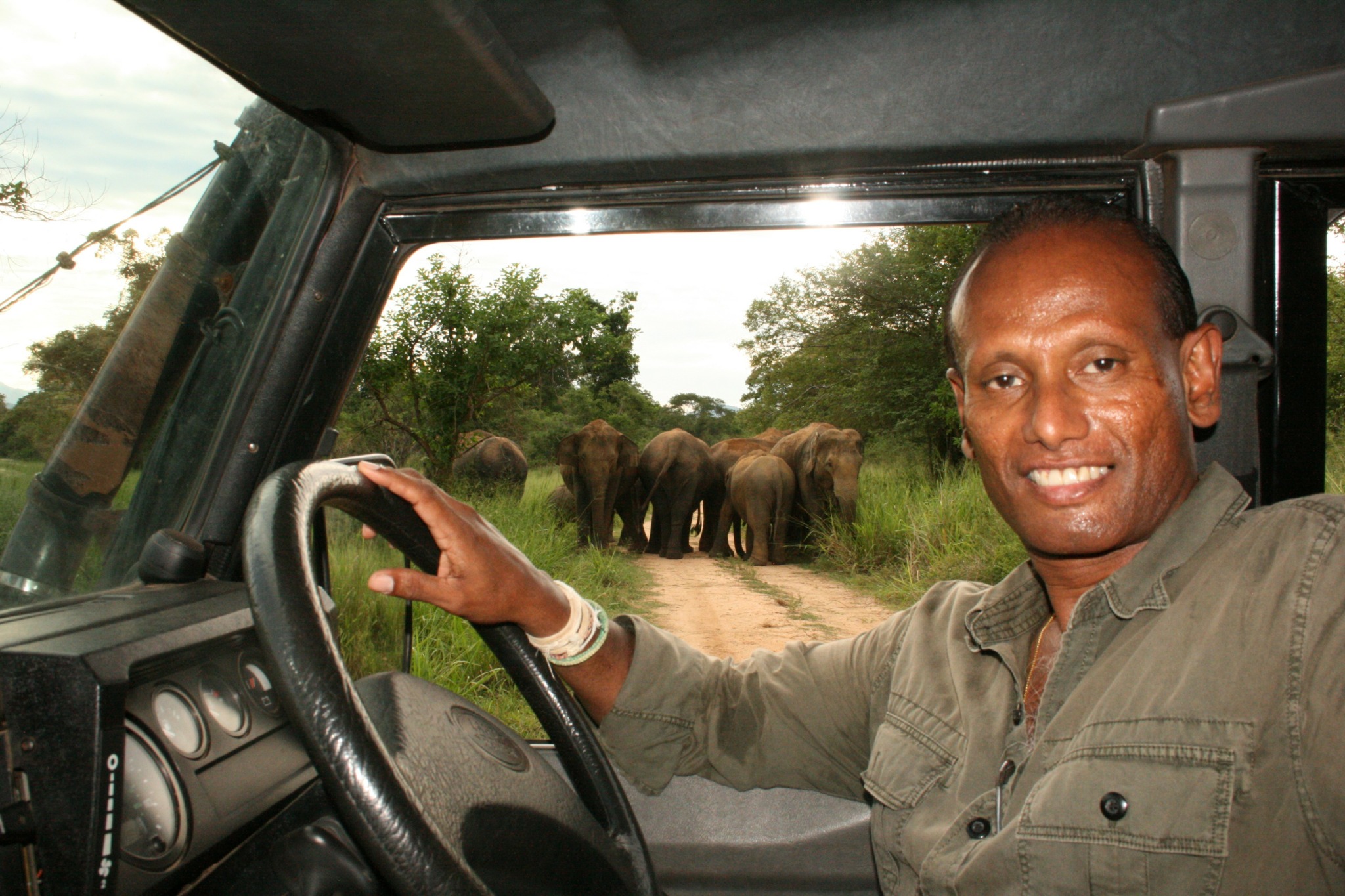
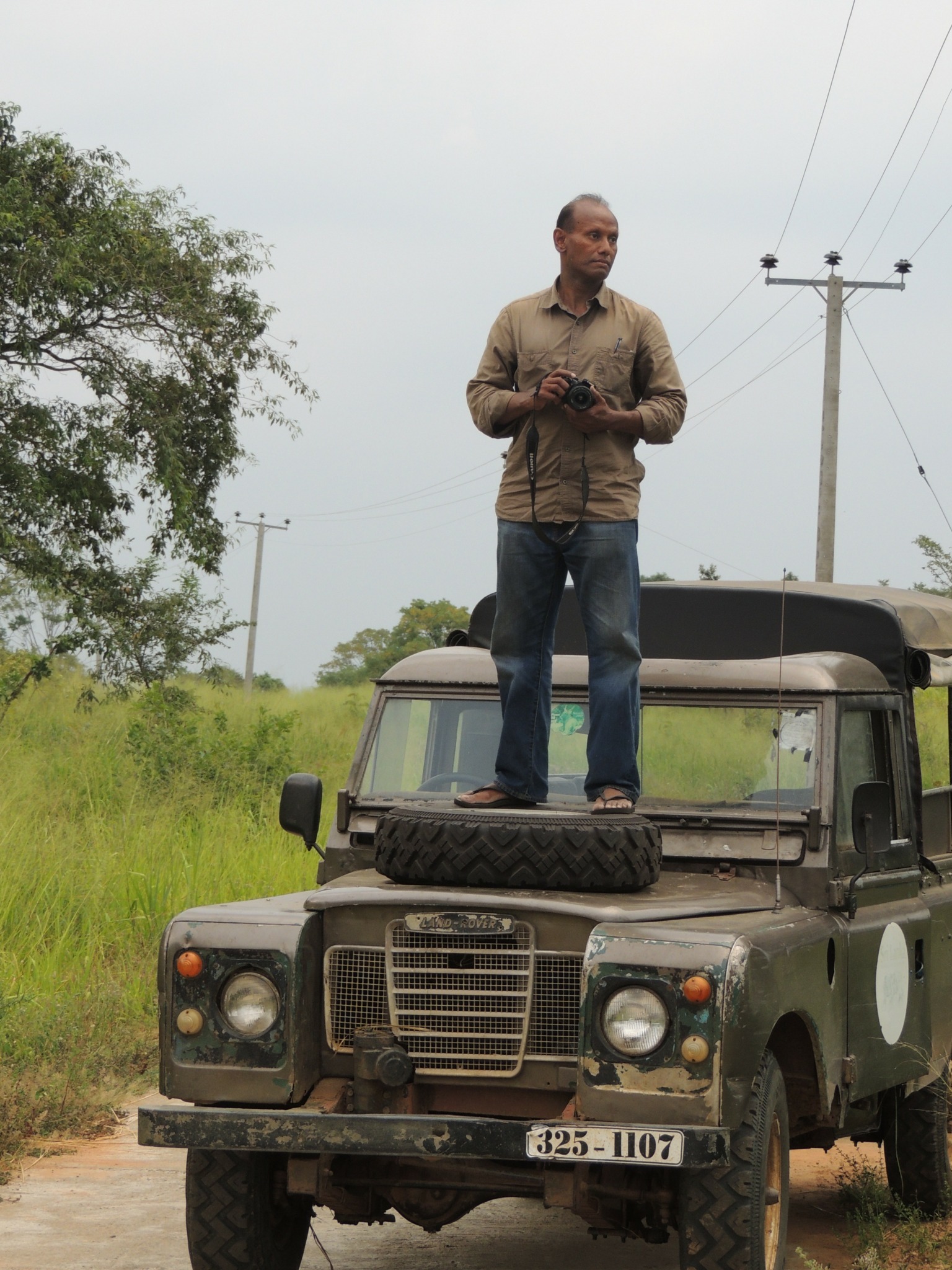
Awesome – so before we get into the rest of our questions, can you briefly introduce yourself to our readers.
My work is centered on a mission that is as challenging as it is essential: finding ways for people and wildlife—especially elephants—to coexist in shared landscapes. As the founder and president of the Sri Lanka Wildlife Conservation Society (SLWCS), I have spent decades on the frontlines of one of the most pressing environmental issues in Sri Lanka: human-elephant conflict (HEC).
My work is hands-on and wide-ranging. I direct research into elephants, sloth bears, and leopards behavior and ecology, develop and implement community-based conservation strategies, and design innovative concepts to prevent dangerous encounters between people and wildlife. The projects range from GPS satellite tracking of leopards and sloth bears to the development of the PachyDrones project to assess the effectiveness of unmanned aerial vehicles to safely drive elephants away from villages and farmlands.
I also oversee education programs that bring conservation awareness into rural schools, and work directly with farming communities to introduce sustainable agricultural practices that reduce conflict with wildlife. Most of my approaches are holistic—protecting animals while ensuring that local communities benefit from conservation efforts.
I’m widely recognized for my efforts to create effective human-elephant coexistence strategies. My expertise lies in understanding the complexity of conflict situations at a local level, then crafting Conflict Specific Mitigation (CSM) solutions that address the realities on the ground rather than relying solely on broad, one-size-fits-all solutions.
I combine scientific research, community engagement, and practical innovation—a combination that has made SLWCS projects successful not only in protecting elephants but also in winning the trust of rural communities.
What I’m Known For
• Pioneering community-based conservation in Sri Lanka—long before it became a global trend.
• Innovative conflict mitigation tools such as the “Saving Elephants by Helping People” (SEHP) project, which introduced novel, humane methods to protect crops and livelihoods.
• High-tech conservation solutions like the PachyDrones project, which blends modern drone technology with traditional fieldwork to keep people and elephants safe.
• Building trust with rural communities, a quality that many conservation projects struggle to achieve.
What I’m Most Proud Of
What I’m most proud of, are not the awards or the international recognition. It’s the moments when a farmer who once saw elephants as enemies now sees them as part of the land they share. It’s when communities themselves become protectors of wildlife.
I take pride in knowing that SLWCS has created real change—not just in the lives of elephants, but in the lives of the people who live alongside them. For me, every elephant saved from retaliation and every life spared from a dangerous encounter is a victory.
When people ask me what keeps the Sri Lanka Wildlife Conservation Society moving forward after nearly three decades, I always mention our team in the field, especially our staff, the communities we work with, the organizations and partners that support us, and—just as importantly—our volunteers.
Our volunteering program isn’t an add-on or a side activity. It’s part of the lifeblood of SLWCS. Every volunteer who joins us in Sri Lanka brings not just an extra set of hands but fresh energy, skills, and perspectives that enrich our work.
More Than Just Helping Out
When you volunteer with us, you’re not here to watch from the sidelines. You’re working alongside our researchers, conservation officers, and community partners. One day, you might be helping track elephants through the forest, recording their movements for our elephant ethogram project. The next day, you could be teaching in a village school, helping children understand why elephants raid crops and how we can reduce those conflicts.
Volunteers contribute directly to the data that shapes our projects. They help maintain field equipment, support our biodiversity surveys, and assist in community outreach. Every task, no matter how small it may seem, feeds into a bigger picture—protecting Sri Lanka’s wildlife while improving the lives of people who live alongside it.
An Exchange, Not Just a Contribution
What I love most about the program is that it’s not one-way. Yes, volunteers give their time and money, but they also gain something equally valuable: a deep, firsthand understanding of the challenges and complexities of conservation in a developing country.
They see the realities we face—nights when elephants are in the fields and we have to respond quickly, mornings spent repairing an electric fence after a large crop raiding bull had pushed through, and long, thoughtful conversations with farmers about their losses and fears. These experiences stay with volunteers long after they’ve left Sri Lanka, shaping how they see wildlife, conservation, and even the choices they make back home.
A Bridge Between Worlds
Our volunteers come from all over the world, and in many ways, they are ambassadors for Sri Lanka’s wildlife. When they return home, they carry our stories with them—stories of elephants walking through the mist at dawn, of farmers protecting their crops without harming the animals, of communities learning to see wildlife not as enemies, but as part of their shared environment.
Many go on to become lifelong advocates for conservation. Some even return to work with us again, bringing new skills and knowledge to our projects.
Why It Matters
In conservation, resources are always limited, and the challenges are immense. Our volunteering program expands our capacity, connects us to the global community, and keeps our mission vibrant and dynamic.
But beyond that, it builds something harder to measure: a network of people who care deeply about coexistence between humans and wildlife. Each volunteer becomes part of our extended family, linked by a shared experience of working in the heart of Sri Lanka’s wilderness.
I’ve seen volunteers leave here with tears in their eyes—not because they’re sad, but because they’ve been changed by what they’ve seen and done. That, to me, is the power of our program. It doesn’t just make a difference for SLWCS—it makes a difference in the world.
What Sets Me Apart
Many conservationists focus on protecting wildlife by separating it from human activity. My approach is different. I believe that coexistence is not only possible but necessary. My conservation philosophy is as much about empathy as it is about science. Protecting wildlife and protecting human dignity are not competing goals—they are the same mission.
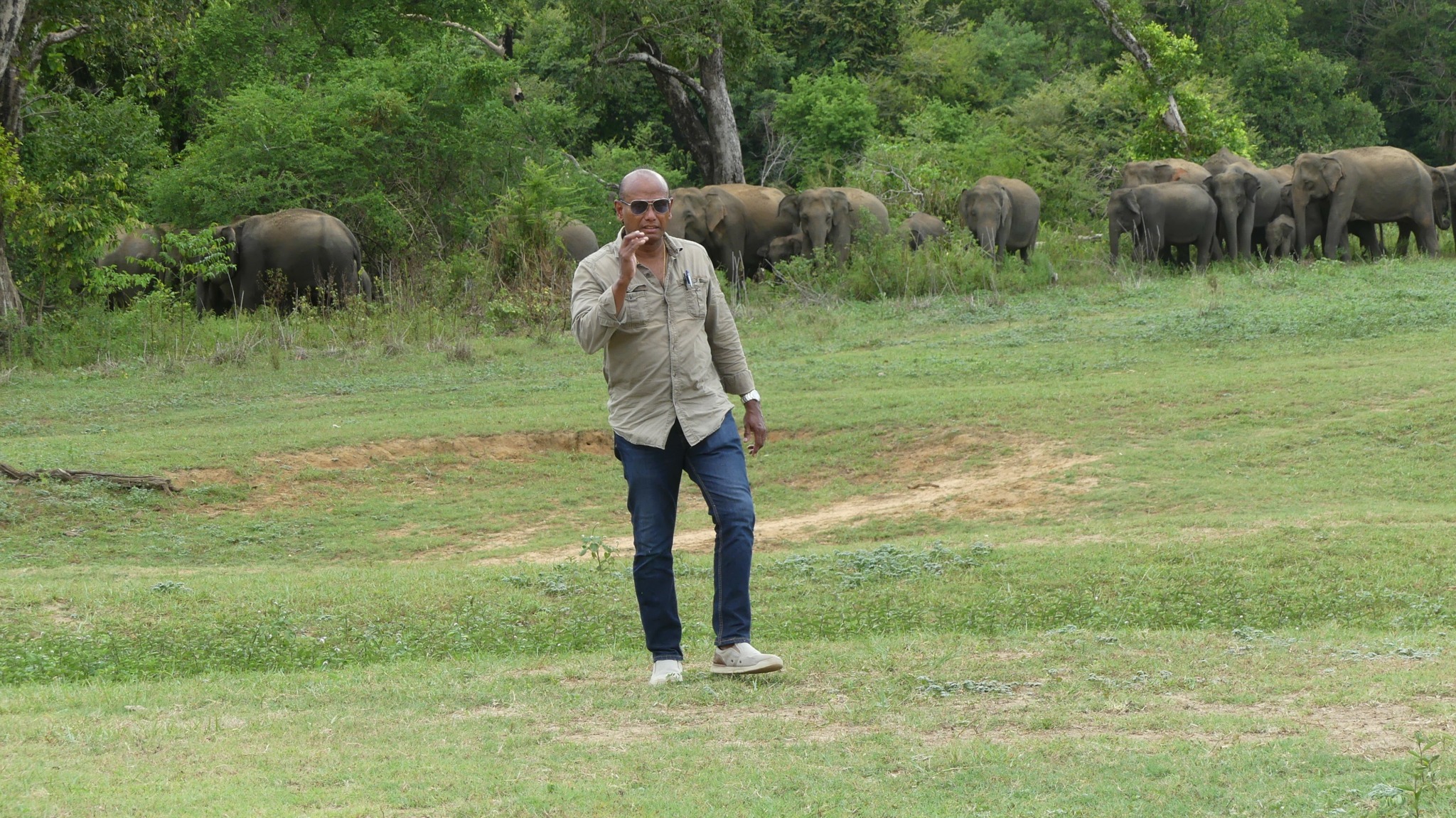
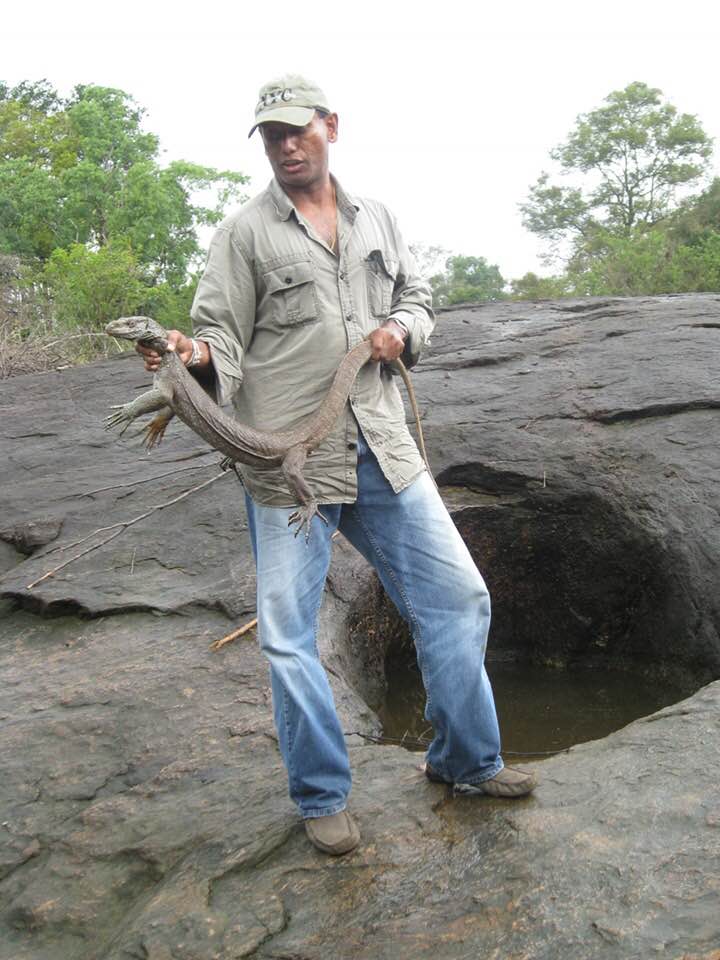
We’d love to hear a story of resilience from your journey.
When people ask me what the hardest part of wildlife conservation work is, they often expect me to talk about dangerous encounters with elephants, long days in the field, or the unpredictability of nature. Those challenges are real, but they’re not the ones that keep me awake at night.
The biggest obstacles are far less visible: politics, bureaucracy, and funding.
In Sri Lanka, as in many parts of the world, conservation does not exist in a vacuum. It’s intertwined with political agendas, shifting priorities, and layers of government regulation. Each project, no matter how practical or urgent, must navigate this maze.
Over the years, I’ve learned that confrontation gets you nowhere. The only way forward is through patient, deliberate negotiation—building relationships, explaining our work in ways that resonate with decision-makers, and finding common ground even when it feels impossibly narrow.
Sometimes it means spending months talking with a single official before we can get approval to move forward. Other times, it means adjusting timelines and approaches to fit within the slow churn of the bureaucratic machine. It’s frustrating, yes, but it’s also part of the reality of working in conservation here.
If politics and bureaucracy test your patience, funding tests your adaptability. On the ground, we see the issues in all their complexity—human-elephant conflict isn’t a simple “wildlife” problem or a simple “community” problem; it’s both, and more. But when we write project proposals, we often have to reshape reality to fit into the funding agency’s mold.
Grant applications tend to favor neat categories, measurable outcomes, and timelines that don’t always match the unpredictable nature of the work. What the funding organization wants to see is not always what’s actually needed on the ground. This can be one of the most disheartening parts of the process—knowing what needs to be done, but having to tailor it into a package that will unlock the resources to do some of it, while hoping we can piece together the rest later.
It’s a constant balancing act—negotiating with politics, navigating bureaucracy, and bending to the requirements of funders without breaking the integrity of our mission. And yet, we keep at it.
Why? Because when the pieces align—when we finally get the green light, secure the funding, and see our work make a real difference in the lives of both people and elephants—it reminds me why I started this journey in the first place.
Conservation isn’t just about protecting wildlife. It’s about persistence, creativity, and finding ways to move forward despite the obstacles. And sometimes, it’s about refusing to let the weight of the system crush the urgency of the cause.
What keeps me motivated is the change we have been able to make already and my passion for elephants and other wildlife. We are not alone in this battle, and the collective support we receive from our staff, supporters, partners, volunteers, and the success stories from other parts of the world motivate me to keep going.
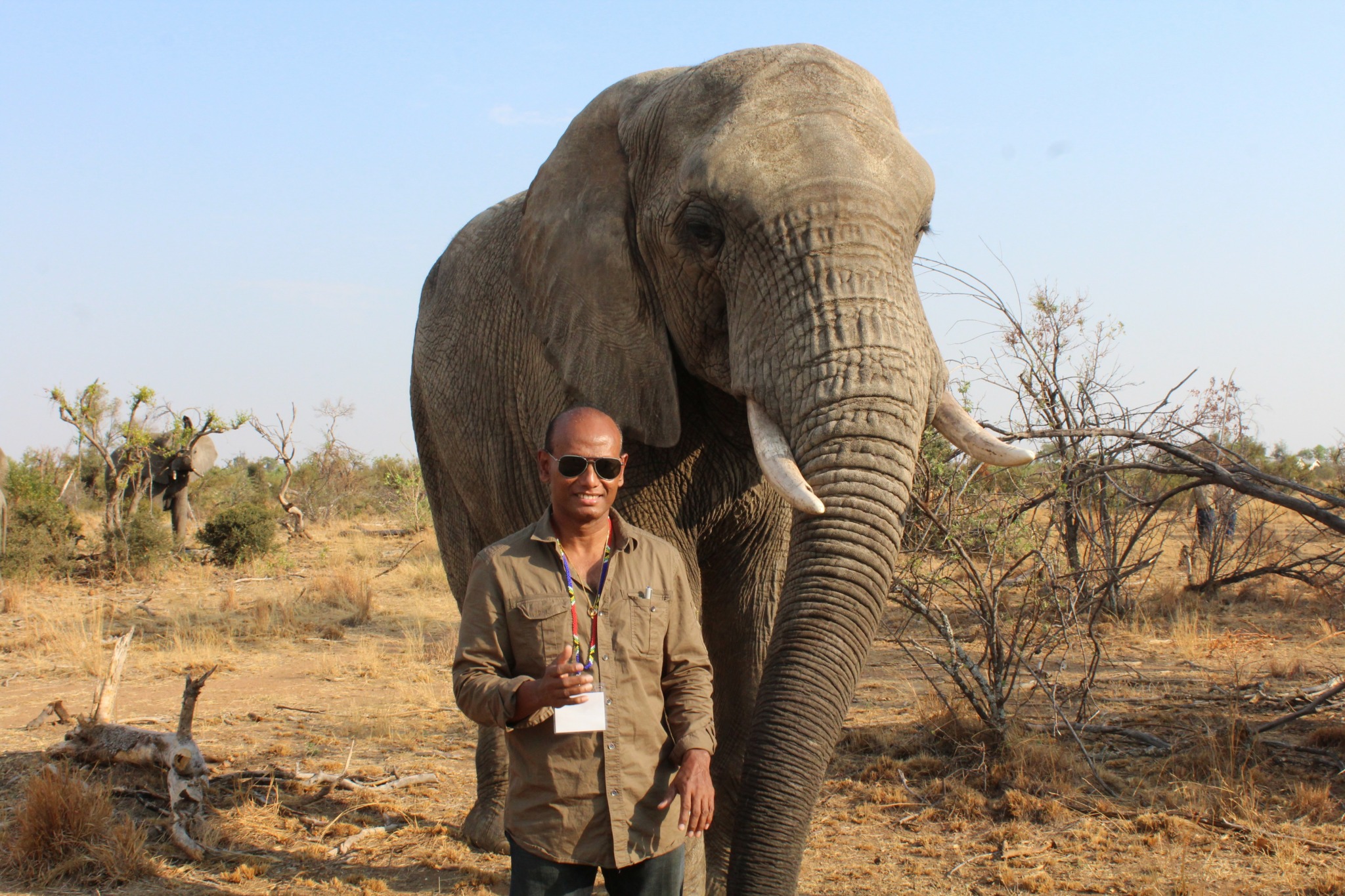
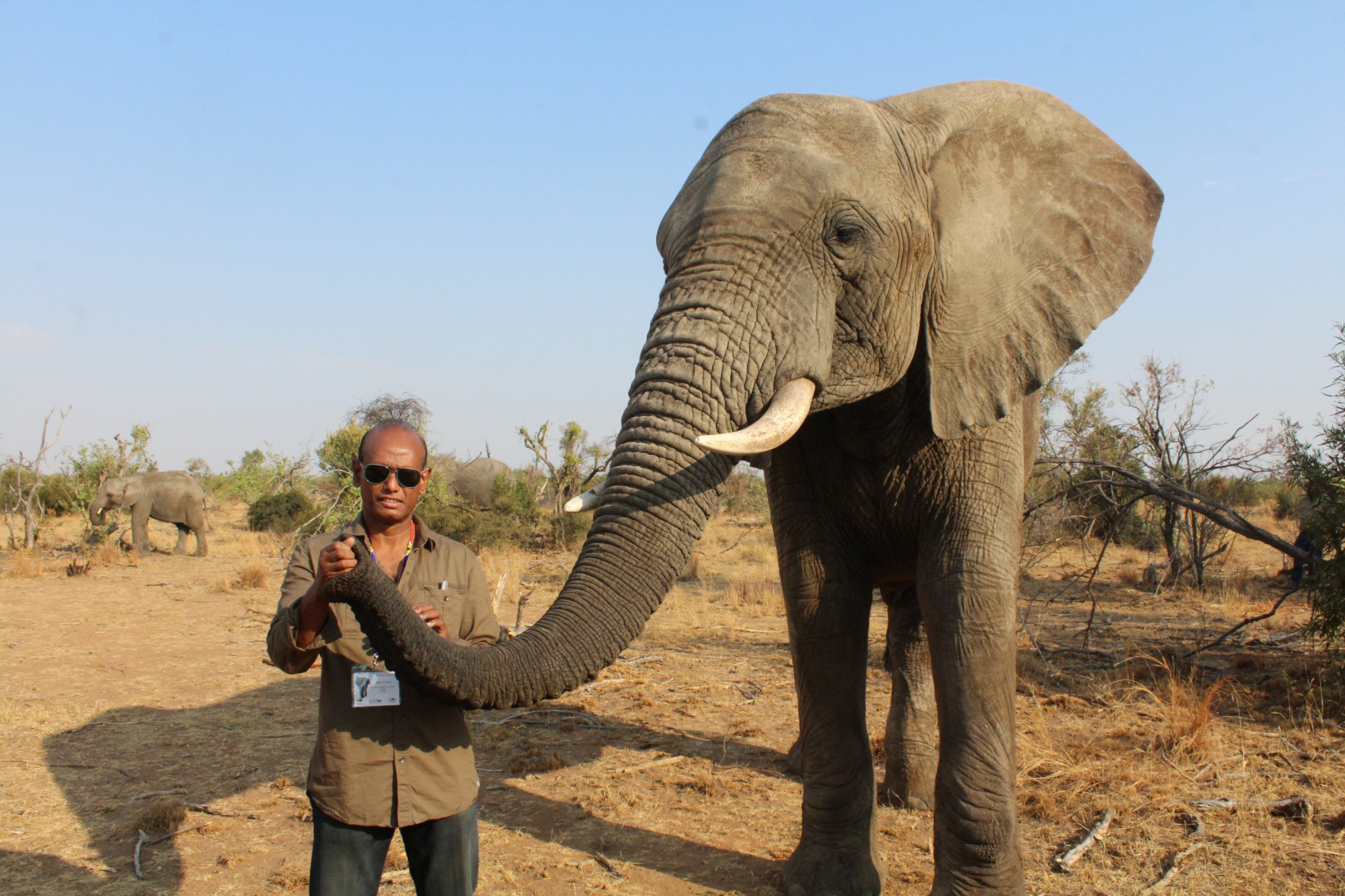
We often hear about learning lessons – but just as important is unlearning lessons. Have you ever had to unlearn a lesson?
When I first started working in conservation, I thought I knew exactly what needed to be done. I had the science, I had the data, and I had a deep love for wildlife—especially elephants. My belief was simple: if we could protect the animals, the rest would fall into place.
It didn’t take long for the field to teach me otherwise.
The Backstory
In the early days of the Sri Lanka Wildlife Conservation Society, I approached human-elephant conflict like most conservationists at the time—looking at it through a purely wildlife lens. I saw the elephants’ plight, their shrinking habitats, and the urgent need to keep them safe. My focus was on the animals, not the people.
Then I began spending time in villages like those in Wasgamuwa. I sat on porches with farmers whose rice paddies had been flattened overnight. I met families who had lost loved ones to sudden encounters with elephants. I saw the fear in children’s eyes when they heard an elephant outside their home at night.
It was a hard truth to face: to these communities, elephants weren’t just endangered animals—they were a daily threat.
What I Had to Unlearn
I had to unlearn the idea that conservation was about protecting wildlife from people.
In reality, it’s about protecting both wildlife and people—together.
I had to let go of the notion that the solutions in my head, backed by theory and global best practices, would automatically work in the Sri Lankan context. Broad, one-size-fits-all strategies sounded good on paper, but they didn’t fit the complexity of each village, each farmer, each patch of land.
I also had to unlearn the belief that data alone could convince people. Numbers and maps might persuade policymakers, but they don’t mean much to a farmer who’s wondering how to feed his family after losing a harvest. What matters to him is whether your solution works tonight, when the elephants are in his field.
What I Learned Instead
What I learned—and keep learning—is that conservation has to start with listening.
Listening without judgement. Listening with the intent to understand, not to respond.
I learned that communities don’t need to be “converted” to conservation; they need to be partners in it. They need solutions that respect their realities and livelihoods. And they need to see that protecting wildlife can go hand-in-hand with protecting their own futures.
This shift in mindset changed everything. It led to the development of Conflict Specific Mitigation strategies, the Saving Elephants by Helping People project, and innovative projects like Project Orange Elephant. None of these would have happened if I had clung to my original “protect the animals first” framework.
Why It Matters
Unlearning isn’t easy. It’s humbling to admit that your starting assumptions were wrong or incomplete. But I’ve come to see it as a strength, not a weakness. Because every time I’ve unlearned something, it’s opened the door to a more effective, compassionate, and lasting solution.
The backstory of SLWCS is, in many ways, the backstory of my own learning curve. The elephants taught me patience. The people taught me perspective. And the work itself taught me that conservation isn’t about holding onto your ideas—it’s about adapting them, even if it means starting over.
Contact Info:
- Website: https://www.slwcs.org
- Instagram: slwcs_org
- Facebook: https://www.facebook.com/SriLankaWildlifeConservationSociety/
- Twitter: @slwcs_org
- Youtube: Sri Lanka Wildlife Conservation Society
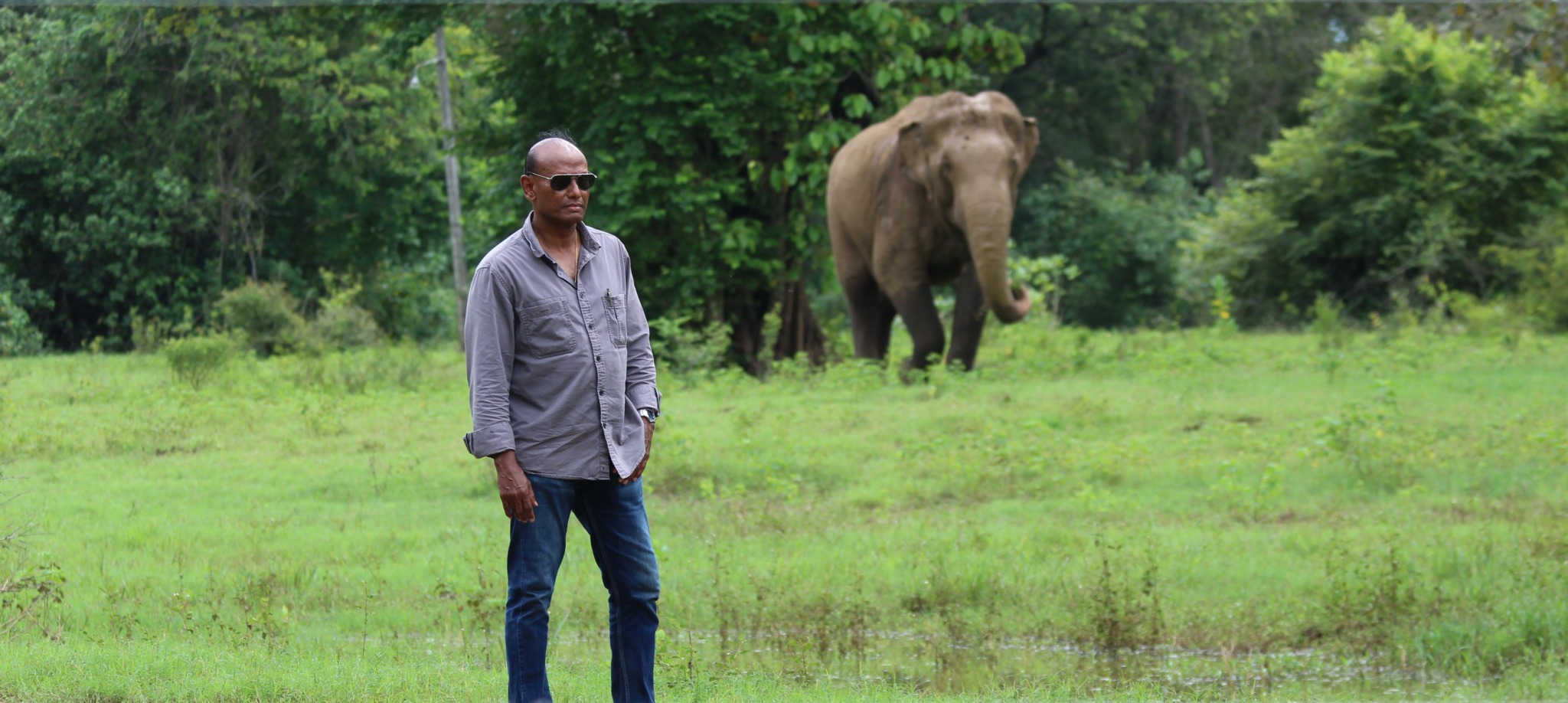
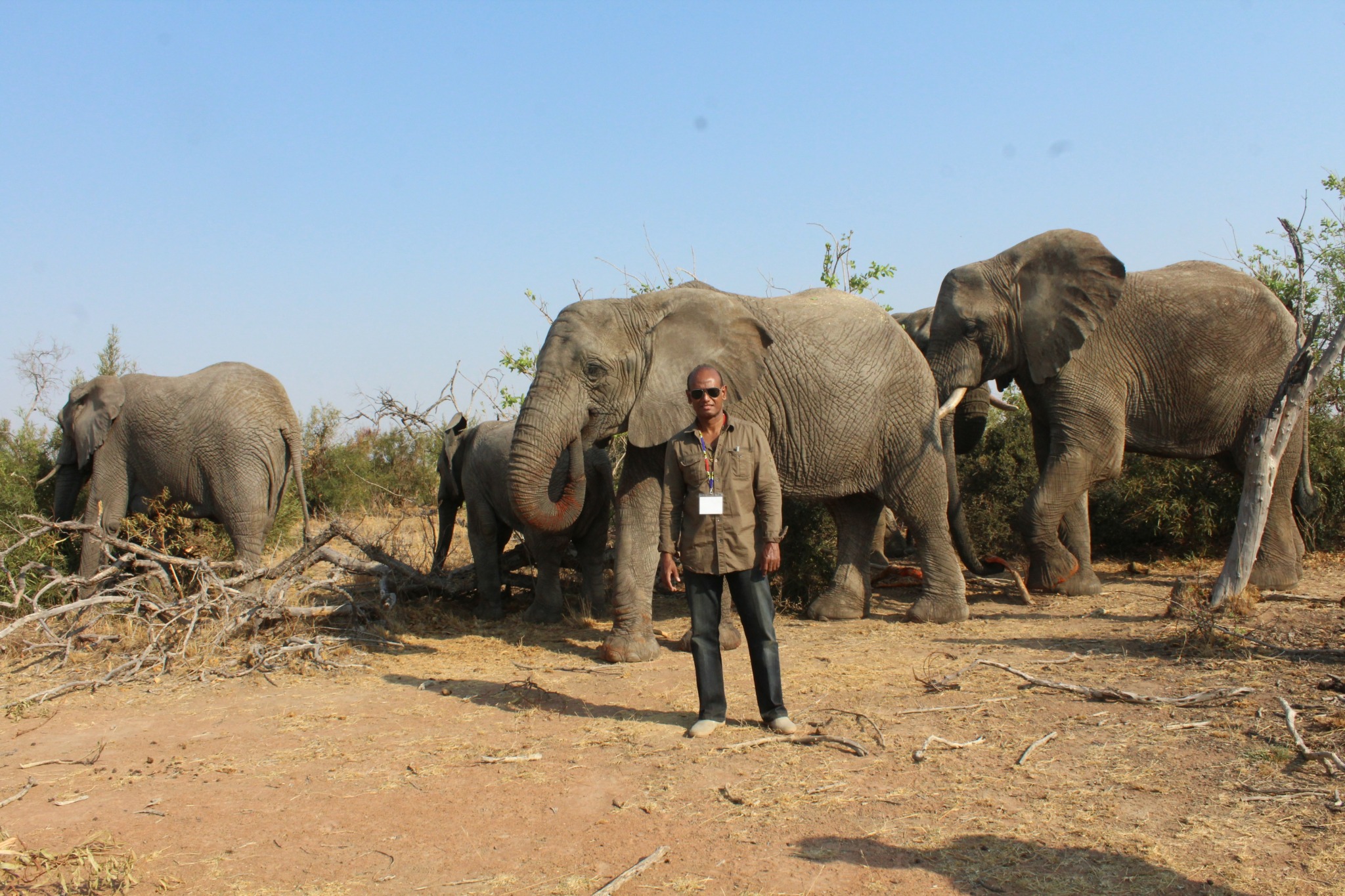
Image Credits
Ravi Corea