

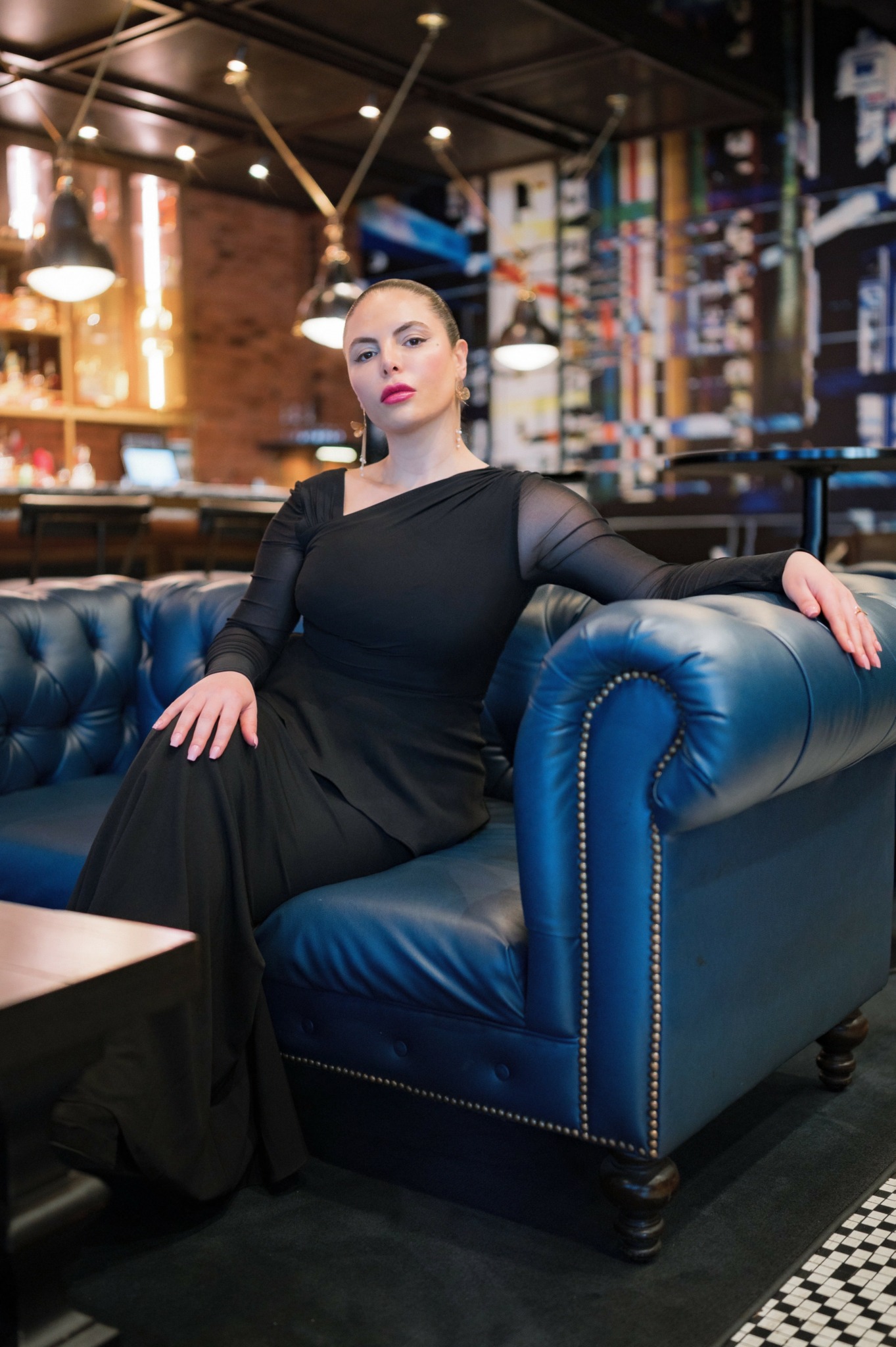

We caught up with the brilliant and insightful Rania Hoteit a few weeks ago and have shared our conversation below.
Rania, thanks for taking the time to share your stories with us today Talk to us about building a team – did you hire quickly, how’d you recruit the first few team members? Any interesting lessons?
Like many founders, I started with an idea, a strong sense of conviction, and very limited resources. I was building, selling, problem-solving, and figuring things out in real time. Those early days were intense, but they gave me a deep understanding of every layer of the business. That foundation became incredibly important later on.
Bringing on the first few team members was a turning point. I didn’t approach hiring as simply filling roles. I saw it as shaping the DNA of the company. Skills mattered, but mindset, adaptability, and belief in the vision mattered more. At that stage, things change quickly, so I needed people who were not only capable, but resilient and willing to build in uncertainty.
I found those early team members through a mix of my network, referrals, and sometimes unexpected connections. The interview process was intentionally less formal and more conversation-driven. I focused on how people think, how they handle ambiguity, and what drives them. In many cases, I involved them in real problem-solving discussions rather than hypothetical questions, which gave me a much clearer sense of how we would work together.
One thing that was somewhat unconventional was how much emphasis I placed on ownership from day one. Even in junior roles, I encouraged people to think like builders, not employees. That mindset became a cornerstone of our culture.
Over time, that small team grew into a global organization. I scaled the company from just a few people to more than 385 employees across 11 cities around the world, bringing together individuals from diverse backgrounds, cultures, and disciplines. That growth required a shift in leadership. What works with a team of five does not work with a team of hundreds. I had to evolve from being involved in everything to building leaders, systems, and a culture that could scale beyond me.
I also learned some hard lessons along the way. In the early stages, it’s easy to hire for potential and overlook the importance of structure. As we grew, I realized how critical it is to define roles clearly, invest in onboarding, and create strong communication systems, especially across geographies and cultures.
If I were starting today, I would still prioritize mindset and cultural alignment, but I would introduce more structure earlier. Not to limit creativity, but to support it. When people have clarity, they move faster and with more confidence.
Looking back, those early hiring decisions shaped everything that followed. They influenced the culture, the pace of growth, and ultimately the company’s ability to scale globally. It reinforced my belief that building a company is really about building people, and when you get that right, everything else has a much stronger foundation.
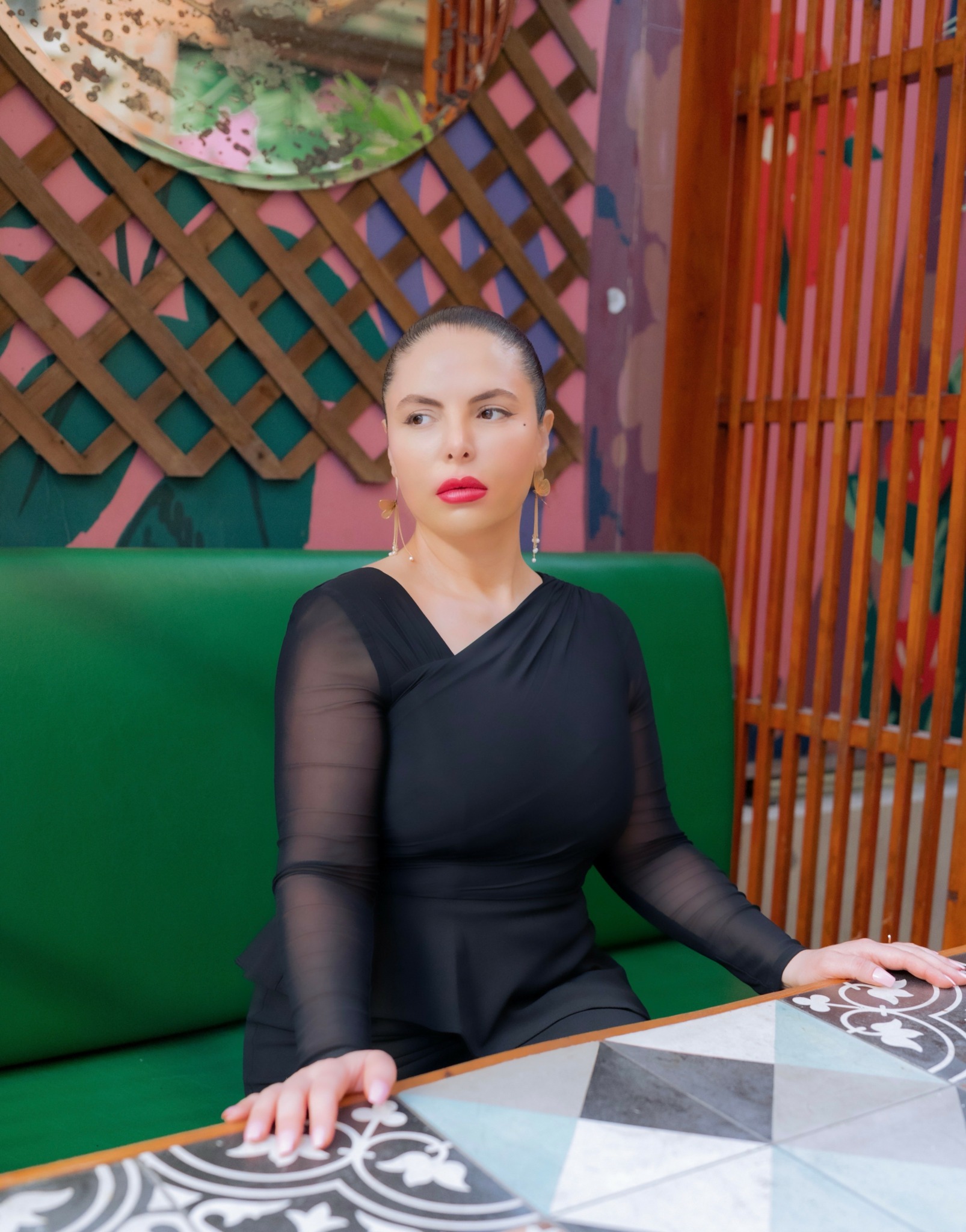
Rania, before we move on to more of these sorts of questions, can you take some time to bring our readers up to speed on you and what you do?
I’m an entrepreneur, impact leader, and advisor, but at my core, I’m someone who has always been driven by one question: How do we build things that truly matter at scale?
My journey into this work wasn’t linear. I grew up navigating instability and displacement, which shaped how I see the world, especially the deep connection between opportunity, dignity, and systems. That perspective ultimately led me into entrepreneurship, where I spent nearly two decades building and scaling technology companies at the intersection of innovation and impact.
As the Founder and former CEO of ID4A Technologies, I led the company from a startup to a global operation across 30+ countries. We focused on transforming manufacturing through advanced technologies, helping businesses operate more sustainably while also improving conditions for millions of workers. That experience fundamentally shaped my approach: I don’t believe in growth for the sake of growth. I believe in building systems that are both high-performing and human-centered.
Today, I work with founders, executives, and organizations as a strategic advisor, speaker, and leadership coach. Through my programs, workshops, and keynotes, I help leaders scale with clarity, aligning purpose, profitability, and people. The problems I solve are often complex: leaders navigating rapid growth, organizations struggling with culture or alignment, or founders who have built success but feel disconnected from meaning. I help them bridge that gap, so they can lead with intention while still delivering measurable results.
What sets my work apart is the integration of three things that are rarely brought together at depth: strategic execution, emotional intelligence, and purpose-driven leadership. Many people can talk about vision. Fewer can translate it into scalable systems. Even fewer can do that while building cultures rooted in trust, resilience, and psychological safety. That is the space I operate in.
What I’m most proud of is the impact. Supporting more than 2,000 businesses and contributing to improved livelihoods for over 2 million workers globally is something I carry with a strong sense of responsibility. It’s a reminder that leadership decisions extend far beyond the boardroom and into people’s lives.
What I want people to know about me and my work is this. I’m not here to offer surface-level inspiration. I challenge how leaders think, how they build, and how they lead. My work focuses on transformation that is both deeply personal and highly strategic, because that is what it takes to build organizations that not only succeed, but continue to evolve.
Ultimately, I help people step into a bigger version of their leadership, one that is bold, aligned, and designed to create meaningful and lasting impact.
Can you talk to us about your experience with selling businesses?
Yes, I’ve had the opportunity to exit multiple businesses, including two early ventures and later the company I founded and led for over a decade, ID4A Technologies.
I launched my first startup as an undergraduate and my second while pursuing my master’s degree. Both were eventually acquired, and those early exits were formative. They taught me that building a company is not just about having a great idea, but about execution, timing, and understanding what creates real value in the eyes of a buyer.
The most significant experience, however, was ID4A Technologies. What started as an ambitious idea grew into a global company operating in more than 30 countries. Over twelve years, we built technologies that helped transform manufacturing, supporting thousands of businesses and improving the livelihoods of millions of workers. Leading the company through growth and ultimately to acquisition was both a strategic and deeply personal journey.
One of the most important lessons I’ve learned is that you don’t build a company to sell it. You build a company to be valuable. When you focus on solving meaningful problems, creating measurable impact, and building strong systems, the exit becomes a byproduct of that value.
Another key lesson is the importance of alignment. Alignment between founders, investors, leadership teams, and the long-term vision of the company. Misalignment can derail even the most promising opportunities, especially during an acquisition process where stakes and pressures are high.
I also learned that readiness is not just financial, it’s operational and emotional. Your systems, your data, your team, and your governance structures all need to be strong enough to withstand scrutiny. At the same time, as a founder, you have to be prepared to let go of something you’ve built over years. That transition requires clarity of purpose and trust in what comes next.
For entrepreneurs hoping to sell their businesses one day, my advice is this: focus on building something that is deeply valuable, scalable, and resilient. Build with intention from day one. Document your processes, invest in your team, and create a business that can operate beyond you. And most importantly, stay grounded in why you started, because that clarity will guide you not just in building, but in knowing when and how to exit.
Have you ever had to pivot?
One of the most defining pivots in my journey happened during my time leading ID4A Technologies.
In the early stages, our focus was on building advanced technology solutions for manufacturing, with a strong emphasis on efficiency and performance. But as we began working more closely with global supply chains, I started to see a deeper, often invisible problem. Behind the data and operations were millions of workers facing poor conditions, limited protections, and very little visibility.
That realization forced a shift in how I saw both the business and my role as a leader. We made the decision to expand our focus beyond technology as a tool for efficiency, and instead position it as a driver for transparency, accountability, and human impact. That meant rethinking our product, our partnerships, and even how we defined success.
It wasn’t an easy pivot. It required making long-term bets, educating the market, and in some cases walking away from opportunities that didn’t align with that direction. But it ultimately became the foundation for our growth and global relevance. It allowed us to support thousands of businesses in adopting more responsible practices while improving outcomes for millions of workers.
That experience reinforced something I carry with me today. The most important pivots are not just strategic, they are perspective shifts. They require you to question your assumptions, listen deeply to what’s unfolding around you, and have the courage to evolve before the market forces you to.
It also shaped how I guide leaders now. A well-timed pivot is not a sign of failure, but a sign of awareness and growth. Much of the work I do today centers around helping leaders recognize when it’s time to shift, and how to do it in a way that aligns with both their vision and their values, so they can build something that is not only successful, but deeply meaningful.
Contact Info:
- Instagram: https://www.instagram.com/raniahoteit_officialpublicpage/
- Facebook: https://www.facebook.com/RaniaHoteitOfficialPage/
- Linkedin: https://www.linkedin.com/in/raniahoteit/
- Twitter: https://x.com/rania_hoteit
- Youtube: https://www.youtube.com/@raniahoteit
Image Credits
Photography by Aaron Daniels. Courtesy of Rania Hoteit.