


Alright – so today we’ve got the honor of introducing you to Randee Paufve. We think you’ll enjoy our conversation, we’ve shared it below.
Randee, appreciate you joining us today. Did you always know you wanted to pursue a creative or artistic career? When did you first know?
It actually happened three times — or maybe it was one long realization arriving in stages.
The first flash came at age six, in my very first ballet class. I had no idea what ballet was. I just knew we learned dances while holding a barre, and something clicked. That was it: I wanted to dance.
The second time arrived in my early teens, on a bus ride home from a competition. Surrounded by other dancers, a feeling settled over me — quiet but certain — that I wanted to do this forever.
The third time was the one that truly set the course. It was 1982–83. I was in my early twenties, spending my junior year of college on a program in South India, studying Tamil and pursuing a year-long self-directed project. I tried Bharatanatyam, but I was the only adult beginner in a room of extraordinary little girls — and I knew in my body that this wasn’t my form. Meanwhile, a fellow student from Oberlin was teaching us contact improvisation, and something in that practice lit me up in a completely different way.
Then came the moment. Flying home to start my senior year, the plane circling JFK, I was spinning out — what did I actually want? What did I love most? The answer was dancing, clear as anything. And in that same moment, a question surfaced: what kind of dance would the grandmother I knew best have done as a young woman growing up in New York City? Modern dance. Obviously.
Back at school, I started driving up to Ithaca to take a Cunningham-based technique class I’d heard about. I fell in love. I knew I needed real, concentrated training — and a graduate program seemed like the best way to get it. So I got myself into the MA program in dance at SUNY Brockport, and the rest began from there.
Randee, before we move on to more of these sorts of questions, can you take some time to bring our readers up to speed on you and what you do?
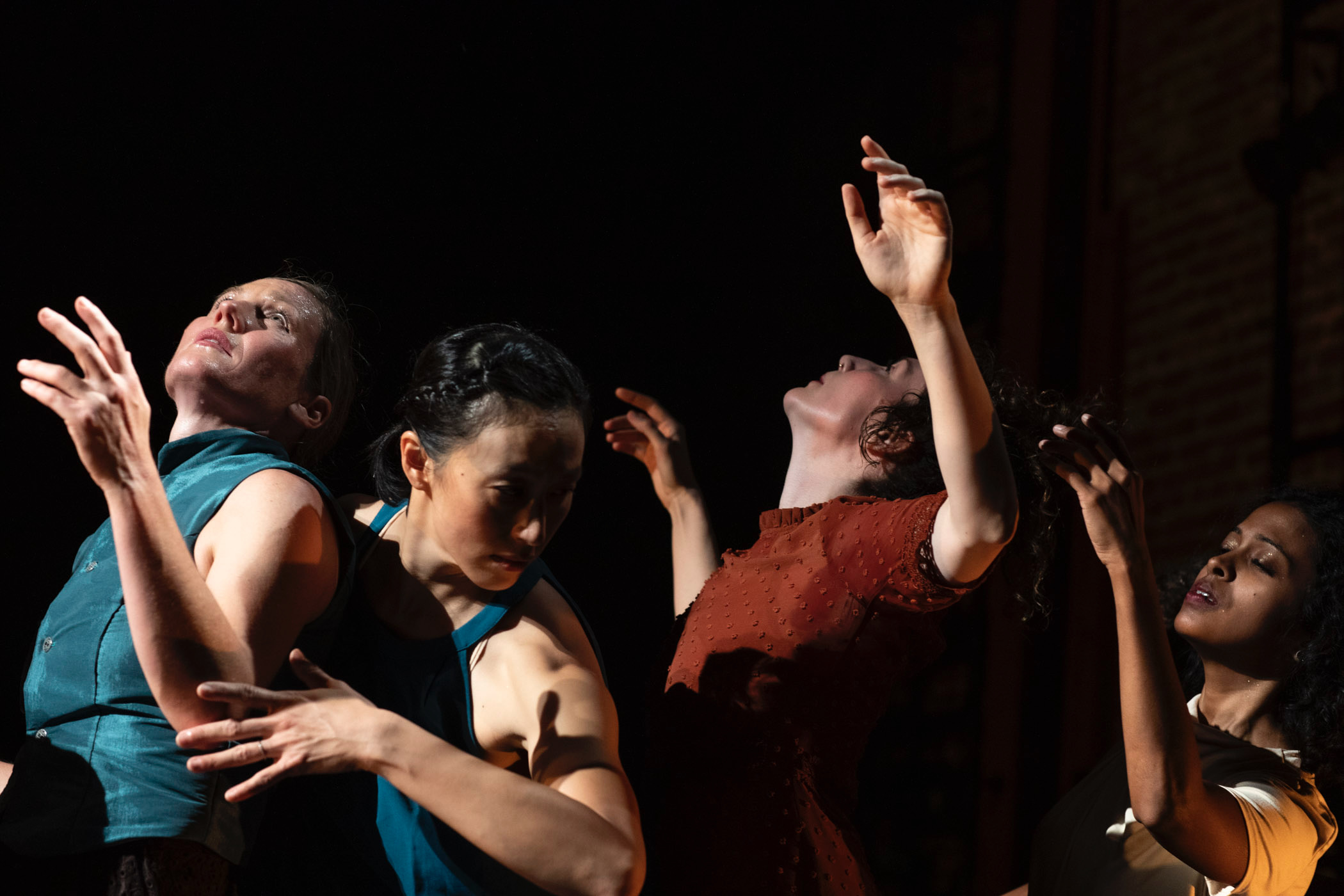
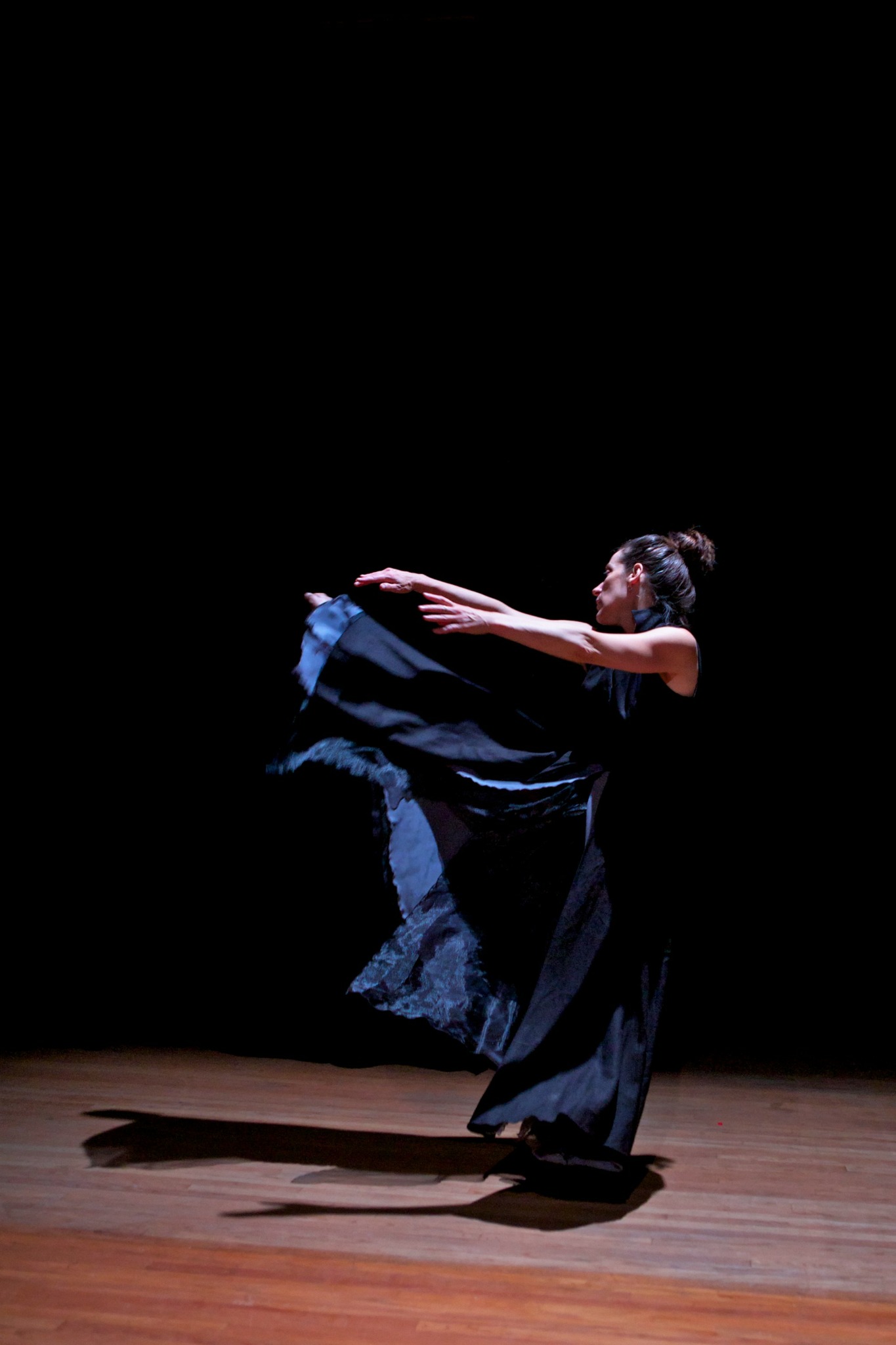
I’m a choreographer, performer, and teacher working in modern and contemporary dance idioms. In 2001, I founded Paufve Dance — a contemporary dance organization built around one core belief: that intimate portraits of humanity are possible through the rigorous craft of choreography.
My work explores themes of womanhood, community, and resilience. Paufve Dance performances have taken place in theaters and public parks, in bars and nightclubs — wherever a living audience can be met. Because to me, the venue is never incidental; it’s part of the meaning.
Beyond performance, Paufve Dance regularly hosts open workshops and rehearsals, welcoming dancers of every level. The intention is to create space where people can celebrate their bodies and explore their inner worlds — not just the trained or the seasoned, but anyone who wants to move.
At the heart of everything I do are a few commitments I keep returning to: reclaiming feminism through dance, as a movement toward freedom of choice, gender diversity, and bodily autonomy. Building community through teaching that holds joy, rigor, and accessibility together in the same room. Collaborating with dancers to make work that is meticulously and thoughtfully crafted — not decorative, but deliberate.
And perhaps most simply: honoring our basic human need to move and connect. In this body. In this moment. With these people. I’ve always believed the here and the now are sacred and irreplaceable — and that making dances and teaching, right now, in the middle of all this global uncertainty and change, is an act of hope. That’s what I want people to know about Paufve Dance. It’s not just art. It’s a practice of movement as meaning, the body as the message, and belief in space as a place for human connection.
Do you think there is something that non-creatives might struggle to understand about your journey as a creative? Maybe you can shed some light?
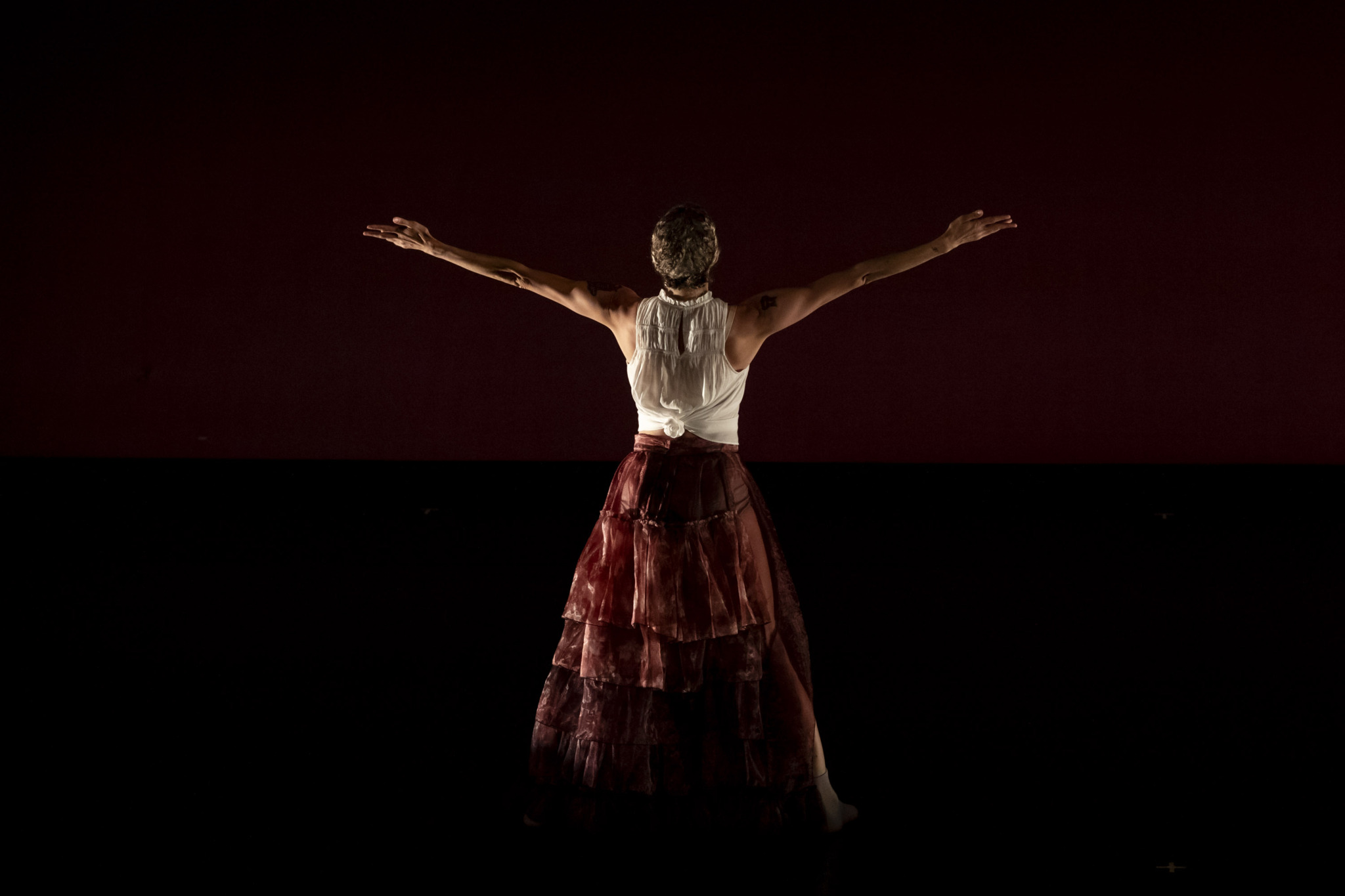
Dance works to reveal what spoken language so often obscures. Choreographer Tere O’Connor described it as “a sub-linguistic area of expression that revels in its ability to braid together the personal and the universal.” That phrase has stayed with me, because it names something I feel in the studio every single day.
Dance is one of the only physical practices that uses the whole body — body, and mind plus spirit, whatever that means. Which makes it an extraordinarily healthy practice. As a teacher, I watch people walk into class in one state and walk out exhilarated, almost without exception. I’ll just say it plainly: dance could save the world, if we let it. If we honored our bodies the way dance asks us to, we might like ourselves a little better — and be a little less hell-bent on destruction.
But let me push back on some myths that get in the way of people finding that out for themselves. The idea that you have to be thin to be a dancer? That’s not true. The idea that you need to be “flexible” or embody a particular kind of coordination? Also not true. Any body can dance. Not every body can do every form — ballet, for instance, has historically demanded a particular way with legs and line, and, let’s face it, a body type that cannot actually sustain its own demands, which is worth naming as a real problem — but that’s a failing of the form’s conventions, not a fact about bodies. Movement belongs to everyone.
What is genuinely hard — and what I think folks not familiar with dance rarely see — is the sheer logistical endurance the professional dance life requires. Dancers almost always hold multiple jobs, running from rehearsal to work to rehearsal again, all day, for years. There’s no studio apartment with a piano where you retreat to compose. Dance requires space, bodies, and time — none of which come cheaply or easily — and even before you get to production, you’re already coordinating lighting, sound, and a full team of collaborators in order to realize a vision.
And being a choreographer is its own distinct thing, quite apart from being a dancer. Choreography is the invention and arrangement of movement — phrases built from gestures, bodies placed in space in relation to each other, all of it shaped against sound and light and the particular architecture of wherever you happen to be performing. It requires a wholly different set of skills than dancing, and a wholly different relationship to your own ego: your vision has to pass through other people’s bodies, which means being genuinely curious about what those bodies – these people, these whole beings – will do with it. As someone once said to me about my own work: “the teacher in you makes you not pained, but curious and excited about what dancers do with your vision. This is collaboration. This is teaching. This is your artistry.”
Teaching, meanwhile, is yet another skill set — one that’s often assumed to be interchangeable with performing or choreographing. It isn’t. Good teaching means releasing a lot of fixed ideas about what dance is supposed to look like, and staying genuinely open to who walks through the door. It also means a ton of preparation to craft a good class. In my classes, the concepts I keep returning to are things like: allowance over discipline (while still training, working with rigor, developing skills, building strength); strategy over force; the play instinct kept primary, the space between wildness and precision, the idea of approaching and finding both improvised and set movement as continuous research, working with music and sound (including silence as sound) and continually questioning the relation between movement and music/sound. I ask students to hold the difference between judgment and discernment, between expectation and hope. To trust the body’s own intelligence — what I think of as the en-minded body. And to ask what virtuosity really means: can form itself be virtuosity? I believe it can. Form is the structure that holds content. The wine needs the glass; the glass needs the wine.
Concert dance can be hard for audiences to access — people sometimes tell me this, and I always find it a little puzzling, because dance moves through the one medium we all share: the human body in motion. But I’ve also come to understand that the strangeness people feel isn’t about dance being obscure. It’s about dance asking something real of you. It asks you to be vulnerable, to embrace uncertainty, and to make decisions. It asks you to put a little critical distance between yourself and what you’re watching — or doing — not as a way of pulling back, but as a way of questioning rather than judging. As one audience member once put it about my work: “you create space within your dances for your audiences to enter and cross.”
That space — between the movement and the meaning, between the performer and the witness — is where I live as an artist. While I struggle with the terms “creative” and “non-creative” it’s also, I think, where folks who consider themselves creatives or non-creatives, artists or non-artists, might find they have more in common than either expected.
Let’s talk about resilience next – do you have a story you can share with us?
People have been questioning my choice to dance professionally for as long as I can remember. A college professor — a psychologist and therapist, of all things — once looked at me and said, “aren’t you a bit… buxom to be a dancer?” I also learned quickly to be selective about who I shared the financial realities of a dance career with, because the response was almost always some version of “maybe it’s time to consider something more practical.” I got used to it. But the one that really landed — the one I still think about — came from a dance professor I studied with.
I went to her for advice about a career in dance. She told me I didn’t have the legs to be a dancer. That I was a strong choreographer. And that maybe I could teach.
I want to sit with that for a moment, because there’s a lot packed into it. The legs comment — another woman, another body being measured against a particular value system, a standard that has nothing to do with artistry. The choreography note was genuinely encouraging, and I heard it. But the one that got under my skin was the “maybe you could teach” — offered as a consolation prize, as if teaching were a lesser thing, a fallback for the not-quite-good-enough. This was a woman who had likely navigated her own brutal gauntlet — a dancer in her forties in the mid-1980s, already post-hip replacement, trained in an era when a dance career was strictly one thing or nothing. I understand where it came from. It still stung.
And honestly? It made me sad and pissed me off. Not just for myself, but for every young dancer who’d ever been measured and found wanting by someone who should have known better. That sadness and anger turned out to be useful. It fueled me.
I moved to the San Francisco Bay Area and got to work. It took a few years to find the right people, the right training, the right community — but I found them. I built a career and a rich, strong community, as a dancer, a choreographer, and yes, a teacher — the best I knew how to be, not because someone told me that was my ceiling, but because I came to understand that teaching is its own profound art form, not a lesser one.
That was over forty years ago. I have supported myself in dance, and dance alone, ever since — through passion, clarity, resilience, practicality, and resourcefulness, without once giving up what I actually wanted. I’ve never looked back, never regretted a single thing. And every time I watch a student leave my class more alive than when they walked in, when I read note after note from students and the dancers who dance my choreography, thanking me for changing their lives – I think about that professor — and I’m grateful.
Contact Info:
- Website: http://www.paufvedance.org/
- Instagram: https://www.instagram.com/paufvedance/
- Facebook: https://www.facebook.com/randee.paufve
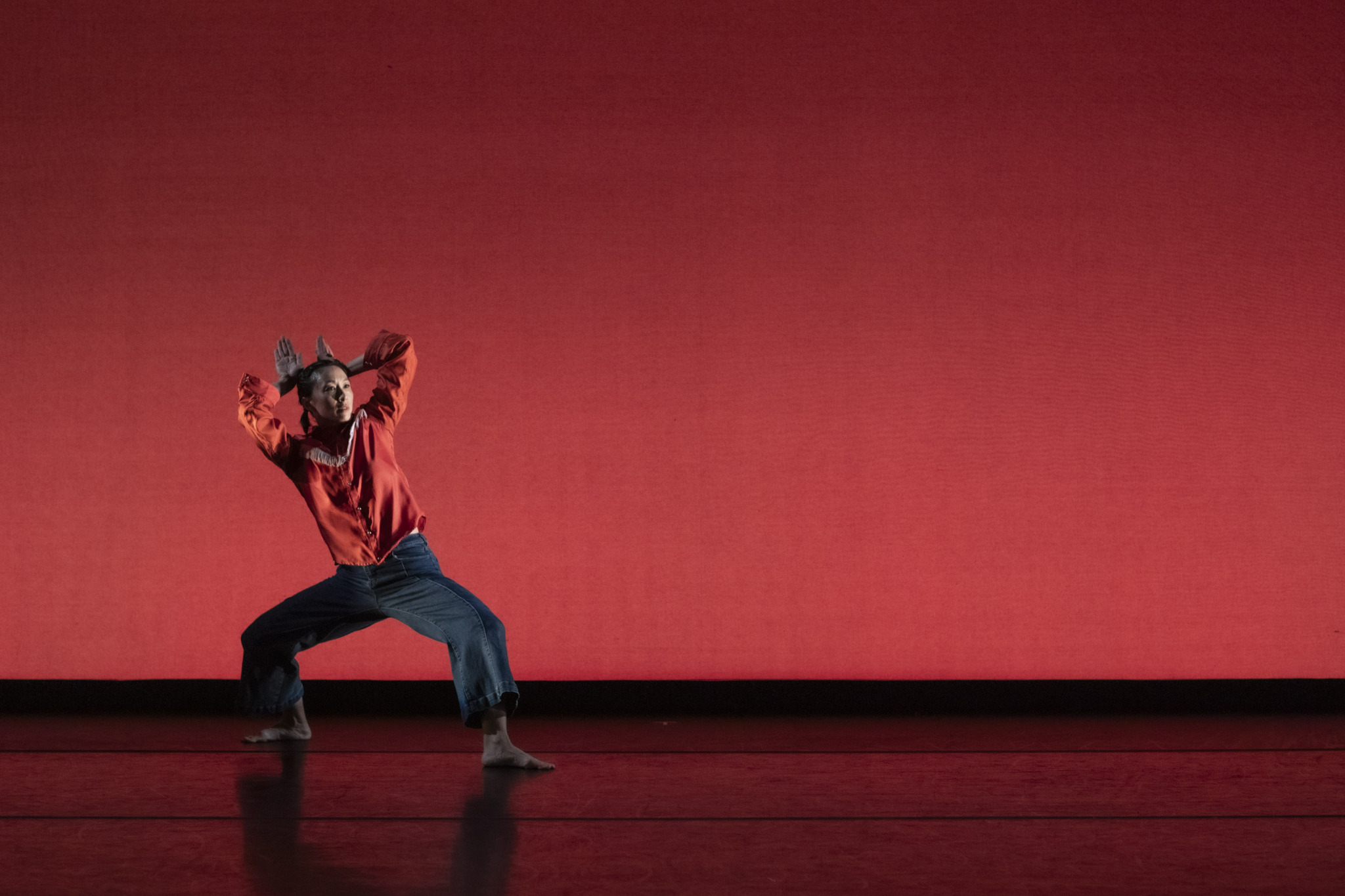
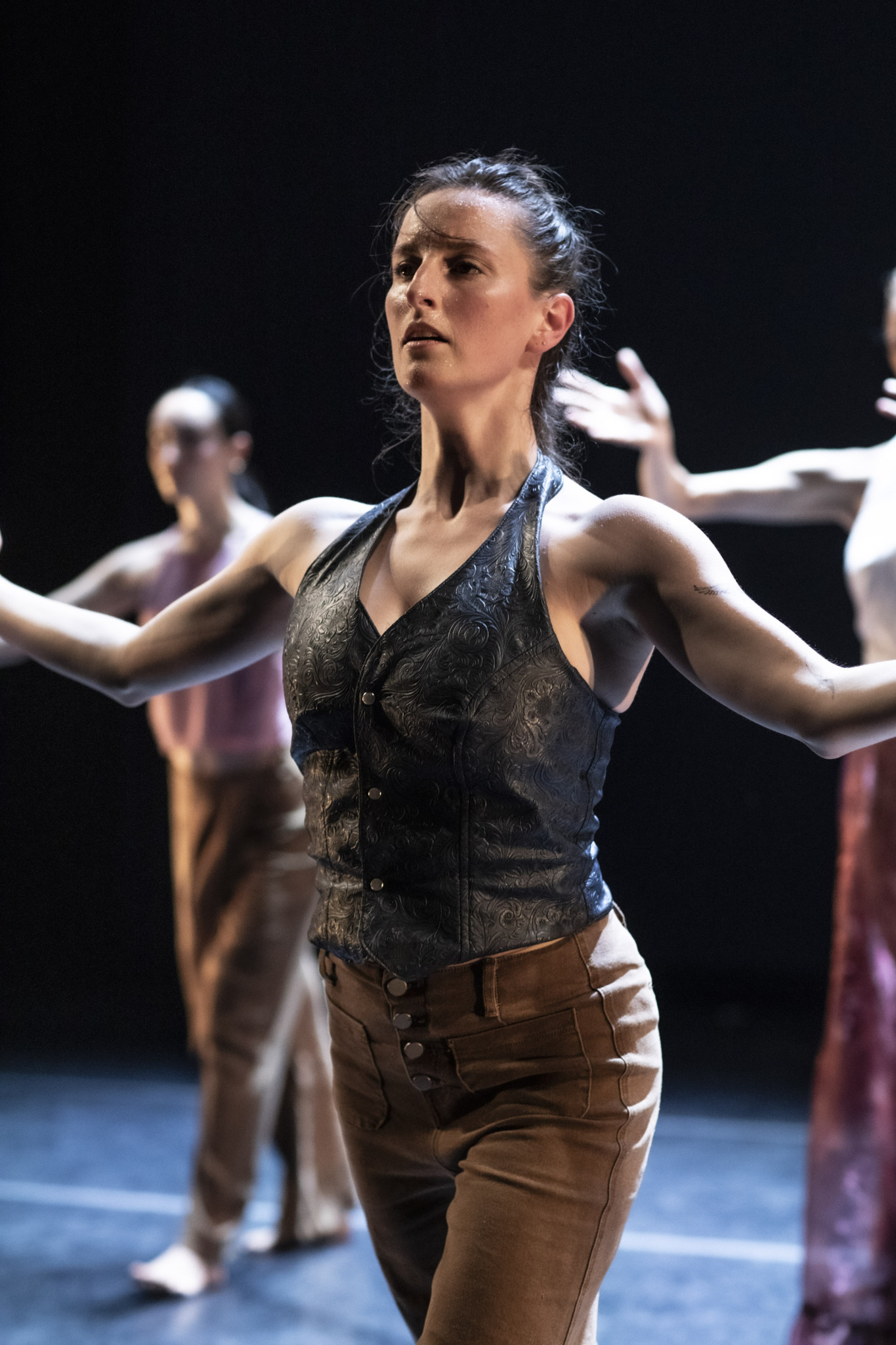
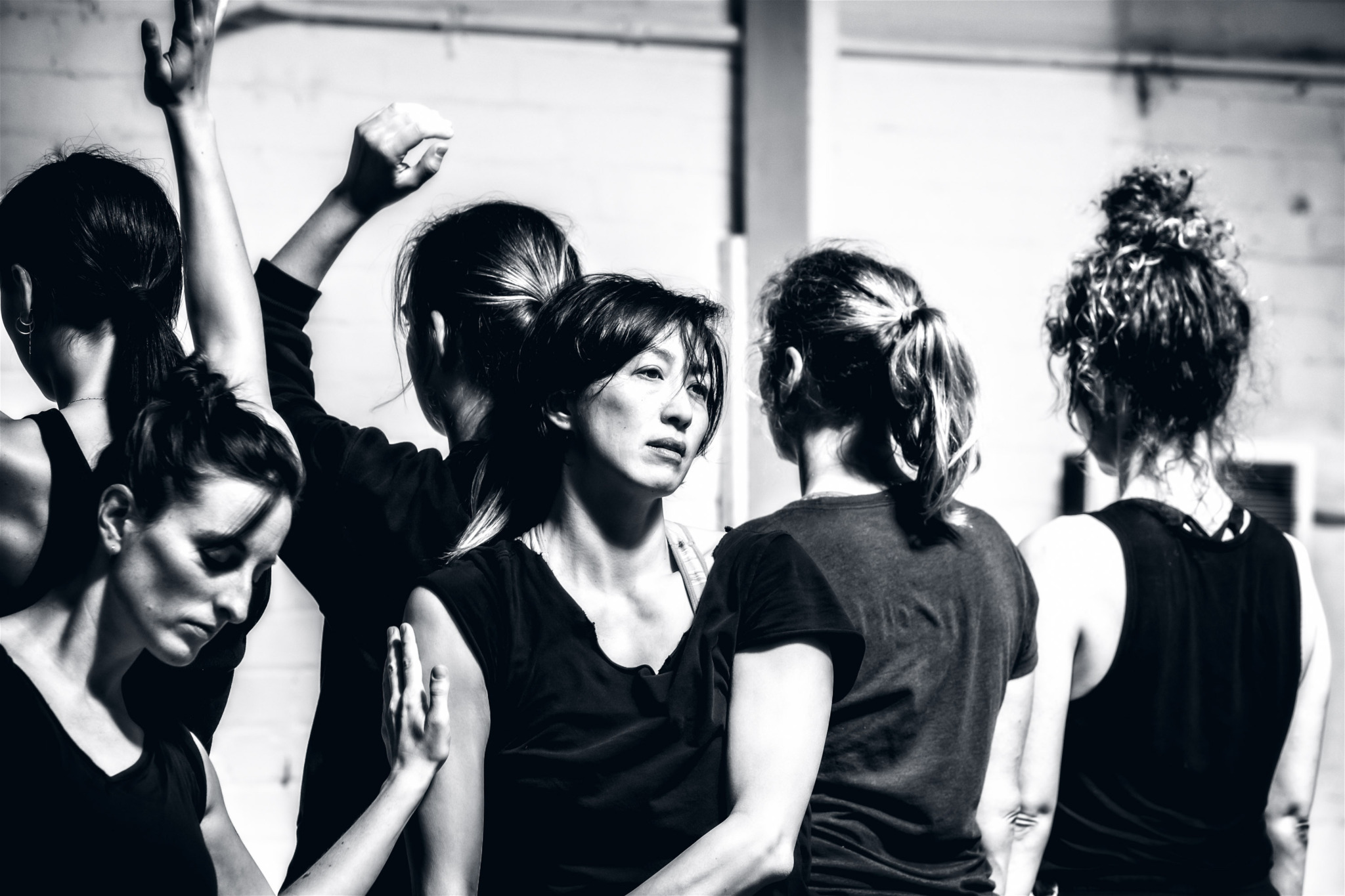
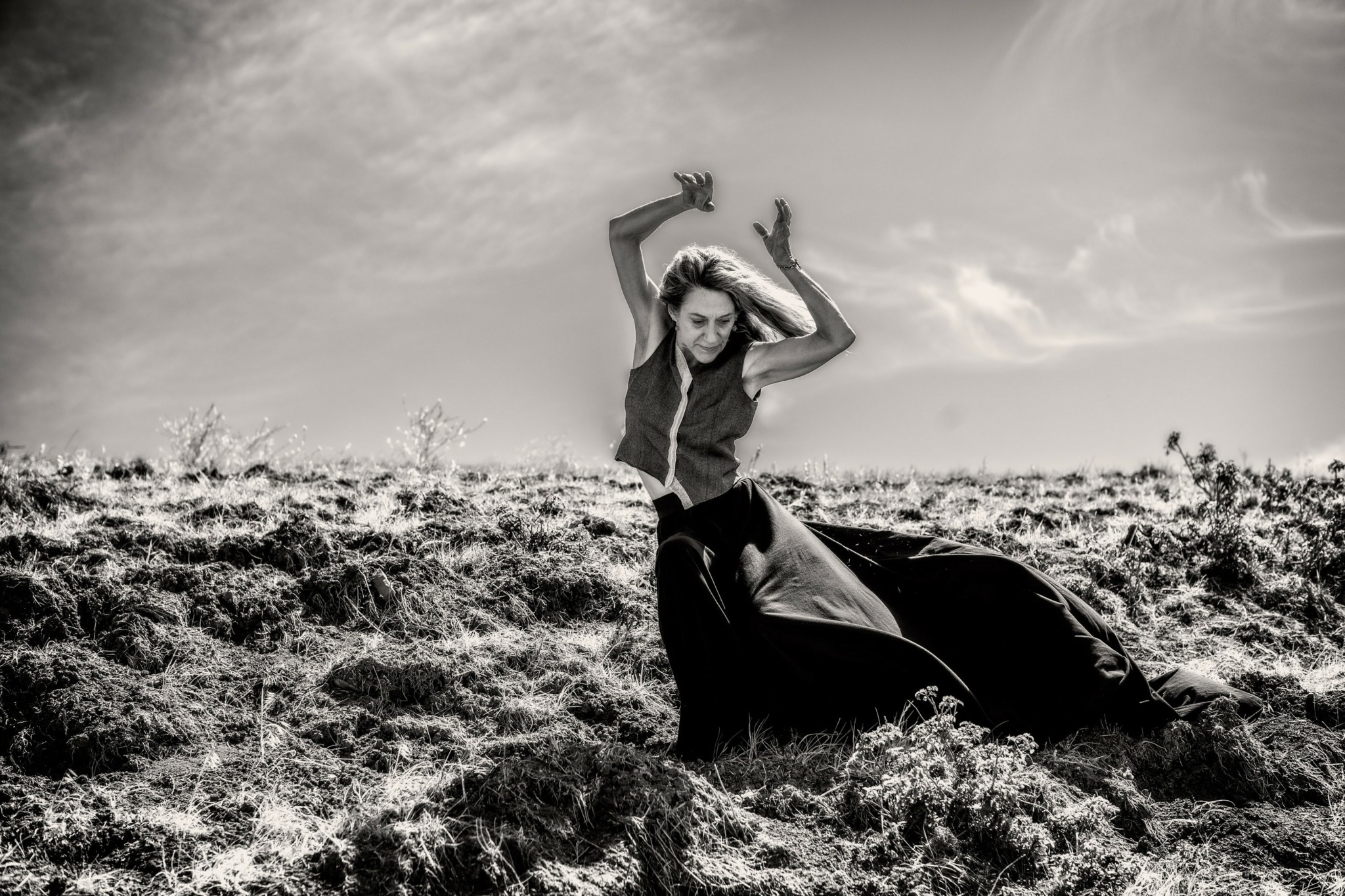
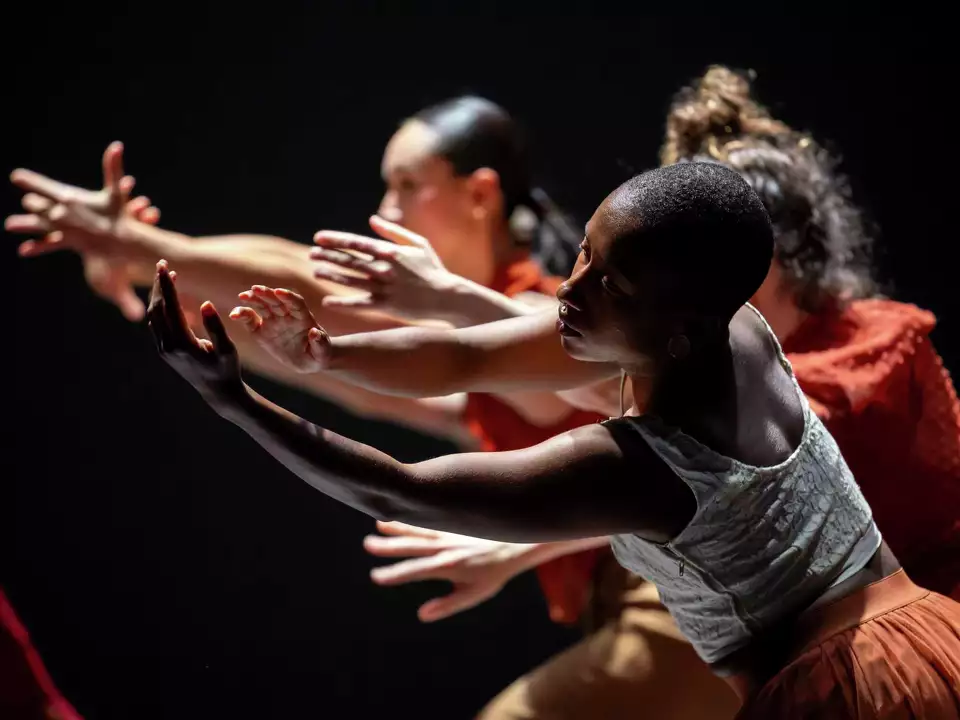
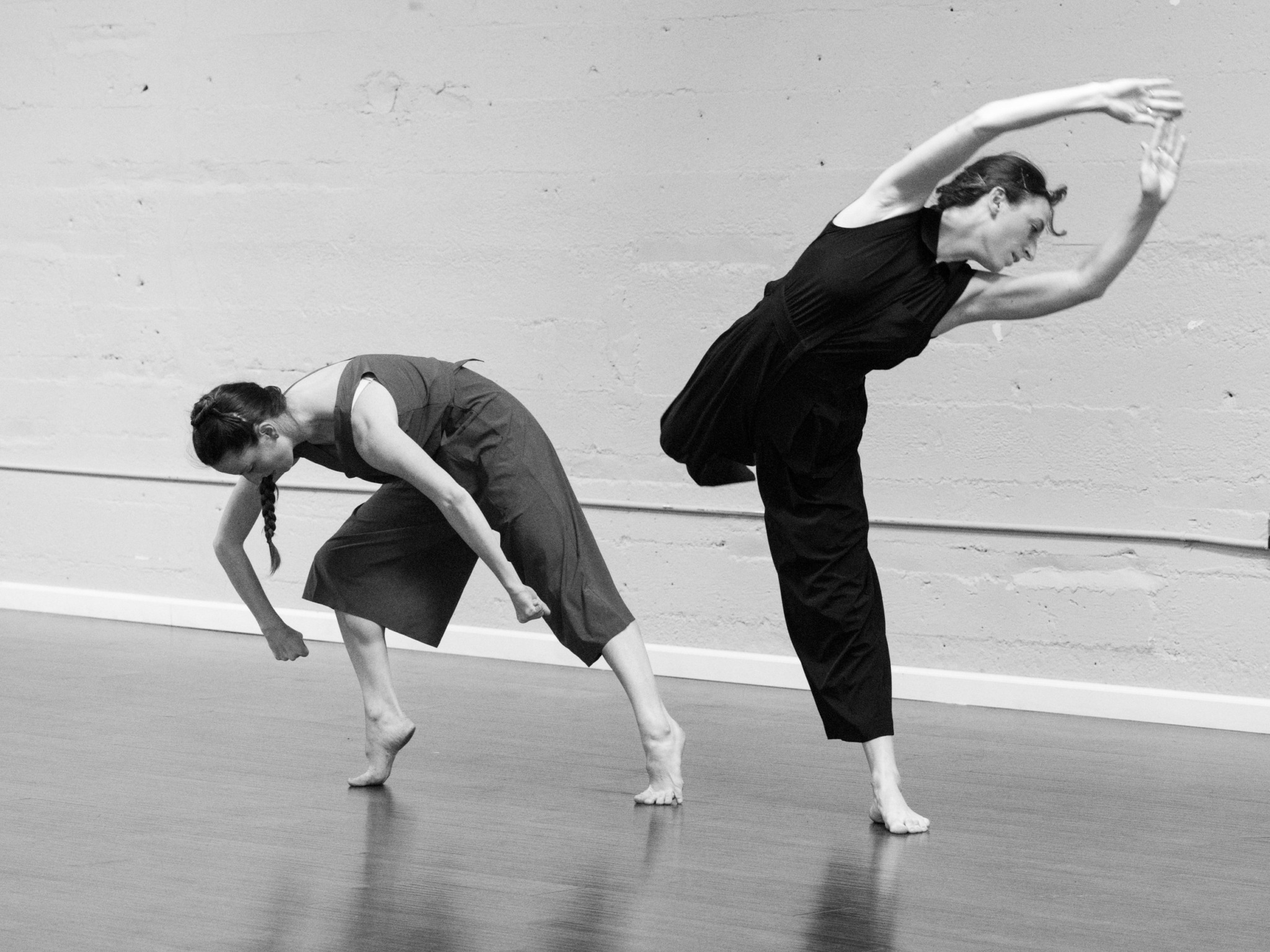
Image Credits
Photographers: Stephen Texeira, Hillary Goidell, Pak Han