

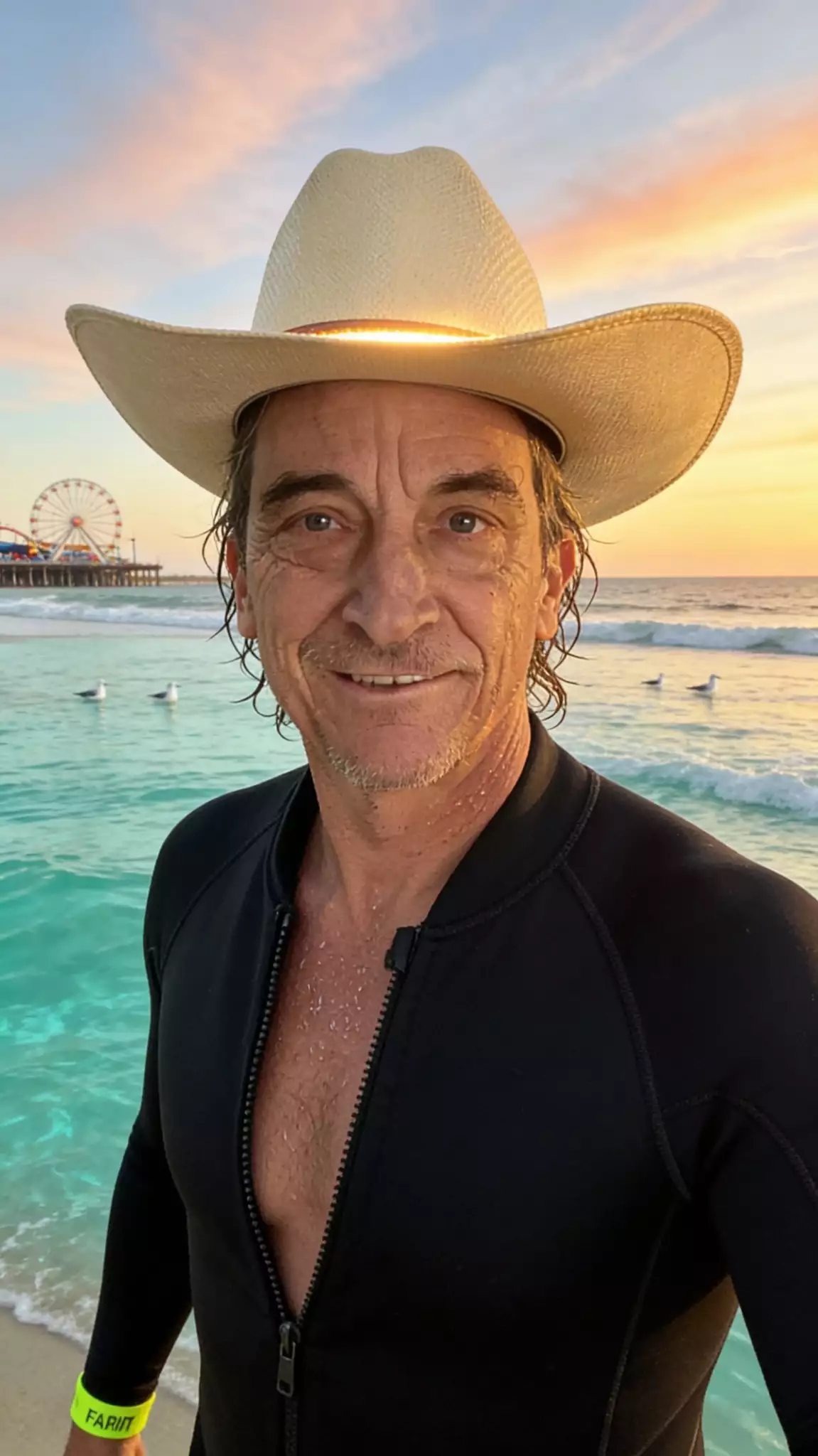

We recently connected with Ralph Brekan and have shared our conversation below.
Alright, Ralph thanks for taking the time to share your stories and insights with us today. What’s been the most meaningful project you’ve worked on?
In 2003, Buddy Greenbloom—known as “The Gothic Cowboy”—was created as the fictional frontman of an experimental music project titled My Little Underground. The project culminated in a ten-track album reimagining the work of 1980s new wave icons The Jesus and Mary Chain. Following the album’s release, Greenbloom spent five years touring in support of the record before returning to a successful career in art and design, with a focus on fashion and motion picture work.
Over the next decade, music remained a constant, albeit quieter, creative outlet. While supporting his family through stagecraft and on-screen appearances, Greenbloom continued to write and perform. It was these experiences in film and television that ultimately reignited the Buddy Greenbloom persona.
In 2016, while working as a supporting actor, he landed a role in HBO’s Westworld, appearing in Season One’s “Trompe L’Oeil” as “Vendor,” credited under his given name. Behind the scenes, he began informally performing acoustic covers of MTV-era new wave hits for cast and crew. His distinctive fusion of pop-punk sensibility with a Western vocal style quickly gained attention, leading to collaborations and live-stream performances with notable Los Angeles-area musicians.
As momentum grew, the project evolved from a solo act into a full ensemble: Buddy Greenbloom & the Gothic Cowboys, featuring a lineup of accomplished honky-tonk and bluegrass instrumentalists. This expansion marked a defining shift in both sound and scope.
Today, in 2026, Buddy Greenbloom represents a fully realized, multi-dimensional music brand—one that seamlessly integrates songwriting, live performance, and visual artistry. Distinct from his work in scenic design and visual media, the project stands as one of the most enduring and personally rewarding endeavors of his career.
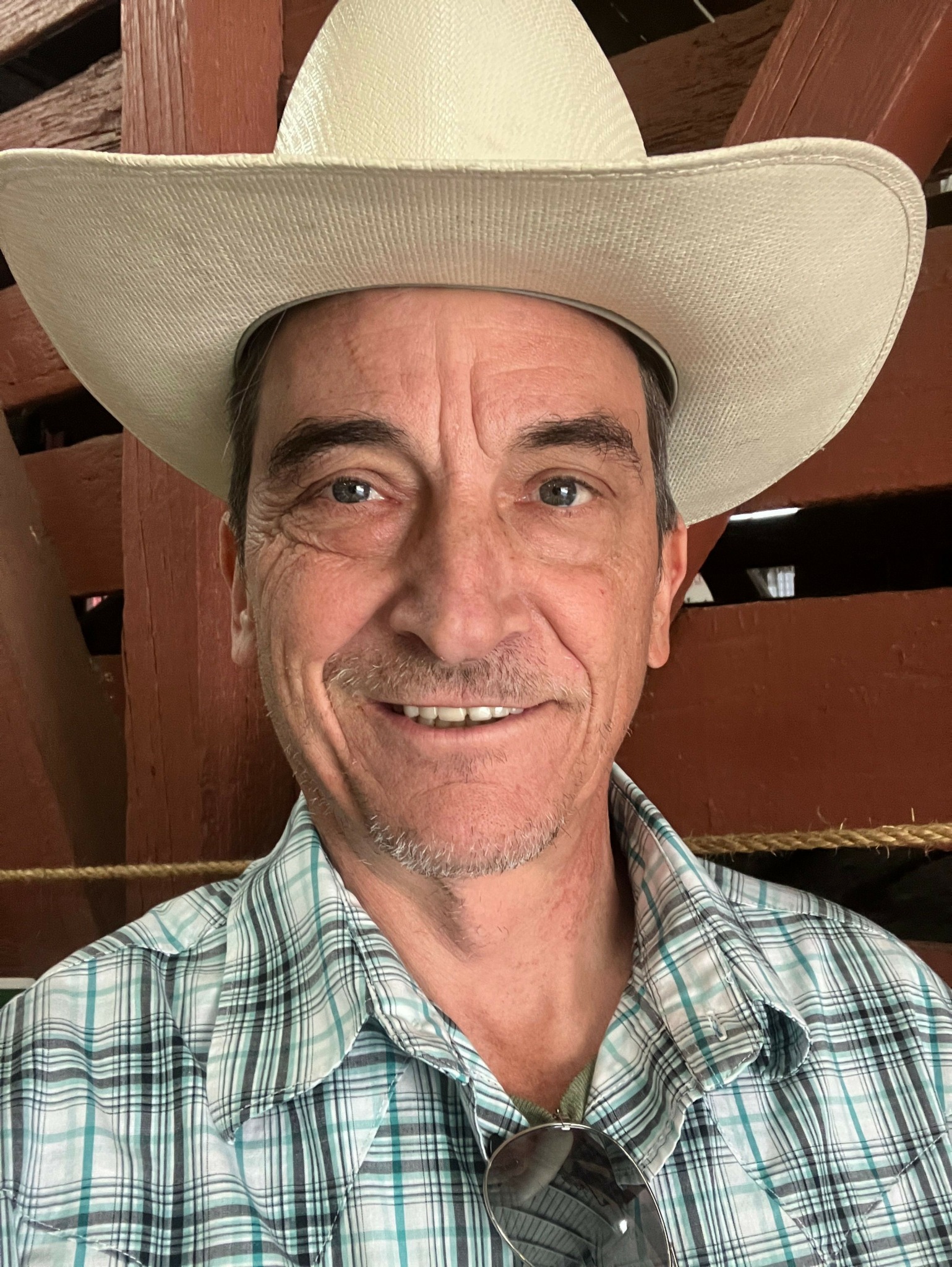
Ralph, before we move on to more of these sorts of questions, can you take some time to bring our readers up to speed on you and what you do?
As a multidisciplinary creator whose career in the entertainment industry began long before the digital era—rooted in hands-on experimentation, storytelling, and a relentless drive to create, I began producing short films on Super 8 and Betamax at just ten years old, establishing an early foundation in visual storytelling that would evolve into a lifelong career across film, television, music, and design.
Over the years, I built a diverse portfolio spanning acting, directing, producing, and technical production. My credits include work on major studio projects such as Take Me Home Tonight, as well as television appearances in HBO’s Westworld and other network productions. My portfolio of independent work further demonstrates my range, serving as creator, director, and performer in projects like The High Life, where I held multiple roles including writer, producer, actor, and art director.
Parallel to a film and television career, I’ve developed the alter ego Buddy Greenbloom—“The Gothic Cowboy”—a creative vehicle that merges music, storytelling, and brand identity. Emerging in 2003, the project reimagined alternative and new wave music through a western Americana lens, ultimately evolving into a full-scale performance and recording act.
What distinguishes me in today’s corporate and creative landscape is my status as a legacy digital creator—an artist who has navigated the transition from analog media to modern digital ecosystems. Having worked across film sets, live performance, streaming platforms, and independent content production, I embody adaptability, reinvention, and cross-platform thinking.
As companies increasingly compete in attention-driven markets, my insight and direction demonstrate how creative thinking directly impacts performance outcomes—from customer experience to revenue growth. Recently, I’ve begun to offer interactive keynotes and workshops, that illustrate the same principles used to captivate audiences in entertainment can be applied to inspire teams, energize company culture, and drive measurable results.
Today, I offer corporations world class creative insight at the intersection of entertainment, design, and business strategy—bringing a uniquely integrated perspective to organizations seeking not just inspiration, but transformation.
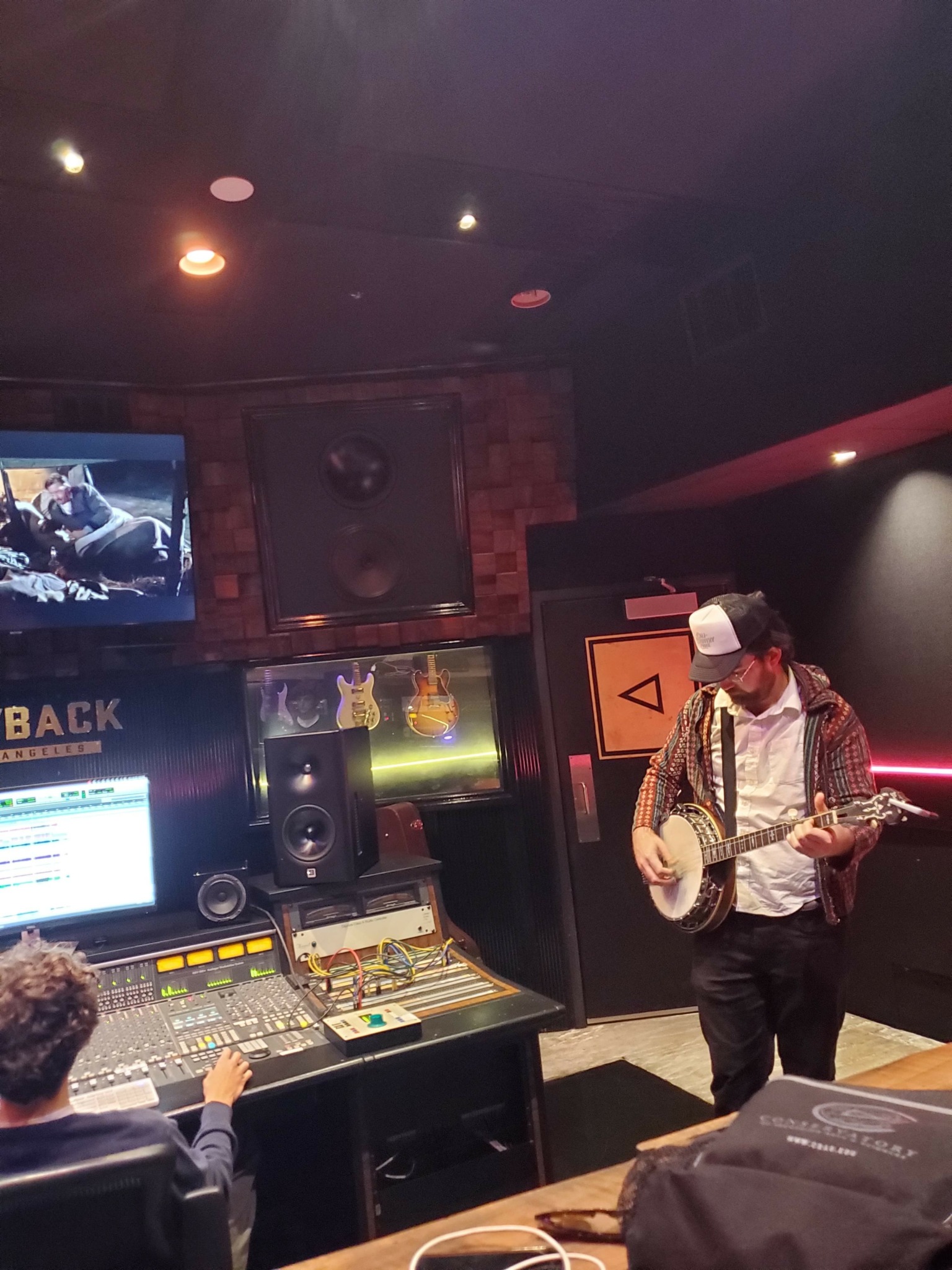
Can you share your view on NFTs? (Note: this is for education/entertainment purposes only, readers should not construe this as advice)
NFTs promised a revolution for creatives, but in practice they’ve largely operated as a distraction from more reliable, scalable ways of building a career. At their peak, platforms like OpenSea and Rarible, on which I’ve hosted work, made it easy to mint and sell digital assets, but the underlying market was driven less by genuine appreciation of art and more by speculation. Most buyers were chasing short-term flips rather than forming lasting connections with the work or the artist, leaving the majority of creators with minimal return once the hype faded.
For working artists, the real cost was time. Learning crypto systems, managing online communities, and constantly promoting drops pulled focus away from developing craft, producing new work, and building an audience that actually endures. The promise of ownership also proved thinner than advertised, as many NFTs simply point to hosted files rather than embodying the work itself—making them dependent on platforms that may not last.
More importantly, NFTs tend to prioritize transactions over relationships. A one-time anonymous buyer has far less long-term value than a fan who shows up, engages, and invests emotionally. Physical assets and real-world experiences—whether that’s a record, a print, or a live performance—create tangible connections that audiences carry with them. These moments build loyalty, word-of-mouth, and repeat engagement, which are the foundations of a sustainable creative business.
There’s also a brand consideration. As NFTs became associated with hype cycles and opportunism, many artists risked diluting their identity by participating in a space that often felt disconnected from authenticity and craftsmanship. In contrast, physical goods and experiential offerings accumulate value over time, reinforcing an artist’s narrative and deepening audience trust.
Ultimately, the question for most creatives isn’t whether NFTs have any merit, but whether they are the best use of limited time and energy. Investing in owned assets—music, visual work, merchandise, and live experiences—builds a foundation that compounds. NFTs, by comparison, have largely functioned as a volatile detour, offering the illusion of opportunity without the stability required for long-term creative growth.
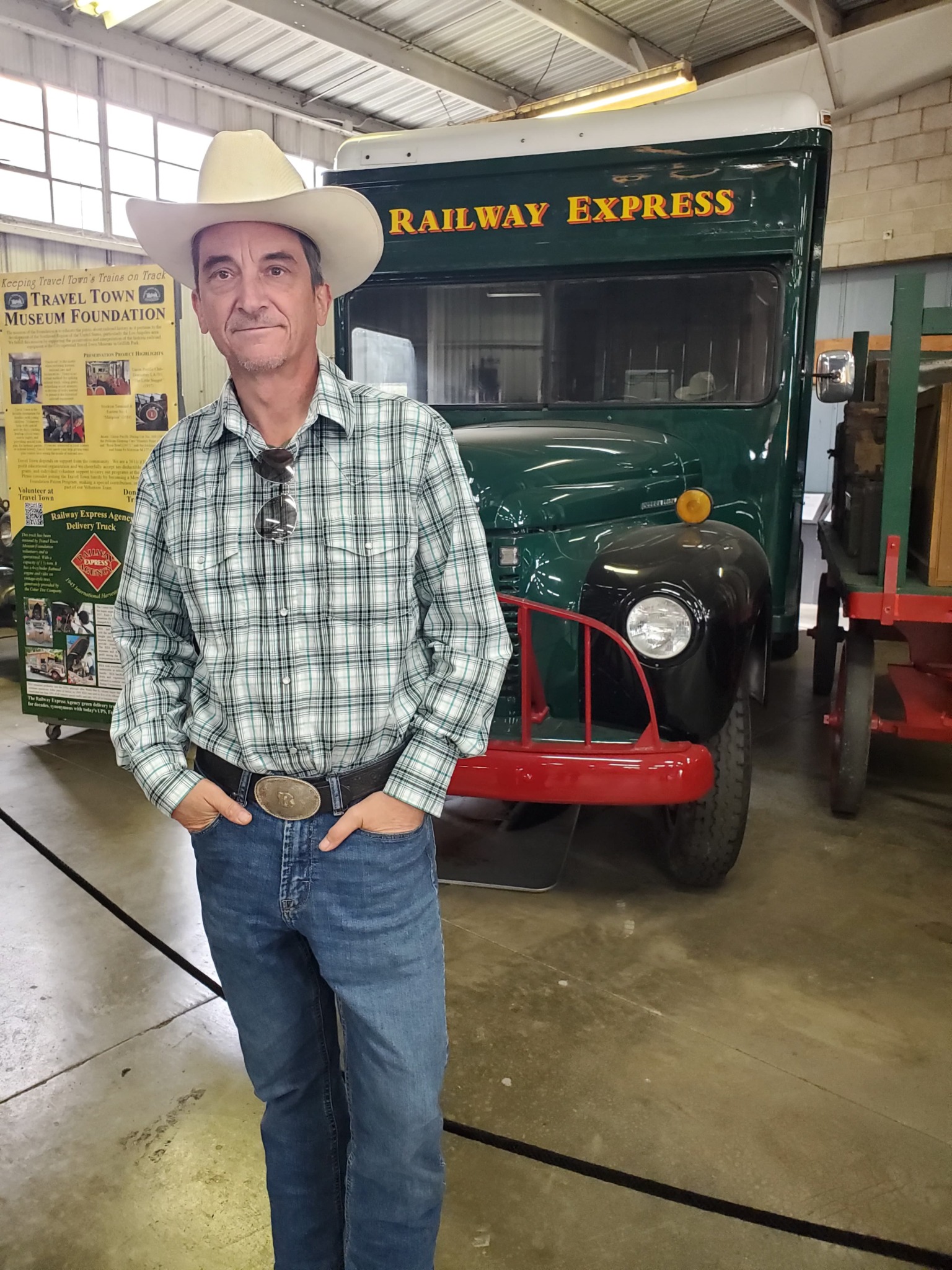
What do you find most rewarding about being a creative?
I told you so.
Contact Info:
- Website: https://www.BuddyGreenbloom.com
- Instagram: @buddygreenbloom
- Facebook: @buddygreenbloom
- Linkedin: @buddygreenbloom
- Youtube: @buddygreenbloom
- Soundcloud: @buddygreenbloom
- Other: Like streaming? Please stream @BuddyGreenbloom at Youtube Music! Get free versions of my recordings, tour dates, and VIP offers at https://BuddyGreenbloom.BANDCAMP.com
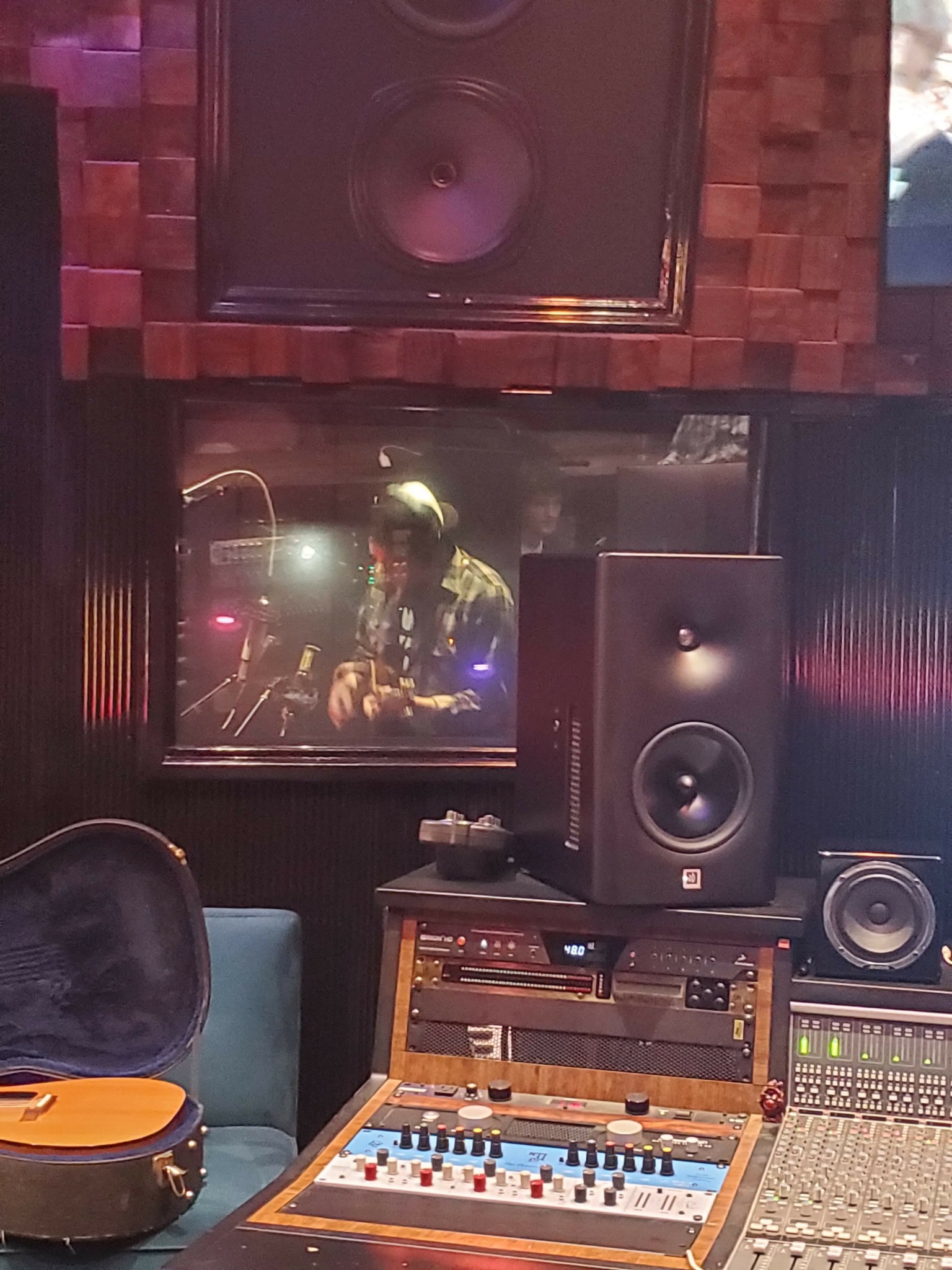
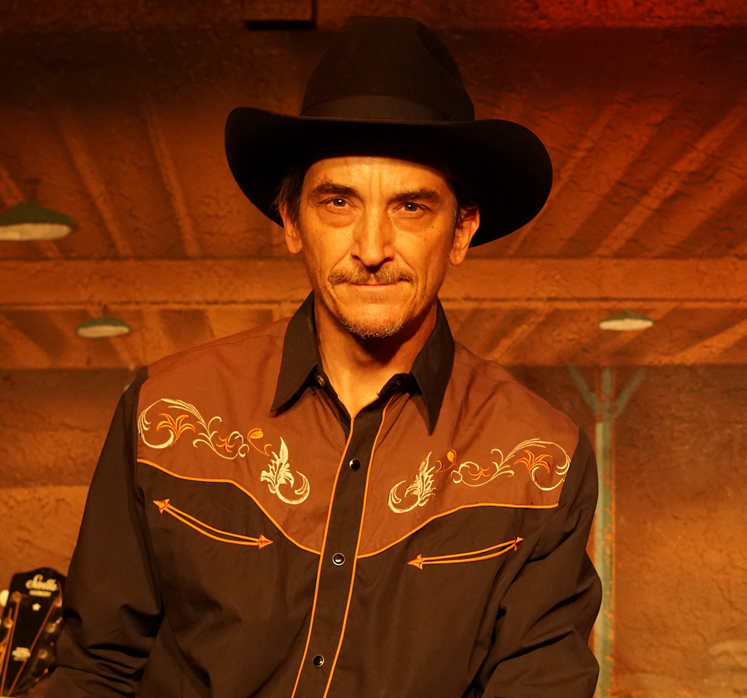
Image Credits
Theresa Brekan
Alina Brekan Baron