

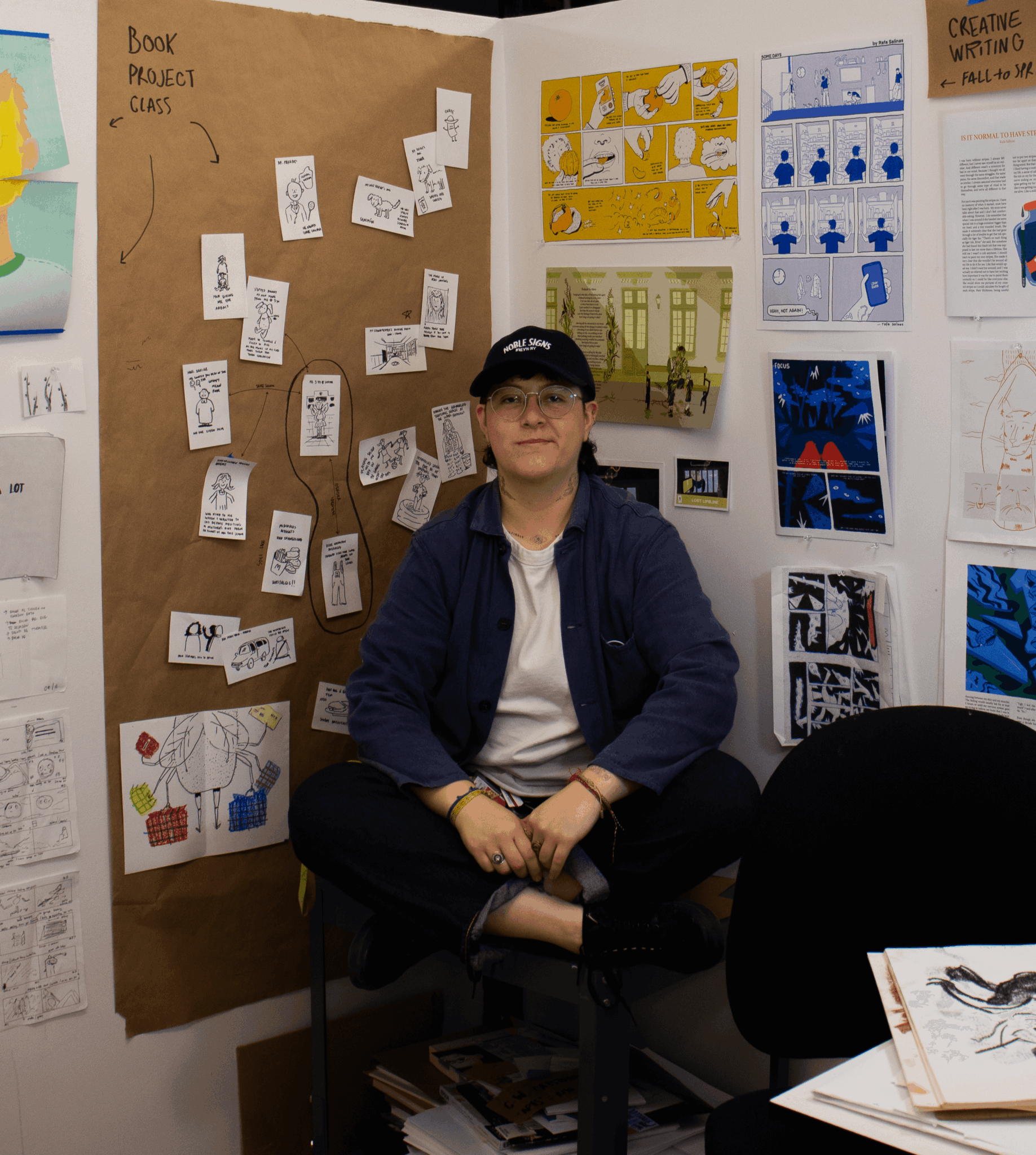

We caught up with the brilliant and insightful Rafa a few weeks ago and have shared our conversation below.
Rafa, looking forward to hearing all of your stories today. We’d love to hear about when you first realized that you wanted to pursue a creative path professionally.
I always knew, in a way, that I wanted to pursue a creative path. When I was finishing high school, I had to decide between studying architecture or graphic design. I didn’t know much about what either looked like professionally, and if I had, I probably would have chosen the latter. But I ended up choosing architecture.
Fast forward to my last semester of undergrad: I was working on my thesis project, doing countless sheets of technical drawings and detailed drawings of doors, windows, and ceilings. There was zero creativity beyond the early stages of my project. It was all mechanical and so tedious. It felt like I was going to explode and I did.
I started going to my local soccer field to run, and then I’d stay there doodling on the benches. Drawing to music that felt relatable. Lyrics that translated what I had been feeling but couldn’t put into words.
Later, my autism diagnosis confirmed why it was harder for me to translate emotions into words, so I started drawing them with the help of song lyrics. Then I started going to art markets, and seeing other people felt the same way as I did was extremely surprising and encouraging. It made me realize I wasn’t alone in the way I experienced and expressed emotions.
That’s when I knew I wanted to pursue it professionally.
And that’s how I ended up at the School of Visual Arts, pursuing an MFA in Illustration as Visual Essay. After seeing the work of some alumni, the only thing I could think was, I want to do what they’re doing.
I know that pursuing an MFA is not necessarily the path everyone takes to become a professional artist, but for me, it felt right. I needed, and still need, the guidance of people who have spent years in the industry.
At the same time, I needed space to create while being surrounded by so many talented people. I believe those two things, guidance and community, combined with the challenge of putting my work out into the world, are exactly what I need for this next chapter of my creative path.
Rafa, love having you share your insights with us. Before we ask you more questions, maybe you can take a moment to introduce yourself to our readers who might have missed our earlier conversations?
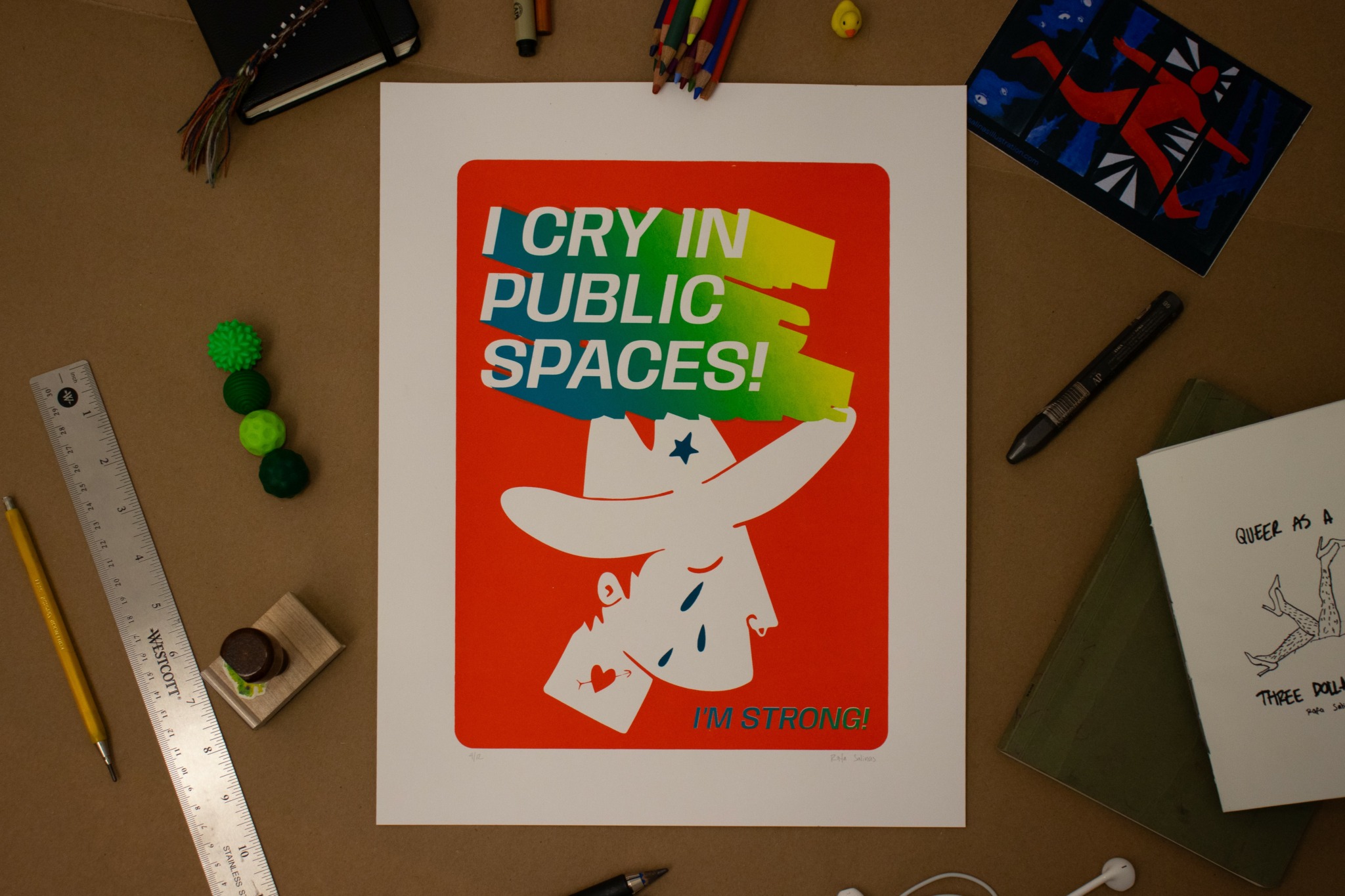
I am a queer Peruvian illustrator and designer based in Brooklyn. While I was still working on finishing architecture school and getting licensed as an architect, I started going to art markets with the work I had been creating and, at the same time, started freelancing. I would make anything people asked me to; that’s how I even learned animation and motion graphics. People needed anything visual, and I would make it. As time went by, I started getting more and more word-of-mouth projects and repeat clients.
That’s how I got myself into the industry, basically by throwing myself into a giant pool of creatives with far more experience than I had. But one thing from architecture school stayed with me, and I continue to use it to this day. A project needs a concept, needs careful research, and an understanding of not only whatever you are creating but also the person who will experience the final product/image. I think understanding this is what helps me connect with clients. I don’t just create images, visuals, or graphics that look cute. I want to create images that feel like I’m telling a story for someone. I want people to experience an image not just because they like it visually, but because they relate to it.
This end experience is what I am most proud of in my work. Whether it is an image I made for myself or for a client, I want people to know that my work is meant to connect. Because that’s the end goal for me as a creative human: to connect through my work with other humans. We live in a world where companies are trying to convince us to chat with bots and computers instead of other humans. And that’s scary! My work is always going to be about human expression and how lucky we are to be able to experience it!
What do you think is the goal or mission that drives your creative journey?
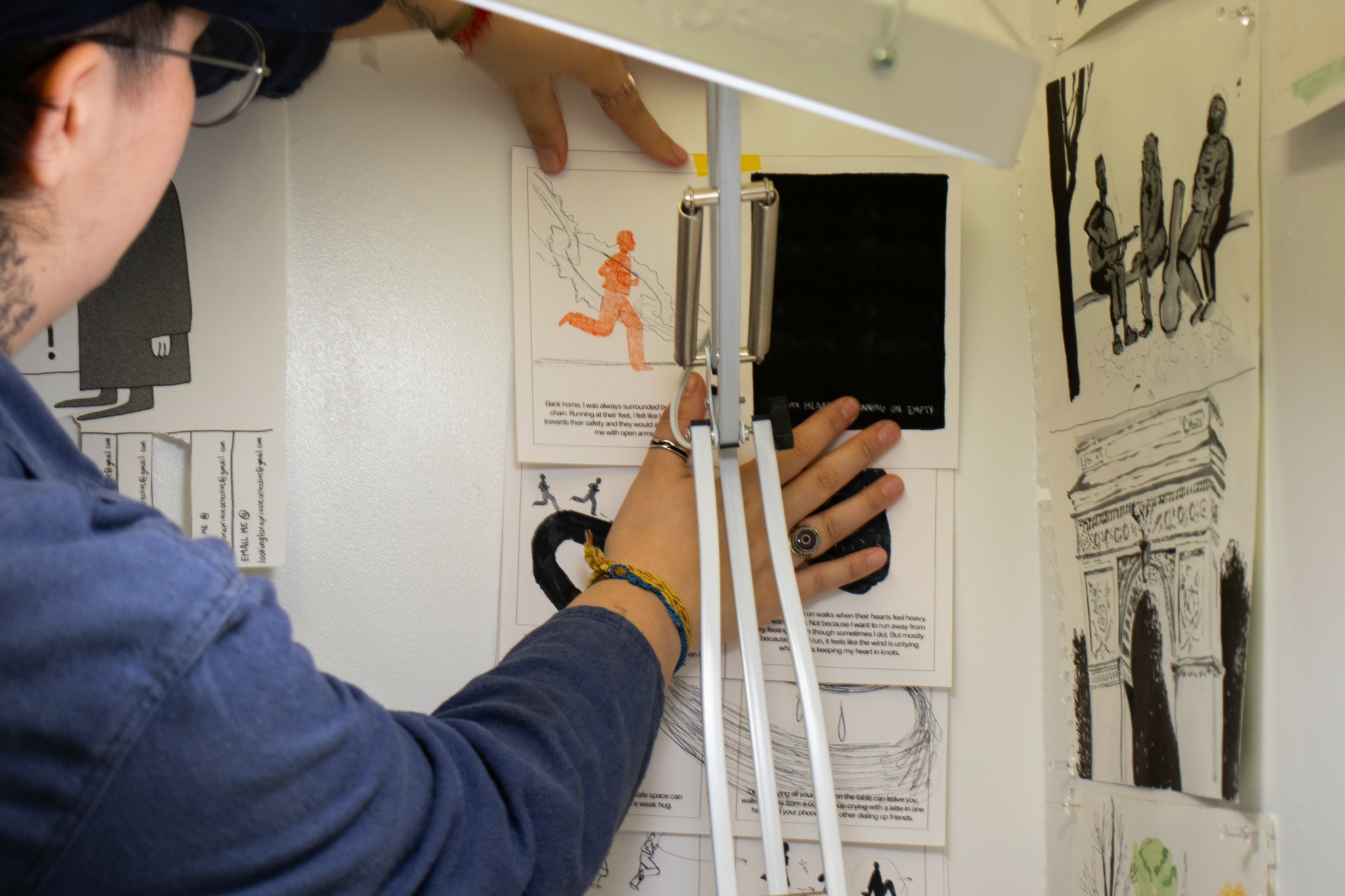
I think my main goal, besides connecting with humans, is to create art that can be used as a way to understand emotions, experiences, and feelings. As a neurodivergent human, this has been a huge struggle, so I believe that if creating stories through images can help me, it can definitely help others.
In your view, what can society to do to best support artists, creatives and a thriving creative ecosystem?
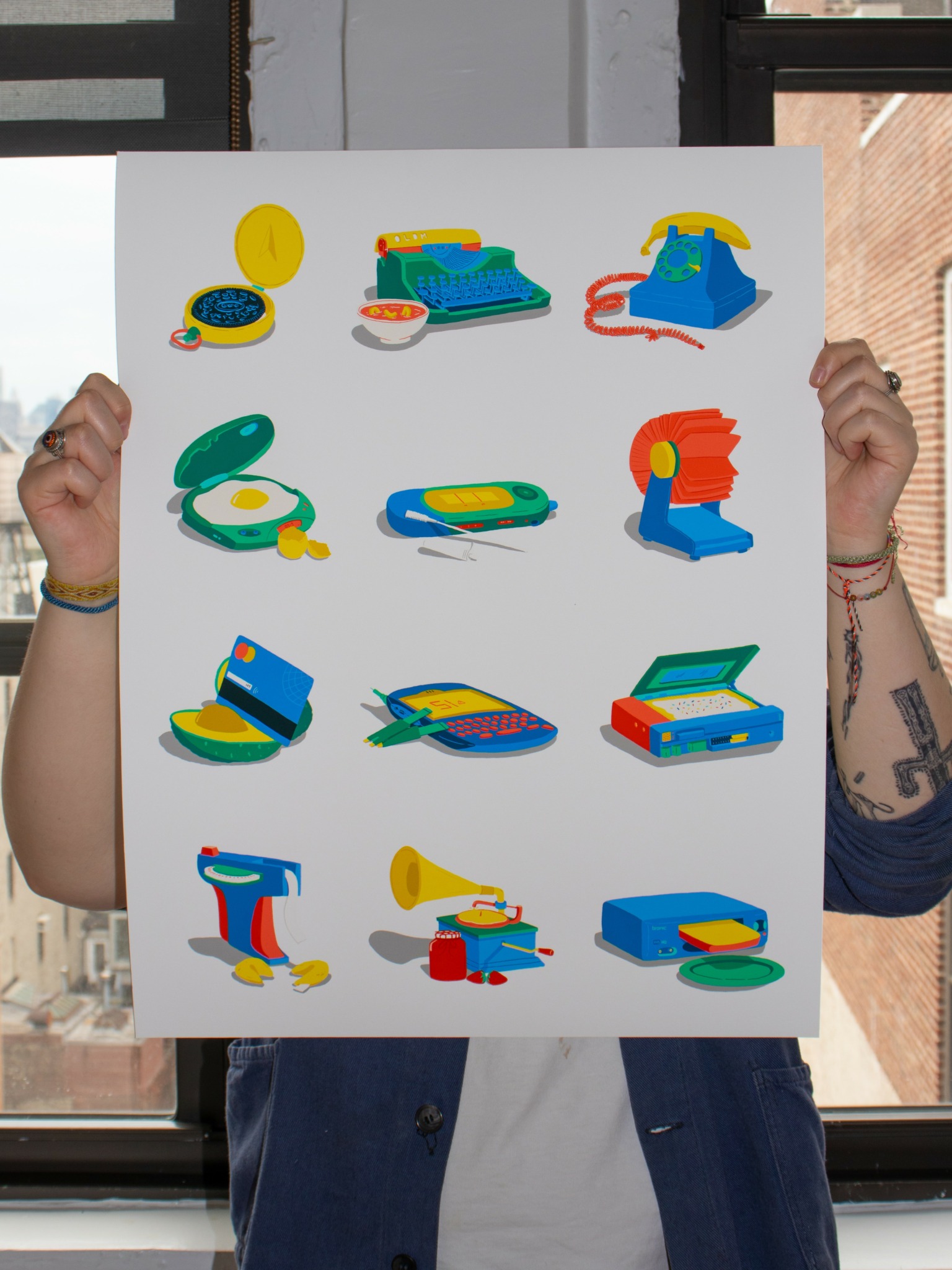
The cheapest way is to support them online, and that doesn’t cost anything. Share their work online and with friends. Know someone who needs a creative for a job? Tell them about your friend!
Now, if you have the means to buy art from creatives, do it! If you don’t want to actually buy art, then in the next project your company has, drop your friend’s name! Hire your friends for all your creative needs!
Hiring creatives instead of asking your computer to make your birthday flyer is how we keep the creative ecosystem thriving. From the smallest creative jobs to multimillion-dollar campaigns, hire a human!
Contact Info:
- Website: https://rafasalinasillustration.com/
- Instagram: https://www.instagram.com/rafasalinasillustration/
- Other: https://www.behance.net/rafanomas

Image Credits
Illustrations by Rafa Salinas
Photographies by Morgan Boals