

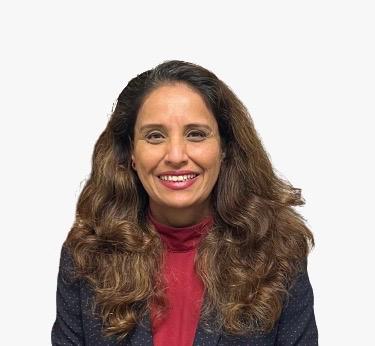

We caught up with the brilliant and insightful Pratiksha Gandhi a few weeks ago and have shared our conversation below.
Pratiksha, appreciate you joining us today. It’s always helpful to hear about times when someone’s had to take a risk – how did they think through the decision, why did they take the risk, and what ended up happening. We’d love to hear about a risk you’ve taken.
On Taking Risk — A Story from My Journey
When I look back, the biggest risk I took was choosing a path that didn’t exist—and continuing to choose it, even when easier options were right in front of me.
Early in my career, after completing my MD , I was working in a hospital setting in India. Like most young doctors, I was following the system I had been trained in.
One day, a patient came in after a heart attack. He had been advised urgent bypass surgery.
But instead of fear, he said something that stopped me.
👉 “I would rather die than do the surgery.”
I asked him why.
He said quietly,
👉 “I don’t have the money.”
That moment stayed with me.
It wasn’t just about one patient. It was about a system where life-saving care depended on access, timing, and cost—and where prevention had almost no space.
I made a decision that day.
Instead of accepting the only option given to him, I chose to try something different. I guided him through yogic lifestyle practices and principles rooted in Ayurveda—focusing on food, breath, routine, and gradual strengthening of the body.
There was no guarantee.
No protocol to follow.
No one telling me this would work.
But I stayed with it.
In 90 days, something remarkable happened.
His chest pain reduced.
His stamina improved.
He began walking two miles without discomfort.
Even his heart function showed improvement.
He didn’t just survive.
👉 He regained his life.
That experience changed me.
It made me realize that there was a gap—between what was possible and what was being offered.
From that point on, I stepped away from conventional cardiology and committed fully to prevention. I began working with yogic lifestyle and EECP (Enhanced External Counterpulsation) as a non-invasive alternative at a time when bypass surgery and angioplasty were the standard and unquestioned.
There was skepticism.
There were moments I wondered if I was too early.
But I stayed with it.
Over time, that work grew into a preventive cardiology platform. In 2005, it was recognized by Dr. A.P.J. Abdul Kalam, and later our work was presented at the World Congress of Cardiology. Those milestones brought validation—but more importantly, they reinforced clarity.
And yet, I could still see the limitation.
Most people were still coming after symptoms had already begun.
I wanted to go earlier.
The Second Risk
Years later, when I moved to the United States, I faced another defining decision.
The expected path was simple: get licensed, integrate into the system, and continue as a physician.
But once again, something didn’t align.
I saw the same pattern—waiting for disease, then managing it.
And I knew I couldn’t go back to that model.
So I made an unconventional choice:
👉 I chose not to pursue a U.S. medical license.
Not because I couldn’t—but because I wanted to build something different.
Instead, I collaborated with licensed physicians and shifted my role entirely—from being the doctor seeing patients every day to building a system that could prevent disease at scale.
That became CoCardio.
It wasn’t easy.
There was no roadmap.
No clear category.
No guarantee it would work.
And stepping away from a defined identity as a physician was deeply uncomfortable.
There were moments of doubt.
But slowly, things began to align.
Patients started coming earlier—not out of fear, but out of awareness. They wanted clarity before something went wrong.
And CoCardio began to take shape—not just as a clinic, but as a model for how heart care could be done differently.
Looking Back
If I had followed the expected path, I would have helped many patients.
But by taking these risks—starting with that one patient who couldn’t afford surgery—I was able to see a different possibility.
Today, I don’t just see myself as a doctor.
👉 I see myself as someone trying to change when heart care begins.
And that, for me, has been the real outcome of the risks I chose to take.
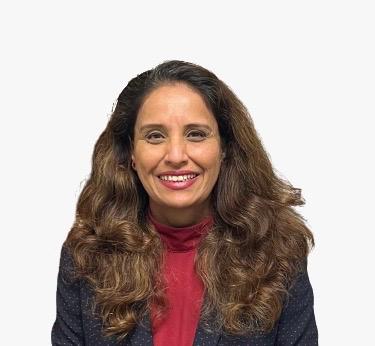
As always, we appreciate you sharing your insights and we’ve got a few more questions for you, but before we get to all of that can you take a minute to introduce yourself and give our readers some of your back background and context?
I am a preventive cardiologist by training and philosophy, and my life’s work has been centered around one core belief:
👉 Heart disease should be prevented early—not managed late.
I began my journey in India, where I became India’s first woman preventive cardiologist. From the very beginning, I chose not to follow the conventional path of waiting for symptoms to appear. Instead, I focused on identifying risk early and helping patients strengthen their heart before a crisis ever occurs.
Alongside my medical background, I am also a trained teacher in yoga and holistic health, which shaped how I understand the heart—not just as a pump, but as an organ deeply connected to stress, lifestyle, emotions, and the nervous system.
Early in my career, I introduced EECP (Enhanced External Counterpulsation) as a non-invasive alternative to surgery. Over time, I consistently combined EECP with lifestyle medicine to help patients improve circulation naturally. I saw patients reduce medications, improve blood pressure, stabilize diabetes, and regain quality of life.
My work in India was recognized by President Dr. A.P.J. Abdul Kalam in 2005, where I was awarded for building and scaling a preventive cardiology platform. Later, our clinical work on EECP was presented at the World Congress of Cardiology in 2014.
In 2017, I authored the book Living Without Heart Surgery, which shares real patient stories—individuals who were told they might not survive without immediate surgical intervention, yet went on to live and thrive for over a decade through our programs. That experience reinforced my belief that there is another path when we intervene early and intelligently.
A defining shift in the United States
When I moved to the United States, I took what many would consider an unconventional risk.
I chose not to pursue a U.S. medical license, because I did not resonate with a system that often intervenes after disease has already progressed. Instead, I wanted to build something different—something proactive, preventive, and scalable.
I began collaborating with licensed physicians while stepping into a new role—as a builder and innovator rather than a traditional operator physician.
That vision led to the creation of CoCardio Inc.
🌐 Website: www.cocardioinc.com
🔗 Learn more: https://linktr.ee/CoCardio
What we do at CoCardio
At CoCardio, our mission is simple but powerful:
👉 Prevent the first heart attack
We work with individuals who may appear “fine” on the surface but carry underlying risks—high cholesterol, high blood pressure, diabetes, inflammation, stress, or family history.
Our model combines:
Early detection through advanced diagnostics
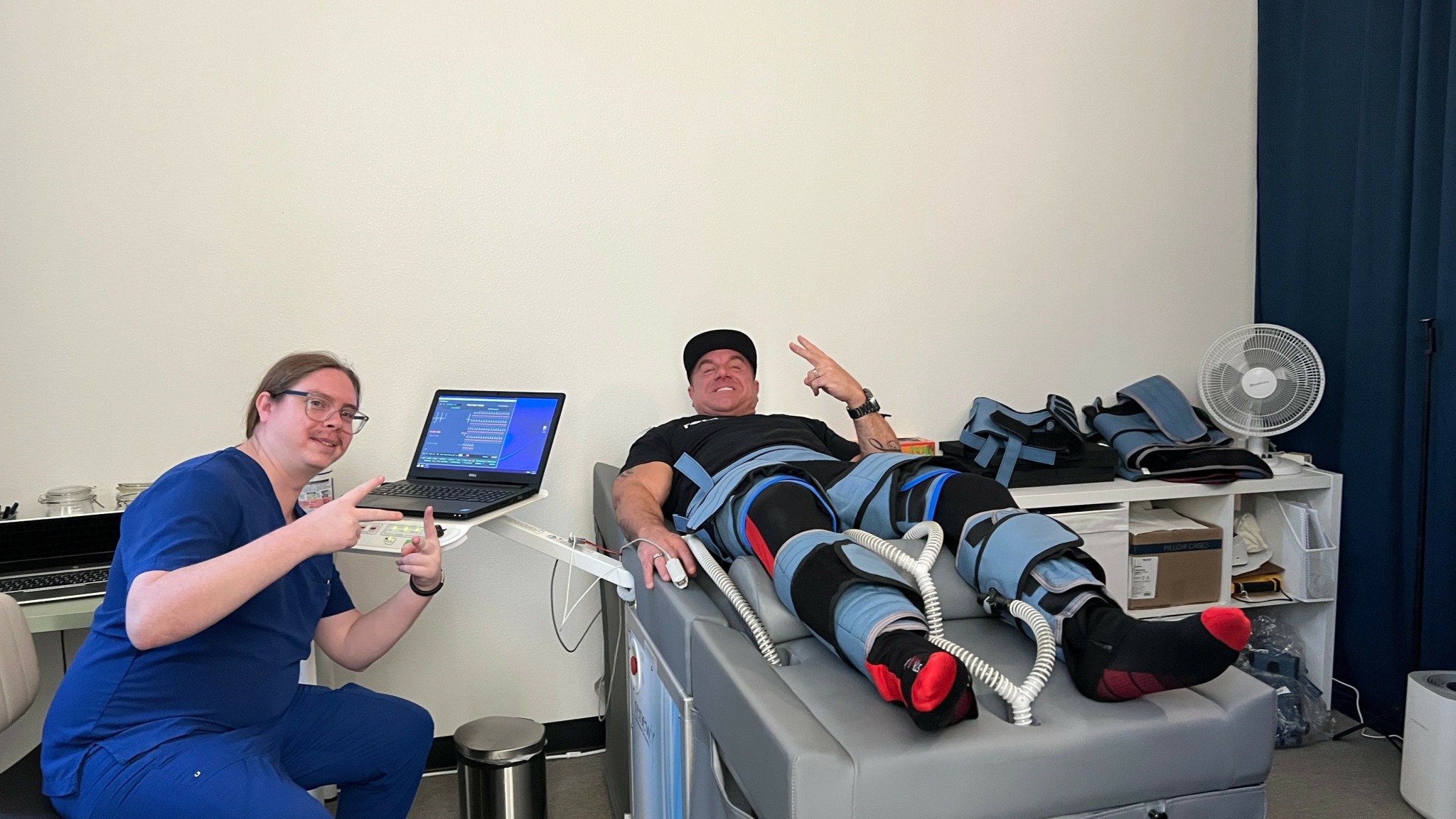
Heart regeneration therapy (EECP) – non-invasive, drug-free, pain-free
Lifestyle medicine (nutrition, movement, metabolic health)
Stress regulation and nervous system balance
Ongoing coaching, education, and community
This is not about quick fixes—it’s about changing the trajectory of health before disease manifests.
The problem we’re solving
The biggest gap in healthcare today is this:
👉 We detect heart disease too late and offer limited preventive solutions.
Many people experience their first heart attack as their first symptom. By then, the system shifts into emergency mode.
At the same time, individuals who want to be proactive often feel lost—there’s no clear, structured, physician-guided path for prevention.
CoCardio exists to bridge that gap.
What sets us apart
What makes our work different is both philosophy and execution:
We focus on prevention before symptoms—not after damage
We use non-invasive, natural approaches alongside medical insight
We aim to reduce dependency on medications where possible
We integrate science + lifestyle + emotional health
We are building a scalable, replicable model for preventive cardiology
We are not just a clinic—we are building a new category of care.
What I’m most proud of
What I’m most proud of is seeing people realize:
👉 “I don’t have to wait for something bad to happen.”
Whether it’s someone improving their blood pressure, avoiding unnecessary procedures, or simply gaining clarity and confidence about their health—that shift is powerful.
Because prevention is not just about adding years to life.
It’s about giving people control over their future.
What I want people to know
If there is one message I want to leave your readers with, it is this:
👉 Heart disease is not inevitable.
You don’t have to wait for symptoms.
You don’t have to rely only on medications.
And you don’t have to navigate this alone.
With the right guidance, the body has an incredible ability to heal and adapt.
That belief is the foundation of everything we are building at CoCardio.
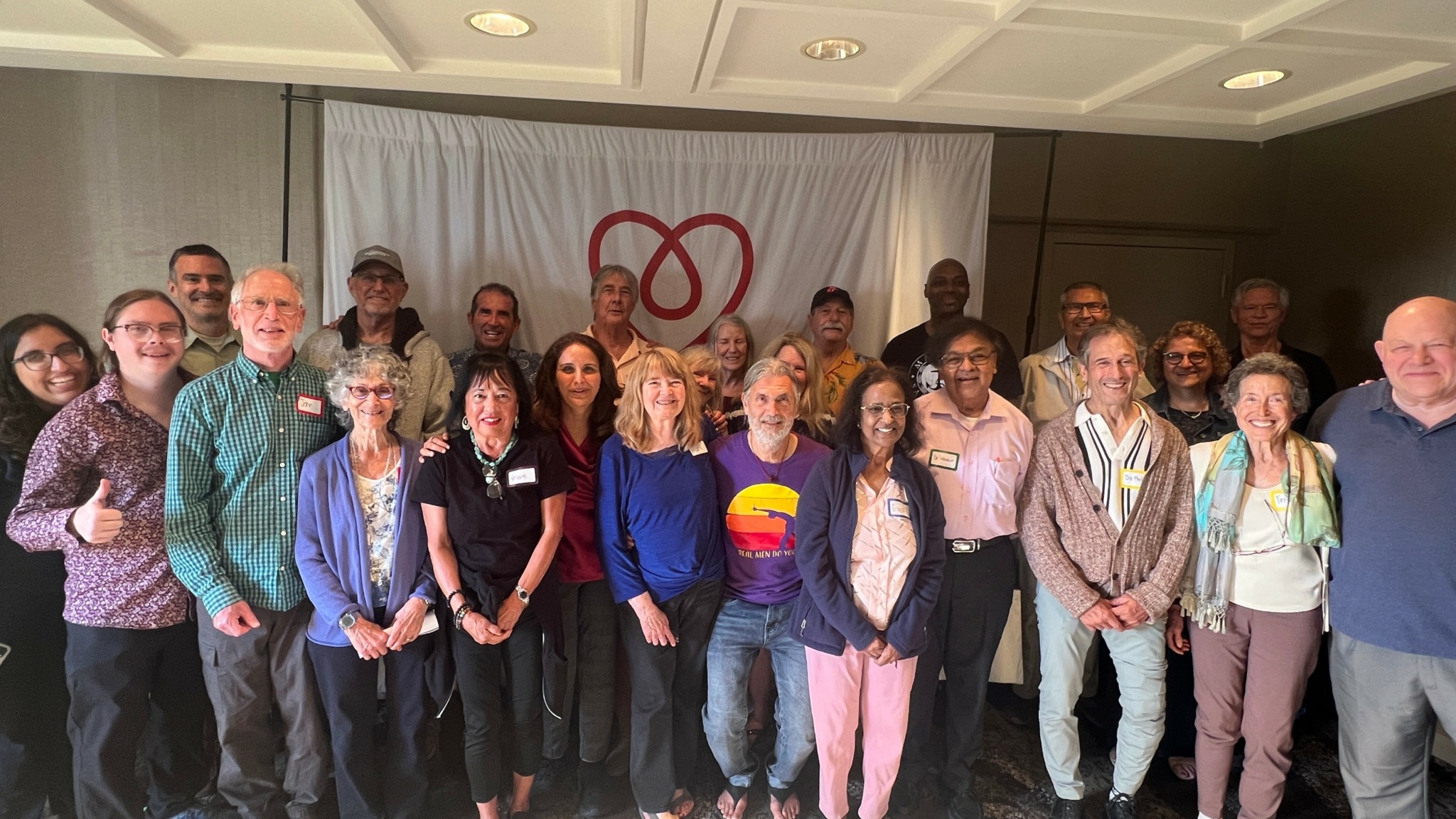
Can you share a story from your journey that illustrates your resilience?
One of the most defining moments of resilience in my journey was not a single event—but a decision I made when I moved to the United States.
In India, I had already built credibility. I was known as the first woman preventive cardiologist, had introduced EECP as a non-invasive alternative, had my work recognized nationally, and had even published clinical research. On paper, everything was stable and respected.
When I came to the U.S., I had a choice.
The expected path was clear: get licensed, integrate into the system, and rebuild a traditional medical career.
But internally, I knew something didn’t align.
I had spent years practicing a preventive, non-invasive model—focused on reducing medications, avoiding unnecessary procedures, and strengthening the body early. The system here, in many ways, still revolved around managing disease after it appeared.
And I remember thinking very clearly:
👉 If I follow the same system, I will lose the very thing that defines my work.
So I made a decision that felt both right and risky.
I chose not to pursue a U.S. medical license.
From the outside, it didn’t make sense. I was stepping away from a defined identity, a clear career path, and immediate credibility. There were moments of doubt—questions around financial stability, acceptance, and whether people would even understand what I was trying to build.
Instead, I chose to start from zero again—but on my own terms.
I began collaborating with licensed physicians, learning a new healthcare environment, and slowly building what would become CoCardio. There was no roadmap. No established category for what I was creating. It required patience, persistence, and a willingness to hold the vision even when results were not immediate.
There were phases where progress felt slow. Where the effort didn’t match the outcome. Where it would have been much easier to go back and choose the safer, conventional route.
But what kept me grounded was clarity.
👉 I wasn’t just building a practice—I was building a different way of thinking about heart care.
Over time, that decision began to take shape.
Patients started resonating with prevention before symptoms.
The model started becoming clearer.
The work started aligning again with what I had always believed in.
Looking back, resilience for me was not about pushing harder in a moment of crisis.
It was about staying committed to a vision—even when it meant walking away from certainty, identity, and immediate validation.
What that experience taught me
Resilience is not always loud.
Sometimes it looks like:
Choosing alignment over approval
Starting again when you already “made it”
Building something new when there is no template
Holding your ground when the easier path is right in front of you
And most importantly:
👉 Trusting that clarity will eventually translate into impact—if you stay with it long enough.
Training and knowledge matter of course, but beyond that what do you think matters most in terms of succeeding in your field?
Beyond training and knowledge, what matters most is clarity of philosophy and the courage to stand by it.
In cardiology, it’s easy to follow established systems that focus on treating disease after it appears. But if you truly want to shift outcomes, you have to think differently—and more importantly, act on that thinking even when it’s not the norm.
The second is deep listening.
Patients don’t just need prescriptions—they need someone who can understand their lifestyle, stress, fears, and patterns. That’s where real change begins.
And finally, consistency over intensity.
Preventive health is not about one big intervention. It’s about small, sustained changes over time—both for patients and for building something meaningful in this field.
👉 In the end, success comes from combining science with conviction, and staying committed long enough to see it work.
Contact Info:
- Website: https://www.cocardioinc.com
- Linkedin: https://www.linkedin.com/in/gandhipg/
- Other:
https://linktr.ee/CoCardio. This has all the links to social media- you tube . instagram
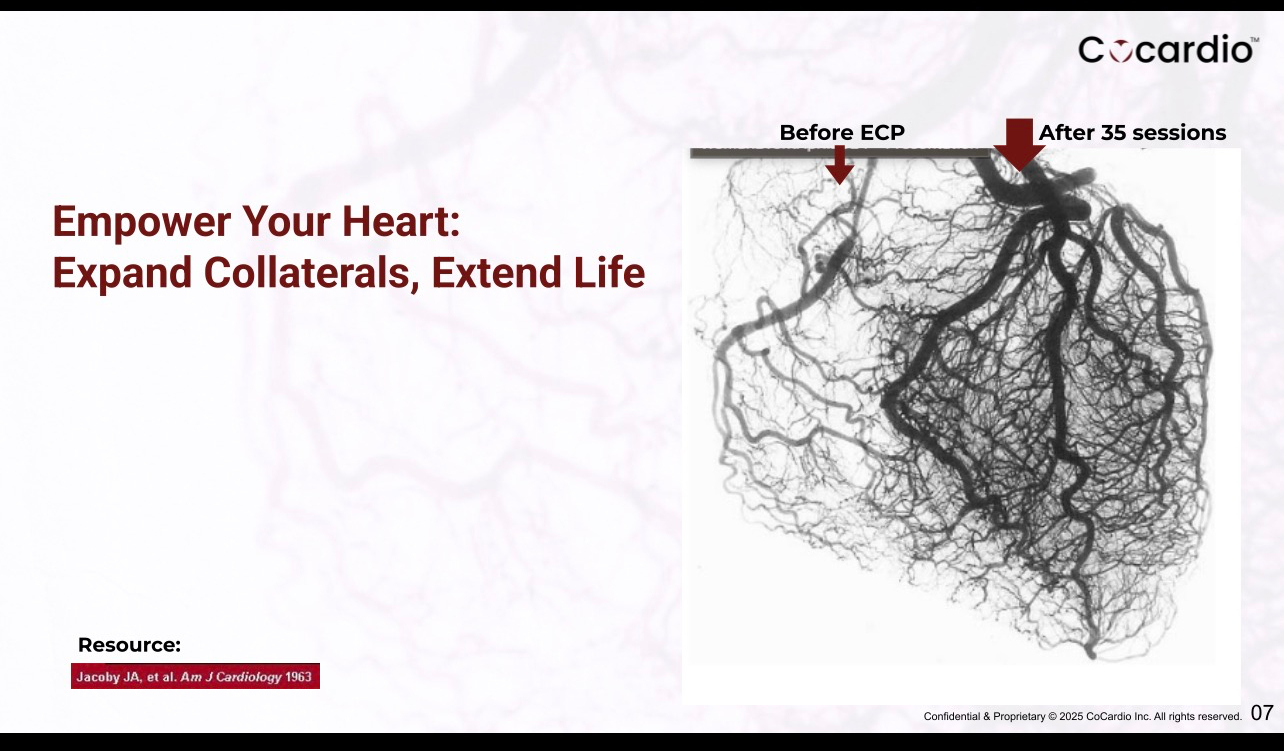
Image Credits
The ecp image is created using google gemini