
We caught up with the brilliant and insightful Philip “Theo” Lin a few weeks ago and have shared our conversation below.
Philip “Theo”, thanks for joining us, excited to have you contributing your stories and insights. What was it like going from idea to execution? Can you share some of the backstory and some of the major steps or milestones?
The first seeds of this idea actually came nearly three years ago — right when I started high school, which was already a lot to take in on its own. On top of adjusting to that, I was ramping up my fencing training in a serious way: commuting three to four hours, three times a week, into New York City to practice, and then training another three hours on the other days closer to home. And every single month, I was getting on a plane to fly to a different city across the country to compete in national competitions.
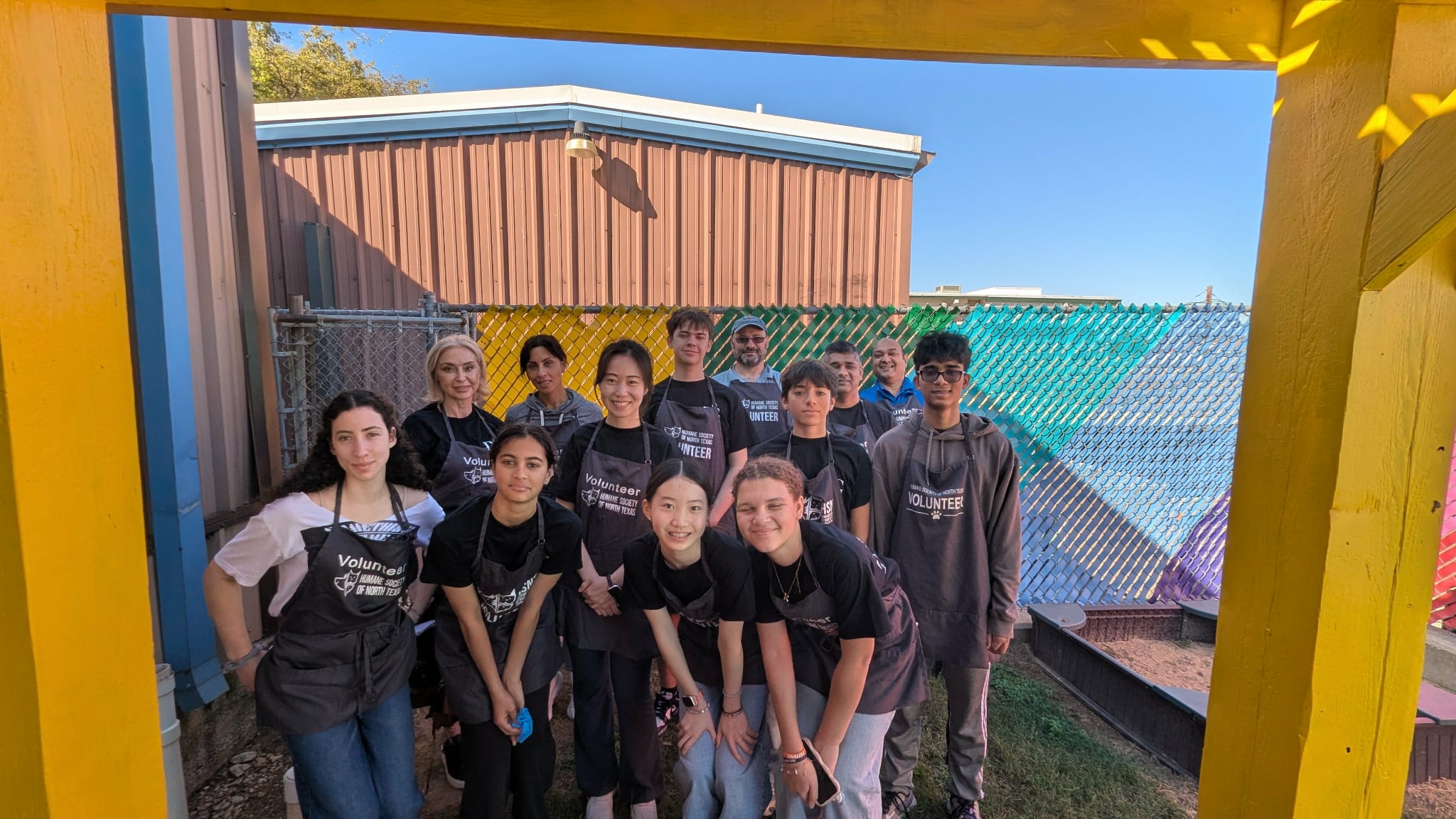
And I want you to really picture this: thousands of fencers, coaches, and tournament staff all descending on one city for three to five days straight. Not hundreds — THOUSANDS of young athletes, all in one place. That image is what really started the gears turning for me. I kept thinking: we’re showing up in all these cities, we’re having some small effect on the local economy, and then we just… leave. We weren’t really leaving anything meaningful behind for the people who actually lived there.
Now, I come from a pretty entrepreneurial family. For generations, my family has always found opportunity where other people didn’t — whether that was a neighborhood Chinese food restaurant or a home remodeling business. That mindset is just kind of baked into who I am. So when I looked at this situation, I didn’t just see thousands of athletes. I saw an opportunity to do something genuinely good — not just for local businesses, but for the real people living in the communities hosting us. I knew we could mobilize all these young athletes to give back in a tangible way. It would get us off our phones, push us to actually connect with the cities we were visiting, and challenge us to think beyond ourselves — which, honestly, is something fencing as an individual sport doesn’t always encourage.
The most natural first step was turning to my parents. I wanted to think it through out loud, get their honest take, and figure out if this was even feasible. That conversation made one thing really clear: this was going to be a big undertaking. I could probably pull off some version of it on my own, but if I really wanted this to work the way I was envisioning it, I needed the right people around me.
So the next step was reaching out to fellow competitive fencers I trusted — friends who I knew were mature, hardworking, and capable of taking something like this seriously. I started having conversations, laying out the vision: an organization that could mobilize the 45,000+ members of the USA Fencing community to give back to the cities hosting our national competitions. These weren’t quick conversations. Finding the right people, explaining the vision, and actually convincing them that this was worth their time — and that it could work — took real time and effort. But eventually, I had the commitments I needed.
Once the team was in place, we formally organized ourselves and founded Fencers DoGood Inc. Even the name was a team effort. We actually drew inspiration from Maya Angelou, who said that “good done anywhere is good done everywhere” — which perfectly captured what we were going for: encouraging the fencing community to do good wherever they find themselves, whether that’s at a tournament, at home, or anywhere else in the world.
That was 2024, though honestly it feels like so much longer ago. Since then, so much has happened: we received official 501(c)(3) tax-exempt recognition from the government, we’ve brought on new volunteers to grow our leadership team, we’ve mapped out succession planning for when we all eventually head off to college, and — maybe most excitingly — we’ve expanded our scope well beyond the tournament structure. This summer, we’re launching a STEM and fencing camp for under-resourced middle schoolers in the Boston area, which I’m incredibly proud of.
As a startup, we’re constantly evolving — always asking ourselves, can we do this better? More efficiently? And that’s exactly where we are today. My goal for DoGood is to eventually become the hub of volunteerism within the fencing community: if you have a desire to volunteer or give back, the first place you’ll think to look is with DoGood.
As always, we appreciate you sharing your insights and we’ve got a few more questions for you, but before we get to all of that can you take a minute to introduce yourself and give our readers some of your background and context?
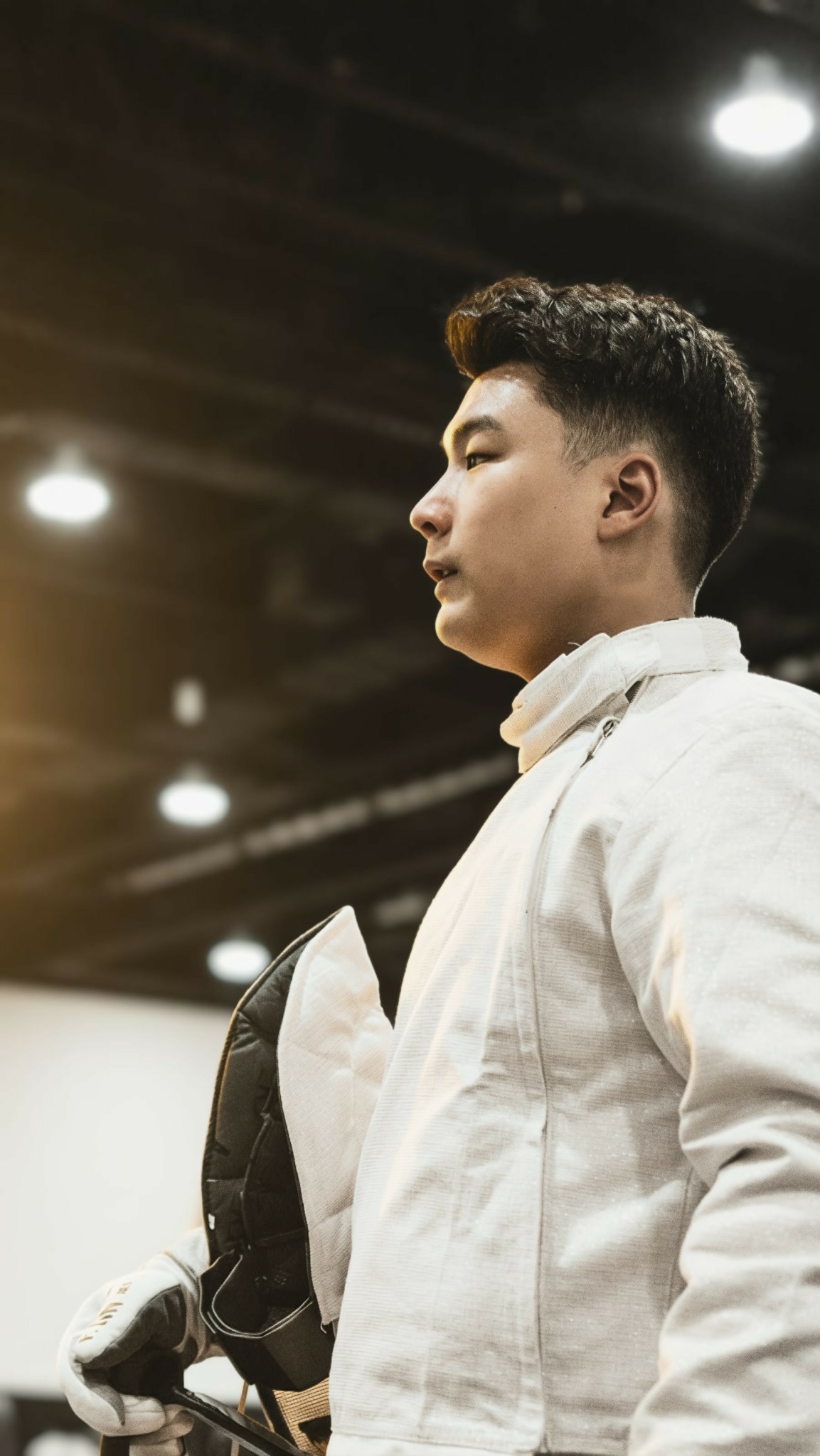
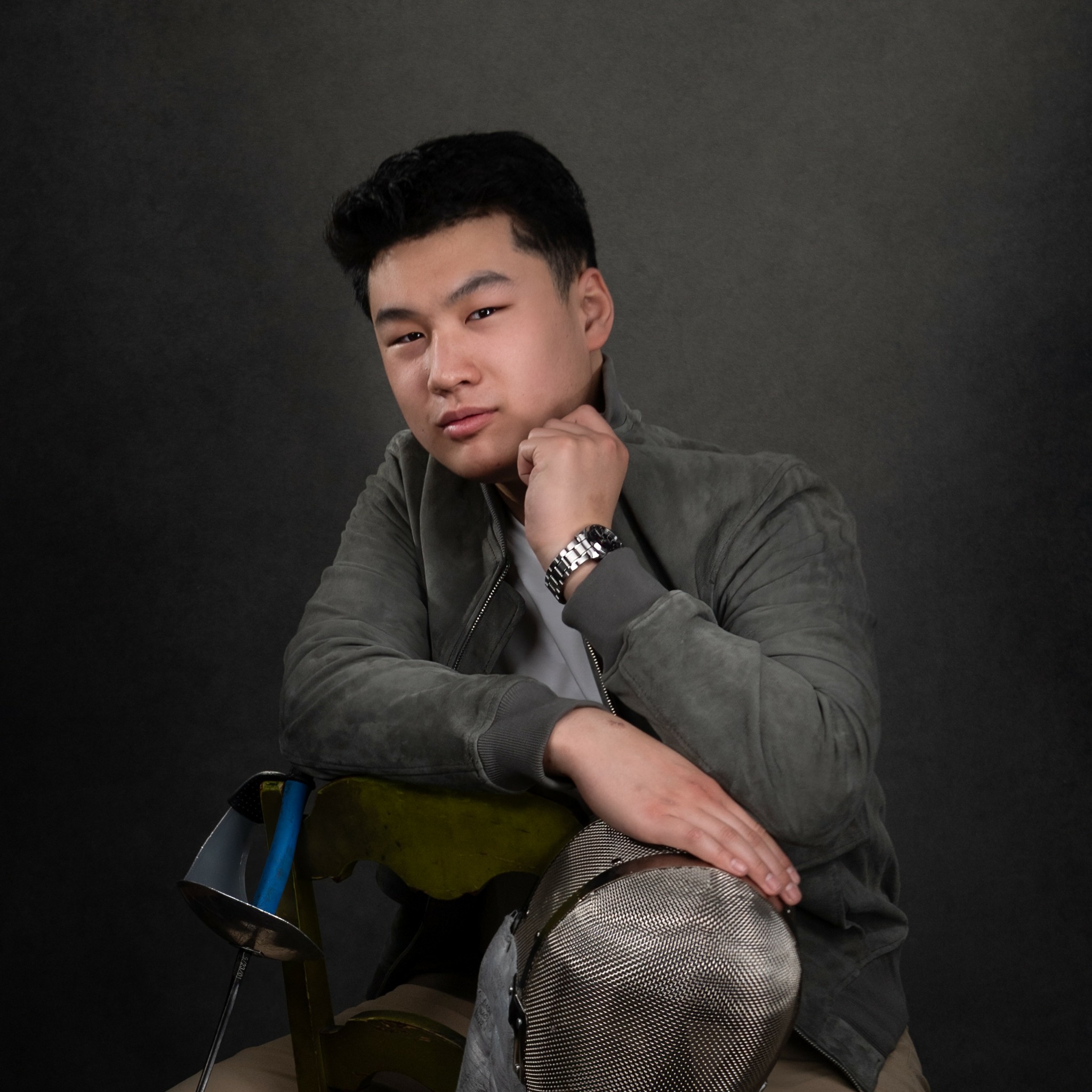
I’ve been a competitive fencer for more than half my life — which, at 16, is actually saying something. I started when I was six years old, mostly because my older brother and sister were already doing it, and honestly, it was just easier for my parents to shuttle all three of us to one practice location rather than juggling multiple sports across multiple places. But they also genuinely loved the sport for what it was: a unique blend of athleticism and intelligence. Fencing is often called “physical chess,” and once you’ve seen it or played it, you totally understand why.
I founded Fencers DoGood Inc. — which we just call DoGood — in 2024. Our mission is to encourage the fencing community to do good wherever they find themselves, whether that’s at a tournament, at home, or anywhere else in the world. To give you a sense of the scale we’re working with: USA Fencing, the national governing body for our sport in the U.S., has over 45,000 members. That is a lot of people — and a lot of potential for good.
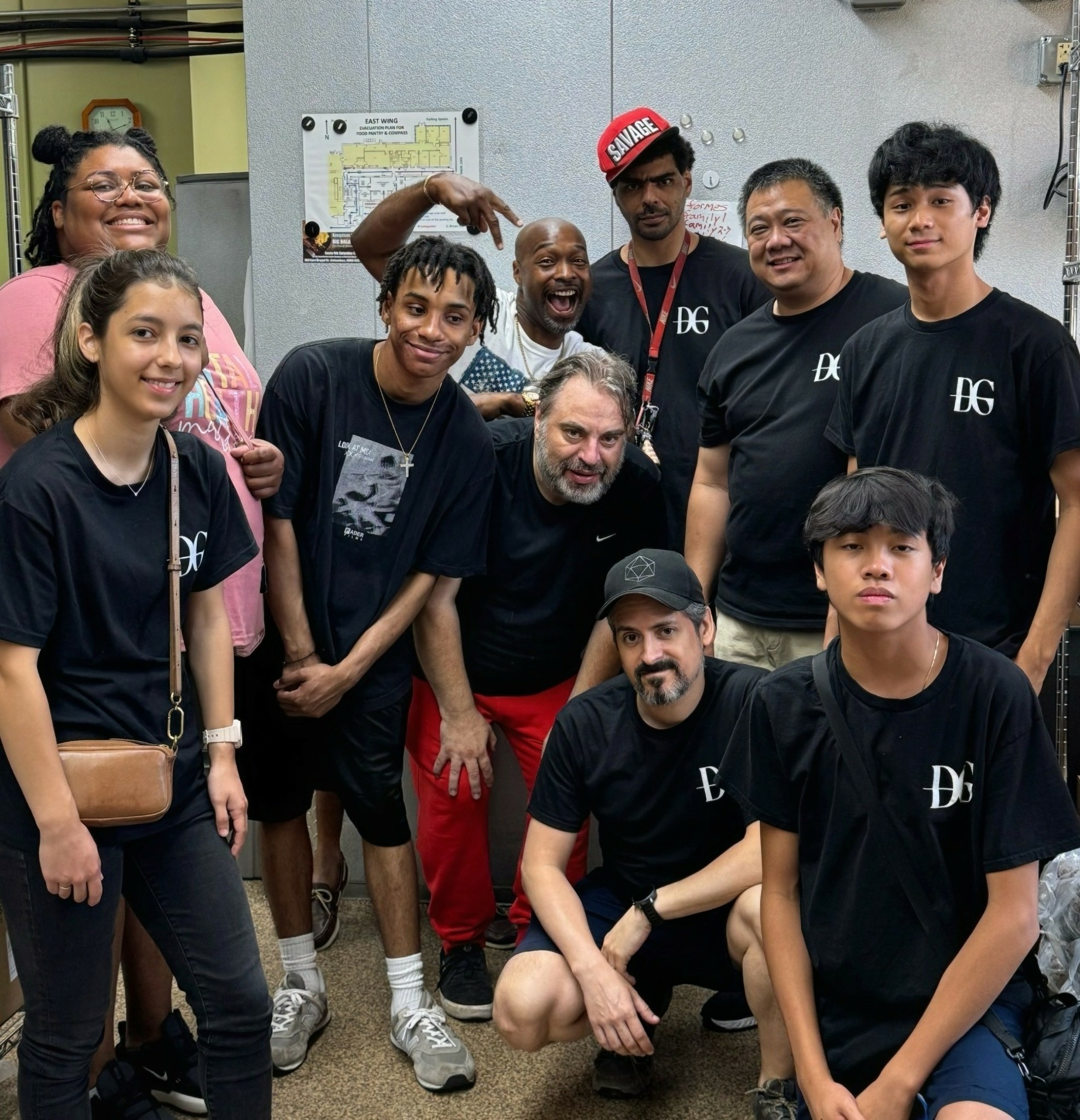
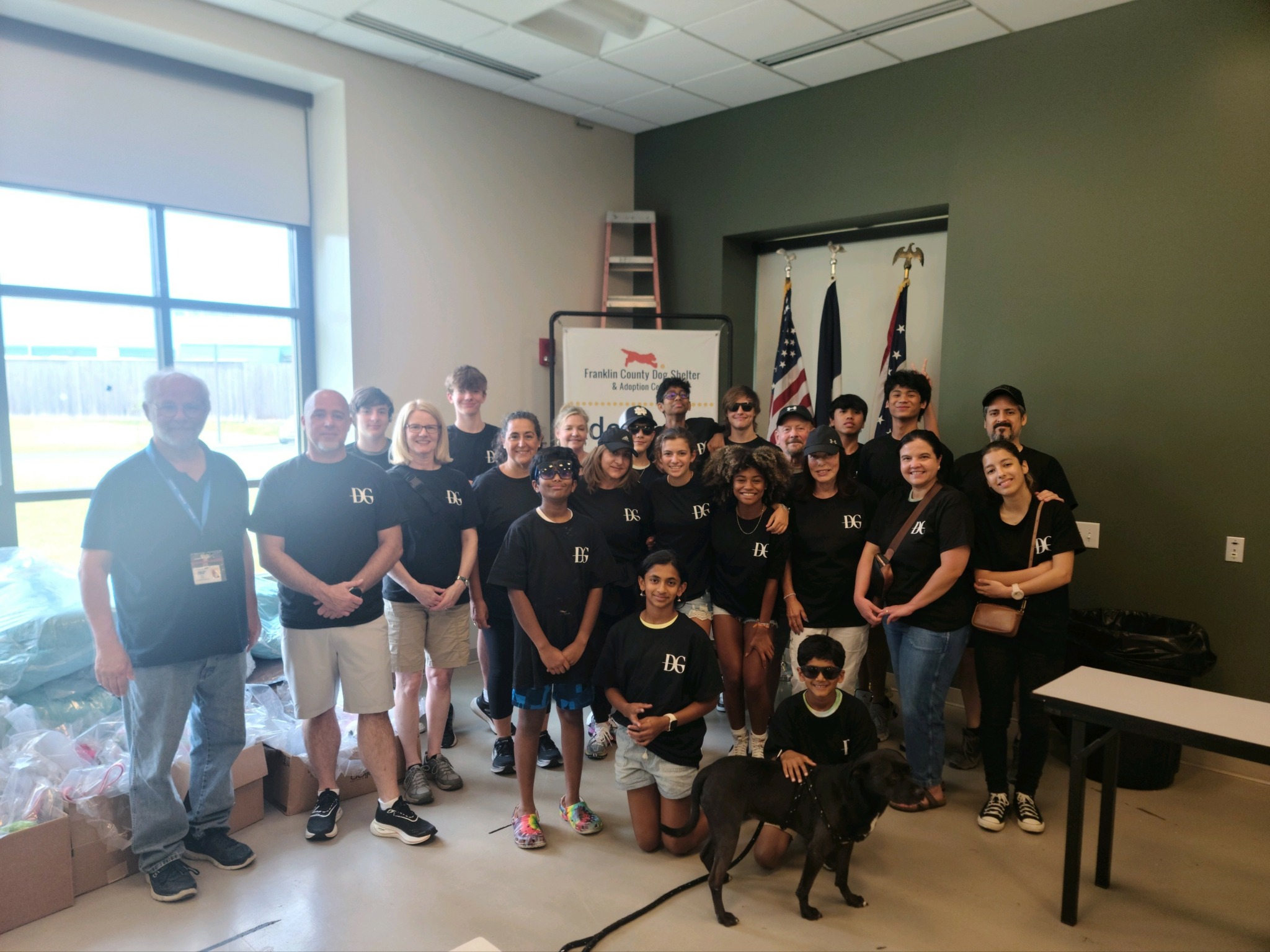
What makes DoGood genuinely different is that this isn’t a school club or a passion project that exists mostly on paper. This is a real organization. We’re officially registered, we hold both tax-exempt status and 501(c)(3) nonprofit recognition from the federal government, and we work with real people and real organizations out in the community — other nonprofits, volunteers, local businesses, and USA Fencing itself. We show up, we do the work, and we leave something meaningful behind in every city we visit.
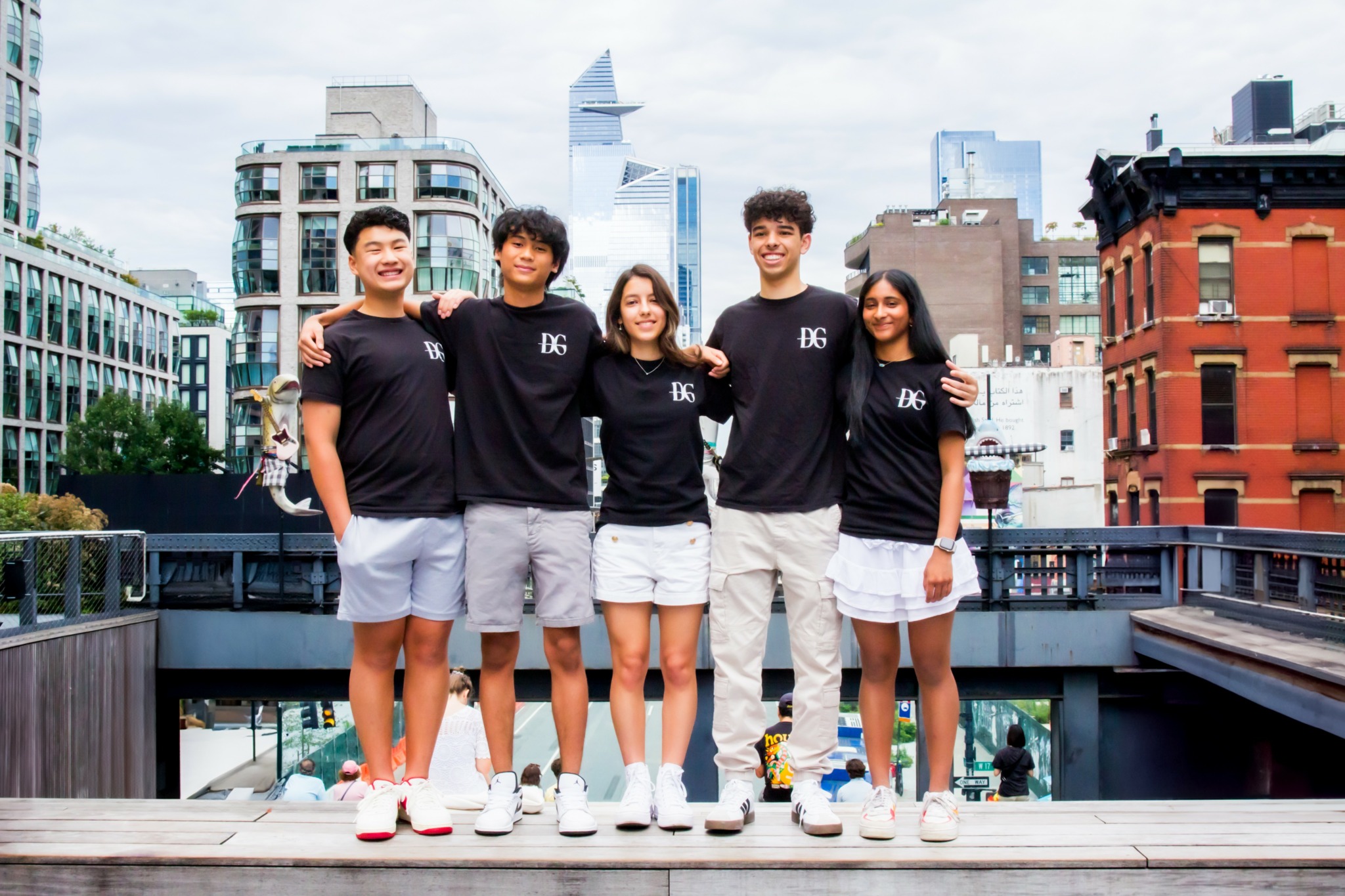
And here’s the part that tends to surprise people: all of that work is done by student-athletes. If a local news desk receives a Press Kit about an upcoming tournament and the volunteer work we’re doing in that city — that Press Kit was written by my Marketing & Communications team. If we’re cooking dinner at Ronald McDonald House Charities — that menu was planned, the ingredients sourced, and everything purchased by my Volunteer Management team. If a new volunteer opportunity goes out to the fencing community — that project was organized by my Community Engagement team. If you stumble across one of our Instagram videos and think, wait, what is this? — that content was created by my Social Media team. And if we’ve been awarded a grant — that application was researched and written by my Development team.
A lot of people hear all of this and wonder: how are high schoolers actually pulling this off? My answer is simple: don’t underestimate young people. We might not get it perfect on the first try — or even the second or third — but we get it done. And every time we do, we get better at it.
How did you put together the initial capital you needed to start your business?
As a nonprofit, community support isn’t just helpful for DoGood — it’s everything. We’re entirely volunteer-run, which means we don’t have a payroll to worry about, but we do need visibility, credibility, and the backing of the right people to actually make an impact. And in the fencing world, there’s one stakeholder whose support matters more than anyone else’s: USA Fencing.
To understand why that relationship is so important, you have to understand something about the fencing community. Fencers tend to be highly motivated, type-A, go-getter types — and that shows up in how many of them channel their drive beyond the sport itself. There are student-athletes across the community who have launched their own initiatives: teaching fencing to underserved youth, collecting equipment for emerging programs, and more. All of that is genuinely wonderful, and we’ve made it a priority to reach out to as many of those organizations as we can find — because my feeling is that a united community will always do more good than a fractured one. If we’re all moving in the same direction, we should be moving together.
But here’s the reality: a lot of those organizations don’t survive their founder. They start as passion projects, and the moment that founder heads off to college and discovers new interests — which is completely natural, I see it in my own older brother and sister — the organization quietly fades away. No one to do the work means no more work getting done.
So when I first approached USA Fencing for their support, I knew exactly what they were probably thinking, even if they didn’t say it out loud: is this just another great idea that disappears in a few years? And honestly? That was a fair question. For all they knew, DoGood was one of dozens of well-intentioned organizations started by motivated fencers — real passion, genuine mission, but likely to dissolve the moment I got my college acceptance letter.
So I decided to address that head-on.
About a year after we officially formed, we started succession planning — and I know that sounds unusually early for an organization as young as ours. But it was intentional and necessary. I wanted DoGood to still be growing and thriving long after the founding team graduated and moved on. Once we had a concrete plan in place, we brought it directly to USA Fencing. We wanted them to see, in plain terms, that we had thought seriously about the future — that this wasn’t built around any one person, and that we intended to be around for a long, long time.
We also shared our long-term vision: for DoGood to become the hub of volunteerism for the entire fencing community. Not just one more organization doing good things, but the connective tissue that makes the whole community’s goodwill work better together.
I think those conversations — the succession plan, the long-term mission, the transparency about the challenges we knew we’d face — are what ultimately convinced USA Fencing that we were serious. Trust isn’t built overnight, especially when you’re a teenager asking an established national organization to bet on you. But when you show people that you’ve already done the hard thinking, it changes the conversation entirely.
Let’s talk about resilience next – do you have a story you can share with us?
I actually have a perfect example of this — and it’s one that tested not just my resilience, but my team’s as well.
We were in the middle of planning volunteer projects for a tournament coming up in a small city in the mid-south. When we scout volunteer opportunities, we’re pretty strategic about it. We look for organizations that are close to the convention center so participants don’t have to deal with long commutes. We look for projects that are short — typically one to three hours — so fencers can still fit in homework, hang out with friends, or just decompress between competition days. And critically, we look for organizations that actually allow teenagers to volunteer without a parent present.
That last one is a bigger barrier than most people realize. I saw it firsthand with my own sister — she wanted to volunteer at a local animal shelter when she was 14, and they wouldn’t accept anyone under 16. And even when she turned 16, my mom would have had to come and stay onsite the whole time. That kind of thing stops a lot of well-meaning teenagers in their tracks, so we work really hard to find opportunities that remove that barrier entirely.
For this particular city, though, we were struggling. For whatever reason, the options just weren’t there — nothing was checking all our boxes. We finally found a mission that seemed to fit, and I did what I always do: sent them an introductory email explaining who we are and what we do. When I didn’t hear back, I followed up with a phone call and got the Volunteer Director on the line.
I politely introduced myself, started explaining our organization — and his response stopped me cold: “Where are your parents? I don’t talk to teenagers.”
I’m not going to sugarcoat it: that was really discouraging. We had spent so much time searching, finally found something that worked, and now the person at the door wasn’t even willing to have the conversation. In that moment, it would have been so easy to just write off the city entirely and move on.
But I didn’t hang up. I stayed calm, stayed polite, and tried again — explaining what DoGood actually does and the community we represent. It became clear pretty quickly that he wasn’t going to come around, and that’s okay. Not every door opens. So instead of pushing harder on a closed door, we pivoted.
I went back to my team and asked them to take a completely fresh look — any organization within a 15-minute drive of the convention center, no matter how small or off the radar. We widened the net, and eventually, we found a couple of solid volunteer projects that came together really well.
The lesson I took from that experience wasn’t frustration — it was this: obstacles are just redirections. When one path closes, you find another one. And as long as your team trusts the mission, you’ll find it.
Contact Info:
- Website: https://www.fencersdogood.org
- Instagram: @fencersdogood
- Facebook: @fencersdogood
- Linkedin: https://www.linkedin.com/in/philip-theo-lin