


We recently connected with Peter Rein and have shared our conversation below.
Peter, appreciate you joining us today. Can you talk to us about how you learned to do what you do?
So, I think this is one of the key things that is both most misunderstood and most important about voice acting. The fact that it is a craft, and something that takes both professional training and time to develop. We are well past the time that “having a nice/cool/deep/sexy voice” means you can become a voice actor. On top of that, unfortunately there are a large amount of bad coaches out there, and you need to be weary about what is paying top dollar for a quality coach and what is someone just trying to take advantage of inexperience. I was very fortunate that my first coach was fantastic, and through his training I learned not only the fundamentals of the craft, but also the fundamentals of the industry. From there, I was able to confidently seek out great coaches on my own to further develop my knowledge and abilities.
I truly don’t think there was anything I could do to “speed up my learning process” because that’s not how it works. It’s a process, and if you don’t put in the time and work, it doesn’t work out.
I think the most essential skill I developed was the ability to put myself in the scene, whatever the scene. As far as obstacles, there are plenty (lack of time, money for coaching/workshops, motivation, etc.), and it’s tough to say because you can always learn more.
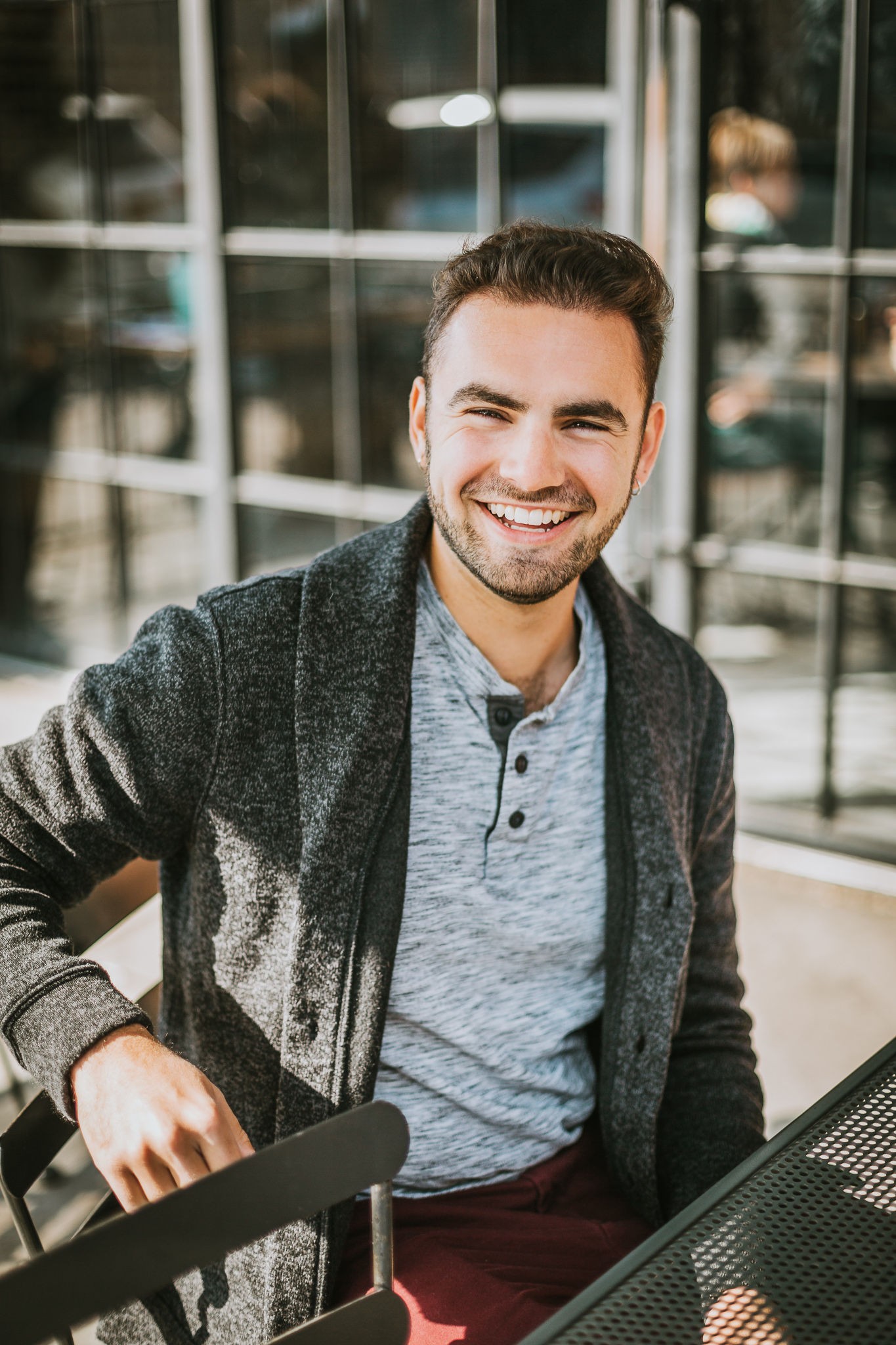
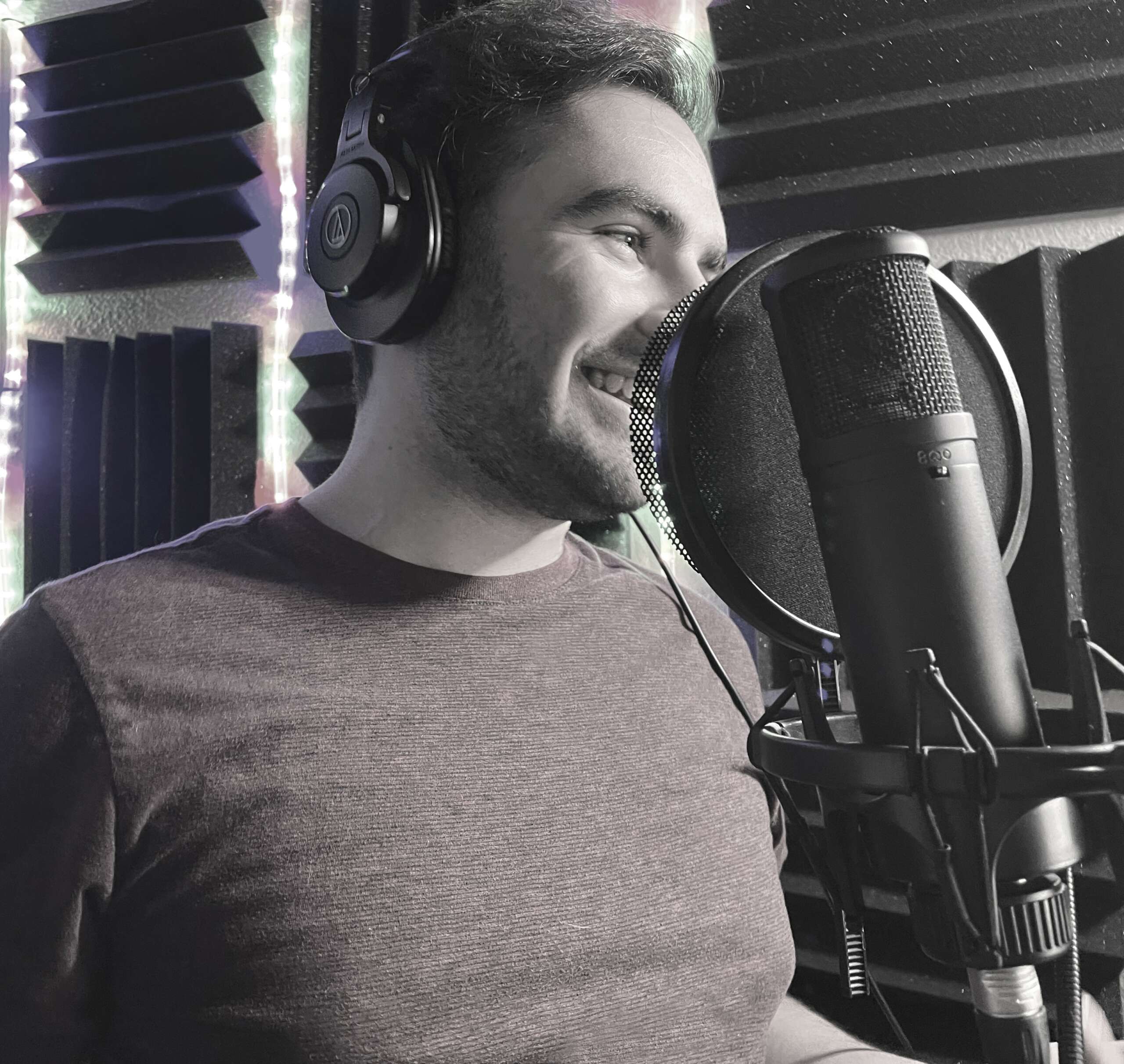
Peter, before we move on to more of these sorts of questions, can you take some time to bring our readers up to speed on you and what you do?
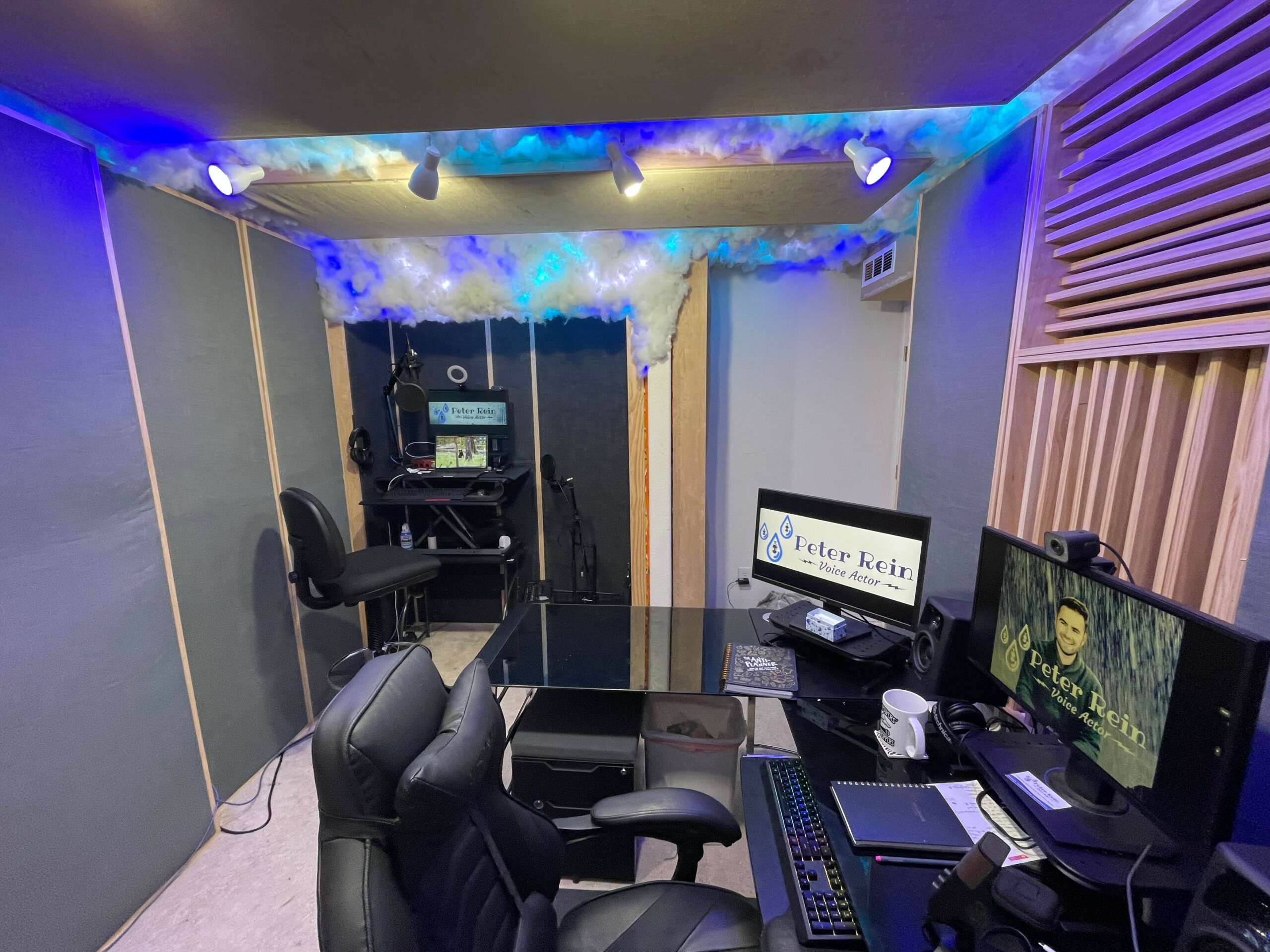
I got into voiceover in the same way most do these days — It was something I thought about for years and finally took the leap and found a coach. I’ve been in the industry for a little over two years now. I am trained and have worked in a variety of genres, including corporate/business narration, commercial, animation, video games, audio books, telephony, and more.
Currently, I’m focusing my efforts on small business voiceovers and sonic branding! The goal is to provide accessible professional voiceovers to small businesses who may not realize just how much a difference a quality voiceover can make. I’m focusing on telephony, but also have website video production, explainer videos, social media vo, and a number of packages and subscription options available. Most businesses will look in one place for their telephony and somewhere else entirely for production, and miss out on a huge opportunity to have a consistent sound and audio brand. Not only that, many businesses are either outpriced by larger studios or unaware of where to look and hire amateurs, which makes their business come across as just that.
My goal is to bridge that gap, connect with the wonderful small businesses that makeup the backbone of our country, and help them cut through the noise and grow! I love talking with other business owners and learning and sharing passions. If I can take those passions and use my craft to tell the world about them, I truly believe the world is better for it.
I’m also super proud to have been a small part of the recently released audiobook, “Disability Intimacy” by Alice Wong! It is an amazing collection of personal essays from a wide range of disabled bodies and minds. It is a super important work from an incredibly marginalized community, and I’m honored to be a small part of it.
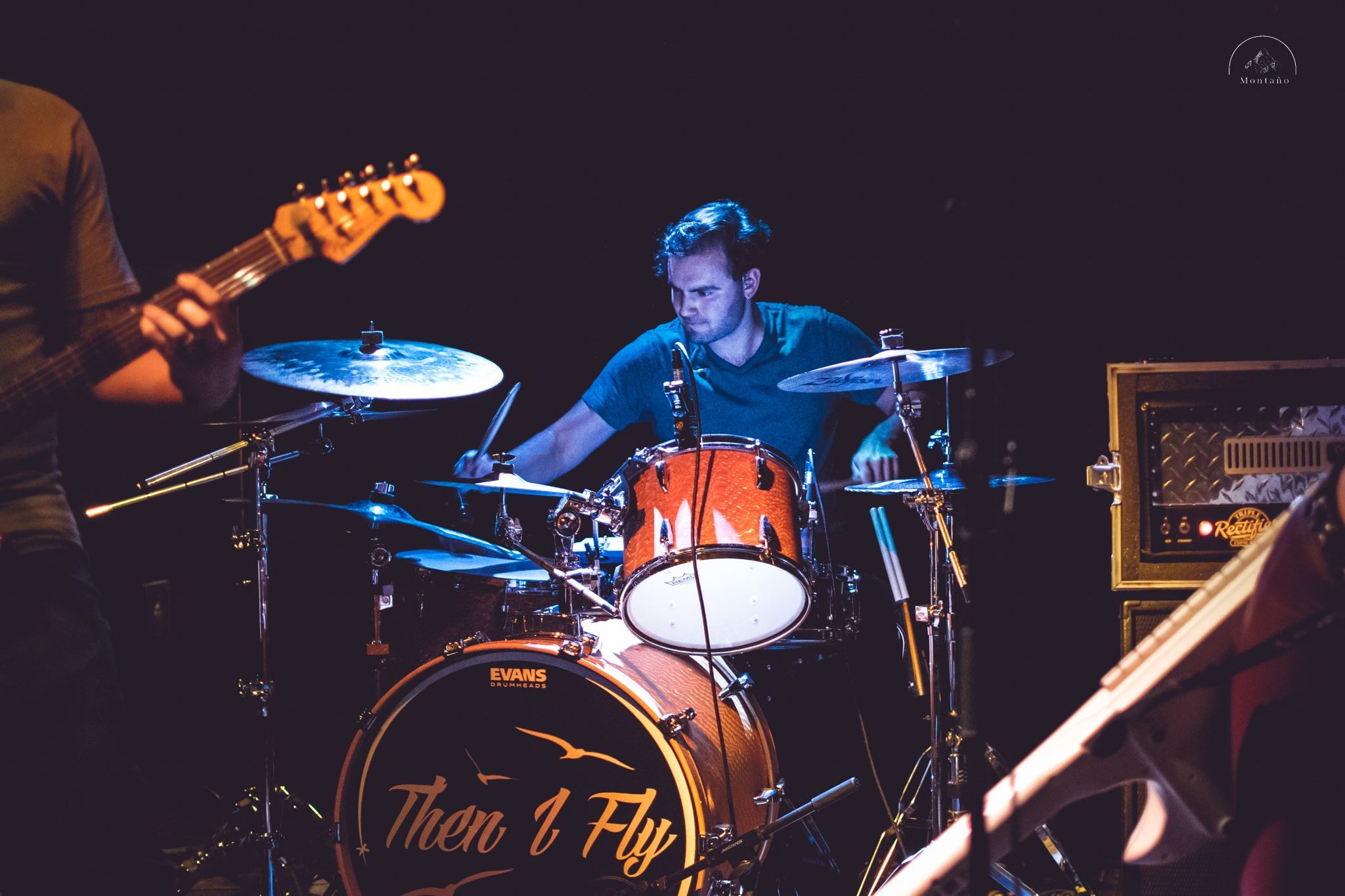
Finally, my band Occam’s Rose has a new album in the works that should be out this summer! Keep an eye out!

In your view, what can society to do to best support artists, creatives and a thriving creative ecosystem?
It’s fairly straightforward, honestly.
First, hire humans, and when you can, human professionals. This not only means avoiding AI art of any kind, but also corporate or “mass produced” art. Instead, look for creatives local to you, or creatives in the niche you want to explore. They are out there, they want you to find them, and a 10-minute google search may be all it takes. Also, go to local shows (music, theater, galleries, anything) whenever you can.
Second, pay artists what they’re worth. Art of any kind is a privilege, a premium commodity, and not something to take for granted. Our current climate makes so much art incredibly accessible, which is good in theory, but it unfortunately often comes at the expense of the artist. The other, unspoken problem with that is it makes us feel subconsciously that spending money on a “free/cheap” service is wasting money, and people might be willing to spend more on a cup of coffee than a CD from a local band.
Also, try to be aware of the difference between hobbyists and professionals, and seek out the professionals who are trying to earn a living through their craft. (Here’s a hint, you probably wont find them trying to be the lowest bidder on Fiverr). You also don’t need to brank the bank, depending on what you’re hiring the creative for, just pay what the artist is asking for, and leave a tip when you can. But DON’T offer “exposure.”
Third, exposure is good! We creatives love it! But just not in exchange for our professional services. Instead, like our posts, share our stories, comment your support, recommend us and help us make connections. None of this costs you a penny, and it genuinely does a lot to support us. If you can’t go to the show, share it instead. If you can’t afford to hire that photographer, send them to someone who can. NO ONE will judge you poorly for supporting the arts, especially not the artists. It’s easy to feel reluctant to share this stuff, I’m not sure why, but I feel it too. Try to push past that, and make an artist’s day with nothing more than a few clicks.
Learning and unlearning are both critical parts of growth – can you share a story of a time when you had to unlearn a lesson?
“Practice makes perfect.” We’re taught from a young age to seek “perfection.” Our entire schooling system is based on trying to achieve perfect scores on tests. This isn’t to say we shouldn’t seek excellence, but having a perfection-based mindset can be incredibly hard to get by. Set high goals, by all means, and try to achieve them, but if your goal is “perfection,” you will always be disappointed. I struggle with this constantly. I even struggle with it as I’m answering questions. If I feel I can’t complete something “perfectly” or if I don’t have everything figured out before I start, it’s so much harder just to sit down and do the task.
This is even harder in the arts, as our self-worth is so directly tied to our craft. And for some reason, people generally feel more comfortable openly criticizing creatives (and generally people who put themselves out there) than any other industry.
Anyway, the answer I’ve found that is best to work on is instead “practice makes consistent” and “done is better than perfect.” The simple truth is the more you do something, anything, the easier it is to repeat that same thing (regardless of how good it is). So strive to achieve consistency with quality, and you can be more confident in what you put out there. And I can’t sell something, share something, perform something, etc., if it doesn’t exist.
I wouldn’t say I have this figured out fully yet, but I’m working on it with the support of my amazing partner, and I hope to get there soon.
Contact Info:
- Website: www.peterreinvo.com
- Instagram: https://www.instagram.com/peterreinvo/?hl=en
- Linkedin: https://www.linkedin.com/in/peterreinvo/
- Twitter: https://twitter.com/PeterReinVO
- Youtube: https://www.youtube.com/@peterreinvo
- Other: If you are a small business owner specifically interested in my services, check out: https://peterreinvo.com/voice-over-for-small-business/ Music: https://occamsrose.com/ https://thenifly.bandcamp.com/music
Image Credits
Natalie Dyer Alyssa Montano Story Anastasia Canfield Emma Jackson