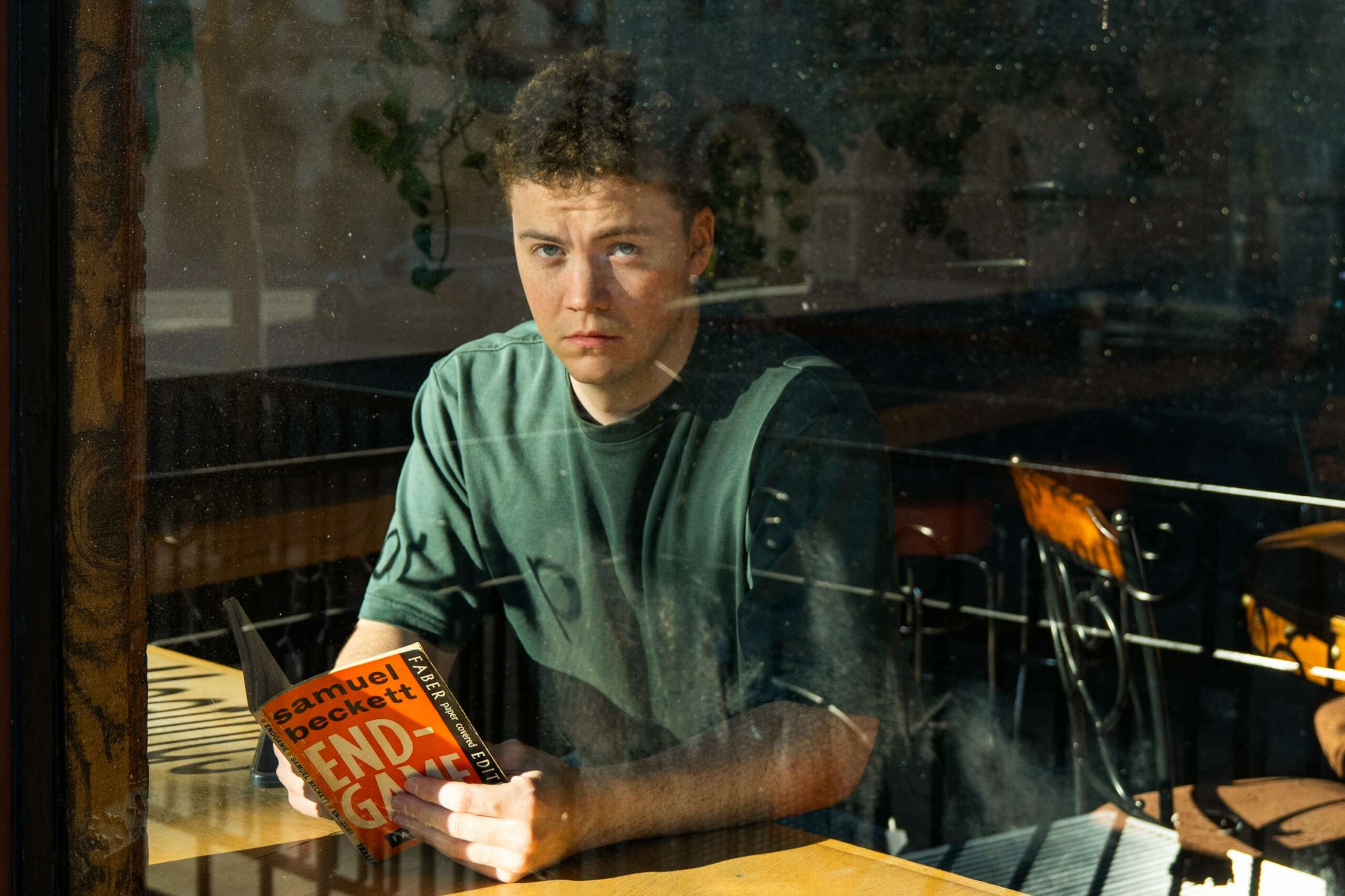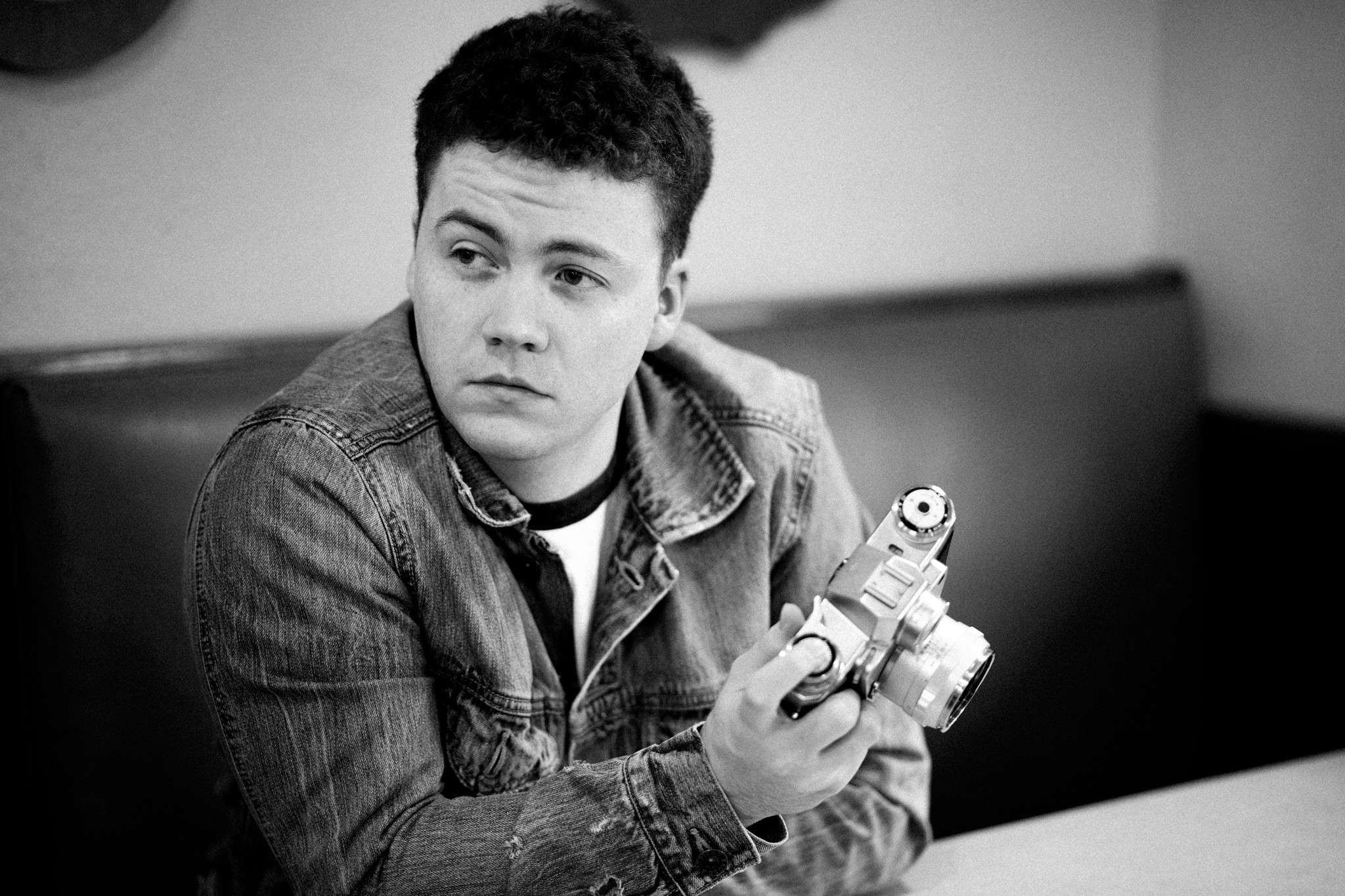

We caught up with the brilliant and insightful Paul Ingoldsby a few weeks ago and have shared our conversation below.
Paul, looking forward to hearing all of your stories today. We’d love to hear about a project that you’ve worked on that’s meant a lot to you.
In terms of sheer impact alone, my first script, Trouble, has been the most meaningful. It’s rare for a project to transform your life and take you halfway across the world, but that’s exactly what it did for me.
It’s a project that was born in Wicklow, Ireland, where I grew up. Wicklow’s a beautiful place — the rolling mountains and calm lakes will look familiar if you’ve seen any of the many American film and TV productions filmed there. But beneath it all, the Wicklow Mountains also hold dark secrets, and clues to Ireland’s violent past. That history always fascinated me, especially as I began sensing more and more parallels with the direction the world was heading in. Those feelings would keep me awake at night, but also ended up sparking an idea for a show that would tackle these big ideas in an exciting, commercial way. I knew straight away I’d have to write it. Only problem was, I’d never written anything before.
But I did have a job working in film and TV development. And I think in some ways, that’s the best education you can get as a writer. So every day, I focused on absorbing every writing lesson I could from every pitch, every draft, and every notes meeting with writers. Then I’d return home in the evenings, sit facing my window overlooking the Wicklow Mountains, and write.
After a few weeks, I had Trouble, a spy thriller that’s set during Ireland’s past, but it’s really about our present cultural moment. It’s a story of division, distrust, and difficult choices, but also resilience and hope.
When it won a $60,000 fellowship to move to and study in California, it was a dream come true. And although I’ve had a few moments like that since, I think there’s always something special about that first piece of international recognition in your career.
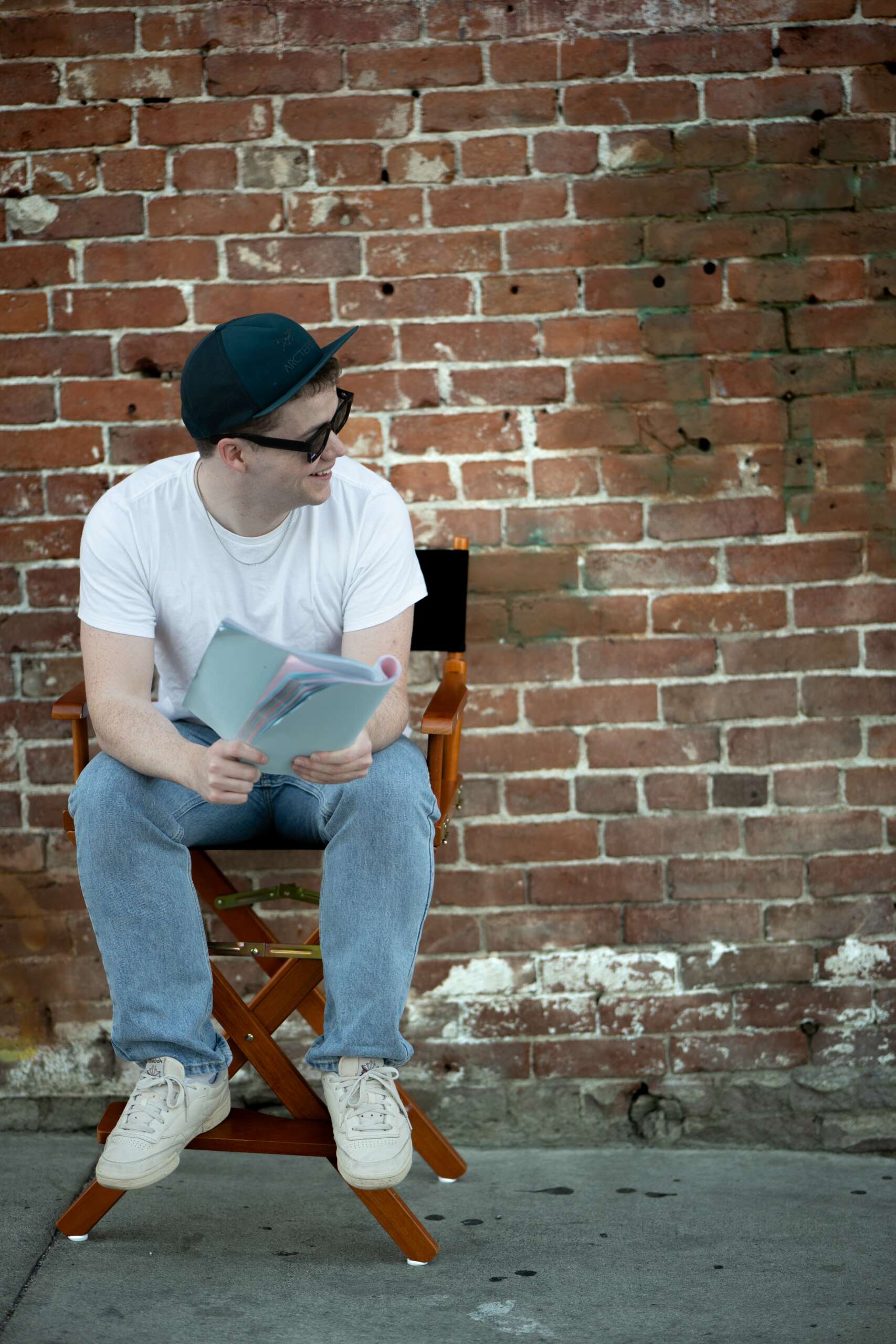
As always, we appreciate you sharing your insights and we’ve got a few more questions for you, but before we get to all of that can you take a minute to introduce yourself and give our readers some of your back background and context?
Sure! I’m a repped Irish writer, who specializes in stories inspired by true events.
I got my start in film and TV development, working on multiple award-winning productions including Son (2021) and six-part miniseries The Vanishing Triangle (2023) for Park Films. Since gaining acceptance into University of California Riverside’s MFA program, I’ve been an Academy of Motion Picture Arts and Sciences Nicholl Fellowship semifinalist twice, including in 2023 for my tech thriller Analytica. In addition to my screenwriting, I also ghostwrite autobiographies for American business leaders.
My writing reflects my longstanding appreciation of American culture, often exploring themes surrounding the American Dream and what success means in this country. I’m inspired equally by great Irish storytellers like Martin McDonagh, and American screenwriters like Aaron Sorkin. I aim to bring a unique perspective to stories that bridge both worlds.
Most recently, my latest screenplay Leech, a California-set social horror feature with an Irish twist, was optioned by a veteran independent Hollywood producer.
Learning and unlearning are both critical parts of growth – can you share a story of a time when you had to unlearn a lesson?
You know, I think in Ireland it’s common to sort of roll your eyes at people who are outwardly ambitious. We’re often pretty harsh on our most successful cultural exports, and just being seen as striving for better can get you accused of having “notions,” — that is, thinking you’re somehow better than you are. As silly as it might sound, it’s a genuine faux pas.
To be fair, maybe our scorn for anything that resembles pretension is what keeps the quality of Irish art so high. But as someone who absorbed a lot of that cynicism growing up, it was a little stifling when taking my first steps in a creative career.
So as you can imagine, it was a real culture shock to arrive in LA, and meet so many people here who felt no shame about openly pursuing their goals. Everyone here has a dream, and they’re not afraid to share it with you — sometimes, for better or worse! But that sense of freedom, the freedom that people here feel to strive, and to fail if necessary, has really changed me. It’s one of the many things I love about life here in America.
For you, what’s the most rewarding aspect of being a creative?
By far the most rewarding aspect of being an artist is the connections it allows me to make with others. For me, that’s what art is all about — creating shared experiences and bringing people together.
For example, through my freelance work as a ghostwriter on autobiographies, I get to forge some truly special connections with clients through the interview and writing process. And just to participate in a project which carries such huge personal significance to another person is itself immensely humbling to me. My screenwriting has also brought me together with countless incredible people from across the world, none of whom would have crossed paths with me without my creative work.
So whether it’s helping clients share their life story, or having strangers reach out to share how much my writing resonated with them, these are the kinds of moments that make being an artist so rewarding.