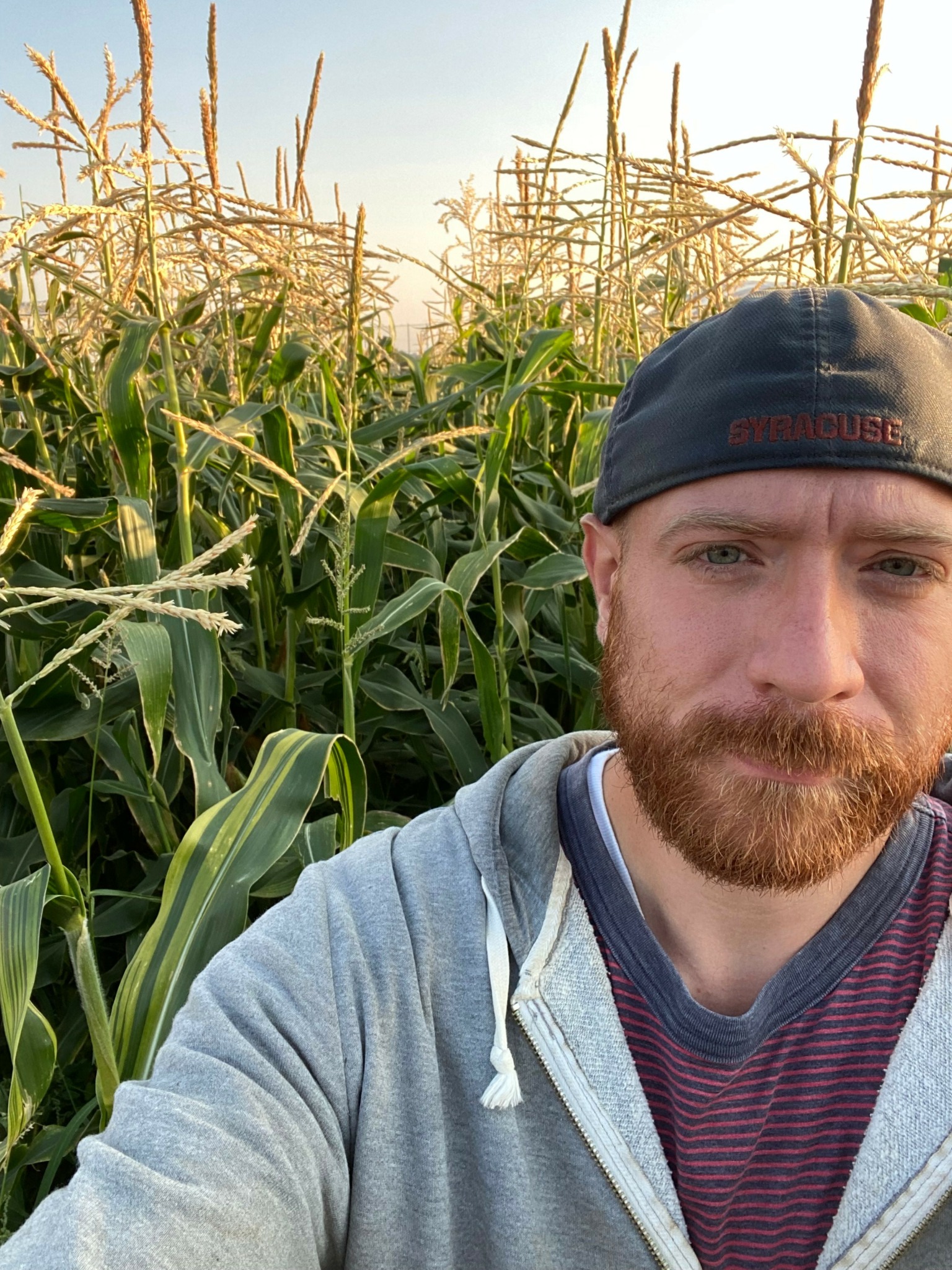

Alright – so today we’ve got the honor of introducing you to Patrick Cheetham. We think you’ll enjoy our conversation, we’ve shared it below.
Alright, Patrick thanks for taking the time to share your stories and insights with us today. Can you talk to us about serving the underserved.
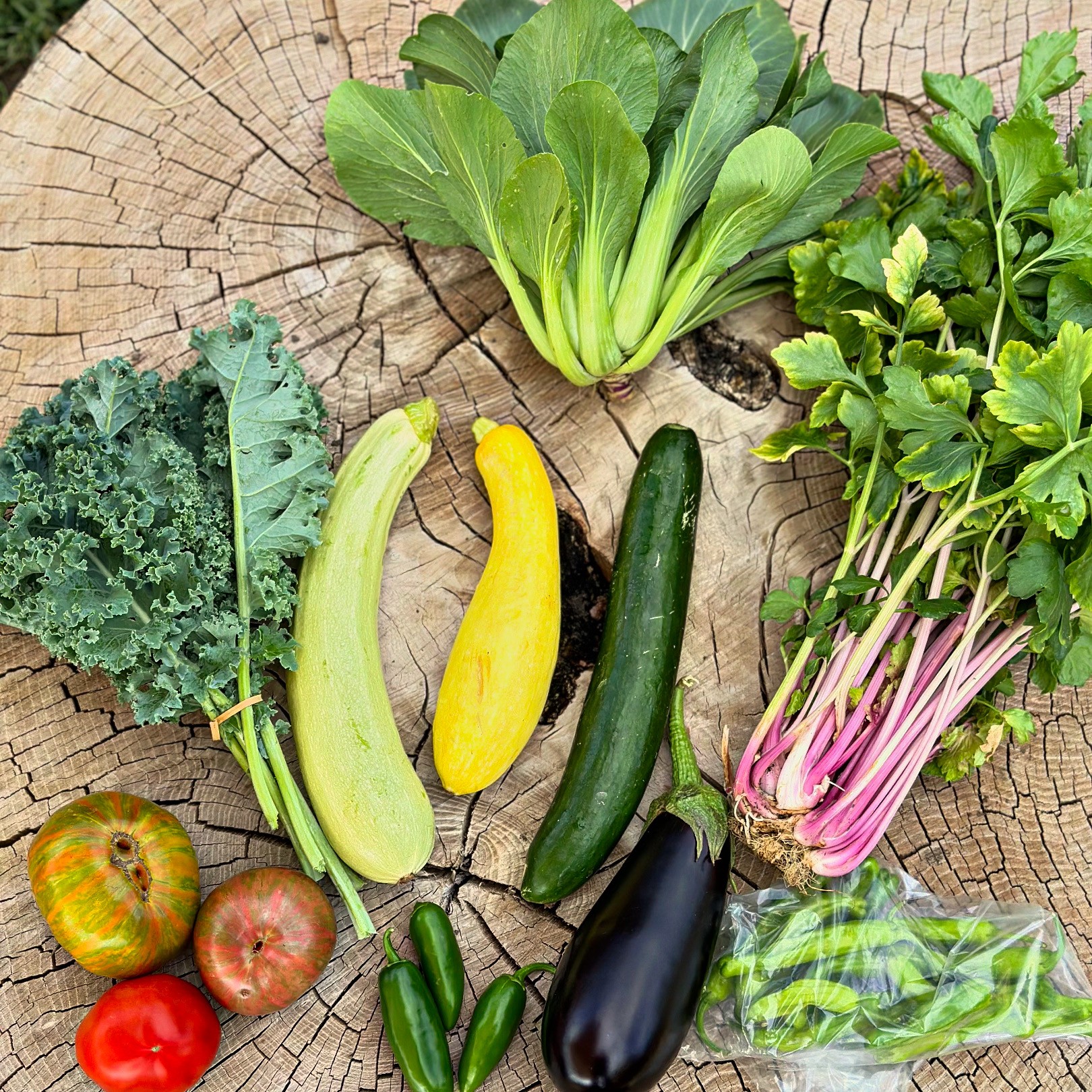
My goal in starting my own farm is to make organically-grown, nutrient-dense food available to everyone regardless of socioeconomic status. Typically, locally grown food is only available to people who can afford it- whether through a CSA, farmers market, or higher-end restaurants. Many low income and BIPOC communities often have limited access to these foods and I truly believe that food is medicine and what we consume affects so many other aspects of our lives. But simply growing more of these foods is not enough- it’s important to realize that there are barriers to accessing these foods besides money such as transportation. I think it’s critical to meet people where they are at.
Patrick, before we move on to more of these sorts of questions, can you take some time to bring our readers up to speed on you and what you do?
I grew up in Upstate NY and originally studied Chemical Engineering. After college, I moved to Boston for graduate school, but soon realized that wasn’t the path I wanted to pursue. After working in the restaurant industry for a number of years, I ended up working in a managerial role at a local concept that focused on vegetarian, locally-sourced food. I had always been environmentally-minded, but seeing first-hand how much of a difference knowing the farmer your food is coming from made in terms of quality and taste really opened my mind up to the possibilities that existed with smaller scale, local farming. I went back to school for a degree in Environmental Science and began to think about what I could do to make a difference in our environment.
I had always seen myself moving West at some point, and after 12 years in Boston I made the leap during Covid and moved to Denver, a place I had visited a few times and loved. During Covid, I really took stock of what was important to me and what I wanted to spend my time doing. I couldn’t really see myself working in an office or for the government (which is what I felt many Environmental Science jobs were) and somewhat on a whim decided to apply for a farm hand position at an organic vegetable farm in Longmont. I fell in love with the work and being outside all day almost immediately. I then spent two years managing a smaller farm in Arvada, and last fall I got accepted into a program through Golden-based non-profit GoFarm to start my own farm business.
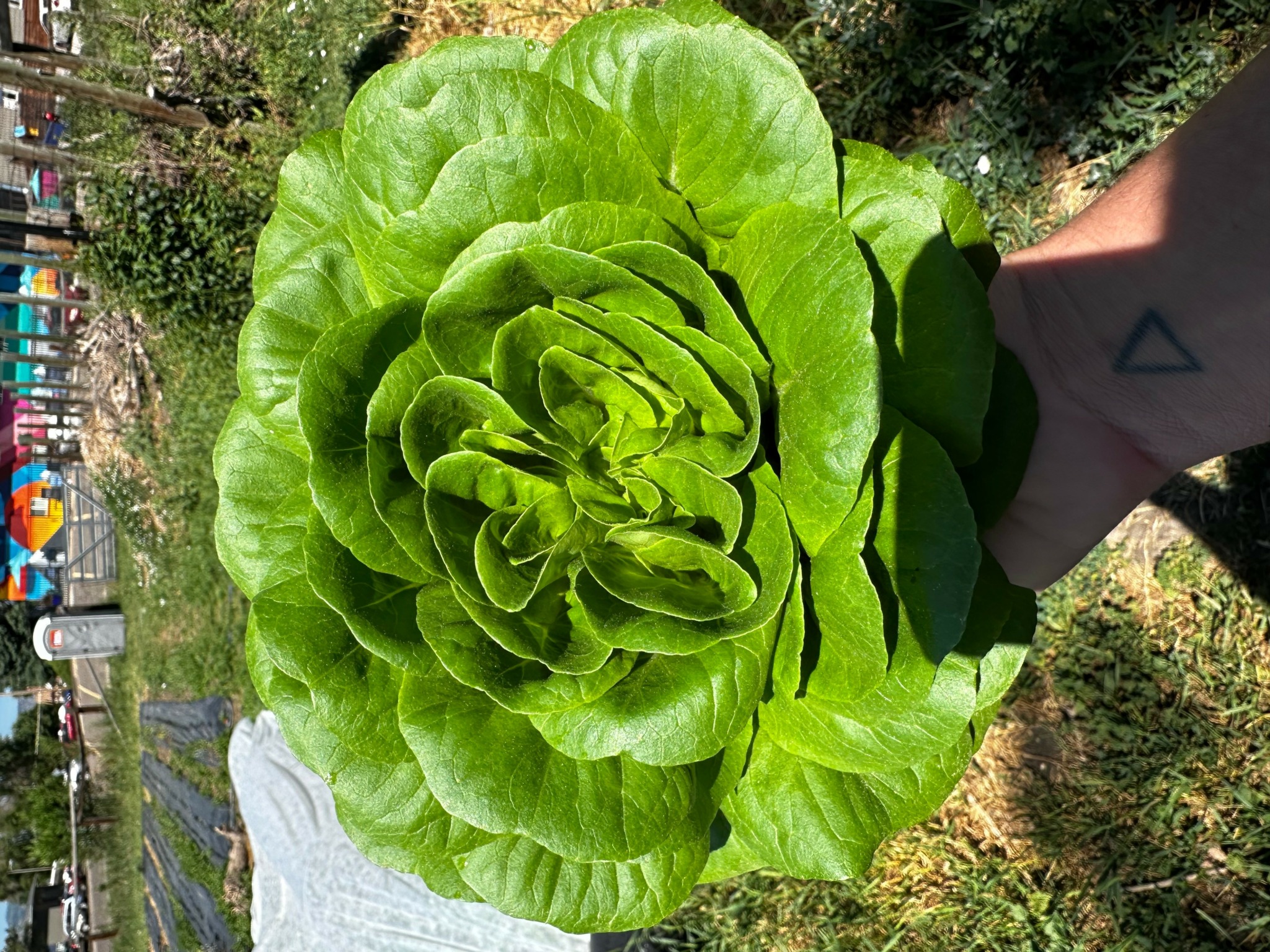
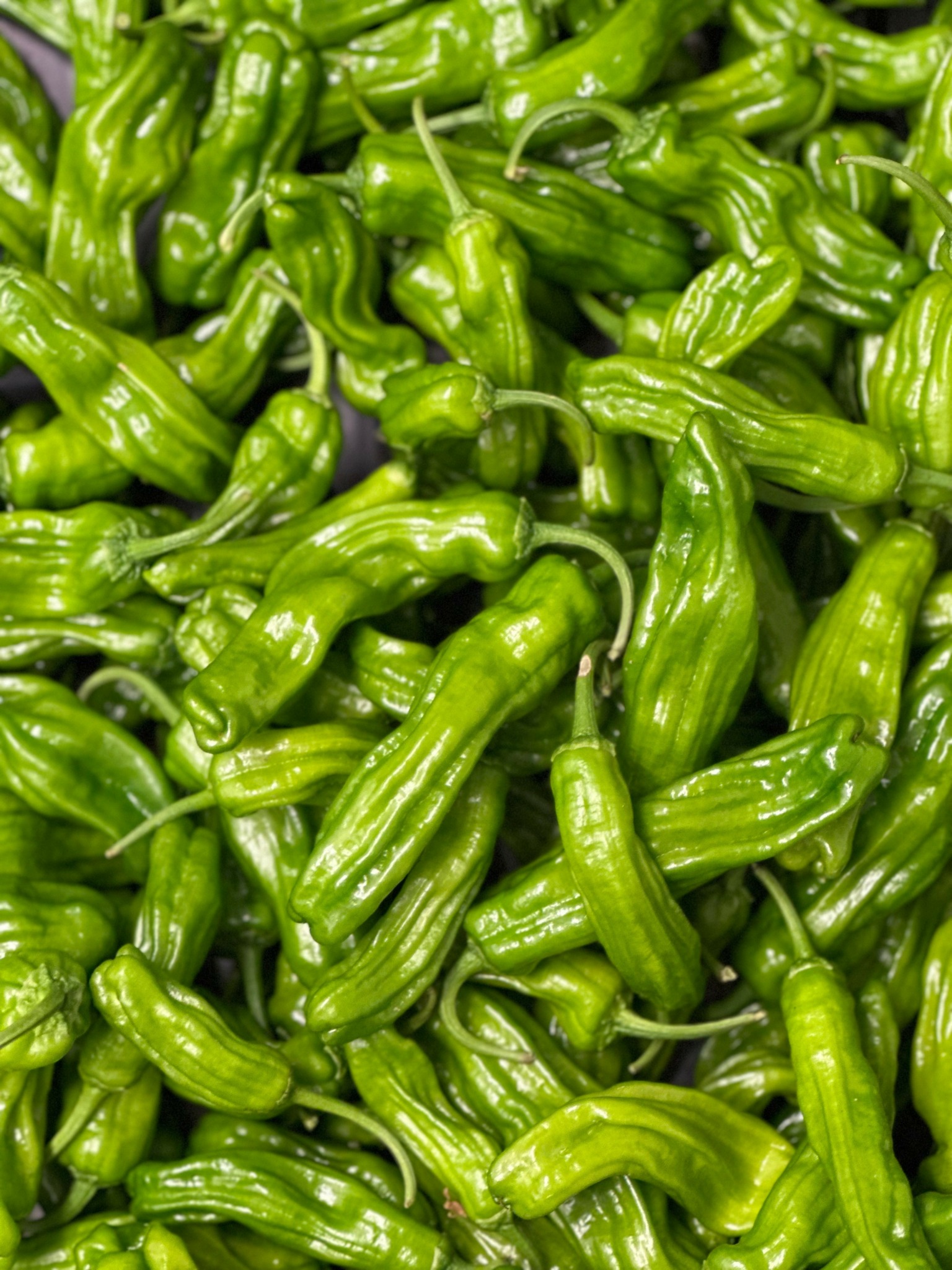
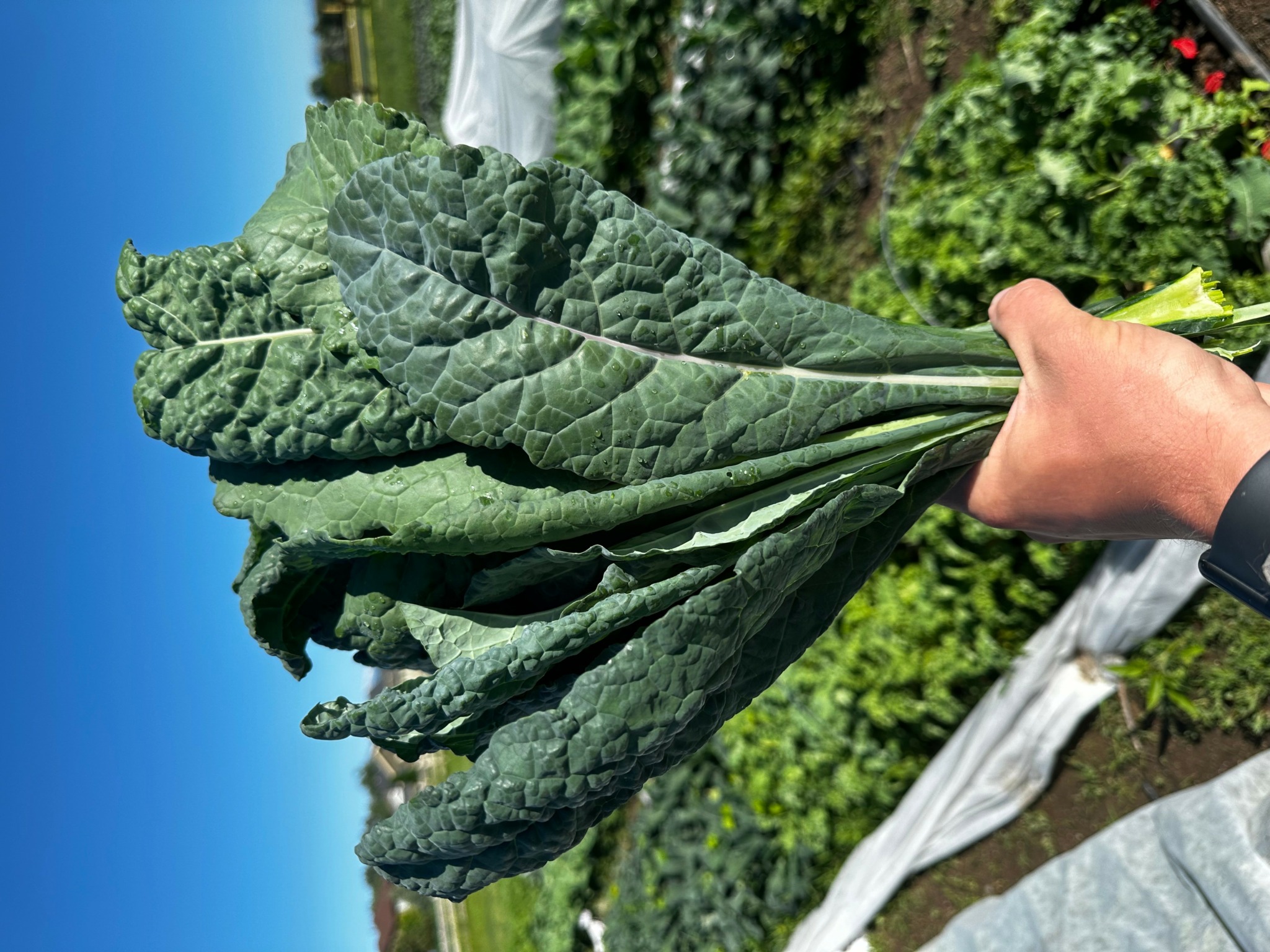
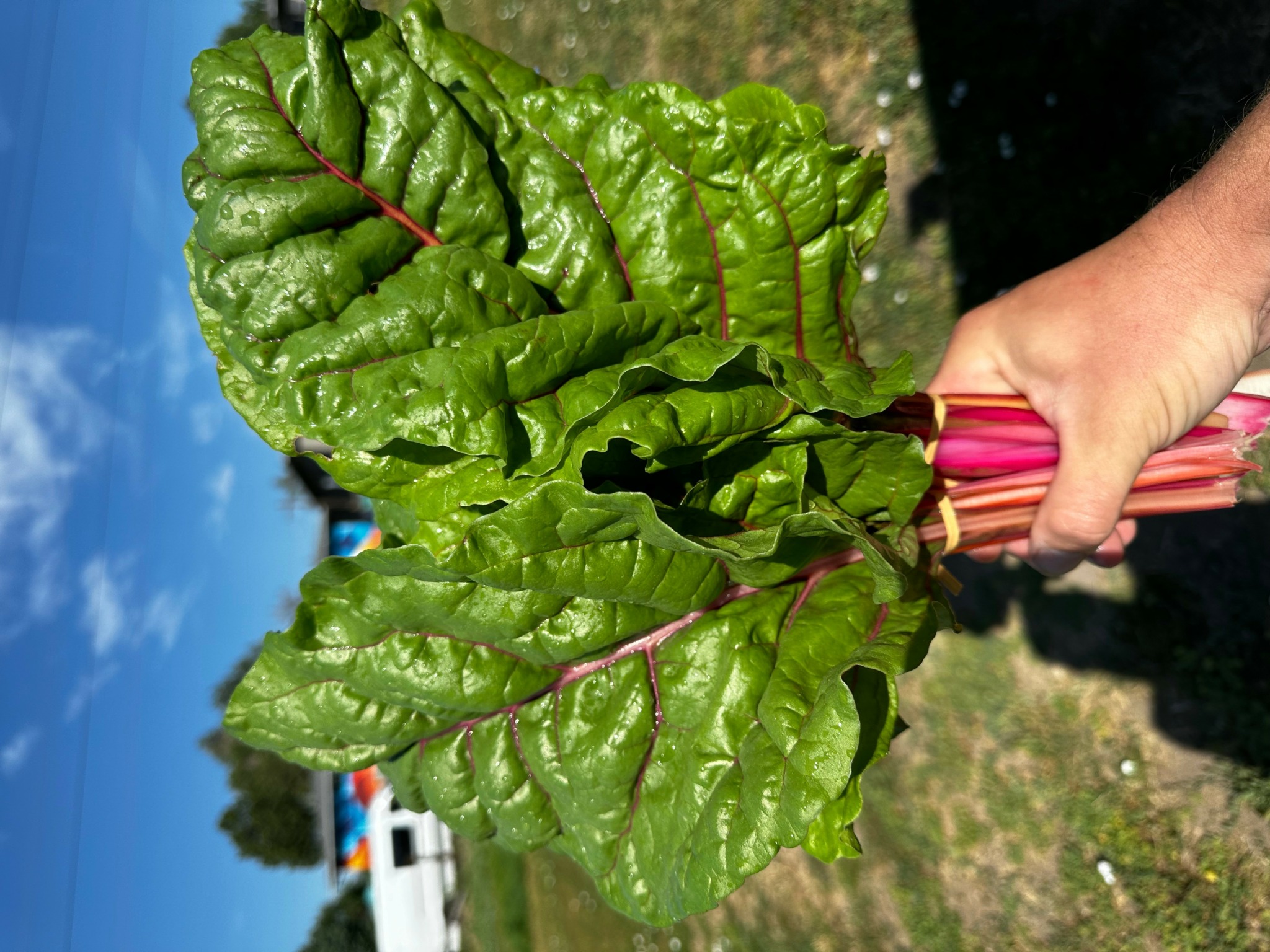
While I’ve only been operating for a year, I’m immensely proud of what I have accomplished already. I managed to make a (modest) profit in my first year, and harvested almost 2500 lbs of produce. I started with a small CSA share (Community Supported Agriculture, or “farm share) that gave out 20 weeks of produce to customers, as well as sold product to GoFarm’s local food share and mobile markets, and my produce can often be found on the menu at one of my favorite restaurants in the area, Stone Cellar Bistro in Olde Town Arvada.

Learning and unlearning are both critical parts of growth – can you share a story of a time when you had to unlearn a lesson?
Something I’ve had to unlearn is that things do not always have to be perfect. There’s always going to be weeds to pull, seeds to sow, something to clean. I always want to put out the best product, especially when it comes to restaurants or someplace where my product is front and center. But it’s also okay if that turnip isn’t perfectly round or that spinach leaf has a tiny bug bite. These things are inherent issues with organic farming and just because something isn’t picture perfect doesn’t mean that it’s bad and that’s something I have to remind myself of constantly. The farming industry is also notoriously awful for having any sort of work/life balance, and I have to remind myself that I can only take care of the farm if I take care of myself first.
Does your business have multiple or supplementary revenue streams (like a ATM machine at a barbershop, etc)?
A supplementary revenue stream that I’m really proud to be a part of is working with a local compost company based in Jefferson County called Dirt Cheap Compost. Each week they drop off food scraps from nearly 100 residential customers to the farm and I work hard to turn it into rich organic matter that I can then use to amend the soil in my fields. Along with this, I collect spent coffee grounds from a local coffee shop, Roast Coffee Bar, to add to the compost. It’s not a ton of money but it’s a cause I really believe in and I am helping divert a huge amount of waste from the landfill (some estimates are as high as 24% of all waste in landfills is food waste!). In addition to the money coming in each week from this, the finished compost will also save me an additional cost of having to buy compost from an industrial composting operation.
Contact Info:
- Website: https://www.florencefarmcolorado.com
- Instagram: florence_farm_co
- Linkedin: https://www.linkedin.com/in/patrick-cheetham-b72165144/