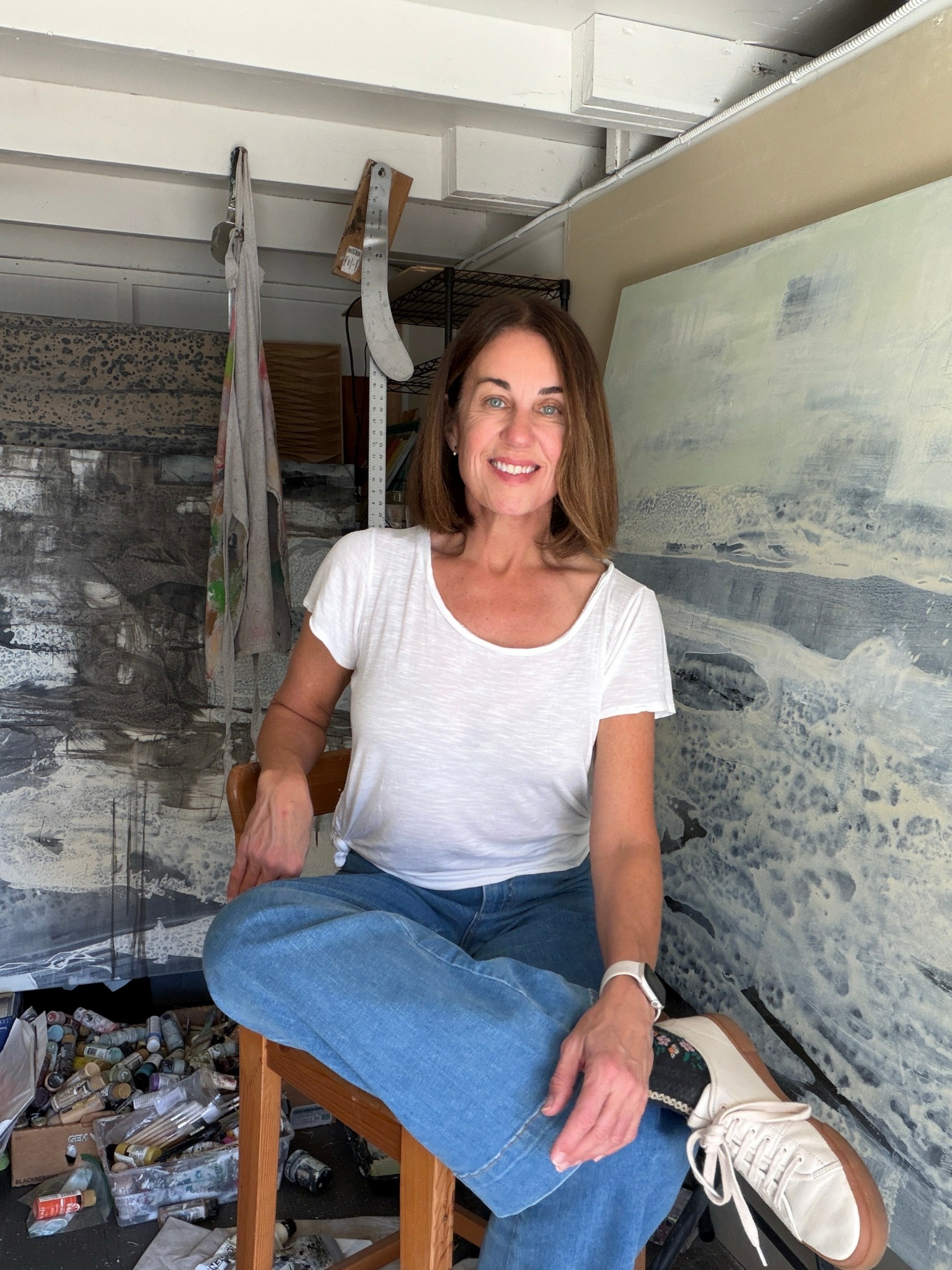

We were lucky to catch up with Pamela Harmon recently and have shared our conversation below.
Pamela, appreciate you joining us today. What was it like going from idea to execution? Can you share some of the backstory and some of the major steps or milestones?
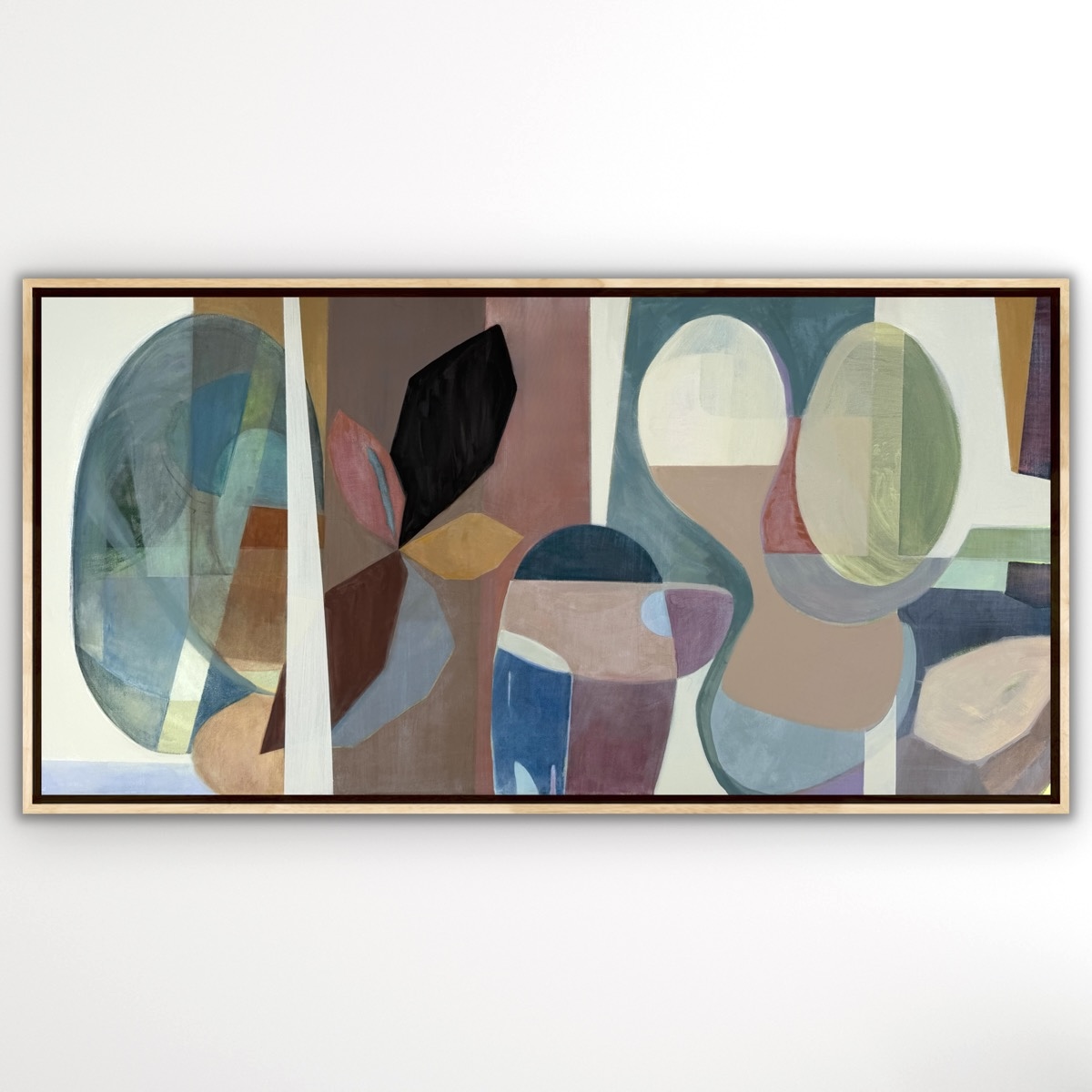
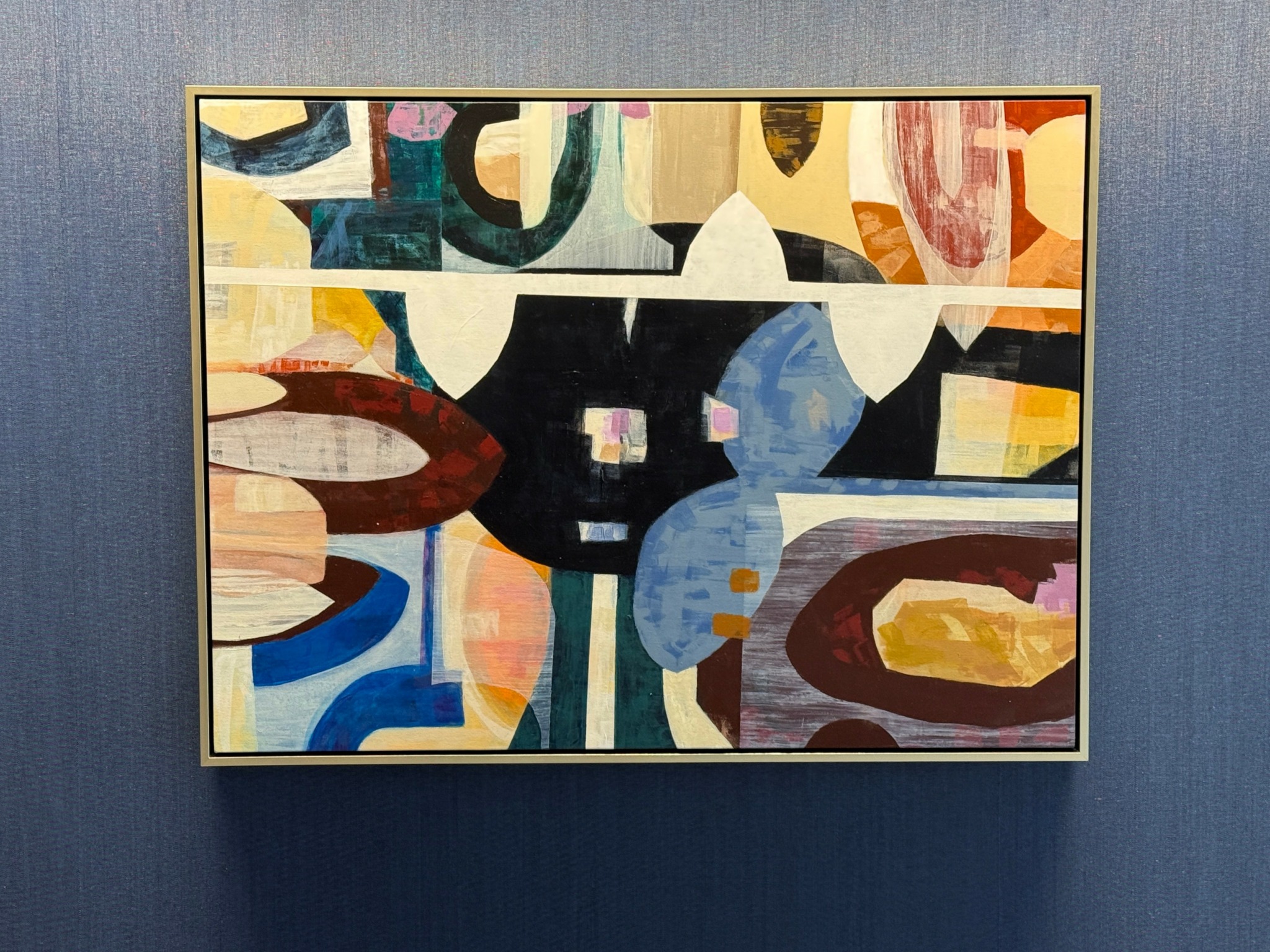
I learned by doing, collaborating, experimenting, and observing. As a self-taught artist, I spent many years trying different materials, techniques, and ideas. I painted consistently and paid attention to what worked for me, what didn’t seem true, and I learned from both successes and mistakes. I also study the work of artists I admire, visit galleries and studios, and use the colors, tones, and shapes of the natural world for inspiration.
Pamela, love having you share your insights with us. Before we ask you more questions, maybe you can take a moment to introduce yourself to our readers who might have missed our earlier conversations?
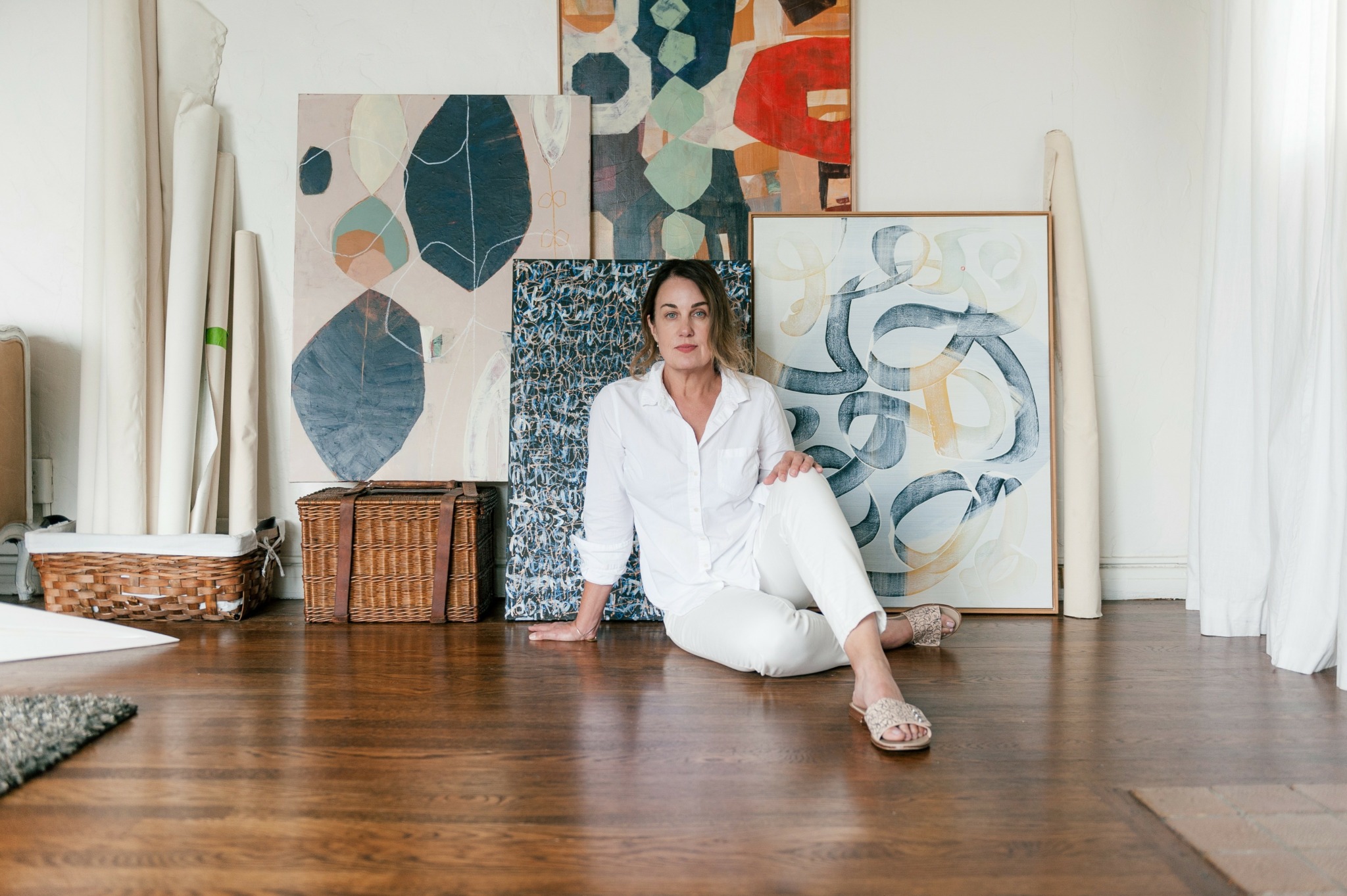
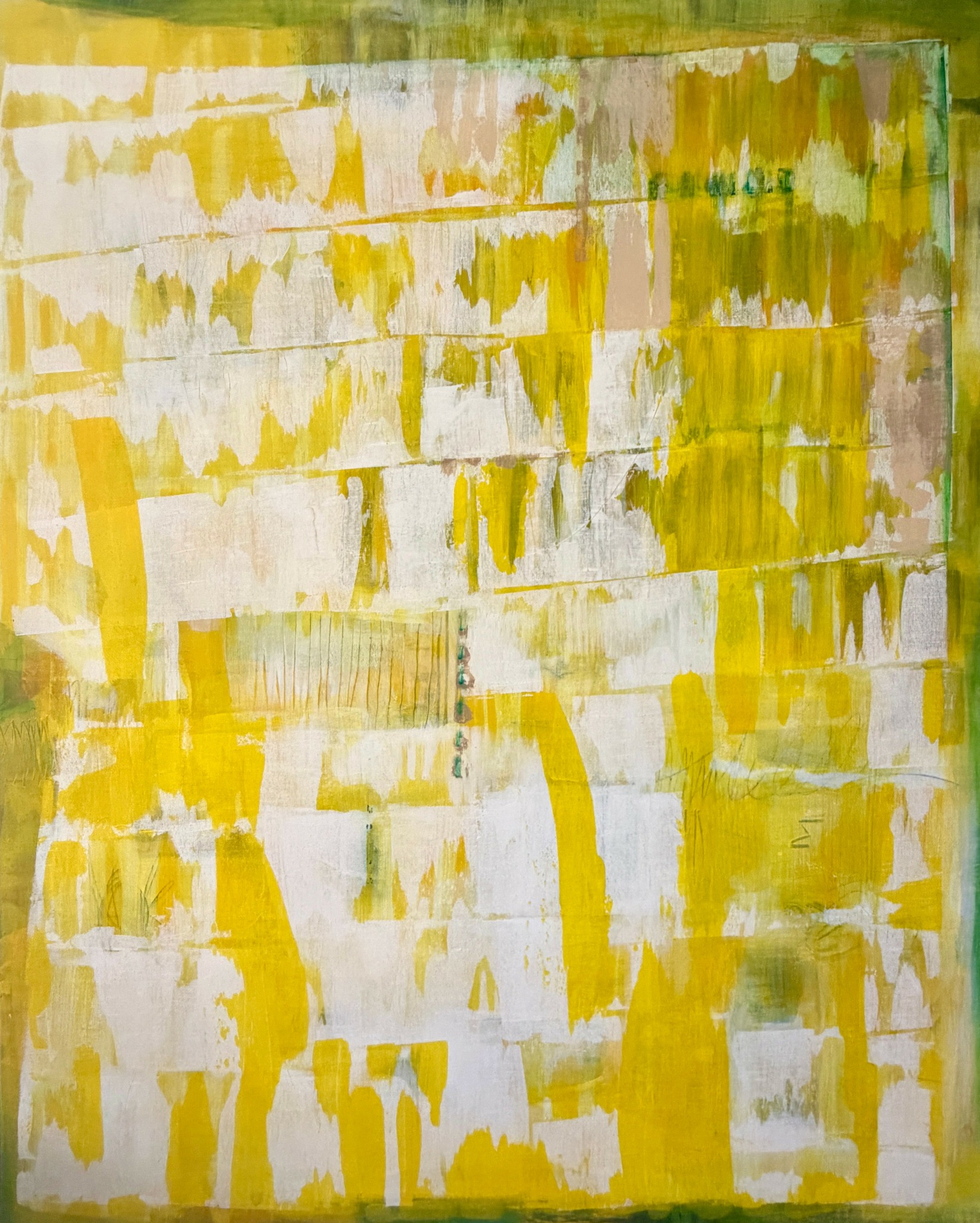
I’ve always been inspired by the changing seasons and the colors and patterns that exist in the natural world. Painting became my way to express and explore these inspirations. Over time, what was once a personal creative practice became a meaningful artistic journey and business .
Curiosity, observation, and persistence are very valuable to me. Showing up to create and (still) learning to trust my own instincts sustains my creative growth. This process allows me to develop my own visual language without constraints, though the urge to self-edit is always there.
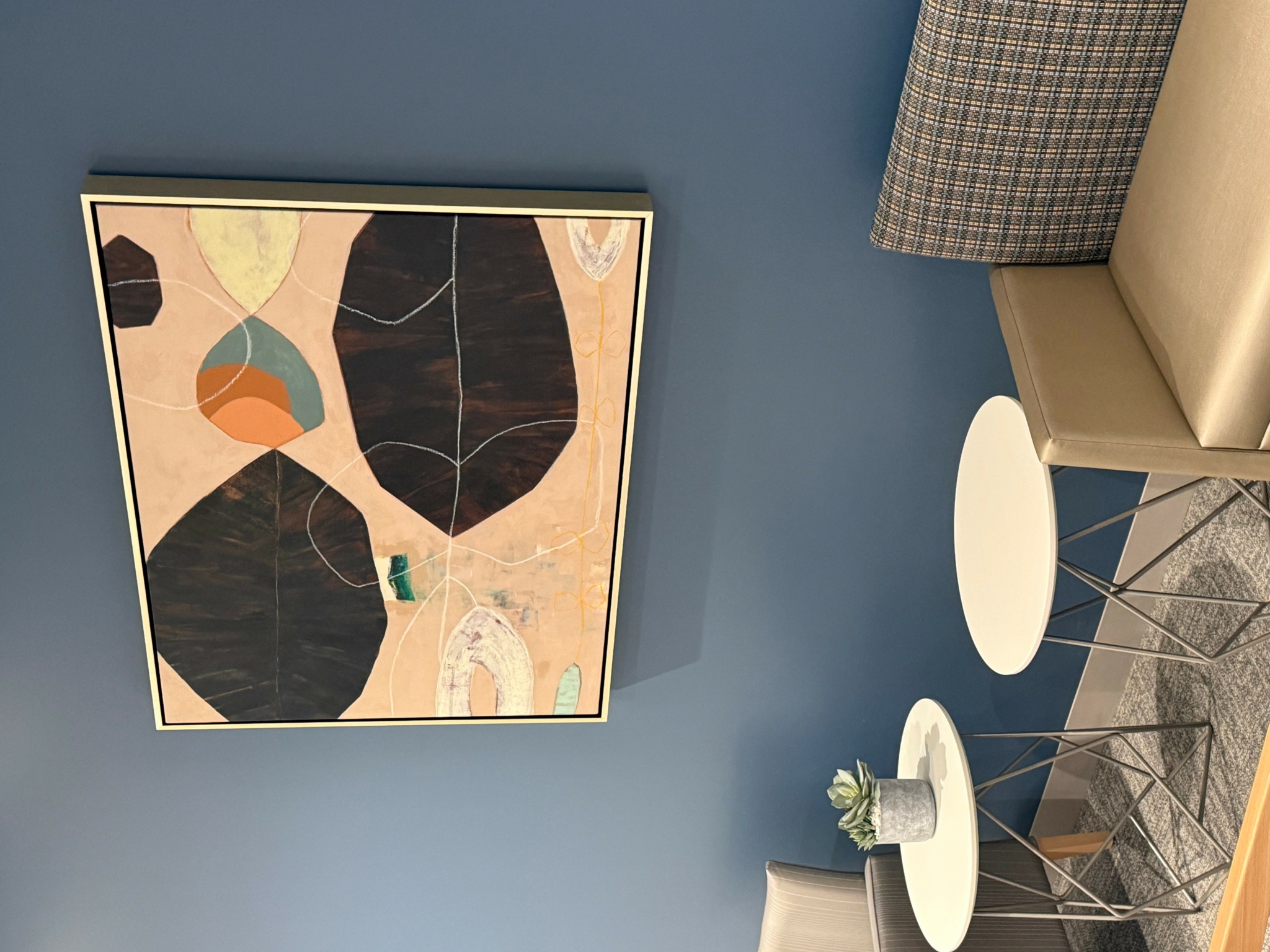
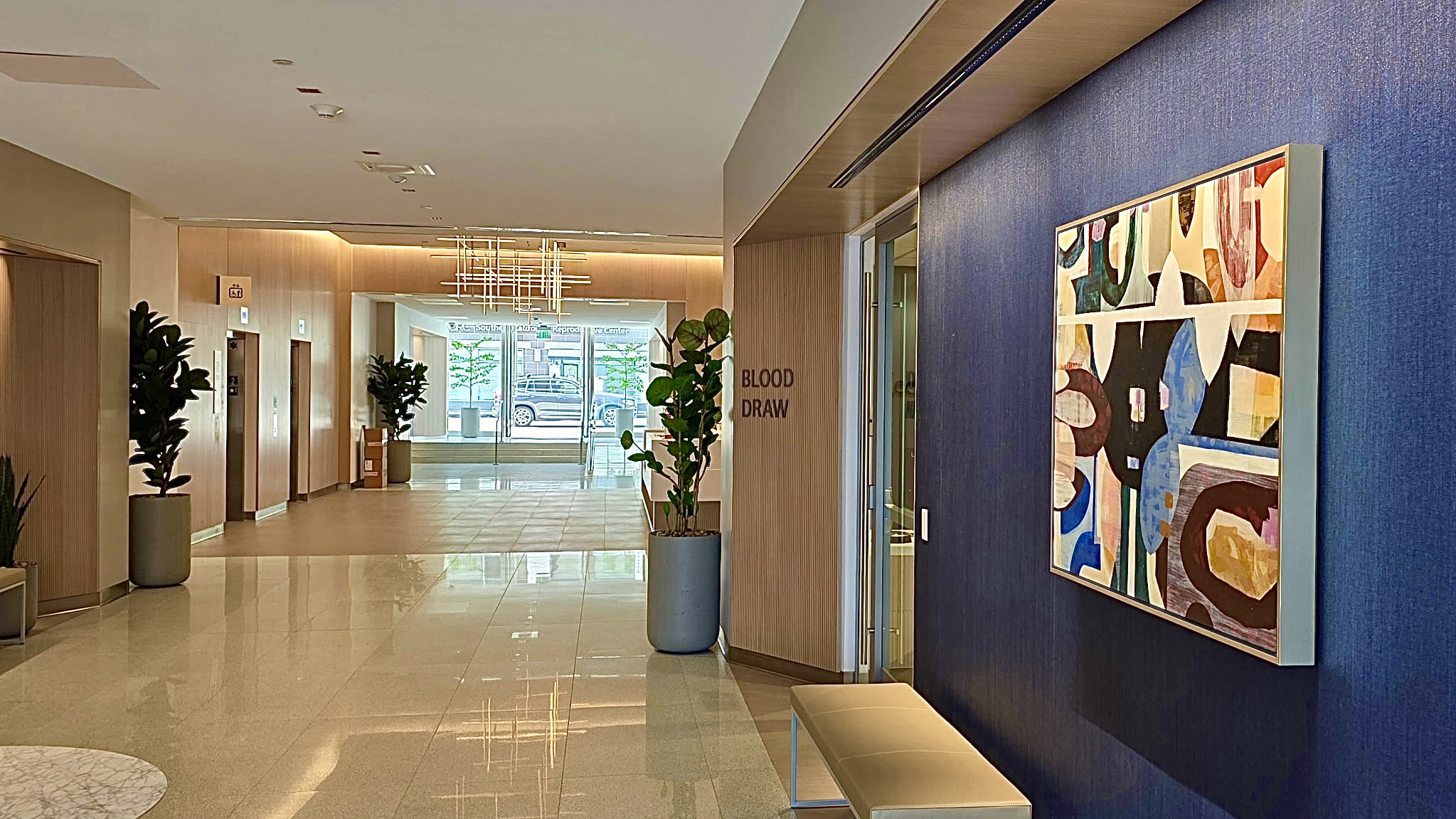
I truly enjoy collaborating with other artists and designers to create something unique. For instance, supporting an interior designer in their a vision for the feel of a room or space provides a great way to push my creativity in a different direction, while enjoying the contribution to another’s creative efforts..
We’d love to hear your thoughts about selling platforms like Amazon/Etsy vs selling on your own site.
I sell my artwork a number of ways, but the online platform I’m most comfortable with is Chairish.com.
They have great tools to expose, connect, and my art to the widest audience, and I like the idea that they are running “my shop” while I’m doing other things.
I started many years ago before the advent of e-commerce, and while I enjoy the “in-person” connection, there’s a great satisfaction in more people seeing and appreciating my art. I would say that the only drawback is the difficulty in communicating directly with a customer or client, especially for custom work, which is a little trickier when you and the customer are communicating by a facilitator. However, I can communicate through the email link on my website, which is easy to find. This situation is the exception, so Chairish works very well for the majority of sales, and especially for oversized, large-scale paintings.
We’d love to hear the story of how you turned a side-hustle into a something much bigger.
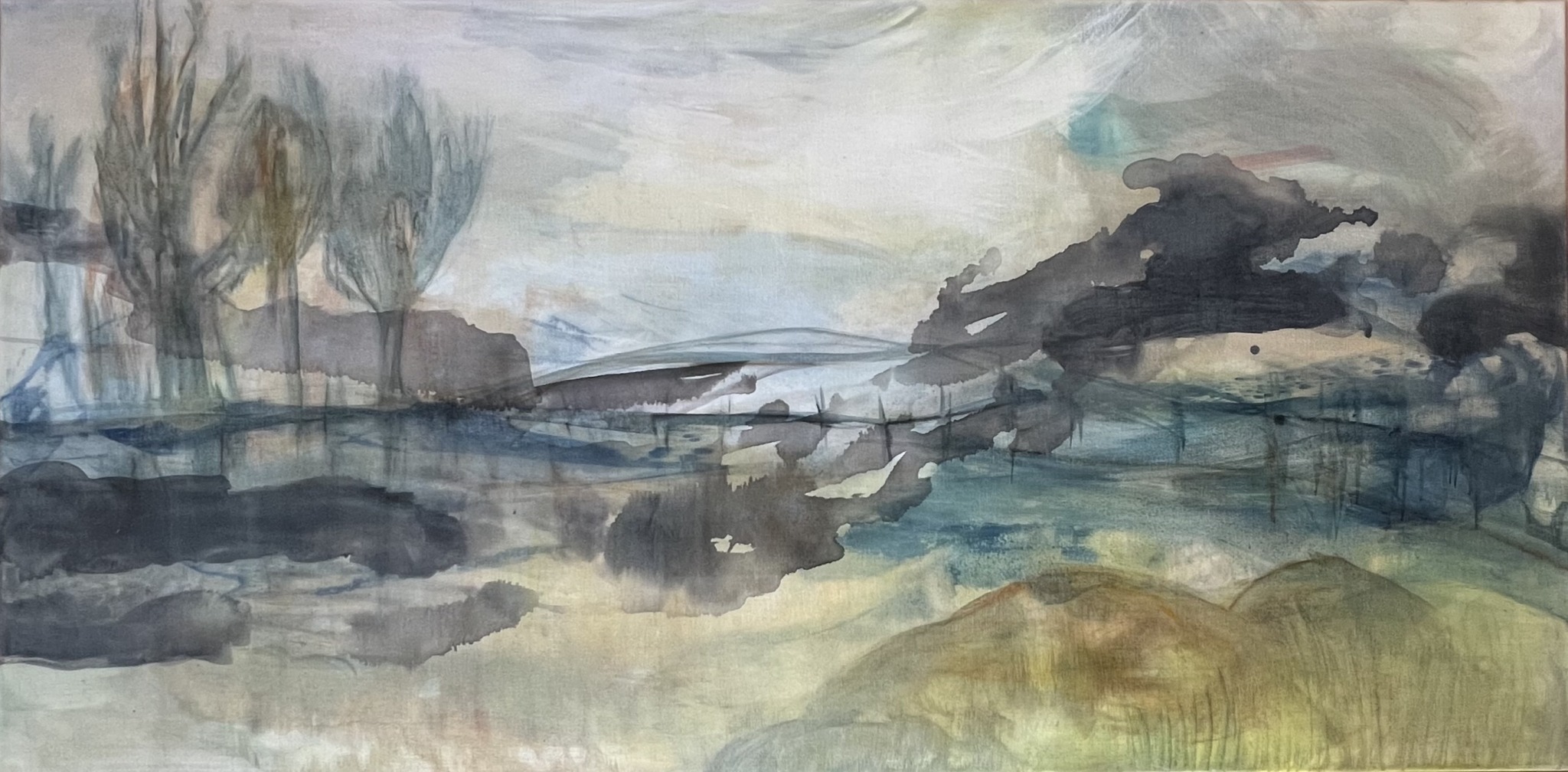
I was fortunate to be in a prior business where I was exposed to a great number of creative people who were both supportive and encouraging. My painting activities were always a personal joy, but it was through the support and connections of these people who knew my personal work that opened the door to a full-time artistic path. They helped show my art to others, including gallery owners, interior designers, and potential individual clients. This was a journey over time, but the power of connecting and meeting people cannot be underestimated.
The internet took that to the next level, where I was able to present more works to a much wider variety of people, and sustains the business end of things. However, without building a body of work, a network of friends and professionals that initially supported me, I wouldn’t have the creative catalog that I do now.
Contact Info:
- Website: https://PamelaHarmon.com
- Instagram: PamelaHarmonArt
- Other: https://www.chairish.com/shop/pamelaharmon