

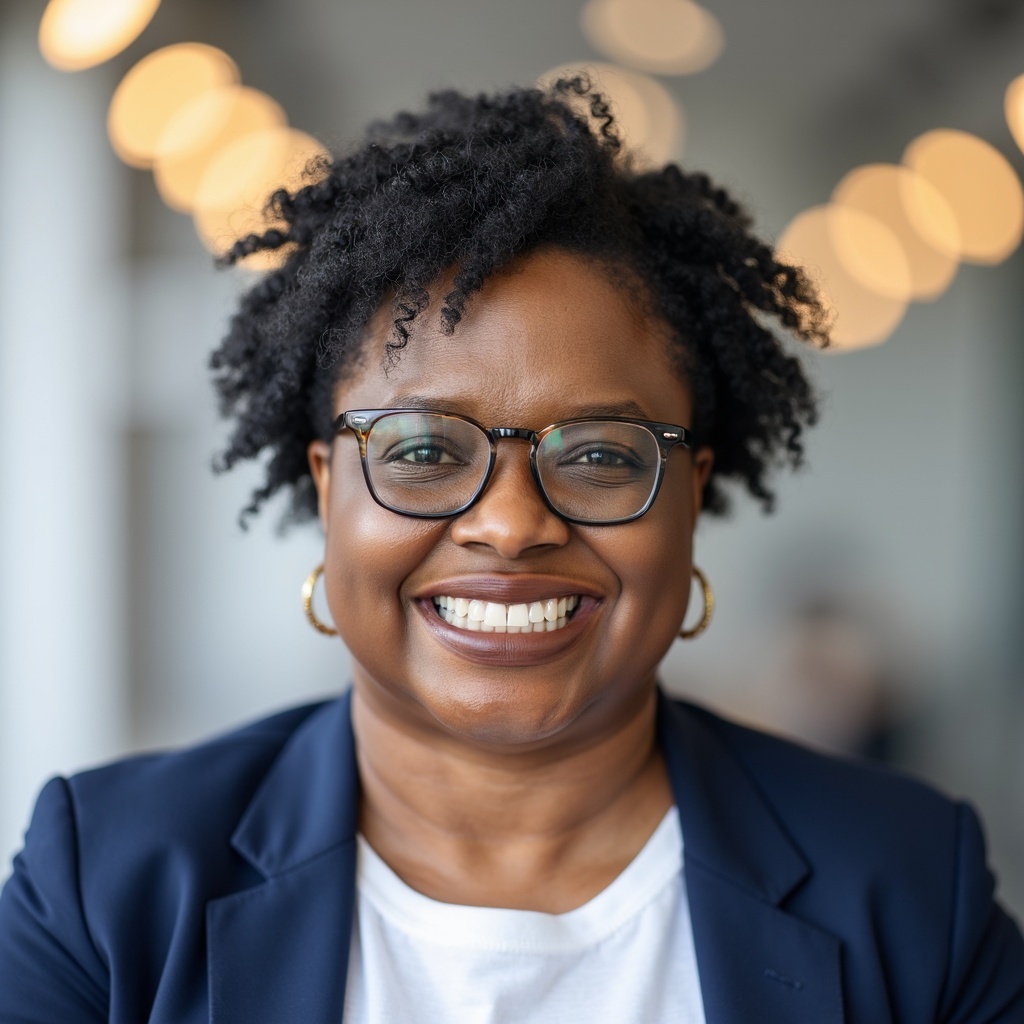

We caught up with the brilliant and insightful Orletta Caldwell a few weeks ago and have shared our conversation below.
Orletta, thanks for taking the time to share your stories with us today One of the toughest things about progressing in your career is that there are almost always unexpected problems that come up – problems that you often can’t read about in advance, can’t prepare for, etc. Have you had such and experience and if so, can you tell us the story of one of those unexpected problems you’ve encountered?
One of the most unexpected challenges in my career has not been the work itself. After more than three decades in nonprofit management, strategy, and capacity building, the technical side of the work is very familiar to me. The real challenge has been helping nonprofit leaders recognize that the very problems they struggle with are the ones they need to invest in solving.
Many of the organizations I work with are founded by passionate people who care deeply about their communities. They are running youth programs, feeding families, mentoring young people, and addressing very real needs. Their commitment is not the issue. The difficulty comes when the organization begins to grow or face pressure. At that point, things like governance, compliance, financial systems, fundraising strategy, and program evaluation become essential. Those are the areas I specialize in. Yet those are also the areas many leaders hesitate to invest in.
I remember working with a founder who was exhausted. She was doing everything herself. Writing grants, managing volunteers, running programs, and trying to keep the doors open. When I suggested building stronger systems and creating a sustainability plan, her first response was that she did not have the money to invest in that kind of support. In her mind, every dollar had to go directly to the program.
What she could not see in that moment was that the lack of infrastructure was exactly what was keeping the organization small and underfunded. Without compliance systems, a board that functioned well, and a clear funding strategy, larger grants and partnerships were simply not accessible to her.
Those conversations can be difficult. As a consultant, you can see the path forward very clearly, but the person leading the organization is operating from a place of urgency and scarcity. Over time, I learned that the solution is not just offering the service. It is education.
That realization is actually what led me to develop my course and consulting framework through Beyond Existing Enterprises. Instead of starting with consulting, I start with helping leaders understand how the nonprofit sector actually works. When leaders see the connection between governance, compliance, sustainability, and funding, the resistance often turns into curiosity.
The moment the founder realized that stronger systems could actually unlock more funding for her programs, the conversation changed completely. She began rebuilding her board, putting financial processes in place, and creating a clearer strategy. Within a year, the organization was in a much stronger position to pursue larger opportunities.
Experiences like that have taught me that the real work is not just solving nonprofit problems. It is helping leaders see that investing in structure, strategy, and sustainability is not a luxury. It is what allows their mission to survive and grow.

Awesome – so before we get into the rest of our questions, can you briefly introduce yourself to our readers.
My work in the nonprofit sector began long before I ever called myself a consultant. I came into this field because I cared about communities that were often under-resourced and overlooked, particularly organizations serving African American communities. Early in my career I saw something that stayed with me. Many grassroots organizations were doing powerful work, but they were operating without the infrastructure, governance, and financial strategy needed to sustain that work long term. Passion was abundant, but systems were not.
Over time I realized that my role was not simply to support programs. My role was to help build institutions that could last.
For more than thirty years I have worked in nonprofit management, leadership development, workforce initiatives, and higher education. Along the way I earned a Ph.D. in Nonprofit Management and have served as an educator, executive coach, and consultant. I also teach nonprofit and business courses at the university level, which allows me to stay connected to emerging leaders while grounding my work in research and practice.
Today I lead Beyond Existing Enterprises and The Urban Nonprofit, where my focus is helping nonprofit founders and executive directors move from survival mode to sustainability. Many of the leaders I work with started their organizations because they saw a need in their communities. They care deeply about their mission, but they are often overwhelmed by everything that comes with running a nonprofit organization.
That is where my work comes in.
Through consulting, courses, and fractional or interim executive leadership, I help organizations strengthen the core areas that determine whether a nonprofit will grow or struggle. This includes governance, compliance, fundraising strategy, operational systems, and long-term sustainability. I also developed a course designed specifically for founders who say, “I got my 501(c)(3)…now what?” because so many leaders are given nonprofit status but never receive guidance on how to actually run the organization.
What sets my work apart is that I approach nonprofit leadership as both a practitioner and an educator. I have spent decades inside organizations building programs, managing teams, securing funding, and navigating the realities nonprofit leaders face every day. At the same time, I bring the perspective of a scholar and teacher who studies the sector and helps translate that knowledge into practical tools leaders can actually use.
I am especially committed to supporting organizations that have historically been underfunded and under-supported. Many Black-led and grassroots nonprofits are solving some of the most pressing problems in our communities, yet they often operate without the same level of access to capital, networks, or institutional support. My goal is to help those organizations build the structure and credibility that allows them to compete for funding and sustain their impact.
The work I am most proud of is not a single program or project. It is the leaders I have been able to support over the years. Watching a founder move from exhaustion and uncertainty to clarity and confidence is deeply meaningful. Seeing an organization grow from a small volunteer effort into a stable institution that serves hundreds or thousands of people is the kind of outcome that keeps me committed to this work.
If there is one thing I want people to understand about my brand and my work, it is this. Running a nonprofit should not feel like constant chaos. With the right systems, leadership structures, and strategy, organizations can operate with clarity and stability while still remaining deeply connected to their mission. My role is to help leaders build those foundations so that the work they care about can last far beyond the early years of struggle.
Learning and unlearning are both critical parts of growth – can you share a story of a time when you had to unlearn a lesson?
One lesson I had to unlearn in my career is the idea that if you build something good, people will naturally come to it.
For many years I believed that. My work had always been rooted in service. When organizations needed help with governance, compliance, strategy, or leadership development, they usually found me through referrals. Word of mouth carried a lot of my career. Because of that experience, I assumed that if I created something valuable, the right people would naturally discover it.
A few years ago I developed a course and wrote a book designed specifically for nonprofit founders who reach that moment where they say, “I got my 501(c)(3)…now what?” The course walks leaders through the real work of running a nonprofit, from governance and compliance to fundraising, sustainability, and building a functioning board. It is practical, grounded in decades of experience, and exactly the type of guidance many grassroots leaders say they wish they had earlier.
I built the curriculum carefully. I designed the framework, created the materials, and made sure the content truly solved the problems nonprofit founders face every day. In my mind, once it was finished, leaders would recognize the value and enroll.
That is not what happened.
What I learned quickly is that building something good is only one part of the equation. The nonprofit sector, especially among grassroots organizations, is full of leaders who are stretched thin and focused on immediate needs. Many are not actively searching for professional development or organizational infrastructure support, even when those things would help them tremendously.
That realization forced me to shift my thinking. I had to learn that the work is not just building the solution. The work is also helping people understand why the solution matters.
Now I spend much more time educating the market, speaking, writing, and having conversations that help nonprofit leaders see the connection between strong systems and sustainable impact. Instead of assuming people will come once something exists, I recognize that part of my role is to continually show why investing in leadership, governance, and strategy is essential for the long-term survival of their mission.
It was a humbling lesson, but an important one. Building something meaningful is still the foundation. But making sure the people who need it actually see its value is just as critical.

We’d love to hear a story of resilience from your journey.
If there is one story that reflects resilience in my journey, it is this. After more than thirty five years in the nonprofit sector, I am still doing the work and still believing deeply in the potential of community leaders.
The nonprofit sector can be challenging. Funding is uncertain, organizations often operate with limited resources, and many leaders carry enormous responsibility with very little support. Over the years there have been moments when it would have been easy to step away. But the reason I stay is because of the people who are trying to make a difference in their communities.
I remember working with a founder who had a strong vision to serve children in her community, but she was hesitant to move forward. She cared deeply about the need she saw, but the process of starting and running a nonprofit felt overwhelming. She was worried about doing something wrong, about the responsibility that comes with leading an organization, and whether she had the knowledge to make it work.
She eventually enrolled in my course because she wanted to better understand how nonprofits actually operate. Through the class we walked through the fundamentals. Mission clarity, governance, compliance, fundraising, and how to build a sustainable organization rather than just a program that struggles from year to year.
What was powerful was watching her confidence grow. The more she understood how the sector works, the more she began to see herself as capable of leading the work she had imagined. The fear started to give way to clarity.
Today she is running programs that are making a difference for children in her community. What once felt intimidating now feels possible because she has the structure and understanding to move forward.
Moments like that remind me why I have stayed committed to this field for so long. My resilience comes from seeing what happens when someone who has the heart to serve finally gains the knowledge and confidence to act on that vision. When that happens, the impact extends far beyond one person. It reaches the children, families, and communities they were trying to serve in the first place.
Contact Info:
- Website: https://www.beyondexisting.com
- Instagram: https://www.instagram.com/beyondexisting
- Facebook: https://www.facebook.com/beellcdetroit
- Linkedin: https://www.linkedin.com/in/ocaldwell
- Youtube: https://www.youtube.com/urbannonprofit
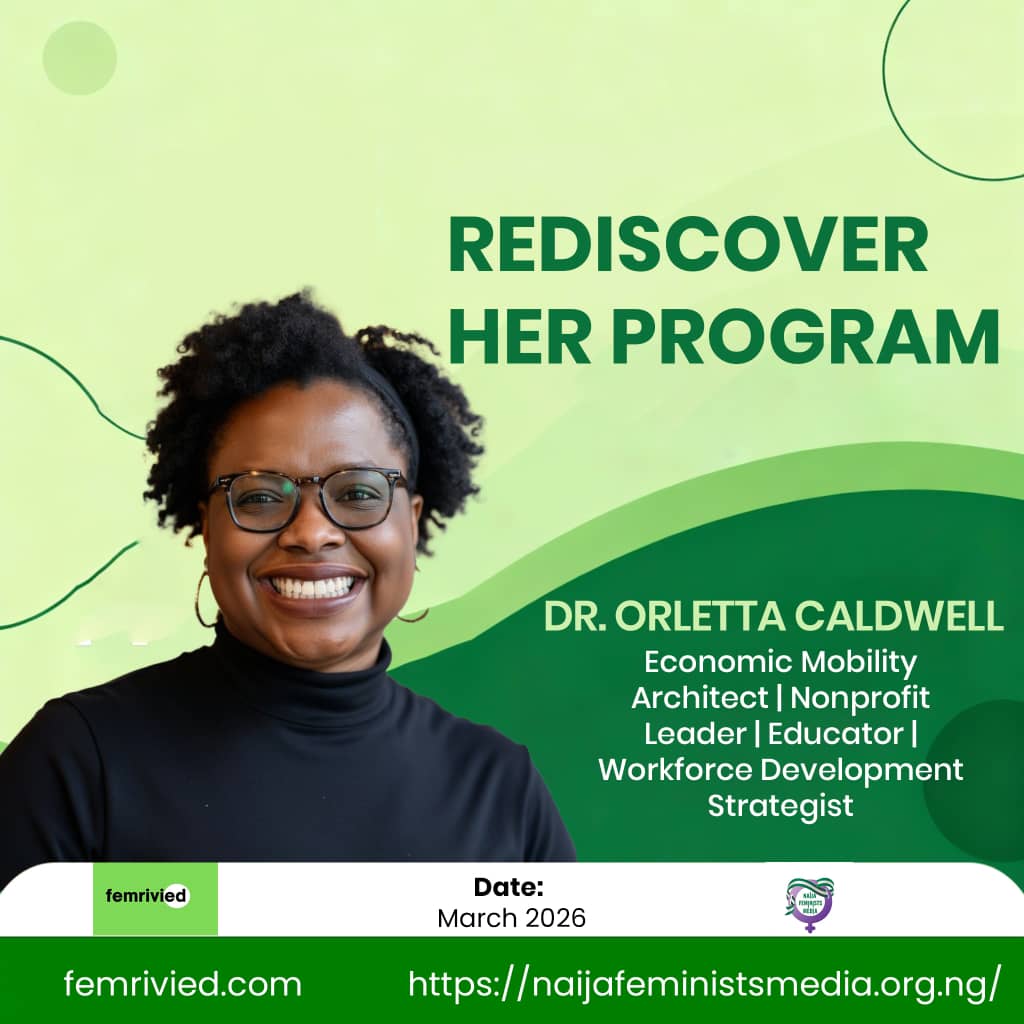

Image Credits
Beyond Existing Enterprises