

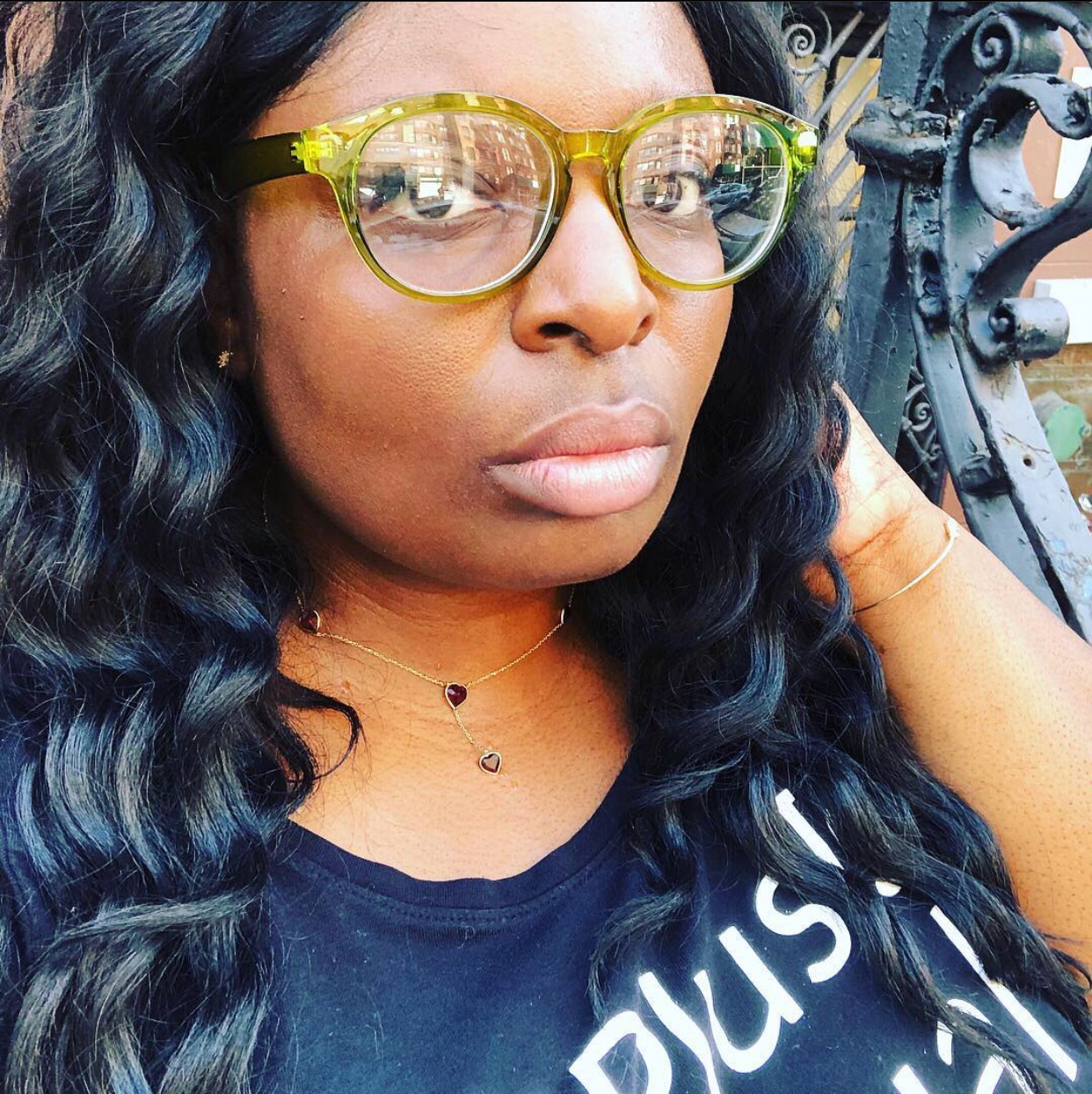

We were lucky to catch up with Omotara James recently and have shared our conversation below.
Omotara, thanks for joining us, excited to have you contributing your stories and insights. It’s always helpful to hear about times when someone’s had to take a risk – how did they think through the decision, why did they take the risk, and what ended up happening. We’d love to hear about a risk you’ve taken.
It was the holiday season of 2015 and I was down bad. In addition to a heaping helping of holiday blues, I was involved in a long-term toxic relationship with an ex-girlfriend, who was also my boss, and a lousy boss at that. Although I didn’t know it at the time, I was about to receive extra confirmation from the universe that she was not for me. Having recently informed her that I was considering returning to school to get my MFA in poetry, instead of congratulating me she broke down in tears of frustration, citing her generalized anxiety that I would leave her. I had to console her. At work. On my lunchbreak. What I hadn’t told her at the time was that I had already attended an enrollment day at a local university and was waiting to find out if they would accept me into their program for the winter of 2016. Although I enjoyed the social work I was doing, it was draining and all-encompassing. I found myself feeling unsupported at work and extremely exhausted. There is no pain like the unexpressed art that languishes inside you. So when a friend and coworker alerted me to her suspicion that my girlfriend was cheating on me, I did some snooping in her office and found a card with a love note from another woman. It was in this moment that I made a command decision to risk it all. The risk I took was to leave my thankless but salaried job and manipulative girlfriend, abruptly, to attend an MFA program as a part-time student, as that was all I could afford. I worked two-part time jobs, including working in the university’s writing center while I figured out the rest of it. Although I didn’t know it then, I was beginning to write the poems that would appear in my debut collection, “Song of my Softening.” I fled the painful and dysfunctional framework of my life, in search of the girl I’d left behind, and found her. The risk I took was for the benefit of my future health and well-being. I didn’t have a plan. I didn’t have money in the bank, and they never mailed me my last check. I didn’t have a clear destination or know exactly what I would find. but I did know that what I needed to thrive was not where I was. I knew that I deserved to thrive with or without savings, Sure, some of the folks at my local poetry groups insisted that I didn’t need an MFA to be a poet: that they were a waste of money, and there would be nothing I could do with it. Inside of the capitalist society we live in, how could I refute any of that? I couldn’t. All I knew is that I wasn’t born to thrive inside of capitalism. Capitalism was not my calling, poetry was. Of course, I didn’t need an MFA to be a poet. I wasn’t looking for accreditation or validation. What I needed was a cohort, though I didn’t have that language at the time. I needed a community of driven thinkers and dreamers, who would go on to inspire me to do my best work, my best thinking and my best feeling, all of which are essential to my life’s project. I am extremely clear and able to articulate this today as a direct result of the risks I have taken. When you take a risk, you risk uncertainty but gain clarity and confidence and those things are worth every risk. Furthermore, what they don’t tell you about taking a big risk is that it’s a door that opens other doors inside you. You find yourself risking more because you believe more profoundly in your own ability. I’m so grateful for what the first MFA program gave me, but I decided to risk even more and found a more rigorous program that was able to further test my fortitude, and which ultimately ended up shaping the collection for the better. I wish I could say that I was able to rise to every challenge and occasion. I was not. However, I am so grateful for the risks I’ve taken, whether they’ve ended in triumph or disaster, as they are the pillars that uphold my increasing awareness of myself.
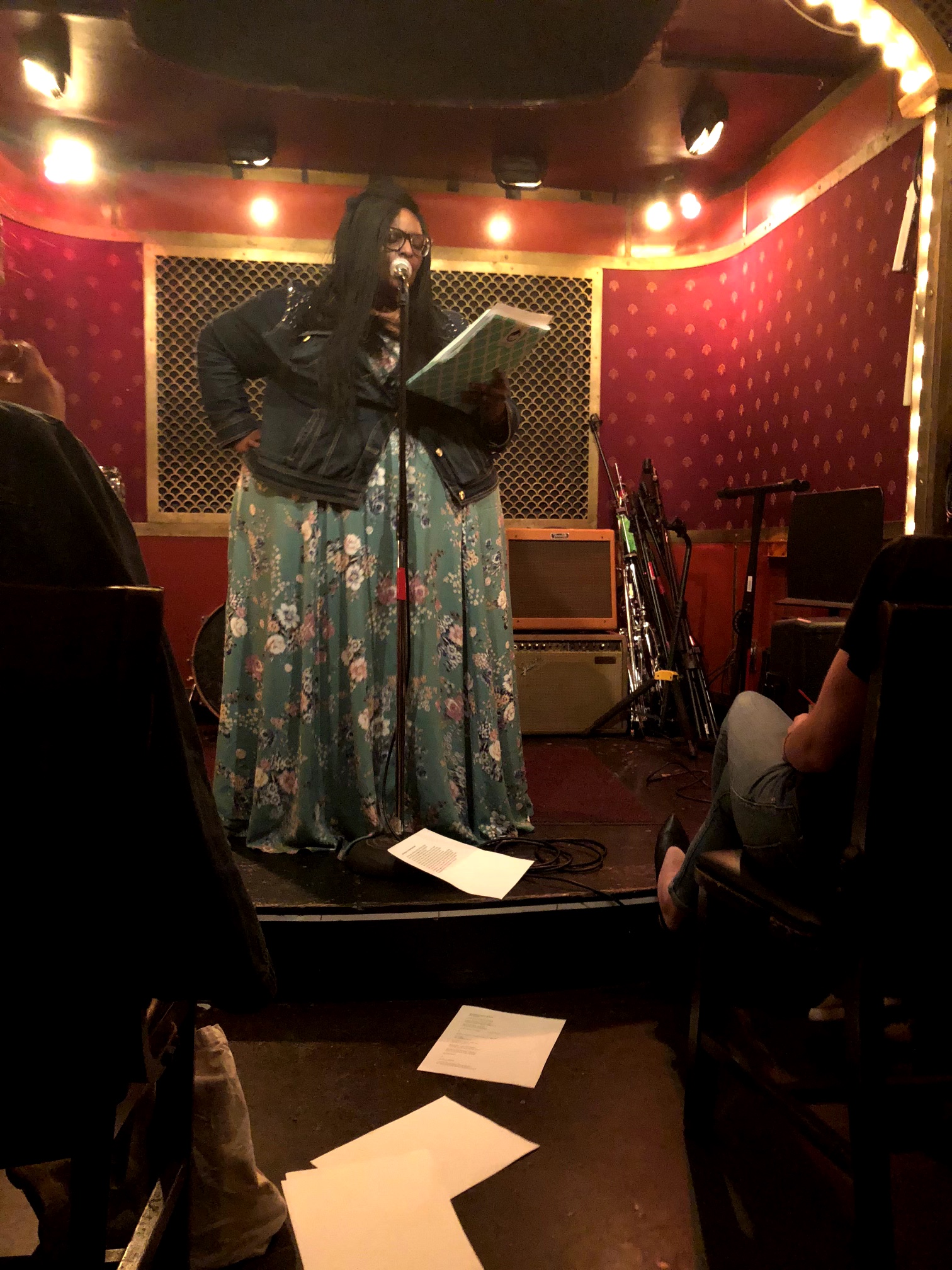
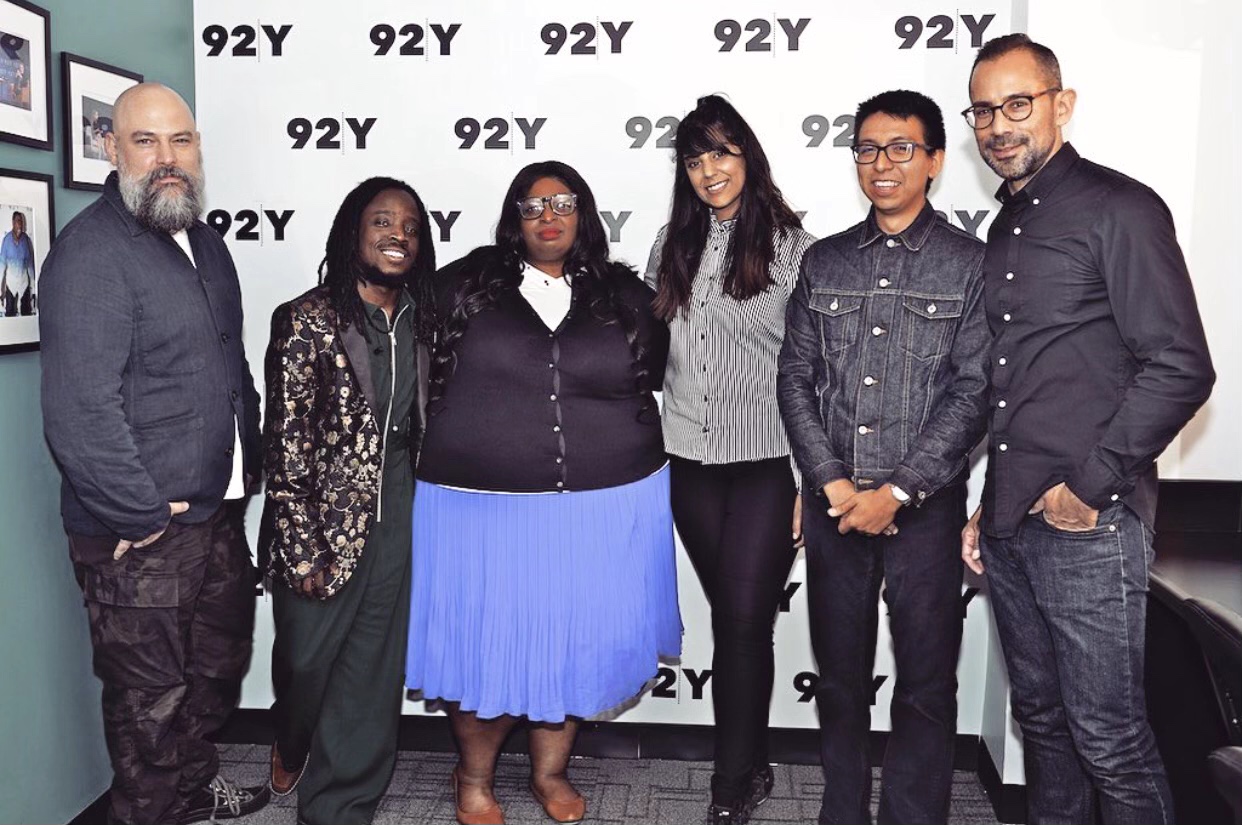
Great, appreciate you sharing that with us. Before we ask you to share more of your insights, can you take a moment to introduce yourself and how you got to where you are today to our readers.
My debut collection of poems is a personal invitation to love radically and persevere through everyone and anything that does not love you and cannot hold you. I don’t particularly care to be defined by the methods and paradigms that seek to oppress me or misunderstand me. I continue to find inspiration in the life experience of others: whether it’s by reading personal biographies, short stories and poems, whether it’s by the type of soap opera my mother is watching while braiding my hair, whether it’s marveling at the figures of my favourite photographers, or simply streaming one of my shows after a long day. I’m always craving stories that possess an element of surprise. These are the sorts of stories I endeavor to tell. I’m continually surprised by the experiences I’ve survived and by how those elements of survival manifest in my everyday life. This is where I find the inspiration for what I write. In my experience there’s no prize more rewarding than survival. There are so many ways to survive and my survival might not look anything like yours. I’m talking about surviving an ideology handed down to you by the folks who raised you, but that doesn’t serve you. I write about surviving the cultural morays that don’t include you. When I joke with my friends about how I survived the skinny jeans of the era of my adolescence, what I’m saying is that I grew to love my body in its fullness despite the culture that raised me: the same culture that insisted that if I couldn’t wear a pair of hip-hugging jeans without having a “muffin top,” then that made me unfuckable, unlovable and undesirable. These are the patriarchal values that mark the opening of the book. I survived being outside of what was deemed acceptable and lovable: and found acceptance, and found love, and found a greater abundance than I could imagine. The work of being able to find one’s own sense of personal agency and to learn and discover more than what the world wants for you— deciding what you want from the world that, is the invitation this book offers the reader.
The speaker of these poems experiences a tremendous amount of life at a young age, which goes on to shape how she sees the world and her place in it. This is the case for many of us, as we try to develop our own sense of self and belonging. What I love about poetry is the use of language and sound to craft what I have borrowed and learned. I’ve been able to filter the influences and art of my life, (the television, music and literature of my childhood), into the art I create. It’s a conversation. It has nothing to do with perfection, as that’s not real life. My work explores how liberation is attained in a really relatable way, missteps and all.
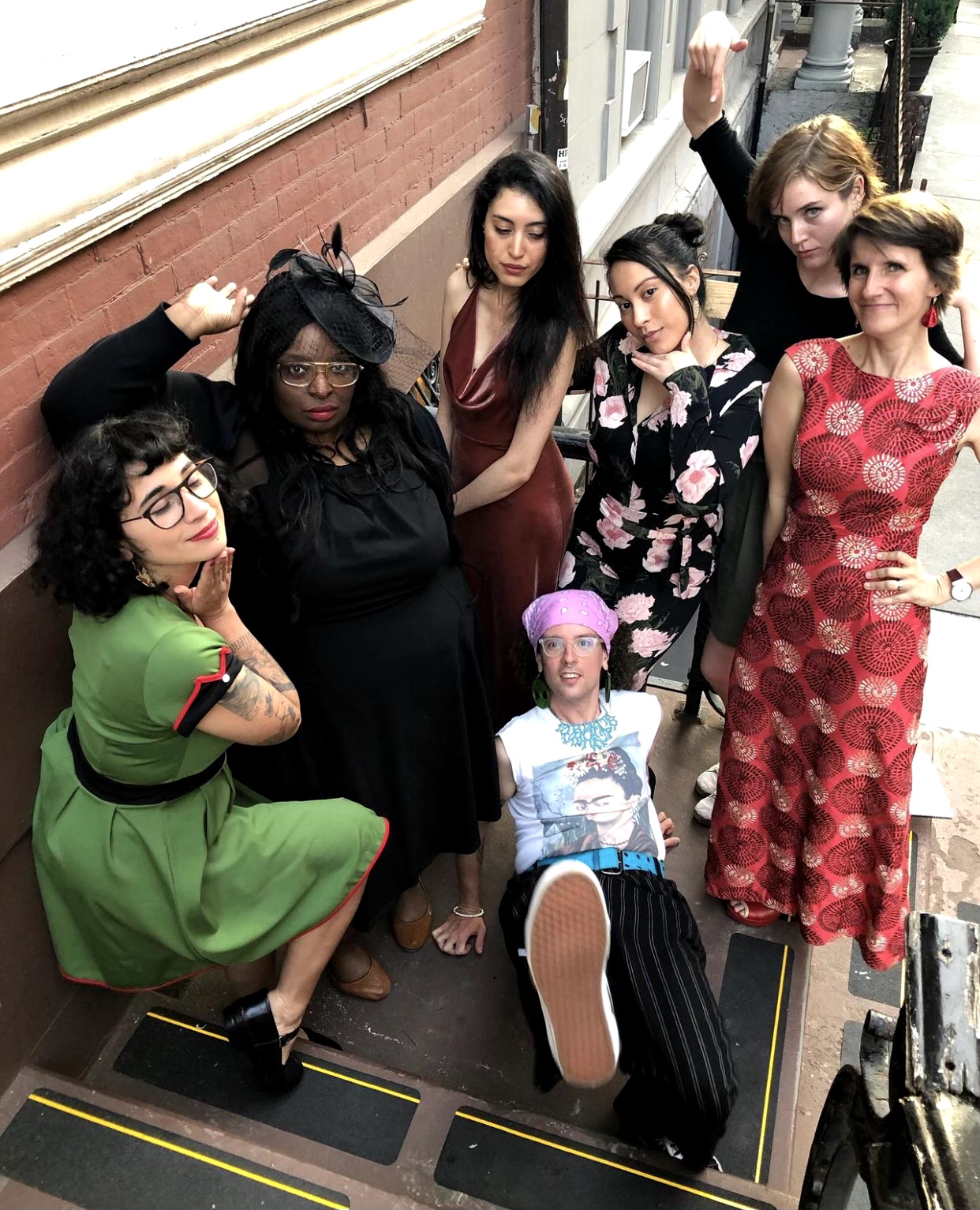
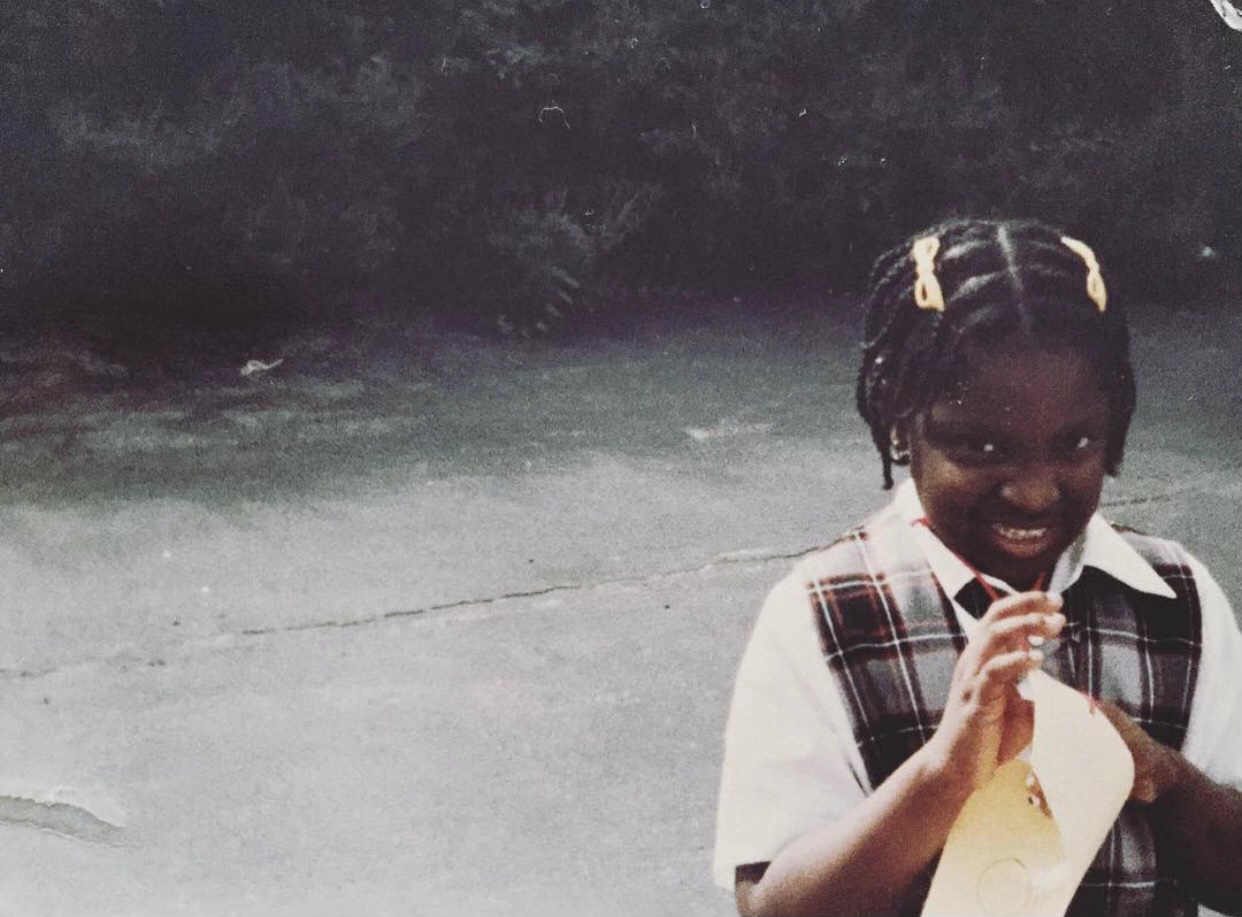
How can we best help foster a strong, supportive environment for artists and creatives?
Stop stealing from us. Stop asking us to work for free. Pay us a living wage. Society doesn’t value artists, until they remember that they want to be entertained by a movie, consoled by a poem, distracted by a comic, held by a knitted blanket, empowered by a garment, soothed by a song. Society literally depends on us, but doesn’t want to pay us, or even give us credit. They rather use an app or Ai, which “learns” from ripping us off rather than say, “thank you.” It’s mad. Support the arts. Support the weird kid in your class who sings, writes sad poems, or makes things, or is different. Don’t other them; embrace them. Fight for them. Support the public schools and public art and music programs. If you think that the writing on the television networks you used to watch is getting worse, there’s a reason for that. The lives of the people who make your art matter. Artists show up to their dreams rain or shine. Society has failed our artists. I’m not talking about the mega artists. Art is a discipline and not just glitz and glamour. The everyday artists are the backbone of the community. Throw the artist in your life some grocery money. Sign up and give what you can to their Ko-fi and Patreon. Tip them extra at the coffeehouse.
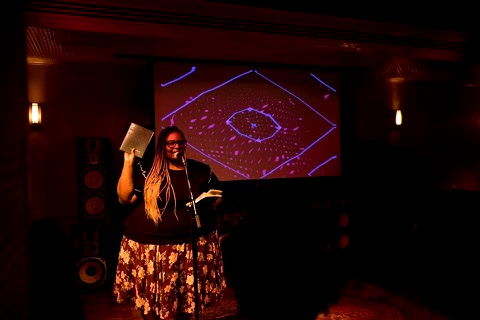
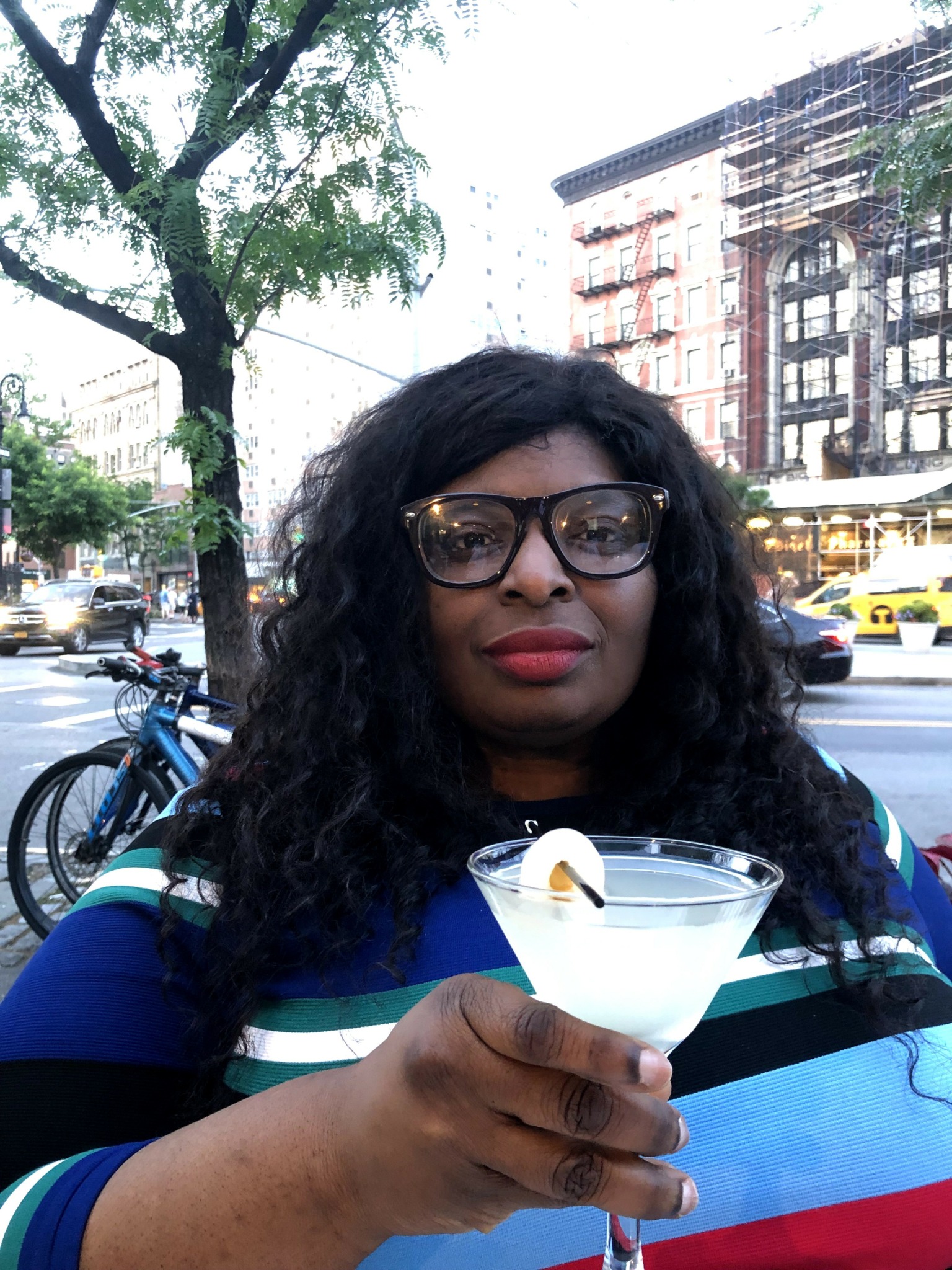
What’s the most rewarding aspect of being a creative in your experience?
The most rewarding aspect of being a writer is that I get to do the thing I love to the full extent of my ability. I get to decide when the poem is finished. I get to decide if the book is ready. So often in life we don’t get to decide the things that are most important to us. In poetry, a set of rules that you have to work around or a limitation is known as a constraint. The delicious tension comes from working within the constraint to construct something that matters, to make meaning from something you didn’t get to choose. I think that’s a beautiful way to explain the project of life. Initially we don’t get to decide our circumstances: where we were born, or how we were born, or who we were born to, those are all different constraints. However, each one of us derives our purpose based on what we place value on and that’s how we create meaning. The same thing that drives need to create meaning from this singular and precious life is also what drives me as I craft the poem. That is a privilege that I don’t take lightly.
The second most rewarding aspect is to witness the meaning that I’ve made within the poem exist outside of myself, on its own within the community. It’s a connection that exists between my words and the experiences of those who claim my words as meaningful to them. I will never get over that as long as I live. Readers of my work have been my biggest blessing and inspiration.
Contact Info:
- Website: https://www.omotarajames.com
- Instagram: @omotarajames
- Twitter: @omotarajames
- Other: bluesky: @omotarajames
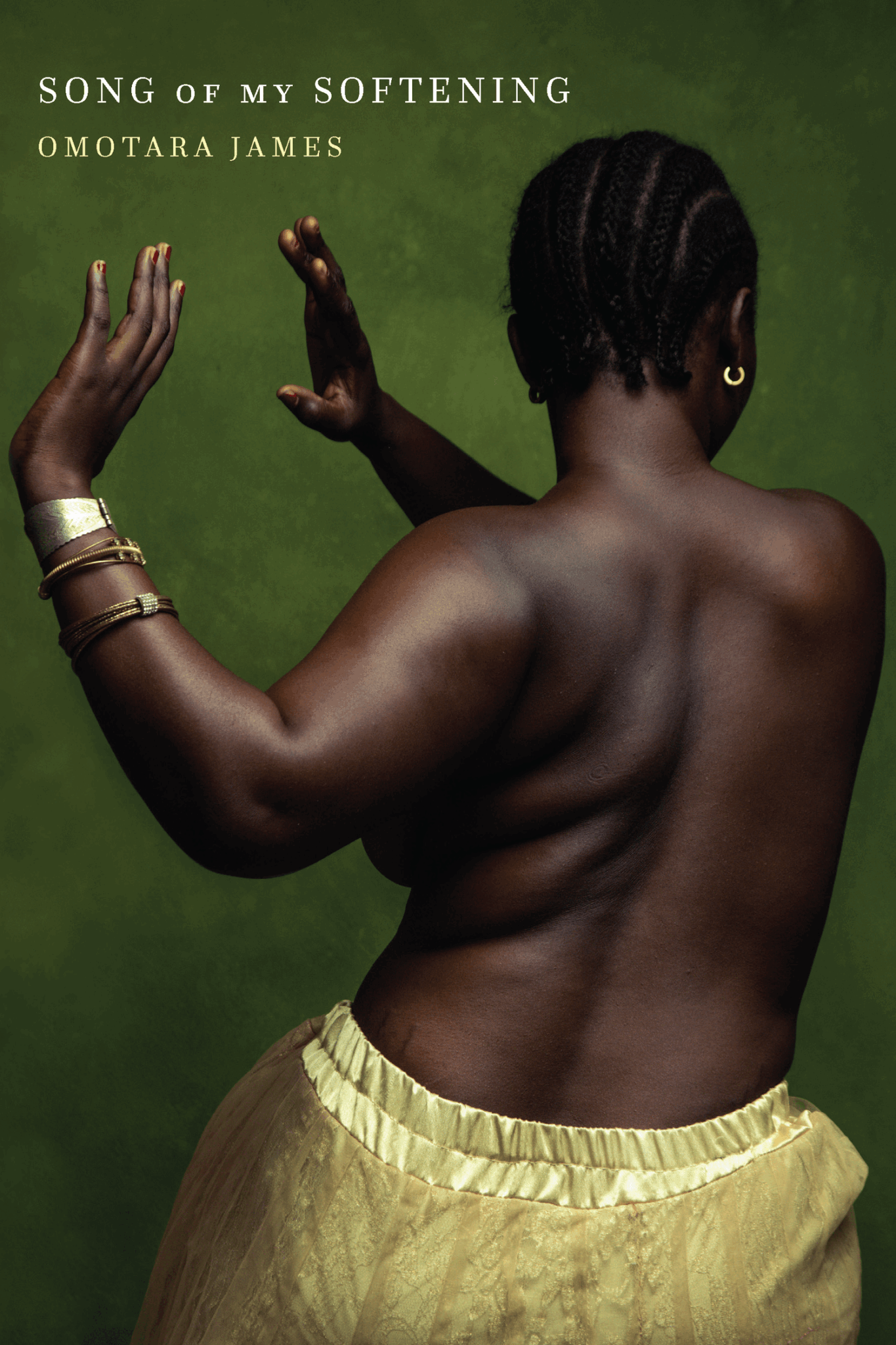
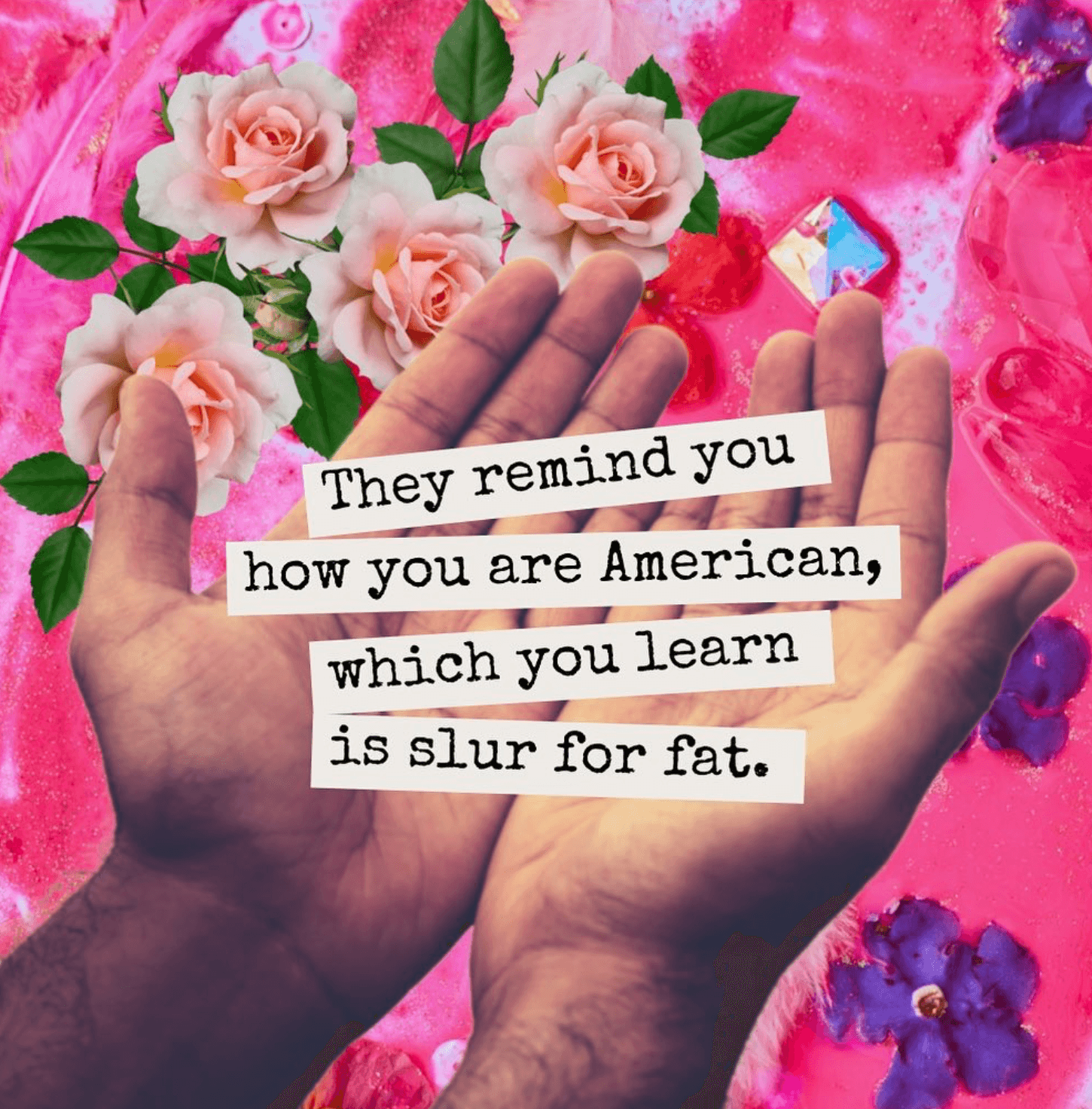
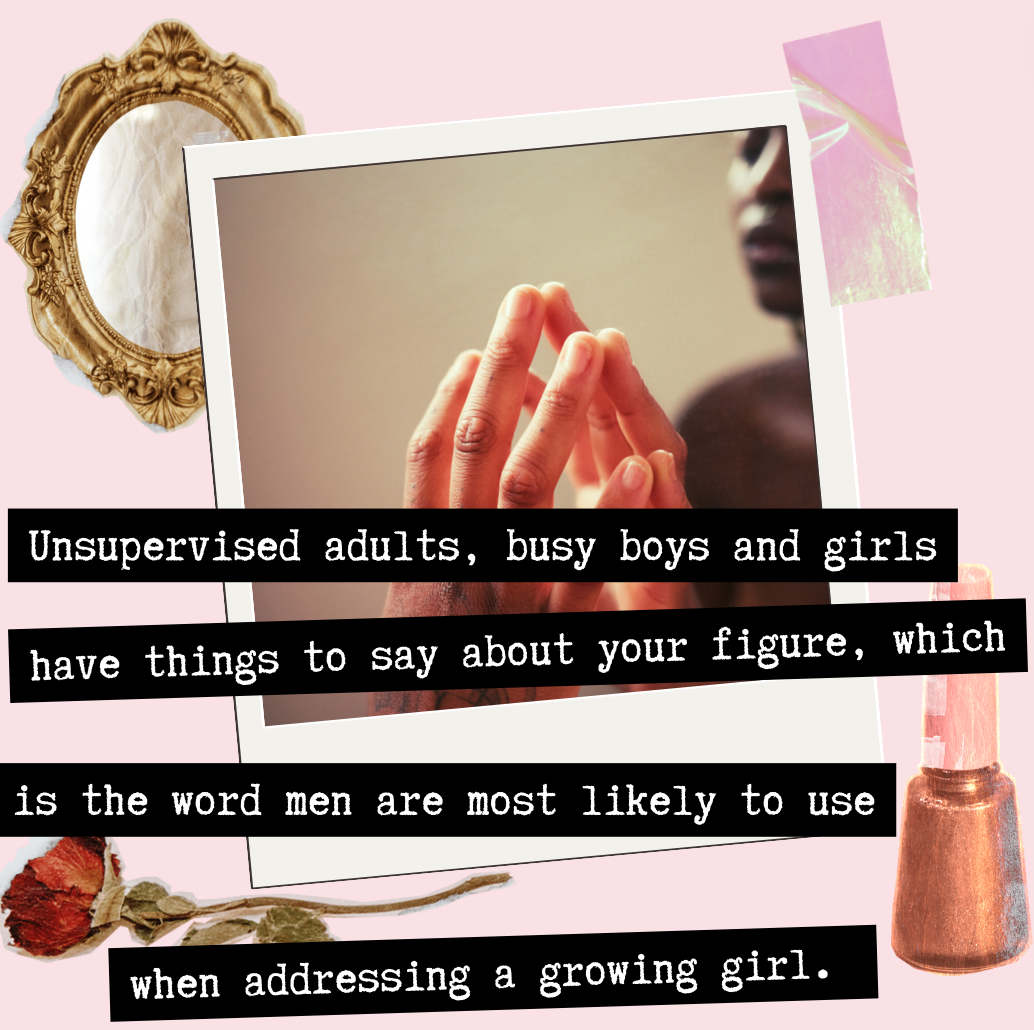
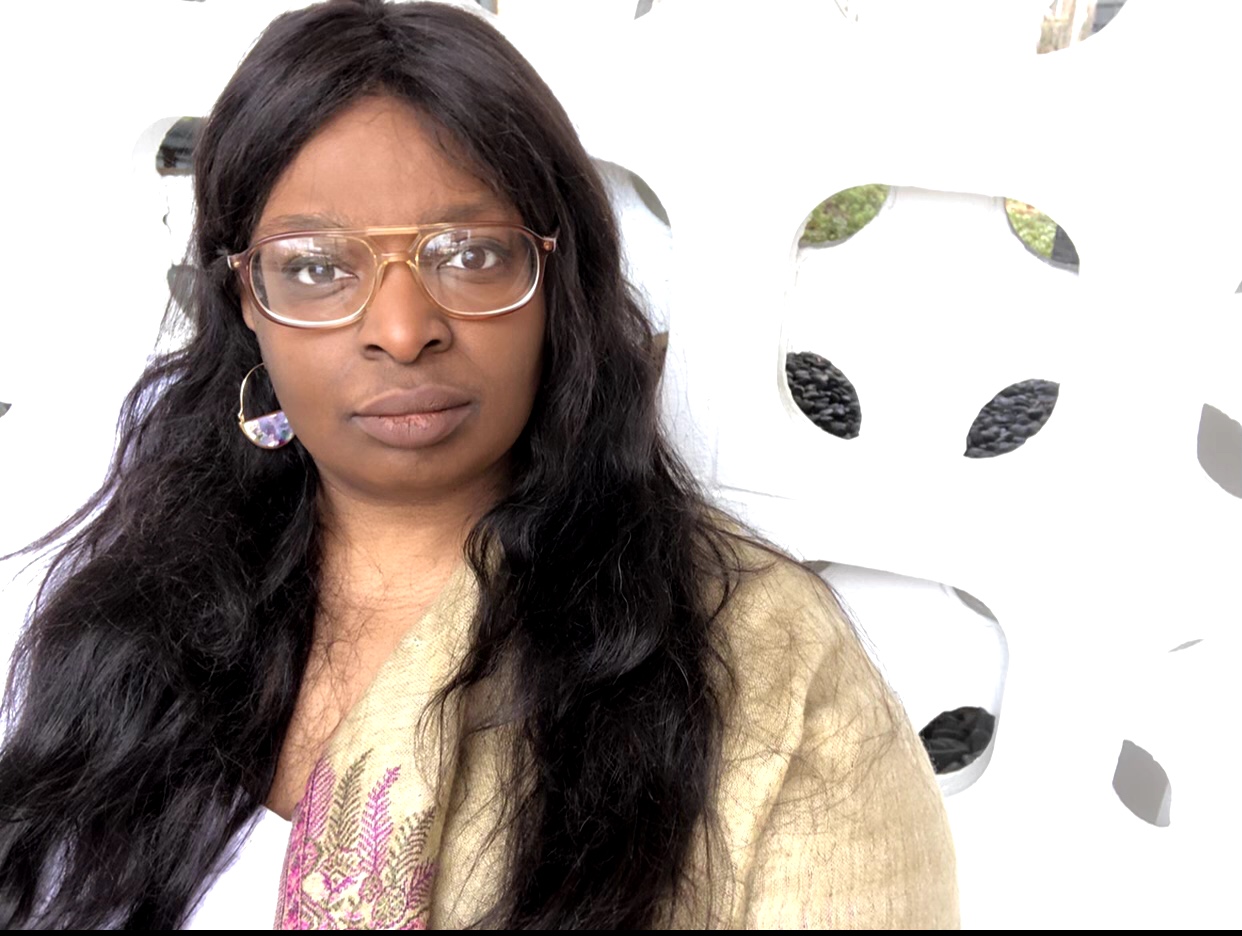
Image Credits
Omotara James (c/o of author)
Mallory Pendleton Buccieri
Nancy Campton
unknown
unknown
unknown
Michael Shayan
Noma Osula
unknown
Lisa Marie Basille
made using Canva
made using Canva
c/o author