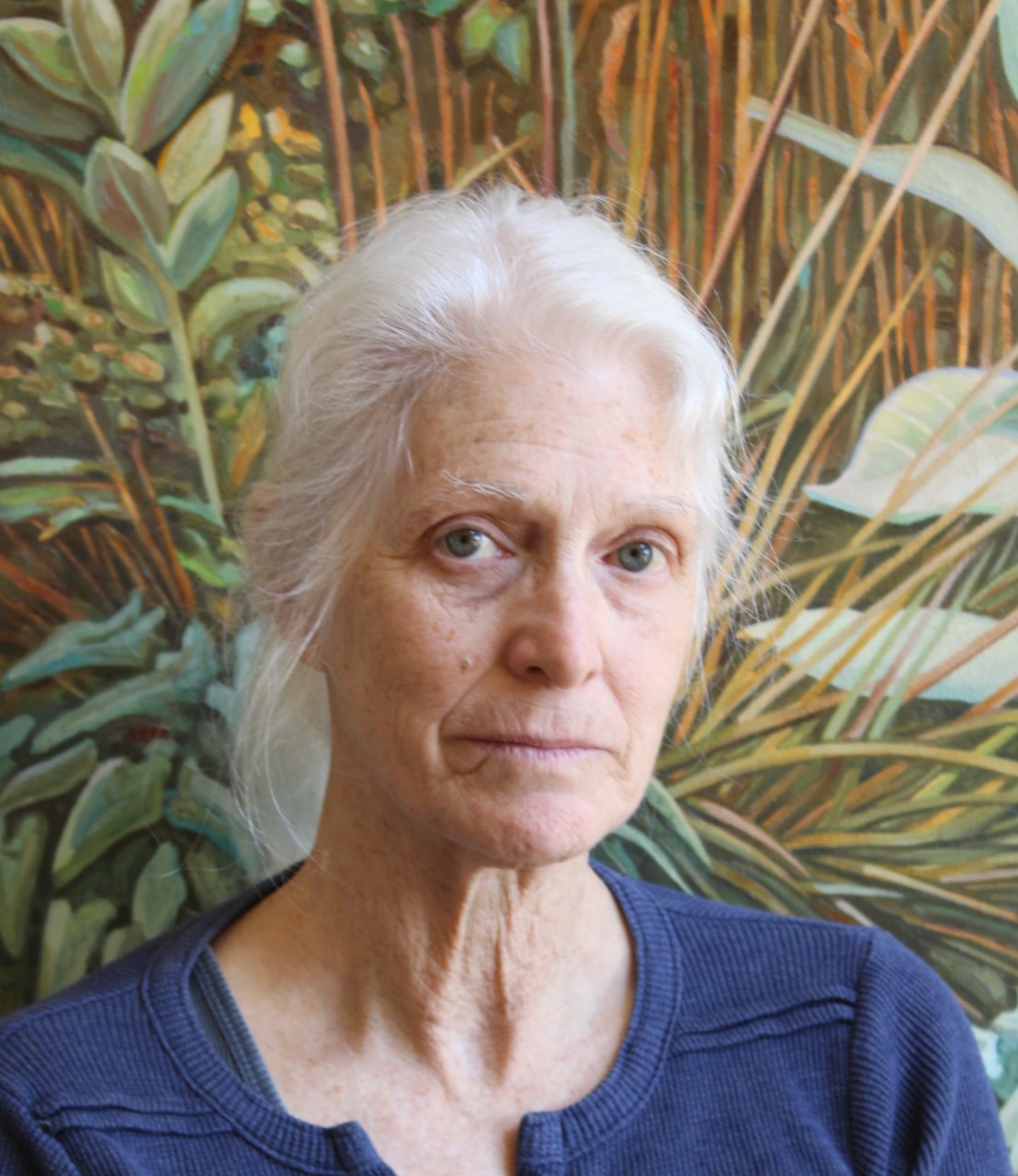

We were lucky to catch up with Nora Othic recently and have shared our conversation below.
Alright, Nora thanks for taking the time to share your stories and insights with us today. Can you share an important lesson you learned in a prior job that’s helped you in your career afterwards?
I had planned to be an artist from a fairly young age, but I got sidetracked along the way. I attended art school at the University of Missouri-Columbia right after high school, but dropped out to be with my boyfriend. After that, I moved around a little, had different jobs, a different boyfriend, returned to my hometown, married, and worked for 10 years as a production machinist in a factory, which I pretty much liked. However, in my mid-thirties I started thinking, “But I was going to be an artist…” So I returned to college, commuting this time, getting a BFA in 1991, and then I had to try and make a living.
Working in a factory for all those years let me view being an artist as a job, where I had to work at it every day. Some days it was very difficult to motivate myself, especially if I had a run of producing bad work (as always happens.) I hit on the method of recording how many hours a day I worked whether it was painting, drawing, cleaning the studio, building crates or frames, cutting mats, filling out entry forms, or anything else. My aim was to work at least 40 hours a week. For the first 20 years I worked through galleries and at art fairs, and presently I just work through galleries.
I still view being an artist as a job, one that I want to do, but not one that is particularly easy.
Great, appreciate you sharing that with us. Before we ask you to share more of your insights, can you take a moment to introduce yourself and how you got to where you are today to our readers.
Like a lot of artists, I had to invent what my creative process and marketing would be. I was lucky in that I landed at a very supportive gallery while I was still in college, and also that I found out about art fairs and juried exhibitions. I had bad luck initially with commissions, so I resolved not to do them, although in the past few years I have started doing a few. In the beginning I would set myself arbitrary goals, like trying to get into 10 art fairs a year and entering ‘x’ number of exhibitions.
Since I live far from any major metropolitan area, I have both advantages and disadvantages. In my favor, I am able to work without much distractions. On the other hand, I have to travel both to market my work and to participate in the interaction with other artists that is important to keeping my creativity alive.
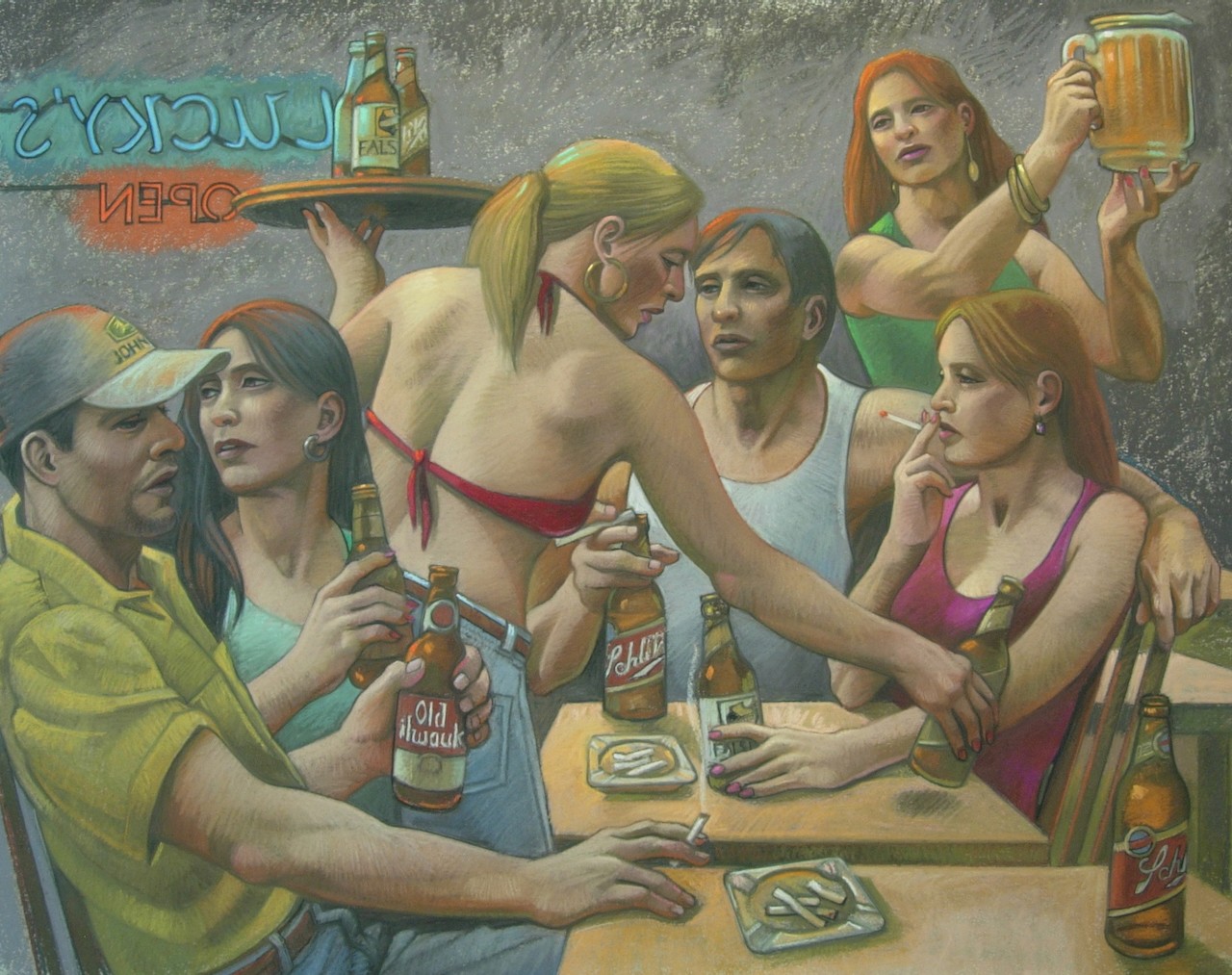
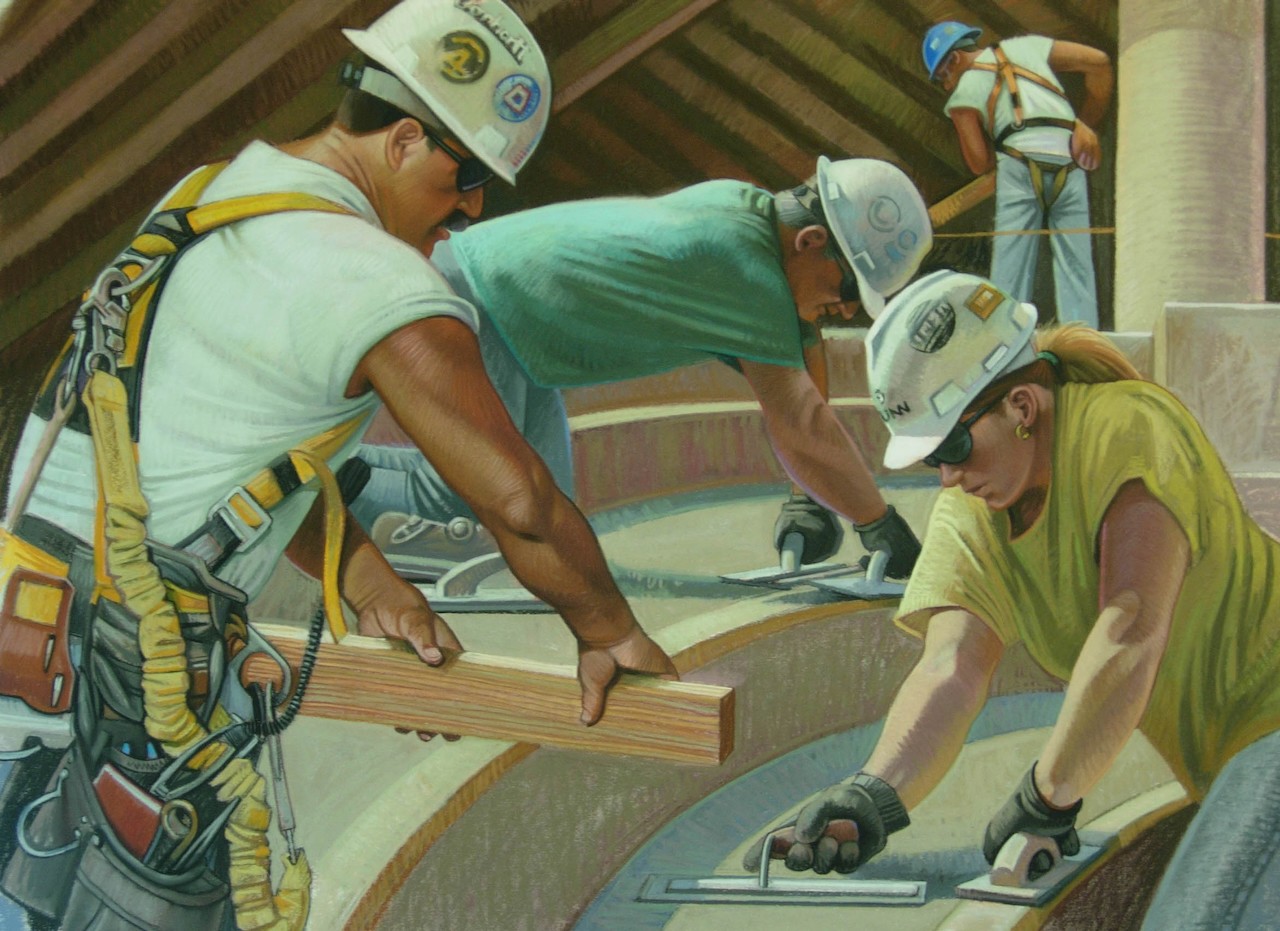
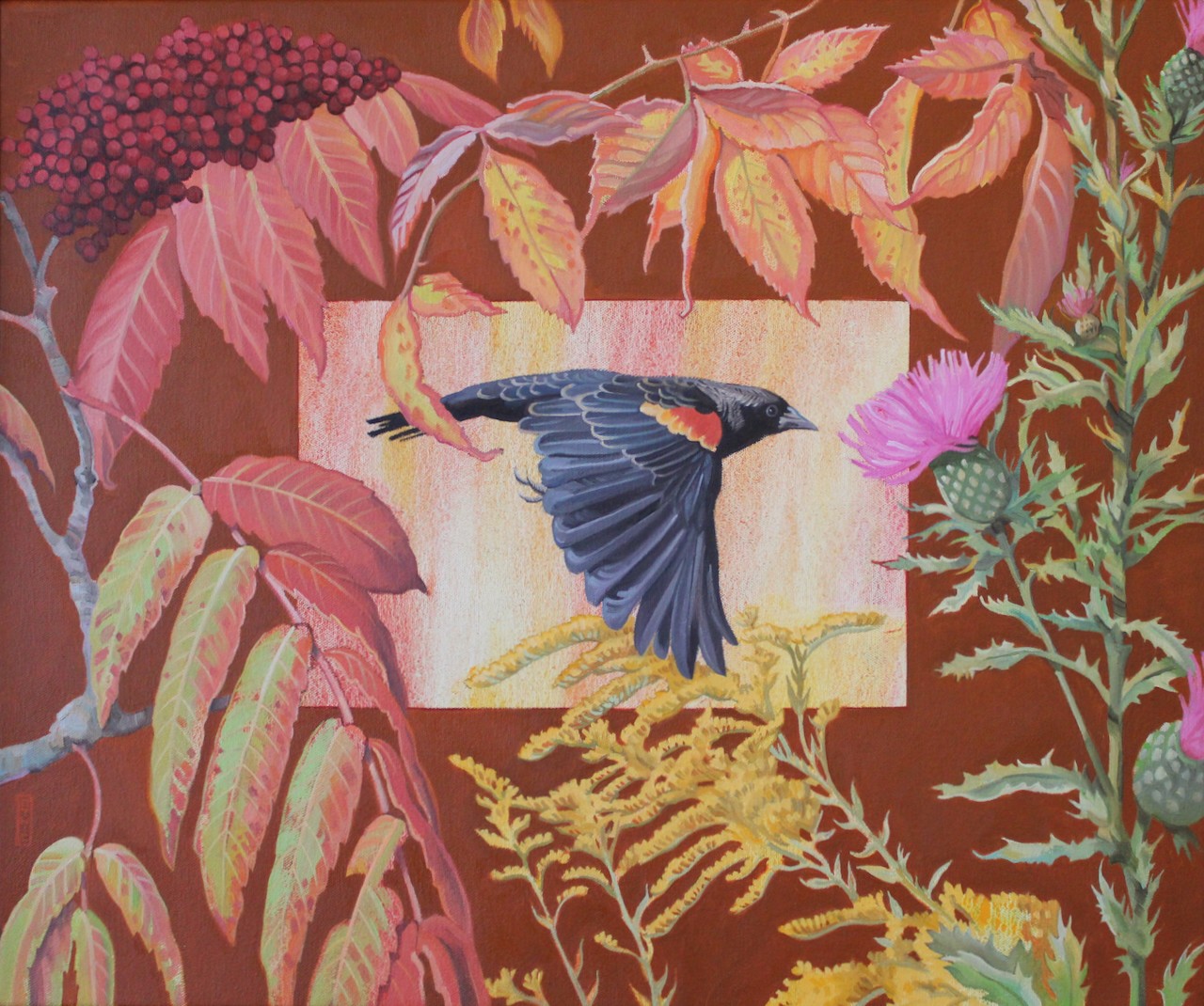
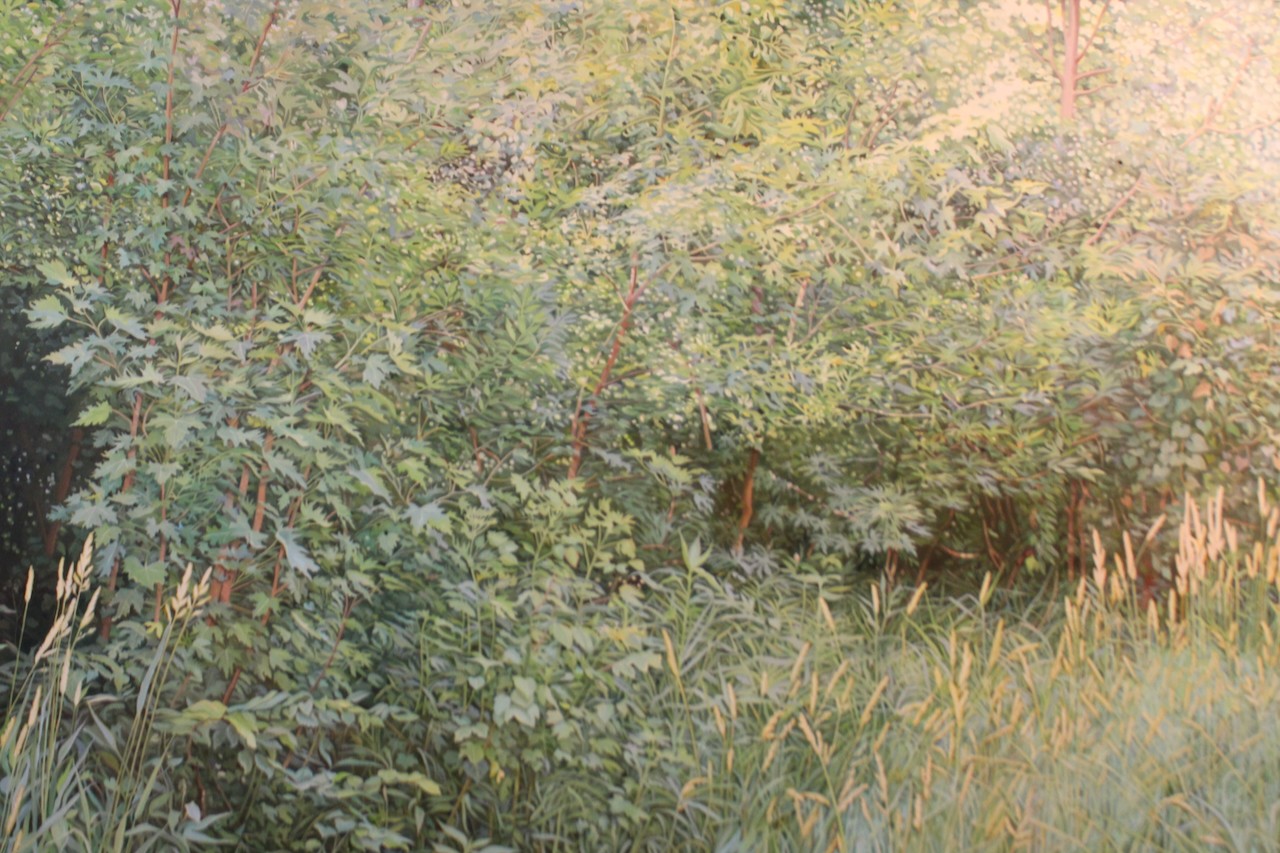
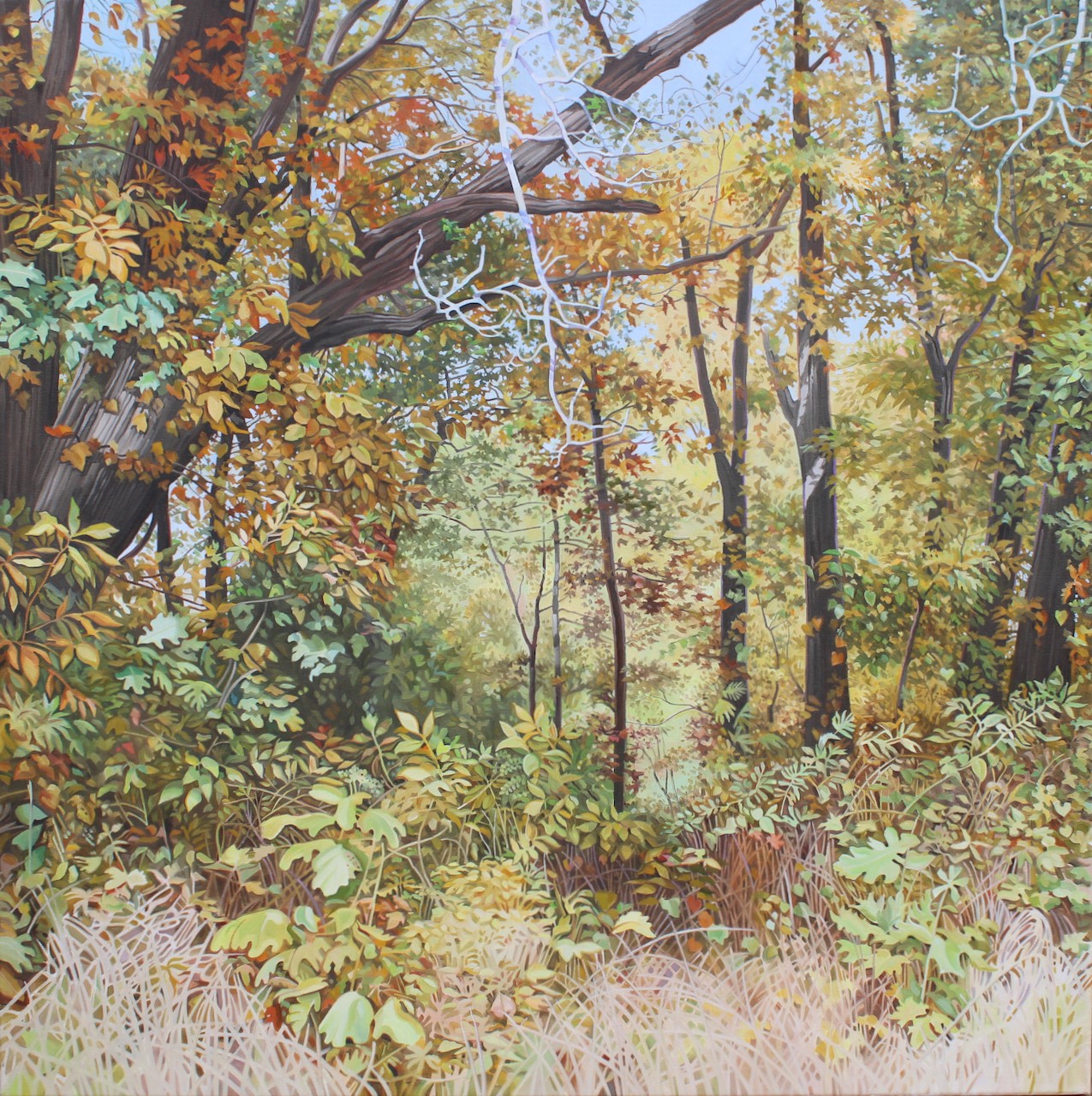
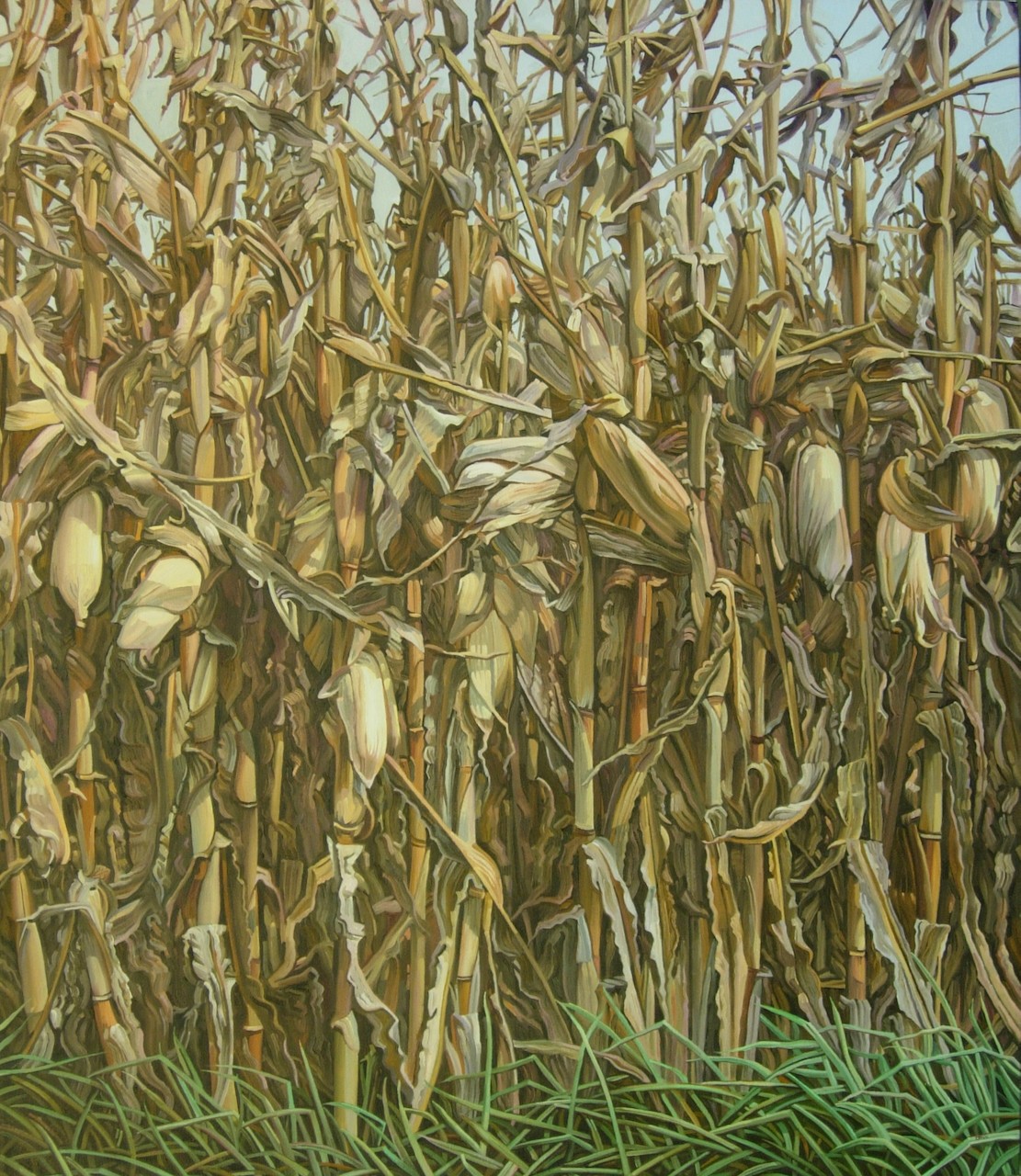
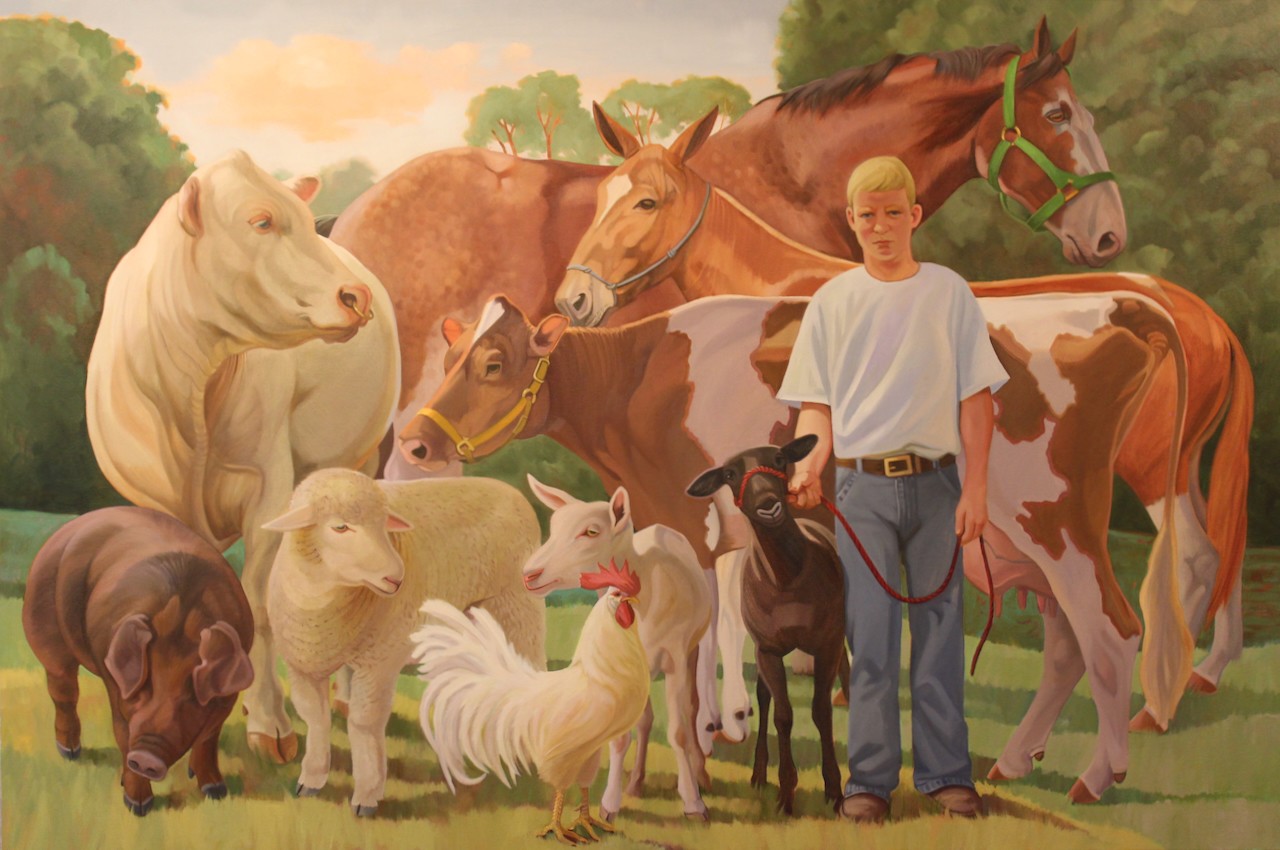
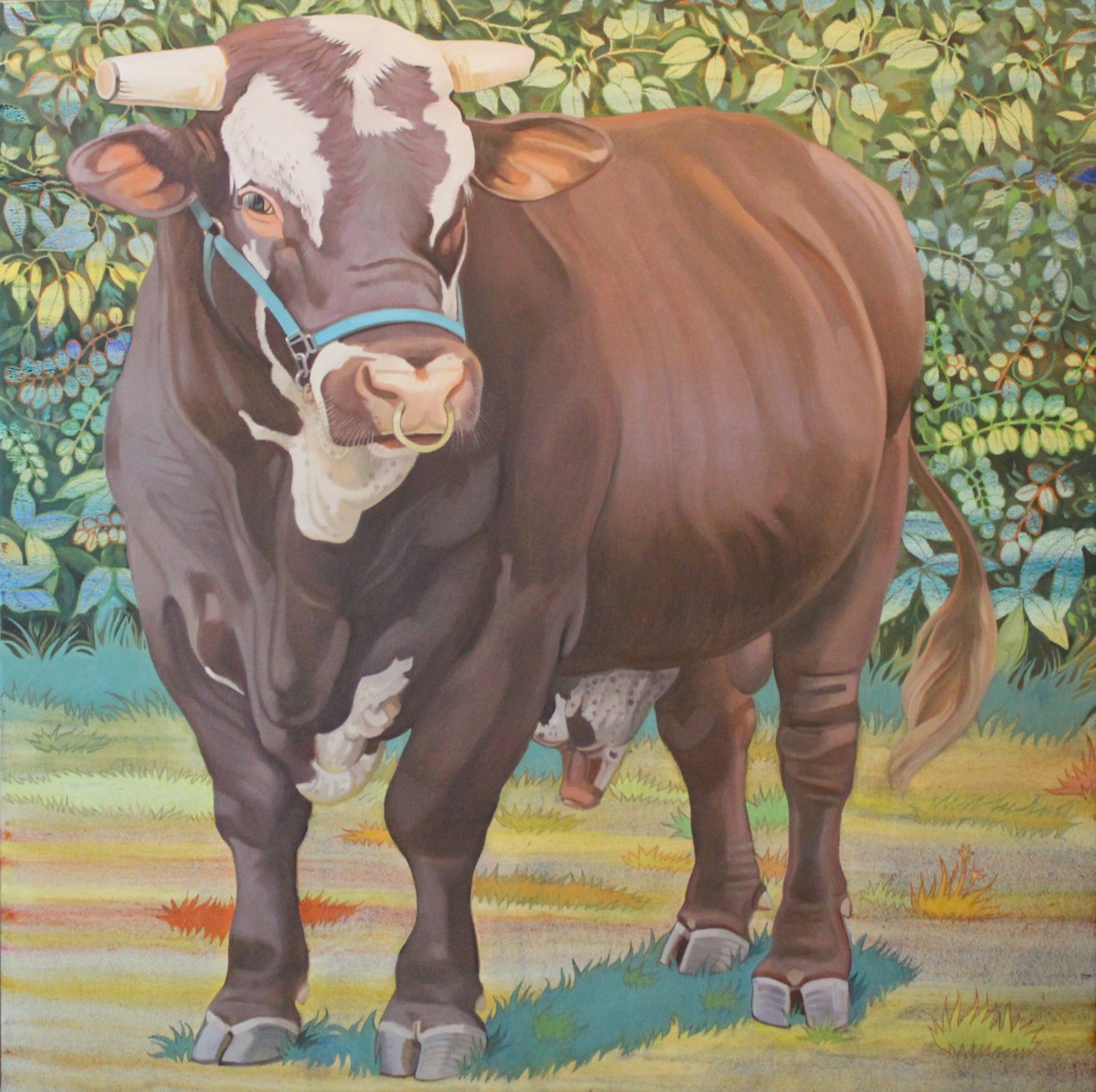
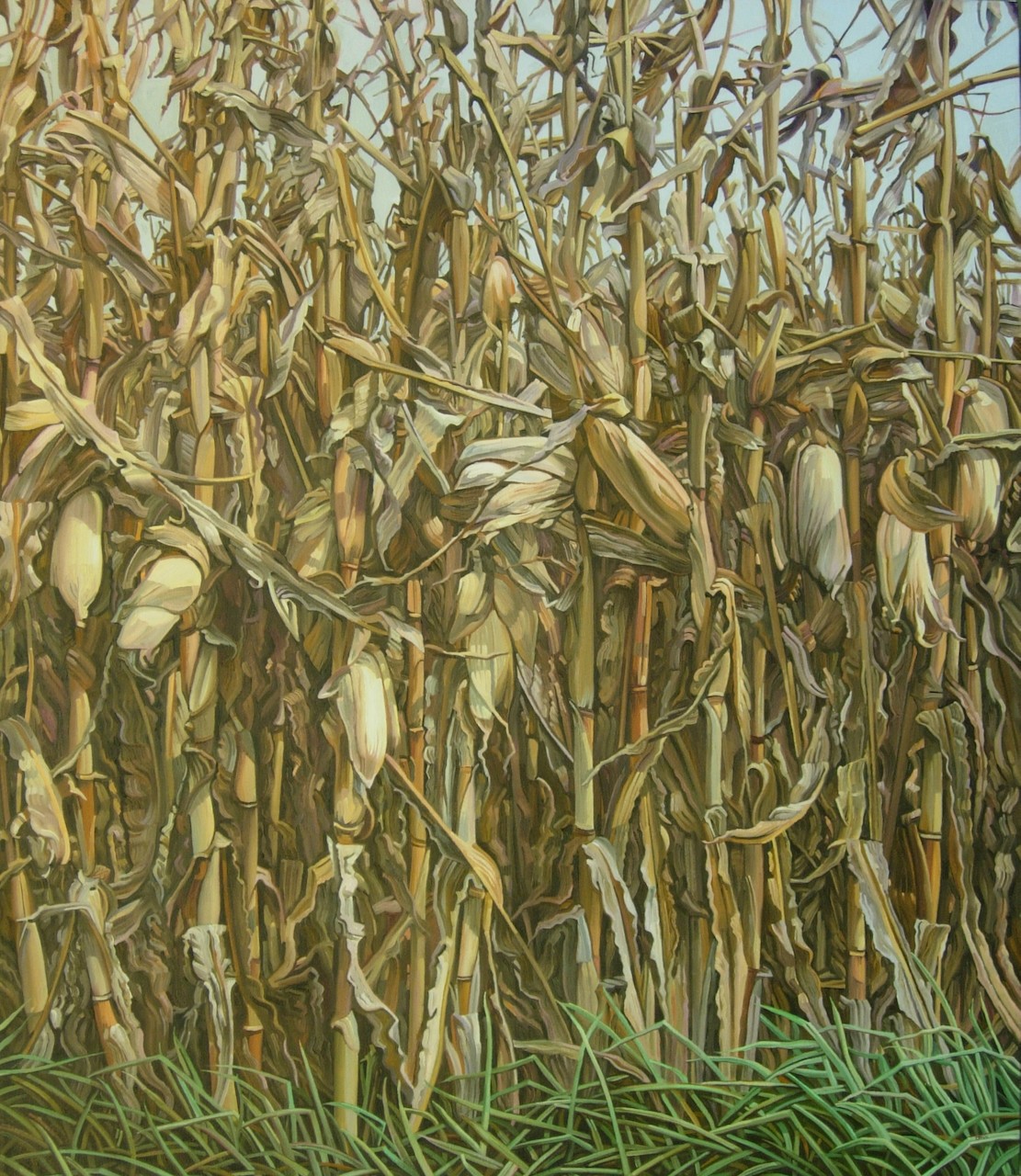
Living in a rural area has also determined what my work is about. Livestock, crops, native flora, rural landscapes and working people are my main subject matter, even when I diverge into illustrating biblical or mythological stories; Moses ends up looking like a trucker and Perseus a farm hand.
Is there something you think non-creatives will struggle to understand about your journey as a creative? Maybe you can provide some insight – you never know who might benefit from the enlightenment.
Like most artists, I am at least a little annoyed by non-creatives thinking that I am enjoying a life-long vacation from work. No, what I do is really work. And a lot of the time, it is not fun. It is just what I have to do because that is who I am. I also have to explain too often that yes, I am really an artist, regardless of how little money I make. And they would be advised not to say “well, at least you’re doing what you really want,” not because that is not true (it is) but because I still would like to make a little more money from it.
Ultimately, what is hardest about being an artist is not the financial deprivations, but rather the insecurity about the quality of your own work, particularly when you hit the inevitable run of crappy paintings. What is important then is just to remember that doing bad work is an integral part of the whole process. I always say, “I’m not in production, I’m in research and development,” meaning that it is my job to go into the studio and invent something new, not to keep milling out variations of the same thing. Which means that failures will happen.
Is there a particular goal or mission driving your creative journey?
Once I had a customer tell me that, for a long time after buying one of my pastels, she had put off hanging it and instead leaned it up against a wall and looked at it for a few minutes at the end of every day. I can understand that as almost every day I look at the same painting I bought a few years ago. It puts me in a reverie where I no longer even see the work, but go to a different place altogether. It is like a meditation or a prayer.
So, that is my ultimate goal. I hope that at least a few of my works bring someone some solace or enjoyment or inspiration.
Contact Info:
- Facebook: Nora Othic
- Other: noraothic@gmail.com