

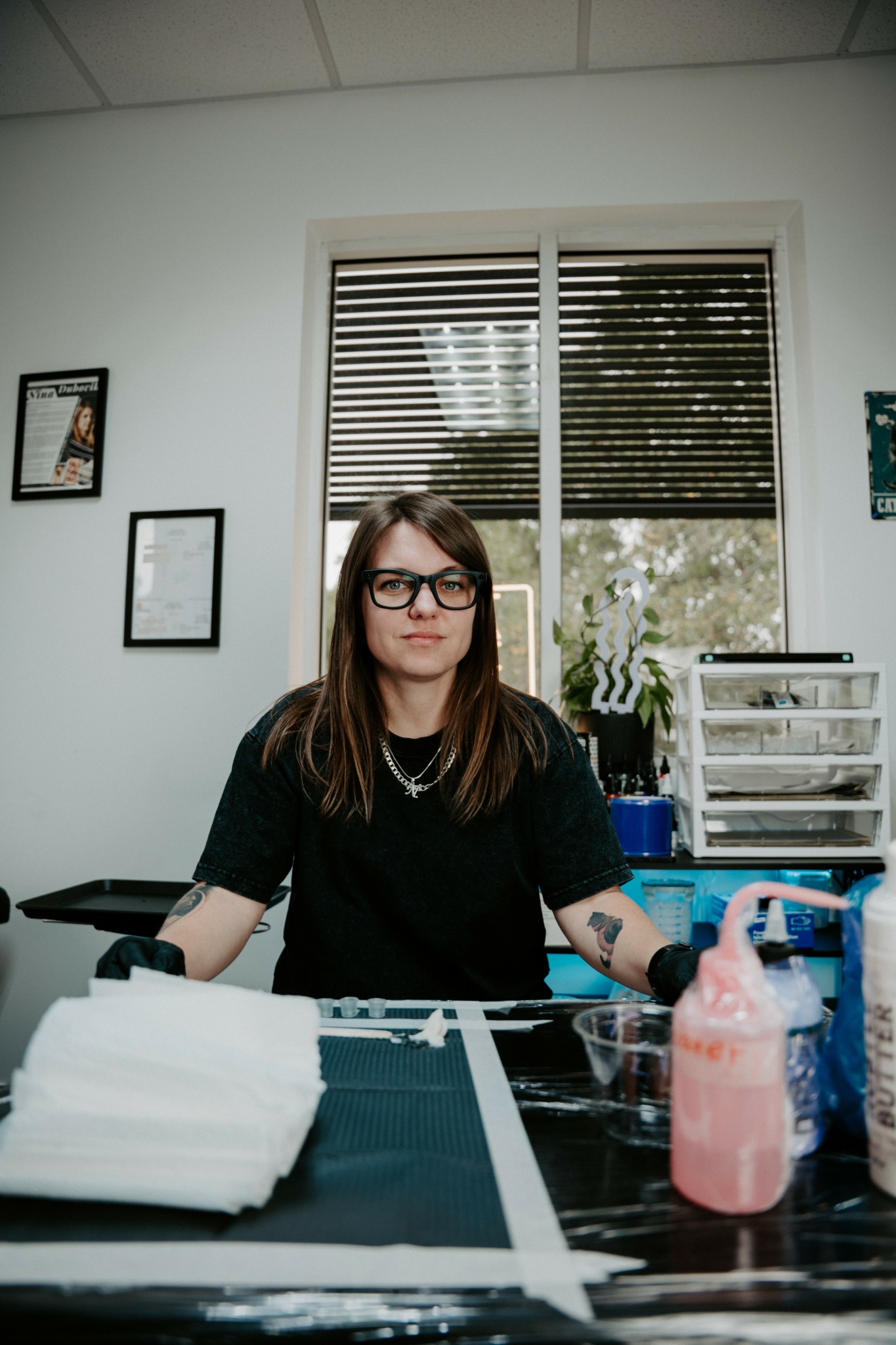

We’re excited to introduce you to the always interesting and insightful Nina Dubovik. We hope you’ll enjoy our conversation with Nina below.
Alright, Nina thanks for taking the time to share your stories and insights with us today. Have you been able to earn a full-time living from your creative work? If so, can you walk us through your journey and how you made it happen? Was it like that from day one? If not, what were some of the major steps and milestones and do you think you could have sped up the process somehow knowing what you know now?
Earning a full-time living from creative work is often romanticized. People see the art, the final result, the beauty. What they don’t always see is everything behind it.
For me, making a living from my creativity has never been just about talent. It’s about marketing, discipline, and most importantly — relationships. A huge part of my work isn’t drawing or designing; it’s understanding people. Every client comes with their own story, emotions, expectations, and sometimes fears. To be successful, I’ve had to become not only a professional in my craft, but also a psychologist — patient, attentive, and genuinely caring.
Building trust is everything. You have to listen deeply, feel the individuality of each person, and give your maximum every single time. Clients don’t just want a service — they want to feel heard, respected, and understood. That requires emotional intelligence, a positive mindset, and the ability to adapt to different personalities.
At the same time, creativity alone is never enough. Talent may open the door, but discipline and constant development keep it open. I invest a lot of time in learning, practicing, refining my skills, and pushing myself to grow. Every project teaches me something new. Every mistake becomes a lesson. There is no shortcut — only consistent effort.
I’ve learned that earning through creative work means balancing inspiration with structure. It’s not just about dreaming or waiting for motivation. It’s about showing up every day, improving your craft, strengthening your brand, communicating clearly, and doing the hard work behind the scenes.
Creativity can absolutely become a full-time career — but only when you treat it like a business, respect your clients, and commit to constant growth.
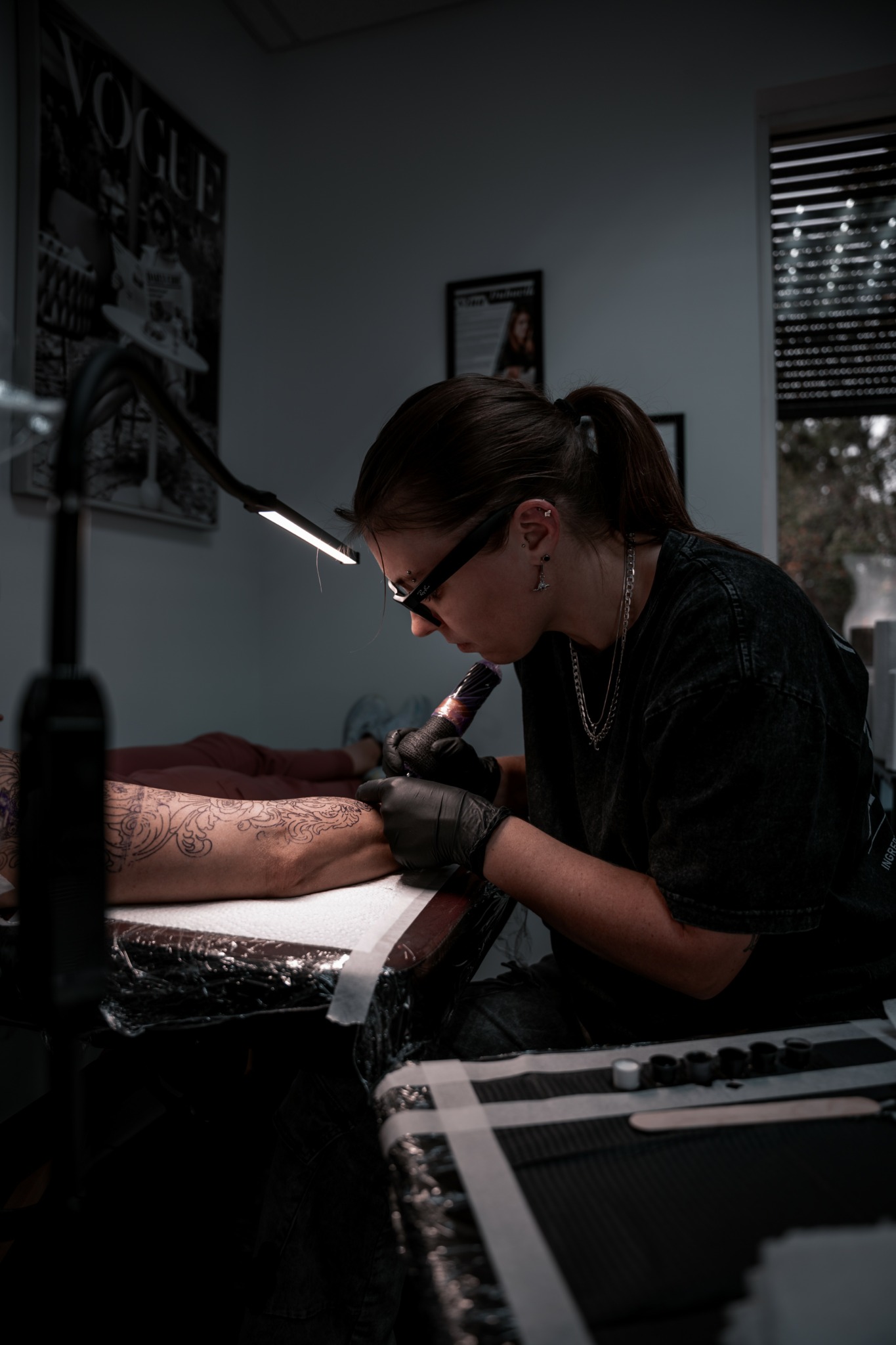
As always, we appreciate you sharing your insights and we’ve got a few more questions for you, but before we get to all of that can you take a minute to introduce yourself and give our readers some of your back background and context?
I entered the tattoo industry relatively recently, after moving to the United States. My original background is far from art — I am a chemical process engineer specializing in construction materials. For many years, I worked in large international businesses, including Swiss companies, where structure, precision, and responsibility were essential.
My life has included several major relocations — from my home country of Belarus to Ukraine, and later, after the war began, to Latvia. Each move was not only geographical, but deeply personal. It forced me to rethink who I was, what I valued, and what kind of work truly fulfilled me.
While living in Ukraine, I became curious about tattoo art — how people learn it, how skin becomes a canvas, how emotion transforms into something permanent. I had always loved drawing and creativity, but I had never pursued it professionally. When the war began, survival and stability became the priority, and that creative idea was put aside.
It wasn’t until I moved to the United States and regained some stability that I allowed myself to revisit that curiosity. I realized this was a place where I could redefine myself. I enrolled in a tattoo academy, completed my training, and the first time I held a tattoo machine — even practicing on artificial skin — I knew immediately that this was mine. My only thought was: why didn’t I start earlier?
Since then, my focus has been constant growth. I think about my work every day — about improving, refining, understanding more. Of course, I want to grow faster and achieve more quickly, but I also understand that mastery takes time. Step by step.
As you enter this industry, you begin to understand which styles resonate with you and which don’t. You also realize that tattooing is not just about art — it is about deep, sometimes long-term communication with people. It is psychological. It requires sensitivity and emotional awareness.
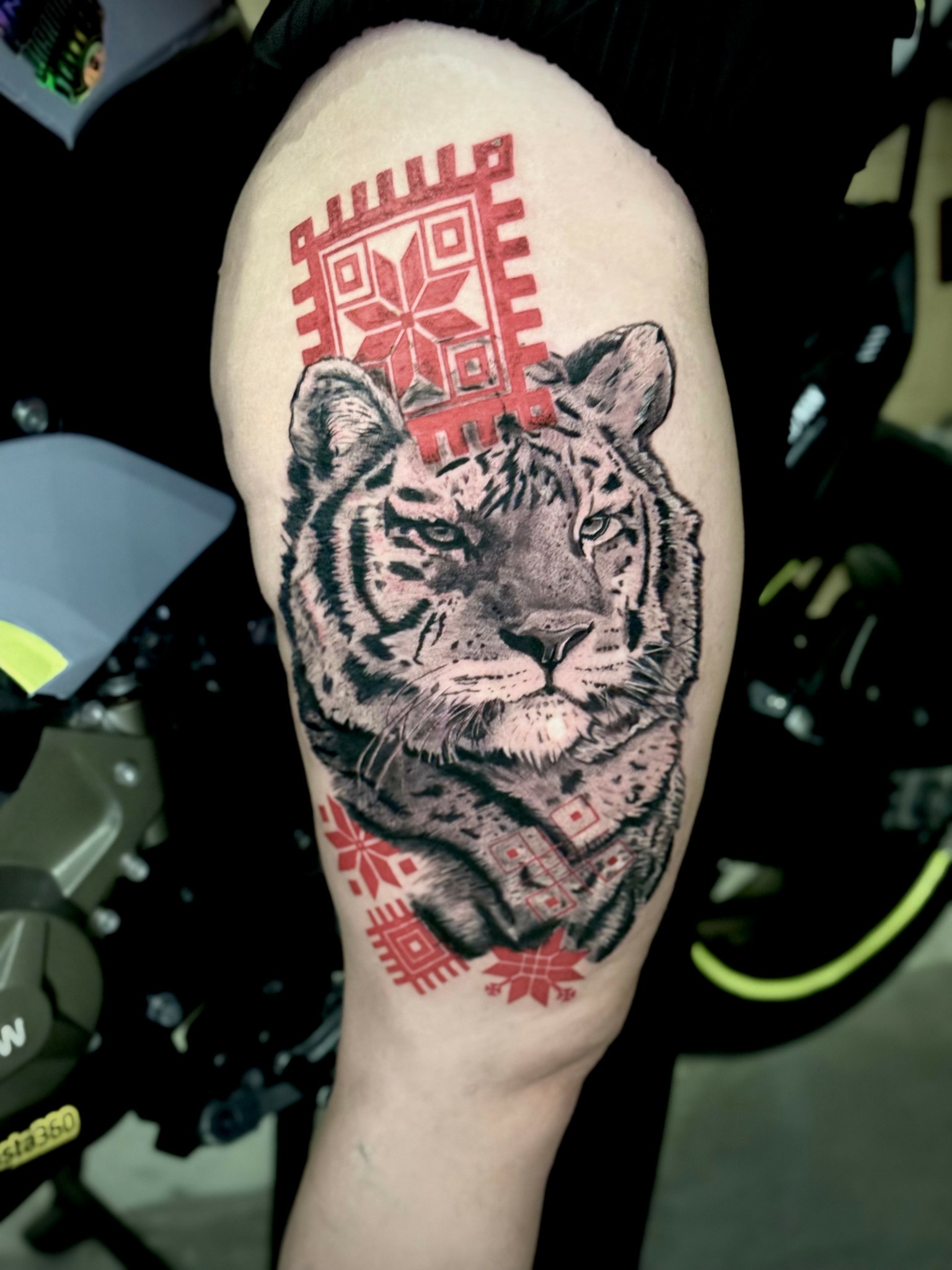
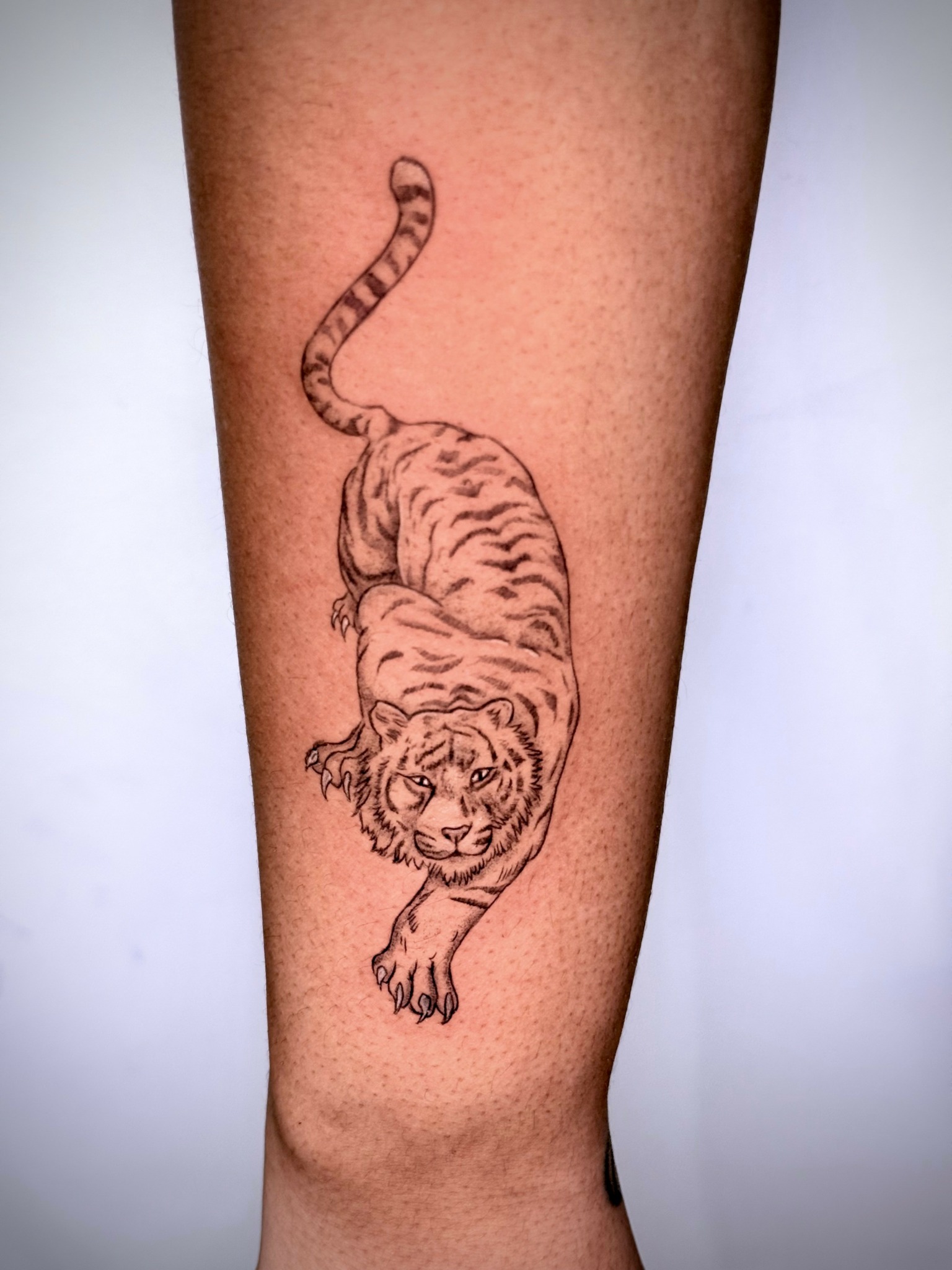
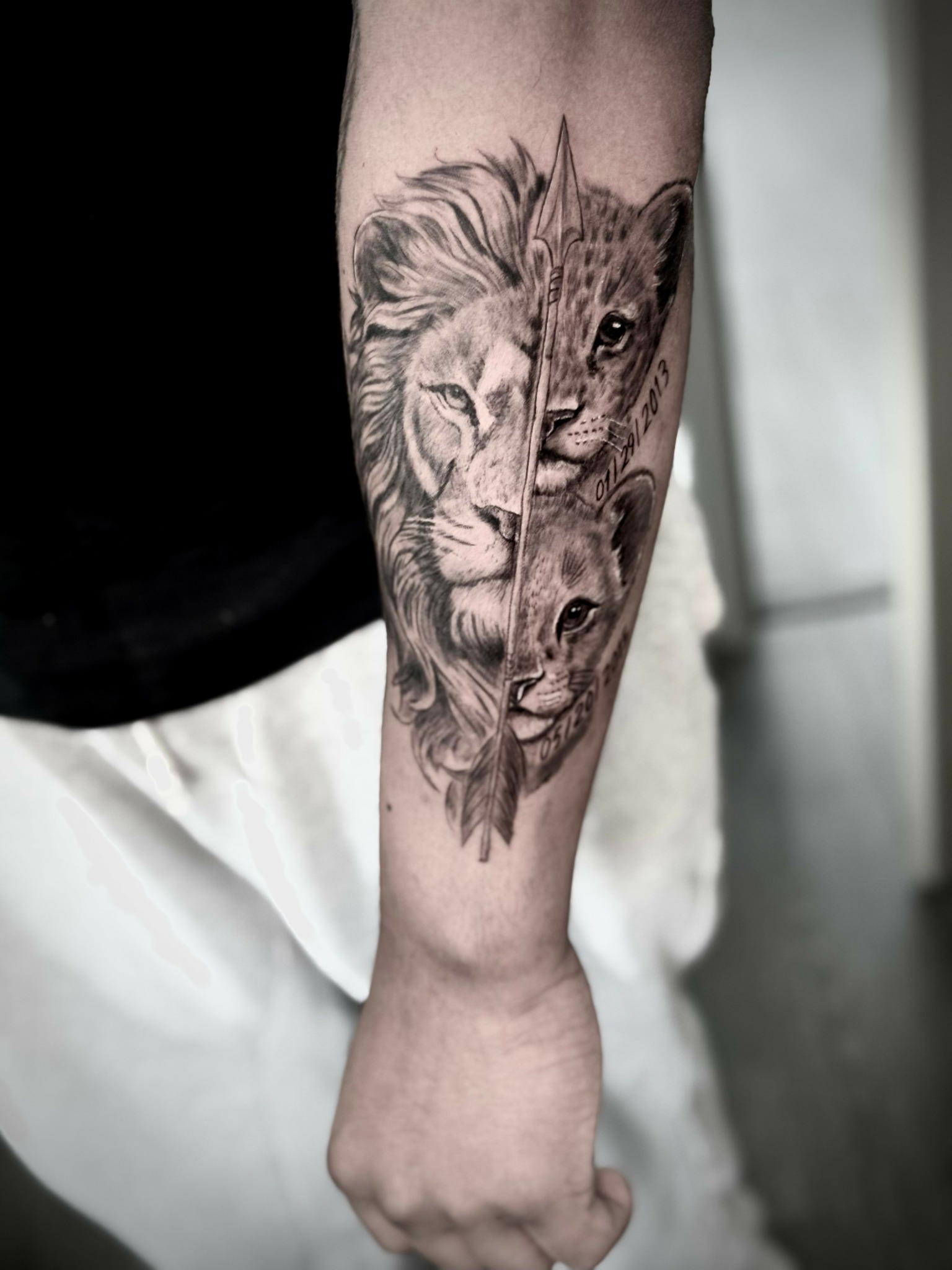
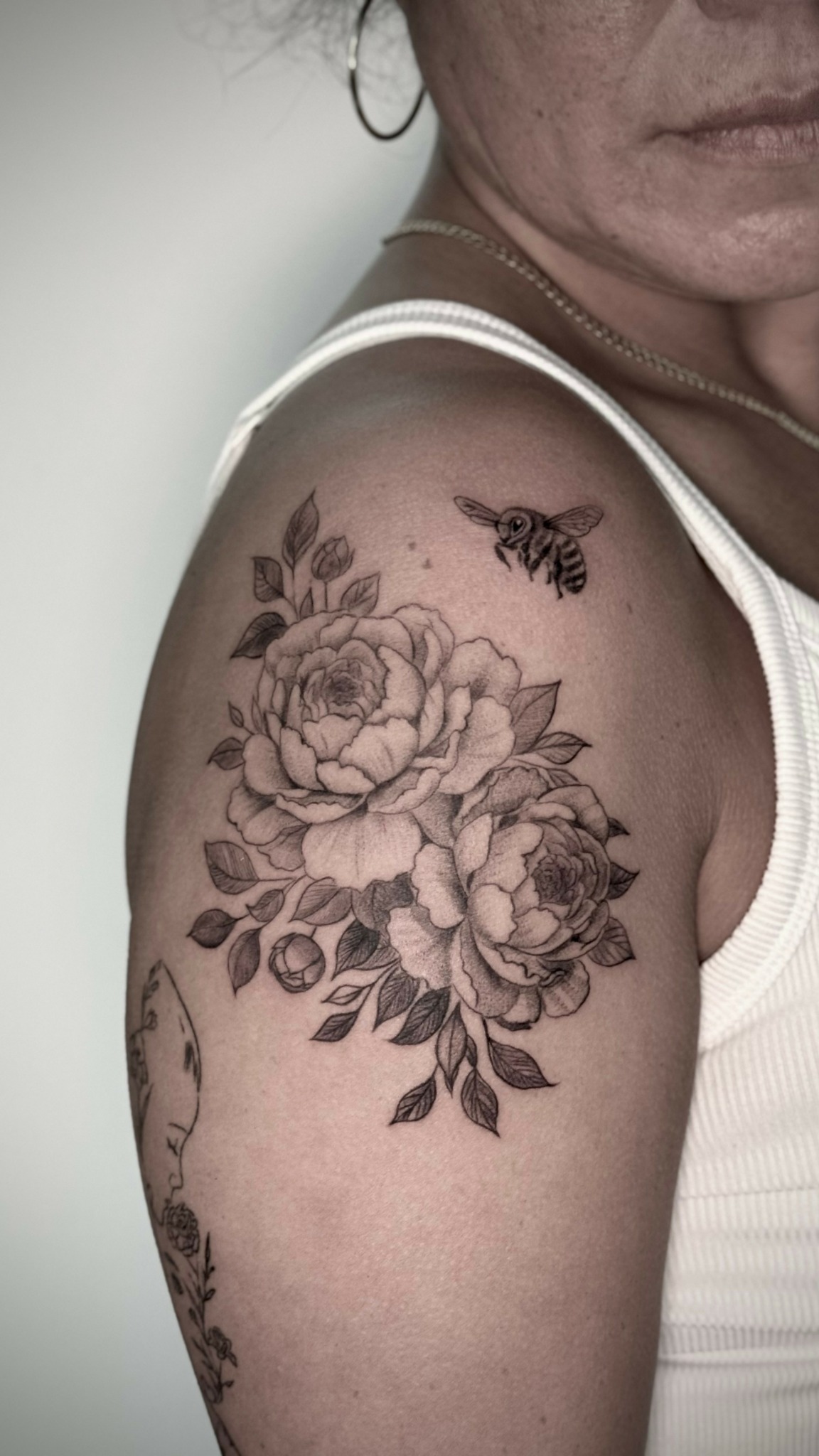
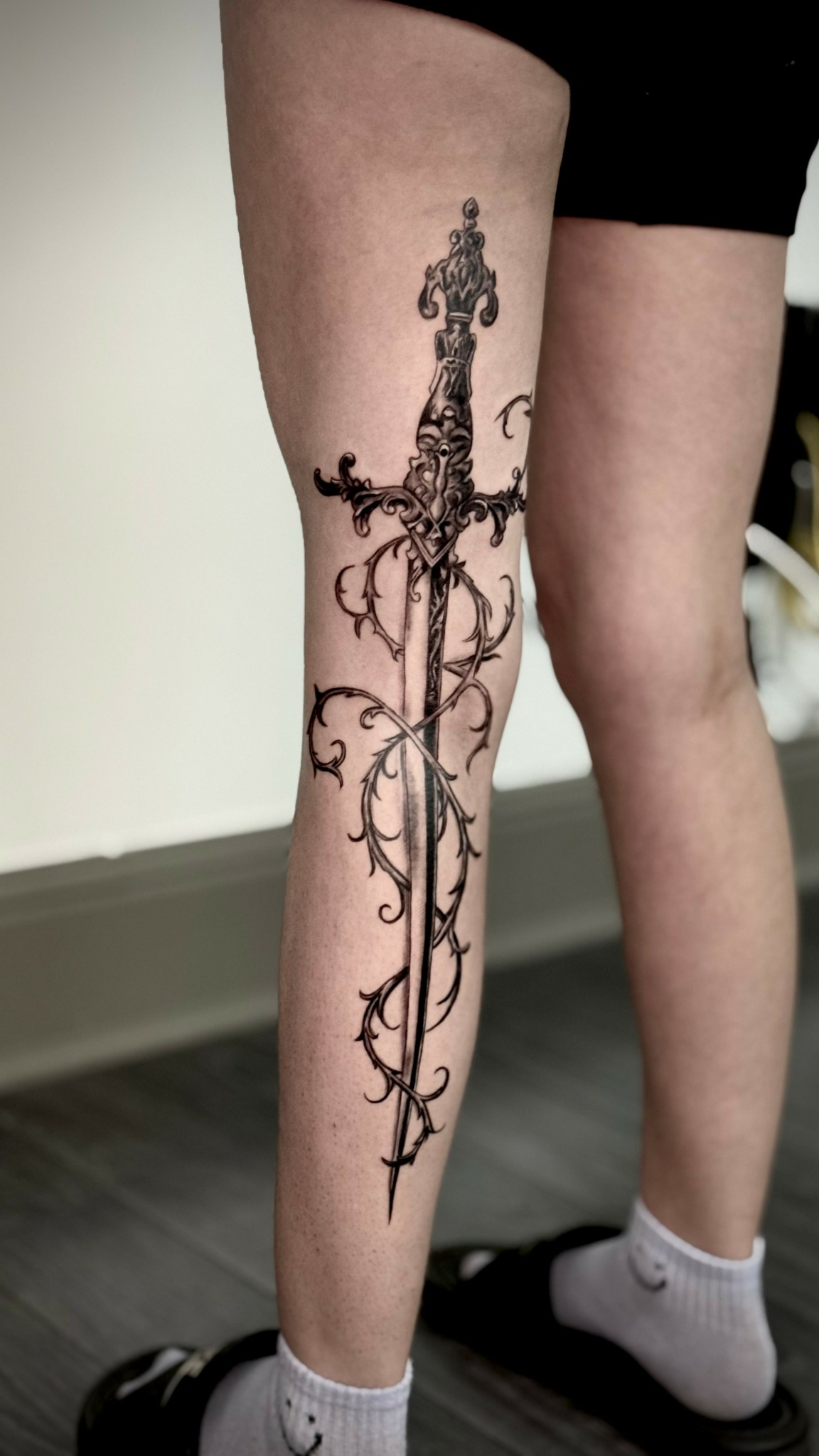
Currently, I enjoy working in fine line, graphic tattoos, black and grey, realism, and micro-realism. I also create some color pieces. Certain styles feel closer to me; others I deeply admire and may grow into over time. It is natural for artistic preferences to evolve.
The challenges are both technical and personal. I am highly self-critical and constantly strive to improve. At the same time, much of today’s communication happens online, and that brings its own difficulties. Sometimes people struggle to clearly explain what they want. Sometimes they send only a photo without context. Sometimes they disappear without response. As someone who takes communication seriously and invests emotionally in my clients, I used to take this personally. Over time, I’ve learned to understand that people are simply different. Not everyone is meant to be your client — and that’s okay.
The clients who do choose to work with me are incredible. I value them deeply, and I give them my maximum — creatively, professionally, and personally. For me, tattooing is not just decoration. It is trust, collaboration, and responsibility. It is art that lives on someone’s body — and that deserves respect.
What’s a lesson you had to unlearn and what’s the backstory?
One of the biggest lessons I had to unlearn is the belief that if you treat people well, they will naturally treat you the same way.
There’s a saying: “Treat others the way you want to be treated.” This has always been my life principle, and it still is. I genuinely believe in kindness, respect, and fairness. I approach people — clients, friends, colleagues — with openness and good intentions. For a long time, I subconsciously expected the same in return.
Life teaches you otherwise.
You can treat people with respect, patience, and care, but that does not guarantee they will respond the same way. People behave according to their own emotional maturity, experiences, wounds, and values. Some justify their behavior by saying they were hurt in the past. Some say life has been unfair to them. Others simply lack emotional awareness. And sometimes, people act without much reflection at all.
It’s one thing when this comes from strangers — you can distance yourself more easily. But when it happens with people you consider close, or even friends, it can be deeply painful.
What I had to unlearn was the expectation of reciprocity.
What I kept, however, was my principle.
I still choose to treat people the way I believe is right. Not because I expect equal treatment back, but because it reflects who I am. At the same time, I’ve learned to accept that not everyone operates at the same emotional level. Not everyone is meant to stay in your life — or be your client.
The good news is that even if only a small percentage of people respond with the same respect and depth — maybe 10% — that minority makes everything worthwhile. Those people restore your faith. They remind you that emotional intelligence and kindness still exist. And often, that small group is enough to balance everything else.
I truly hope that for everyone, that percentage grows over time.
Any insights you can share with us about how you built up your social media presence?
Social media is a world of its own. In many ways, you are constantly guessing how it truly works.
There are countless “experts” who promise fast growth and guaranteed results — but many of them are simply selling the idea of growth, not real strategy. At the same time, there are true professionals who understand marketing deeply and can genuinely help. The challenge is knowing the difference.
In the beginning, I did everything myself for about a year — filming videos, editing reels, creating posts, learning how advertising works, and even taking consultations to understand how to launch campaigns properly. It was time-consuming, but incredibly valuable because I learned the foundation.
The most important advice I can give is simple: social media requires time and consistency. You have to post. You have to create stories. You have to create reels. And the quality of your content matters.
As a tattoo artist, people visit my page to see my work. So I must show my work — clearly, professionally, beautifully. Tattoos are visual. People judge with their eyes. That means good lighting, the right angles, and a high-quality camera are essential.
At the same time, it’s important to show yourself. Not just the art, but the person behind it. People want to know that you are real, that your page is authentic, and that there is a personality behind the work. A balance between professionalism and personal presence builds trust.
As my workload increased — especially with full-day sessions — it became physically difficult to manage everything alone. Now I work with marketing support for advertising because it allows me to focus on my clients and my craft while still maintaining growth. But I believe doing it yourself in the beginning gives you clarity and control.
Every account has its own direction, and you must understand your niche. But regardless of the niche, authenticity and consistency are universal principles.
Social media is not magic. It’s structure, effort, and strategy — combined with real personality.
Contact Info:
- Instagram: ninonika_tattoos
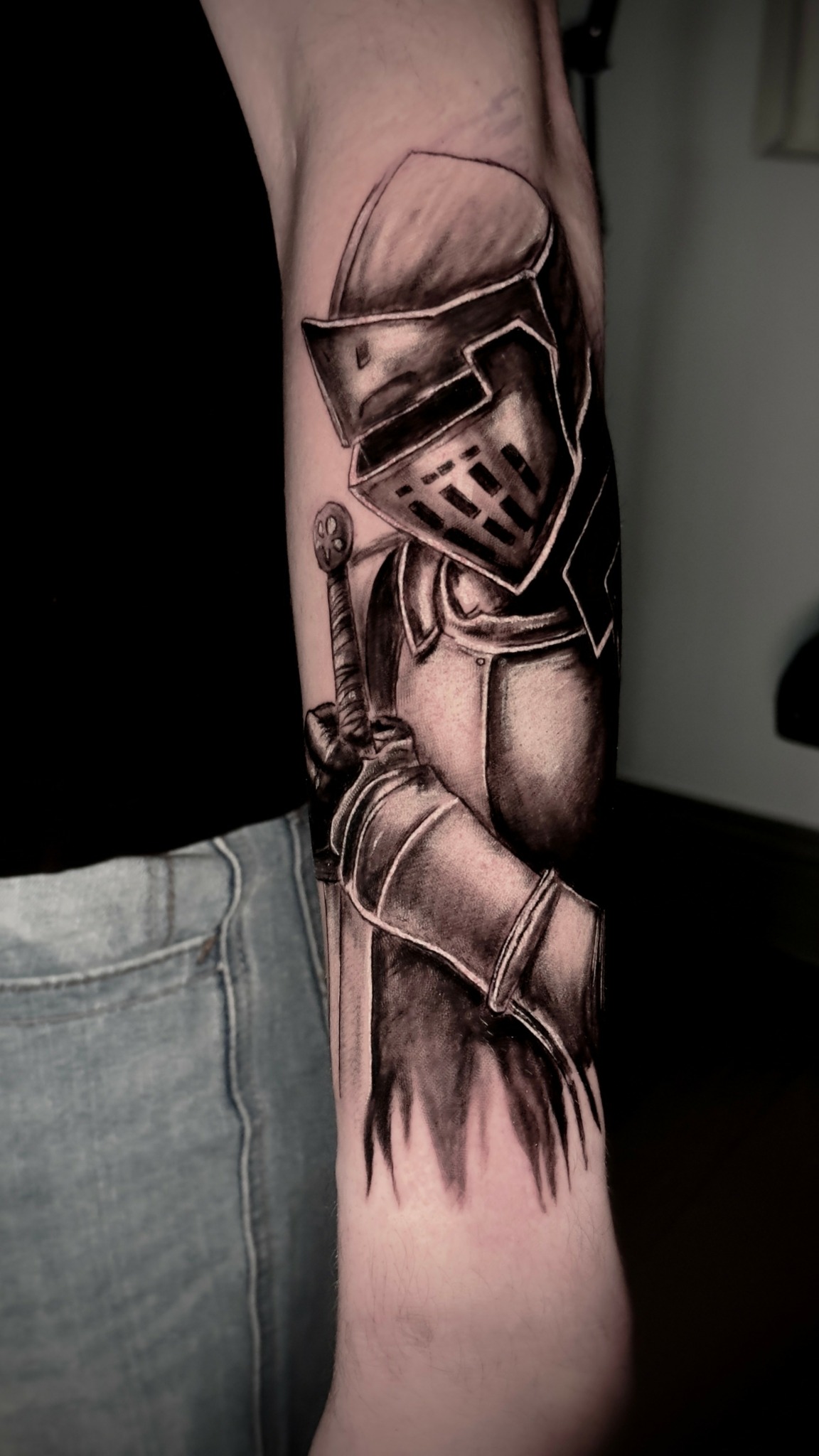
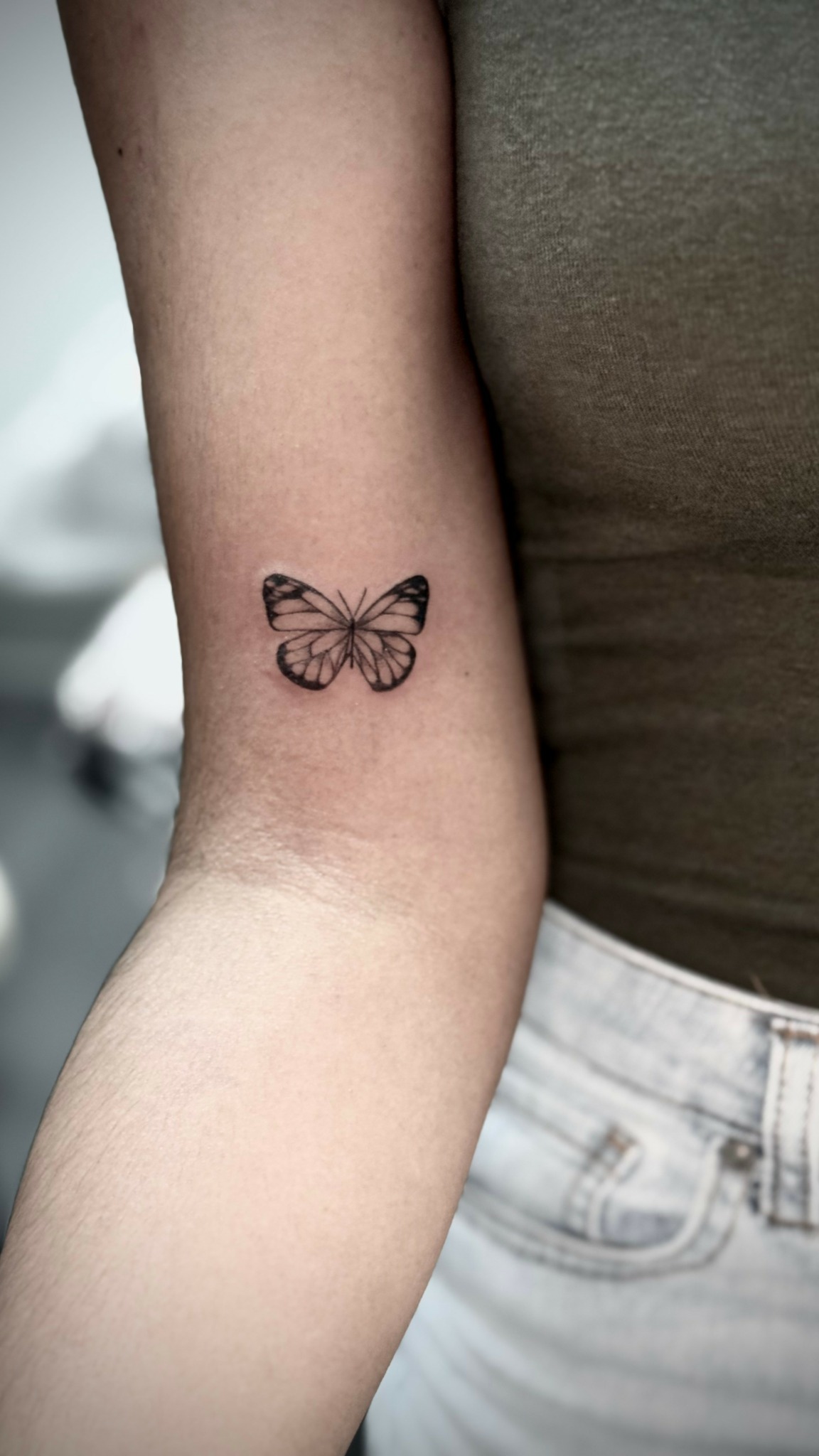
Image Credits
Pictures with artist – Caleb Poorman, other pictures – Nina Dubovik