

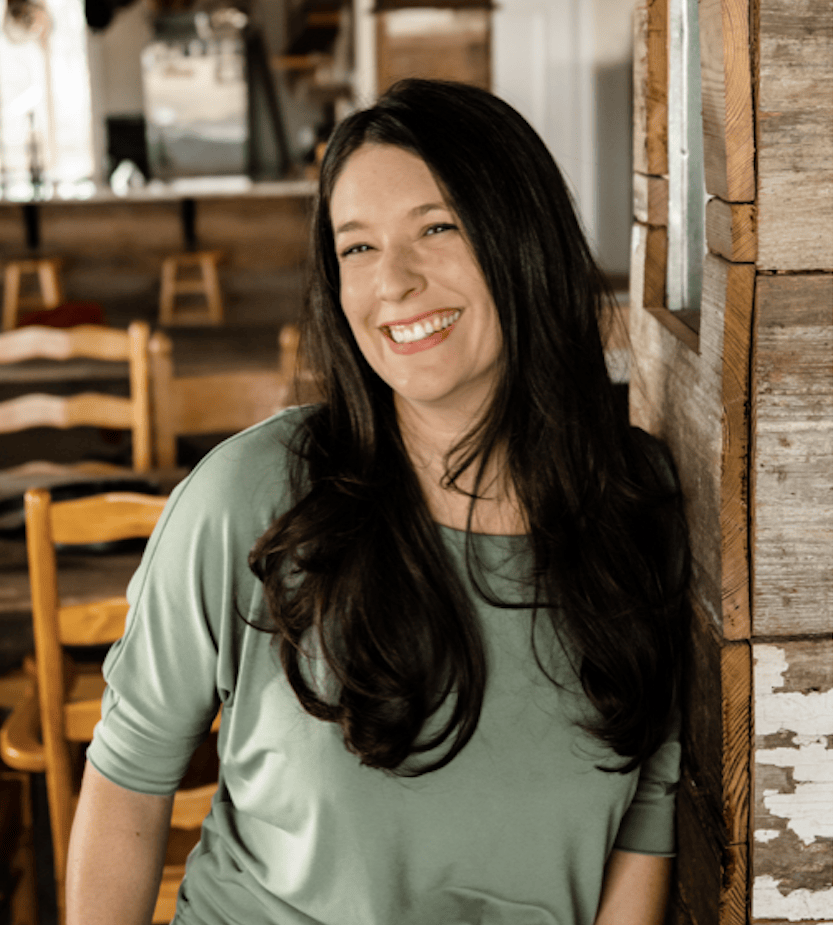

We’re excited to introduce you to the always interesting and insightful Niki Staab. We hope you’ll enjoy our conversation with Niki below.
Niki, thanks for joining us, excited to have you contributing your stories and insights. Can you recount a time when the advice you provided to a client was really spot on? (Please note this response is for education/entertainment purposes only and shouldn’t be construed as advice for the reader)
One of the most meaningful pieces of guidance I’ve ever shared with a client was to start having, and continue conversations about aging, support, and future care before there is a crisis forcing the discussion.
I was working with a family where the parent had been fiercely independent for years. Like many people, they believed they had “plenty of time” to talk about future plans, where they would live if health changed, who would make decisions, what quality of life meant to them, or what kind of support they would accept. These conversations felt uncomfortable, so they were postponed again and again. One unexpected fall changed everything.
Overnight, the situation shifted from independence to urgent decision-making. The family was suddenly navigating hospital stays, rehabilitation options, and complex medical decisions without knowing their loved one’s wishes. Emotions were high, time was limited, and the pressure to make quick choices added stress to an already difficult moment. What could have been thoughtful, values-driven planning became reactive problem-solving.
During our work together, I encouraged the family to slow down, center the voice of the person receiving care, and we began having honest conversations, even in the midst of the crisis. We talked about goals, fears, dignity, autonomy, and what “living well” actually means to them. While we couldn’t undo the sudden change, we could create clarity moving forward.
The transformation was profound, once the conversations began, tension eased. Family members felt less burdened because decisions were no longer guesses and were being made together. The person receiving care felt seen and respected rather than managed. Planning didn’t take away hope; instead, it created a sense of control and peace.
The greatest lesson, and the advice I share whenever possible, is that aging and care planning should not start at the hospital bedside. We often assume independence will continue indefinitely, but the truth is that life can shift in a single moment.
When conversations happen early families have the gift of time and knowing. Time to explore options, understand values, and build a support system intentionally rather than under pressure.
Talking about aging is not about expecting decline; it’s about honoring autonomy. It’s about giving people the chance to define their future in their own words and reducing the emotional weight placed on loved ones who may otherwise have to make decisions without guidance.
Planning ahead is a gift and an act of love.

Niki, before we move on to more of these sorts of questions, can you take some time to bring our readers up to speed on you and what you do?
My work is deeply rooted in both personal experience and a profound calling to support people during some of life’s most vulnerable transitions. I became a death doula after sitting at my grandmother’s bedside and realizing just how much fear, uncertainty, and isolation can surround the end-of-life journey. I remember feeling overwhelmed, unsure what to say or do, or how to advocate for her in ways that truly honored who she was. That experience awakened something in me. I knew there had to be a more compassionate, informed, and human-centered way to walk alongside people during aging, dying, and caregiving.
As I began working as a death doula, I saw firsthand how families often reach crisis points before receiving support. Clients were coming to me when decisions were urgent, emotions were heightened, and caregivers were already exhausted or burned out. Again and again, I felt called to intervene earlier, to help families build support systems before the overwhelm set in. That realization shaped the direction of my work and ultimately led to the creation of organizations and services focused on proactive care, education, and community-based support.
Today, my work spans several interconnected areas. I provide holistic end-of-life support, education, and advocacy through KC End of Life, where we help individuals and families navigate end-of-life planning and diagnosis through bereavement with dignity and informed choice. Our work includes offering emotional support, practical guidance, vigil planning, education, and advocacy. We believe end-of-life care should be accessible to everyone, not just those who can afford additional services.
I also co-founded Rings of Care, an organization dedicated to supporting caregivers by helping them build a “village” before crisis strikes. Through community health workers, mentorship, and resource navigation, we focus on preventing caregiver burnout by connecting families with practical supports, education, and sustainable networks of care. My experience as a doula showed me that caregivers are often invisible pillars holding everything together and when they don’t have support, the entire system can collapse.
At the heart of my work is a belief that conversations about aging, illness, and death are not morbid, they are empowering. One of the biggest problems I help solve is the lack of preparation and communication that leaves families feeling lost when health changes suddenly. We can go from independence to needing significant support with just one fall, one diagnosis, or one unexpected event. By normalizing early conversations and planning, I help people maintain agency, reduce conflict, and make decisions aligned with their values.
What sets my approach apart is the integration of compassion, education, and community-building. I don’t see end-of-life care as a single moment, I see it as a continuum that includes caregivers, family dynamics, emotional healing, and practical planning. I combine professional training with lived experience, and I approach every client with deep respect for their unique story and cultural context.
What I am most proud of is helping shift how people think about care, moving from reactive crisis management to proactive, community-centered support. Watching families move from fear and overwhelm into clarity and connection is incredibly meaningful to me. I’m proud of building spaces where difficult conversations feel safe, where grief is honored, and where people feel seen and supported.
My goal is to show people that allowing for supports can actually help them to keep their autonomy, while helping people feel more prepared, more connected, and more empowered, so that even during life’s hardest moments, they can experience dignity, meaning, and support.
We often hear about learning lessons – but just as important is unlearning lessons. Have you ever had to unlearn a lesson?
One of the biggest lessons I’ve had to unlearn is the belief that accepting support means losing independence.
Like many people, I grew up with society’s idea that autonomy meant doing everything yourself, that strength looked like self-sufficiency and needing help somehow signaled decline or failure. Early in my work supporting people at the end of life, I saw this belief show up again and again. Clients resisted tools like canes or walkers, avoided bringing in home health, or delayed conversations about additional care because they feared it would mean giving up control over their lives.
But over time, I witnessed a different truth.
I saw individuals who fought supports and waited too long to accept them experience preventable falls, caregiver burnout, and crisis-driven decisions that actually reduced their choices. I also saw people who embraced support early, whether that was a mobility aid, help from loved ones, or structured care services, maintain their independence and agency for much longer.
The real lesson was realizing that support doesn’t take autonomy away; it protects it!
A cane can prevent a fall that might otherwise lead to hospitalization. A walker can provide confidence to keep moving safely in the community. Home health can help someone conserve energy so they can focus on what matters most to them. Even transitioning to a supportive living environment, when chosen intentionally, can increase freedom by removing isolation, barriers and risks that were limiting daily life.
What I’ve learned, and now help others understand, is that autonomy isn’t about doing everything alone. True autonomy comes from having the ability to make choices that align with your values, and sometimes those choices include inviting support into your life.
The backstory to this lesson is deeply tied to my work as a death doula and caregiver advocate. I’ve witnessed how quickly life can shift, one fall, one illness, one unexpected event, and how the refusal of early support often leads to forced decisions later. When people reframe support as a tool rather than a loss, something powerful happens: fear softens, conversations open, and people gain more control over their future instead of less.
Now, one of the most important messages I share is this: accepting help is not giving up independence, it’s an act of self-preservation. When we allow supports to be in place, we are often giving ourselves the best chance to maintain autonomy, dignity, and quality of life for as long as possible.
Can you share a story from your journey that illustrates your resilience?
As one must do, I learned to practice what I preach. One of the most powerful lessons in resilience throughout my journey has been learning that resilience doesn’t mean doing everything alone, it means knowing when to reach outward and build something bigger than yourself.
When I first stepped into this work, I felt a deep calling to support people navigating aging, caregiving, and end-of-life journeys. But I quickly realized that the needs were far greater than any one person could carry. Families were overwhelmed, caregivers were burning out, and systems often left gaps that people were struggling to navigate alone. There were moments when the weight of it felt incredibly heavy, when I questioned how we could possibly meet the growing need with limited resources.
What shifted everything for me was recognizing that resilience isn’t about personal endurance; it’s about collective strength.
I learned to reach out for help, not just for myself, but for the community we were trying to serve. That meant inviting others into the vision, trusting volunteers with meaningful roles, and building a network of people who shared a commitment to compassionate support. It required vulnerability, letting go of control, and believing that others would care just as deeply as I did.
And they did.
Our growth and impact are not the result of my individual abilities alone, they are the result of relentless volunteers who showed up with heart, creativity, and dedication. These individuals helped lay the foundation brick by brick: developing programs, offering support to families, contributing ideas, and creating systems that allowed us to expand our reach. Their willingness to give their time and energy transformed what began as a calling into a thriving community effort.
Today, when I look at how many people we’re able to reach and support, I don’t see a story of one person’s resilience. I see a story of collective resilience, a reminder that meaningful change happens when people come together around a shared purpose.
This journey has taught me that asking for help isn’t weakness; it’s leadership. It’s how we build sustainable systems of care. And it’s how we ensure that the work continues far beyond any one individual.
What I’m most proud of is not just what we’ve built, but how we’ve built it, through collaboration, trust, and a community that believes no one should have to navigate caregiving, aging, or end-of-life alone.
Contact Info:
- Website: https://www.ringsofcare.org
- Instagram: https://www.instagram.com/ringsofcare
- Facebook: https://www.facebook.com/ringsofcare
- Linkedin: https://www.linkedin.com/in/nicole-staab-a0990a14b
Image Credits
Photos by Corey Brown Photography