We were lucky to catch up with Nicole Disney recently and have shared our conversation below.
Hi Nicole, thanks for joining us today. Alright – so having the idea is one thing, but going from idea to execution is where countless people drop the ball. Can you talk to us about your journey from idea to execution?
Getting from idea to execution is an interesting concept to me. As a writer, the “idea” is the story inside me, and “execution” is not just putting the words on the page, but doing it in a way that allows the reader to experience it as I do. Writing, to me, is a kind of telepathy: taking what’s in my head and heart and putting it in yours.
When I started writing seriously, I thought execution was achieved by stacking precision on detail until it became something undeniable and impossible to misinterpret. I approached fiction like a photorealistic drawing, trying to capture every breath exactly right. That only led to a lot of overwriting. I was missing the vital fact that readers are not blank canvases. Your story is overlaid atop everything they know, fear, love, and believe. You can insist on control and limit their participation, but the result is that while they may or may not see what you see, they will not feel what you feel.
The moment things changed for me was when I stopped trying to dominate the page and started learning restraint. In my early career I wrote drafts that were too long, too detailed, too cautious, but then learned to carve them down. I learned to trust the reader. That’s really common advice, to trust your reader, but I used to think it meant trust your reader to understand what you’re saying and implying. Now I think of it as trust your reader to be a co-creator. Embrace their contribution.
For me, moving from idea to execution always begins with telling myself the story the way I see it, getting the raw material down. From there, the work becomes shaping it: removing what isn’t essential, deciding what to sharpen, and leaving space for the reader to bring their own meaning. Each story begins with a spark I can see clearly, and the rest of the process is figuring out how to communicate that vision while subtly inviting the reader to participate..
I’ve yet to find a shorter draft that wasn’t also stronger. Less clutter means more resonance. Ironically, if you want a reader to experience the story as you do, you have to let them make it their own.
As always, we appreciate you sharing your insights and we’ve got a few more questions for you, but before we get to all of that can you take a minute to introduce yourself and give our readers some of your back background and context?
I decided I wanted to be a writer at a young age. A short Halloween school assignment I couldn’t let go of turned into my first attempt at a novel, and that was all it took to hook me. By the time I graduated high school, I’d written two terrible full-length fantasy novels and worked with an editor who guided me through the burst bubble of receiving a manuscript back covered in red for the first time. A painful but invaluable lesson to learn early.
I skipped college and sought my education through reading, workshops, mentors, and experience, an approach that let me pursue writing obsessively while also collecting the strange detours that would eventually make their way into my work. I treated careers in martial arts instruction, police and paramedic dispatch, 911 call-taking, cannabis cultivation, and even parking enforcement as equal parts writing exercise and the unfortunate necessity of paying for food and electricity.
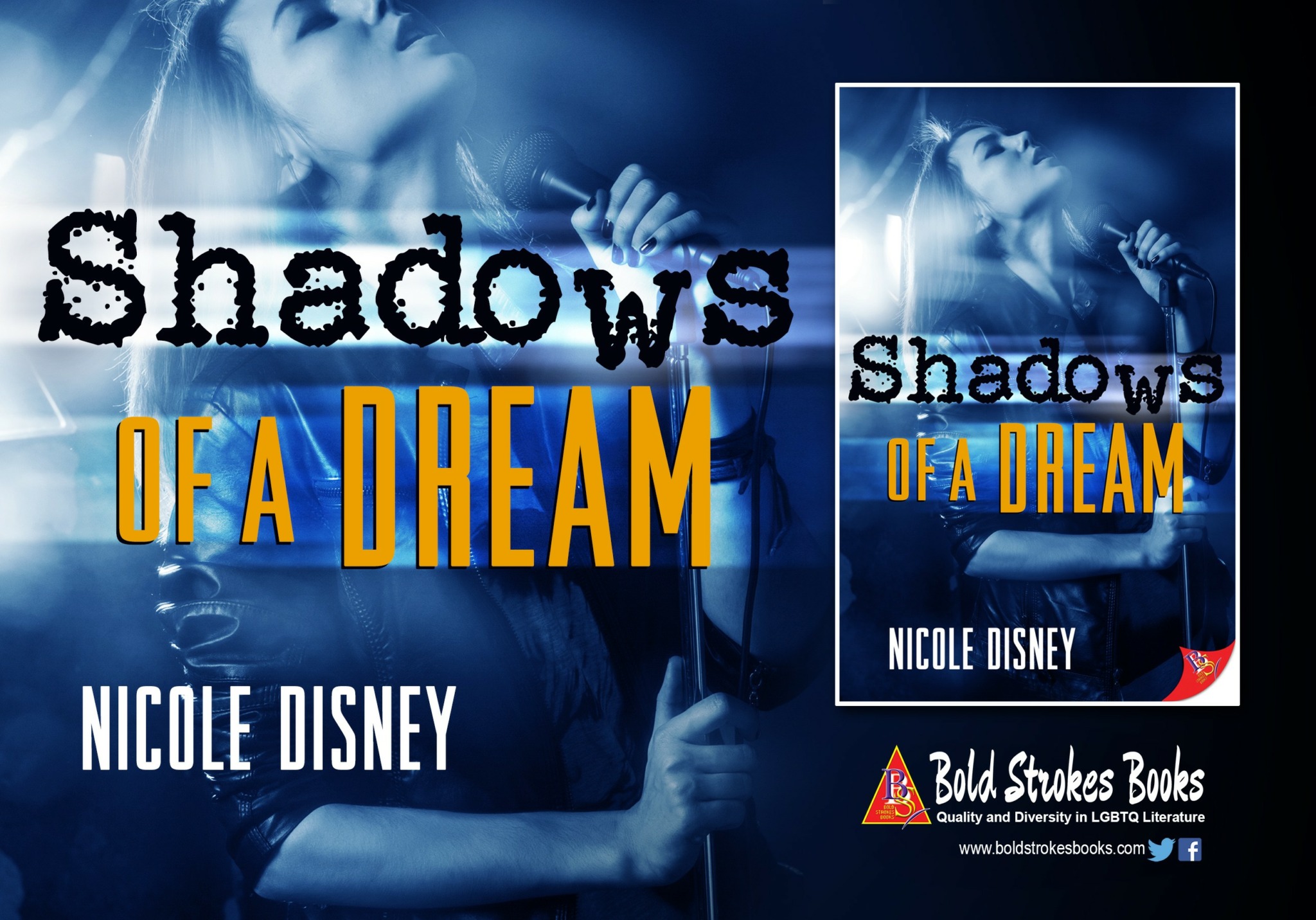
At twenty, I wrote the novel that would eventually become my debut: Dissonance in A Minor. It followed a homeless musician who falls in love with a painter who falls into addiction. I intended it to be visceral and gritty, but what I didn’t expect was that its biggest barrier to publication would be that it centered lesbian characters—a non-event in my naive mind. In a book with graphic drug use, homelessness, broken families, sexual assault, and death, I didn’t expect the objection to be the relatively tame love scenes between two women. That experience pushed me toward the world of LGBTQ+ publishing, which embraced my work as soon as I found it.
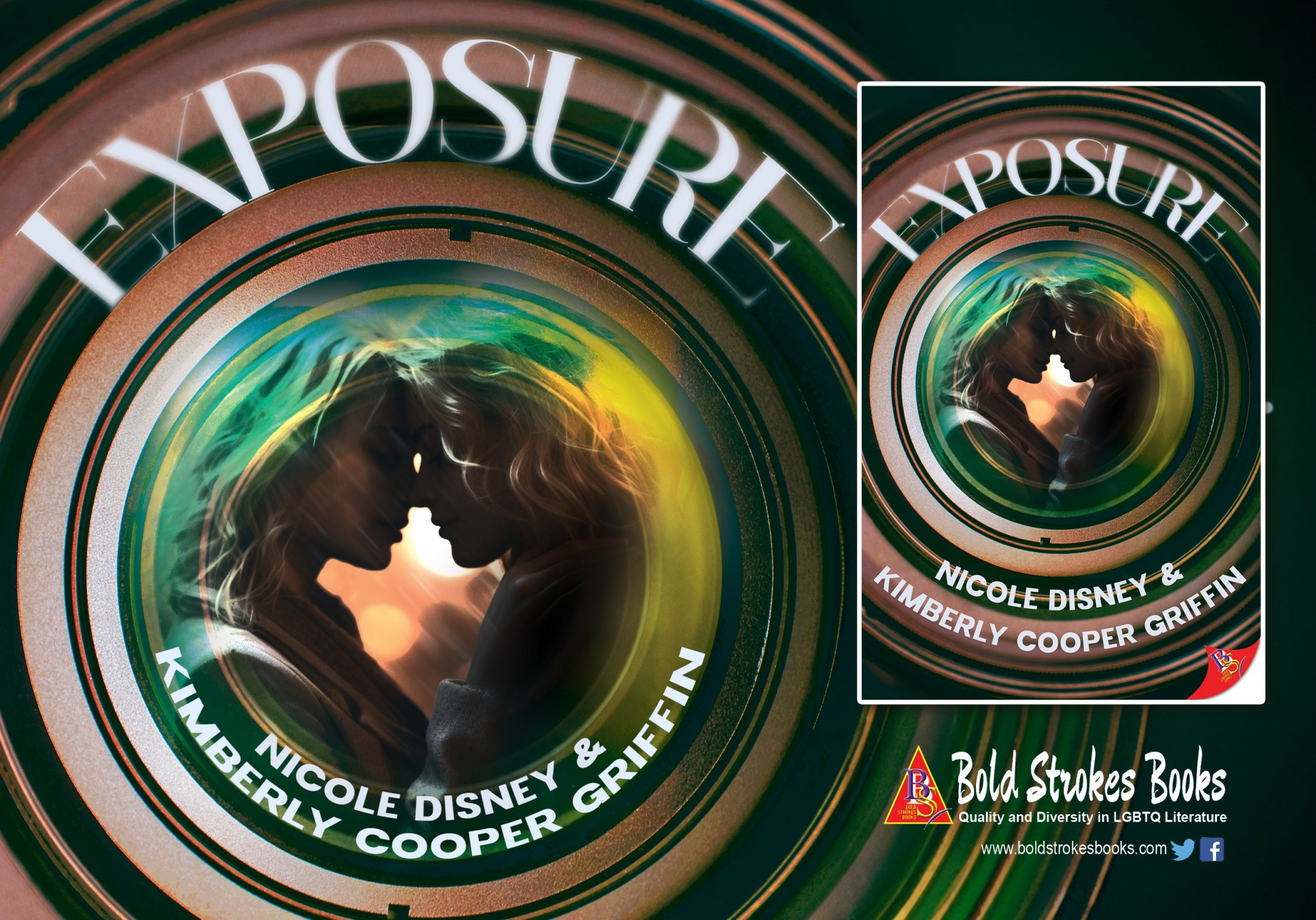
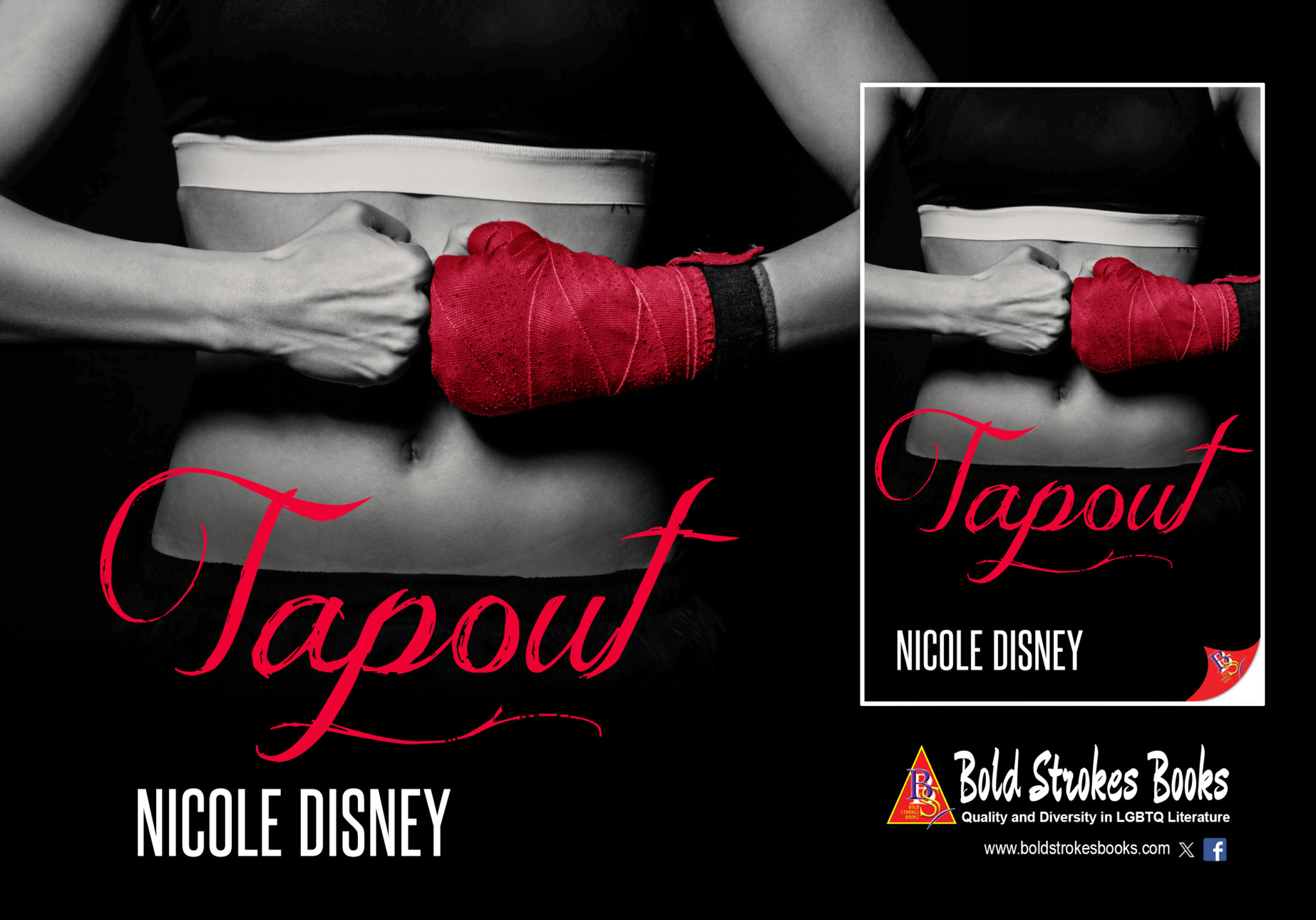
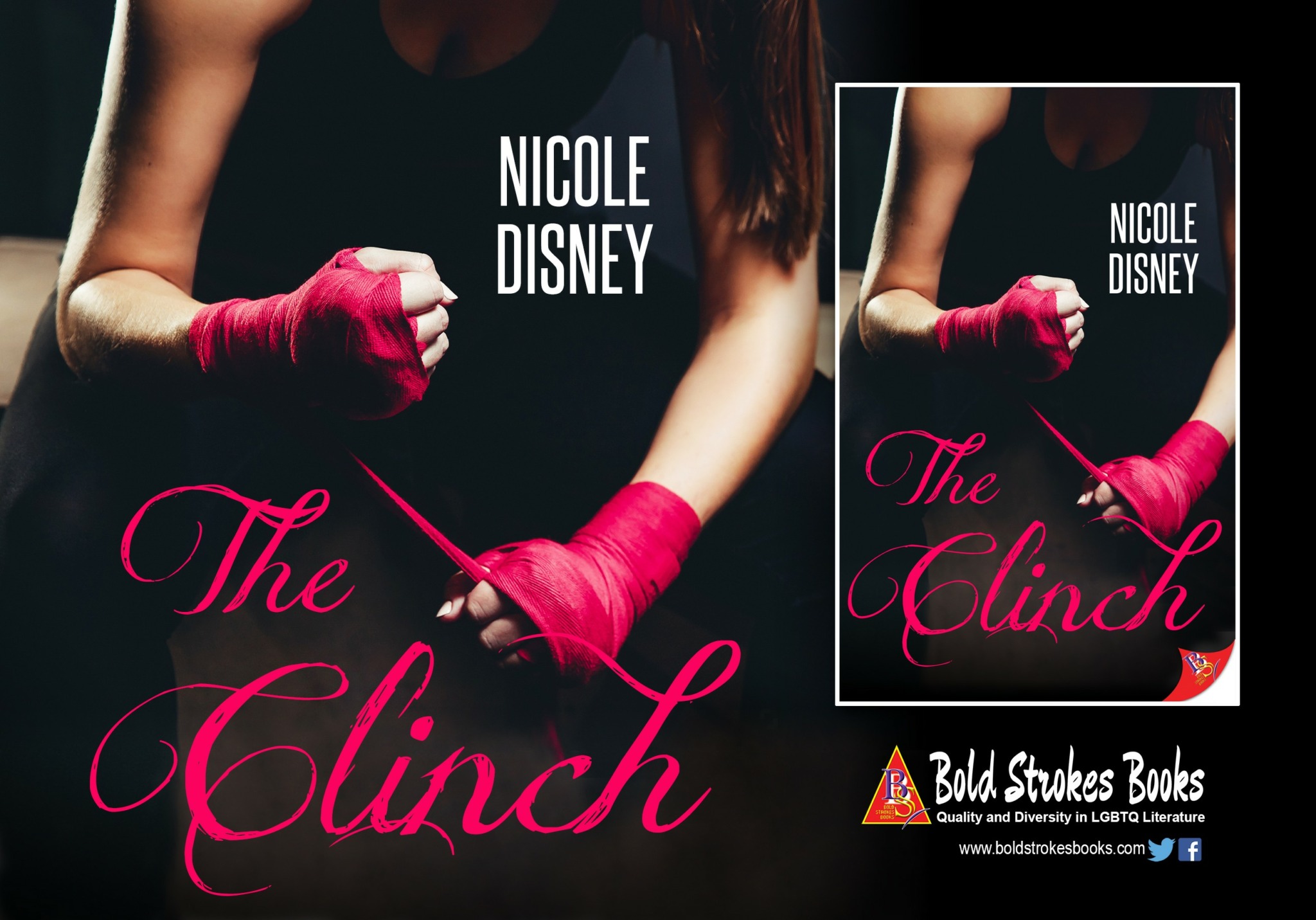
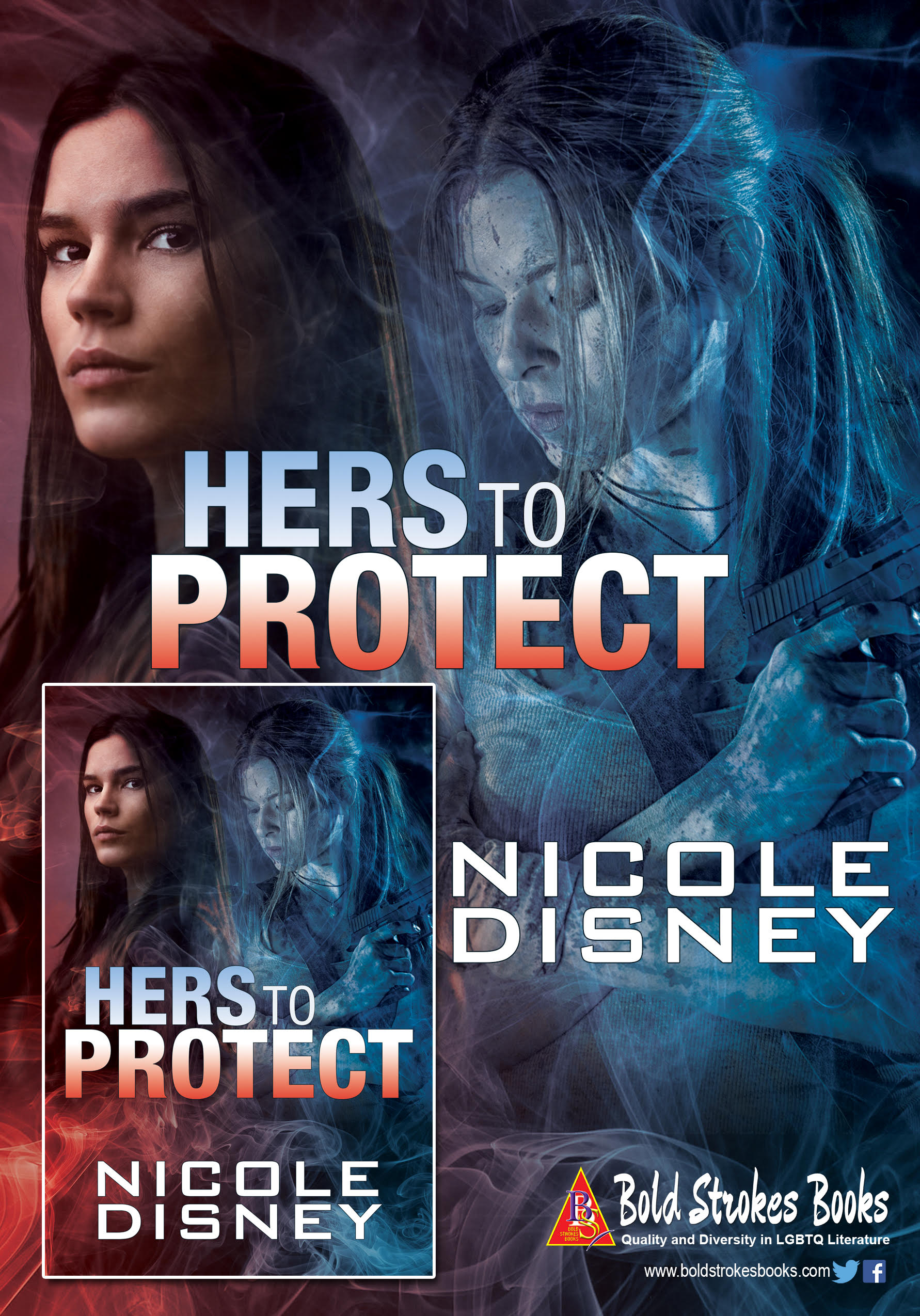
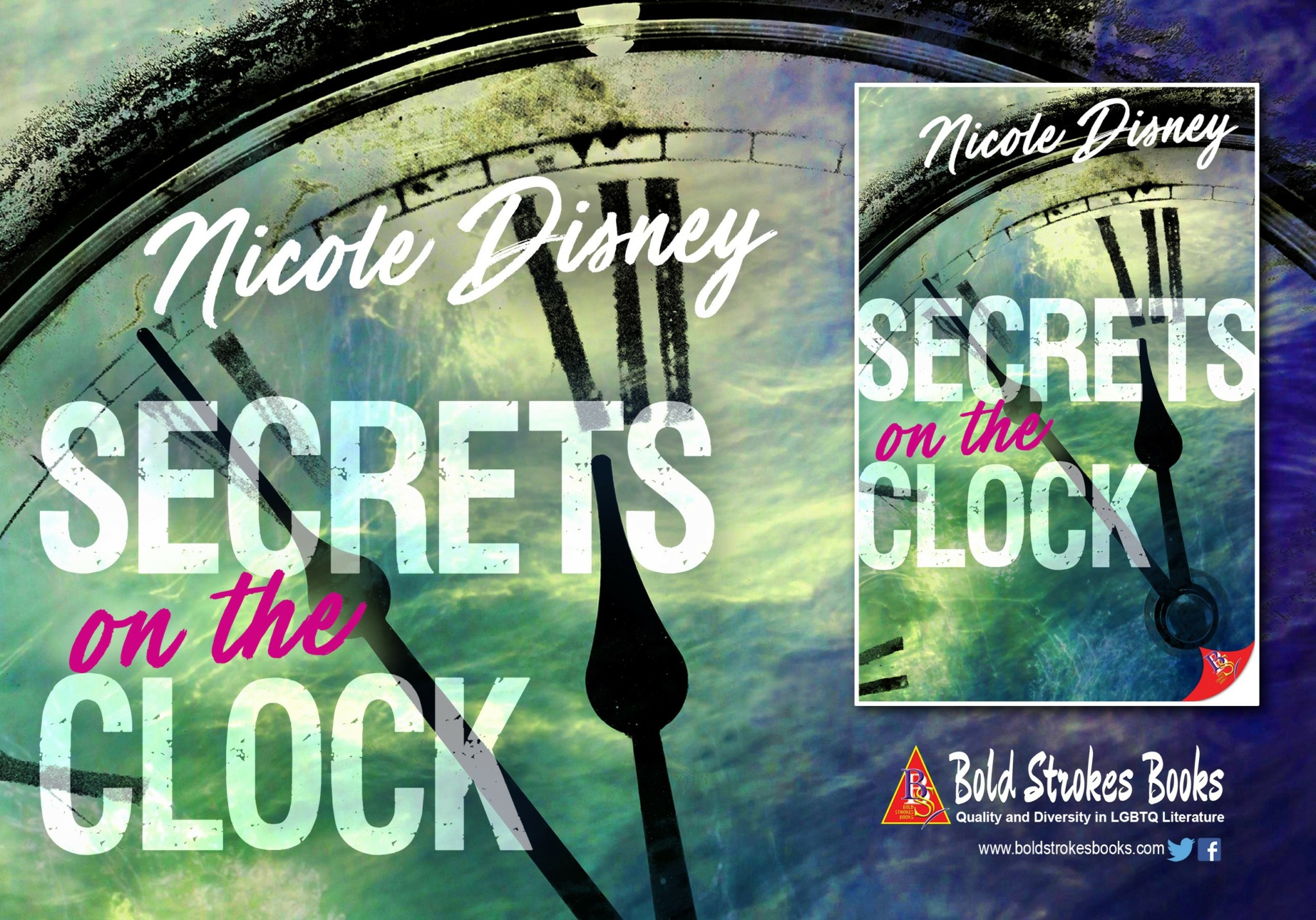
Dissonance in A Minor came out in 2013 with JMS Books and was later republished as Shadows of a Dream with my current publisher, Bold Strokes Books, along with the rest of my titles. I now have six published novels, another forthcoming, and short fiction published or recognized by Writer’s Digest, Fractured Lit, and Santa Barbara Literary Journal. One of my stories was adapted into the short film Tomato Soup by Mori Pictures.
My work spans a wide range of tone and topic. Not all of them are as dark as Dissonance in A Minor, but I try to write them all with the same raw honesty. I follow my characters behind the closed doors we use to hide the things that terrify or shame us. No matter what story I think I’m telling, I always find myself returning to resilience, to chosen family, to redemption, and to meaning. If there’s anything that sets my work apart, I hope it’s that I never look away from the things that break us, and I never lose sight of the ways we put ourselves back together.
For you, what’s the most rewarding aspect of being a creative?
So much of being an artist is being alone. You chase a vision no one else can quite see yet, and even when you’re surrounded by people, part of you is always standing slightly apart. To create is to observe, to hold something back so you can watch the world clearly enough to translate it.
The first part of the job is filling your cup. You do that by living, by seeking experience the way other people seek comfort. Without life, there is no art; without something real to draw from, there is nothing worth saying. The second part is taking that full cup and shaping it into something meaningful. For years, I believed this cycle was the entirety of the creative life: gather, transform, create.
What I didn’t understand until later is that being seen is part of the art itself. I thought publishing was a milestone or a career goal, but I didn’t realize it was also the completion of the artistic circuit. Art isn’t just the thing you make. It’s the feeling that happens between two people when the work lets them see each other without the usual veil between them. Sometimes it’s recognizing a truth they’ve never had words for; sometimes it’s recognizing themselves. The creation is the vehicle, but the connection is the art. And that connection is, by far, the most rewarding part of being an artist.
There are countless geniuses who never share their work, and their art is no less valid. But I’ve come to believe that without a reader, a viewer, a listener, the work can’t fulfill its most beautiful purpose, which is to connect us. To remind us we’re not alone. To let one human being reach another across whatever divides them. That moment of being understood, or helping someone feel understood, is the greatest reward I know.
What do you think is the goal or mission that drives your creative journey?
My creative mission has always been to never look away. To go to the places people fear, hide, deny, or secretly cherish, and sit there long enough to understand them. I try to say the things we’re afraid to admit, name the moments we pretend didn’t hurt, and honor the pieces of ourselves we abandoned on the way to becoming who we are.
I’m endlessly fascinated by the tension between human fragility and relentless survival. I’m always searching for the essential truth beneath the façade, even, or especially, when it doesn’t appear to exist. My work is an attempt to capture the richness threaded through every ordinary moment and every messy life.
The universe is too vast to ever grasp at once, but sometimes a single, honest moment holds everything. Like a woman sitting alone in her car at night, headlights off, hands still on the wheel long after she’s parked, gathering herself before she steps back into her life. In that small pause, we know what it is to live a life that both is and isn’t yours. We feel the battle, the longing, the ache of wanting more than we know how to hold.
Those are the moments I chase, the ones where something unmistakably human, and maybe even universal, flickers through.
Contact Info:
- Website: https://www.nicoledisney.com
- Instagram: https://www.instagram.com/nicoledisneyauthor/
- Facebook: https://www.facebook.com/nicoledisneyauthor
- Other: Tiktok: https://www.tiktok.com/@nicoledisneyauthor