



We’re excited to introduce you to the always interesting and insightful Nick Poppa. We hope you’ll enjoy our conversation with Nick below.
Alright, Nick thanks for taking the time to share your stories and insights with us today. Looking back at internships and apprenticeships can be interesting, because there is so much variety in people’s experiences – and often those experiences inform our own leadership style. Do you have an interesting story from that stage of your career that you can share with us?
When I was just starting out, I had a client who I gave everything to, all the best advice and exercises. I even tried different approaches to bring awareness and commitment to certain aspects however they only seemed to commit to some of the work. Although they were seeing results and in a much better place, I grew a bit frustrated wondering why they weren’t willing to follow through with the rest. It was then that I received one of the best pieces of advice from a mentor: “You can only take a person as far as they are willing to go. Think of it like train stations. There are 6 stops in-between each station from east to west. A client can get on at the furtherest station west and where you’d like them to go is all the way east. Some will get off at the first stop, others the fourth, and you may only have a few that go with you all the way. What matters most is that you gave them everything they needed and you loved and supported them the entire way. Thing is, the first stop may be all that they truly needed. That will be there true east for this time.”
As a coach and someone who loves people and helping them heal/grow to become the healthiest versions of themselves, I have a tendency to care so deeply about where they end up. As much as it is a blessing, it used to lead to a heavy attachment to client outcomes. I can write the best exercise program, give the best lifestyle tips as well as the best mindset advice, however, each client will only go as far as they are willing and able. What they need could simply be just breathing better consistently, drinking more water, or maybe just moving on a regular basis. That could be enough to change their lives and my work is done there. Although deeper considerations could be pursued such as managing an exercise program in a bespoke way to facilitate deep postural, mobility, and strength changes long term, understanding their own metabolic diet type or cultivating a reflective and restorative practice to see where they can grow/understand themselves and their life. Truth is, all that really matters, is I gave them exactly what they needed, regardless of the depth. They are happy, pain free, healthier then before and got exactly what they needed. They got off at their stop.
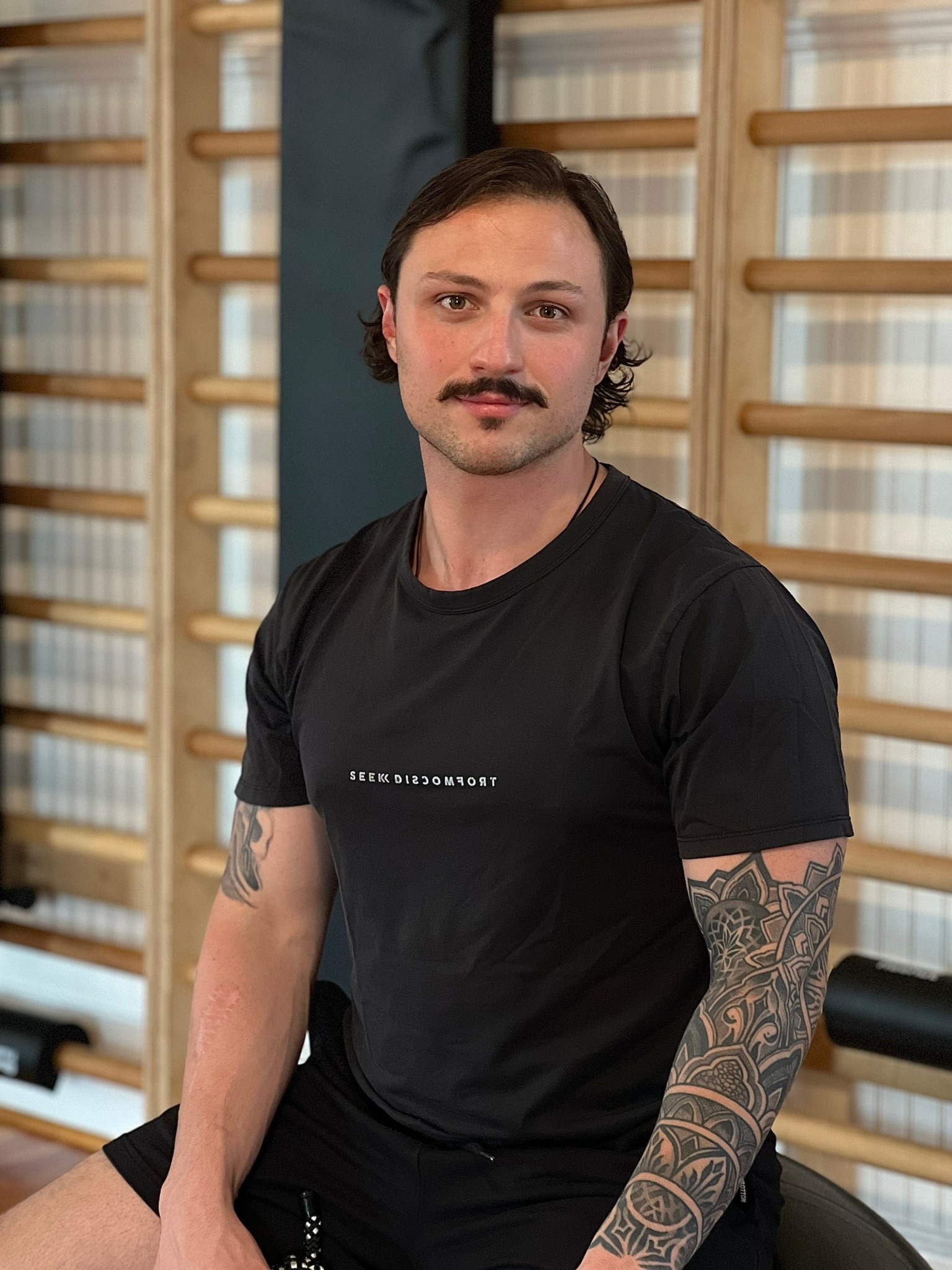
Great, appreciate you sharing that with us. Before we ask you to share more of your insights, can you take a moment to introduce yourself and how you got to where you are today to our readers.
Long story short, I developed my business, FLOW Rewired, out of my own healing journey. I suffered from chronic pain, injuries, IBS as well as living a life devoid of purpose and meaning. Yielding little results from conventional methods, I came to the conclusion I must empower myself and take charge of my own health and life. That is exactly what I did.
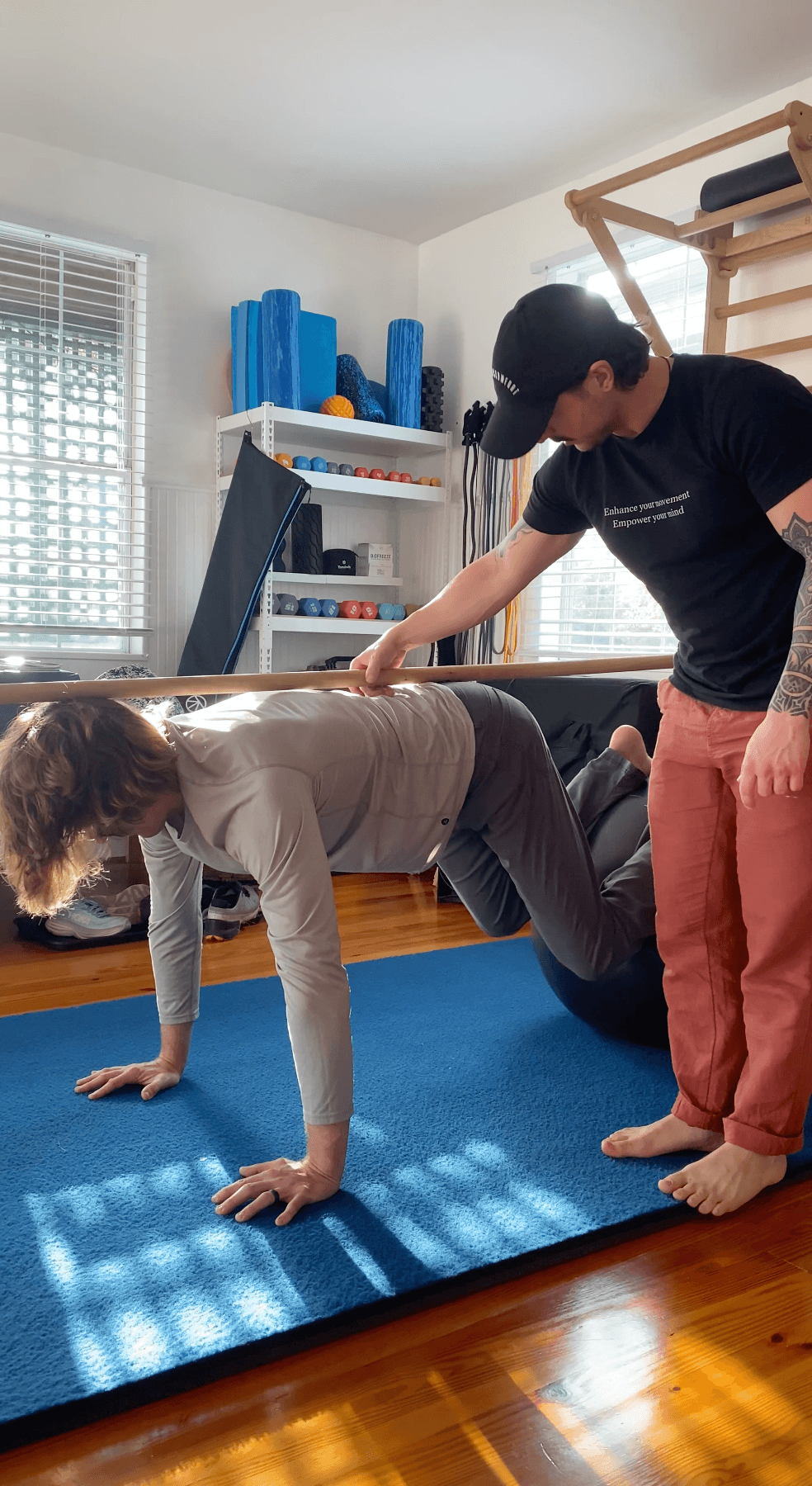
Following came the birth FLOW Rewired. A means for me to help others who struggle in the same way, looking for the same opportunity, to empower themselves and take charge of their own health, body, and life. Primarily bridging the gap between rehabilitation and fitness, I guide clients to have more consistent energy, experience pain-free movement with a renewed sense of confidence and happiness. With mindset shifts to a more positive outlook, and an increased engagement in their work and relationships.
What’s a lesson you had to unlearn and what’s the backstory?
Not everything needs to be done by the books.
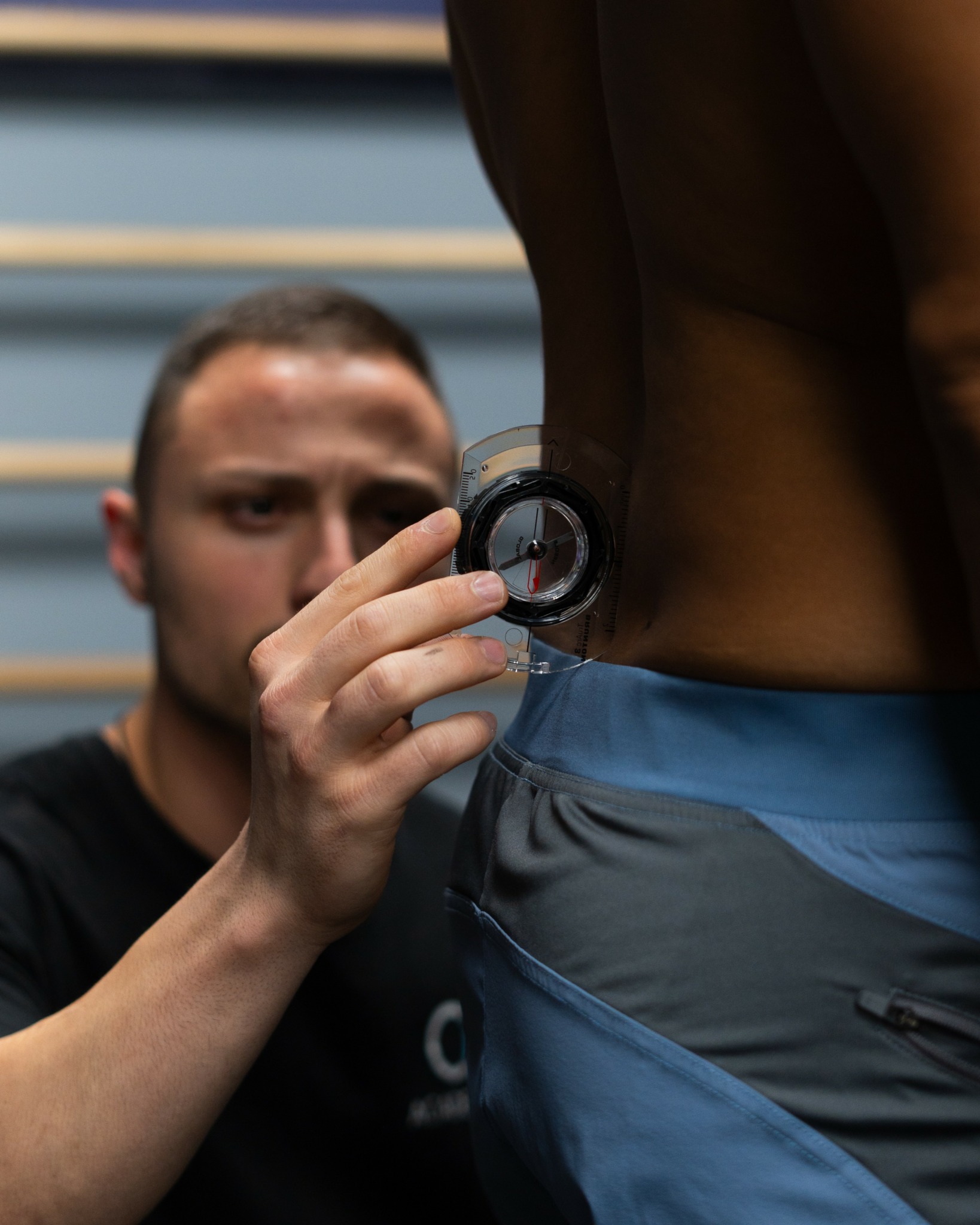
What I learned in my academy is that posture must always be addressed first, at least from an exercise standpoint. I still do not disagree, it is a necessity from an injury prevention point of view as well as rehabilitation point of view. However, when I first start working with clients, I lost a few due to this. It wasn’t because my implementation wasn’t effective or a poor coach, rather I tried to perfect every piece of their posture and mobility. I kept them in a stage of training that was isolated to only that. The optimal numbers for an assessment standard are there for a general reference point and it can tell me a lot but in reality, the vast majority of people will not be reaching those numbers and the best place to get them is to their best posture.
Do you think you’d choose a different profession or specialty if you were starting now?
Absolutely. Everything about becoming and being a CHEK Practitioner has been nothing short of amazing and the education, tools, etc. are so comprehensive. That’s what I love most, being able to meet people where they’re at and have the opportunity to critically think in order to provide the best service possible.
Contact Info:
- Website: https://www.flowrewired.com
- Instagram: https://www.instagram.com/brotherholistic/
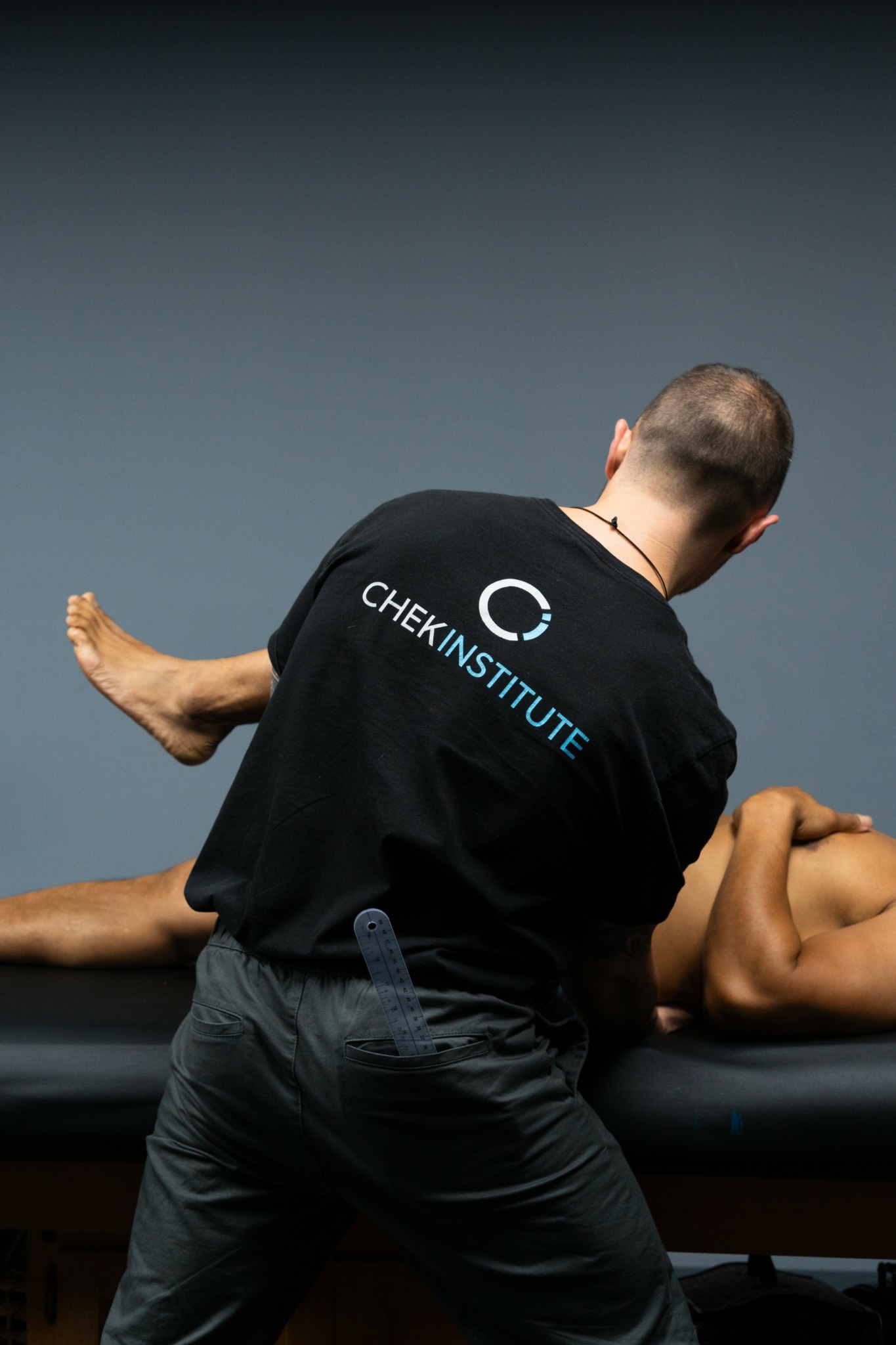
Image Credits
Oliver Meredith – Moments and Tides