
We caught up with the brilliant and insightful Nicholas Buggs a few weeks ago and have shared our conversation below.
Nicholas, thanks for taking the time to share your stories with us today We’d love to hear about the things you feel your parents did right and how those things have impacted your career and life.
That’s a really good question. In fact, I don’t think anyone has ever asked me that before. When it comes to my parents’ impact on my choosing a creative career, I’d have to say that the primary thing they did right was exposing me to a wide spectrum of art and to people from a wide array of backgrounds. That seemingly simple act allowed me to appreciate art in all its forms regardless of genre, origin, or medium and helped me to empathize with the people behind the art.
As a kid, I would listen to all sorts of music including country, rock, pop, rap, classical, folk, jazz, and more. My movie selections included all of the popular films in the US as well as foreign films none of my friends had ever heard of. Living in a world of art unbound by popular culture opened my mind to all sorts of creative possibilities. Because of this, I can say that I’m a poet, an author, a film producer, a podcast host, an artist, and even a former saxophonist. Though my parents never urged me to pursue a creative career, they never stifled my creativity. In fact, they did quite the opposite.
Nicholas, before we move on to more of these sorts of questions, can you take some time to bring our readers up to speed on you and what you do?
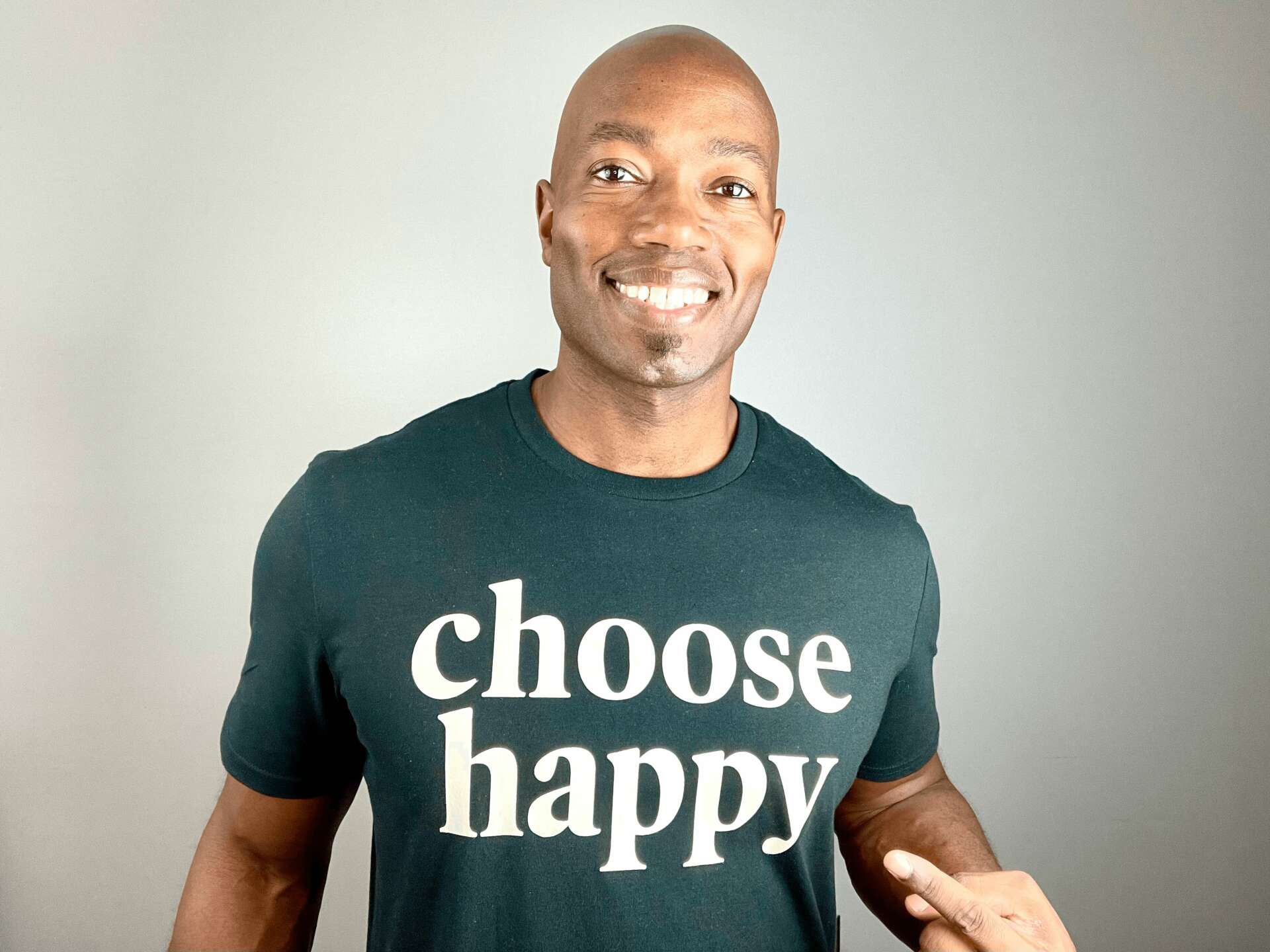
I’m not one to talk much about myself because I’m a natural introvert, but what I’ve come to learn is that, in order for me to be of service to others, I have to put that introversion aside and step out from behind the curtain. I guess that’s the main thing people should know about me. My parents named me Nicholas and it’s a name I don’t take lightly. In Greek, it means ‘Victory of the People’ and I own that through and through. That feeling isn’t what brought me to film, but it certainly is what got me into doing what I’m doing now.
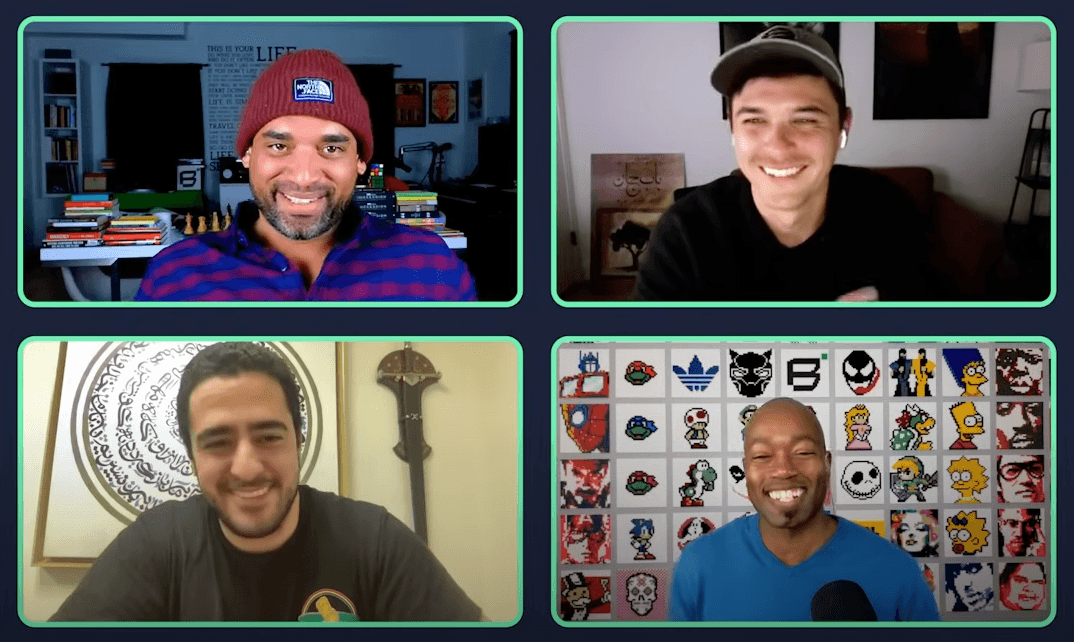
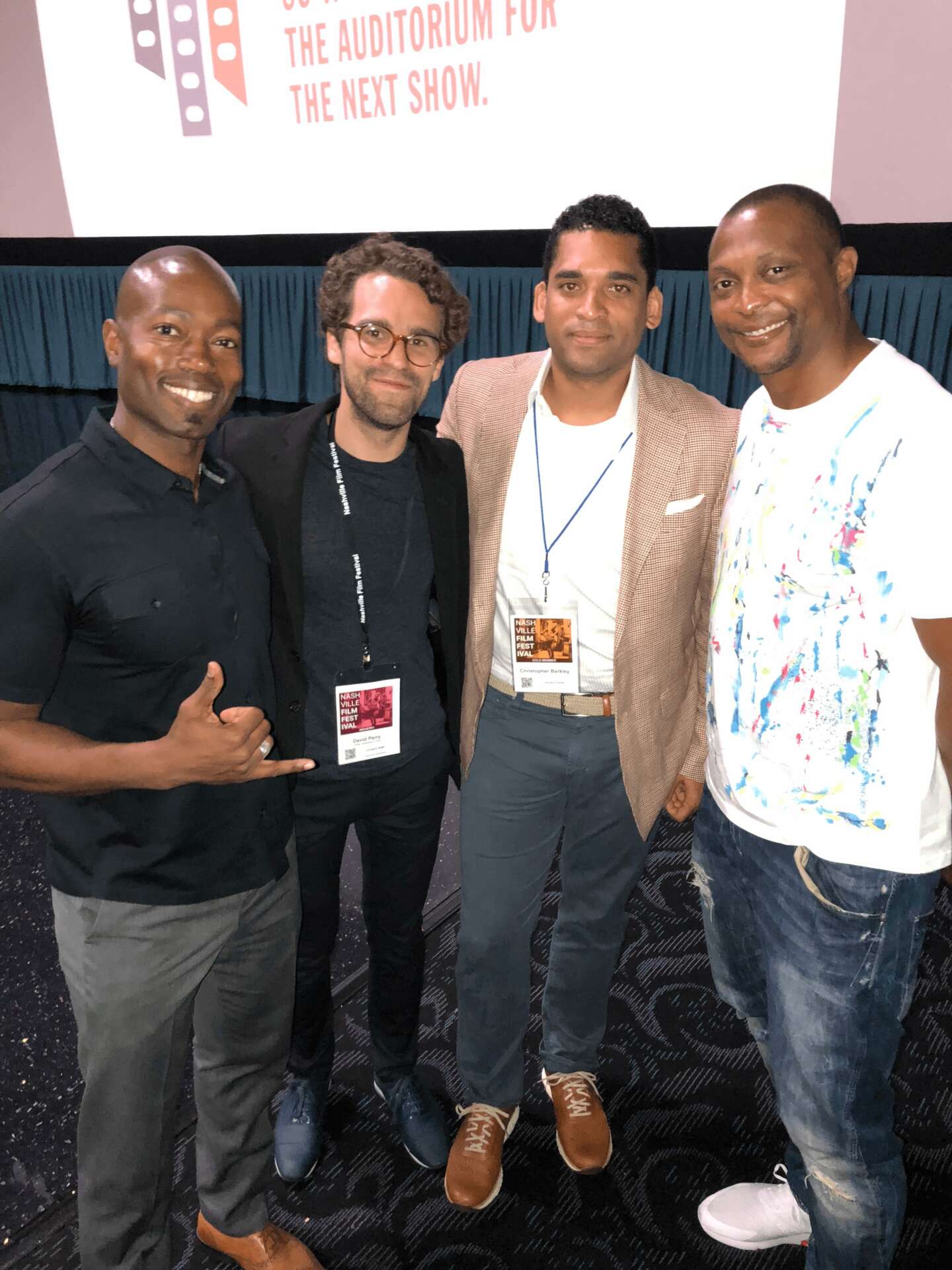
The real backstory is that my best friend Chris and I had a shared dream to find a way to collaborate on our creativity. After doing some soul searching and leveraging the process of elimination, we decided to get involved in helping to produce a few local indie films. Let me just say that that was certainly a learning experience for both of us and what we learned were the joys and the pitfalls of being indie filmmakers.
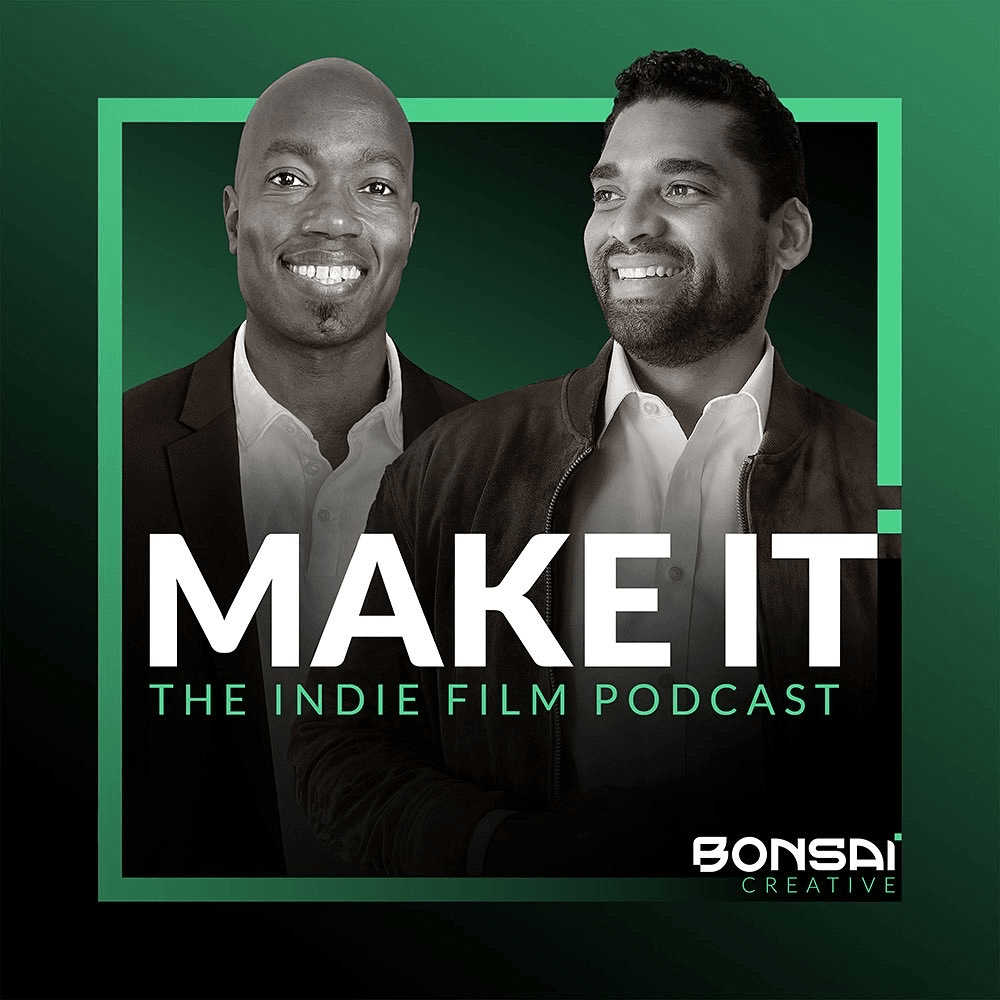
One of the most difficult things about being an indie filmmaker is that it’s hard to find success if you’re depending on someone else to help you make it. There are a lot of charlatans out there looking to profit off you, not with you, and it can be difficult to avoid obstacles you weren’t taught to expect. This is the origin of the MAKE IT podcast.
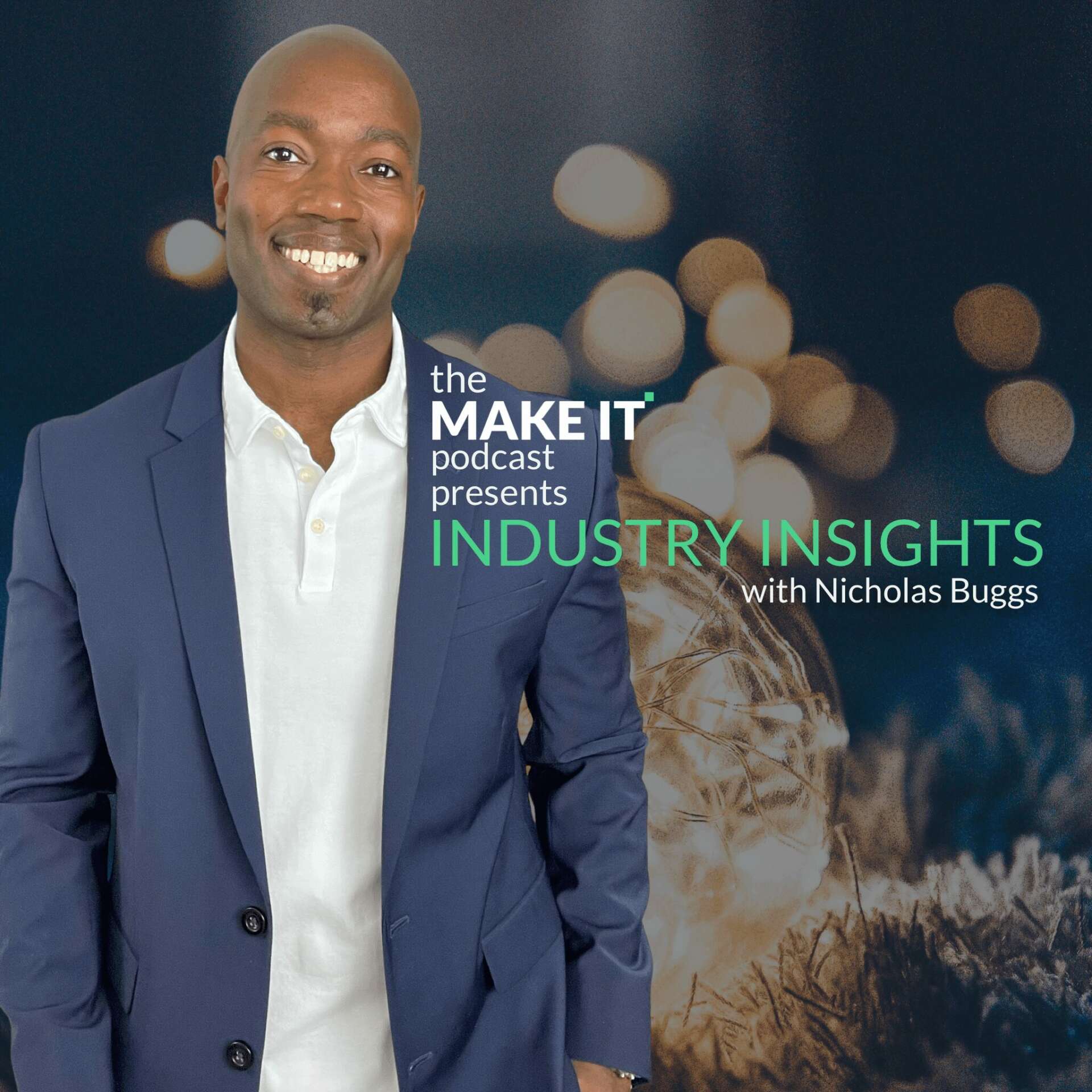
Chris and I wanted to share our stories and the stories of other filmmakers with the community at large. We wanted to create a platform where filmmakers and professionals from across the industry could share their advice, insights, experiences, and perspectives so that everyone in earshot could benefit. We also wanted to give filmmakers a platform and service to share their films with the world because marketing is usually the last thing on a filmmaker’s mind despite the fact that marketing sells movies.
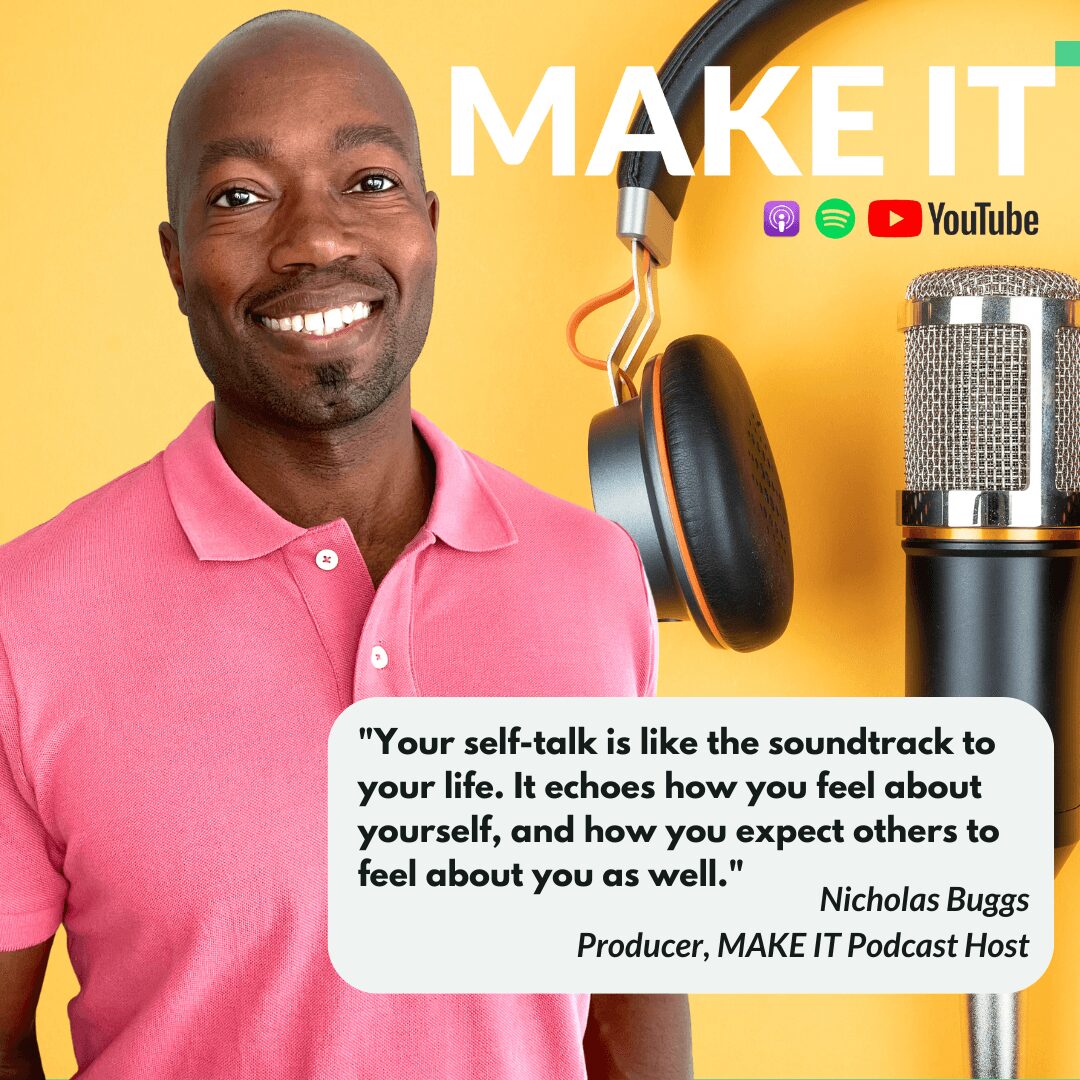
Since we started the MAKE IT podcast in 2018, we’ve published over 380 episodes, reached 20th in the US, UK, and Canada for film interview podcasts, and have maintained five star ratings on all of the major podcast platforms. This year, we’ve made a strong push onto YouTube for video distribution and I’m happy to say that we’re at 56,000 subscribers and counting!
At the MAKE IT podcast, our three principles are “Be Better. Be Creative. Be Engaged.” These are the principles we live by and they embody everything we bring to the table. We’re all about education, artistic expression, and community. We hope our audience feels that with each and every episode and that they carry that spirit with them every day.
What can society do to ensure an environment that’s helpful to artists and creatives?
A thriving creative ecosystem is dependent upon an audience that is interested in real, authentic, human voices and the desire to cultivate homegrown, local artists. You often hear moviegoers complain about tentpole movies and the continued rehashing of popular characters. They lament seeing the same stories repackaged and yet, they don’t seem to want to look away.
If society is serious about wanting something new, something off the beaten path, independent film is the answer. Society needs to put their money where their mouth is and invest their time and money in creativity beyond the walls of Hollywood. There is so much great content out there that deserves to be seen and so many great filmmakers out there who deserve a chance to make their second, third, and fourth films.
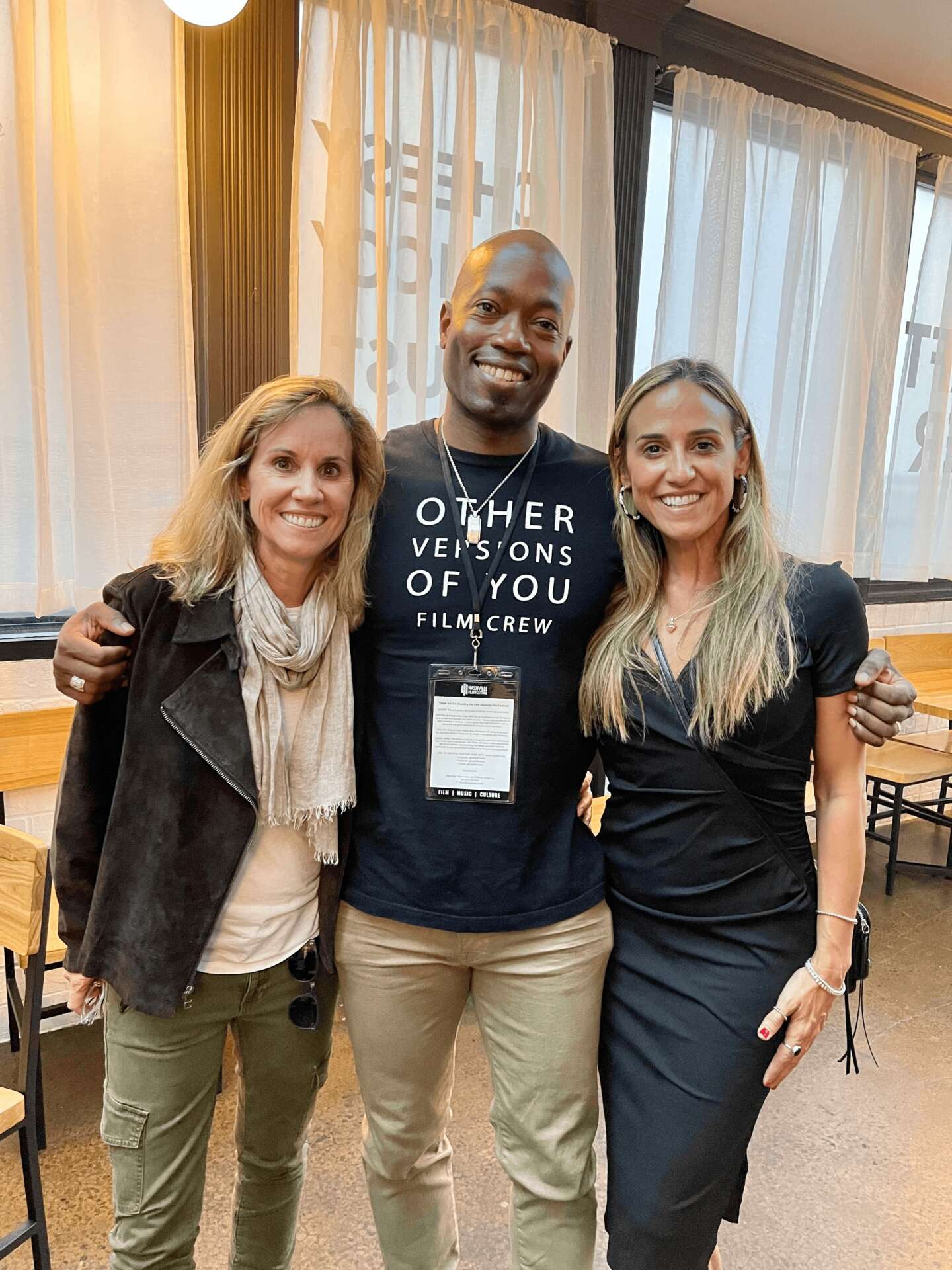
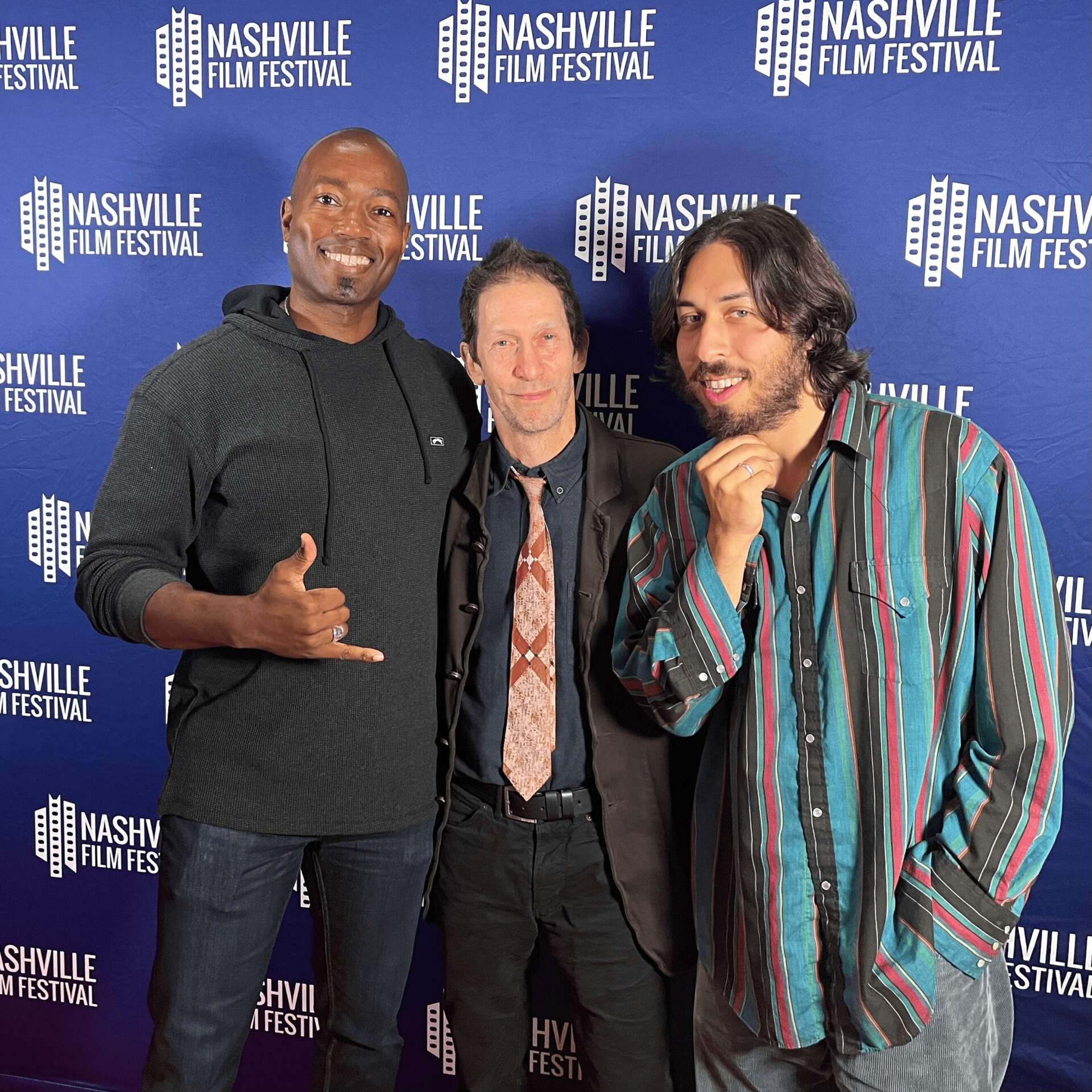
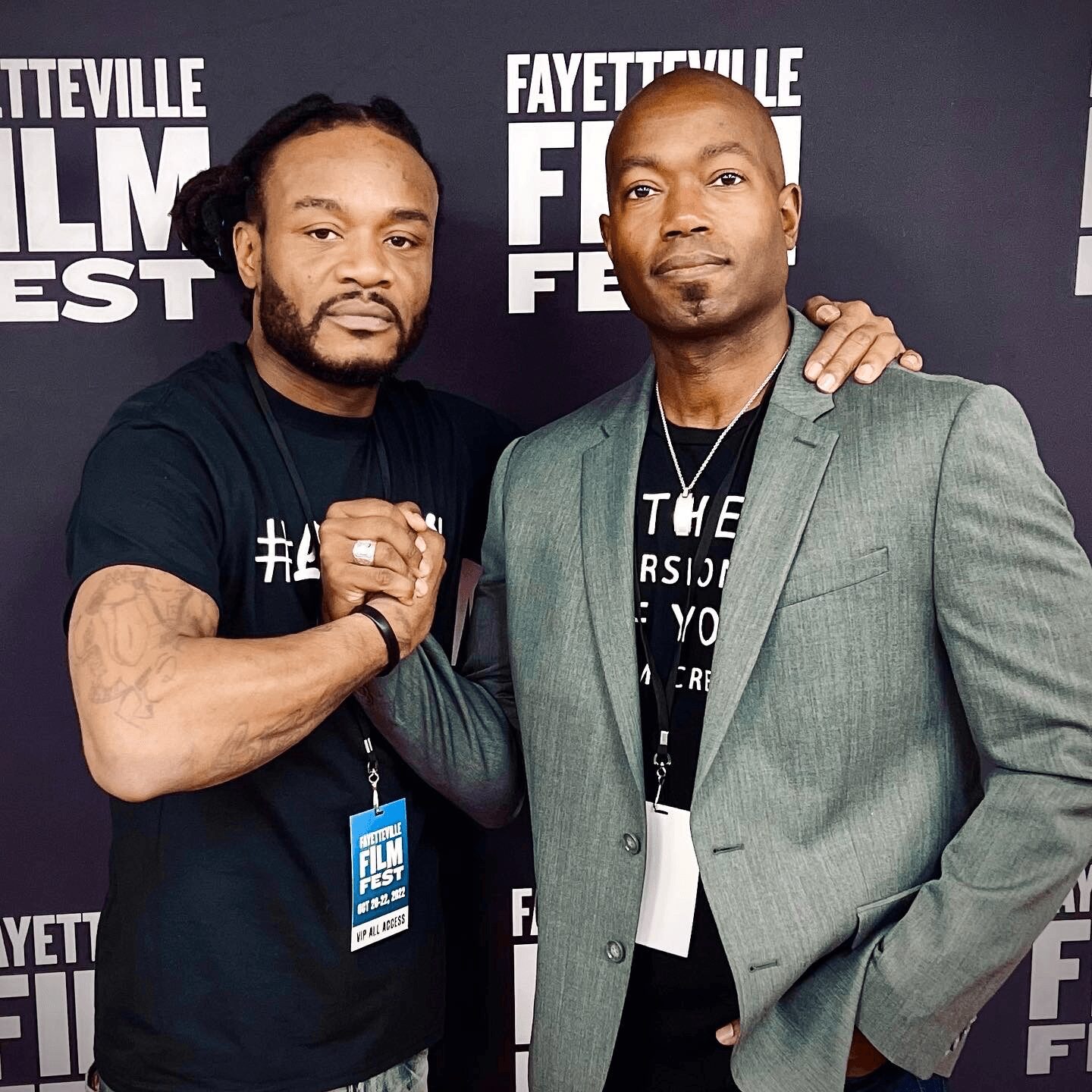
I invite anyone reading this to attend their local film festivals and revel in the amazing artistry of filmmakers whose names may never be cast in lights, but who can change your relationship with film itself. Become part of the community and find a filmmaker whose work you love and ask how you can contribute to their next film. Make film more than fleeting entertainment. Become a part of the creative process and you will always be satisfied by what you see.
Society can change its relationship with art by becoming part of the community that creates it. Hollywood is full of gilded walls and gatekeepers. Independent film is standing in front of us all with its arms wide open.
Is there something you think non-creatives will struggle to understand about your journey as a creative?
I believe that everyone is a creative. The trick is in finding the best expression of that creativity. You’ll often hear that most things can be considered both art and science and I truly believe that. The art is what draws upon our creative spirit.
With that said, the first thing that is important to know about people who pursue creative careers is that, more often than not, they are drawn to do so. There is an innate desire to create that often supersedes even the most basic and fundamental of needs. To choose a creative career is to chase self-actualization (the pinnacle of Maslow’s Hierarchy of Needs), not the security that may be provided by a “normal” job.
The second thing to know about creatives, or at least to remind yourself, is that everyone needs them. Though it may be difficult for a “non-creative” to fathom leaving stability behind to pursue their creative passions, it would be equally as difficult for them to imagine a world without art. So, knowing how hard it is to make it as a creative while at the same time wanting to live in a world filled with art, “non-creatives” should serve as the benefactors of those who take the risk to bring magic into this world. As they say, you get out what you put in.
Contact Info:
- Website: https://www.bonsai.film
- Instagram: https://www.instagram.com/theycallmemisterbuggs/
- Twitter: @_themakeitpodcast
- Youtube: https://www.youtube.com/@makeitpodcast
- Other: Apple Podcasts: https://podcasts.apple.com/us/podcast/the-make-it-podcast/id1406156285
Spotify: https://open.spotify.com/show/3lloxKH7dGYIqrLgUAkBU4