

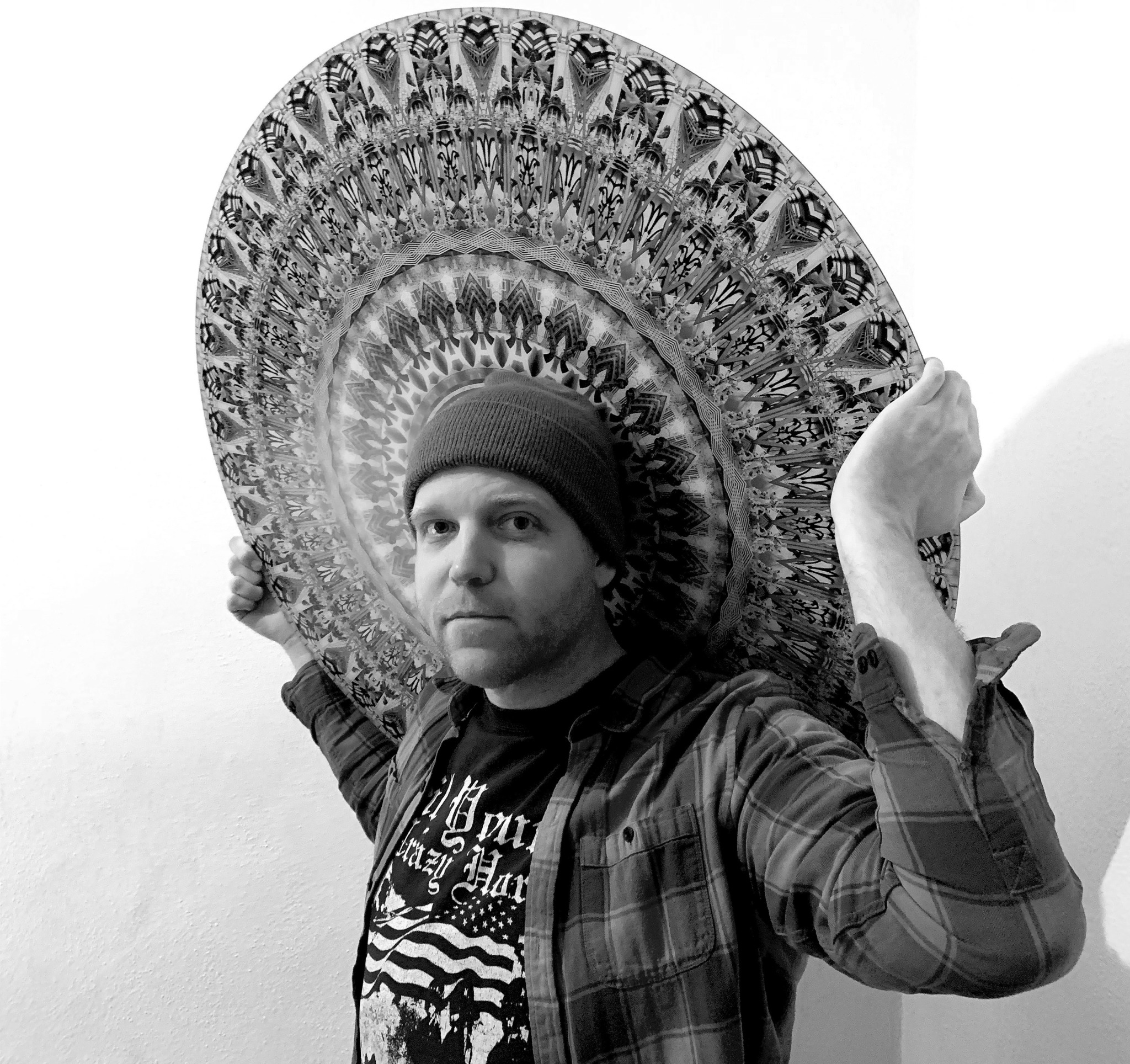

We were lucky to catch up with Neal Peterson recently and have shared our conversation below.
Neal, thanks for joining us, excited to have you contributing your stories and insights. What’s been the most meaningful project you’ve worked on?
The most meaningful project (so far) has been my Urban Mandalas series. I started it in 2015 after spending 18 months travel-hacking through 16 countries. I was photographing cities obsessively—architecture, graffiti, people, vegetation—and realized I could layer those fragments into large kaleidoscopic mandalas. The form came from Buddhist art I’d studied, but the content was pure contemporary city life.
Awesome – so before we get into the rest of our questions, can you briefly introduce yourself to our readers.
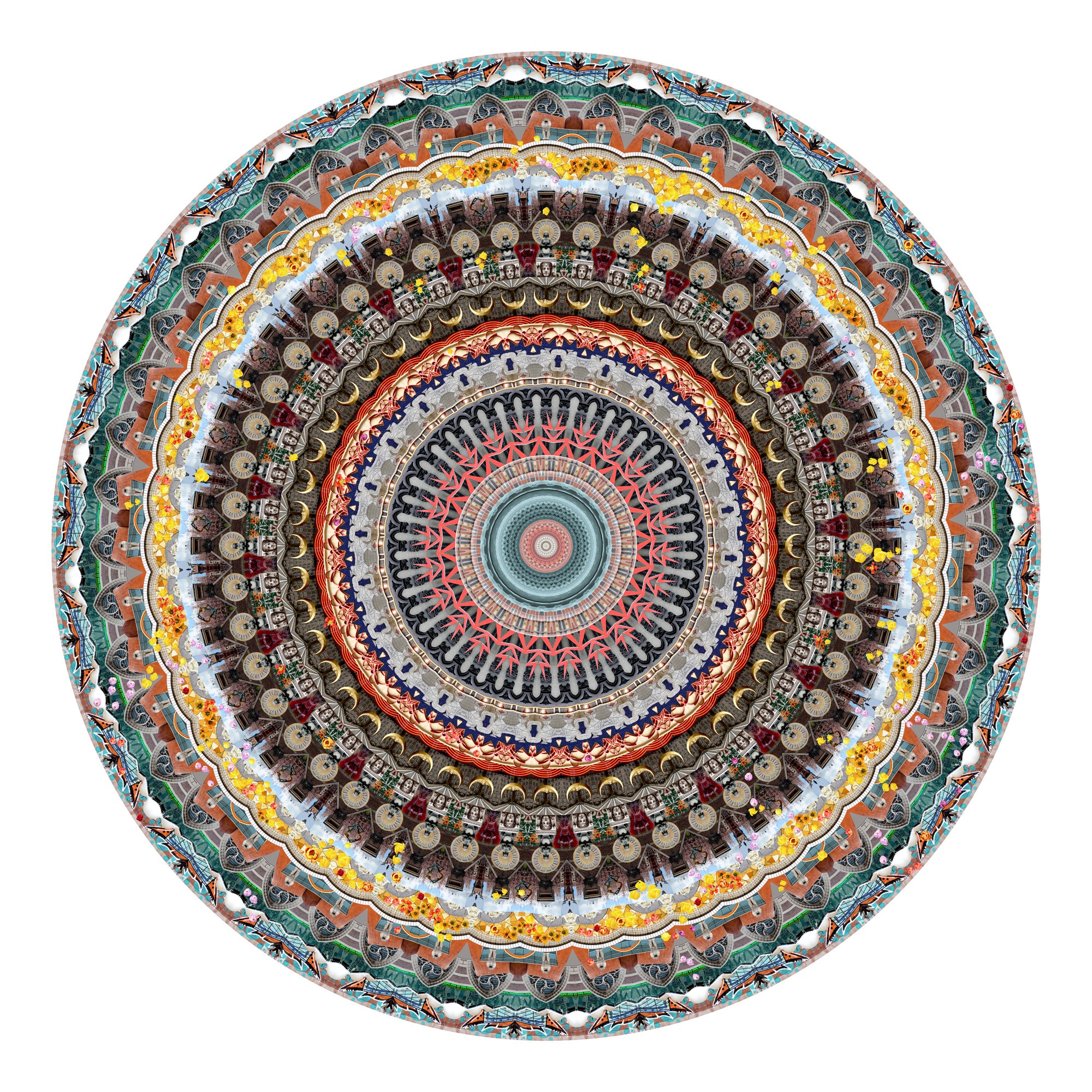
I’m a visual artist based in Santa Fe, NM (via Minneapolis, MN). My work centers on large-scale photo collages I call Urban Mandalas — intricate, circular compositions built from hundreds of street photographs I take in cities around the world.
I grew up in North Dakota and studied graphic design and art at Minnesota State University Moorhead and the University of Minnesota Duluth, where I earned my MFA. I later completed an MA in New Media at East Tennessee State University.
During that time I was photographing constantly. When I returned, I started layering those images into mandala forms. The structure comes from traditional Buddhist mandalas I’ve always been drawn to, but the content is completely contemporary — architecture, graffiti, signage, vegetation, and people from places like New York, Paris, Amsterdam, and Paris.
What I create are high-resolution digital mandalas that exist as fine art prints, and have also been produced as large-scale carpets from the Netherlands-based design company, Moooi. I also make a parallel National Parks series that applies the same collage approach to natural landscapes as a counterpoint to the dense urban work. Clients and collectors come to me for original pieces, commissions, and licensing. What sets the work apart is the way it treats a city (or a landscape) as a single living organism — every fragment matters, and the circular form reveals patterns and connections that aren’t visible in a straight photograph.
What I want people to know is that these pieces aren’t just decorative patterns. They’re meditations on impermanence, connectivity, and the hidden order inside chaos. Whether someone collects a print or sees the work in a magazine, I hope it gives them a fresh way of looking at the places they live and travel through.
Are there any books, videos, essays or other resources that have significantly impacted your management and entrepreneurial thinking and philosophy?
Two books have shaped how I think about showing up for the work and staying connected to it.
Steven Pressfield’s “The War of Art” was a game-changer. The concept of Resistance — that internal force that tells you to procrastinate, doubt, or do anything except create. It gave me a practical framework for treating creative work like a professional discipline rather than waiting for inspiration. I come back to it whenever I feel the pull to avoid the studio.
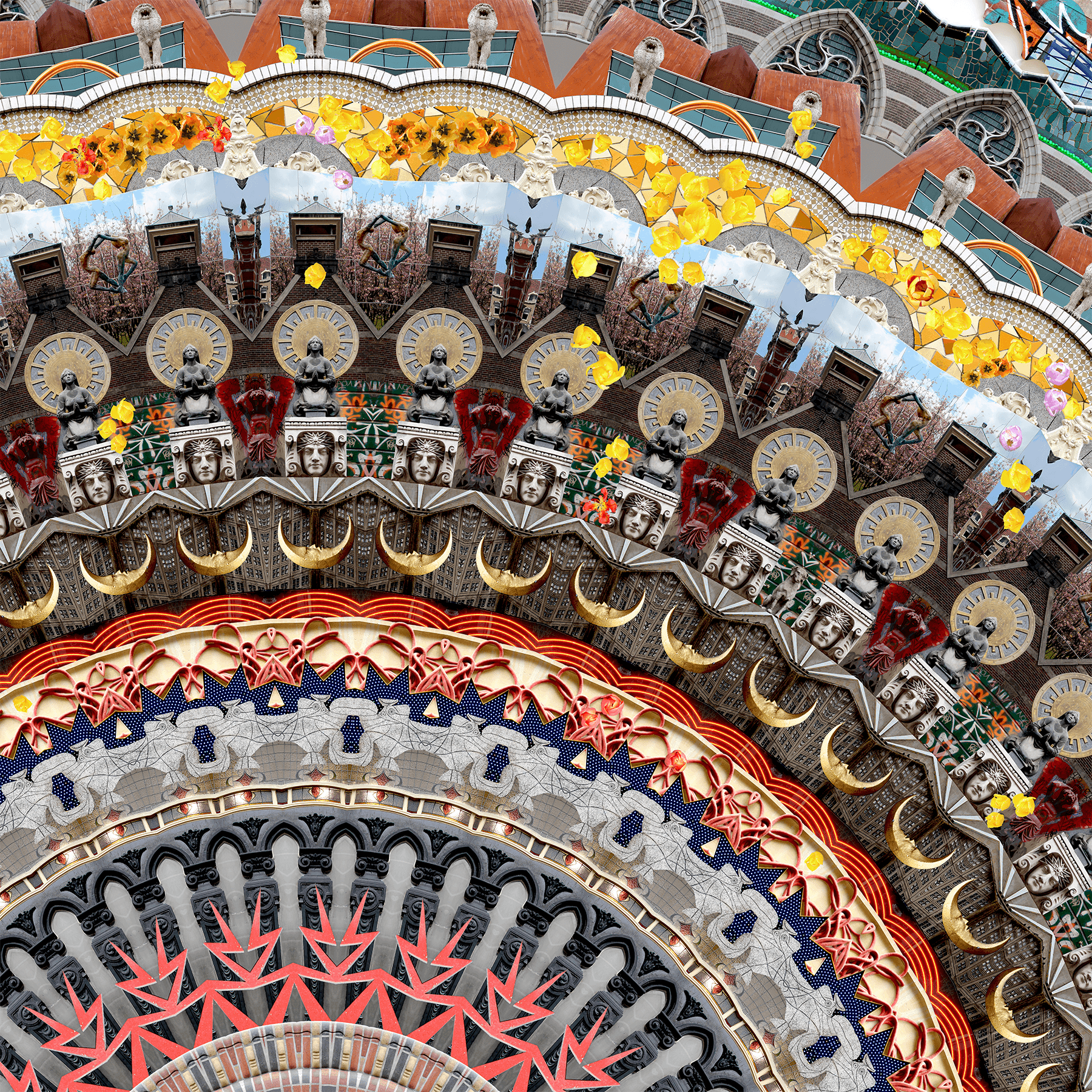
Rick Rubin’s “The Creative Act” has been equally powerful, but in a different way. Rubin has this rare ability to talk about creativity in both very practical, almost technical terms and in deeply spiritual, metaphysical language at the same time. That balance resonates with how I approach my Urban Mandalas — the technical process of layering hundreds of photographs into precise circular compositions, and the larger philosophical intention behind them. As a musician, in addition to my visual art, his ideas also influence how I think about songwriting, production, and performance. The book helps me trust the intuitive parts of the process without abandoning structure.
Together they keep me grounded in the daily act of making while reminding me there’s something bigger underneath the work.
For you, what’s the most rewarding aspect of being a creative?
The most rewarding part is the act of bringing something into existence that didn’t exist before.
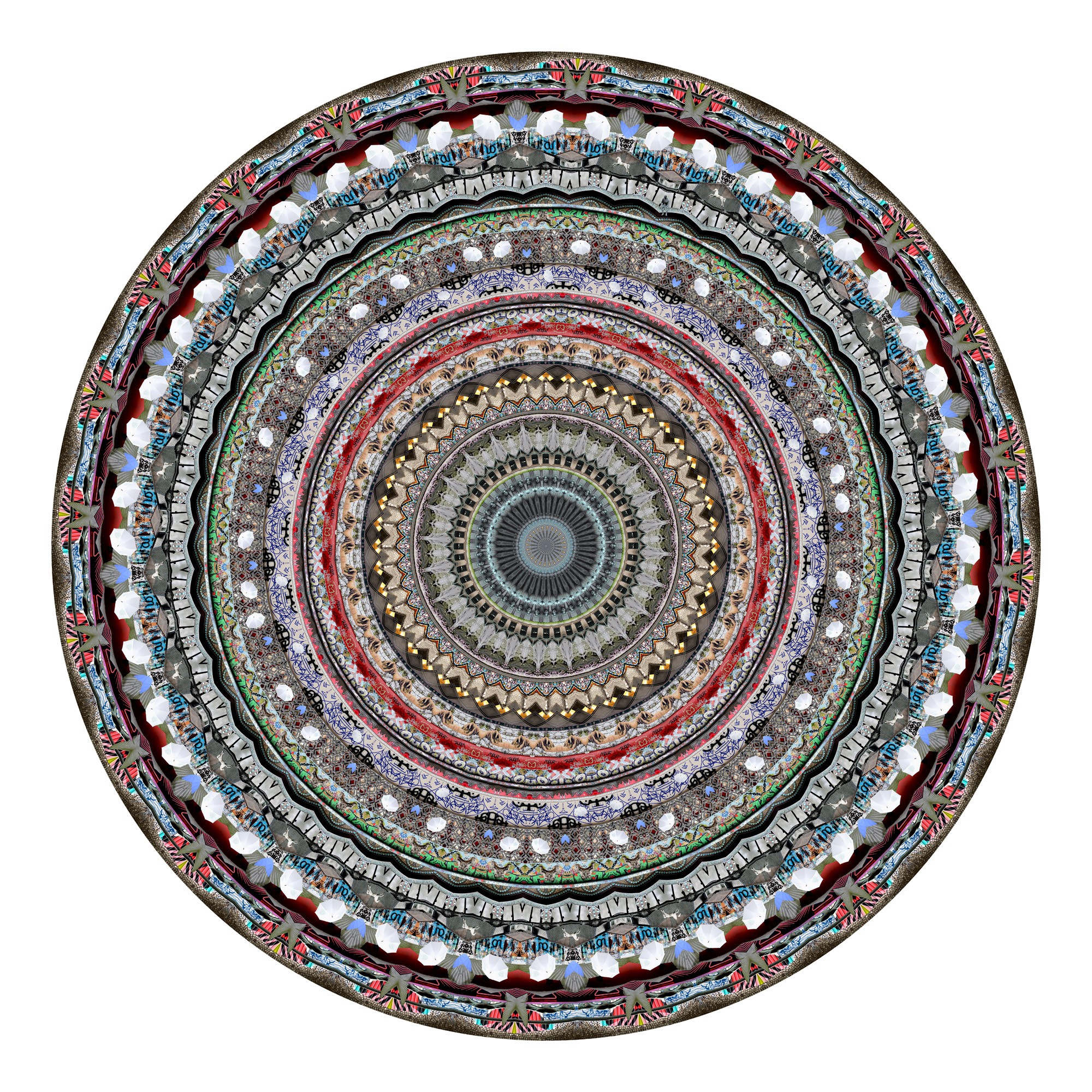
Every Urban Mandala starts as hundreds of separate photographs — fragments of buildings, signs, people, light, and texture. When I combine them into a single circular image, something new appears. That moment of emergence never gets old.
What makes it even more meaningful is knowing the work can outlive me. I like the idea that someone I’ll never meet, maybe decades or centuries from now, might stand in front of one of these pieces and feel something — curiosity, calm, connection. It doesn’t have to be famous or in a museum. Even a single print that ends up in someone’s home or a the corner of a building carries that possibility. The fact that I can make something that might still be speaking to people long after I’m gone is the deepest reward.
Contact Info:
- Website: http://www.nealpeterson.com
- Instagram: http://www.instagram.com/nealpetersondotcom
- Facebook: http://www.facebook.com/nealpetersondotcom
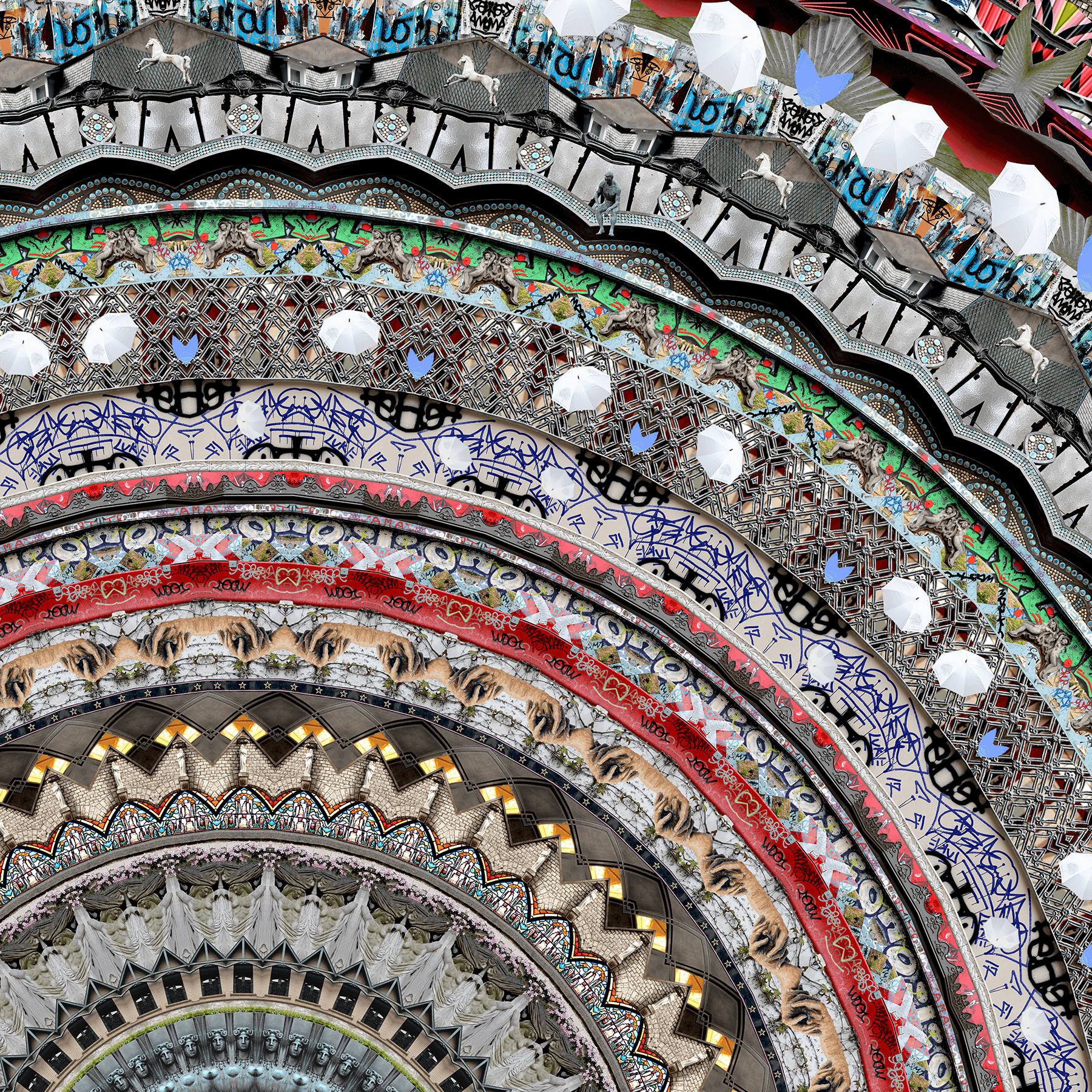
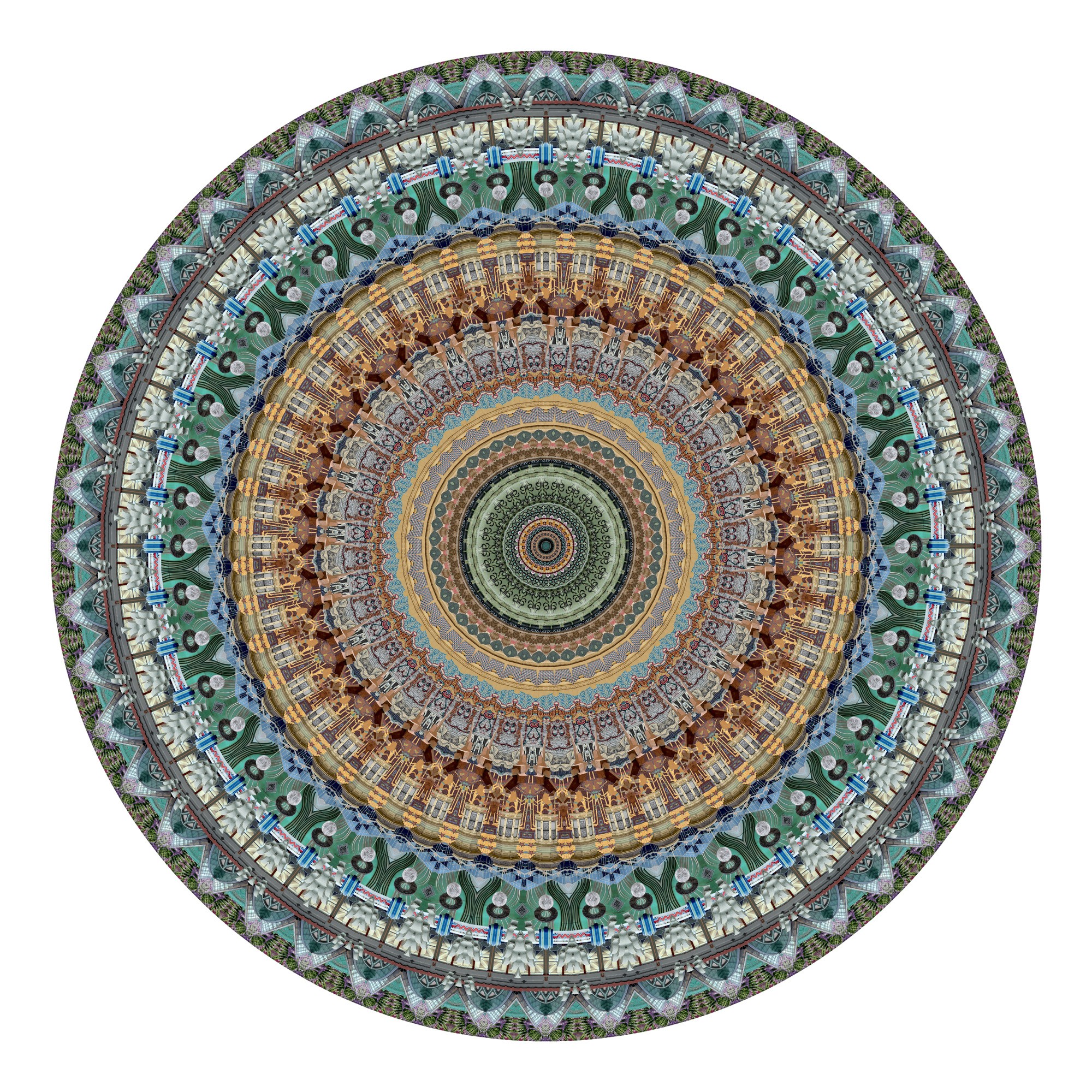
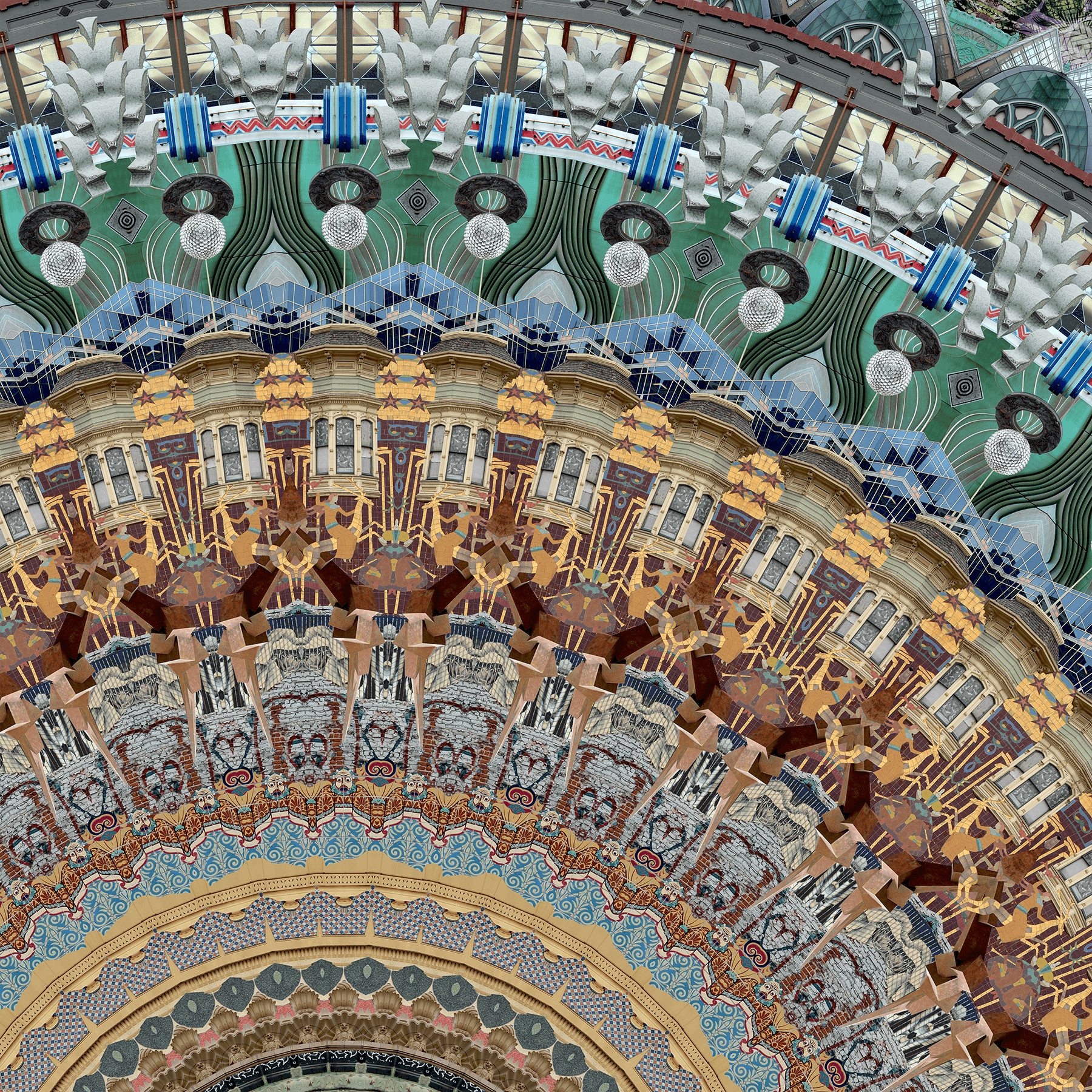
Image Credits
Amsterdam Urban Mandala
Amsterdam Urban Mandala (detail)
Paris Urban Mandala
Paris Urban Mandala (detail)
Oakland Urban Mandala
Oakland Urban Mandala (detail)