

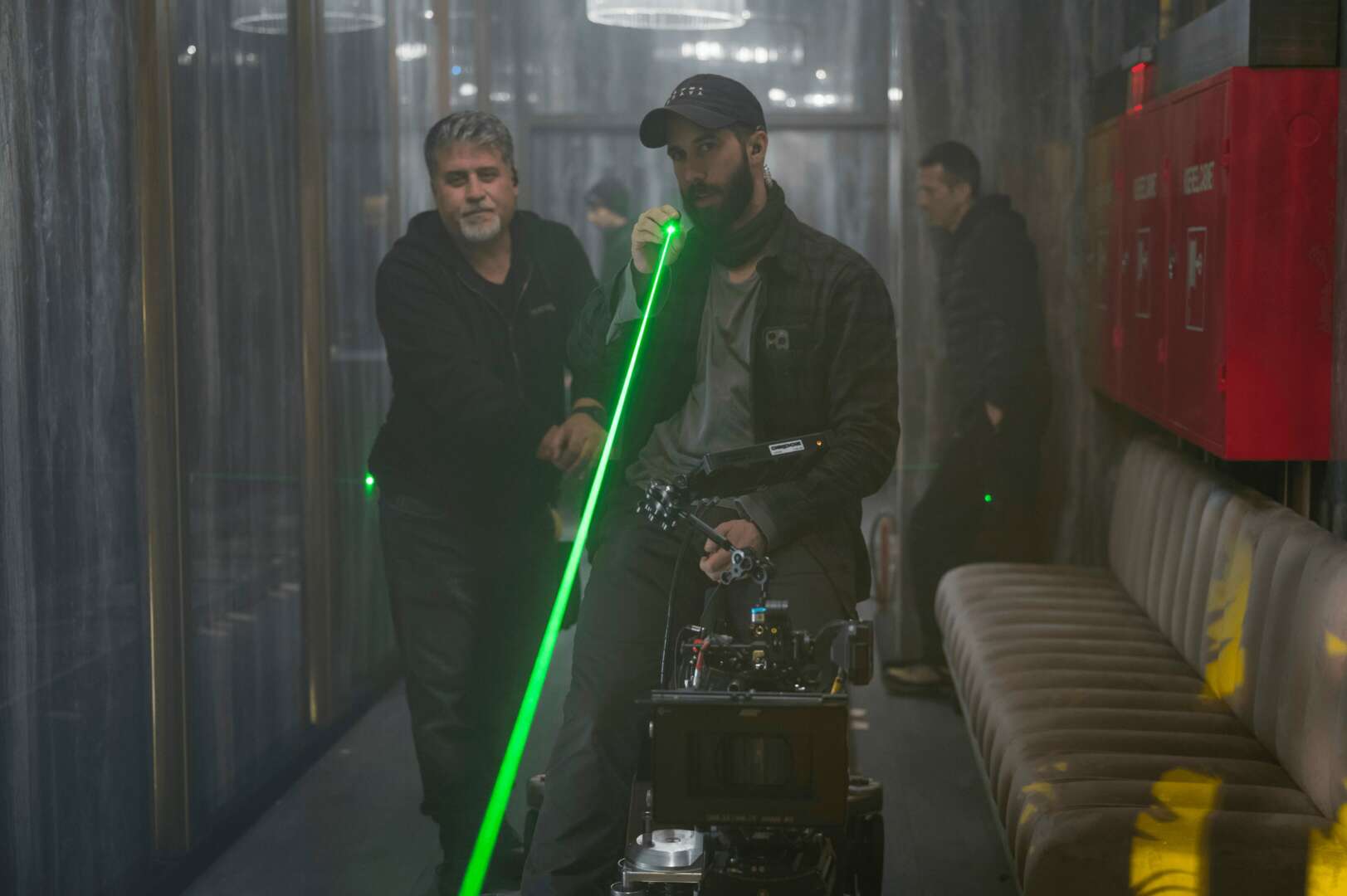

Alright – so today we’ve got the honor of introducing you to Nathan Haugaard. We think you’ll enjoy our conversation, we’ve shared it below.
Alright, Nathan thanks for taking the time to share your stories and insights with us today. What do you think Corporate America gets wrong in your industry?
People used to talk about the worrying trend of the over-commercialization of art. This is no longer a fear; it is a reality.
The Hollywood system, with its’ failure is not an option’ mindset, has effectively stripped our current generation of storytellers and artists of their freedom to experiment and learn from their mistakes. This loss is a tragedy that we must address.
Over-commercialization means an over-reliance on a bankable bottom line or return, from a film. In other words, no corporate officer holding a checkbook is willing to take a risk that could result in a total loss of money invested. The problem is that filmmaking has never been a “sure thing.” Even in the stock market, thousands of investors have “lost their shirt” when attempting to bet on a “sure thing.” Nothing positive was ever yielded from an overly cautious approach.
An interesting concept to meditate on is the negative effect of “deferred risk.” To explain this concept, I will offer up the training of our armed forces. If actions were taken to make military training safer, you would lower the likelihood of a catastrophic injury during training. Simultaneously, though, you would lower the standard of performance and increase the chances of an individual failing when their brothers and sisters-in-arms’ lives are on the line in the future.
Hollywood has deferred fresh, innovative creativity in exchange for less financial risk. We are witnessing the detrimental effects: a diminishing box office and an inability to maintain subscribers.
The solution is clear: we need to produce more films, even if they are less expensive, that are willing to take greater risks and push the boundaries of storytelling. It’s time to bring back the spirit of innovation and risk-taking in the film industry.
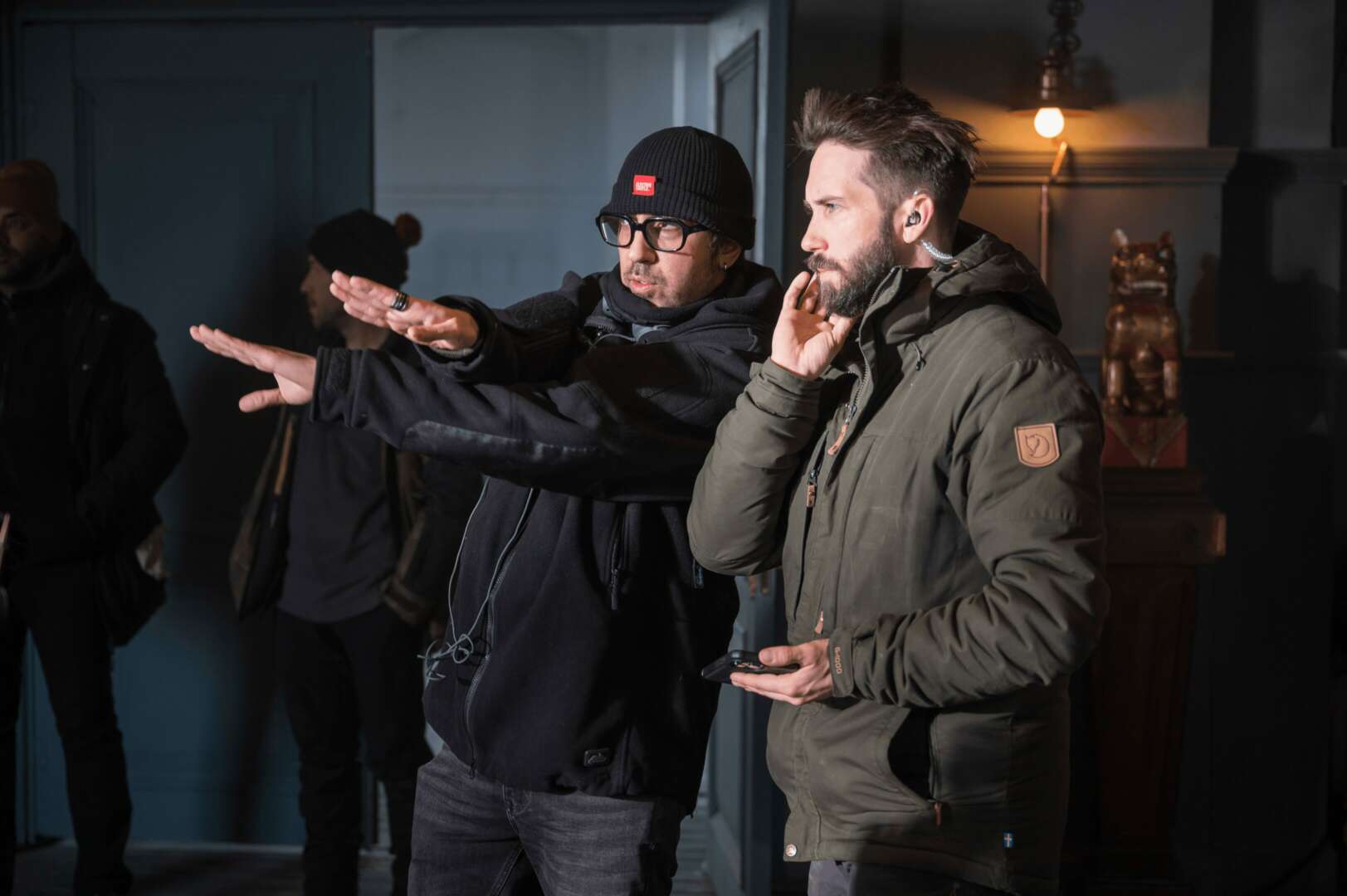
Nathan, love having you share your insights with us. Before we ask you more questions, maybe you can take a moment to introduce yourself to our readers who might have missed our earlier conversations?
I am a Director of Photography. I work with a team of department heads on a film to bring the director’s vision to life. Specifically, I employ cameras, lenses, lighting and shadow, and camera movement to accomplish this.
I began making films when I was young; storytelling has always been my passion. Over a 15-year career in Hollywood, I have been fortunate to participate in various projects, including James Cameron’s Avatar franchise.
What sets me apart is my unique ability to serve as a visual ambassador for the story. A film director relies on a Director of Photography to breathe life into the desired emotional state, be it the feelings of a character or the overall mood of the film.
I am most proud when I sit in a dark theater with a public audience unfamiliar with a film I have made and feel their collective emotion mirroring our original intentions during the creative process. It’s an incredibly gratifying feeling.

Can you open up about how you funded your business?
The unique opportunity before any young cinematographer today is the power of the iPhone. I have seen some Android phones that are also impressive, but the ability of the iPhone 15 Pro Max with its LOG ProRes recording is a game-changer.
Arguably more important than any film-school program is just having a reliable camera that you can begin shooting on right away. Chances are you already have an iPhone: use that. If you want to invest in yourself, upgrade to the latest and greatest iPhone. You do not need more than that. It is a highly flexible tool with autofocus; it’s lightweight and easy to rig, mount, or move. The final image is sharp with a rich color density, which allows for extensive and highly creative color correction.
My initial camera purchase would be put to shame by the abilities of a modern top-tier cellphone. You do not need to be rich to begin telling stories.

Any resources you can share with us that might be helpful to other creatives?
There are really beautiful books compiling interviews from the American Film Institute, collated by George Stevens, Jr. They’re titled “The Great Moviemakers of Hollywood’s Golden Age.” If you are interested in becoming a Director of Photography, I implore you to become a Filmmaker as well. Be a Storyteller with a capital “S.” Study the great filmmakers and learn from their anecdotal discussion of success and failure.
These days, we are overcome with technology, and it can have a nasty habit of getting in the way. We should not be so concerned with HOW we execute a shot, meaning which gear or technique we are using, but WHY we are spending the time to execute a shot.
To quote the great Jeff Goldblum, “We’ve become so obsessed with whether or not we COULD, we didn’t stop to think about whether or not we SHOULD.”
It’s crucial to read more books, delve into interviews with our creative ancestors, and most importantly, study the core philosophies of storytelling. This will provide you with a solid foundation for your filmmaking journey.
Contact Info:
- Website: https://www.nathanhaugaard.com
- Instagram: @nathanhaugaard

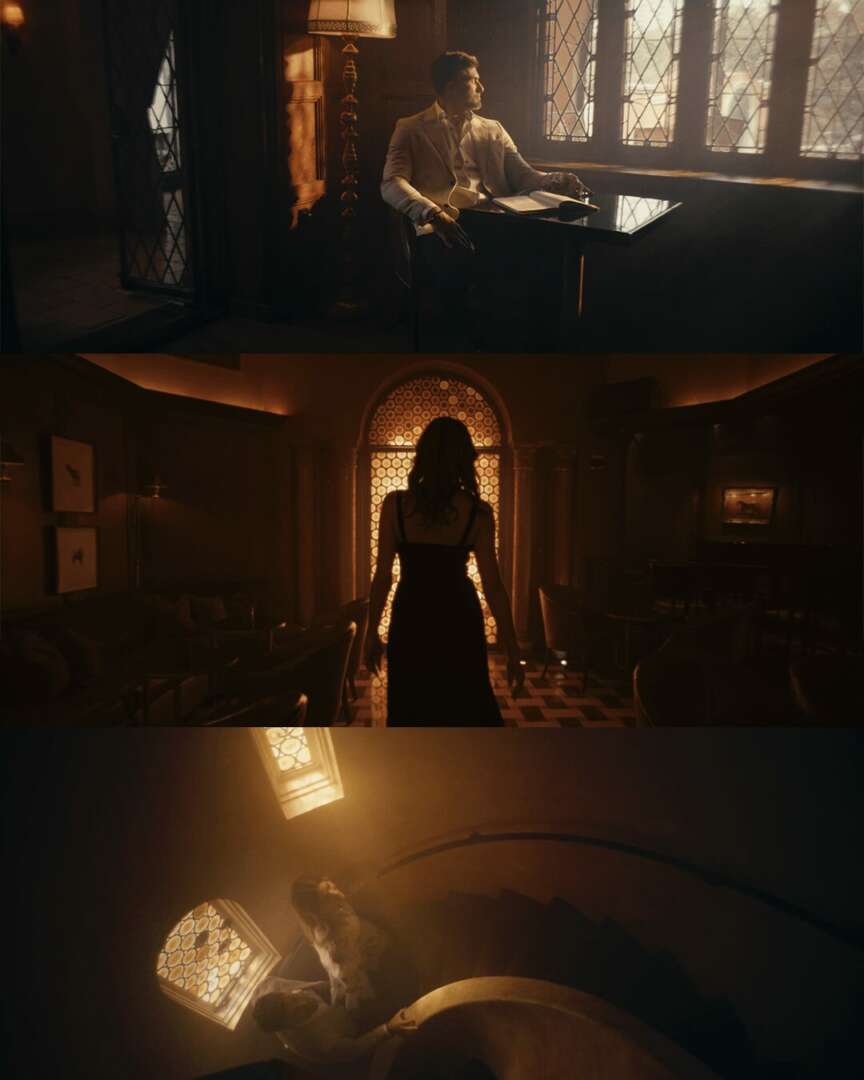
Image Credits
Behind the scenes of “April X”. Stills from “InstaK” directed by Garrett Warren. Still from “Rosewood” directed by Nathan Haugaard.