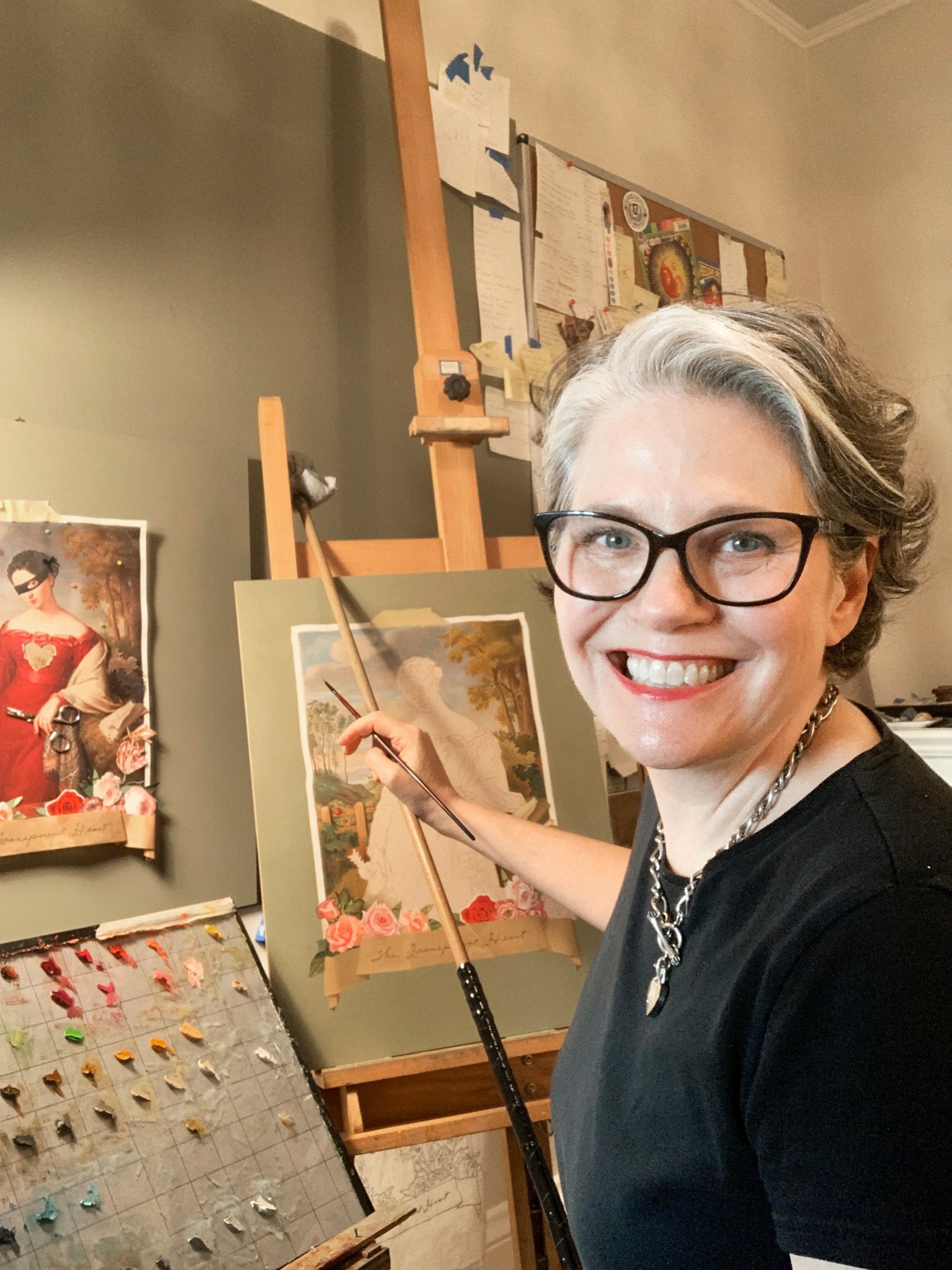

We’re excited to introduce you to the always interesting and insightful Natalie Featherston. We hope you’ll enjoy our conversation with Natalie below.
Natalie, thanks for joining us, excited to have you contributing your stories and insights. Can you recount a story of an unexpected problem you’ve faced along the way?
Some of the most unexpected problems I’ve faced as an artist center around building a professional career. As it turns out, this requires a lot of more than just making great art. The day to day business of being an artist can be overwhelming, and it’s shocking how much time is spent away from the easel to make things work.
You don’t just have to know how to paint; you have to be a professional photographer and master photoshop, you have to be able to write about your work like a journalist, you have to spin all of the social media platforms and marketing, you need to know basic coding, web design and e-commerce, you have to be able to pack art like a Fed Ex employee, and you have to have high level carpentry skills to build panels and frame your work. Being an artist is so much more than being ‘creative’ if you want to make a living at it.
This was a huge shock to me because none of my art training prepared me for this. Imagine spending ten years learning your craft, ready to work in your field of choice, and discovering that all the skills you need to actually do your job weren’t covered in school? My means of resolving these issues have been to ask for help, find more training, and a drive to master all of these other skills you have to have as an artist. Asking my community for assistance has been the biggest thing I’ve learned to rely on. As I’ve grown as an artist I make sure to share and mentor young artists whenever I can so they can learn from my own hard won experience.
Great, appreciate you sharing that with us. Before we ask you to share more of your insights, can you take a moment to introduce yourself and how you got to where you are today to our readers.
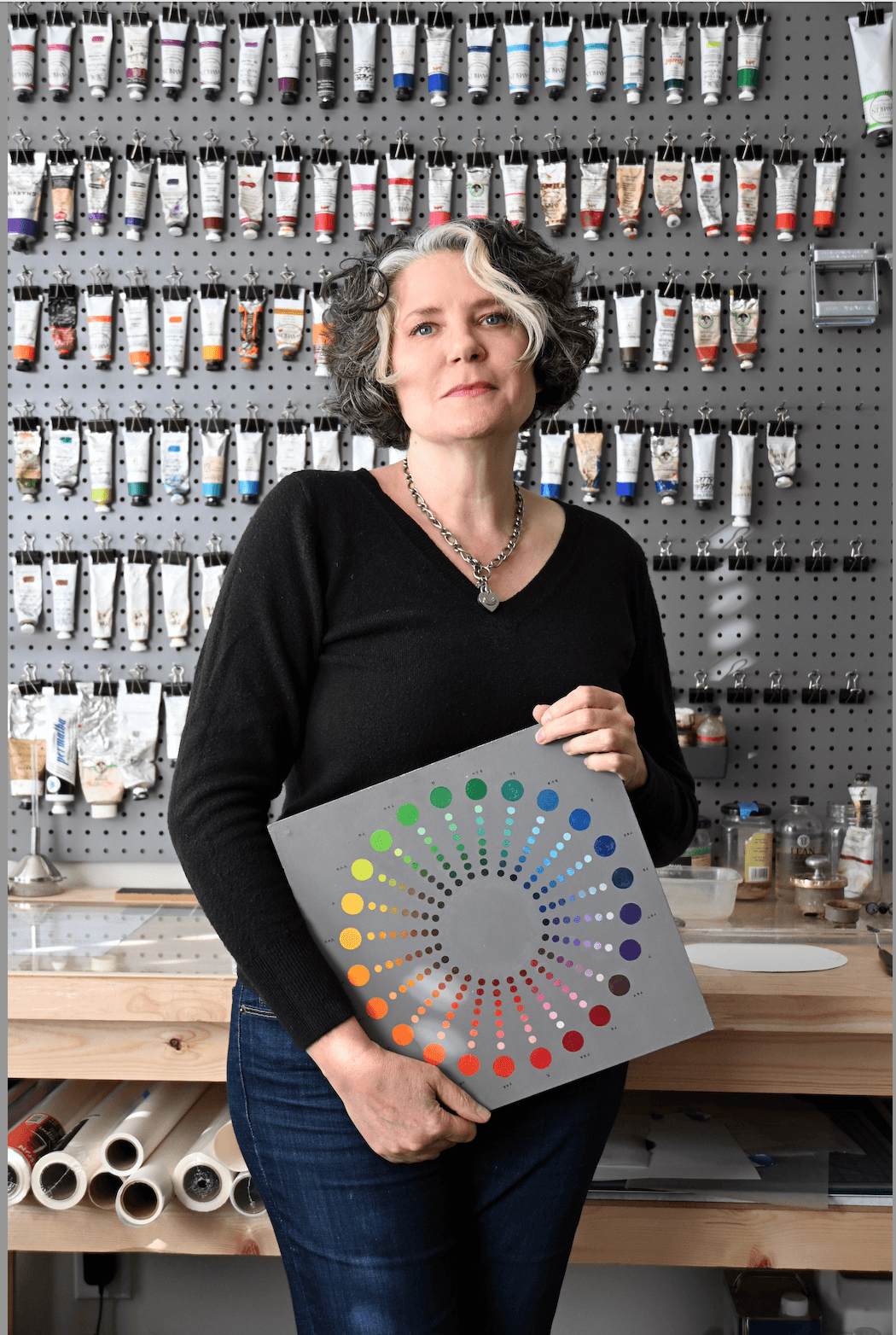
I’m a classically trained oil painter with a hardcore academic background who has been working as a professional artist for more than 30 years, but I had a whole other career I walked away from to become a painter. After moving to NYC to pursue a career as a cellist, I traded in music for painting. I like to share this story because one of my core beliefs is that making art has very little to do with talent and a LOT to do with hard work and discipline. I started my art journey not even knowing how to draw, and managed to find the right teachers and a ton of perseverance to learn my craft.
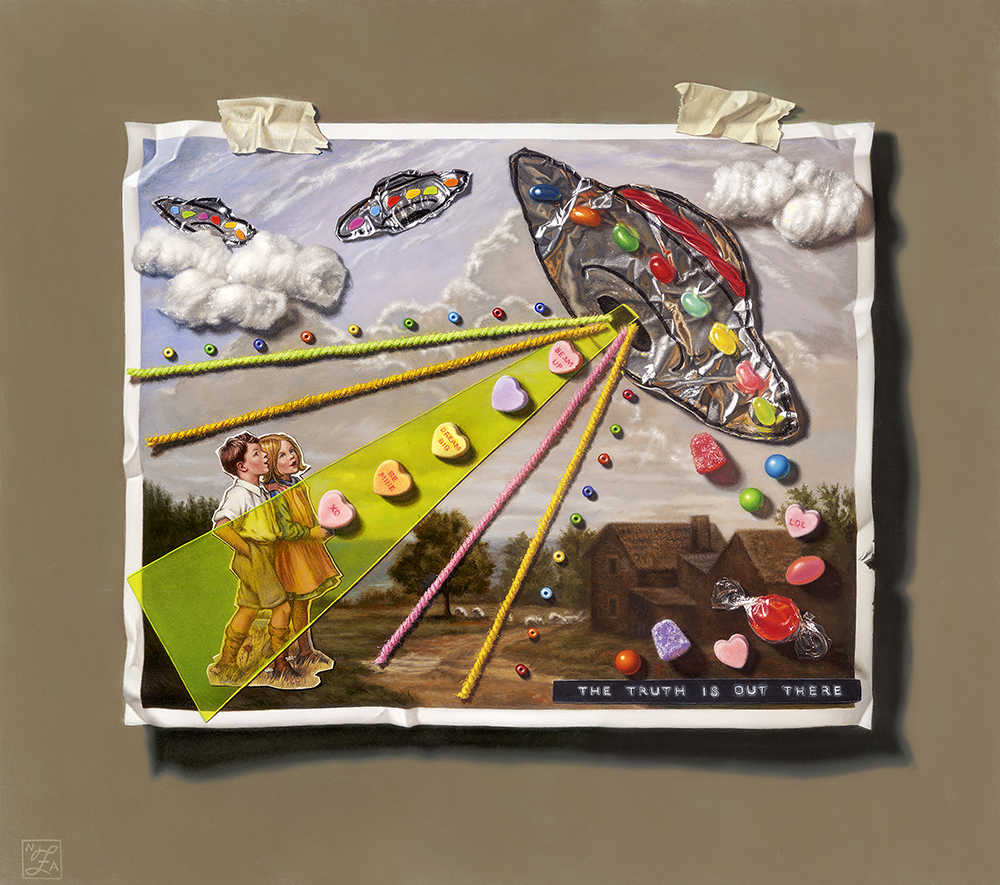
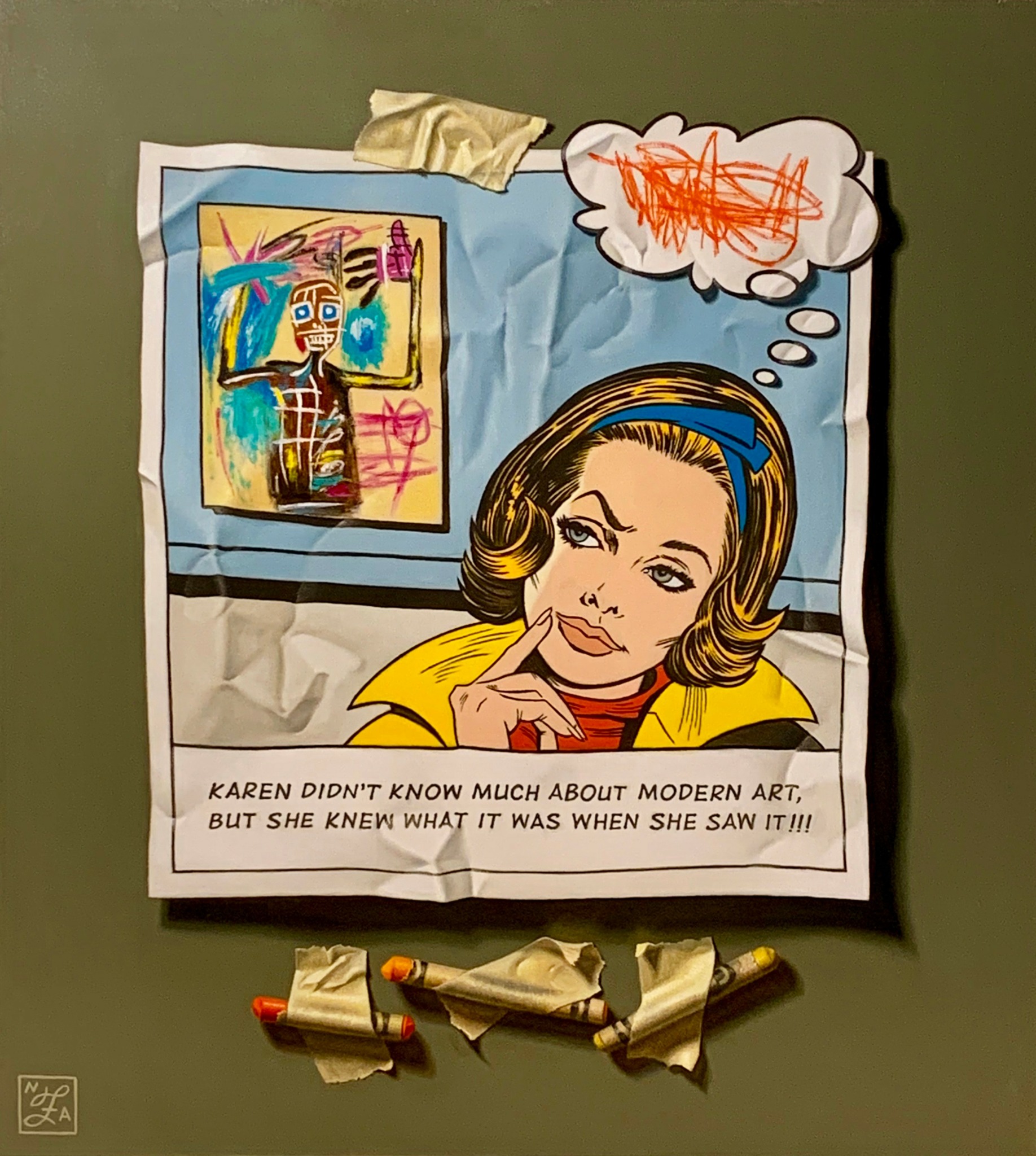
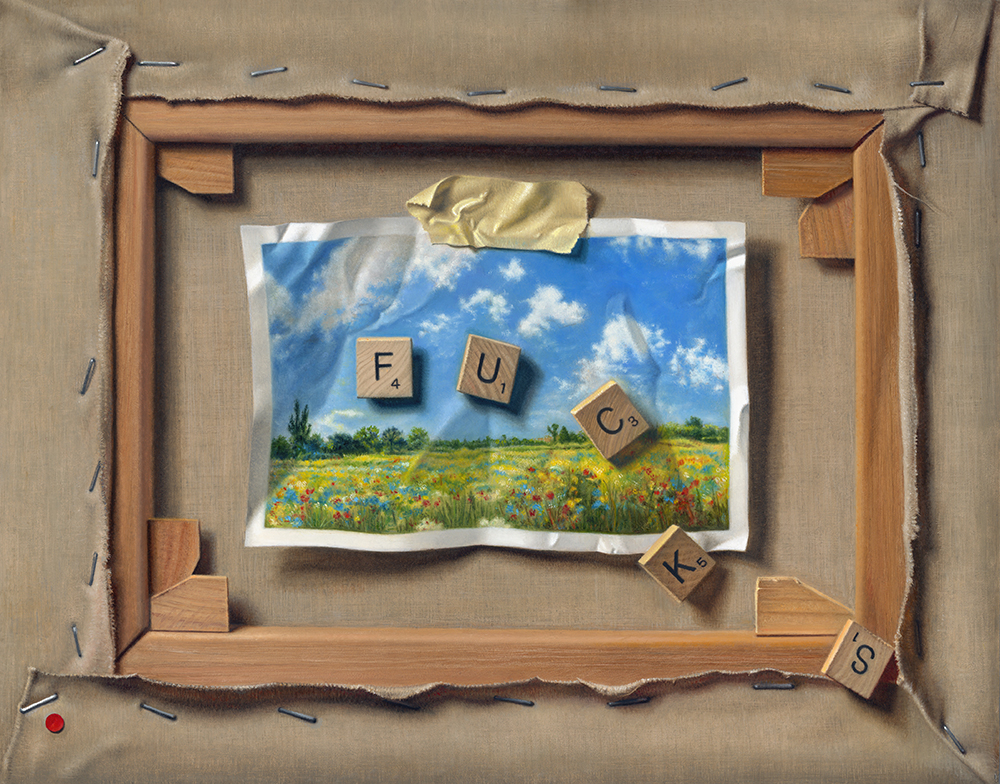
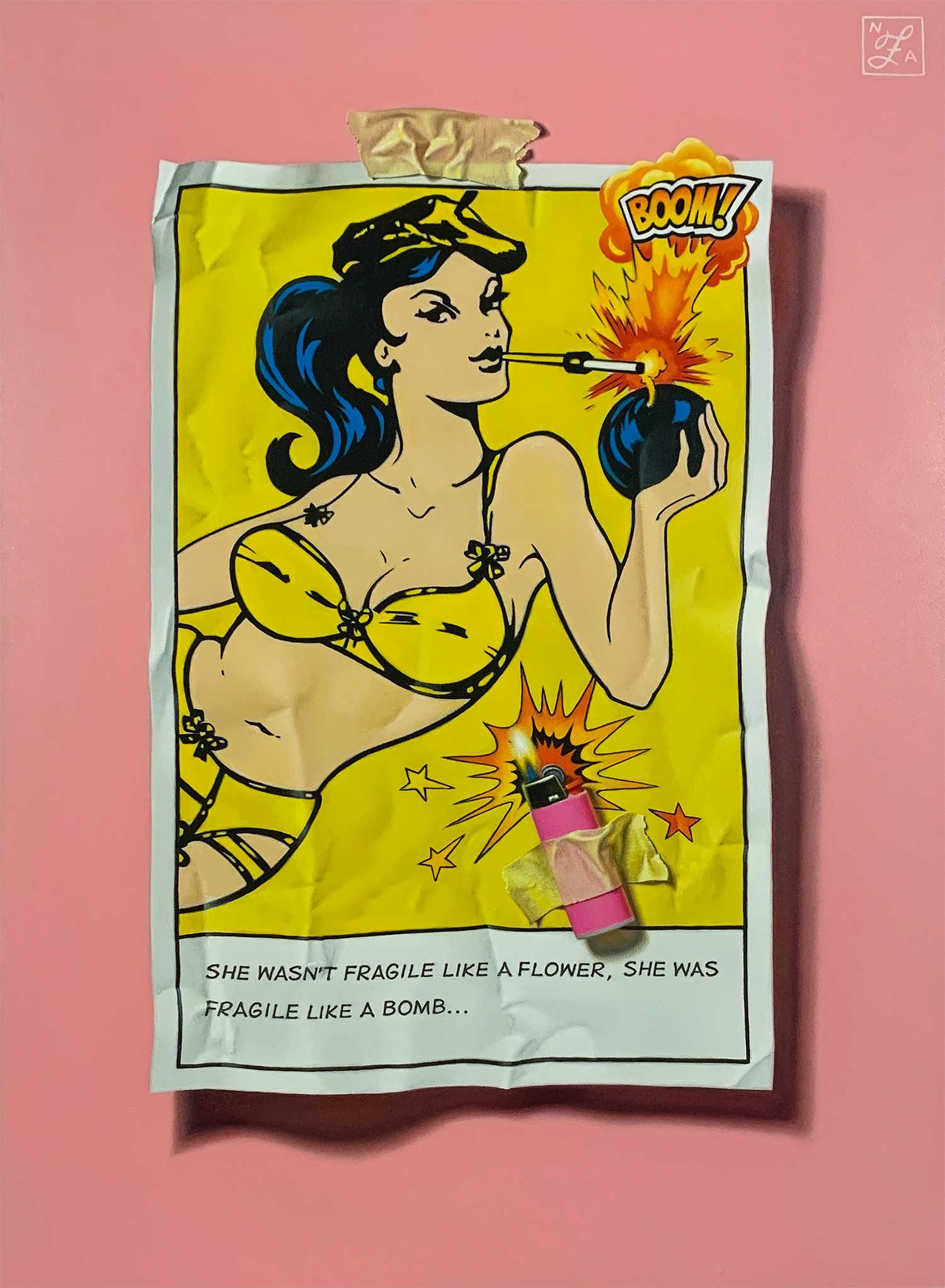
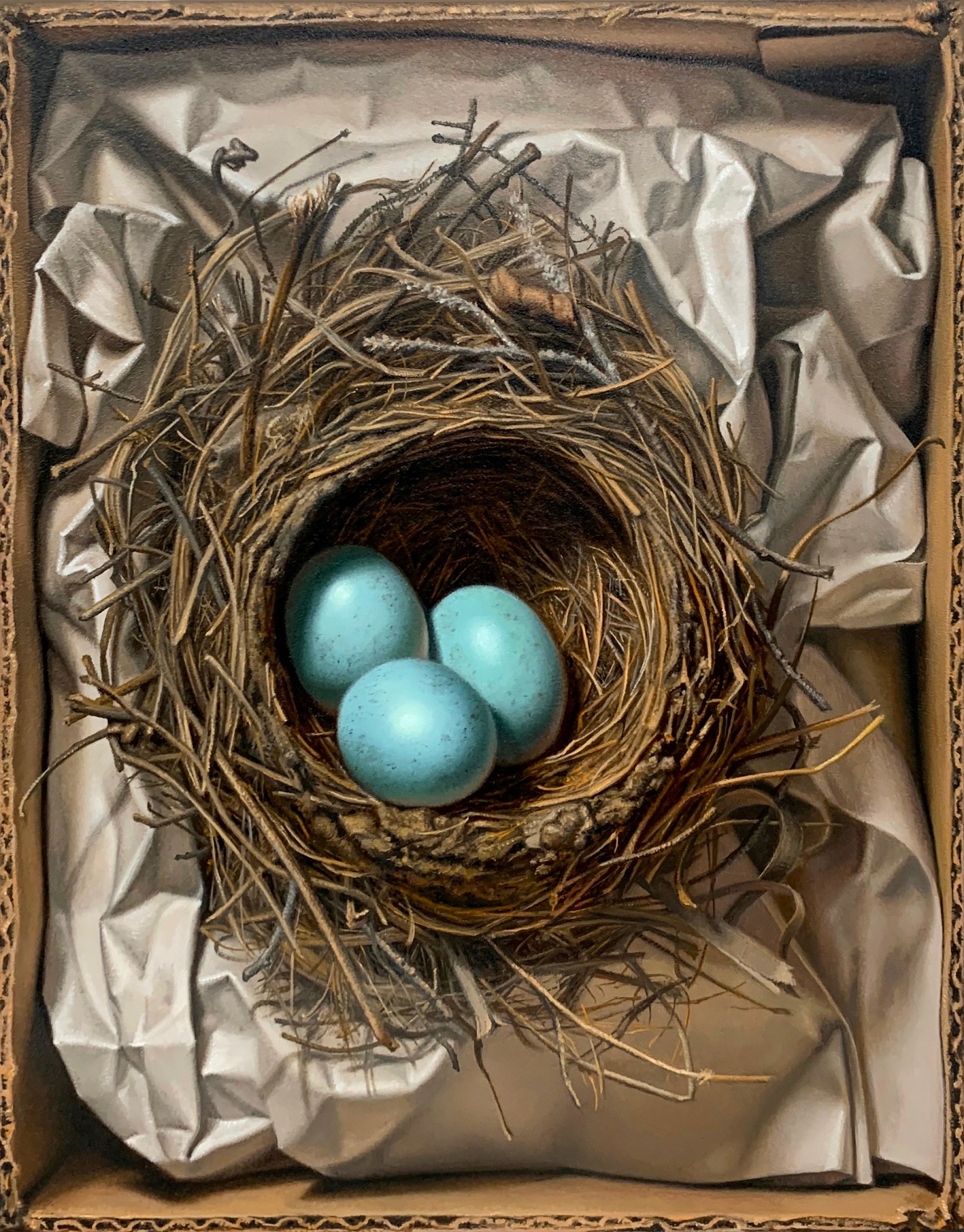
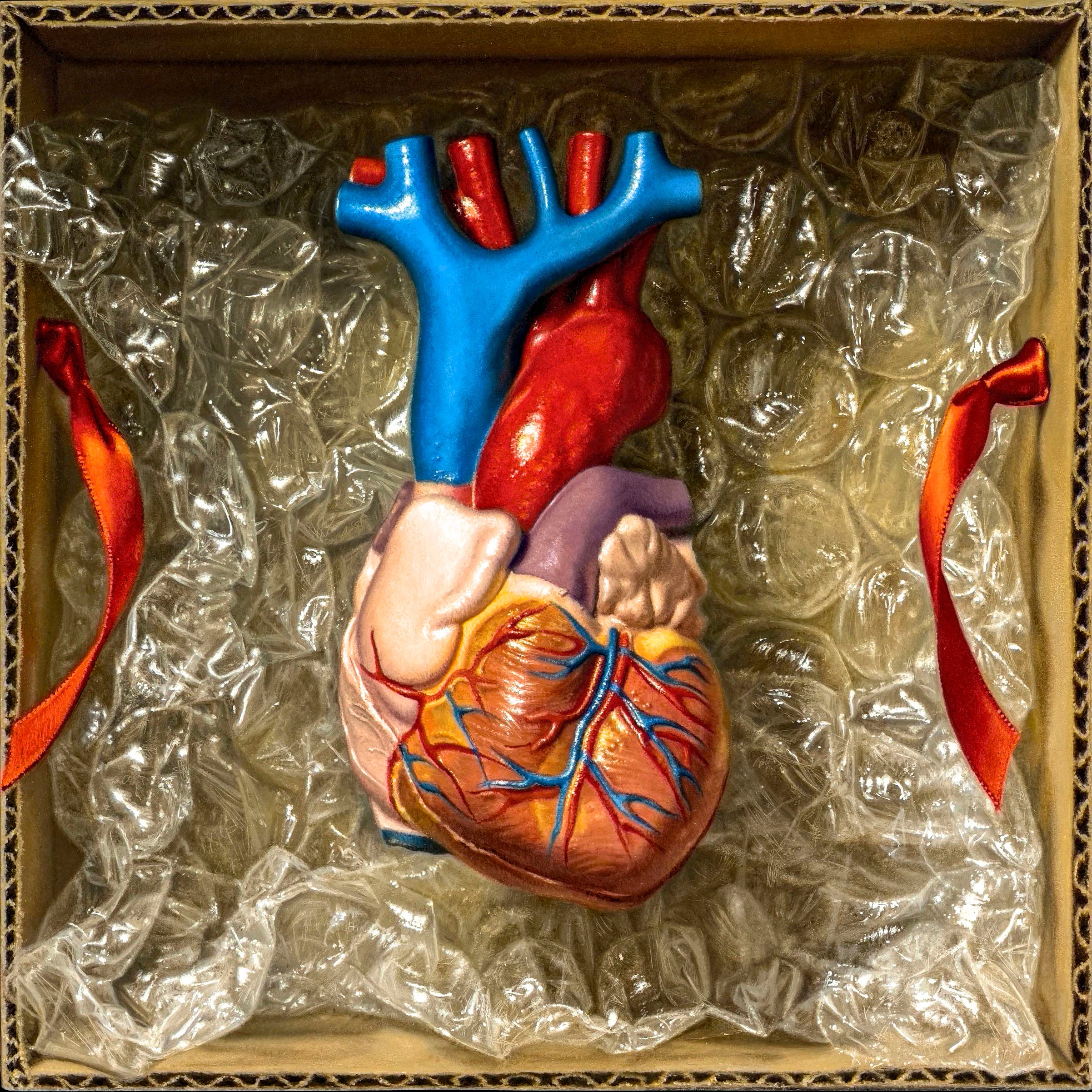
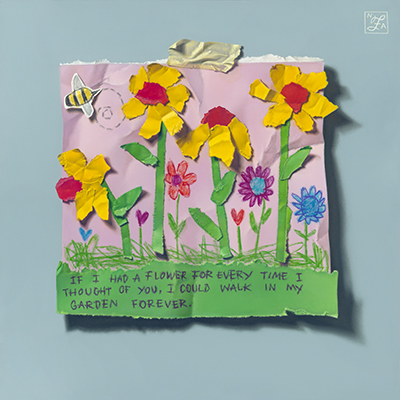
I make art in the very niche category of trompe l’oeil, a French term meaning ‘to fool the eye”.
It’s a super realistic painting style that looks like you can reach out and touch the things in the painting, where the art crosses a barrier from a flat canvas to appearing three dimensional.
It’s meant to deceive the viewer and make them think what’s painted is in fact, real. What sets me apart in this genre is the whimsy, joy and storytelling I bring to a very traditional and staid style of painting that’s been around for thousands of years. I strive to bring a freshness and modern lens to a way of painting that hasn’t changed much over time; I’m proud that I can bring my own spin and voice to this tradition. I would want people to know that in the end what makes my art special isn’t’ the technical skill, it’s what I do with it. I use virtuosity to connect with the viewer: it isn’t how you paint, it’s what you paint that matters.
What’s a lesson you had to unlearn and what’s the backstory?
A lesson I had to unlearn was not trying to paint for a commercial market or some idealized client. The entire time I was in school I had thought the only way I could make a living was to paint pretty pictures of fruit and flowers and vases and doilies. What I had to unlearn was 1. I hated painting that kind of stuff and 2. this was in no means an authentic representation of my value as an artist.
You know what actually sold? The paintings I felt were too far out for a commercial market in realism. What I had to discover was the right gallery that fit the work I found meaningful to paint, not painting for a stuffy old gallery that was never going to be a good match for me. Once I started painting what was in my heart, commercial success followed. People can tell when you’re faking it and not being your authentic self, and making art that speaks to you will find its way to right collector.
Do you think there is something that non-creatives might struggle to understand about your journey as a creative? Maybe you can shed some light?
I think the biggest surprise to non-creatives would be that I don’t just sit around eating bonbons on a chaise lounge and waiting inspiration to strike. I get up every day and work, even when I don’t feel inspired. It has nothing to do with ‘talent’ — I don’t really believe in talent. Creativity, yes; that’s what you do with learned skills, and that’s what makes my art different from someone else’s. My teacher always said art is nature filtered though a personality, and I still believe this. But I think most people would be surprised how boring painting is. It’s more of chore to paint the pictures once you come up with the idea and concept. You have to develop a strong tolerance for tedium as an artist.
Contact Info:
- Website: https://nataliefeatherston.com
- Instagram: https://www.instagram.com/nfeatherston_fine_art/
- Youtube: https://www.youtube.com/@nataliefeatherston_fine_art