

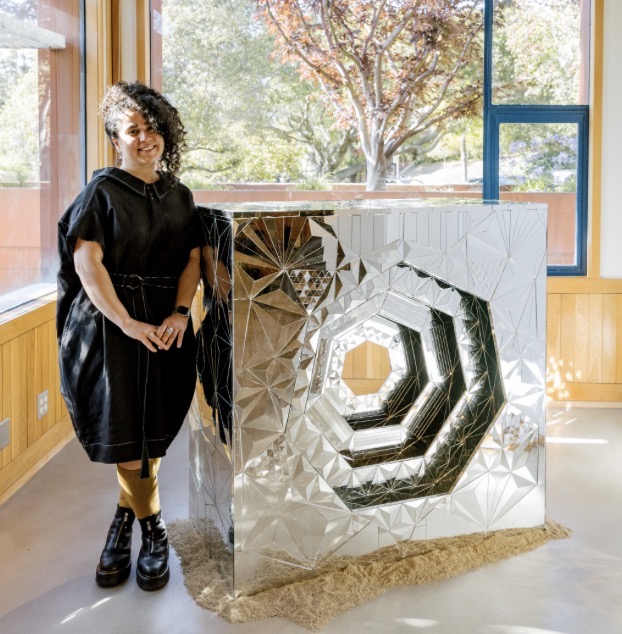

We’re excited to introduce you to the always interesting and insightful Nasib Elahimehr. We hope you’ll enjoy our conversation with Nasib below.
Nasib, thanks for joining us, excited to have you contributing your stories and insights. We’d love to hear about when you first realized that you wanted to pursue a creative path professionally.
I first knew I wanted to pursue an artistic path long before I had the language to name it. As a child growing up in Iran, I was constantly drawn to making — building small structures, working with my hands, and quietly observing patterns in carpets, architecture, and everyday objects around me. Creativity felt less like a choice and more like a natural state of being.
The decision became conscious years later, when I realized that art was the only space where I could fully translate my inner world — especially experiences of memory, migration, and identity. Moving to the United States and later completing my MFA at California College of the Arts deepened that commitment. The challenges of starting over in a new country clarified something important for me: art was not just what I loved, it was how I made sense of uncertainty and transformation.
Today, my practice — often working with mirrors, clay, and geometric forms — continues to grow from that early instinct to build meaning through material. Looking back, the moment wasn’t a single dramatic decision, but a slow, persistent knowing that creating was the most honest way I could exist in the world.
Nasib, before we move on to more of these sorts of questions, can you take some time to bring our readers up to speed on you and what you do?
I am a multidisciplinary visual artist working primarily with mirrors, clay, and geometric forms to explore themes of memory, migration, and cultural identity. I was born and raised in Iran and later moved to the United States, where I completed my MFA at California College of the Arts. My practice is deeply informed by this experience of movement between places, languages, and emotional landscapes.
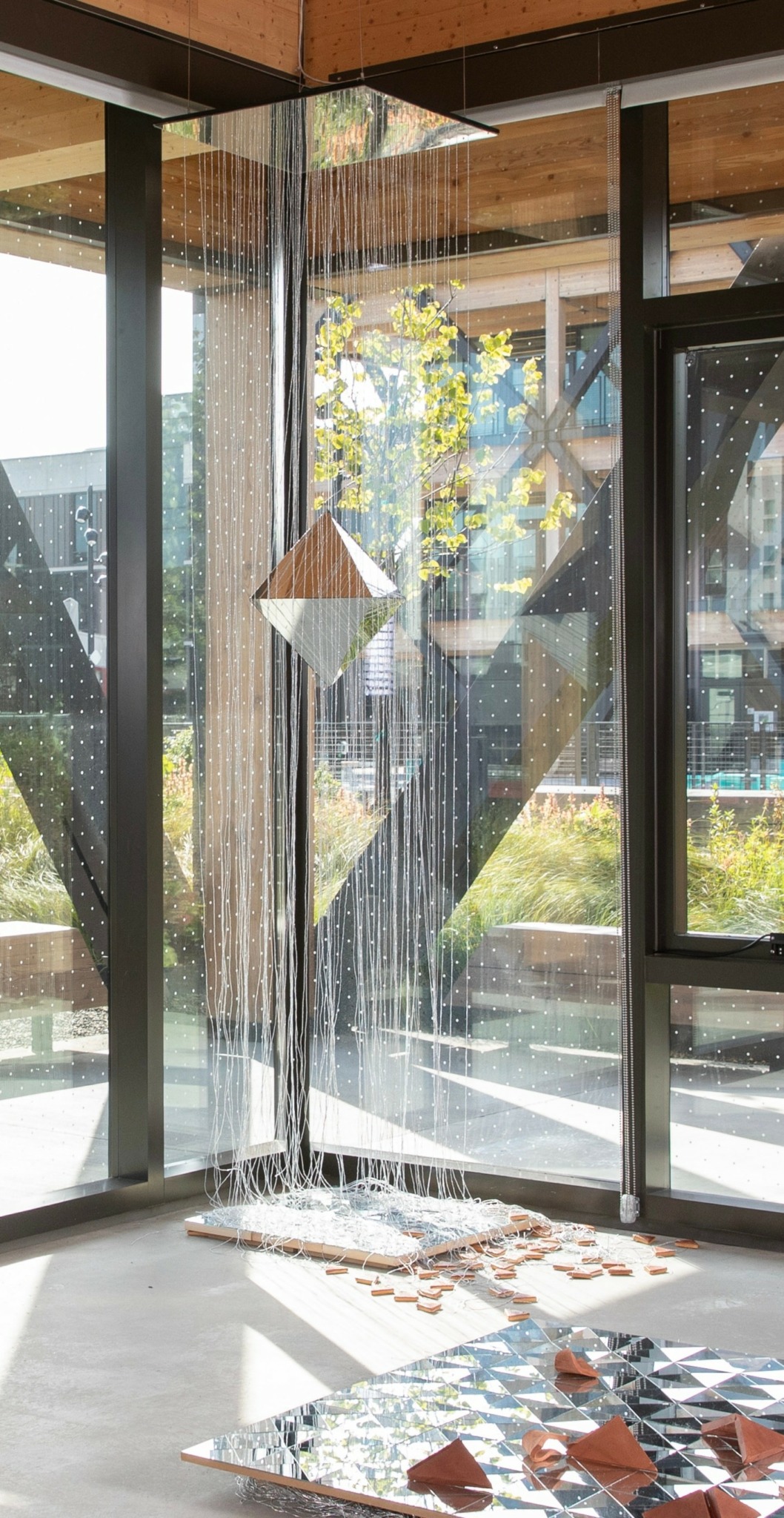
My work often draws from traditional Iranian visual culture — particularly mirror work (Āyneh-kāri), architecture, and carpet geometry — and reinterprets these elements through a contemporary sculptural and installation-based approach. I am interested in how materials can hold memory and how reflective surfaces can create moments of self-awareness and quiet confrontation for the viewer.
Through my installations, I aim to create spaces that feel both intimate and disorienting — environments where viewers become physically and emotionally aware of their own presence. I am especially drawn to processes that involve repetition, fragmentation, and reconstruction, as they mirror the lived experience of migration and personal transformation.
One of the things I am most proud of is continuing to build a practice that stays materially grounded while conceptually evolving. My recent works, including my Palimpsest series, investigate layering, erasure, and the persistence of memory through modular forms and reflective surfaces.
What sets my work apart is the way I bridge traditional Iranian craft with minimal contemporary language, creating pieces that operate both as objects and as spatial experiences. I hope audiences encounter my work not only visually, but physically and emotionally — as moments of pause, reflection, and quiet recognition.
Can you share a story from your journey that illustrates your resilience?
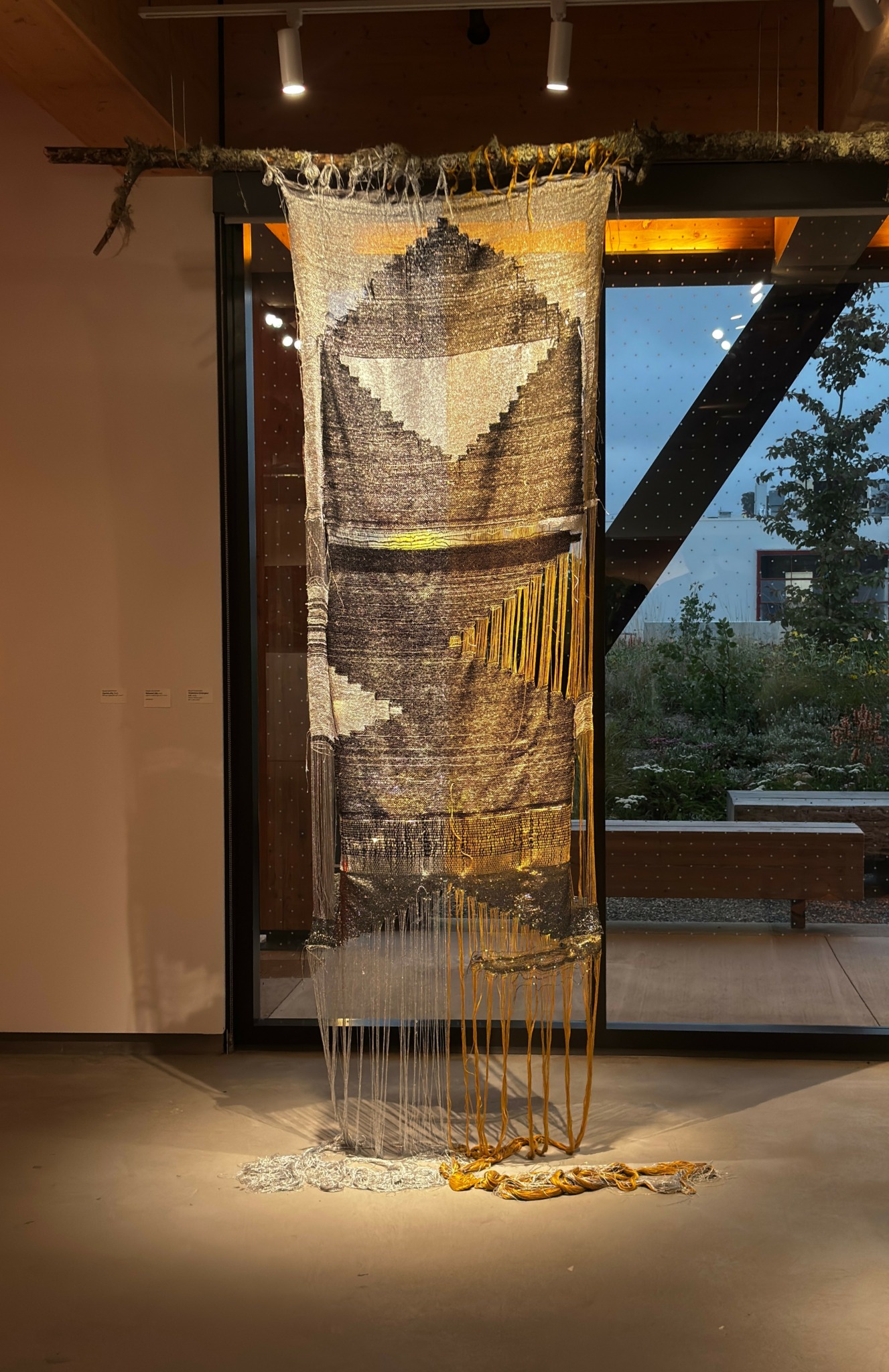
I think resilience, for me, has been less about one dramatic moment and more about a continuous process of rebuilding. One of the most defining periods was when I moved from Iran to the United States and had to reconstruct both my life and my artistic identity from the ground up.
Starting over in a new country meant navigating language barriers, financial uncertainty, and the emotional weight of distance from home. There were moments when the path forward felt unclear, especially while balancing survival jobs with the demands of developing a serious studio practice. But instead of seeing these pressures as interruptions, I slowly began to understand them as material — experiences that were shaping the conceptual core of my work.
Completing my MFA at California College of the Arts became an important turning point. It gave me the space to transform personal displacement into a structured artistic language. Looking back, resilience in my journey has meant staying committed to the work even when stability was uncertain, and trusting that persistence, even in small daily steps, would eventually build its own momentum.
Is there a particular goal or mission driving your creative journey?
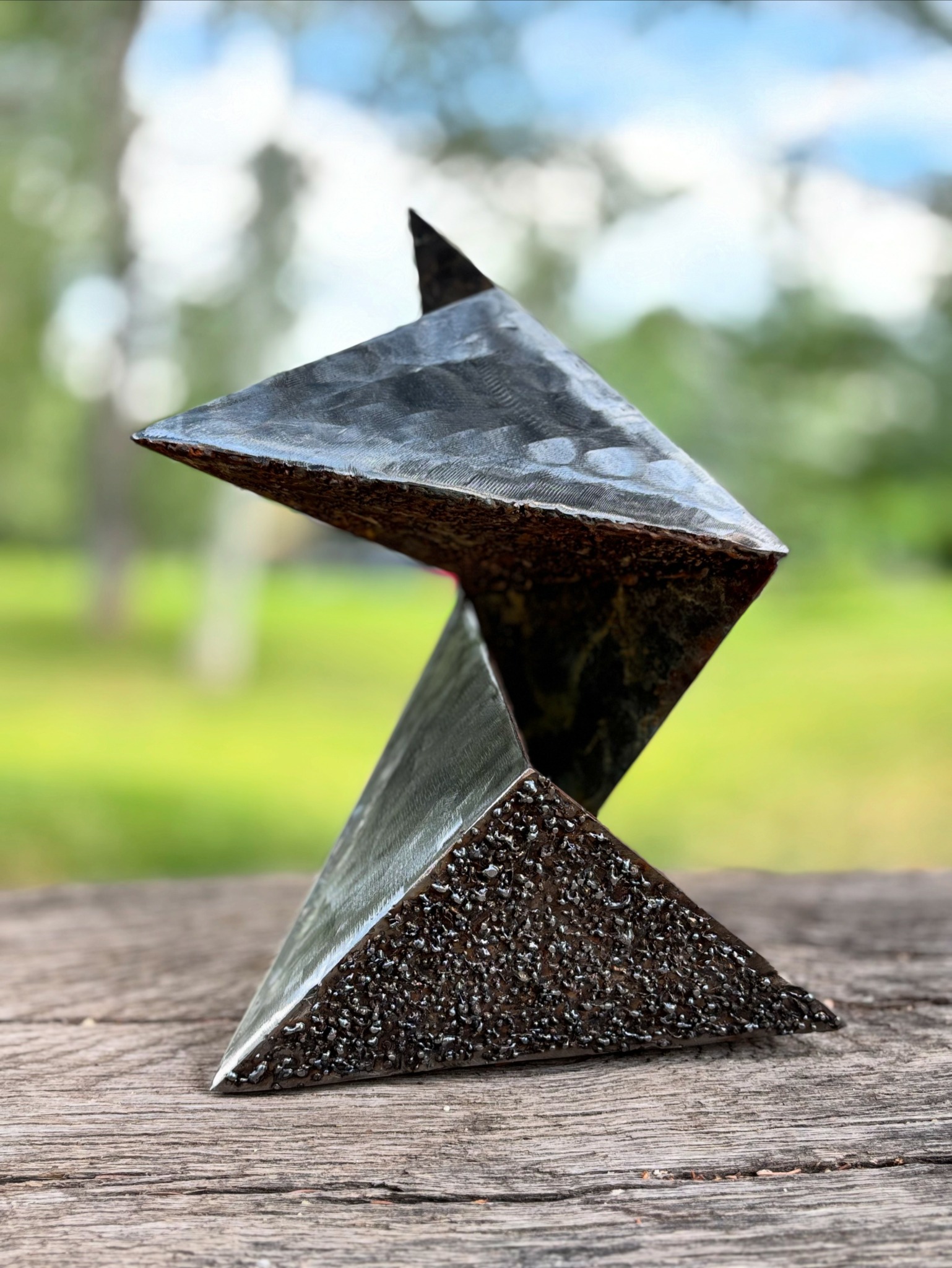
At the core of my practice is a desire to create spaces where personal and collective memory can surface in quiet but physically felt ways. I am particularly interested in how migration, cultural inheritance, and fragmentation shape our sense of self and belonging.
Working frequently with mirrors, clay, and modular geometric forms, I think of my installations as environments that invite viewers into a moment of pause and self-recognition. Reflection, both literal and psychological, plays an important role in my work. I am drawn to materials that carry histories of craft — especially those connected to Iranian visual culture — and I aim to translate them into a contemporary spatial language.
My long-term mission is to continue building work that bridges traditional knowledge and contemporary minimal forms, creating installations that are at once intimate, disorienting, and contemplative. I hope the work offers viewers a subtle encounter with their own presence — a moment where memory, body, and space briefly align.
Contact Info:
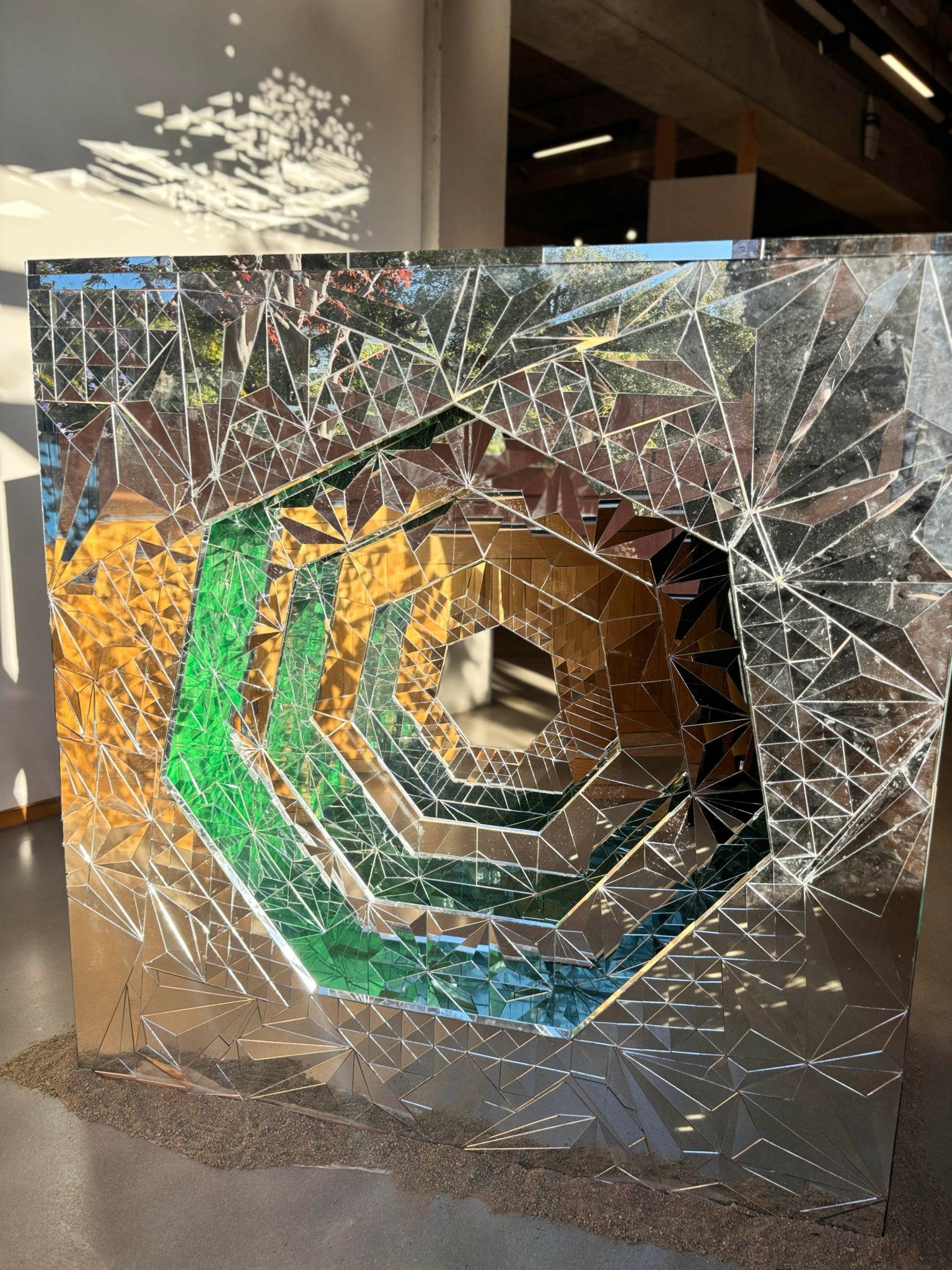
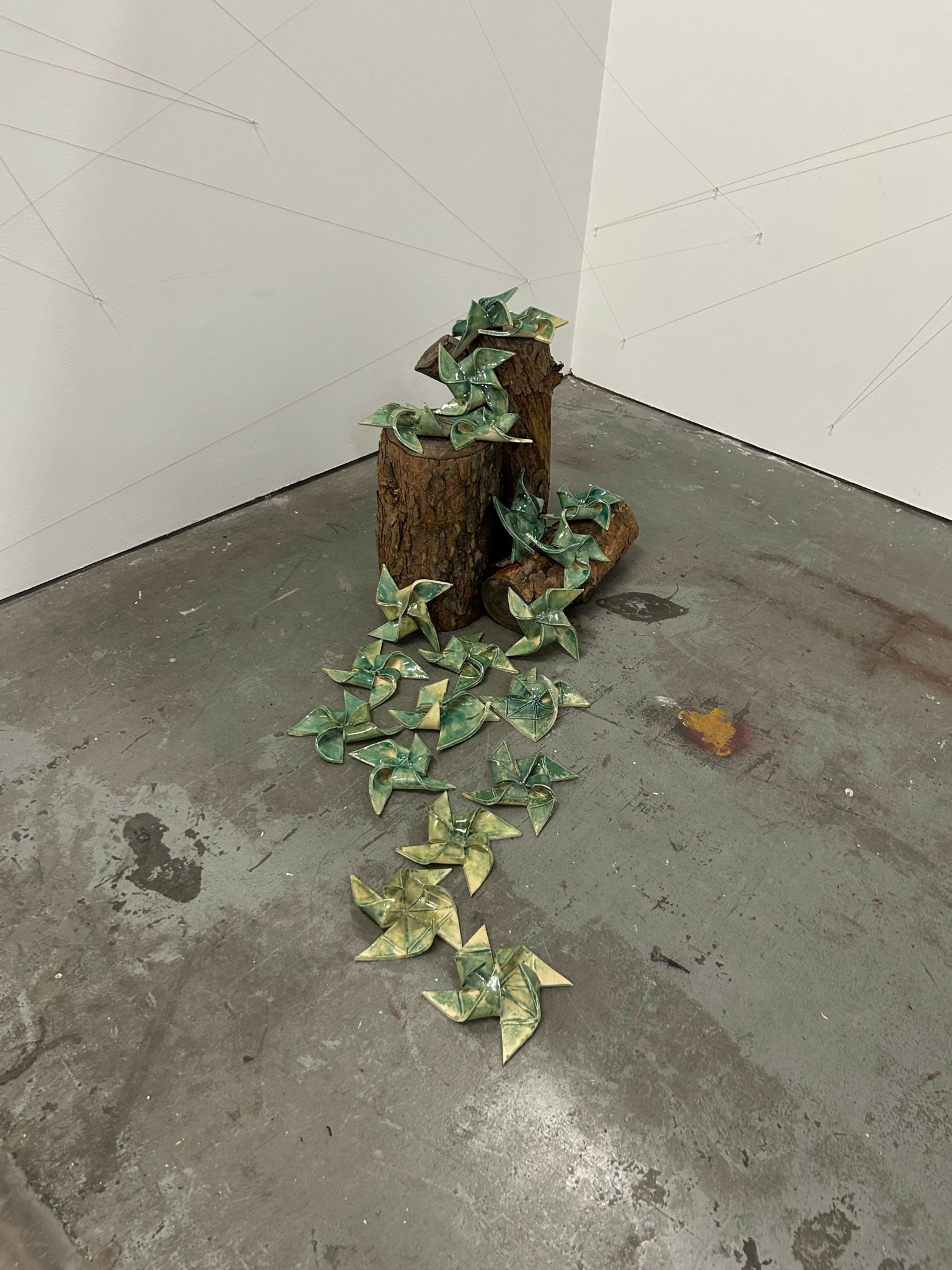
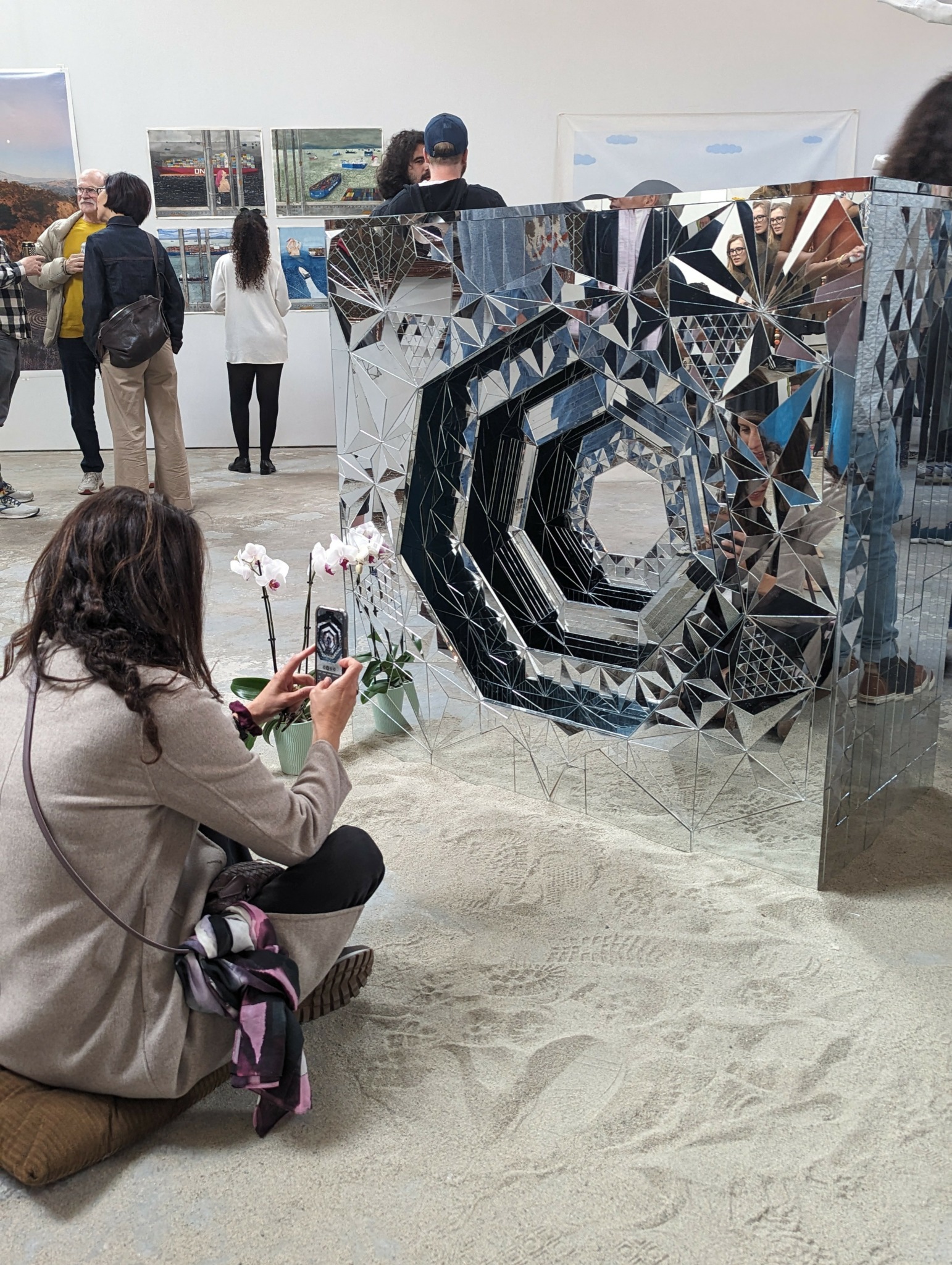
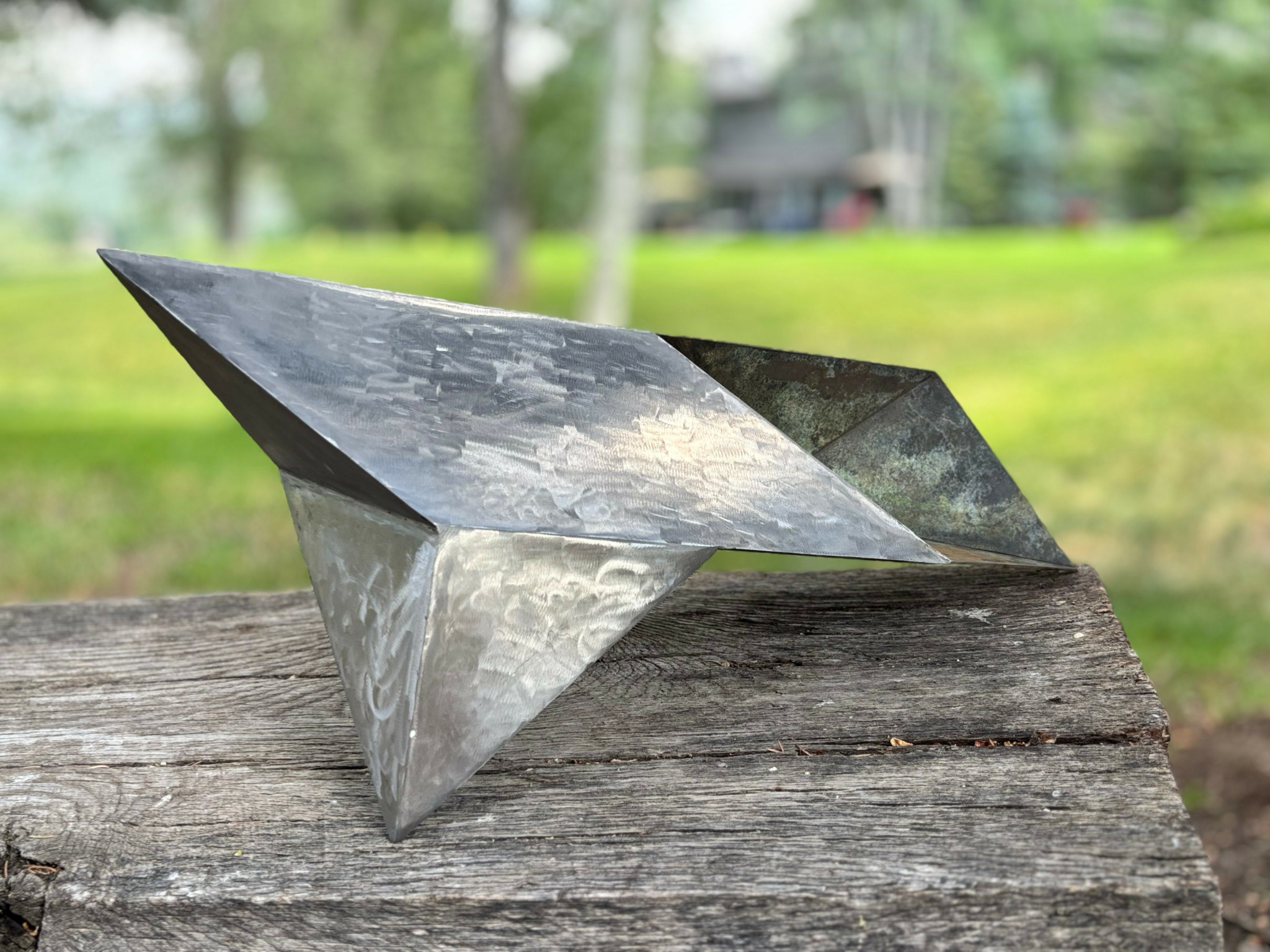
Image Credits
All images by Nasib Elahimehr