

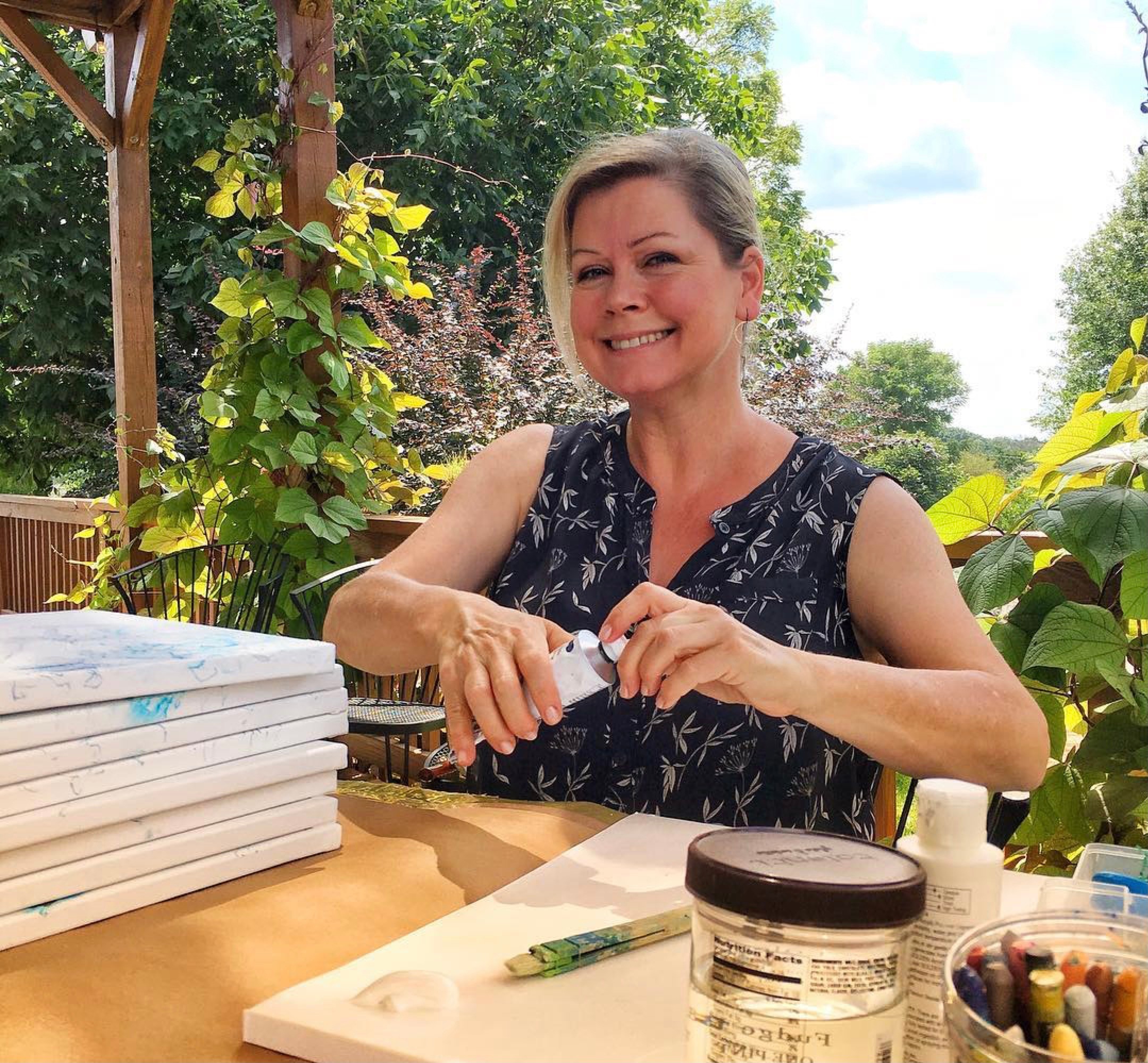

We’re excited to introduce you to the always interesting and insightful Nancy Ramsey. We hope you’ll enjoy our conversation with Nancy below.
Nancy, appreciate you joining us today. Can you talk to us about how you learned to do what you do?
As soon as I was able to choose my own classes, I picked art. From electives in junior high to an art minor in college, I took all the art classes I could fit. These were purely for my enjoyment with no long term plan involved. When I was in grad school, I convinced my mom to take a class at the Art League with me. I continued taking classes there for about 30 years. I called it my art therapy and it really was!
Since I stopped working full time I have more time and energy for painting. I’ve learned a lot more in a shorter time through experimentation and lots of painting. I still take classes to this day (even though I also teach art classes) because I find I can always learn something new, from the instructors and from other students. Nowadays I take some of those classes online which leads to such cool opportunities.
When I had a full time job I, art was squeezed in between work and everything else. There wasn’t a lot of regular time or energy for it. I could go to class, but didn’t do much painting outside of class time. I also didn’t do much with my finished paintings. I had no idea about anything to do with showing art or making a living as an artist. I’m so glad to have time to concentrate on art now!
As for the learning involved, painting skills are the first essential thing. Then, if you decide to do anything more than collect your own paintings there is much more to learn. There are lots of things around mounting and displaying work to figure out, usually by word of mouth or online research. There’s also tons to figure out around sharing your work. And then there’s marketing…ugh!
The trickiest thing about learning to paint is due to the fact that there are no clear definitive answers to most questions about art 😄 I love this and wouldn’t want more “rules” but it does mean you’re constantly trying to figure out what to do next. The good news is that there are so many artists who will generously share everything they know. This is true of the gallerists I’ve met, as well. People are very kind and happy to help if you get up the courage to ask. And, since there are no set rules, you can make up your own ways of doing things. This is the coolest thing about the profession as a whole. I love seeing artists starting showing spaces wherever they can and trying new approaches. It’s all very inspiring and is a great approach to life in general.
Awesome – so before we get into the rest of our questions, can you briefly introduce yourself to our readers.
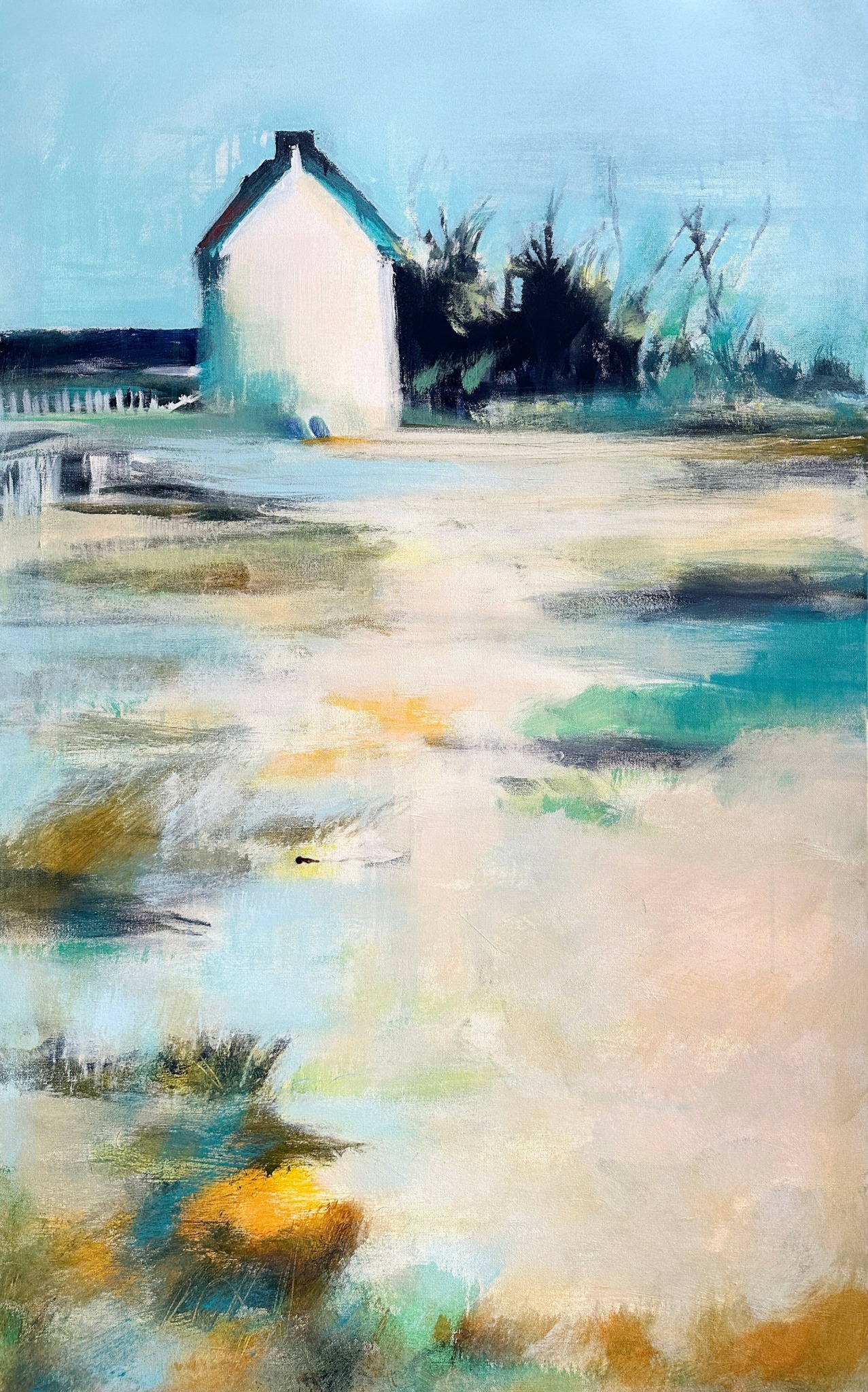
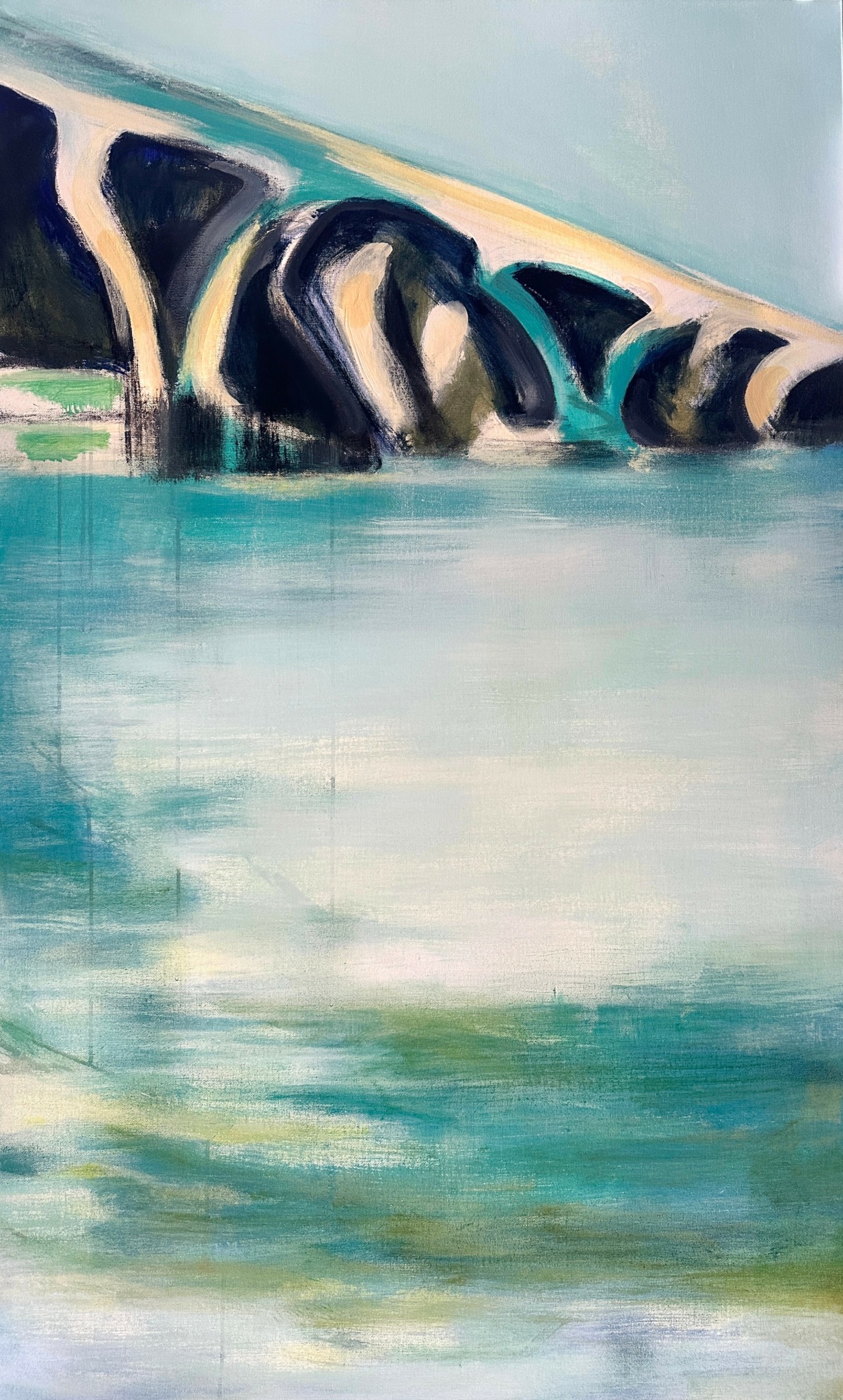
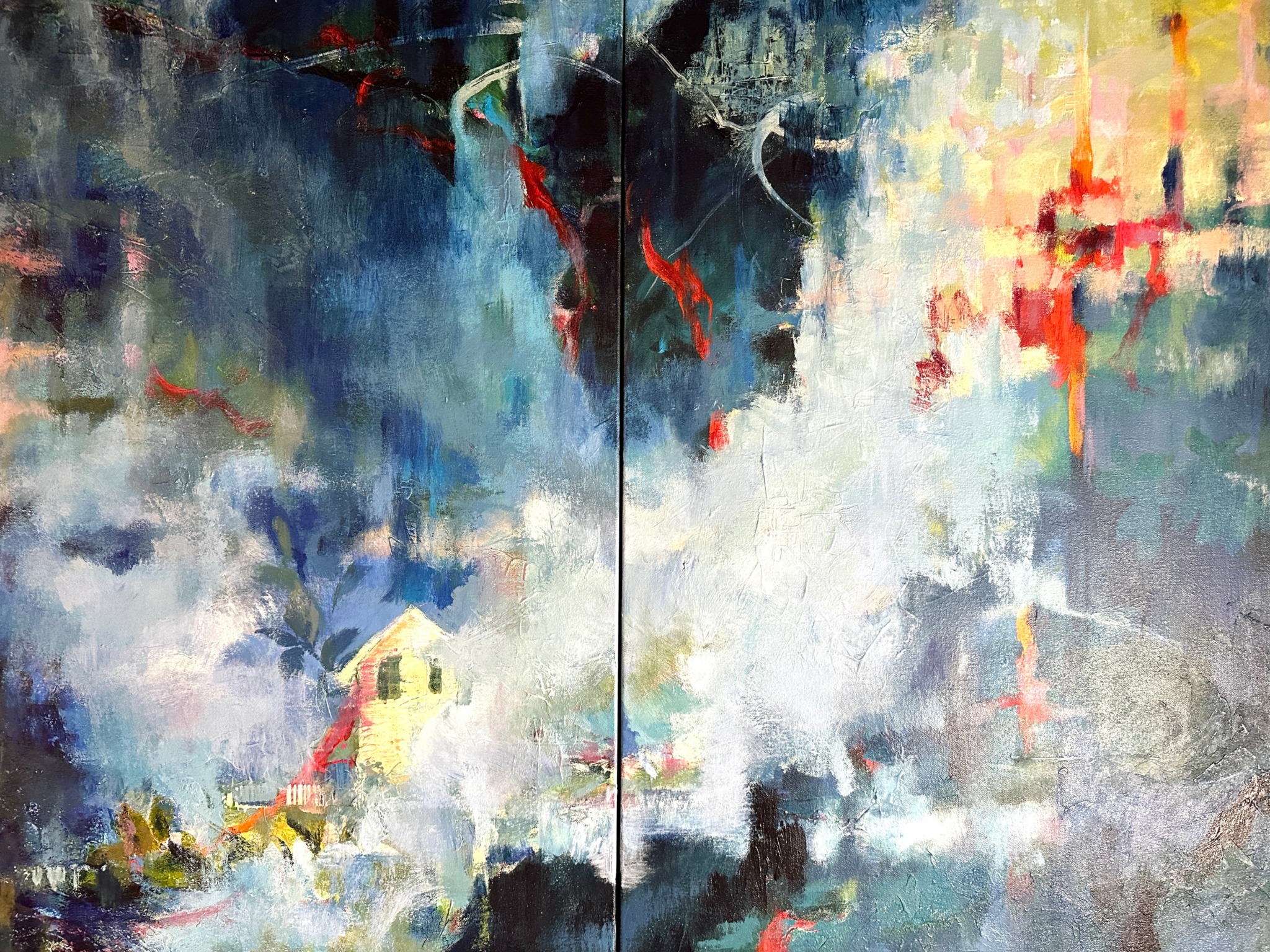
I approach art as an exploration. I like to investigate various ways to represent nature alongside man-made structures and the human form in abstract paintings. I enjoy painting more abstractly on intuitive projects in which each stroke forms in response to the one before.
While I focus on painting, I love learning new techniques and my work continues to evolve in new ways all the time. My medium of choice follows my curiosity and has evolved over the years from watercolor to mixed water media, acrylics and oil and includes, most recently, layering drawing and painting on translucent substrates. Much work includes a combination of these and may also explore collage elements.
I currently have a studio and gallery space in Lovettsville, VA. Previously, I was at The Torpedo Factory Art Center in Alexandria, VA. I exhibit widely and have been juried into shows in the mid-Atlantic and West Coast. I’ve been grateful to have won awards and been invited to jury some local shows.
Can you share a story from your journey that illustrates your resilience?
Being an artist is all about resilience. You’re constantly asking for something (to be invited to show your work, to get a studio space, to please purchase your work, etc) In general I feel like I’ve had a lot of successes, but you are always going to hear “no, thank you” more often than you’d like. How nice to get these repeated chances to become more resilient!
Life feels less secure when you don’t have a regular paycheck coming. There is a lot of work around faith and acceptance to do! But it also feels a lot better to develop a life as you’d like. The autonomy is worth it to me.
Is there something you think non-creatives will struggle to understand about your journey as a creative? Maybe you can provide some insight – you never know who might benefit from the enlightenment.
Non-creatives? Everyone is creative. That’s part of being alive.
We’ve been told to eat healthier, to exercise, and to meditate for years now. The one thing that hasn’t gotten its deserved focus is our creative life. Humans are creators. We make things.
Our great great grandparents made many things themselves. Specialization may lead some of us to not being able to create as much. It’s important to find ways to balance consuming and creating. There are things we must solve in life. The way we go about that is creative, whether we’re painting a picture, figuring out how to get the tomatoes to grow or raising a child.
I hope everyone will consider themselves a creative and will find ways to let their brains play and explore!
Contact Info:
- Website: https://NancyRamseyArt.com
- Instagram: NancyRamseyArt
- Facebook: NancyRamseyArt
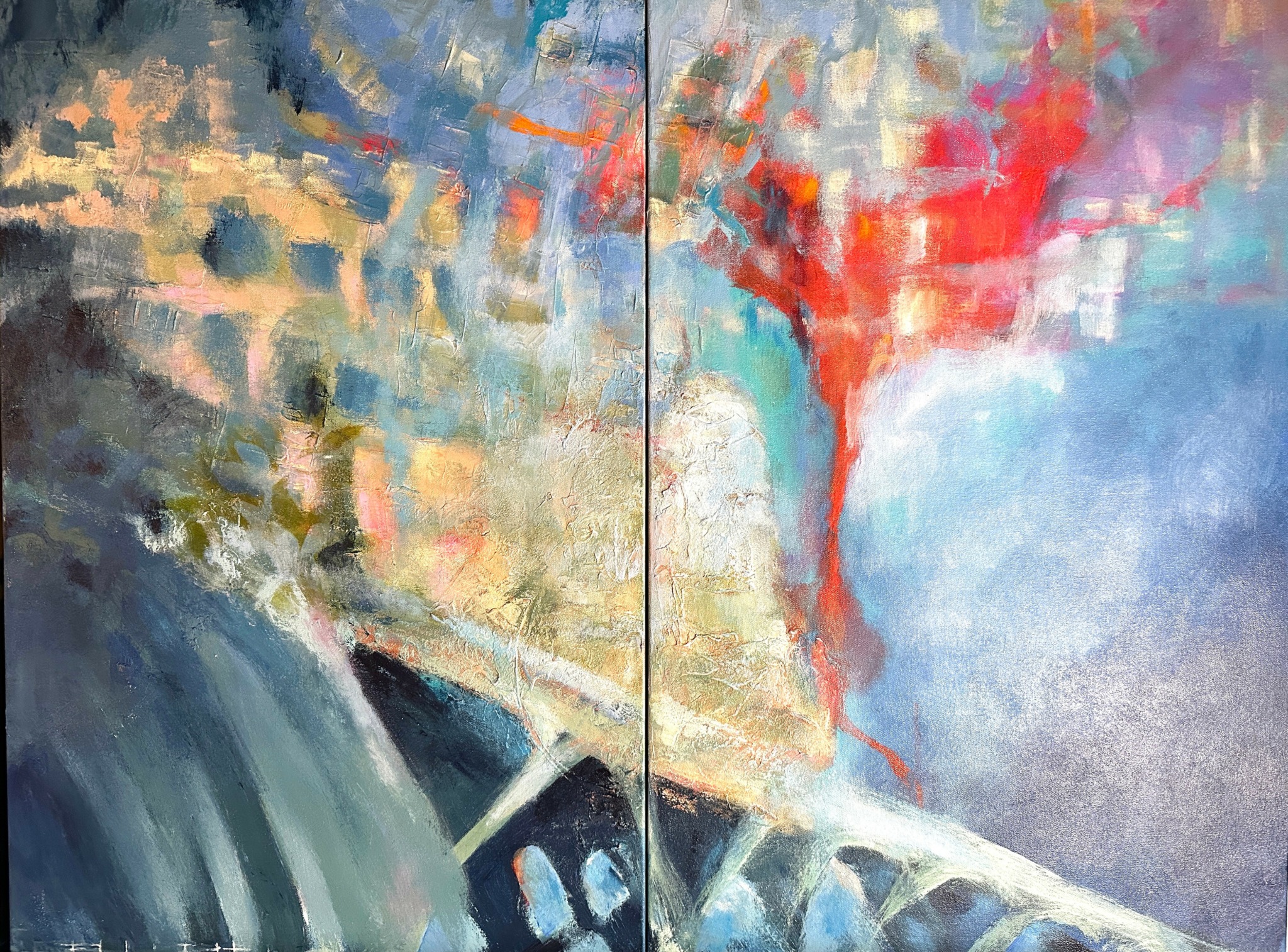
Image Credits
Nancy Deliso (just for the photo of me! I took the images of the paintings)