
We’re excited to introduce you to the always interesting and insightful Murphy(Yiran) Li. We hope you’ll enjoy our conversation with Murphy(Yiran) below.
Hi Murphy(Yiran), thanks for joining us today. What’s been the most meaningful project you’ve worked on?
One of the most meaningful projects I’ve worked on is GameHivee, a community and platform I created for people who are trying to enter or grow within the game industry.
The idea came from my own experience as an international student and early-career game developer. When I was studying game development and later trying to build a career in the industry, I realized how difficult it can be to find clear guidance. Many people do not know what a strong game portfolio looks like, how to build practical development experience, how to collaborate with a team, or how to translate their creative interests into actual career opportunities. For international students and cross-cultural creators, that journey can feel even more confusing because we are also dealing with language barriers, cultural differences, visa pressure, financial stress, and the feeling that we constantly have to prove ourselves in a new environment.
Before GameHivee became a platform, it started very organically. During college, I created a social media account on Rednote where I shared my experiences studying, working, and living in the U.S. as an international student. Over time, I began sharing more about game development, portfolio-building, creative career planning, and the process of applying for jobs in the U.S. game industry. People started reaching out with questions, and those one-on-one conversations slowly grew into a larger community.
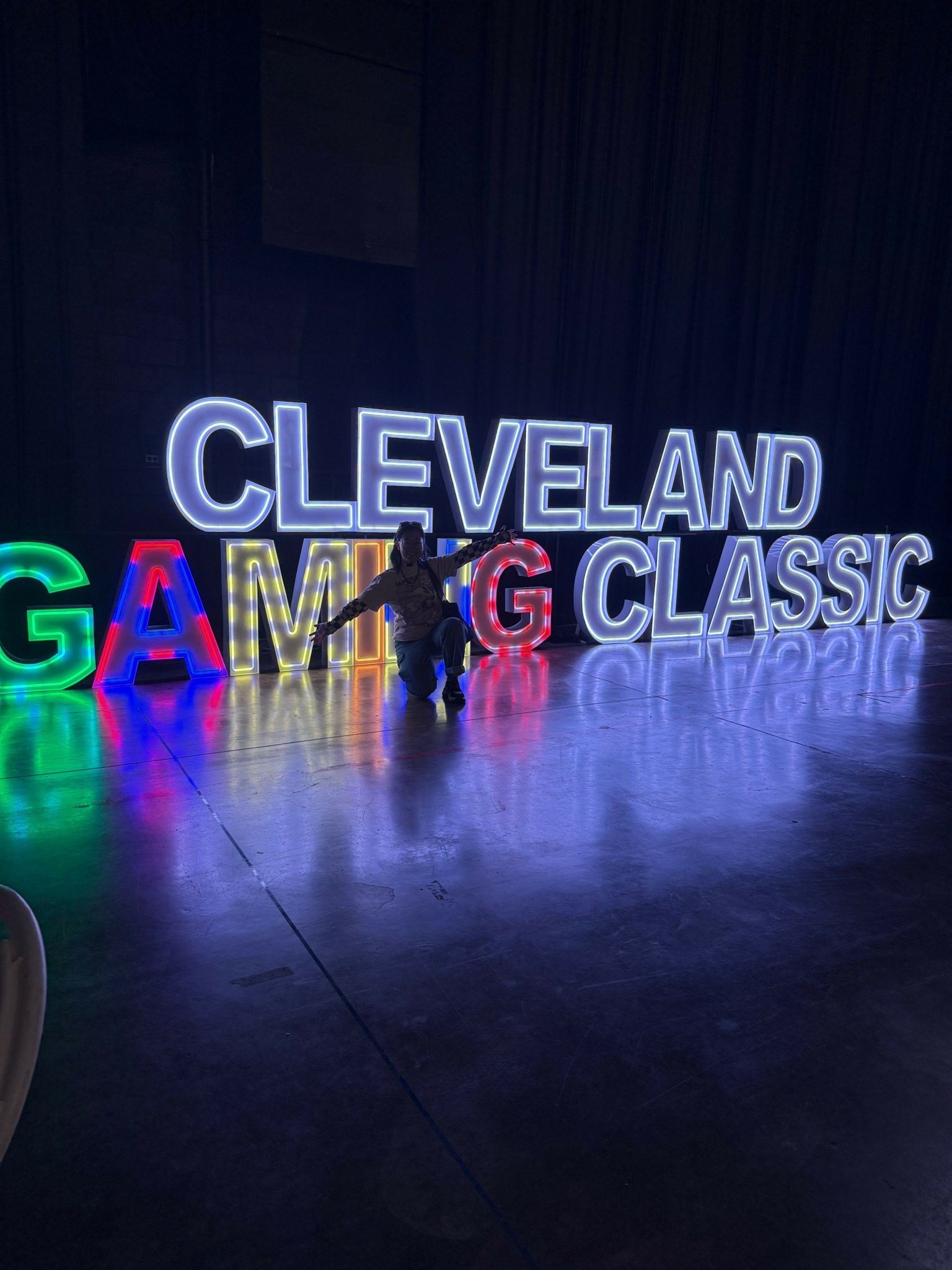
Today, GameHivee has grown into a game development community with more than 600 members. Through this community, I have organized and supported over 20 game developer meetups, workshops, portfolio conversations, and networking events. I have also seen members go on to receive offers from game studios, enter graduate programs at well-known game design and interactive media programs, and gain more confidence in their own creative and technical abilities.
That is what makes this project so meaningful to me. It is not just a platform or a community group; it is a space where people help each other move forward. I often describe it with a Chinese phrase: “Because I have stood in the rain before, I want to hold an umbrella for others.” A lot of what I share comes from things I had to learn the hard way. If my experience can help someone avoid one unnecessary detour, one moment of self-doubt, or one closed door, then the work feels worth it.
The game industry is built on collaboration, but breaking into the industry can feel very lonely. GameHivee is my attempt to create a more supportive ecosystem where emerging developers, designers, artists, producers, and students can learn from one another, build real projects, and be seen. It also reflects the kind of work I care about most: connecting people, translating knowledge, and helping creative ideas become real opportunities.

Great, appreciate you sharing that with us. Before we ask you to share more of your insights, can you take a moment to introduce yourself and how you got to where you are today to our readers.
My name is Murphy(Yiran) Li. I am a game industry professional, creative entrepreneur, interdisciplinary artist, and game development mentor working across game production, digital media, creative education, and cross-cultural storytelling.
My professional background sits at the intersection of creative production and technical communication. In the game industry, I work closely with cross-functional teams and support the process of turning creative goals into organized production work. That means helping designers, engineers, artists, and production stakeholders communicate clearly, clarify priorities, document decisions, and move complex ideas toward execution. Because my work often involves teams across languages, time zones, and cultural contexts, I have learned that communication in game development is not administrative background work. It is part of how games get made.
A game can have a strong creative direction, but if the team cannot translate that vision into clear tasks, systems, dependencies, and feedback loops, the idea can easily lose momentum. My role has helped me understand the production reality behind creative work: how design intent becomes implementation, how technical constraints shape player experience, and how collaboration determines whether an idea survives beyond a meeting.
That perspective also shapes how I mentor emerging developers. When I teach or advise students, I do not treat game development as just a software skill. Learning Unity, Unreal, level design, systems design, technical art, or production tools matters, but those skills become much more powerful when students understand how to scope, communicate, iterate, document, and present their work. I often help students and early-career creators understand the difference between “I made something” and “I can explain what I made, why I made it, how I solved problems, and how it fits into a real development process.”
I founded GameHivee to make that kind of knowledge more accessible. Through GameHivee, I support people who are trying to build real game projects, strengthen their portfolios, find collaborators, understand industry expectations, and prepare for opportunities in the game industry or graduate-level game programs. The community has grown to more than 600 members, with over 20 events and workshops focused on game development, portfolio growth, networking, and peer learning.
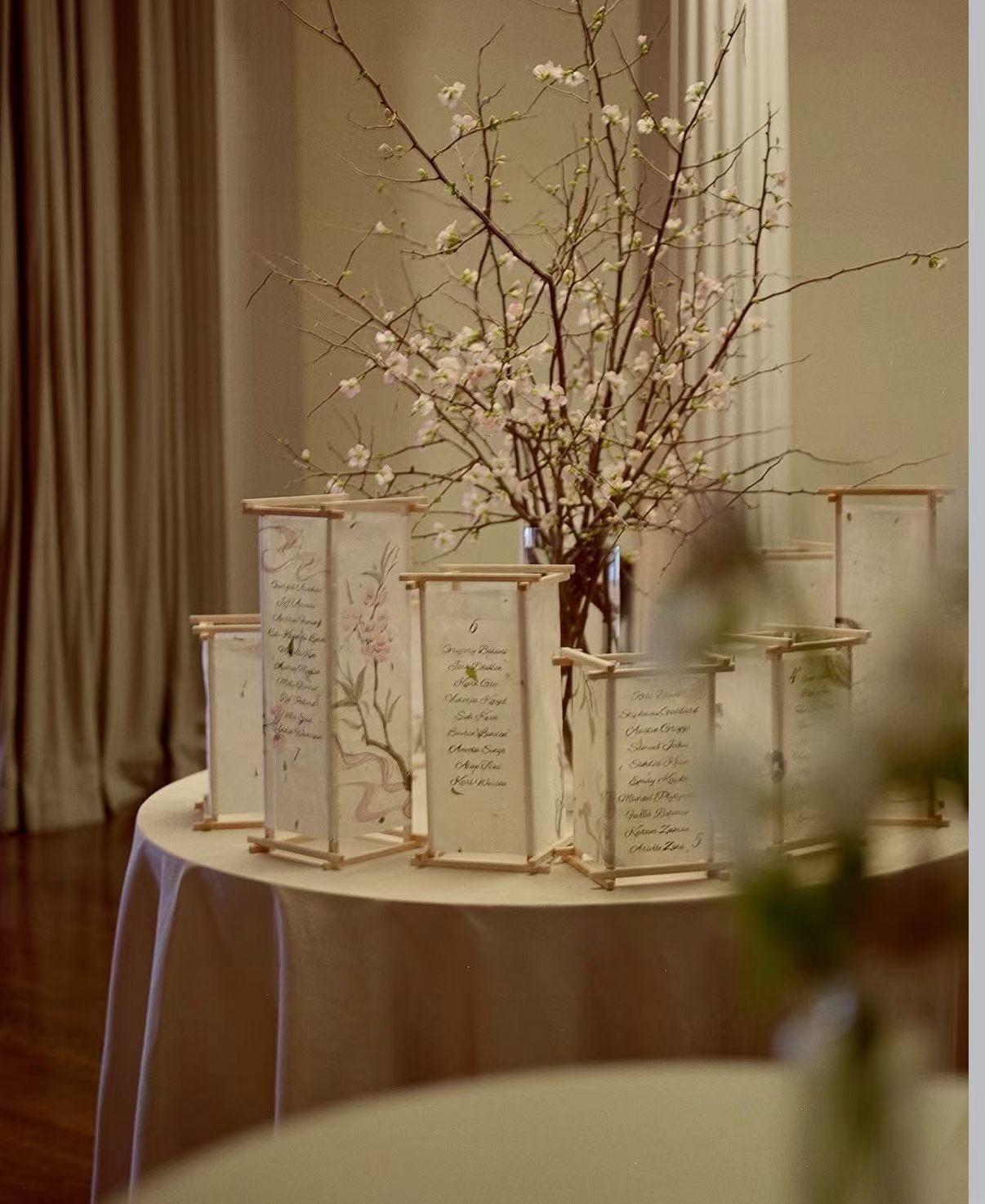
I also founded Meowshroom Studio, a creative studio rooted in Chinese visual culture and community-centered art experiences. Through Meowshroom Studio, I create Chinese calligraphy-inspired artwork, ink-based illustrations, cultural handmade products, event activations, and workshops. Since launching the studio in Denver, I have worked with universities, cultural organizations, civic spaces, and local community events, including projects and events connected with the University of Denver, University of Colorado Boulder, Regis University, Denver Sister Cities, Denver Botanic Gardens, Denver Civic Center, and other local partners.
Although GameHivee and Meowshroom Studio look different from the outside, they come from the same professional foundation. Both are about making creative knowledge more visible and accessible. One focuses on game development education and industry access; the other focuses on cultural storytelling and art-based community engagement. In both spaces, I am interested in building systems that help people connect with ideas, skills, and communities they may not have had access to before.
What sets me apart is my ability to move between creative vision and practical execution. I understand artistic language, technical constraints, production workflows, community-building, and cross-cultural communication. I can speak with artists about emotion and visual identity, with developers about systems and implementation, with students about portfolios and career direction, and with organizations about programming, audience engagement, and community value.
I am most proud of building work that has real utility for other people. I care about beautiful creative output, but I care just as much about whether that work helps someone learn , connect, remember, participate, or move forward. Whether someone joins a GameHivee event, asks for portfolio feedback, attends a cultural workshop, or discovers my work through a handmade piece, I want them to feel that creativity is not distant or exclusive. It can be practiced, shared, taught, and built into a pathway.
The main thing I want people to know about my work is that it is both creative and infrastructural. I make art, but I also build platforms. I mentor individuals, but I also think about ecosystems. I care about culture, but I also care about professional access. My long-term goal is to keep building bridges between creative talent and real opportunities, especially for people who are talented but may not yet have the language, network, or confidence to show what they are capable of.

Is there mission driving your creative journey?
The mission behind my work is to make creative industries more accessible, more culturally aware, and more supportive for people who are trying to build from the margins.
A lot of my work is shaped by the experience of being an international creator. I know what it feels like to enter a new environment and not fully understand the rules, the language, the expectations, or the invisible networks that help people move forward. I have experienced moments of being underestimated, misunderstood, or treated unfairly because of cultural and language differences. I have also been helped by generous mentors, friends, teachers, and community members who gave me information at the right time and made the next step feel possible.
Those experiences taught me that talent alone is rarely enough. People also need context, access, guidance, timing, and community. That belief drives my work more than any single medium does. In game development, my mission is to help emerging creators understand the professional world behind the craft. The industry can be exciting from the outside, but also opaque. Many students know they love games but do not know which role fits them, what skills they need to build, what makes a portfolio competitive, or how to collaborate on a project that reflects real production thinking. Through mentoring, community events, resource-sharing, and GameHivee, I try to make those hidden expectations easier to understand.
In my art and cultural work, my mission is representation through participation. I grew up with traditional Chinese arts and classical musical instruments. I do not want those traditions to exist only as something formal, distant, or preserved behind glass. I want people to encounter them through objects, workshops, public events, and personal experiences that feel alive. When someone tells me a calligraphy piece reminds them of home, their grandparents, a childhood memory, or a part of their identity they had not seen represented often in the States, I am reminded why this work matters.
I am also interested in how games and interactive media can carry culture forward. Games can hold story, sound, image, movement, systems, and player choice all at once. That gives the medium a rare ability to create empathy and participation. A player does not only look at a world; they move through it, make decisions inside it, and develop a relationship with its rules. That is one reason I see game development as a powerful space for cultural storytelling and future creative education.
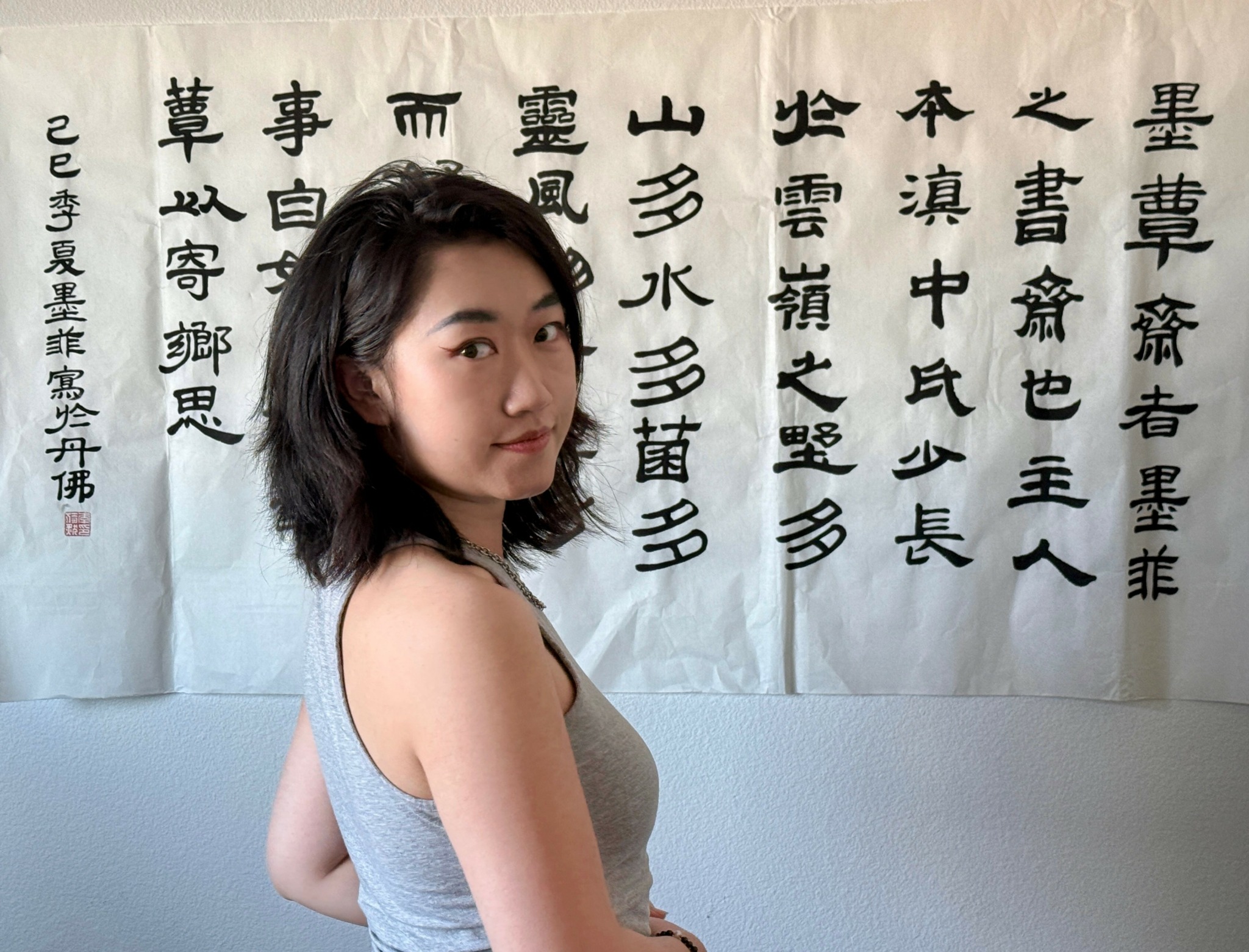
The phrase “淋过雨,所以想为别人撑伞” remains central to how I think about my work. Because I have been caught in the rain, I want to hold an umbrella for others. For me, that does not mean presenting myself as someone who has everything figured out. It means taking the lessons I have earned through difficulty and turning them into something useful: a workshop, a resource, a community, a coffee chat, a piece of art, or a path someone else can follow with a little more confidence.
My goal is not only to build a personal creative career. I want to build structures that continue to help people after a single interaction is over. I want GameHivee to become a stronger pathway for emerging game developers. I want Meowshroom Studio to keep creating cultural experiences that make people feel connected and represented. I want my professional work in games to contribute to projects that are better because teams communicate more clearly and creative ideas are handled with care.
The future I am working toward is one where more cross-cultural creators can be visible, more students can enter creative industries with practical knowledge, and more communities can see their stories reflected in contemporary media. That is the work that keeps me moving.
How about pivoting – can you share the story of a time you’ve had to pivot?
One of the most important pivots in my career was moving from individual creative practice and education work tow
ard a more integrated model: game industry production, creative entrepreneurship, and community-based education.
Earlier in my career, much of my work was connected to education, communication, and student support. I worked in a university admissions office and an international student office, supported students through mentoring and tutoring, and participated in educational programs and competitions as a speaker, mentor, and judge. At the same time, I was developing a wide range of creative and technical skills: coding, visual development, digital media, business communication, traditional art, and content creation.
For a while, those experiences looked separate. Education was one lane. Art was another. Technology was another. Community work was another. The pivot happened when I stopped treating them as separate identities and began building a career around the connections between them.
Game development became the professional field where those connections made the most sense. In games, creative vision has to meet technical implementation. Art has to work with systems. The story has to respond to player behavior. Production has to turn ambiguity into action. Communication becomes essential because no single person can build a meaningful game alone. The more I worked in and around game development, the more I saw that my combination of skills was not scattered. It was suited for a field that depends on interdisciplinary collaboration.
That realization changed how I approached both my career and my business. In 2024, I launched Meowshroom Studio in Denver as a creative studio centered on Chinese visual culture, handmade products, workshops, and community events. At first, I thought of it primarily as an art studio. Through collaborations with local organizations, universities, cultural groups, and public events, the studio quickly became something broader. I began to understand that a creative business can do more than sell individual products. It can create cultural programming, educational experiences, and community relationships.
Working with partners and events connected to Denver Sister Cities, Denver Botanic Gardens, University of Colorado Boulder, University of Denver, Regis University, Denver Civic Center, Bonfire Events, and local cultural communities helped me see the business value of cultural storytelling. People were not only responding to the visual style of my work; they were responding to the experience around it. They wanted to learn, participate, ask questions, and connect the work to their own memories or identities.
That lesson directly influenced the next project: GameHivee. I had already been offering mentoring to students and emerging creators informally through social media, educational programs, and one-on-one conversations. After building Meowshroom Studio, I began to see that this mentorship work could also become a structured platform. Instead of answering questions privately, I could create a community where knowledge was shared, events were organized, collaborators could meet, and people could grow together.
That was the real pivot: from making individual contributions to building ecosystems.
I still create artwork. I still mentor individuals. I still work professionally in game production. But I now see those efforts as connected parts of a larger direction. My art practice taught me how to communicate culture and emotion. My education work taught me how to guide people through uncertainty. My technical training taught me how to build systems. My game industry experience taught me how complex creative production really works. Entrepreneurship taught me how to turn those values into something sustainable and public-facing.
Looking back, the pivot was not about abandoning one path for another. It was about maturing from a multidisciplinary person into a multidisciplinary practitioner. I learned how to take the different parts of my background and organize them into work that serves a larger purpose: helping creative ideas become visible, helping people access the knowledge they need, and building communities where creativity has room to grow.
Contact Info:
- Website: https://www.meowshroomstudio.com/
- Instagram: https://www.instagram.com/murphylyr/
- Linkedin: https://www.linkedin.com/in/murphylyr
- Youtube: https://www.youtube.com/@meowshroomstudio
- Other: Rednote: https://www.xiaohongshu.com/user/profile/5eedadc60000000001005128?xhsshare=CopyLink&appuid=5eedadc60000000001005128&apptime=1705091823
Join GameHivee: https://www.instagram.com/gamehivee_official/
Murphy’s Game Site: https://murphyli.itch.io/
Play the Sci-Fi Game We Made: http://www.playforthestars.com/